Synapse Physiotherapy | Physio Center | Rehab Malaysia

For individuals living with persistent musculoskeletal pain, finding a treatment that offers long-term relief can be a frustrating journey. Many patients find themselves trapped in a cycle of rest and temporary fixes that fail to address the root cause of their discomfort. This is where Synapse Physiotherapy makes the difference through their advanced shockwave therapy services, designed to bridge the gap between traditional conservative care and invasive surgical interventions. Rather than merely masking symptoms, our professional team utilizes this technology to stimulate the body’s innate regenerative capabilities, ensuring each patient’s recovery journey is paced with intentional care and clinical precision.
Shockwave therapy, clinically referred to as Extracorporeal Shockwave Therapy (ESWT), is a sophisticated, non-invasive medical treatment that has gained significant traction in modern physiotherapy and sports medicine. Despite the name, the treatment does not involve electrical shocks. Instead, it utilizes high-energy acoustic pressure waves that are delivered through the skin to the site of injured or painful tissues via a handheld device.
While the technology was originally pioneered for the non-surgical breakdown of kidney stones, researchers eventually discovered that these same mechanical waves could trigger profound healing responses in tendons, ligaments, and bones. Today, it is a staple in orthopaedics for treating slow-healing musculoskeletal conditions where the body’s natural repair process has stalled.
Depending on the specific injury and the depth of the affected tissue, a physiotherapist may employ one of two types of shockwave technology:
The effectiveness of shockwave therapy lies in its ability to restart a “stalled” healing process. When these acoustic waves are applied to a chronic injury, they create controlled microtrauma within the tissue. While “trauma” might sound counterintuitive, this precise mechanical stimulus serves as a biological wake-up call, encouraging the body to resume repairing itself more aggressively.
Several key physiological effects occur during and after the treatment:
At Synapse Physiotherapy, we often recommend this treatment for patients who have tried rest, medication, and basic exercises without success. It is particularly effective for several stubborn conditions:
There are numerous benefits to opting for shockwave therapy as part of your rehabilitation programme at Synapse Physiotherapy. One of the most significant advantages is that it is entirely non-invasive. There are no needles, no incisions, and no need for anaesthesia, which drastically reduces the risk of complications and eliminates the long recovery times associated with surgery.
Furthermore, it is a highly efficient option for those with busy lifestyles. Most sessions last only 10 to 20 minutes, and patients can typically return to their daily activities immediately afterward. Because it addresses the underlying biological cause of the pain, many patients find they can reduce their dependence on long-term painkillers or anti-inflammatory medications. For injuries that have persisted for more than three months, it is often the catalyst needed to achieve a faster recovery.
The process of receiving a Shockwave Therapy Service at Synapse is straightforward and clinician-led. It begins with a comprehensive assessment where your physiotherapist identifies the exact location of the injury and determines if you are a suitable candidate.
Once confirmed, a coupling gel is applied to the skin to ensure the acoustic waves travel efficiently into the tissue. The therapist then uses the handheld device to deliver the pulses. While you may feel a tapping or sharp sensation—and some mild discomfort is common—the intensity can be adjusted to ensure the treatment remains tolerable for you. After the session, you will receive personalized advice on exercise and activity modification to support the healing process. Most patients require between 3 to 6 sessions, typically spaced one week apart, to achieve optimal results.
While shockwave therapy is a powerful tool, it is not a “magic bullet” that works in isolation. For long-term success, it must be integrated into a holistic physiotherapy plan. This comprehensive approach includes strengthening and mobility exercises to support the newly healing tissue, postural corrections to prevent re-injury, and education on load management. By combining advanced technology with expert clinical guidance, we ensure that we aren’t just treating the pain, but addressing the root cause of the problem.
Discomfort levels vary, but most patients describe it as a sharp tapping sensation. The intensity is always adjusted to keep it within a tolerable range for the patient.
Most clinical protocols involve 3 to 6 sessions spaced about a week apart, though this depends on the specific condition and how your body responds.
Some patients may experience mild soreness, redness, or swelling in the treated area, but these symptoms typically resolve within 24 to 48 hours.
It is generally avoided for those who are pregnant, have bleeding disorders, carry a pacemaker, or have an active infection or tumour at the treatment site.
Many patients experience a reduction in pain shortly after the first few sessions, though the full biological healing of the tissue can take several weeks.
In summary, shockwave therapy represents a significant advancement in the non-surgical management of chronic musculoskeletal pain. By stimulating the body’s natural healing mechanisms, it provides an evidence-based path to recovery for those who have struggled with long-standing injuries. Whether you are an athlete looking to return to sport or an individual seeking to walk without heel pain, this therapy offers a safe, effective, and fast-acting solution.
Tags :



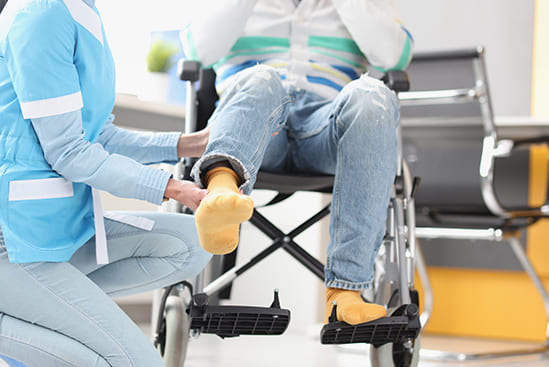


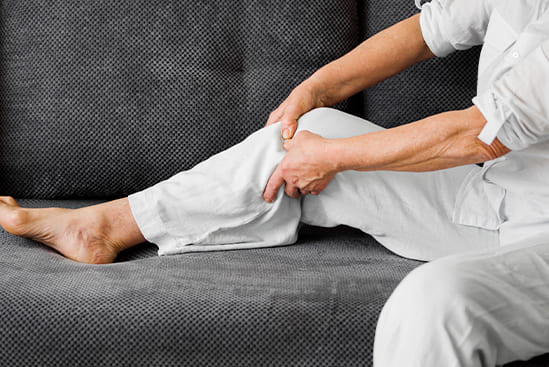
Joint degeneration and inflammation happens as the human body grows older, but that does not mean our way of life degenerates as well. Relief your joint pains with a joint effort together with your physiotherapist, who will provide pain-relief treatments and prescribe exercises for your wellbeing.

Common conditions in the older age population include hips & knee pain, back & neck pain, osteoarthritis, rheumatism, fear of falling and many more. Aging and degeneration of bodily function is inevitable, but here at Synapse, we will help you live the best of your life.