Synapse Physiotherapy | Physio Center | Rehab Malaysia

A slip disc, also known as a herniated or prolapsed disc, is one of the most common causes of back and leg pain in adults. It occurs when the soft inner material of a spinal disc pushes out through its outer layer and irritates nearby nerves. Many people delay treatment, hoping the pain will resolve on its own. However, physiotherapy for slip disc plays a crucial role in speeding up recovery, reducing pain, and preventing long-term complications when started early. This is where Synapse Physiotherapy makes the difference through their evidence-based approach to spinal health. By providing specialized care, their clinics offer a safe and structured healing process that focuses on intentional pacing and seamless transitions from acute pain to functional movement. Rather than rushing the recovery, their expert-led programs ensure you are present and supported throughout every stage of your rehabilitation.
The spinal discs act as shock absorbers between the vertebrae, allowing the spine to move smoothly while protecting the spinal nerves. When a disc slips or herniates, it can compress nearby nerves, leading to symptoms such as lower back or neck pain, radiating pain into the leg or arm, numbness, tingling, and muscle weakness. Furthermore, pain is often worsened by bending, sitting, or lifting. Without proper management, a slip disc can result in prolonged pain and reduced mobility, which slows recovery.
Many patients believe rest is the best solution for a slip disc. While short-term activity modification is helpful, prolonged rest can actually worsen stiffness, weaken muscles, and delay healing. Starting physiotherapy for slip disc early allows patients to reduce pain without relying heavily on medication, learn safe movement patterns, and maintain spinal function.
One of the first goals of early treatment is pain management. At Synapse Physiotherapy, the professional team uses gentle, evidence-based techniques to reduce discomfort without stressing the injured disc. These techniques may include:
Rather than complete rest, patients are guided to move safely, which helps calm the nervous system and reduce protective muscle spasms.
After a slip disc, the body often responds by guarding the affected area, causing protective stiffness. Early physiotherapy for slip disc addresses this by maintaining mobility in a controlled way. Physiotherapists may introduce:
Maintaining movement early prevents joints from becoming rigid and allows the spine to heal in a functional position.
A key component of rehabilitation is improving spinal stability. Research shows that Physiotherapy is Effective for Slip Disc because it focuses on:
These exercises provide support to the injured disc, reduce excessive movement, and improve confidence in daily activities.
Nerve compression or irritation is often responsible for radiating pain. Early physiotherapy for slip disc helps manage this through specific nerve mobilisation techniques and postural correction to reduce nerve pressure. Additionally, patients receive education on avoiding positions that increase nerve tension. By gradually improving nerve mobility, physiotherapy helps reduce symptoms such as tingling, numbness, and shooting pain.
Pain from a slip disc often interferes with simple tasks such as sitting, standing, walking, and bending. Early intervention focuses on restoring these functions safely. Patients are trained in:
This functional approach ensures that recovery translates into real-life improvement rather than just symptom relief.
One of the biggest risks of delayed treatment is the development of chronic back pain. When pain persists, the nervous system becomes more sensitive, making recovery more difficult. Early physiotherapy for slip disc helps prevent chronicity by:
Patients who engage in early treatment are more likely to return to normal activities and less likely to experience recurrence.
Education is a vital part of physiotherapy for slip disc. Patients learn to understand their condition, which reduces fear and promotes active participation. This includes:
Empowered patients tend to recover faster and maintain long-term spinal health.
Most slip disc cases do not require surgery. Early physiotherapy for slip disc helps maximise conservative treatment outcomes and may help patients avoid invasive procedures. Physiotherapists also work alongside doctors to monitor neurological symptoms and adjust treatment plans as recovery progresses. This collaborative approach ensures safe and effective care.
Physiotherapy can often begin within days of diagnosis. You should consider seeking professional help if your pain persists beyond a few days, if movement feels restricted or fearful, or if pain radiates into your leg or arm. Remember, “early” does not mean aggressive—it means timely, controlled, and appropriate care.
No, when performed by a professional, physiotherapy uses gentle, evidence-based techniques that are specifically designed to reduce discomfort without stressing the injured disc.
Recovery varies, but early physiotherapy plays a vital role in speeding up the process by promoting circulation and maintaining spinal function.
Physiotherapy can often begin within days of diagnosis once serious conditions are ruled out.
Treatment usually involves gentle range-of-motion movements, nerve gliding, and core stabilisation exercises like pelvic tilting to support the spine.
No, most slip disc cases do not require surgery, and early physiotherapy helps maximise conservative outcomes.
A slip disc can be painful and disruptive, but recovery does not have to be prolonged or complicated. Early physiotherapy for slip disc plays a vital role in reducing pain, restoring movement, and preventing long-term problems. By focusing on safe exercises, education, and functional rehabilitation, this approach supports the body’s natural healing process while empowering you to move with confidence. Seeking care early is not just about immediate relief; it is about building a stronger, more resilient spine for the future.
If you are struggling with back pain or restricted mobility, don’t wait for the condition to worsen. The professional team at Synapse Physiotherapy is ready to guide you through a personalised recovery plan. Book a consultation today to begin your journey toward a pain-free life.
Tags :



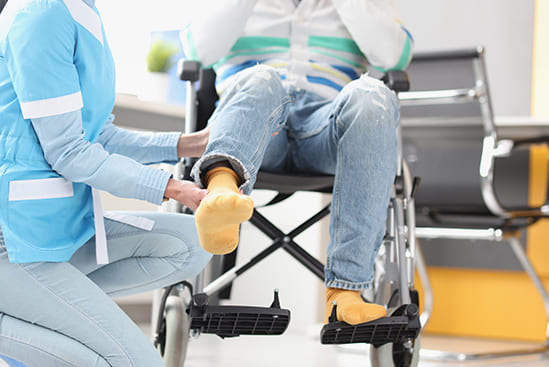


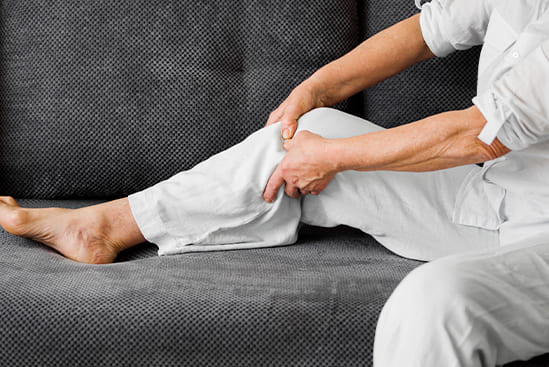
Joint degeneration and inflammation happens as the human body grows older, but that does not mean our way of life degenerates as well. Relief your joint pains with a joint effort together with your physiotherapist, who will provide pain-relief treatments and prescribe exercises for your wellbeing.

Common conditions in the older age population include hips & knee pain, back & neck pain, osteoarthritis, rheumatism, fear of falling and many more. Aging and degeneration of bodily function is inevitable, but here at Synapse, we will help you live the best of your life.