Posted on

How often should you go for a sports massage?

Sports Massage
Sports Massage
Sports Injuries, Synapse Physiotherapy

What is a sport massage?

Sports massage is an intense method of soft tissue mobilization that can be advantageous in both athletic and non-athletic settings. It involves several techniques such as effleurage, kneading, wringing, hacking, and trigger point therapy. The goal of sports massage is to relax the musculoskeletal system and target specific areas of concern. This massage technique aids in relieving muscle tension, breaking down adhesions, mobilizing soft tissues, and alleviating pain.

How often and why should you go for a sports massage?

As an athlete or sportsperson, incorporating pre-event and post-event sports massages into your training regimen is crucial for optimal preparation.

Pre-event

A post-event sports massage is typically administered immediately after the event or physical activity and plays a vital role in the recovery process. The purpose of this massage is not only to soothe sore muscles but also to promote a faster return to regular training or competition by aiding the body’s recovery from the stresses of physical exertion. Post-event massage focuses on a more gentle, calming approach to help the body wind down after intense activity. It primarily aims to address the physical strain placed on the musculoskeletal system during the event, prevent muscle cramping, and facilitate overall recovery. 


One of the key benefits of post-event massage is its ability to reduce delayed-onset muscle soreness (DOMS), which often occurs after high-intensity exercise. DOMS can lead to stiffness, discomfort, and reduced range of motion in the days following a strenuous workout or competition. By promoting blood flow to the affected muscles, post-event massage helps flush out metabolic waste products such as lactic acid that can accumulate during prolonged or intense exercise. This removal of waste products reduces the likelihood of muscle soreness and cramping, allowing the athlete to recover more comfortably and quickly.


Additionally, post-event massage assists in restoring the body’s normal range of motion by addressing muscle tightness and tension that can develop during physical exertion. During intense exercise, muscles are often pushed to their limits, leading to a loss of flexibility and joint stiffness. By gently mobilizing soft tissues and promoting relaxation, post-event massage helps re-establish flexibility, allowing for a quicker return to regular movement patterns and training. This improved mobility not only speeds up recovery but also reduces the risk of injury in subsequent training sessions by ensuring that the body is in a balanced and functional state.


Furthermore, a well-executed post-event massage helps in rebalancing the body and replenishing the musculoskeletal system after intense exertion. This is especially important for athletes who regularly engage in high-impact or endurance sports, as their muscles and joints often endure significant wear and tear. By focusing on areas of tightness, discomfort, or muscle imbalances, the massage helps to alleviate tension, break down any adhesions or knots, and prevent long-term issues such as chronic stiffness or pain. This process not only aids in immediate recovery but also enhances long-term athletic performance by preventing overuse injuries and maintaining muscular health.


Incorporating regular post-event massages into an athlete’s routine is a proactive approach to maintaining physical well-being. By aiding in the recovery process, post-event massage enables athletes to resume training or competition more quickly, with reduced fatigue and discomfort. It helps rejuvenate the body, preparing it for future events and preventing injury by addressing any underlying issues caused by physical exertion. For athletes of all levels, post-event massage is an essential tool in promoting faster recovery, enhancing physical performance, and ensuring long-term injury prevention.

Post-event

Suppose you’re experiencing pain from an injury like a sprain, strain, or fracture. In that case, a physiotherapist can assist in your recovery after your doctor’s initial treatment by prescribing exercises and therapies that help restore your strength, flexibility, and range of motion. Additionally, if your injury resulted from a fall, a physiotherapist can work with you to enhance your balance and coordination, reducing the risk of future falls and further injury.


For instance, if you’ve recently fractured your ankle in a fall, a physiotherapist can create a personalized exercise program aimed at improving balance, proprioception, and coordination. Exercises such as standing on one leg, walking heel-to-toe, and practicing weight shifts can enhance your balance and decrease the likelihood of future falls. This is especially crucial for older adults, as falls often lead to injury, reduced mobility, and a lower quality of life.


If you suddenly experience severe pain, such as waking up with intense neck pain or suddenly developing severe lower back pain that disrupts your daily activities, work, or sleep, it’s advisable to seek prompt evaluation from a physiotherapist. They can assess your condition, recommend strategies to relieve your pain, and help you regain full function as swiftly as possible. Additionally, they may screen for any signs of serious underlying medical issues that could require further medical evaluation.


If your pain persists despite rest or over-the-counter medications, it’s important to consult a physiotherapist. They can identify the underlying cause of your pain and offer targeted treatment to relieve it.


For instance, Achilles tendon pain might improve with rest but could return when you resume activities like running. In such situations, a physiotherapist can develop a rehabilitation plan to address the issue and help prevent its recurrence.

Key factors to determine the frequency of sports massage session

  • Activity level 

The frequency of sports massages largely depends on your level of physical activity and training intensity.

Elite Athlete

 For professional athletes or those undergoing intense training, sports massages may be beneficial as frequently as 1–3 times per week. Their demanding training schedules often result in muscle tightness, fatigue, and a higher risk of injury. Frequent massages are crucial in keeping the muscles loose, promoting faster recovery, and maintaining optimal performance levels. Regular treatment helps manage the accumulated strain from constant physical exertion, ensuring the body remains in top condition for continued training or competition.

Regular Exercisers

Individuals who engage in moderate physical activity multiple times a week, such as those who work out regularly at the gym or participate in sports, can benefit from bi-weekly or monthly sports massages. This frequency is often sufficient to manage muscle tension, speed up recovery, and prevent injuries. By integrating a sports massage into their routine, regular exercisers can maintain muscle health, address minor aches before they escalate, and enhance overall performance in their workouts.

Weekend Warriors

For those who engage in physical activity on weekends or occasionally, such as recreational athletes or casual sports participants, a monthly sports massage is typically enough. Since their physical demands are not as frequent, this schedule helps alleviate any residual muscle soreness and maintain flexibility. A monthly session can address any tension or strain that builds up over time, ensuring that muscles remain healthy and ready for future activities.

2.Training Intensity

The intensity of your workouts is a key factor in determining how often you should receive sports massages. High-intensity workouts place significant stress on your muscles. This increased strain elevates the need for regular massages to prevent muscle fatigue, reduce soreness, and improve recovery.

  • High-Intensity Training

 If your routine involves strenuous activities like weightlifting, HIIT, or competitive sports, scheduling weekly or bi-weekly sports massages is recommended. Regular massages help keep your muscles flexible, reduce the risk of overuse injuries, and support optimal performance by addressing the microtears and tightness that result from intense training.

  • Moderate Intensity

For those engaging in moderate-intensity activities such as jogging, swimming, or cycling, a monthly sports massage may be sufficient. These sessions help maintain muscle balance, prevent minor tightness from becoming more serious, and promote relaxation. Moderate-intensity athletes benefit from periodic massages to keep muscles functional and ready for continued training.

Frequently Asked Questions (FAQs)

A typical sports massage lasts between 30 and 60 minutes, depending on the athlete’s needs and the intensity of the session.

No, sports massages complement stretching by addressing deeper muscle layers, while stretching maintains flexibility and joint mobility.

Absolutely. Sports massages benefit anyone experiencing muscle tension, whether from physical activity, prolonged sitting, or everyday stress.

Pre-event massages should be scheduled within 24 hours of the activity to ensure muscles are primed without inducing fatigue.

Persistent muscle soreness, reduced range of motion, or tightness during activities are clear signs you could benefit from a session.

Conclusion

In conclusion, the frequency and timing of sports massages depend on factors such as your activity level, training intensity, and specific recovery goals. It’s important to listen to your body and consult with a qualified physiotherapist to develop a personalized massage plan tailored to your individual needs. For expert guidance and tailored care, you can receive these services at Synapse Physiotherapy. 

Produced by MYSense

Share This :

Back & Neck Pain

Conditions such as stiffness, postural abnormalities and muscle overuse from prolonged desk work at the office or home is more prevalent than most would think. We provide the necessary tools to fix you up and educate you on ergonomics which can unload unnecessary stress.

Sports Injuries

Rolled ankles, jarred knees, impinged shoulders are few conditions in the plethora of sports injuries which can hamper performance and limit our enjoyment of sports. Physiotherapy not only treats the symptoms of these conditions but propels your overall fitness to greater heights.

Work Desk Injuries​

Conditions such as stiffness, postural abnormalities and muscle overuse from prolonged desk work at the office or home is more prevalent than most would think. We provide the necessary tools to fix you up and educate you on ergonomics which can unload unnecessary stress.

Pre-Post-Surgical Conditions

Surgery involves going through preparation both before and after. Physiotherapists play a vital role in getting your body ready for surgeries with circulatory, breathing and strengthening exercises. After the procedure, let us be there for your recovery and rehabilitation, taking it one step at a time.

Scoliosis & Postural Abnormalities

The way we stand, sit, walk and sleep has influence over our posture and the overall balance of muscles controlling its alignment. A comprehensive screening can be done by our physiotherapists to detect abnormalities, which we will aid in correcting.

Neurological Conditions

Neurological disabilities such as stroke, nerve compression and neuropathies can be barriers for patients to live life to its fullest. We at Synapse are committed to help you overcome these hurdles by ensuring functional mobility and quality of life is at its optimum by providing the right treatment and exercises.

Osteoarthritis & Rheumatism

Joint degeneration and inflammation happens as the human body grows older, but that does not mean our way of life degenerates as well. Relief your joint pains with a joint effort together with your physiotherapist, who will provide pain-relief treatments and prescribe exercises for your wellbeing.
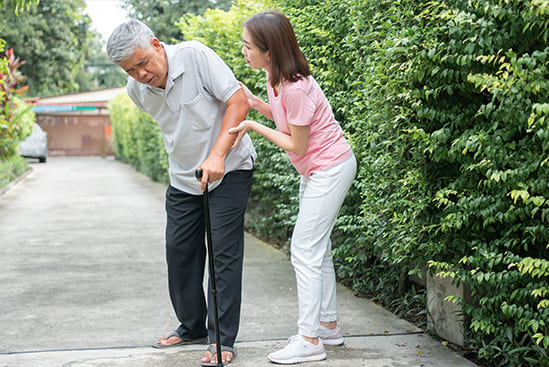
Conditions Relating To Elderly

Common conditions in the older age population include hips & knee pain, back & neck pain, osteoarthritis, rheumatism, fear of falling and many more.  Aging and degeneration of bodily function is inevitable, but here at Synapse, we will help you live the best of your life.
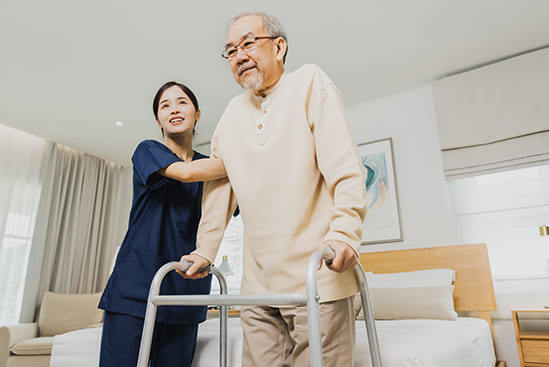
Home Physiotherapy

We understand that some conditions or injuries can make it difficult to receive rehabilitation at our clinic be it mobility or transportation issues. Our objective is to provide you with the same high-quality physiotherapy services at home that you would receive in-clinic.
Posted on

What is Muscular Dystrophy? Physiotherapy Petaling Jaya

physiotherapy petaling jaya
Sports Injuries, Synapse Physiotherapy

Introduction

Muscular Dystrophy (MD) is a group of genetically inherited diseases that cause muscles to weaken and waste away over time, affecting approximately 1 in 5,000 people worldwide. While MD can start at any age, it is most often diagnosed in childhood. The root cause of MD is the lack or absence of essential proteins, known as glycoproteins, in the muscle cell membranes. These proteins are crucial for muscle health and function; without them, muscles progressively weaken and deteriorate.

Physiotherapy is very important for individuals with muscular dystrophy. Physiotherapy interventions help them perform their activities of daily living (ADLs) independently, increasing their self-efficacy and mental well-being. Therefore, individuals with this condition should seek out physiotherapy nearby, such as searching for “physiotherapy Petaling Jaya,” to start their rehabilitation and maintain functional mobility.

Type + Sign & symptoms


Muscular dystrophy can be inherited through different genetic patterns. Duchenne muscular dystrophy is the most common in children, while myotonic dystrophy is the most prevalent in adults.

Duchenne Muscular Dystrophy (DMD)


Duchenne Muscular Dystrophy (DMD) is the most common type of muscular dystrophy. It primarily affects children assigned male at birth (AMAB), but children assigned female at birth (AFAB) can also develop a milder form of the disease. As DMD progresses, it can impact the heart and lungs, leading to significant health challenges.

Initially, children with DMD may have trouble walking and frequently fall. Over time, the muscle weakness becomes severe enough that daily activities become difficult, and many individuals will eventually require the use of a wheelchair.

  • Signs & Symptoms
    • Frequent falls
    • Difficulty rising from a lying or sitting position
    • Waddling gait (An exaggerated movement of the upper body creates a duck-like walk)
    • Large calf muscles
    • Walking on the toes
    • Developmental delay

Myotonic Dystrophy: 


Myotonic dystrophy (MD) is the most common type of muscular dystrophy diagnosed in adulthood, affecting adults assigned female at birth (AFAB) and adults assigned male at birth (AMAB) equally. Myotonic Dystrophy is inherited in an autosomal dominant fashion, meaning that only one copy of the altered gene is needed to cause the disorder.

People with MD experience difficulty relaxing their muscles after using them. This condition can also impact the heart and lungs, and it may cause endocrine issues such as thyroid disease and diabetes.

  • Signs & Symptoms
    • Myotonia (Inability to relax muscles following contractions)
    • Slurred speech
    • Temporary jaw lock
    • Cataracts (Clouding in the lens of your eye)
    • Cardiac conduction defects (Problems with the electrical signals that control the heartbeat)
    • Facial and Neck Muscle Weakness (The facial and neck muscles are often the first to be affected, leading to long, thin faces, drooping eyelids, and swan-like neck)

Risk Factors / Causes


Muscular dystrophy (MD) is primarily caused by genetic changes. Here’s a clear overview of how these genetic factors contribute to the development of MD:

Humans have 23 pairs of chromosomes, with one chromosome in each pair inherited from each parent. Among these, one pair determines a person’s sex (X and Y chromosomes), while the remaining 22 pairs, called autosomal chromosomes, govern other traits.

Genetic changes occur when mutations in a gene lead to a shortage of dystrophin, a crucial protein for healthy muscle function. This deficiency may result in the body producing too little dystrophin, producing it incorrectly, or failing to produce it altogether.

Medical Management

Treatment for MD focuses on managing symptoms, slowing disease progression, and enhancing quality of life. While there is no cure, various approaches can help improve daily functioning and overall well-being.

Conservative Management:

  • Medication:
      • Antiarrhythmics & ACE Inhibitors: Used to manage heart complications.
      • Sodium Channel Blockers: Medications like phenytoin, procainamide, or mexiletine help manage irregular heartbeats.
      • Steroids (e.g., Prednisone): These can slow the progression of muscular dystrophy.
  • Assistive Devices:
    • Wheelchairs: Proper seating to support mobility and comfort.
    • Ankle-Foot Orthoses (AFOs): Lightweight or molded devices to support foot and ankle function.
  • Physiotherapy: Helps maintain muscle strength, improve mobility, and manage physical function.
  • Genetic Counseling: Provides information on the genetic aspects of the condition.
  • Supportive Counseling: Addresses emotional and psychological needs, helping patients stay active and engaged.

Surgical Options:

  • Contracture Release: Surgery to relieve tight muscles or joints.
  • Cardiac Devices: Implantation of defibrillators or pacemakers to manage heart problems.
  • Spinal Correction Surgery: Performed to correct scoliosis, which can help maintain respiratory function and walking ability.

How does physiotherapy help you?


Physiotherapy is essential for managing muscular dystrophy. It helps maintain muscle strength, flexibility, and prevents joint stiffness. By slowing the progression of the disease, physiotherapy enhances daily function and improves quality of life.

Intervention

  • Strengthening Exercise: Muscle training to improve muscle endurance and muscle strength (prevent disuse atrophy)
  • Stretching Exercise: Stretching tight muscles to prevent contractures and ease muscle spasms. 
  • Posture & position correction: Correcting and varying positions to increase comfort and prevent pressure sores.
  • Cardiorespiratory endurance exercise: Exercise to increase stamina and reduce fatigue
  • Balance exercise: Activities to improve balance and make it easier for you to respond to differing surfaces such as slopes, hills, kerbs, gravel, and grass.
  • Advice on mechanical support such as wheelchairs, walking aids and orthotic devices in order to improve functional ability.
  • Hydrotherapy and massage to provide relief and improve muscle relaxation.
  • Breathing Exercise: Breathing control and assisted coughing if appropriate to maintain a clear chest.

FAQs

1. What is Muscular Dystrophy?

Muscular Dystrophy is a genetic disorder that weakens muscles over time, leading to a decline in physical abilities.

2. How does physiotherapy help with Muscular Dystrophy?

Physiotherapy helps maintain muscle strength, flexibility, and mobility, slowing the progression of muscle weakening.

3. Is there a cure for Muscular Dystrophy?

Currently, there is no cure, but treatments like physiotherapy and medications can help manage symptoms and improve quality of life.

4. Can physiotherapy prevent the need for surgery in MD?

While physiotherapy cannot prevent all surgeries, it can delay the need for surgical interventions by maintaining muscle function and joint flexibility.

5. When should someone with Muscular Dystrophy start physiotherapy?

Early intervention is key—starting physiotherapy as soon as a diagnosis is made can help preserve mobility and delay the progression of symptoms.

Conclusion

Understanding muscular dystrophy and its impact on daily life is the first step toward managing the condition effectively. At Synapse Physiotherapy, we are dedicated to providing personalized care that addresses your unique needs and enhances your quality of life. Our expert physiotherapists are committed to offering tailored treatment plans that not only focus on managing symptoms but also aim to improve mobility, strength, and overall well-being. If you or a loved one is facing the challenges of muscular dystrophy, don’t hesitate to reach out to us. 

Share This :

Back & Neck Pain

Conditions such as stiffness, postural abnormalities and muscle overuse from prolonged desk work at the office or home is more prevalent than most would think. We provide the necessary tools to fix you up and educate you on ergonomics which can unload unnecessary stress.

Sports Injuries

Rolled ankles, jarred knees, impinged shoulders are few conditions in the plethora of sports injuries which can hamper performance and limit our enjoyment of sports. Physiotherapy not only treats the symptoms of these conditions but propels your overall fitness to greater heights.

Work Desk Injuries​

Conditions such as stiffness, postural abnormalities and muscle overuse from prolonged desk work at the office or home is more prevalent than most would think. We provide the necessary tools to fix you up and educate you on ergonomics which can unload unnecessary stress.

Pre-Post-Surgical Conditions

Surgery involves going through preparation both before and after. Physiotherapists play a vital role in getting your body ready for surgeries with circulatory, breathing and strengthening exercises. After the procedure, let us be there for your recovery and rehabilitation, taking it one step at a time.

Scoliosis & Postural Abnormalities

The way we stand, sit, walk and sleep has influence over our posture and the overall balance of muscles controlling its alignment. A comprehensive screening can be done by our physiotherapists to detect abnormalities, which we will aid in correcting.

Neurological Conditions

Neurological disabilities such as stroke, nerve compression and neuropathies can be barriers for patients to live life to its fullest. We at Synapse are committed to help you overcome these hurdles by ensuring functional mobility and quality of life is at its optimum by providing the right treatment and exercises.

Osteoarthritis & Rheumatism

Joint degeneration and inflammation happens as the human body grows older, but that does not mean our way of life degenerates as well. Relief your joint pains with a joint effort together with your physiotherapist, who will provide pain-relief treatments and prescribe exercises for your wellbeing.

Conditions Relating To Elderly

Common conditions in the older age population include hips & knee pain, back & neck pain, osteoarthritis, rheumatism, fear of falling and many more.  Aging and degeneration of bodily function is inevitable, but here at Synapse, we will help you live the best of your life.

Home Physiotherapy

We understand that some conditions or injuries can make it difficult to receive rehabilitation at our clinic be it mobility or transportation issues. Our objective is to provide you with the same high-quality physiotherapy services at home that you would receive in-clinic.
Posted on

Aquatic Therapy for Stroke Rehabilitation Kuala Lumpur

physiotherapy kuala lumpur
Sports Injuries, Synapse Physiotherapy

Introduction

What is Aquatic Therapy?

Hydrotherapy, also known as aquatherapy, involves activities performed in water to aid in rehabilitation and recovery from hard training or serious injuries. This form of exercise, typically conducted in warm water, has been used for thousands of years and is popular for treating patients with neurological and musculoskeletal conditions. It helps individuals practice coordinated and balanced movements.

The primary goals of hydrotherapy include muscle relaxation, strengthening, improving joint motion, and reducing pain. In specific populations, it also enhances muscle coordination and balance. Physiotherapists frequently use hydrotherapy in rehabilitation settings because water provides a secure, low-risk, and supportive training environment. This makes it particularly beneficial for older adults who want to engage in fitness programs without the risk of falling, leading to high client satisfaction and adherence.

Aquatic therapy is a common treatment for patients with neurological disorders, aiming to achieve optimal functional independence. The physical properties of water, such as buoyancy, viscosity, and thermodynamics, offer significant benefits for mobility in individuals with disabilities. Consequently, aquatic therapy continues to be widely utilized in neurorehabilitation.

Patients needing rehabilitation after a stroke might search for physiotherapy services nearby, such as “physiotherapy Kuala Lumpur,” to find hydrotherapy options.

What is Stroke?

According to the World Health Organization, a stroke is defined as a sudden onset of rapidly developing clinical signs of focal or global disturbance of cerebral function, lasting 24 hours or longer, or leading to death, with no apparent cause other than a vascular origin. This includes cerebral infarction, intracerebral hemorrhage, and subarachnoid hemorrhage.

There are two main types of strokes. The most common type, accounting for 85% of all acute strokes, is an ischemic stroke, caused by an interruption of blood flow to a specific area of the brain. 

The other type, hemorrhagic strokes, make up 15% of acute strokes and occur due to the bursting of a blood vessel, leading to acute hemorrhage. Hemorrhagic strokes include intracerebral hemorrhage (ICH) and subarachnoid hemorrhage, with the latter accounting for about 5% of all strokes.

Regardless of the stroke type, it is crucial to understand that with each minute a stroke remains untreated, close to two million neurons die. This highlights the importance of the “time is brain” concept in the context of acute stroke and its treatment.

Treatments for stroke patients

Following a stroke, treatment focuses on maximizing recovery and regaining daily function. Patients typically work with a team of specialists:

  • Speech-Language Pathologists: Help recover communication and oral functions, addressing issues like swallowing and speech.
  • Occupational Therapists: Assist in relearning daily tasks and navigating the home safely, often providing mobility aids and home modifications.
  • Physical Therapists: Focus on improving physical abilities, particularly walking, sitting, and standing.
  • Psychologists or Psychiatrists: Address emotional health, helping patients cope with depression and emotional distress through therapy and medication.

Physiotherapy for stroke patients

Physiotherapy for stroke focuses on helping patients regain physical abilities and improve their quality of life. The primary goals include restoring movement, enhancing strength and coordination, and preventing complications. Key components of physiotherapy for stroke patients include:

  • Gait Training: Helping patients relearn how to walk and improve their gait.
  • Strengthening Exercises: Building muscle strength and endurance.
  • Balance and Coordination Exercises: Improving stability and coordination to prevent falls.
  • Range of Motion Exercises: Enhancing flexibility and joint mobility.
  • Functional Training: Practicing daily activities such as sitting, standing, and transferring to regain independence.

How does aquatic therapy help stroke patients?

Hydrotherapy, or aquatic therapy, uses water for physical therapy and is highly effective for stroke patients. Typically conducted in warm or room-temperature therapy pools, aquatic therapy involves exercises designed to improve movement and abilities. The buoyancy of the water supports the body, reducing weight and stress on joints, while the water’s viscosity provides resistance, enhancing strength and cardiovascular workouts. The water pressure also aids in blood circulation and protects against falls.

Aquatic therapy offers several benefits for stroke patients:

  • Improved Mobility: Water reduces body weight by up to 90%, easing movement and allowing patients to work on balance and coordination. Range-of-motion exercises and simulated walking become feasible even if land-based exercises are too challenging.
  • Increased Strength: The natural resistance of water allows for effective strength training and targets areas that might be more difficult to work on, on land. Patients can perform exercises like squats and lunges in water even if they cannot do so on land.
  • Pain Relief: The pressure of water massages muscles, reducing pain during and after sessions. Warm water further alleviates muscle tension and stimulates endorphin release, providing natural pain relief.
  • Cardiovascular Health: Water immersion enhances cardiovascular fitness with low-impact exercises. Standing or moving in water increases heart workload, improving endurance and potentially lowering the risk of future strokes.
  • Balance Training: Aquatic therapy provides a safe environment for balance exercises, which is especially beneficial for stroke patients who often have balance issues. The water’s support reduces the risk of falls and allows for progress through resistance jets or manual disturbances.
  • Muscle Relaxation: Warm water helps relax spastic muscles, reducing stiffness and discomfort, which allows for more effective muscle lengthening and overall therapy.

Overall, aquatic therapy not only aids in physical recovery but also boosts emotional well-being, especially in group settings where patients experience a sense of progress and independence.


Specific techniques for stroke patient

Aquatic therapy employs techniques tailored to the unique properties of water to enhance sensory-motor recovery for stroke survivors. Various methods are used, each designed to optimize movement and function in a water-based environment:

  • Halliwick’s Method: This approach, part of Water Specific Therapy (WST), focuses on helping clients control their movements through various water-based activities. It emphasizes balance and postural control by challenging the client with destabilizing forces in a safe environment. This method incorporates rotational patterns and encourages independence through active disengagement.
  • Bad Ragaz Ring Method (BRRM): Based on Proprioceptive Neuromuscular Facilitation, BRRM involves three-dimensional, diagonal movements in water. It focuses on strengthening and stability, with active and therapist-assisted exercises. Clinical trials, such as one by Hyun-Gyu Cha et al., have shown BRRM to improve balance and leg muscle activation in chronic stroke patients.
  • Ai Chi: This method includes 19 katas of postural control movements performed in chest-deep water. Clients follow slow, rhythmic movements combined with mindful breathing, typically with minimal hands-on assistance from the therapist. Research by Pei-Hsin Ku et al. indicates Ai Chi improves balance, weight shifting, and lower extremity control in stroke patients compared to conventional water-based exercises.
  • Task Type Training Approach (TTTA): Developed by David Morris, TTTA involves teaching functional activities through task simulation in the pool. It integrates activities like pushing, pulling, carrying, and lifting objects to enhance functional skills. Practitioners should have a solid understanding of neurological dysfunction and motor learning principles.

These methods utilize the unique properties of water to provide safe, effective rehabilitation tailored to individual needs, helping stroke survivors regain function and improve their quality of life.

FAQs

1. How soon after a stroke can I start aquatic therapy?

Aquatic therapy can be introduced once a stroke patient is medically stable and able to participate in physical activity, typically a few weeks post-stroke.

2. Is aquatic therapy safe for all stroke patients?

Aquatic therapy is generally safe for most stroke patients, but it’s important to consult with a healthcare provider to ensure it’s appropriate for your specific condition.

3. How long are aquatic therapy sessions?

Sessions typically last between 30 to 60 minutes, depending on the patient’s endurance and rehabilitation needs.

4. Can aquatic therapy be combined with other rehabilitation treatments?

Yes, aquatic therapy is often combined with land-based physical therapy, occupational therapy, and speech therapy to create a comprehensive rehabilitation plan.

5. How long does it take to see results from aquatic therapy?

Results vary depending on the severity of the stroke, but many patients begin to see improvements in mobility and strength within a few weeks of consistent therapy.

Conclusion

In conclusion, hydrotherapy has demonstrated remarkable effectiveness in stroke rehabilitation, facilitating faster recovery of functional mobility and enhancing overall quality of life. At Synapse Physiotherapy, we offer comprehensive hydrotherapy services designed to support your individual rehabilitation needs. Contact us today to discover how our specialized approach can help you achieve your recovery goals.

Share This :

Back & Neck Pain

Conditions such as stiffness, postural abnormalities and muscle overuse from prolonged desk work at the office or home is more prevalent than most would think. We provide the necessary tools to fix you up and educate you on ergonomics which can unload unnecessary stress.

Sports Injuries

Rolled ankles, jarred knees, impinged shoulders are few conditions in the plethora of sports injuries which can hamper performance and limit our enjoyment of sports. Physiotherapy not only treats the symptoms of these conditions but propels your overall fitness to greater heights.

Work Desk Injuries​

Conditions such as stiffness, postural abnormalities and muscle overuse from prolonged desk work at the office or home is more prevalent than most would think. We provide the necessary tools to fix you up and educate you on ergonomics which can unload unnecessary stress.

Pre-Post-Surgical Conditions

Surgery involves going through preparation both before and after. Physiotherapists play a vital role in getting your body ready for surgeries with circulatory, breathing and strengthening exercises. After the procedure, let us be there for your recovery and rehabilitation, taking it one step at a time.

Scoliosis & Postural Abnormalities

The way we stand, sit, walk and sleep has influence over our posture and the overall balance of muscles controlling its alignment. A comprehensive screening can be done by our physiotherapists to detect abnormalities, which we will aid in correcting.

Neurological Conditions

Neurological disabilities such as stroke, nerve compression and neuropathies can be barriers for patients to live life to its fullest. We at Synapse are committed to help you overcome these hurdles by ensuring functional mobility and quality of life is at its optimum by providing the right treatment and exercises.

Osteoarthritis & Rheumatism

Joint degeneration and inflammation happens as the human body grows older, but that does not mean our way of life degenerates as well. Relief your joint pains with a joint effort together with your physiotherapist, who will provide pain-relief treatments and prescribe exercises for your wellbeing.

Conditions Relating To Elderly

Common conditions in the older age population include hips & knee pain, back & neck pain, osteoarthritis, rheumatism, fear of falling and many more.  Aging and degeneration of bodily function is inevitable, but here at Synapse, we will help you live the best of your life.
Home Physiotherapy

We understand that some conditions or injuries can make it difficult to receive rehabilitation at our clinic be it mobility or transportation issues. Our objective is to provide you with the same high-quality physiotherapy services at home that you would receive in-clinic.
Posted on

The 4 Phases of Rehabilitation After ACL Repair Surgery

rehab malaysia
rehab malaysia
Sports Injuries, Synapse Physiotherapy

Introduction 

Anterior cruciate ligament (ACL) repair surgery is a common procedure for athletes and active individuals who suffer from ACL tears. Complete ACL tears are usually treated by sports medicine physicians and orthopaedic surgeons with an ACL reconstruction surgery, in which the torn ligament is replaced with a tissue graft to mimic the natural ACL. Holistic and interdisciplinary approach to treating ACL injuries is crucial in making sure that your ACL recovers fully. Looking for top-tier ACL rehabilitation in Malaysia? Synapse Physiotherapy is a leading expert in treating ACL tears and providing comprehensive post-operative rehabilitation. With a team dedicated to personalised recovery plans, we’re committed to helping you get back to peak performance. Our expert and professional physiotherapist will be able to correctly design your rehabilitation plan and facilitate your return to sports in the best way possible.

You may be wondering if there is a necessity to get ACL surgery, in which the answer depends on the severity of the ACL tear and the lifestyle of the patient. For example: a completely torn ACL cannot heal on its own. However, in a certain population of young patients who had experienced a partial tear of the ACL, the ligament may heal without the need for surgery. In addition, patients who only have a partial tear, non-surgical treatment may be an option.For patients who maintain an active lifestyle that have completely torn their ACL, especially for competitive athletes, it is highly recommended for surgery to allow them to return to pre-injury level of activity and avoid any further damage to the knee. Athletes who participate in cutting and pivoting sports such as soccer, basketball, football, and hockey are at increased risk of meniscus injury if an ACL is left untreated with surgery or rehabilitation.

However, in some older patients or others whose lifestyles do not include rigorous exercise with side to side movements, a non-surgical treatment may allow them to return to normal routine without an intact ACL although this varies from individual to individual. For a complete tear of the ACL, reconstruction surgery is typically scheduled between 3 to 6 weeks after injury as this allows inflammation in the affected knee to subside. The gap time also allows physiotherapy treatment to focus on restoring normal knee flexion and extension range of motion, which is one of the criteria that needs to be met before reconstruction surgery can be done.

Post-surgery rehab, a comprehensive rehabilitation program, is crucial for regaining strength, stability, and function in the knee. Proper rehabilitation can also prevent stiffness in the knee joint after surgery. Physiotherapy rehabilitation typically progresses through four distinct phases, each with specific goals and exercises to ensure a successful recovery.

Phase 1: Immediate Post-Surgery (Weeks 0-2)

 Goals:

– Protect the surgical repair

– Reduce pain and swelling

– Restore basic knee movement

– Begin muscle activation

Key Components:

  1. Pain and Swelling Management:

 Rest and Ice: Apply ice regularly to reduce inflammation and pain.

Compression and Elevation: Use compression bandages and keep the leg elevated to minimise swelling.

  1. Mobility Exercises:

Passive Range of Motion (ROM) Exercises: Assisted exercises to gently move the knee joint without active muscle contraction, such as heel slides.

Patellar Mobilisation: Gentle movements of the kneecap to prevent stiffness.

  1. Muscle Activation:

Quadriceps Setting: Isometric exercises to activate the quadriceps without moving the knee joint.

Ankle Pumps: Promotes circulation and prevents blood clots.

  1. Weight Bearing:

Crutch Use: Gradual weight-bearing as tolerated with crutches, following the surgeon’s guidance.

Phase 2: Early Rehabilitation (Weeks 2-6)

Goals:

– Restore full knee ROM

– Improve muscle strength

– Maintain patellar mobility

– Achieve normal gait pattern

Key Components:

  1. Range of Motion Exercises:

Active-Assisted ROM Exercises: Exercises to increase knee flexion and extension, such as using a stationary bike with minimal resistance.

Wall Slides: To enhance knee movement.

  1. Strengthening Exercises:

Closed Kinetic Chain Exercises: Such as mini squats and leg presses, which are safer for the healing ligament.

Straight Leg Raises: To strengthen the quadriceps without stressing the knee.

  1. Gait Training:

Walking Drills: Focus on proper walking mechanics and reducing limping.

Treadmill Walking: At a slow pace to ensure even weight distribution.

  1. Neuromuscular Training:

 Balance Exercises: Such as standing on one leg or using a balance board to improve knee stability.

Phase 3: Intermediate Rehabilitation (Weeks 6-12)

Goals:

– Increase muscle strength and endurance

– Enhance proprioception and balance

– Gradually return to functional activities

Key Components:

  1. Strength Training:

Progressive Resistance Exercises: Including leg presses, hamstring curls, and hip strengthening exercises.

Core Strengthening: To support overall stability and function.

  1. Proprioception and Balance:

Single-Leg Balance Drills: With added challenges such as soft surfaces or perturbations.

Dynamic Balance Exercises: Such as lateral movements and step-ups.

  1. Cardiovascular Fitness:

Low-Impact Aerobic Exercises: Such as swimming, cycling, or using an elliptical machine to maintain cardiovascular health.

  1. Functional Training:

Sport-Specific Drills: Gradual introduction of sport-specific movements to prepare for return to activity.

Plyometric Exercises: Light jumping and landing drills to build explosive strength and coordination.

Phase 4: Advanced Rehabilitation and Return to Sport (Weeks 12+)

 Goals:

– Achieve full strength and functional capacity

– Return safely to sports or high-level activities

– Prevent re-injury

Key Components:

  1. Advanced Strengthening:

High-Intensity Resistance Training: To achieve pre-injury strength levels.

Multi-Directional Strength Exercises: Such as lunges and agility drills.

  1. Agility and Plyometrics:

Advanced Plyometric Drills: Including box jumps, lateral hops, and bounding exercises.

Agility Drills: Such as cone drills, ladder drills, and shuttle runs to enhance quickness and coordination.

  1. Sport-Specific Training:

Gradual Return to Sport: Supervised introduction of sport-specific activities and drills.

Simulated Game Situations: To build confidence and ensure readiness for competition.

  1. Injury Prevention:

Ongoing Neuromuscular Training: To maintain balance, proprioception, and overall knee stability.

Education on Proper Techniques: Emphasising safe movement patterns and techniques to avoid future injuries

FAQs

1. How long does it take to fully recover from ACL surgery? 

Full recovery from ACL surgery typically takes 9-12 months, depending on the individual and adherence to the rehabilitation program.

2. Is ACL surgery always necessary for a torn ligament? 

Not always. The need for surgery depends on the severity of the tear, the patient’s lifestyle, and their desired level of activity.

3. Can physiotherapy alone help with ACL recovery? 

Physiotherapy is essential for recovery, whether surgery is performed or not. It helps restore knee function, strength, and stability.

4. What are the risks of not following a rehabilitation program? 

Skipping rehabilitation increases the risk of knee instability, reduced mobility, and re-injury, potentially leading to chronic pain or further surgeries.

5. When can I return to sports after ACL surgery? 

Most athletes can return to sports after completing the advanced rehabilitation phase, typically around 9-12 months post-surgery, with their physiotherapist’s approval.

Conclusion 

Physiotherapy rehabilitation after ACL repair surgery is a structured and progressive process that requires dedication and guidance from your surgeon and physiotherapist. By following the four phases of rehabilitation—Immediate Post-Surgery, Early Rehabilitation, Intermediate Rehabilitation, and Advanced Rehabilitation—patients can achieve a full recovery, regain knee function, and safely return to their desired activities. Adhering to the prescribed exercises by your physiotherapist and protocols ensures the best possible outcome and minimises the risk of re-injury.

Share This :

Back & Neck Pain

Conditions such as stiffness, postural abnormalities and muscle overuse from prolonged desk work at the office or home is more prevalent than most would think. We provide the necessary tools to fix you up and educate you on ergonomics which can unload unnecessary stress.

Sports Injuries

Rolled ankles, jarred knees, impinged shoulders are few conditions in the plethora of sports injuries which can hamper performance and limit our enjoyment of sports. Physiotherapy not only treats the symptoms of these conditions but propels your overall fitness to greater heights.

Work Desk Injuries​

Conditions such as stiffness, postural abnormalities and muscle overuse from prolonged desk work at the office or home is more prevalent than most would think. We provide the necessary tools to fix you up and educate you on ergonomics which can unload unnecessary stress.

Pre-Post-Surgical Conditions

Surgery involves going through preparation both before and after. Physiotherapists play a vital role in getting your body ready for surgeries with circulatory, breathing and strengthening exercises. After the procedure, let us be there for your recovery and rehabilitation, taking it one step at a time.

Scoliosis & Postural Abnormalities

The way we stand, sit, walk and sleep has influence over our posture and the overall balance of muscles controlling its alignment. A comprehensive screening can be done by our physiotherapists to detect abnormalities, which we will aid in correcting.

Neurological Conditions

Neurological disabilities such as stroke, nerve compression and neuropathies can be barriers for patients to live life to its fullest. We at Synapse are committed to help you overcome these hurdles by ensuring functional mobility and quality of life is at its optimum by providing the right treatment and exercises.

Osteoarthritis & Rheumatism

Joint degeneration and inflammation happens as the human body grows older, but that does not mean our way of life degenerates as well. Relief your joint pains with a joint effort together with your physiotherapist, who will provide pain-relief treatments and prescribe exercises for your wellbeing.

Conditions Relating To Elderly

Common conditions in the older age population include hips & knee pain, back & neck pain, osteoarthritis, rheumatism, fear of falling and many more.  Aging and degeneration of bodily function is inevitable, but here at Synapse, we will help you live the best of your life.

Home Physiotherapy

We understand that some conditions or injuries can make it difficult to receive rehabilitation at our clinic be it mobility or transportation issues. Our objective is to provide you with the same high-quality physiotherapy services at home that you would receive in-clinic.
Posted on

Sports Injury Prevention and the Role of Physiotherapy

Sports Physiotherapy
Sports Injuries

Introduction

Sports are an integral part of life for many, offering physical fitness, mental well-being, and a sense of camaraderie. Amateur athletes of all ages participate in sports for exercise and enjoyment, whereas professional athletes play competitively. For all, sports can be physically demanding, requiring agility and flexibility. Some sports will put a strain on your upper body, some on your lower body while other sports will put strain on the entire body as you play. As a result, players of all levels are at risk for injuries.

Preventing these injuries is crucial not only for maintaining performance but also for long-term health. This is where sports physiotherapy plays a vital role in helping you get back to your optimum performance level without fear of re-injury.

Due to the competitive nature of sports, with many striving for elite professionalism, this has intensified the physical and emotional burden of sports. These athletes will increase training and any practice regimens required, exposing themselves to a higher risk of injury. In addition to that, in modern competitive sport, injured athletes are under pressure to return to competition as early as possible which will require a more highly structured and sports-specific approach in their sports rehabilitation program.

Some of the common causes for sports injury are:

  • Improper or poor training practices
  • Wearing incorrect sporting gear
  • Being in poor health
  • Incorrect warm-up or stretching practices before a sporting event or exercise.

This article will explore various strategies for sports injury prevention and delve into how physiotherapy contributes to keeping athletes healthy and at the top of their game.


Common Sports Injuries

A previous injury is the highest predictor of a risk of reinjury, therefore it is extremely important to monitor the athlete or individual when they have gone back to full participation in their sporting field. Injury prevention programs that implement exercise programs, biomechanical assessments, protective equipment, and rule changes have yielded positive results in preventing injury among athletes.

Before discussing prevention, it’s essential to understand the common types of sports injuries. These include:

  1. Sprains and Strains: These injuries involve ligaments and muscles, respectively. They are typically caused by overstretching or tearing during activities.
  2. Fractures: Bone fractures can occur from high-impact sports or falls.
  3. Dislocations: Joints can be forced out of their normal position, often seen in contact sports.
  4. Tendonitis: Overuse injuries like tendonitis are common in sports that require repetitive motions, such as tennis or swimming.
  5. Concussions: Head injuries, especially in contact sports like football and hockey, can lead to concussions, which require immediate medical attention.

The Role of Physiotherapy in Prevention

Physiotherapy is not only a treatment option for injuries but also a critical component in preventing them. Physiotherapists are trained to understand the biomechanics of the body and can design personalised programs to help athletes stay injury-free.

  1. Assessment and Screening

One of the primary roles of a physiotherapist in injury prevention is conducting thorough assessments and screenings. These assessments evaluate an athlete’s strength, flexibility, balance, and movement patterns. By identifying any weaknesses or imbalances, a physiotherapist can tailor a program to address these issues before they lead to injury.


2. Strengthening Programmes

Weak muscles or imbalances between muscle groups can increase the risk of injury. For example, weak hamstrings in relation to the quadriceps can lead to knee injuries. Physiotherapists design strengthening programmes that target these imbalances, focusing on functional exercises that mimic the demands of the athlete’s specific sport. These programmes help in building resilience against the stresses and strains of sports activities.

  1. Flexibility and Mobility Training

Flexibility is crucial for preventing muscle strains and joint injuries. A physiotherapist can guide an athlete through a variety of stretching techniques, including dynamic stretches that are beneficial before a workout and static stretches for after. Mobility training, which focuses on the range of motion within the joints, is also essential to keep the body agile and ready for the varied movements required in sports.

  1. Neuromuscular Training

This type of training focuses on improving the communication between the nervous system and muscles. It enhances coordination, balance, and agility, which are vital for avoiding injuries during quick or complex movements. Exercises may include balance drills, plyometrics, and agility ladder drills.

  1. Education and Technique Correction

Proper technique is critical in preventing injuries. Physiotherapists educate athletes on the correct techniques for their sport, whether it’s the way they lift weights, run, or tackle. Poor form not only decreases performance but also increases the risk of injury. Ongoing education and regular technique checks ensure that athletes maintain proper form as they progress.

  1. Recovery and Rest Management

An often-overlooked aspect of injury prevention is adequate rest and recovery. Overtraining can lead to fatigue, which increases the risk of injury. Physiotherapists can help athletes understand the importance of rest, providing them with recovery strategies such as stretching, foam rolling, and even massage. They also assist in monitoring training loads to prevent overuse injuries.

FAQs

1. How can physiotherapy help prevent sports injuries?

Physiotherapy focuses on strengthening weak areas, improving flexibility, and correcting biomechanics to reduce the risk of injury.

2. Is physiotherapy only for athletes with injuries? 

No, physiotherapy is also a preventive measure to enhance performance and avoid future injuries.

3. How often should an athlete undergo physiotherapy? 

The frequency varies, but regular check-ins, especially during training or competition seasons, are recommended.

4. Can physiotherapy help with chronic sports injuries? 

Yes, physiotherapy can effectively manage and reduce symptoms of chronic injuries through targeted rehabilitation and corrective exercises.

5. What are the long-term benefits of physiotherapy for athletes? 

Long-term benefits include improved performance, injury prevention, faster recovery times, and overall better physical conditioning.


Conclusion 

Injuries in sports are not entirely avoidable, but their frequency and severity can be significantly reduced with the right preventive measures. Physiotherapy plays a pivotal role in this by offering personalised programs that address the unique needs of each athlete. From strength and flexibility training to technique correction and recovery management, physiotherapy is essential in keeping athletes at their peak performance while minimising the risk of injury. As sports continue to evolve, the role of physiotherapy in injury prevention will only become more integral to the success and longevity of athletes across all disciplines.

Share This :

Back & Neck Pain

Conditions such as stiffness, postural abnormalities and muscle overuse from prolonged desk work at the office or home is more prevalent than most would think. We provide the necessary tools to fix you up and educate you on ergonomics which can unload unnecessary stress.

Sports Injuries

Rolled ankles, jarred knees, impinged shoulders are few conditions in the plethora of sports injuries which can hamper performance and limit our enjoyment of sports. Physiotherapy not only treats the symptoms of these conditions but propels your overall fitness to greater heights.

Work Desk Injuries​

Conditions such as stiffness, postural abnormalities and muscle overuse from prolonged desk work at the office or home is more prevalent than most would think. We provide the necessary tools to fix you up and educate you on ergonomics which can unload unnecessary stress.

Pre-Post-Surgical Conditions

Surgery involves going through preparation both before and after. Physiotherapists play a vital role in getting your body ready for surgeries with circulatory, breathing and strengthening exercises. After the procedure, let us be there for your recovery and rehabilitation, taking it one step at a time.

Scoliosis & Postural Abnormalities

The way we stand, sit, walk and sleep has influence over our posture and the overall balance of muscles controlling its alignment. A comprehensive screening can be done by our physiotherapists to detect abnormalities, which we will aid in correcting.

Neurological Conditions

Neurological disabilities such as stroke, nerve compression and neuropathies can be barriers for patients to live life to its fullest. We at Synapse are committed to help you overcome these hurdles by ensuring functional mobility and quality of life is at its optimum by providing the right treatment and exercises.

Osteoarthritis & Rheumatism

Joint degeneration and inflammation happens as the human body grows older, but that does not mean our way of life degenerates as well. Relief your joint pains with a joint effort together with your physiotherapist, who will provide pain-relief treatments and prescribe exercises for your wellbeing.

Conditions Relating To Elderly

Common conditions in the older age population include hips & knee pain, back & neck pain, osteoarthritis, rheumatism, fear of falling and many more.  Aging and degeneration of bodily function is inevitable, but here at Synapse, we will help you live the best of your life.

Home Physiotherapy

We understand that some conditions or injuries can make it difficult to receive rehabilitation at our clinic be it mobility or transportation issues. Our objective is to provide you with the same high-quality physiotherapy services at home that you would receive in-clinic.
Posted on

How Does a Hyperextended Knee Affect You in Sports?

physiotherapy ampang
Sports Injuries

Introduction 

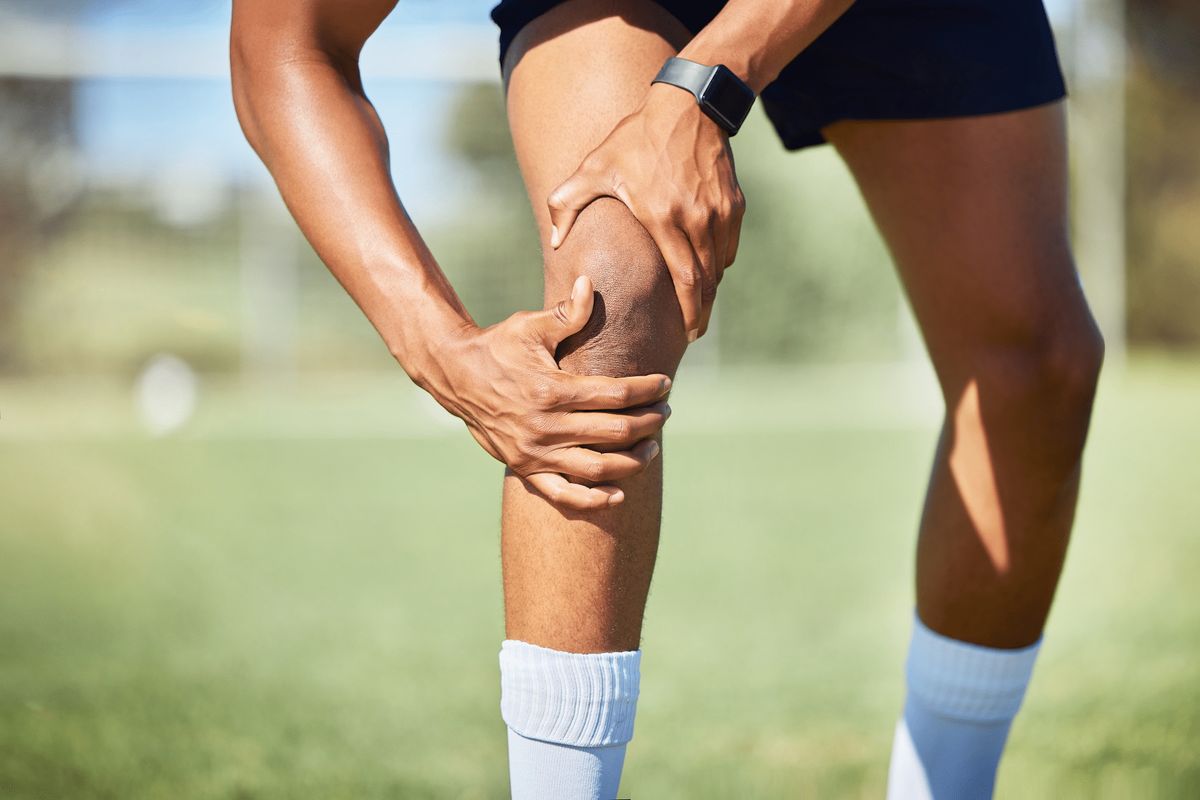
A hyperextended knee occurs when the knee is forced to straighten beyond its normal range of motion, often resulting in damage to ligaments, cartilage, and other structures within the joint. It is a common injury among athletes across a wide variety of sports. The severity of the condition depends on the cause of injury and each individual athlete’s body.

If you are looking for physiotherapy in the Ampang area, our nearest branch will be at Synapse Physiotherapy Jalan Ampang. Our team of expert physiotherapists will be able to assess all your sporting injury needs. In this article we will be taking a closer look at how hyperextended knees can affect your performance in sports and how physiotherapy can help you fix that problem.

Due to the nature of this injury, this injury is particularly concerning for athletes, as it can significantly impact their performance and participation in sports. Understanding the implications of a hyperextended knee is crucial for athletes, coaches, and medical professionals.

 Mechanism of Injury

Hyperextension of the knee can occur to anyone, but they are frequently the result of athletic injuries. Athletes who compete in contact sports like football, soccer, or hockey are most commonly affected. This type of injury typically happens during activities that involve sudden stops, jumps, or changes in direction.

Common scenarios include:

  • Landing awkwardly from a jump – The impact can push the knee backward.
  • Direct blow to the knee – A tackle or collision can force the knee into hyperextension.
  • Quick deceleration or pivoting – These movements can place excessive strain on the knee joint.

When too much weight or pressure forces the knee into extension, the joint can extend further than its true range of motion, causing soft tissue damage, swelling, and potentially tears or sprains of the MCL, LCL, ACL or PCL.

In minor  cases, an athlete will notice small amounts of pain and swelling, however in a traumatic injury, hyperextension of the knee may also cause damage to the surrounding ligaments, cartilage and soft tissues.

 Symptoms and Diagnosis

The symptoms will range from mild to severe depending on how far back the knee was bent. The severity of the injury and damage to the surrounding tissues and ligaments affects how much pain and swelling a person will experience.

In most cases, hyperextension of the knee will have obvious and immediate symptoms including:

  • Pain – Ranges from mild to severe, often located in the back of the knee and pain will be localised. Depending on whether or not one of the primary ligaments in the joint was damaged, the pain usually will be concentrated to one area. 
  • Swelling – Can occur rapidly and is a common occurrence after hyperextension of the knee. This will reduce knee mobility and may look like there is water in the knee joint.
  • Instability – The knee may feel weak and wobbly or unable to support weight. After a hyperextension injury, the knee will feel like it is giving out or buckling. 
  • Limited range of motion – This will manifest as  reduced range of motion due to weakness in the joint, swelling, and pain. The individual will feel difficulty in bending or straightening the knee fully.

Diagnosis is typically made through a combination of physical examination and imaging tests, such as X-rays, MRIs or a CT-scan, to assess the extent of the injury and identify any damage to ligaments, cartilage, or bone.

 Impact on Athletic Performance

A hyperextended knee can severely affect an athlete’s performance and ability to participate in sports:

  1. Reduced Mobility: Swelling and pain can limit the knee’s range of motion, making it difficult to perform basic movements like running, jumping, or pivoting.
  2. Decreased Strength and Stability: Injury to the ligaments, such as the ACL or PCL, compromises the knee’s stability, increasing the risk of further injury and reducing the power generated during movements.
  3. Pain and Discomfort: Persistent pain can be a major distraction and can reduce an athlete’s ability to perform at their best.
  4. Psychological Impact: Fear of re-injury can lead to decreased confidence and hesitancy, affecting performance and decision-making during games.
  5. Prolonged Recovery Time: Depending on the severity, recovery can take weeks to months, during which the athlete may be unable to train or compete, leading to loss of conditioning and skills.


Treatment and Rehabilitation

Recovery time for such a knee injury can vary from individual to individual. In less severe cases, a person may recover within 2 to 4 weeks from the time of injury . However if surgery is required, it is likely that recovery will take much longer as it can take up to 6 months or more. During which, rehabilitation and physiotherapy is of utmost importance to facilitate your gradual return to sports and ensure a full recovery.

Effective management of a hyperextended knee involves several steps:

Immediate Care: Rest, ice, compression, and elevation (RICE) are crucial in the initial stages to reduce swelling and pain.

Medical Intervention: Severe cases may require physical therapy or surgery to repair damaged ligaments and restore stability.

Rehabilitation: A structured rehabilitation program focuses on restoring range of motion, strength, and stability. Exercises targeting the quadriceps, hamstrings, and calf muscles are essential.

Gradual Return to Sport: Athletes should return to sports gradually, starting with low-impact activities and progressing to sport-specific drills under the guidance of a medical professional.

Prevention Strategies 

Preventing hyperextension injuries is essential for athletes:

Strength Training: Strong muscles around the knee can provide better support and stability.

Flexibility: Regular stretching can maintain joint flexibility and reduce the risk of injury.

Proper Technique: Learning and maintaining proper techniques during sports can minimise undue stress on the knees.

Protective Gear: Wearing appropriate braces or supports during high-risk activities can offer additional protection.

FAQs

1. How long does it take to recover from a hyperextended knee?

Recovery time varies but typically ranges from a few weeks to several months, depending on the severity of the injury.

2. Can you play sports with a hyperextended knee?

It’s not advisable to continue playing sports with a hyperextended knee without proper treatment, as it can worsen the injury and lead to long-term damage.

3. Is surgery necessary for a hyperextended knee?

Surgery is only required in severe cases where ligaments or cartilage are significantly damaged. Most cases can be treated with physical therapy and rehabilitation.

4. How can I prevent a hyperextended knee in the future

Strengthening the muscles around your knee, improving flexibility, and wearing proper protective gear during sports can reduce the risk of hyperextension.

5. What should I do immediately after a hyperextended knee injury?

Apply the RICE method (Rest, Ice, Compression, Elevation), seek medical advice, and avoid putting pressure on the knee until it’s properly evaluated.

Conclusion

A hyperextended knee is a serious injury that can significantly hinder an athlete’s performance and participation in sports. Understanding the causes, symptoms, and treatments is crucial for effective management and recovery. Through proper prevention strategies, athletes can reduce the risk of hyperextension injuries and maintain their peak performance levels.

Share This :

Back & Neck Pain

Conditions such as stiffness, postural abnormalities and muscle overuse from prolonged desk work at the office or home is more prevalent than most would think. We provide the necessary tools to fix you up and educate you on ergonomics which can unload unnecessary stress.

Sports Injuries

Rolled ankles, jarred knees, impinged shoulders are few conditions in the plethora of sports injuries which can hamper performance and limit our enjoyment of sports. Physiotherapy not only treats the symptoms of these conditions but propels your overall fitness to greater heights.

Work Desk Injuries​

Conditions such as stiffness, postural abnormalities and muscle overuse from prolonged desk work at the office or home is more prevalent than most would think. We provide the necessary tools to fix you up and educate you on ergonomics which can unload unnecessary stress.

Pre-Post-Surgical Conditions

Surgery involves going through preparation both before and after. Physiotherapists play a vital role in getting your body ready for surgeries with circulatory, breathing and strengthening exercises. After the procedure, let us be there for your recovery and rehabilitation, taking it one step at a time.

Scoliosis & Postural Abnormalities

The way we stand, sit, walk and sleep has influence over our posture and the overall balance of muscles controlling its alignment. A comprehensive screening can be done by our physiotherapists to detect abnormalities, which we will aid in correcting.

Neurological Conditions

Neurological disabilities such as stroke, nerve compression and neuropathies can be barriers for patients to live life to its fullest. We at Synapse are committed to help you overcome these hurdles by ensuring functional mobility and quality of life is at its optimum by providing the right treatment and exercises.

Osteoarthritis & Rheumatism

Joint degeneration and inflammation happens as the human body grows older, but that does not mean our way of life degenerates as well. Relief your joint pains with a joint effort together with your physiotherapist, who will provide pain-relief treatments and prescribe exercises for your wellbeing.

Conditions Relating To Elderly

Common conditions in the older age population include hips & knee pain, back & neck pain, osteoarthritis, rheumatism, fear of falling and many more.  Aging and degeneration of bodily function is inevitable, but here at Synapse, we will help you live the best of your life.

Home Physiotherapy

We understand that some conditions or injuries can make it difficult to receive rehabilitation at our clinic be it mobility or transportation issues. Our objective is to provide you with the same high-quality physiotherapy services at home that you would receive in-clinic.
Posted on

Sports Massage vs. Deep Tissue Massage | Synapse

Sports Massage
Sports Massage
Sports Injuries, Synapse Physiotherapy

Introduction

Massage therapy uses touch and manipulation of soft tissues to treat pain, relax the body, and prevent injury. There are various types of massage therapy, each offering unique benefits. Two of the most common types are deep tissue massage therapy and sports massage therapy. While these techniques are similar, the best choice depends on your lifestyle, goals, and needs. You can receive a sports massage or deep tissue massage from a certified physiotherapist at a nearby physiotherapy center.

What is Sports Massage?

Sports massage is a deep form of soft tissue mobilization that can be beneficial in both sporting and non-sporting contexts. It employs various techniques, including effleurage, kneading, wringing, hacking, and trigger pointing. Sports massage aims to relax the musculoskeletal system and address specific problem areas. This type of massage helps relieve muscular tension, break down adhesions, mobilize soft tissues, and reduce pain.

Benefits of sports massage.

Reducing Delayed Onset Muscle Soreness (DOMS)

Sports massage is effective in reducing delayed onset muscle soreness (DOMS), which can arise from minor muscle or connective tissue damage, local muscle spasms that limit blood flow, or a buildup of waste products from energy production. By reducing muscle spasms, flushing out waste products, and increasing blood flow, sports massage helps alleviate DOMS. Increased blood flow delivers oxygen and nutrients to aid in the repair of damaged tissues.


Integrating into a Training Program

Incorporating sports massage into a training program helps the body recover from the stresses of exercise and facilitates the rebuilding phase of conditioning. It improves blood and lymph circulation, promotes muscle relaxation, and provides general relaxation. Additionally, sports massage helps flush out waste products and enhances cell nutrition, leading to relief from soreness and stiffness, increased flexibility, and a reduced risk of future injury.

Post-Event Recovery

Sports massage is beneficial after sporting events such as a 10k run, football match, or cycle race, as well as after workouts or gym classes. It aids muscle recovery, prevents injuries, and prepares the body for future exercise. By reducing muscle spasms and the metabolic buildup of waste products that occur during exercise, sports massage enhances post-event recovery.

Pre-Event Preparation

Pre-event massage can be administered directly before exercise or in the weeks leading up to an event. It helps improve performance and decreases the chance of injury by enhancing circulation, increasing tissue elasticity, and reducing muscle tension. As part of a warm-up routine, sports massage prepares the muscles for exercise.

Relieving Tight Muscles

Muscle tightness can limit flexibility, increase pain, and lead to future injuries. Sports massage helps release muscle tightness by increasing blood flow through tight muscles, breaking down inflexible tissues, and stretching out muscle fibers. Regular use of sports massage to relieve tight muscles can reduce the risk of injury and maximize performance.

What is a deep tissue massage? 

Deep tissue massage targets chronic tension in muscles located deep beneath the body’s surface. This technique involves slow strokes, direct pressure, or friction movements that go across the muscle grain. Chronic muscle tension or injury often leads to adhesions (bands of painful, rigid tissue) in muscles, tendons, and ligaments, which can block circulation and cause pain, limited movement, and inflammation. Deep tissue massage works by physically breaking down these adhesions to relieve pain and restore normal movement.

Physiotherapists use their fingers, thumbs, or occasionally elbows to apply the necessary pressure. This technique is particularly helpful for chronically tense and contracted areas such as stiff necks, low back tightness, and sore shoulders. While some of the same strokes used in classic massage are employed, the movements in deep tissue massage are slower, and the pressure is deeper and concentrated on areas of tension and pain.

Unlike classic massage therapy, which is primarily for relaxation, deep tissue massage usually focuses on specific problems, such as chronic pain, limited mobility, recovery from injuries (e.g., whiplash, falls, sports injuries), osteoarthritis pain, fibromyalgia, and muscle spasms.

Benefits of Deep Tissue Massage 

Pain Relief

Research shows that deep tissue massage can effectively alleviate chronic neck and lower back pain, as well as pain following a C-section. People with myofascial pain syndrome, which causes pain in the muscles and fascia, may also benefit from deep tissue massage.

Joint pain often results from an imbalance in the muscles’ length-tension relationship—the correlation between the length of muscle fibers and the force they generate. By releasing tension in one area, deep tissue massage can reduce discomfort in another, providing relief for conditions like arthritis.

Improved Range of Motion

Deep tissue massage can enhance the range of motion for many individuals. A 2023 study with 41 participants aged 20 to 34 showed that a single session of deep tissue massage significantly improved the cervical spine’s range of motion for up to two weeks after the treatment.

Relief for Symptoms of Anxiety and Depression

Certain types of touch and massage can help relax the body’s stress response. A review on the role of massage therapy in treating various psychiatric disorders found that massage might be beneficial for individuals with depression, anxiety, and insomnia, particularly as a complementary therapy to other treatments.

Improved Body Awareness

Deep tissue massage can increase awareness of previously unnoticed or ignored tightness or discomfort in the body. This heightened awareness helps patients understand where they hold tension, which is crucial for taking steps toward healing and improving mind-body communication regarding the body’s well-being.

Differences between sports massage and deep tissue massage 

While both deep tissue and sports massage involve manual therapy to alleviate muscle tension, they differ significantly in their techniques and objectives.

Deep tissue massage is primarily used to address chronic pain and muscle tension by focusing on the deeper layers of muscle tissue. This type of massage employs slow strokes, direct pressure, and friction movements that work across the muscle grain. The primary objective of deep tissue massage is to break down adhesions, relieve pain, and restore normal movement. It is particularly beneficial for individuals dealing with chronic conditions such as persistent back pain, fibromyalgia, or ongoing muscle tightness and spasms.

In contrast, sports massage is more targeted, addressing specific areas of the body that are strained or injured due to athletic activities. This form of massage is designed to prepare the body for physical exertion, aid in recovery after intense exercise, and prevent injuries. Techniques in sports massage include effleurage, kneading, wringing, hacking, trigger pointing, stretching, and joint mobilization. These methods help reduce delayed onset muscle soreness (DOMS), improve flexibility, and enhance overall athletic performance. Sports massage is beneficial not only post-event but also as part of a pre-event routine to enhance circulation, increase tissue elasticity, and reduce muscle tension.

Overall, while deep tissue massage focuses on alleviating chronic pain and tension in deeper muscle layers, sports massage is tailored to the needs of athletes, emphasizing preparation and recovery related to physical activities.

When do you need it? 

When deciding between a deep tissue massage and a sports massage, your specific conditions and needs should guide your choice. If you’re uncertain about which type of massage to choose, you can base your decision on the functions listed above or seek an assessment from a professional physiotherapist. A physiotherapist can evaluate your specific needs and recommend the most appropriate type of massage. Synapse Physiotherapy offers both deep tissue and sports massage, ensuring that you receive the treatment best suited to your condition.

FAQs 

1. What is the primary purpose of sports massage?

Sports massage is primarily aimed at enhancing athletic performance, reducing recovery time, and preventing injuries in active individuals.

2. How does deep tissue massage differ from a regular massage?

Deep tissue massage targets deeper muscle layers and connective tissues, addressing chronic pain and stiffness, while regular massages focus on relaxation and surface-level tension relief.

3. Can sports massage help with non-sports-related injuries?

Yes, sports massage can be beneficial for treating various musculoskeletal issues, even in non-athletes, by improving circulation and reducing muscle tension.

4. Is one massage better for chronic pain management?

Deep tissue massage is generally more effective for chronic pain management because it targets the deeper muscle layers and breaks down adhesions that contribute to long-term discomfort.

5. How often should you get a sports massage if you are an athlete?

The frequency depends on your training intensity, but most athletes benefit from a sports massage at least once a week to maintain optimal performance and recovery.

Conclusion

In conclusion, both sports massage and deep tissue massage offer valuable benefits, depending on individual needs. For those experiencing chronic pain or muscle tension, deep tissue massage can provide effective relief by targeting deeper muscle layers. Athletes or individuals engaged in intense physical activities may benefit from sports massage, which aids in recovery and reduces delayed onset muscle soreness (DOMS). Ultimately, a thorough assessment by a qualified therapist will determine the most appropriate treatment. At Synapse Physiotherapy, our skilled physiotherapists offer both services, ensuring personalized care to meet your specific requirements.

Share This :

Back & Neck Pain

Conditions such as stiffness, postural abnormalities and muscle overuse from prolonged desk work at the office or home is more prevalent than most would think. We provide the necessary tools to fix you up and educate you on ergonomics which can unload unnecessary stress.

Sports Injuries

Rolled ankles, jarred knees, impinged shoulders are few conditions in the plethora of sports injuries which can hamper performance and limit our enjoyment of sports. Physiotherapy not only treats the symptoms of these conditions but propels your overall fitness to greater heights.

Work Desk Injuries​

Conditions such as stiffness, postural abnormalities and muscle overuse from prolonged desk work at the office or home is more prevalent than most would think. We provide the necessary tools to fix you up and educate you on ergonomics which can unload unnecessary stress.

Pre-Post-Surgical Conditions

Surgery involves going through preparation both before and after. Physiotherapists play a vital role in getting your body ready for surgeries with circulatory, breathing and strengthening exercises. After the procedure, let us be there for your recovery and rehabilitation, taking it one step at a time.

Scoliosis & Postural Abnormalities

The way we stand, sit, walk and sleep has influence over our posture and the overall balance of muscles controlling its alignment. A comprehensive screening can be done by our physiotherapists to detect abnormalities, which we will aid in correcting.

Neurological Conditions

Neurological disabilities such as stroke, nerve compression and neuropathies can be barriers for patients to live life to its fullest. We at Synapse are committed to help you overcome these hurdles by ensuring functional mobility and quality of life is at its optimum by providing the right treatment and exercises.

Osteoarthritis & Rheumatism

Joint degeneration and inflammation happens as the human body grows older, but that does not mean our way of life degenerates as well. Relief your joint pains with a joint effort together with your physiotherapist, who will provide pain-relief treatments and prescribe exercises for your wellbeing.

Conditions Relating To Elderly

Common conditions in the older age population include hips & knee pain, back & neck pain, osteoarthritis, rheumatism, fear of falling and many more.  Aging and degeneration of bodily function is inevitable, but here at Synapse, we will help you live the best of your life.

Home Physiotherapy

We understand that some conditions or injuries can make it difficult to receive rehabilitation at our clinic be it mobility or transportation issues. Our objective is to provide you with the same high-quality physiotherapy services at home that you would receive in-clinic.
Posted on

5 Tips for Preventing Sports-Related Injuries: Physiotherapy

Physiotherapy Near Me
Sports Injuries, Synapse Physiotherapy

What is sports injury?

The term “sports injury” refers to injuries that frequently occur during sports or exercise activities and can be broadly classified into two main types: acute and chronic. Acute injuries happen suddenly, often due to a fall, impact, or sudden twisting of a joint, and include conditions such as sprains, where ligaments are torn, and dislocations, where joints are displaced. In contrast, chronic injuries develop gradually over time, typically as a result of repetitive overuse of a specific area of the body. Common examples of chronic injuries are shin splints, which cause pain along the shinbone, and stress fractures, which are tiny cracks in bones caused by repetitive stress. Understanding the nature and classification of sports injuries is crucial for implementing effective treatment and prevention strategies for active individuals. For those experiencing sports-related injuries, seeking assistance from a sports injury clinic is advisable.

Causes of sports injuries

Lack of Conditioning and Poor Training

The risk of sports injuries increases significantly if you do not maintain proper conditioning or adequately prepare your body for physical activity. A lack of conditioning can lead to muscle imbalances and generally weakens your muscles, bones, tendons, and ligaments. When examining the causes of sports injuries, poor training methods are often a common factor. To prevent imbalances, ensure that all muscle groups are exercised equally. Additionally, training at full intensity all the time can lead to wear and tear on your muscles and ligaments, so it’s crucial to vary the intensity of your workouts.

Incorporating regular stretching and effective warm-ups is essential for gradually preparing your body for increased intensity and movement. Equally important is allowing your body time to rest. Taking breaks not only helps athletes overcome training plateaus but also reduces the risk of overuse injuries.

Overtraining and Injury Prevention

Overtraining poses a significant risk of injury, underscoring the importance of regular and effective rehabilitation to allow adequate recovery time for the body. Rushing back from a previous injury also heightens the risk of reinjury.

When recovering from an injury, it’s crucial to incrementally increase training intensity in collaboration with coaching staff to rebuild strength in the affected area. This gradual approach helps mitigate the chances of further injury and supports a safer return to full activity levels.

Unavoidable Factors in Sports Injuries

Occasionally, sports injuries are simply unavoidable, stemming from accidents, heavy impacts, or even unpredictable occurrences of bad luck. Moreover, changes in playing surfaces can increase susceptibility to injury, as can the use of low-quality equipment or dehydration exacerbated by extreme climate conditions. These factors highlight the unpredictable nature of sports injuries, despite precautions taken to mitigate risks through proper training and conditioning.

Tips for preventing sports injuries

1. Wear Protective Gear

Protective gear includes any equipment that helps prevent injuries. The type of gear you need depends on your sport.

Helmets are the most common form of protection. They safeguard your head in sports like football, hockey, baseball, softball, biking, skateboarding, and inline skating.

Ensure you’re wearing the correct helmet for your sport. For example, don’t use a baseball batting helmet for football. Your helmet should fit snugly and comfortably. If it has a strap, like a bike helmet, make sure it’s fastened to keep the helmet in place when you need it.

Other sports require additional protection such as eye guards, mouthguards, pads, wrist guards, elbow guards, knee guards, and protective cups for boys. Also, don’t forget your feet; cleats with rubber or plastic points are worn in football, baseball, softball, and soccer to improve traction.

Consult with your parents or coach to determine the necessary gear, and always wear it during practice and games.

2. Warm Up

You’ve probably heard about the importance of ‘cold muscles’ vs ‘warm muscles’ for performance and injury prevention. Cold muscles, or muscles that haven’t been properly warmed up, are more prone to injury because they’re tight and less flexible. Tight muscles can lead to injuries like pulled hamstrings, groin strains, and Achilles tendon injuries. That’s why a proper warm-up is crucial before playing any sport, especially if you haven’t played in a while.

A good warm-up not only loosens your muscles but also raises your heart rate and body temperature, enhancing your athletic performance. It should last at least 10 minutes and include both light aerobic activities (like jumping jacks) and dynamic stretching exercises (like leg swings).

Cooling down after sports is equally important. It helps your body gradually return to its normal state and prevents blood from pooling in your extremities, which can cause lightheadedness and dizziness. A proper cool-down should last at least 5 minutes and include static stretching exercises (like quad stretches) and light aerobic activities (like walking).

Regular stretching throughout the day can also help prevent sports injuries by keeping your muscles loose and flexible. Simple stretches can be done during downtime, like when you wake up in the morning or before bed at night.

3. Know the Rules of the Game

When players understand the rules, they know what to expect from each other. For instance, in soccer, you can’t tackle from behind to steal the ball; it’s safer to aim for the ball instead of the player.

In sports with specific plays, understanding your role can help keep you out of danger.

4. Watch Out for Others

Some rules focus on safety and courtesy rather than scoring. For example, in baseball, a batter should drop the bat after hitting the ball to avoid hitting anyone. Similarly, a diver should check the pool before diving to ensure it’s clear.

Communicate on the field to avoid collisions. For instance, a baseball outfielder might shout “I got it” to signal to teammates. Listening to your coach and being considerate, like pointing out untied shoelaces, also enhances safety.

5. Keep Your Body in Shape

For many fall athletes, the start of the season means returning after a long break from their sport. If you’ve taken several months off, it’s crucial to ease back into your routine to avoid overstressing your body and increasing the risk of injury.

Gradually reintroducing physical activity into your schedule a few weeks before the season begins can help your body adapt to the demands of your sport and prevent injuries once you start playing again.

Maintaining a balanced workout routine is also essential. Strength training for both the lower and upper body should be part of every athlete’s regimen. Strengthening the muscles around your joints helps prevent common injuries such as knee and shoulder injuries.

6. Use Proper Technique

Using proper technique in any sport is vital for injury prevention. Correct movements reduce the stress on your joints and muscles, helping you avoid overuse injuries.

For example, in football, proper tackling techniques can prevent shoulder injuries. In basketball, proper shooting techniques can help avoid wrist and elbow injuries. If you’re unsure about the correct technique for your sport, consult your coach or a sports medicine specialist. They can provide the proper training to help you avoid injuries.

7. Rest When You Need or Injured, 

Listening to your body and taking breaks when experiencing pain or soreness is critical for any athlete. Playing through pain can lead to more severe injuries or worsen existing ones. Untreated overuse injuries can result in long-term problems that might require surgery.

If you’re injured, seek medical care promptly. A sports injury doctor can assess your injury and create a treatment plan to help you recover and return to playing as soon as possible.

Breaks are also essential for preventing mental burnout, which can affect your performance. If you’re feeling overwhelmed or stressed, take a step back to focus on self-care—ensure you’re getting enough sleep, eating a balanced diet, and spending time with friends and family. These activities can reduce stress and improve your overall well-being, which is crucial for peak performance.

Common sport injuries

  • Broken bone: A bone fracture happens when a bone is subjected to sudden force, causing it to break.
  • Cartilage tear: Cartilage, which cushions and protects bone ends in joints like the knee and shoulder, can tear due to injury.
  • Concussion: This is a brain injury resulting from a bump or blow to the head, temporarily affecting brain function.
  • Dislocation: Dislocation occurs when a bone’s end moves out of its normal position within a joint, such as a shoulder popping out of its socket.
  • Tendinitis: Tendinitis happens when tendons, connecting muscles to bones, become inflamed due to repetitive movements over time. For example, jumper’s knee is a type of patellar tendinitis.
  • Sprains: A sprain occurs when a ligament stretches too much or tears. Ligaments connect bones and stabilize joints, and sprains are common in areas like the ankle, knee, and wrist, ranging in severity.

Management

Rest: Reduce your usual activities, especially if you’ve injured your foot, ankle, or knee. Use a crutch to take weight off the injured limb; for instance, use it on the opposite side of the injured foot or ankle (left crutch for right foot injury).


Ice: Apply an ice pack to the injured area for 20 minutes, four to eight times a day. Use a cold pack, ice bag, or a plastic bag filled with crushed ice wrapped in a towel. Remove the ice after 20 minutes to prevent cold injury.


Compression: Apply even pressure with compression to the injured area to reduce swelling. You can use an elastic wrap, special boot, air cast, or splint as recommended by your doctor.


Elevation: Raise the injured area on a pillow above the level of your heart to help reduce swelling.


Pain management: Your doctor may prescribe painkillers to alleviate pain and swelling.


Immobilization: Sometimes, immobilization is necessary to prevent further damage. Slings, splints, casts, or leg immobilizers may be used depending on the injury.


Surgery: In severe cases, surgery may be required to repair torn tendons or ligaments, or to realign broken bones. However, most sports injuries do not require surgery.


Rehabilitation (Physiotherapy): Physiotherapy is essential for sports injuries because it promotes healing, restores function, and manages pain effectively. Through personalized treatment plans that include techniques like manual therapy and targeted exercises, physiotherapists help athletes regain strength, flexibility, and range of motion necessary for returning to sports safely. They also educate on injury prevention and proper techniques, ensuring athletes can perform at their best while minimizing the risk of re-injury. Overall, physiotherapy plays a crucial role in optimizing recovery and enhancing athletic performance.

Frequently Asked Questions (FAQs)

The most common sports injuries include sprains, strains, fractures, and dislocations. Sprains, particularly ankle sprains, are very common as they involve the stretching or tearing of ligaments.

Physiotherapy aids recovery by promoting healing, restoring function, and managing pain. Physiotherapists create personalized treatment plans with techniques like manual therapy and targeted exercises to help athletes regain strength, flexibility, and range of motion, ensuring a safe return to sports.

You should see a sports injury specialist if you experience severe pain, significant swelling, an inability to move the affected area, or if symptoms persist despite rest and basic treatments. Timely consultation helps in accurate diagnosis and effective treatment planning.

Recovery time varies depending on the type and severity of the injury. Minor injuries like mild sprains may heal within a few weeks, while severe injuries such as fractures or ligament tears may take several months and may require surgery and extensive rehabilitation.

Effective prevention strategies include wearing appropriate protective gear, warming up before activities, following the rules of the game, maintaining proper technique, staying in good physical condition, and taking rest periods to avoid overtraining. Regularly consulting with coaches and physiotherapists can also help identify and mitigate risks.

Conclusion

In summary, athletes must prioritize preventing sports injuries as they can significantly impact performance. If injured, it’s crucial to manage the injury wisely. Rehabilitation after initial acute management is essential to facilitate a safe return to sports. Preventing recurrence and restoring performance to pre-injury levels are paramount. Synapse Physiotherapy specializes in sports injury treatment. Contact us for the best treatment options and personalized care to support your recovery and enhance your athletic performance.

Produced by MYSense

Share This :

Back & Neck Pain

Conditions such as stiffness, postural abnormalities and muscle overuse from prolonged desk work at the office or home is more prevalent than most would think. We provide the necessary tools to fix you up and educate you on ergonomics which can unload unnecessary stress.

Sports Injuries

Rolled ankles, jarred knees, impinged shoulders are few conditions in the plethora of sports injuries which can hamper performance and limit our enjoyment of sports. Physiotherapy not only treats the symptoms of these conditions but propels your overall fitness to greater heights.

Work Desk Injuries​

Conditions such as stiffness, postural abnormalities and muscle overuse from prolonged desk work at the office or home is more prevalent than most would think. We provide the necessary tools to fix you up and educate you on ergonomics which can unload unnecessary stress.

Pre-Post-Surgical Conditions

Surgery involves going through preparation both before and after. Physiotherapists play a vital role in getting your body ready for surgeries with circulatory, breathing and strengthening exercises. After the procedure, let us be there for your recovery and rehabilitation, taking it one step at a time.

Scoliosis & Postural Abnormalities

The way we stand, sit, walk and sleep has influence over our posture and the overall balance of muscles controlling its alignment. A comprehensive screening can be done by our physiotherapists to detect abnormalities, which we will aid in correcting.

Neurological Conditions

Neurological disabilities such as stroke, nerve compression and neuropathies can be barriers for patients to live life to its fullest. We at Synapse are committed to help you overcome these hurdles by ensuring functional mobility and quality of life is at its optimum by providing the right treatment and exercises.

Osteoarthritis & Rheumatism

Joint degeneration and inflammation happens as the human body grows older, but that does not mean our way of life degenerates as well. Relief your joint pains with a joint effort together with your physiotherapist, who will provide pain-relief treatments and prescribe exercises for your wellbeing.

Conditions Relating To Elderly

Common conditions in the older age population include hips & knee pain, back & neck pain, osteoarthritis, rheumatism, fear of falling and many more.  Aging and degeneration of bodily function is inevitable, but here at Synapse, we will help you live the best of your life.

Home Physiotherapy

We understand that some conditions or injuries can make it difficult to receive rehabilitation at our clinic be it mobility or transportation issues. Our objective is to provide you with the same high-quality physiotherapy services at home that you would receive in-clinic.
Posted on

What Causes Muscle Fatigue? I Sports Physiotherapy

Sports Physiotherapy
Sports Injuries, Synapse Physiotherapy

What Causes Muscle Fatigue? I Sports Physiotherapy

Frequent and intense muscle use leads to a decline in performance called muscle fatigue. This phenomenon commonly limits athletic performance and other strenuous or prolonged activities. It also exacerbates and restricts daily life in various pathological conditions, such as neurological, muscular and cardiovascular disorders, as well as aging and frailty. When you experience fatigue, the strength of your muscle movements diminishes, causing you to feel weaker. Sports physiotherapy effectively manages muscle fatigue by conducting detailed assessments to identify its root cause and providing appropriate treatments.

Mechanism of fatigue

Muscle fatigue can occur through two primary mechanisms. 

Peripheral fatigue arises from changes at or beyond the neuromuscular junction. This may be caused by the depletion of necessary substances or the accumulation of byproducts from muscle activity.

Central fatigue originates in the central nervous system (CNS), reducing the neural drive to the muscles. It is triggered by inhibitory signals from receptors, likely chemoreceptors, in the fatigued muscles. This inhibition can affect the motor pathways anywhere from the brain’s voluntary centers to the spinal motor neurons, resulting in a decrease in motor impulses sent to the muscles.

Causes

Muscle fatigue is a prevalent issue, especially among women experiencing muscle pain. This condition can arise from numerous causes, with aging and excessive physical activity being the most common. However, muscle fatigue can also be a symptom of various illnesses or situations. These include arthritis, obesity, anaerobic infections, anemia, anxiety and depression, chronic fatigue syndrome, chemotherapy, fibromyalgia, common colds, and pregnancy. Each of these conditions can contribute to muscle fatigue in different ways, highlighting the broad range of potential underlying factors.

How is physical exercise related to muscle fatigue?

Physical exercise affects muscle cells in several ways. When you exercise, your muscles undergo biochemical changes. For example, they accumulate inorganic phosphate, protons (acids), lactate, and free magnesium ions. These substances directly impact the muscle’s mechanical processes, such as the mitochondria, and can affect how nerve signals are transmitted within muscle cells.

The metabolic activity in muscles during exercise leads to an increased demand for oxygen and nutrients, which is met by an increase in blood circulation and gas exchange. This high demand also causes a shift in energy resources within the body, as nutrients are redirected to the working muscles.

During exercise, muscle fibers also release cytokines, which are small proteins that have various effects throughout the body, including the brain.

All of these physiological processes eventually contribute to sensations of fatigue and exhaustion in the mind of the person exercising. This leads to a reduction or complete cessation of exercise.

In summary, exercise causes various biochemical changes in muscles, increases the demand for oxygen and nutrients, and leads to the release of cytokines. These processes ultimately result in feelings of fatigue and the need to stop exercising. 

Symptoms

When you experience fatigue, the strength of your muscle movements decreases, making you feel weaker, which is often the first sign. Other symptoms of muscle fatigue include soreness, localized pain, shortness of breath, muscle twitching, trembling, a weak grip, and muscle cramps.

Physiotherapy treatments

Sports physiotherapy can be very effective in managing and alleviating muscle fatigue. 

  1. Assessment and Diagnosis: Sports physiotherapists are trained to assess and diagnose the specific causes of muscle fatigue. They will evaluate factors such as muscle strength, flexibility, endurance, and posture, as well as consider any underlying conditions or injuries that may contribute to fatigue. This assessment is crucial because it allows them to tailor the treatment plan to the individual’s needs, addressing the root causes of the fatigue.


  1. Manual Therapy: Manual therapy techniques are hands-on treatments that can help reduce muscle tension and improve blood circulation. These techniques may include:
    • Massage: Helps in loosening tight muscles and improving blood flow to the affected areas.
    • Myofascial Release: Targets the fascia, the connective tissue around muscles, to release tension and improve range of motion.
    • Joint Mobilizations: Gentle movements applied to the joints to improve their range and reduce stiffness. These therapies can enhance muscle function, reduce pain, and promote relaxation, aiding in the recovery from muscle fatigue.
  2. Exercise Prescription: Sports physiotherapists design specific exercise programs that target the muscles affected by fatigue. These exercises aim to:
    • Strengthen Muscles: Building strength in the affected muscles helps reduce fatigue and improve endurance.
    • Increase Endurance: Aerobic exercises and conditioning programs can improve cardiovascular fitness and endurance, reducing the likelihood of muscle fatigue during physical activity. By prescribing exercises tailored to the individual’s needs, physiotherapists help restore muscle function and prevent future fatigue.

  3. Stretching and Flexibility: Stretching exercises are important for maintaining muscle flexibility and preventing stiffness, which can contribute to fatigue. Benefits of stretching include:
    • Improved Range of Motion: Stretching helps maintain or increase the range of motion in joints, allowing muscles to work more efficiently.
    • Enhanced Blood Flow: Stretching promotes better circulation, which aids in the removal of metabolic waste products that accumulate during exercise.
    • Reduced Risk of Injury: Flexible muscles are less prone to injury, which can also lead to less fatigue. Sports physiotherapists educate patients on proper stretching techniques and incorporate stretching exercises into treatment plans to improve flexibility and reduce muscle fatigue.

  4. Education and Advice: Education is a key component of sports physiotherapy. Physiotherapists provide advice on:
    • Proper Techniques: Ensuring individuals use correct body mechanics and techniques during exercise and daily activities to prevent muscle strain and fatigue.
    • Posture: Education about proper posture helps reduce strain on muscles and joints, decreasing fatigue.
    • Ergonomic Adjustments: Providing guidance on ergonomic setups in work or home environments helps to reduce muscle fatigue.
    • Rest and Recovery: Advising on the importance of adequate rest and recovery periods between activities to allow muscles to repair and rebuild.

  5. Modalities: Modalities are therapeutic tools and techniques used by physiotherapists to aid in the recovery process. These may include:
    • Ultrasound: Uses sound waves to generate heat and promote blood flow to help reduce muscle stiffness and promote healing.
    • Electrical Stimulation (e.g., TENS): Aims to reduce pain and muscle spasm, promoting relaxation and aiding in the recovery process.
    • Heat/Cold Therapy: Application of heat (to increase blood flow and relax muscles) or cold (to reduce inflammation and pain) to manage muscle fatigue and soreness.

Frequently Asked Questions (FAQs)

Muscle fatigue is a decline in muscle performance and strength due to intense or prolonged activity. It limits athletic performance by causing weakness, soreness, and a reduced ability to continue exercising at optimal levels.

Sports physiotherapy helps manage muscle fatigue through detailed assessments, tailored exercise programs, manual therapy techniques like massage and myofascial release, and education on proper techniques, posture, and recovery strategies.

Common causes of muscle fatigue include aging, excessive physical activity, illnesses like arthritis and chronic fatigue syndrome, conditions such as obesity and anemia, and factors like anxiety, depression, and pregnancy.

Yes, stretching exercises improve muscle flexibility, enhance blood flow, and maintain joint range of motion, all of which help prevent stiffness and reduce the risk of muscle fatigue during physical activity.

Manual therapy techniques, including massage, myofascial release, and joint mobilizations, reduce muscle tension, improve blood circulation, and enhance muscle function, which helps in recovering from and preventing muscle fatigue.

Conclusion

In summary, sports physiotherapy offers a holistic approach to managing muscle fatigue. Through assessment, manual therapy, exercise prescription, stretching, education,and modalities, physiotherapists can help individuals recover from muscle fatigue effectively and safely, while also preventing future occurrences. This comprehensive care helps optimize muscle function, reduce fatigue, and improve overall physical performance and well-being. Synapse Physiotherapy offers top-tier sports physiotherapy services that can greatly benefit you. Experience your physiotherapy sessions at one of our Synapse branches.

Produced by MYSense

Share This :

Back & Neck Pain

Conditions such as stiffness, postural abnormalities and muscle overuse from prolonged desk work at the office or home is more prevalent than most would think. We provide the necessary tools to fix you up and educate you on ergonomics which can unload unnecessary stress.

Sports Injuries

Rolled ankles, jarred knees, impinged shoulders are few conditions in the plethora of sports injuries which can hamper performance and limit our enjoyment of sports. Physiotherapy not only treats the symptoms of these conditions but propels your overall fitness to greater heights.

Work Desk Injuries​

Conditions such as stiffness, postural abnormalities and muscle overuse from prolonged desk work at the office or home is more prevalent than most would think. We provide the necessary tools to fix you up and educate you on ergonomics which can unload unnecessary stress.

Pre-Post-Surgical Conditions

Surgery involves going through preparation both before and after. Physiotherapists play a vital role in getting your body ready for surgeries with circulatory, breathing and strengthening exercises. After the procedure, let us be there for your recovery and rehabilitation, taking it one step at a time.

Scoliosis & Postural Abnormalities

The way we stand, sit, walk and sleep has influence over our posture and the overall balance of muscles controlling its alignment. A comprehensive screening can be done by our physiotherapists to detect abnormalities, which we will aid in correcting.

Neurological Conditions

Neurological disabilities such as stroke, nerve compression and neuropathies can be barriers for patients to live life to its fullest. We at Synapse are committed to help you overcome these hurdles by ensuring functional mobility and quality of life is at its optimum by providing the right treatment and exercises.

Osteoarthritis & Rheumatism

Joint degeneration and inflammation happens as the human body grows older, but that does not mean our way of life degenerates as well. Relief your joint pains with a joint effort together with your physiotherapist, who will provide pain-relief treatments and prescribe exercises for your wellbeing.

Conditions Relating To Elderly

Common conditions in the older age population include hips & knee pain, back & neck pain, osteoarthritis, rheumatism, fear of falling and many more.  Aging and degeneration of bodily function is inevitable, but here at Synapse, we will help you live the best of your life.
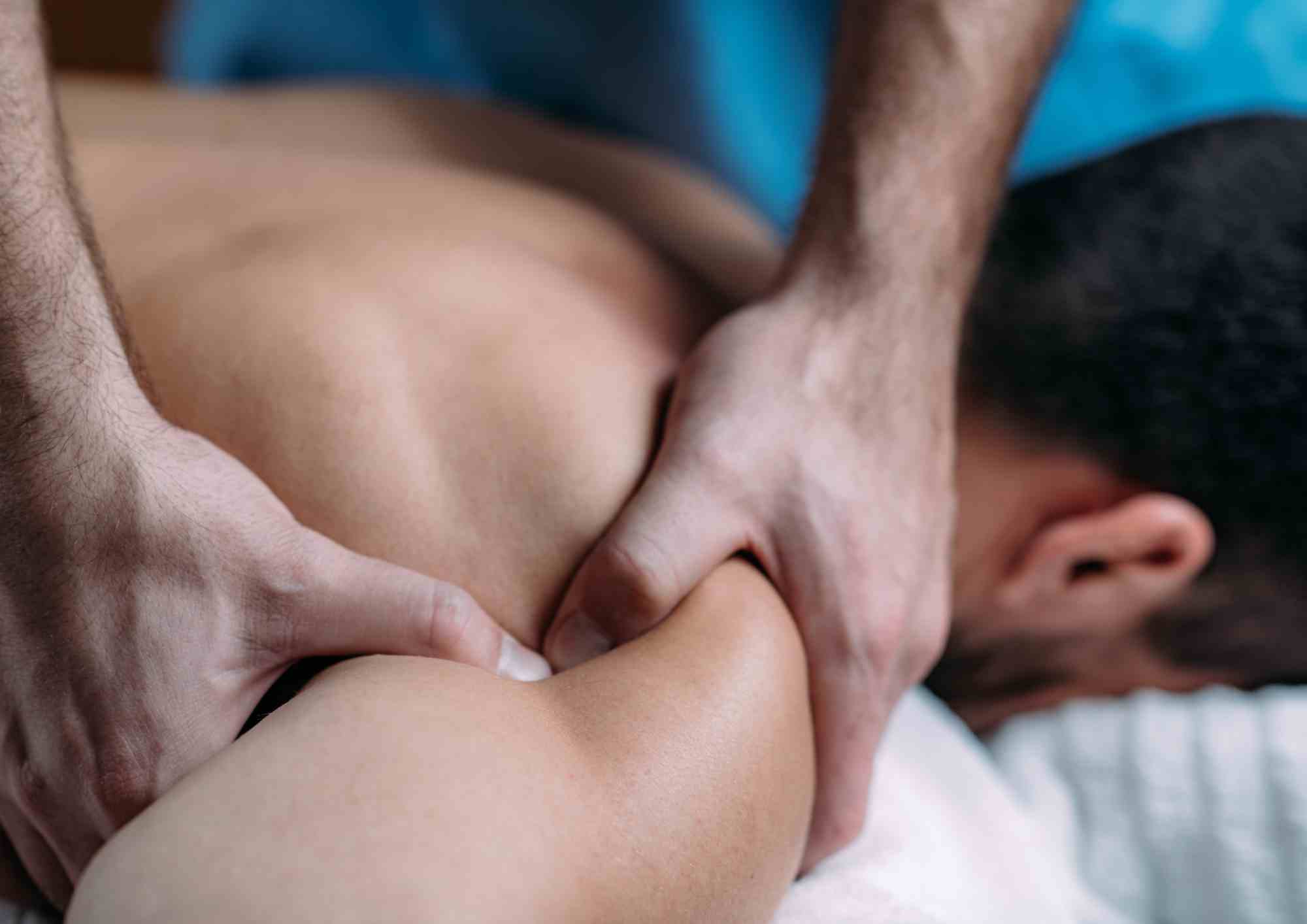
Home Physiotherapy

We understand that some conditions or injuries can make it difficult to receive rehabilitation at our clinic be it mobility or transportation issues. Our objective is to provide you with the same high-quality physiotherapy services at home that you would receive in-clinic.
Posted on

What Can a Sports Massage Help With? I Physiotherapy Near Me

Sports Massage
Sports Massage
Sports Injuries, Synapse Physiotherapy

Introduction

Sports massage, a specialised form of massage therapy tailored to athletes and physically active individuals, offers numerous benefits that extend beyond relaxation. Designed to address the unique needs of those engaged in regular physical activity, sports massage can enhance performance, aid recovery, and prevent injuries. Sports massage plays a crucial role in keeping the body in optimal condition, preventing mobility loss and restoring functionality to injured muscles. It is particularly beneficial for athletes and individuals engaged in intense physical activities. This form of massage therapy in physiotherapy aims to both prevent and treat sports-related injuries, enhance athletic performance, improve flexibility and efficiency of movement, and facilitate recovery from strenuous activities by alleviating pressure from congestion and metabolic irritants. Sports massage is highly specialised, addressing the unique needs of those involved in sports and fitness activities.


It is undeniable that sports massage plays a crucial role in injury prevention and rehabilitation. Physiotherapists and sports medicine professionals will work closely with athletes and sportsmen to address specific injuries and aid in the recovery process. This ensures a holistic approach to athlete care.


Here, we delve into the various ways sports massage can help athletes and active individuals alike.

1. Maintaining Body Condition and Preventing Injuries

Sports massage helps maintain the body in better condition by preventing injuries and loss of mobility. By focusing on areas subjected to high stress and strain during athletic performance, it helps to keep muscles flexible and functioning properly. This proactive approach reduces the risk of strains, sprains, and other common sports-related injuries.

2. Enhanced Recovery and Mobility Restoration

Sports massage aids in the recovery and restoration of mobility to injured muscle tissue. By targeting specific muscle groups associated with particular sports or activities, it promotes healing and repair. The increased circulation resulting from massage delivers more nutrients to vascular tissues, enhancing the body’s natural healing processes. Athletes often experience improved performance as a result of regular sports massage. By promoting relaxation and reducing muscle tension, sports massage helps to improve flexibility, agility, and overall athletic performance. The increased range of motion and decreased muscle stiffness allow athletes to move more freely and efficiently, contributing to better performance in their respective sports.


For athletes recovering from injuries, sports massage is an integral part of the rehabilitation process. Specific massage techniques can help reduce scar tissue, improve flexibility, and promote the healing of injured muscles and tendons. Regular massage therapy can expedite the recovery process, allowing athletes to return to their training and competition routines more quickly and safely.

3. Performance Boost and Career Longevity

Regular sports massage can boost performance and extend the overall life of an athlete’s career. By reducing muscle tension, improving circulation, and promoting relaxation, athletes can achieve better flexibility and efficiency of movement. This leads to improved performance and a longer, healthier career.

4. Stress and Tension Relief

Sports massage effectively releases and reduces tension in the muscles, helping to relax the body. Techniques such as deep tissue massage, stretching, and trigger point therapy are utilised to address muscle tension and pain. The intensity of the massage can be tailored to the athlete’s tolerance, ensuring that it is both effective and comfortable. Sports massage can effectively reduce muscle tension and alleviate pain. Techniques such as deep tissue massage, trigger point therapy, and myofascial release target specific areas of tension, helping to relax tight muscles and relieve discomfort. This reduction in muscle tension not only improves overall comfort but also enhances flexibility and range of motion, essential for optimal athletic performance.

5. Waste Product Removal and Circulation Improvement

During high-intensity activities, metabolic waste products such as lactic acid can build up in the muscles, causing soreness and fatigue. Sports massage enhances circulation, which helps remove these waste products and improves overall muscle function. This improved circulation also delivers more oxygen and nutrients to the muscles, facilitating better recovery and performance.

6. Preventing Overuse Injuries

Athletes prone to overuse injuries benefit greatly from sports massage between training sessions. Allowing muscles to relax and recover fully before the next session reduces the risk of chronic injuries caused by repetitive strain. This ensures that athletes can maintain a consistent training schedule without the setbacks of injury. Regular sports massage can play a crucial role in preventing injuries. By addressing areas of muscle tightness and imbalance, sports massage helps to maintain proper muscle function and alignment. This proactive approach reduces the likelihood of strains, sprains, and other common sports-related injuries. Additionally, massage therapists can identify potential problem areas before they develop into more serious issues, allowing for timely intervention and preventive care.

7. Integration into Training Regimens

Sports massage is often integrated into an athlete’s training regimen. It can be performed before an event as part of a warm-up routine or after to aid recovery. The frequency of sports massage sessions depends on the athlete’s training schedule and specific needs, making it a flexible and essential component of their overall training and recovery plan.

8. Psychological Benefits

The psychological benefits of sports massage should not be overlooked. The calming and relaxing effects of massage can help reduce stress and anxiety, which are common among athletes facing high-pressure situations. This mental relaxation can lead to improved focus and concentration, essential for peak performance. Moreover, the increased sense of well-being and reduced mental fatigue contribute to an overall positive mindset, enhancing an athlete’s ability to cope with the demands of their sport.

9. Enhanced Sleep Quality

Good quality sleep is vital for athletic performance and recovery. Sports massage can improve sleep quality by promoting relaxation and reducing stress. The physical and mental relaxation achieved through massage therapy can help athletes fall asleep more easily and enjoy deeper, more restorative sleep. This improved sleep quality aids in muscle recovery, energy restoration, and overall athletic performance.

Frequently Asked Questions (FAQs)

Sports massages can improve flexibility, reduce muscle soreness, enhance circulation, speed up recovery times, and help prevent injuries by maintaining muscle health and mobility.

The frequency of sports massages can vary depending on your physical activity level and goals. Generally, athletes benefit from a massage every one to two weeks, but it may be more frequent during intensive training periods.

Yes, sports massage can be an effective part of managing chronic pain. It helps alleviate pain by reducing muscle tension and increasing blood flow to affected areas, which aids in healing and reduces discomfort.

During your first session, expect a consultation about your health history and goals for the massage. The massage itself may focus on specific areas of tension or pain and involve techniques like kneading, stroking, and applying pressure.

Look for a licensed massage therapist with specialised training in sports therapy. Checking local physiotherapy clinics, sports centres, or professional associations can help you find qualified practitioners in your area.

Conclusion

Sports massage is an invaluable tool for athletes and active individuals looking to maintain optimal physical condition, prevent injuries, and enhance performance. By addressing the specific demands of athletic activities, sports massage provides a comprehensive approach to physical and mental well-being. Incorporating sports massage into a regular training routine can help athletes achieve their fitness goals, extend their careers, and maintain a healthy, active lifestyle.

Produced by MYSense

Share This :

Back & Neck Pain

Conditions such as stiffness, postural abnormalities and muscle overuse from prolonged desk work at the office or home is more prevalent than most would think. We provide the necessary tools to fix you up and educate you on ergonomics which can unload unnecessary stress.

Sports Injuries

Rolled ankles, jarred knees, impinged shoulders are few conditions in the plethora of sports injuries which can hamper performance and limit our enjoyment of sports. Physiotherapy not only treats the symptoms of these conditions but propels your overall fitness to greater heights.

Work Desk Injuries​

Conditions such as stiffness, postural abnormalities and muscle overuse from prolonged desk work at the office or home is more prevalent than most would think. We provide the necessary tools to fix you up and educate you on ergonomics which can unload unnecessary stress.

Pre-Post-Surgical Conditions

Surgery involves going through preparation both before and after. Physiotherapists play a vital role in getting your body ready for surgeries with circulatory, breathing and strengthening exercises. After the procedure, let us be there for your recovery and rehabilitation, taking it one step at a time.

Scoliosis & Postural Abnormalities

The way we stand, sit, walk and sleep has influence over our posture and the overall balance of muscles controlling its alignment. A comprehensive screening can be done by our physiotherapists to detect abnormalities, which we will aid in correcting.

Neurological Conditions

Neurological disabilities such as stroke, nerve compression and neuropathies can be barriers for patients to live life to its fullest. We at Synapse are committed to help you overcome these hurdles by ensuring functional mobility and quality of life is at its optimum by providing the right treatment and exercises.

Osteoarthritis & Rheumatism

Joint degeneration and inflammation happens as the human body grows older, but that does not mean our way of life degenerates as well. Relief your joint pains with a joint effort together with your physiotherapist, who will provide pain-relief treatments and prescribe exercises for your wellbeing.

Conditions Relating To Elderly

Common conditions in the older age population include hips & knee pain, back & neck pain, osteoarthritis, rheumatism, fear of falling and many more.  Aging and degeneration of bodily function is inevitable, but here at Synapse, we will help you live the best of your life.

Home Physiotherapy

We understand that some conditions or injuries can make it difficult to receive rehabilitation at our clinic be it mobility or transportation issues. Our objective is to provide you with the same high-quality physiotherapy services at home that you would receive in-clinic.