Synapse Physiotherapy | Physio Center | Rehab Malaysia
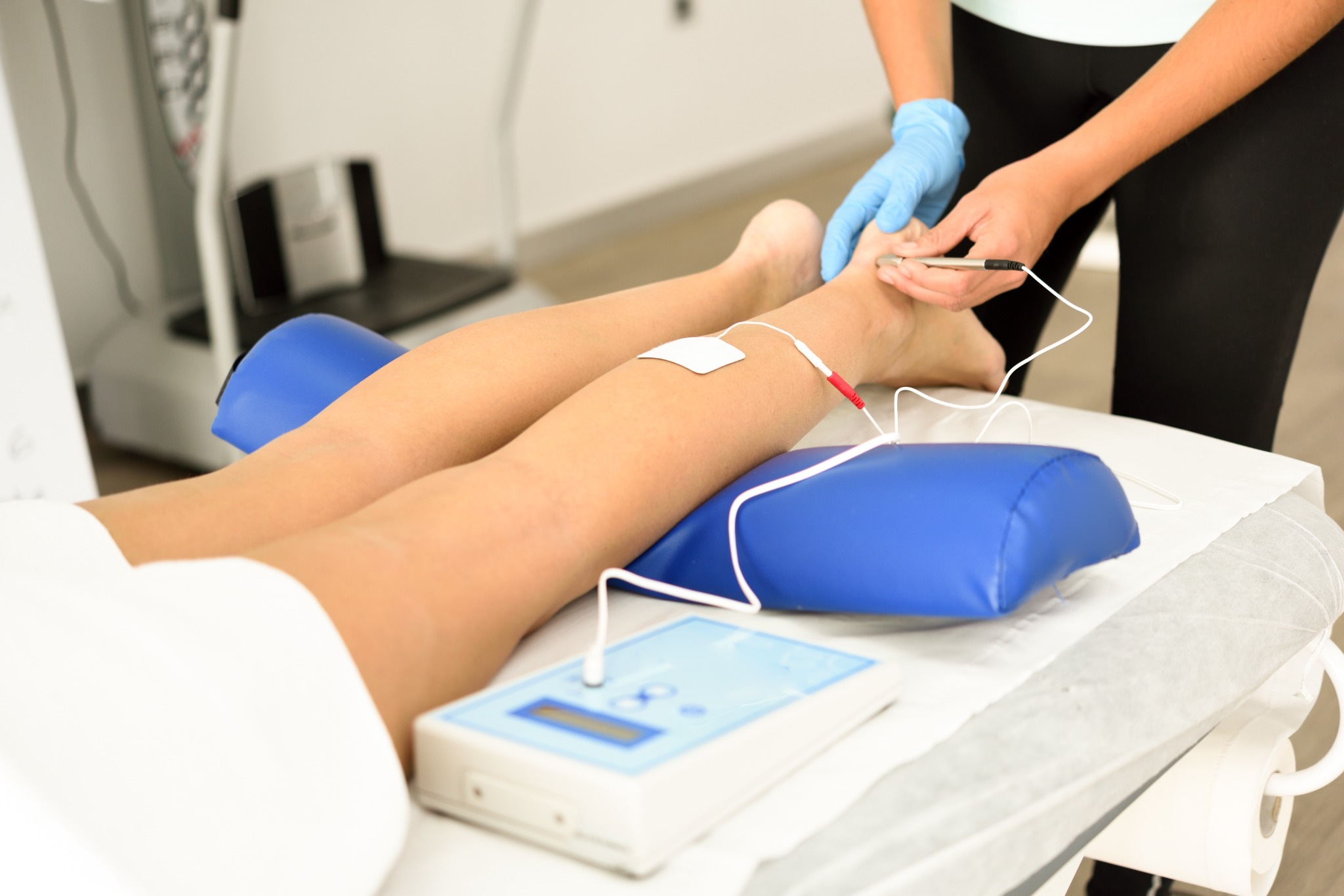
If you have been recommended shockwave therapy for a persistent tendon, muscle, or joint problem, knowing what to expect before your first appointment can make the experience more comfortable and help you get the most out of your treatment. Shockwave therapy is a non-invasive treatment that uses acoustic waves to deliver mechanical energy to a targeted area of the body. It is commonly used in physiotherapy for conditions such as plantar fasciitis, Achilles tendinopathy, tennis elbow, and other chronic musculoskeletal problems.
The good news is that preparation is usually straightforward. You generally do not need to make major changes to your routine, but there are several things worth knowing before you arrive at the clinic.
Before your appointment, take the time to understand why shockwave therapy has been recommended for your specific condition. Your physiotherapist should explain what is being treated, what the therapy aims to achieve, and how it fits into your overall rehabilitation plan.
Shockwave therapy is typically not used as a standalone solution. Depending on your condition, your treatment plan may also include strengthening exercises, mobility work, movement retraining, activity modification, or other physiotherapy techniques. At Synapse, our shockwave therapy service is integrated into a broader rehabilitation approach rather than offered in isolation. If anything is unclear before your first session, ask your physiotherapist to walk you through the plan.
Your physiotherapist needs to position the treatment applicator directly over the targeted area, so what you wear to your appointment matters.
Choose clothing that allows easy access to the area being treated. If you are receiving treatment for your knee, shorts or loose-fitting trousers work well. For shoulder or upper arm treatment, a loose T-shirt or sleeveless top is more practical. You do not need to wear anything special, but avoid tight or restrictive clothing that would make it difficult for your physiotherapist to work on the affected area.
In most cases, there is no need to fast or make changes to your diet before shockwave therapy. Eat and drink as you normally would on the day of your appointment.
Some people consider taking pain medication before their session to make the treatment more comfortable. However, you should not take painkillers or anti-inflammatory medication specifically for this purpose without first discussing it with your physiotherapist. The appropriate approach depends on the condition being treated, the medication involved, and your overall treatment plan. If you regularly take prescribed medication, continue to follow your doctor’s instructions and inform your physiotherapist about what you are taking.
Providing your physiotherapist with relevant medical information before your first shockwave therapy session is one of the most important steps you can take.
Tell your physiotherapist about any significant medical conditions, recent injuries, surgeries, medications, or other treatments you are undergoing. Certain health conditions or circumstances may mean that shockwave therapy needs to be modified or may not be suitable. If you are unsure whether something is relevant, mention it and allow your healthcare professional to make the assessment. Physiotherapists registered with the Malaysian Physiotherapy Association (MPA) are trained to screen for contraindications and tailor treatment accordingly.
One of the most common questions before a first session is whether shockwave therapy is painful.
The sensation varies depending on the treatment area, the condition being treated, and the intensity settings used. Most patients feel a series of tapping, pulsing, or striking sensations over the affected area. Some areas may feel more sensitive than others, particularly over a tender tendon. Your physiotherapist can adjust the intensity to suit your tolerance while still delivering an effective treatment. If the sensation feels excessively painful or you notice anything concerning, communicate this to your physiotherapist immediately. The goal is not to tolerate as much discomfort as possible.
It is not uncommon to experience some temporary soreness, tenderness, or mild discomfort in the treated area after a shockwave therapy session.
This does not mean something has gone wrong. The sensation may feel similar to mild muscle soreness after exercise or physical treatment. Your physiotherapist will advise you on what to expect and whether you should temporarily modify your activities. Avoid scheduling unusually demanding physical activity immediately after your first session unless your physiotherapist has confirmed it is appropriate. For example, if you are being treated for a lower-limb tendon problem, discuss your running or sport plans with your physiotherapist before proceeding. Synapse’s pain management programme can also provide additional support for patients managing ongoing discomfort during recovery.
Shockwave therapy is generally most effective when it forms part of a structured rehabilitation programme rather than being used in isolation.
Ask your physiotherapist what exercises you should perform between sessions. Depending on your condition, this may include progressive strengthening, stretching, balance training, or a gradual return to sport or activity. Your physiotherapist may also advise reducing certain activities that aggravate your symptoms during the treatment period. Consistency with your rehabilitation programme between sessions is just as important as the sessions themselves. If you are looking for a structured approach to physical conditioning alongside your shockwave treatment, explore the conditions we treat at Synapse to understand how different services can support your recovery.
Shockwave therapy is not an instant cure, and it is important to approach your first session with a clear and realistic understanding of what the treatment can achieve.
Musculoskeletal conditions, particularly chronic tendon problems, typically develop over a period of weeks or months. Improvement therefore usually requires patience and consistent rehabilitation. Your physiotherapist may recommend multiple sessions depending on your condition and how you respond to treatment. Rather than judging success solely on how you feel after a single session, look at broader indicators over time, such as changes in pain levels, movement quality, strength, and your ability to perform activities that previously caused discomfort.
Your first shockwave therapy session is also an opportunity to learn more about your condition and what recovery looks like.
Tell your physiotherapist where you feel the discomfort, what activities make your symptoms worse, and whether the treatment sensation feels manageable. Ask what you can expect in the days following the session, when you can resume normal activities, and what exercises you should be doing. A good first session should leave you with a clearer understanding of both your condition and your path forward. Our experienced physiotherapy team at Synapse is here to answer your questions and ensure you feel informed at every stage of treatment.
The sensation during shockwave therapy varies between patients and treatment areas. Most people feel a pulsing or tapping sensation, which can be more noticeable over sensitive tendons. Your physiotherapist will adjust the intensity to suit your tolerance. Some mild soreness after the session is normal and typically resolves within a day or two.
This depends on your condition and how your body responds to treatment. Many patients undergo between three and six sessions, typically spaced one week apart. Your physiotherapist will review your progress and adjust the treatment plan accordingly.
This varies between individuals, but treatment commonly involves several sessions over a number of weeks depending on symptom severity.
Shockwave therapy is commonly used for chronic tendon and soft tissue conditions, including plantar fasciitis, Achilles tendinopathy, patellar tendinopathy, tennis elbow, golfer’s elbow, and calcific shoulder tendinopathy. Your physiotherapist will assess whether it is appropriate for your specific condition.
In most private physiotherapy clinics in Malaysia, you can book shockwave therapy directly without a referral. However, your physiotherapist will conduct an assessment first to confirm that the treatment is suitable for your condition and circumstances.
Synapse offers shockwave therapy as part of a comprehensive physiotherapy and rehabilitation service across our Klang Valley clinics. Our team will assess your condition, explain the treatment clearly, and design a rehabilitation plan built around your goals and your body.
If you are ready to take the next step, book your shockwave therapy appointment with Synapse today.
Tags :







Joint degeneration and inflammation happens as the human body grows older, but that does not mean our way of life degenerates as well. Relief your joint pains with a joint effort together with your physiotherapist, who will provide pain-relief treatments and prescribe exercises for your wellbeing.

Common conditions in the older age population include hips & knee pain, back & neck pain, osteoarthritis, rheumatism, fear of falling and many more. Aging and degeneration of bodily function is inevitable, but here at Synapse, we will help you live the best of your life.