Synapse Physiotherapy | Physio Center | Rehab Malaysia
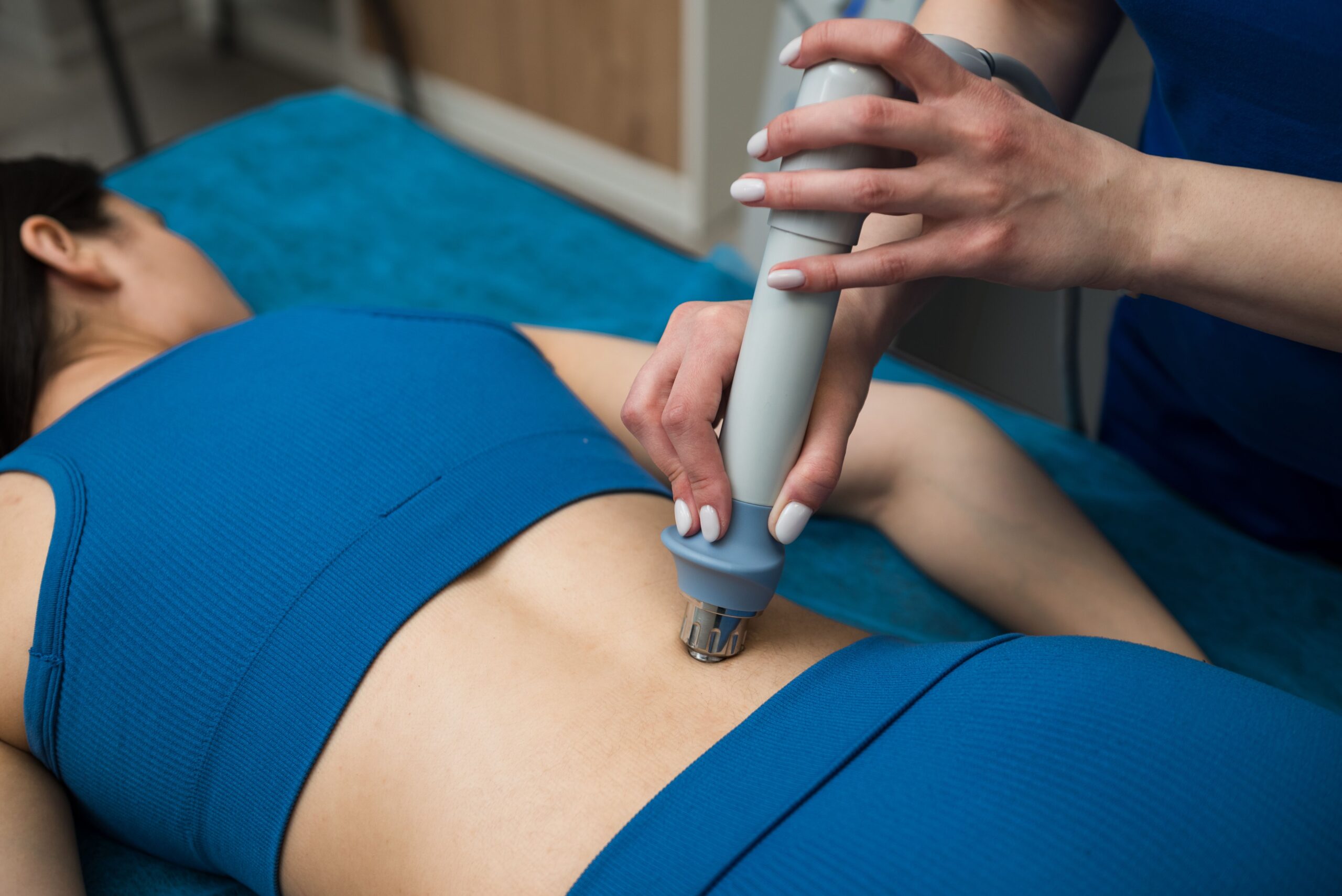
Shockwave therapy has become a popular treatment for people with persistent tendon, muscle, and soft tissue pain. It is commonly used in physiotherapy clinics for conditions such as plantar fasciitis, Achilles tendinopathy, tennis elbow, and chronic shoulder pain. However, while it can be highly effective for certain patients, it is not suitable for everyone.
Understanding who is likely to benefit, and who may be a poor candidate, can help you decide whether this treatment fits your condition, one of the specialised services offered through shockwave therapy at Synapse.
This treatment is a non-invasive approach using mechanical sound waves to deliver energy into targeted areas of the body. Depending on the device and condition, the energy can be focused on or around painful tissues.
It is thought to stimulate the body’s natural healing response, improve local blood flow, influence pain sensitivity, and encourage tissue remodelling, and is particularly useful for chronic musculoskeletal conditions that have not responded to conventional treatment.
Importantly, it is usually not a standalone solution. It is often combined with exercise, strengthening, activity modification, and other physiotherapy interventions through sport physiotherapy.
One of the strongest candidates is someone with a persistent tendinopathy. Conditions such as Achilles tendinopathy, patellar tendinopathy, tennis elbow, and rotator cuff-related shoulder pain may respond well, particularly when symptoms have persisted for weeks or months.
These conditions often involve changes in tendon structure and load tolerance rather than an acute injury, so this treatment may be considered as part of a broader rehabilitation programme.
Plantar fasciitis is another common condition treated this way. Patients often experience heel pain most noticeable during their first steps in the morning or after prolonged sitting. When symptoms persist despite stretching, strengthening, footwear changes, and activity modification, this treatment may be a useful option.
This treatment is generally more appropriate once a patient has already attempted appropriate conservative management, such as:
If someone has only had symptoms for a few days and has not yet tried basic rehabilitation, jumping straight to this treatment may not be necessary.
A good candidate understands that this treatment is not a magic solution. It may reduce pain and support recovery, but improvement is not necessarily immediate. Some patients require several sessions, and the response can vary depending on the condition, severity, duration of symptoms, and overall rehabilitation programme.
This treatment works best when the underlying problem is also addressed. Someone with Achilles tendinopathy, for example, may need structured strengthening to gradually improve the tendon’s capacity to tolerate load. If a patient actively participates in rehabilitation, it can be incorporated into a more complete treatment plan.
This treatment may not suit people with certain medical conditions or circumstances. It may be avoided over areas with active infection, significant tissue damage, or serious underlying conditions, and those with bleeding or clotting problems may need additional assessment first. This is why a proper physiotherapy assessment matters before starting treatment.
This treatment is often associated with chronic musculoskeletal problems, so it may not be the first choice for every acute injury. Someone who has just sustained a significant muscle or tendon injury may need a different approach early on, prioritising protection, load management, and gradual rehabilitation instead.
If someone expects one session to completely eliminate their pain, this treatment may not meet their expectations. Some people notice improvement relatively quickly, while others require more time, and temporary soreness following treatment can also occur. A successful plan should focus on gradual improvement in pain, function, and activity tolerance rather than chasing immediate relief.
This treatment cannot compensate for continuously overloading an injured area. A runner with Achilles pain who keeps dramatically increasing their running volume may struggle to recover even with treatment. The approach should always be combined with strategies that address the factors contributing to the problem.
Perhaps the most important consideration is whether this treatment is actually appropriate for the condition. Not every painful area is caused by tendinopathy or another condition that responds well to it, since pain can originate from joints, nerves, muscles, or other structures covered under Synapse’s conditions treated. A thorough assessment should always come before treatment.
This treatment can feel uncomfortable, particularly when applied directly to a sensitive area, though intensity can usually be adjusted according to the patient’s tolerance. Some patients describe the sensation as tapping, pressure, or a sharp but manageable discomfort.
After treatment, temporary soreness or tenderness may occur. According to NICE, the UK’s National Institute for Health and Care Excellence, current evidence on extracorporeal shockwave therapy for conditions such as refractory plantar fasciitis raises no major safety concerns, though outcomes can vary between patients, which is why treatment should be guided by proper clinical assessment.
The ideal candidate is not simply someone who has pain. They are usually someone with an appropriate diagnosis, persistent symptoms, realistic expectations, no major contraindications, and a willingness to participate in rehabilitation.
A patient with several months of plantar fasciitis who has already tried appropriate exercises and activity modification may be a reasonable candidate. Someone who developed mild heel pain two days ago and has not yet attempted basic conservative treatment, on the other hand, may not need this treatment immediately.
A physiotherapy assessment is the best way to confirm your diagnosis and determine whether shockwave therapy suits your symptoms and stage of recovery.
Not usually. It is more commonly used for chronic, persistent conditions rather than the early stages of a fresh injury.
This varies between individuals, but treatment commonly involves several sessions over a number of weeks depending on symptom severity.
No. Certain medical conditions and circumstances may make it unsuitable, so a proper assessment is needed before starting.
It works best as part of a broader plan that includes exercise, strengthening, and activity modification rather than as a standalone solution.
This treatment can be a valuable part of physiotherapy, but it should not automatically be considered the best option for every painful condition. The best candidates are generally people with appropriate chronic musculoskeletal problems, particularly certain tendinopathies and persistent plantar heel pain, who have not achieved sufficient improvement through conventional rehabilitation. Poor candidates may include people with contraindications, certain acute injuries, unrealistic expectations, or conditions that have not been properly diagnosed.
Ultimately, the question should not simply be whether shockwave therapy can treat your pain, but whether it is appropriate for your specific condition and stage of recovery. Book an appointment with Synapse for an assessment to find out if it is right for you.
Tags :



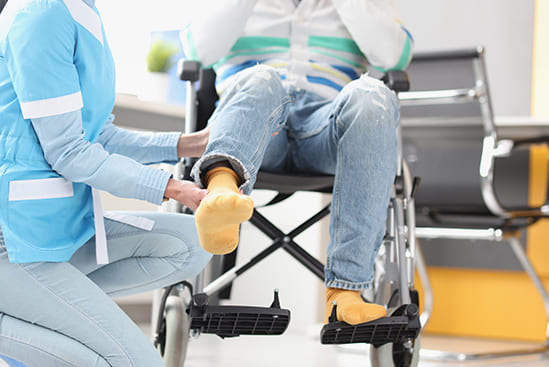


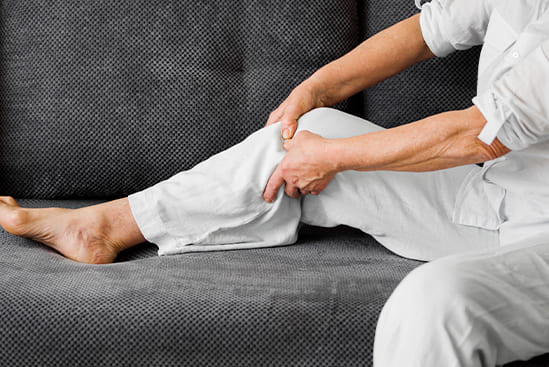
Joint degeneration and inflammation happens as the human body grows older, but that does not mean our way of life degenerates as well. Relief your joint pains with a joint effort together with your physiotherapist, who will provide pain-relief treatments and prescribe exercises for your wellbeing.

Common conditions in the older age population include hips & knee pain, back & neck pain, osteoarthritis, rheumatism, fear of falling and many more. Aging and degeneration of bodily function is inevitable, but here at Synapse, we will help you live the best of your life.