Synapse Physiotherapy | Physio Center | Rehab Malaysia
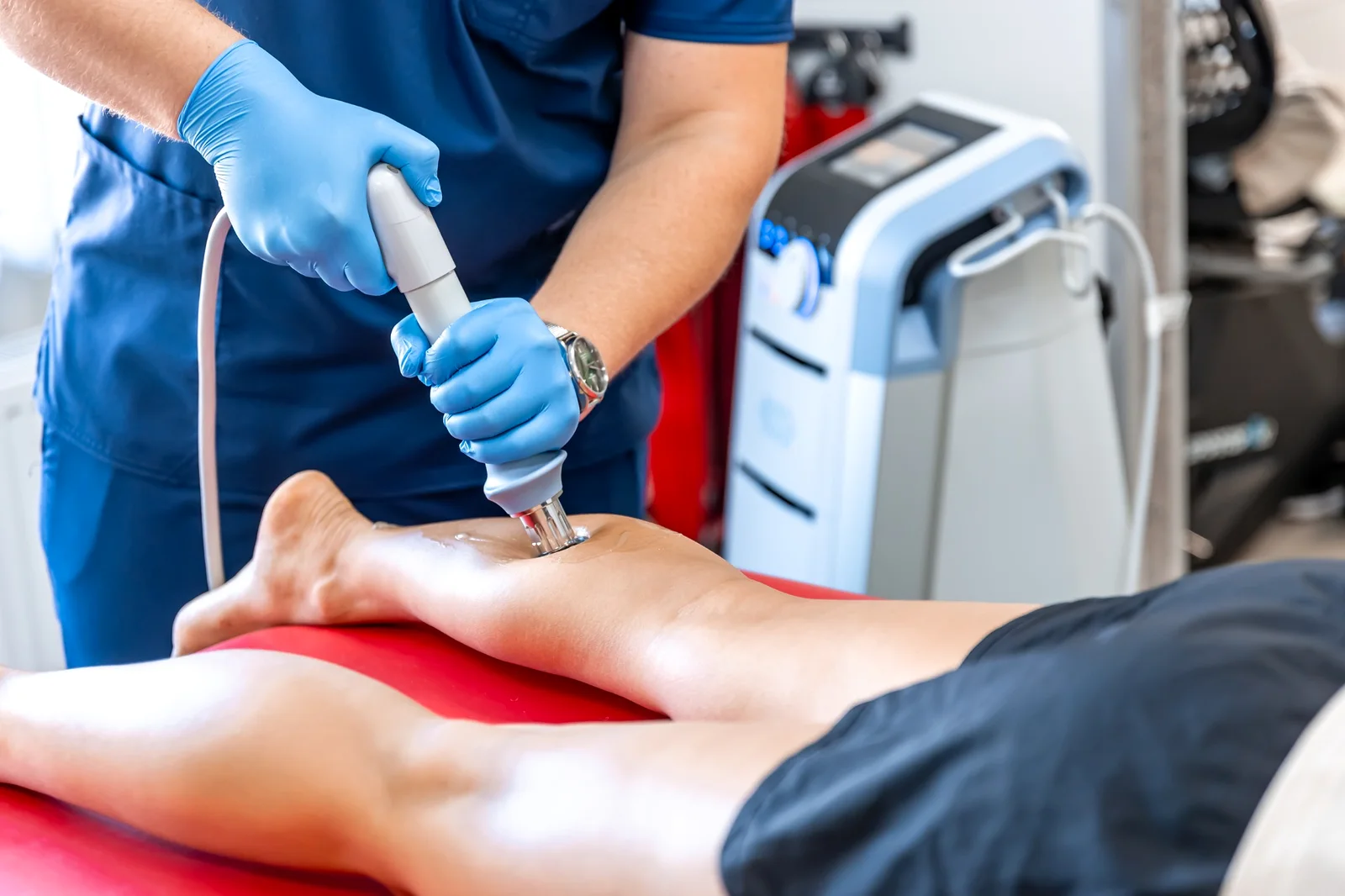
Shockwave therapy is a non-invasive treatment commonly used to manage persistent musculoskeletal pain and support tissue recovery. The session itself is relatively quick, but knowing what to do afterwards helps you get the most from it. Aftercare matters most in the first 48 hours, when the treated area may feel sore, tender, or sensitive.
Shockwave therapy works by stimulating biological processes in the affected tissue rather than aiming for instant pain relief. Some people feel temporary discomfort before noticing improvement over the following days or weeks. The evidence for shockwave therapy is mixed, and NICE guidance on shockwave therapy for plantar fasciitis notes inconsistent efficacy evidence alongside no major safety concerns, so following your clinician’s advice matters. Here are practical steps for the first 48 hours.
You generally do not need bed rest after shockwave therapy, and gentle movement is usually better than complete inactivity. Low-intensity activities such as walking, desk work, preparing meals, and light household tasks are usually fine. Avoid deliberately pushing through significant pain in the treated area. After treatment for Achilles tendon pain, for example, normal walking may be acceptable, but a long hike or intense run places unnecessary stress on the tendon. The goal is comfortable movement without excessive loading.
One of the most important recommendations is to temporarily reduce strenuous or high-impact activity. For about 48 hours, consider avoiding:
Restrictions vary with the condition and area treated. Someone treated for plantar heel pain may reduce running and jumping, while someone treated for tennis elbow may limit heavy gripping or lifting. At Synapse, your physiotherapist can give specific guidance for your condition.
Mild soreness or tenderness after shockwave therapy is relatively common. It may feel like muscle soreness after exercise, appearing immediately or several hours later. This does not necessarily mean something has gone wrong, since the treatment delivers mechanical energy to tissue and the body responds with biological processes that can cause temporary irritation. However, pain should remain manageable. If you have severe, worsening, or unusual symptoms, contact your healthcare professional.
There is no special requirement to drink large amounts of water after shockwave therapy. Maintaining normal hydration is a sensible part of general recovery, especially if you have exercised, been outdoors, or are in a hot environment. Simply return to your usual healthy habits.
Ask your physiotherapist or doctor about pain medication. Because shockwave therapy aims to stimulate a response in the treated tissue, some clinicians recommend avoiding certain anti-inflammatory medications around the treatment period, but advice differs depending on your condition, history, and medication needs. Do not stop prescribed medication without speaking to the professional who prescribed it. If you need pain relief, ask which option suits you.
It can be tempting to massage a sore area, but aggressive or deep tissue massage straight after shockwave therapy may irritate the treated tissue. Follow any mobility exercises or gentle self-management techniques your physiotherapist gives you instead.
Ice is also not automatically required. Because treatment aims to stimulate tissue responses, routinely icing straight afterwards may not match your clinician’s approach. If your physiotherapist recommends ice, follow their instructions on duration and frequency. More treatment is not always better, and sometimes allowing the body to respond naturally is appropriate.
Shockwave therapy usually works best within a broader rehabilitation programme. Depending on your condition, your physiotherapist may prescribe:
Do not assume shockwave therapy alone will fix the underlying problem. Someone with chronic Achilles tendon pain may benefit from a structured strengthening programme alongside treatment, with shockwave therapy as one component. If you are unsure how much exercise is appropriate during the first 48 hours, ask. You can explore the shockwave therapy and physiotherapy services at Synapse.
Pay attention to how the treated area feels over the first two days. Mild soreness or temporary discomfort can occur, but symptoms should gradually settle rather than steadily worsen. Keep track of pain levels, swelling, movement ability, sensitivity around the area, and your ability to do normal activities, as this helps at your next appointment. If you notice significant swelling, severe pain, numbness, weakness, skin changes, or other concerning symptoms, seek professional medical advice.
After 48 hours, do not jump straight back to your previous training intensity. Increase activity gradually based on your symptoms and your physiotherapist’s recommendations. Athletes might return first to low-impact exercise before progressing to running, jumping, sprinting, or sport-specific movements. This lets you see how the treated area responds to increased load. Improvement from shockwave therapy takes time, and some conditions need several sessions combined with an exercise programme before meaningful change appears.
Contact your physiotherapist or healthcare provider if symptoms are significantly worse than expected or if you develop unusual symptoms after treatment. Also ask for guidance if you are unsure when to resume running, gym training, sports, or heavy lifting. They can help decide when and how to progress safely.
Mild soreness or tenderness is relatively common, but pain should stay manageable. Contact your clinician if it is severe or worsening.
Gentle, low-intensity activity is usually fine. Avoid high-impact and heavy exercise involving the treated area for about 48 hours unless advised otherwise.
Not automatically. Ask your physiotherapist or doctor, as advice depends on your condition and medical history.
It varies. Some conditions need several sessions combined with exercise before improvement becomes clear.
Seek advice for significant swelling, severe pain, numbness, weakness, skin changes, or symptoms that keep getting worse.
The first 48 hours are an important time to manage activity and let your body respond. Mild soreness can be normal, but avoid high-impact exercise, heavy loading, and aggressive massage, while remembering that complete rest is usually unnecessary. Follow the aftercare instructions your physiotherapist gives you. If you are considering shockwave therapy or need guidance on recovery, book a consultation with Synapse.
Tags :



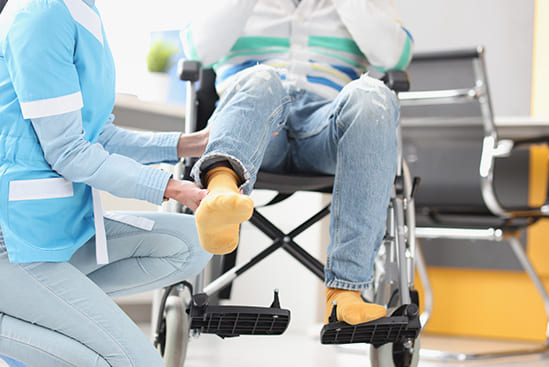


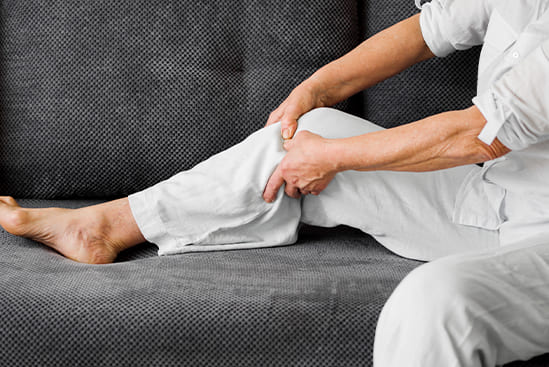
Joint degeneration and inflammation happens as the human body grows older, but that does not mean our way of life degenerates as well. Relief your joint pains with a joint effort together with your physiotherapist, who will provide pain-relief treatments and prescribe exercises for your wellbeing.
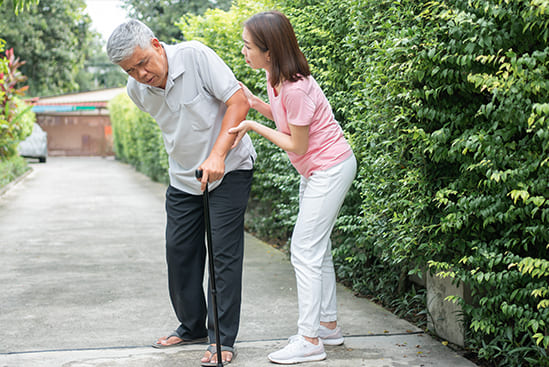
Common conditions in the older age population include hips & knee pain, back & neck pain, osteoarthritis, rheumatism, fear of falling and many more. Aging and degeneration of bodily function is inevitable, but here at Synapse, we will help you live the best of your life.