Synapse Physiotherapy | Physio Center | Rehab Malaysia
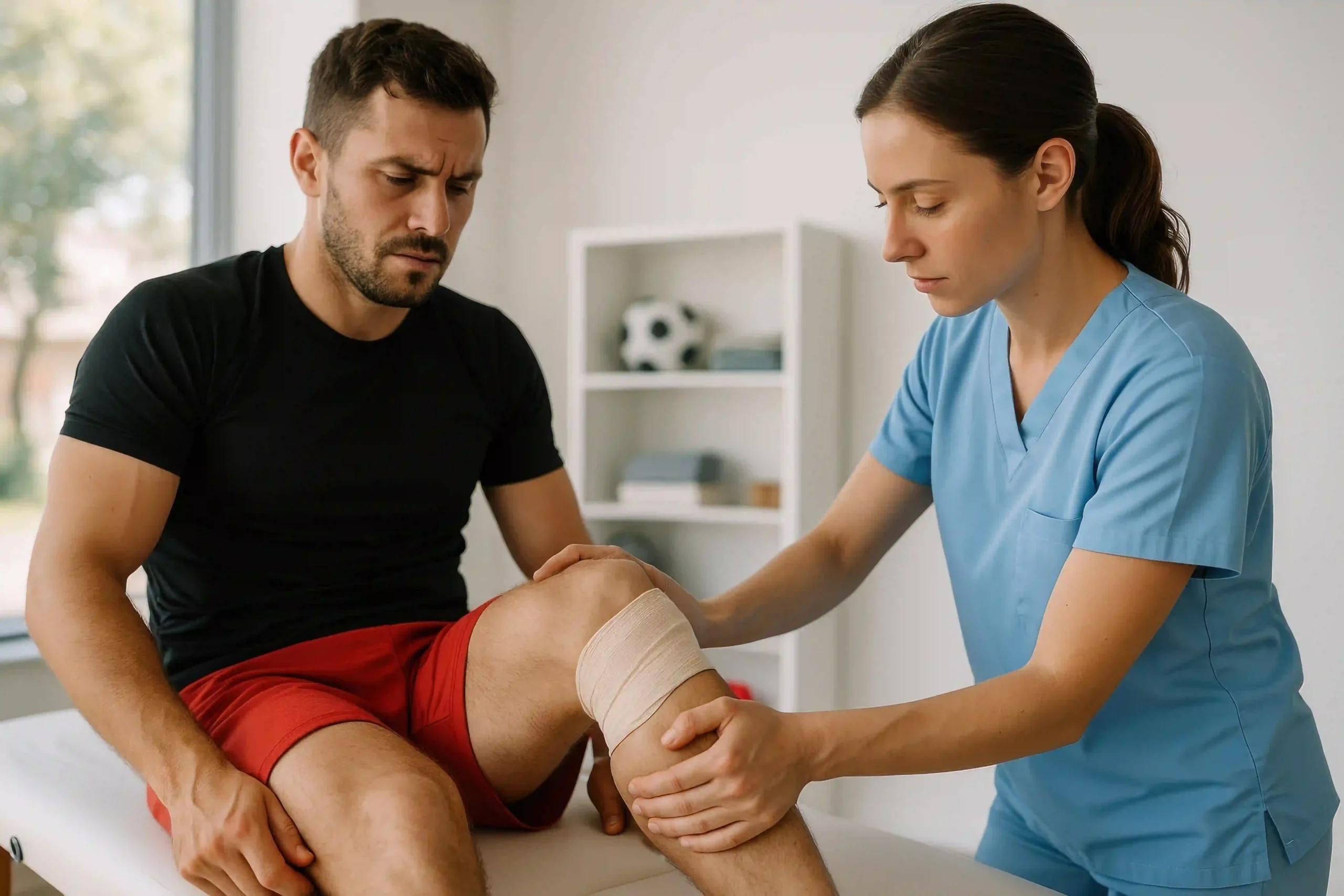
Sports and physical activities play an essential role in maintaining overall health, improving fitness, and reducing stress. However, with increased participation in sports—whether recreational or competitive—the risk of injury also rises. Whilst some minor aches and strains can be managed at home with rest and basic care, many sports-related injuries require professional assessment and treatment at a sports injury clinic. Early and appropriate intervention not only speeds up recovery but also helps prevent long-term complications and recurrent injuries.
At Synapse Physiotherapy, our experienced team understands the unique demands that sports place on the body. We provide comprehensive assessment and evidence-based treatment programmes designed to address various sports-related conditions, ensuring athletes can return to their activities safely and confidently. This article explores some of the most common sports injuries that often require clinic-based treatment, why professional care is important, and how proper rehabilitation supports a safe return to activity.
Sports injuries can occur suddenly through acute trauma or develop gradually through repetitive stress. Recognising when professional intervention is necessary can make a significant difference in recovery outcomes and long-term athletic performance.
Muscle strains are amongst the most frequent injuries seen in a sports injury clinic. They occur when muscle fibres are overstretched or torn, commonly affecting the hamstrings, quadriceps, calf muscles, and lower back. Athletes involved in sprinting, football, badminton, or sudden directional changes are particularly prone to these injuries.
Mild strains may cause discomfort and stiffness, but moderate to severe strains can result in:
Understanding the different grades of muscle strains helps determine appropriate treatment approaches and expected recovery timelines. Clinic treatment is important to accurately grade the injury, reduce inflammation, and guide a structured rehabilitation programme. Physiotherapy techniques such as soft tissue therapy, stretching, and progressive strengthening help restore function and prevent re-injury.
Ligament sprains occur when the ligaments that stabilise joints are stretched or torn. Common examples include ankle sprains, knee ligament injuries (such as ACL or MCL injuries), and wrist sprains. These injuries are especially common in sports that involve jumping, pivoting, or sudden stops, such as basketball, netball, futsal, and volleyball.
Whilst mild sprains may heal with basic care, moderate to severe sprains often require assessment at a sports injury clinic. Proper diagnosis is crucial, as untreated ligament injuries can lead to joint instability, chronic pain, and early degenerative changes. Clinic-based treatment may include joint mobilisation, taping or bracing, balance training, and sport-specific rehabilitation to ensure complete recovery.
Tendon injuries are common overuse injuries caused by repetitive stress, poor biomechanics, or sudden increases in training intensity. Examples include:
These injuries often present as localised pain, stiffness, and reduced performance, especially during or after activity. Tendon injuries can become chronic if not managed properly. A sports injury clinic provides targeted treatment such as load management, eccentric strengthening exercises, manual therapy, and education on activity modification. Early clinic intervention is key to preventing progression to partial or complete tendon tears.
The knee is one of the most commonly injured joints in sports. Injuries can range from meniscus tears and ligament injuries to patellofemoral pain syndrome. Sports involving running, twisting, jumping, or contact place significant stress on the knee joint.
Knee injuries often require treatment at a sports injury clinic to determine the exact structure involved. Mismanagement or delayed treatment can lead to prolonged pain and reduced function. Rehabilitation focuses on reducing pain and swelling, restoring range of motion, strengthening surrounding muscles, and improving movement control to protect the knee during sports activities.
Shoulder injuries are common in overhead and contact sports such as swimming, badminton, tennis, rugby, and weightlifting. Common conditions include rotator cuff strains, shoulder impingement, labral tears, and shoulder instability.
Because the shoulder is a highly mobile joint, injuries can significantly affect daily activities and athletic performance. Clinic-based assessment helps identify movement patterns, muscle imbalances, and joint issues contributing to pain. Treatment at a sports injury clinic often includes strengthening of the rotator cuff and scapular muscles, manual therapy, and gradual return-to-sport exercises.
Stress fractures are small cracks in the bone caused by repetitive loading and inadequate recovery. They commonly affect the foot, shin (tibia), and hip, particularly in runners, dancers, and athletes involved in high-impact sports.
These injuries may initially present as mild pain that worsens with activity. Continuing to train through pain can lead to complete fractures and prolonged recovery. A sports injury clinic plays an important role in early detection, activity modification, and rehabilitation. Management often involves load reduction, biomechanical assessment, and a gradual return-to-impact programme.
Lower back pain is common in sports that involve bending, lifting, twisting, or prolonged postures, such as weightlifting, golf, rowing, and cycling. Injuries may include muscle strains, facet joint irritation, disc-related issues, or sacroiliac joint dysfunction.
Because back pain can have multiple causes, professional assessment at a sports injury clinic is essential. Our Pain Management Service specialises in addressing complex pain conditions, providing comprehensive treatment that focuses on pain relief, improving mobility, strengthening core muscles, and correcting movement patterns to reduce strain on the spine.
Shin splints are a common overuse injury, especially in runners and athletes who train on hard surfaces or increase training volume too quickly. Symptoms include diffuse pain along the inner shin during or after exercise.
Although often considered minor, shin splints can progress to stress fractures if ignored. Treatment at a sports injury clinic helps identify contributing factors such as poor footwear, muscle tightness, or biomechanical issues. Rehabilitation includes load management, strengthening, stretching, and gradual return to running.
Seeking treatment at a sports injury clinic ensures accurate diagnosis, evidence-based management, and individualised rehabilitation. Professional care reduces recovery time, lowers the risk of complications, and helps athletes return to sport safely and confidently.
The benefits of clinic-based treatment include:
At Synapse Physiotherapy, our professional team brings extensive experience in managing sports injuries across all levels of athletic participation. We emphasise injury prevention through education, conditioning, and movement correction, ensuring athletes develop the resilience needed for long-term performance.
Follow the RICE protocol: Rest, Ice, Compression, and Elevation. Apply ice for 15-20 minutes every 2-3 hours during the first 48 hours. Avoid activities that worsen the pain and seek professional assessment if symptoms persist or worsen.
Seek professional care if you experience severe pain, significant swelling, inability to bear weight, joint instability, reduced range of motion, or if symptoms don’t improve within a few days of home care.
Recovery time varies depending on the type and severity of injury. Minor strains may heal within 1-2 weeks, whilst ligament sprains or stress fractures can take 6-12 weeks or longer. A sports injury clinic can provide accurate timelines based on individual assessment.
This depends on the injury type and severity. Some injuries allow modified training, whilst others require complete rest. Professional guidance ensures you maintain fitness without compromising recovery or risking further damage.
Prevention strategies include proper warm-up and cool-down routines, progressive training increases, adequate rest and recovery, appropriate footwear and equipment, maintaining strength and flexibility, and addressing biomechanical issues identified during rehabilitation.
Sports injuries are common, but they do not have to derail an active lifestyle. From muscle strains and ligament sprains to tendon injuries and stress fractures, many conditions require professional assessment and treatment. Early intervention at a sports injury clinic plays a crucial role in effective recovery, long-term joint health, and optimal performance.
Whether you are a recreational athlete or a competitive sports player, timely clinic-based care can make the difference between prolonged pain and a successful return to the activities you love. At Synapse Physiotherapy, we are committed to providing comprehensive, evidence-based care that addresses not only your immediate injury but also the underlying factors that may contribute to future problems.
Don’t let a sports injury keep you on the sidelines. Book a consultation with our experienced team today and take the first step towards recovery and peak performance.
Tags :



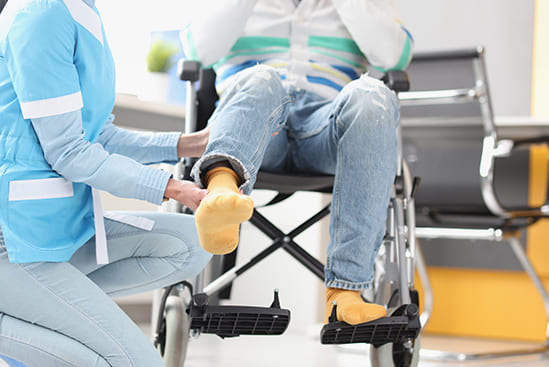


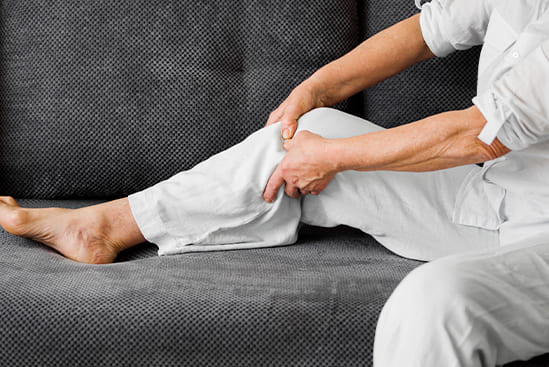
Joint degeneration and inflammation happens as the human body grows older, but that does not mean our way of life degenerates as well. Relief your joint pains with a joint effort together with your physiotherapist, who will provide pain-relief treatments and prescribe exercises for your wellbeing.

Common conditions in the older age population include hips & knee pain, back & neck pain, osteoarthritis, rheumatism, fear of falling and many more. Aging and degeneration of bodily function is inevitable, but here at Synapse, we will help you live the best of your life.