Synapse Physiotherapy | Physio Center | Rehab Malaysia
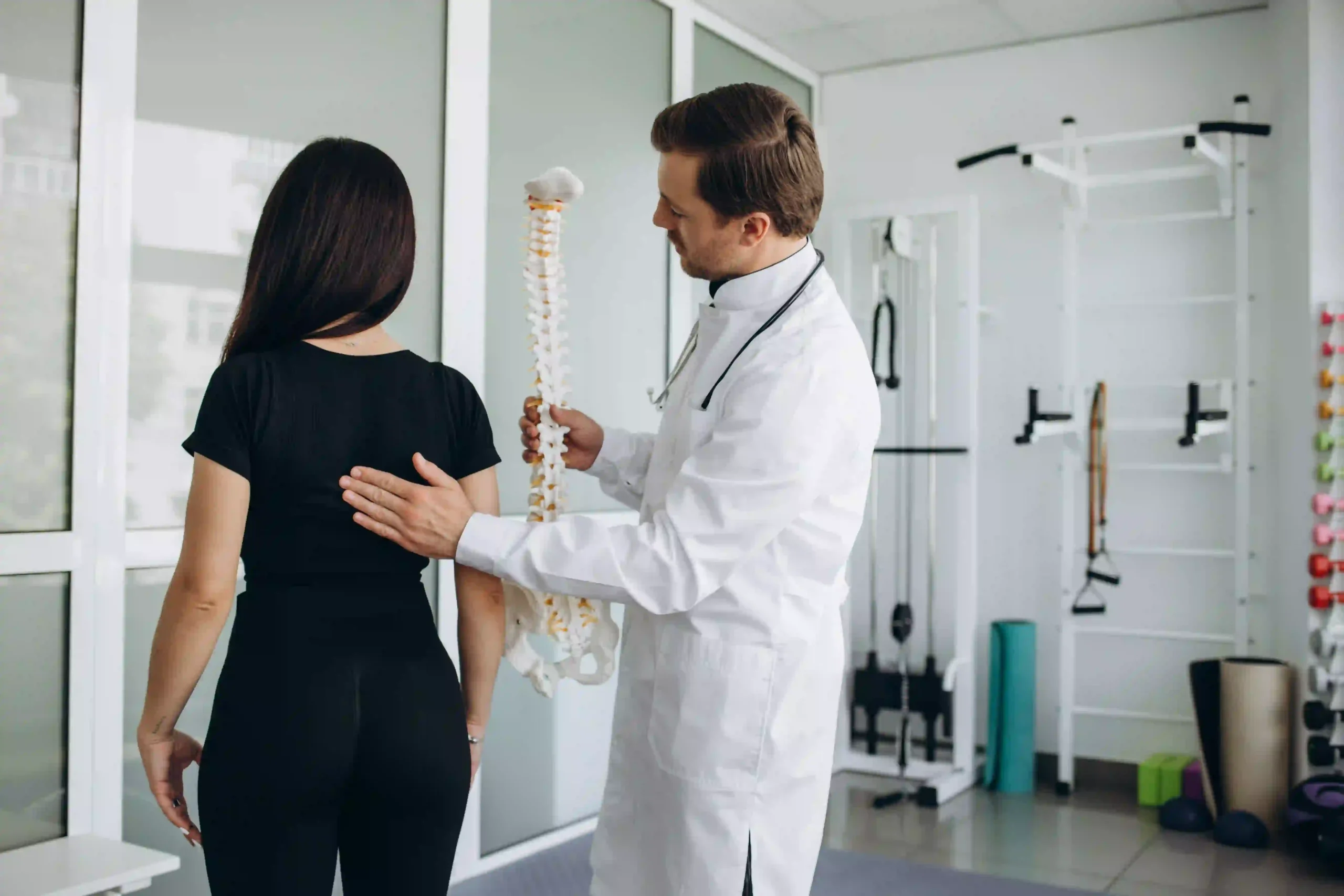
Scoliosis and postural problems are increasingly common spine conditions affecting people of all ages across Malaysia and globally. Left unaddressed, these conditions may lead to chronic discomfort, mobility limitations, persistent pain, and in severe cases, complications affecting respiratory function or cardiovascular health. These spinal issues often develop gradually and may go unnoticed until visible signs appear, such as noticeable spinal curvature, shoulder asymmetry, hip misalignment, or ongoing pain.
A qualified spine specialist plays a crucial role in accurately diagnosing and effectively treating scoliosis and postural problems, whilst physiotherapists provide targeted rehabilitation to strengthen supporting muscles, correct postural alignment, and reduce discomfort. At Synapse Physiotherapy, our integrated approach combines expert medical assessment with personalised rehabilitation programmes, ensuring comprehensive spine health management tailored to each patient’s unique needs.
Scoliosis is characterised by an abnormal sideways curvature of the spine, typically forming an “S” or “C” shape when viewed from behind. Whilst mild cases may present minimal symptoms, moderate to severe scoliosis can result in several noticeable effects:
Scoliosis can develop during childhood, adolescence, or adulthood, with each stage presenting unique challenges. According to the National Health Service, early identification and monitoring of scoliosis in children can prevent severe progression requiring invasive treatment. Early detection by a spine specialist is crucial to prevent curve progression and maintain optimal long-term spinal health.
Postural problems occur when the spine, shoulders, or hips fall out of proper alignment, often resulting from modern lifestyle factors. Poor posture frequently leads to muscle imbalance, chronic strain, and persistent discomfort. Common postural issues identified by a spine specialist include:
These conditions typically result from prolonged sitting, inadequate ergonomics, repetitive strain injuries, or weakened postural muscles. Without professional intervention from a spine specialist, these issues can progressively worsen, leading to chronic pain syndromes and significantly reduced functional capacity.
A spine specialist, such as an orthopaedic surgeon or physiatrist, focuses on diagnosing the precise nature and severity of scoliosis and postural problems, then determining whether conservative management or surgical intervention is appropriate. The comprehensive assessment typically includes:
Once the condition is fully evaluated, the spine specialist develops a comprehensive, evidence-based treatment plan. This often incorporates physiotherapy interventions, structured exercise programmes, bracing protocols for adolescents, and in severe or rapidly progressing cases, surgical intervention to correct significant spinal deformity.
Physiotherapy forms an essential cornerstone in managing scoliosis and postural problems effectively. Skilled physiotherapists work collaboratively with a spine specialist to provide non-invasive, scientifically validated interventions. The Spine & Core Rehabilitation Programme at Synapse Physiotherapy focuses on several key treatment areas.
Corrective exercises systematically retrain muscles to support the spine appropriately. Specialised techniques including the Schroth Method and Pilates-based rehabilitation strengthen the precise muscle groups that maintain optimal spinal alignment. Patients develop enhanced postural awareness, which improves both physical appearance and functional capacity during daily activities.
Strong core musculature provides essential stability for the entire spine. Physiotherapists guide patients through progressive strengthening exercises targeting the abdominal, back, and pelvic floor muscles. This reduces excessive strain on spinal structures and improves overall postural support, complementing the treatment plan established by the spine specialist.
Tight, shortened muscles can significantly worsen spinal curvature and contribute to persistent pain. Structured stretching routines improve flexibility throughout the spine, hips, shoulders, and legs, allowing for more balanced movement patterns and reduced discomfort during daily activities.
Physiotherapy effectively manages pain using evidence-based techniques including:
These interventions not only relieve presenting symptoms but also prevent further complications by systematically addressing underlying muscle imbalances identified by the spine specialist.
For adolescents with progressing scoliosis curves, bracing may be recommended by a spine specialist as part of conservative management. Physiotherapists complement brace treatment by ensuring correct brace fit, teaching exercises that maintain flexibility and muscle strength whilst wearing the brace, and monitoring spinal alignment throughout critical growth periods. This combination approach slows curve progression whilst maintaining mobility and normal function.
Our professional team educates patients on sustainable daily habits that support long-term spinal health:
These practical measures help sustain improvements achieved during therapy sessions and significantly reduce the risk of symptom recurrence.
Physiotherapy cannot structurally cure or reverse established scoliosis, but it can significantly reduce pain levels, improve postural alignment, and prevent further curve progression, particularly in mild to moderate cases. When combined with guidance from a spine specialist, physiotherapy offers excellent outcomes for managing symptoms and maintaining quality of life.
Most patients initially attend 2–3 supervised sessions per week, combined with prescribed daily home exercises. As posture improves and symptoms reduce, session frequency typically decreases. Your spine specialist and physiotherapist will adjust your treatment schedule based on individual progress.
Absolutely. Adults can experience significant pain relief, improved postural alignment, and enhanced mobility through targeted physiotherapy, even when spinal curvature is already well-established. Treatment focuses on managing symptoms and preventing progression rather than curve correction.
Bracing is typically recommended for children or adolescents with progressing scoliosis curves during growth periods. Physiotherapy supports bracing protocols by maintaining essential muscle strength, spinal flexibility, and overall compliance with the treatment plan prescribed by your spine specialist.
Pain relief and improved postural awareness are often noticed within 2–4 weeks of consistent physiotherapy. Measurable improvements in spinal alignment and functional capacity typically require several months of dedicated treatment, regular home exercise compliance, and ongoing monitoring by your spine specialist.
Scoliosis and postural problems can significantly impact daily functioning, quality of life, and long-term health outcomes. However, with early professional intervention and an integrated approach combining expertise from a spine specialist and skilled physiotherapists, patients can achieve remarkable improvements in posture, substantial pain reduction, and enhanced spinal function.
At Synapse Physiotherapy, we provide expert clinical evaluation, personalised physiotherapy programmes, evidence-based posture retraining, and comprehensive long-term spinal care. Our dedicated team supports both paediatric and adult patients in managing scoliosis and postural problems safely and effectively through our specialised Spine & Core Rehabilitation Programme.
For anyone seeking professional care for scoliosis or postural correction in Malaysia, Synapse Physiotherapy is committed to delivering comprehensive, patient-centred spine health services. Book a consultation today to begin your journey towards improved spinal health and enhanced quality of life.
Tags :



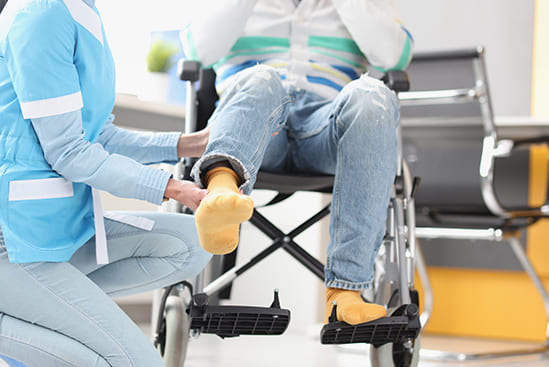


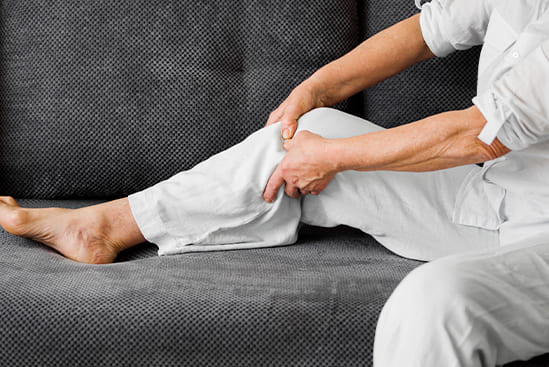
Joint degeneration and inflammation happens as the human body grows older, but that does not mean our way of life degenerates as well. Relief your joint pains with a joint effort together with your physiotherapist, who will provide pain-relief treatments and prescribe exercises for your wellbeing.

Common conditions in the older age population include hips & knee pain, back & neck pain, osteoarthritis, rheumatism, fear of falling and many more. Aging and degeneration of bodily function is inevitable, but here at Synapse, we will help you live the best of your life.