Synapse Physiotherapy | Physio Center | Rehab Malaysia

After an intense weightlifting session, your muscles are often sore, fatigued, and in need of recovery. Many athletes and fitness enthusiasts are turning to Sports Massage therapy as a crucial part of their post-workout recovery routine. This is where Synapse Physiotherapy makes the difference through their specialized recovery sessions, designed to bridge the gap between intense exertion and optimal healing. Rather than letting fatigue linger, we shape each recovery journey with intentional techniques and expert care that allow your body to bounce back faster and stronger. Sports Massage can significantly improve recovery time, reduce muscle soreness, and help prevent injuries, making it a valuable addition to any weightlifting program.
Sports Massage is a specialized form of therapy designed to address the unique needs of athletes and physically active individuals. It goes beyond the basic relaxation techniques of traditional massage by targeting the muscle groups that experience the most strain from exercise, especially weightlifting. Through techniques like deep tissue manipulation, myofascial release, and trigger-point therapy, it can alleviate muscle tension, promote better circulation, and aid in muscle recovery.
Unlike a typical spa massage, which focuses on relaxation, Sports Massage is more goal-oriented and is often used to enhance performance and prevent injury. It is particularly effective for weightlifters, with recent published in the British Journal of Sports Medicine confirming it as one of the most effective methods for reducing muscle soreness and improving perceived recovery after any intense exercise.
Weightlifting places significant strain on muscles, which can result in tightness, soreness, and fatigue. Incorporating a professional sport physiotherapy approach ensures that these issues are addressed before they lead to chronic pain. After a challenging session, your muscles undergo micro-tears and require proper recovery to rebuild stronger.
One of the primary benefits of Sports Massage is its ability to enhance blood circulation. After weightlifting, muscles require increased blood flow to deliver nutrients and oxygen to the cells, which helps in tissue repair and reduces recovery time. The therapy stimulates circulation, ensuring that fresh oxygen and nutrients are delivered to fatigued muscles while metabolic waste products, like lactic acid, are flushed out. This process helps in reducing muscle soreness and accelerates recovery by promoting tissue regeneration.
Sports Massage helps alleviate muscle tension by applying focused pressure to targeted areas, which helps relax the muscles and release built-up tension. Techniques like deep tissue manipulation help to break down adhesions in muscle fibers and connective tissues, reducing muscle stiffness and soreness. After an intense workout, this can help your muscles feel more relaxed, making it easier to get back to training faster.
During weightlifting, muscles experience tiny tears and breakdowns that produce waste products like lactic acid. If not properly cleared, this can lead to muscle soreness and delayed recovery. Sports Massage facilitates the removal of metabolic waste from the muscles by improving lymphatic drainage. The lymphatic system is responsible for transporting waste products from tissues back to the bloodstream, where they can be processed and eliminated by the body. By stimulating this system, Sports Massage aids in faster recovery and reduces the discomfort associated with DOMS (delayed onset muscle soreness).
Maintaining a high level of performance requires more than just strength; it requires mobility and the absence of pain. Working with a professional team allows lifters to identify specific problem areas before they become injuries.
Regular weightlifting can lead to a decrease in flexibility, as muscles become tighter and less pliable over time. Sports Massage helps increase flexibility by loosening tight muscles and fascia (the connective tissue surrounding muscles). Techniques like myofascial release and kneading work to stretch and relax the muscles, improving their range of motion and making them less prone to injury. For weightlifters, maintaining flexibility is essential to performing exercises with proper form and avoiding strains or tears.
After an intense lifting session, inflammation and swelling are common in the muscles and joints. This can slow down the recovery process and hinder muscle growth. Sports Massage helps reduce inflammation by increasing circulation and encouraging the flow of lymphatic fluid, which can drain excess fluid from swollen areas. By reducing swelling, it alleviates pressure on surrounding tissues, which can lead to faster healing and lesser discomfort in the days following a workout.
Post-lifting pain can result from tight muscles, trigger points, or muscle imbalances. Trigger-point therapy, a common technique in Sports Massage, targets areas where muscles have formed painful knots. These knots can be a result of overuse or micro-injuries from lifting. By applying pressure to these specific points, the therapy helps release the knots, relieve pain, and restore normal muscle function. This process helps you get back to lifting sooner and with better mobility.
The cumulative strain of weightlifting can lead to overuse injuries and muscle imbalances, especially if you are lifting heavy weights without proper recovery. Sports Massage is not only beneficial for immediate recovery but also for injury prevention. Regular sessions help keep muscles and joints in optimal condition by improving circulation, flexibility, and muscle function. By addressing muscle imbalances, tightness, and soreness early on,
Sports Massage can prevent injuries that might otherwise sideline your weightlifting progress.
Whether you are a professional athlete or someone who enjoys weightlifting for fitness, regular therapy sessions at Synapse Physiotherapy can optimize your training outcomes and enhance overall performance. Our skilled therapists assist in speeding up your recovery and ensuring you stay injury-free throughout your training.
While gentle techniques can be used early on, many athletes find that waiting until the initial acute inflammation subsides makes deep tissue work more effective. This helps in reducing muscle soreness and accelerates recovery by promoting tissue regeneration.
Yes, by stimulating the lymphatic system and improving circulation, Sports Massage aids in faster recovery and reduces the discomfort associated with DOMS by flushing out metabolic waste products like lactic acid.
Because it targets deep tissue and trigger points to release knots, it can be more intense than a relaxation massage. However, its goal-oriented nature is designed to restore functionality and relieve pain caused by micro-injuries.
Regular sessions help keep muscles and joints in optimal condition. Depending on your training volume, periodic sessions can prevent the cumulative strain that leads to overuse injuries and muscle imbalances.
No, it works alongside other recovery methods. It specifically helps increase flexibility by loosening tight muscles and fascia, which is essential for performing exercises with proper form.
Incorporating Sports Massage into your post-weightlifting recovery routine can offer numerous benefits, including reducing muscle soreness, alleviating inflammation, improving flexibility, and preventing injuries. Whether you are a professional athlete or a fitness enthusiast, these techniques can help speed up recovery, optimize your training outcomes, and enhance overall performance.
If you’re looking to take your weightlifting routine to the next level, consider adding regular Sports Massage therapy to your regimen. Synapse Physiotherapy is here to help you achieve your fitness goals with specialized techniques tailored to your individual needs. With the expertise of our skilled therapists, we can assist in enhancing your muscle performance and ensuring you stay injury-free throughout your training. Book a consultation today and let us guide you on your journey to improved performance and faster recovery—your muscles will thank you.
Tags :



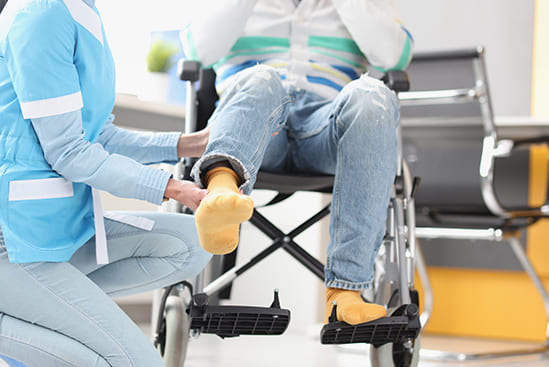

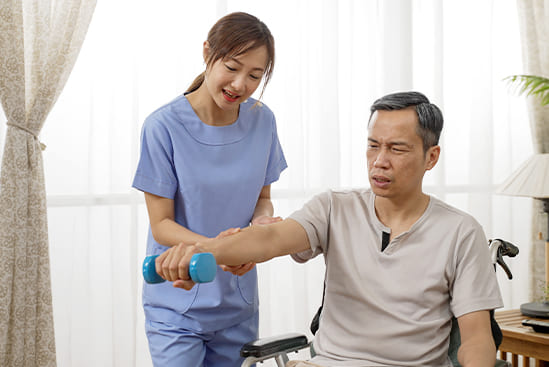
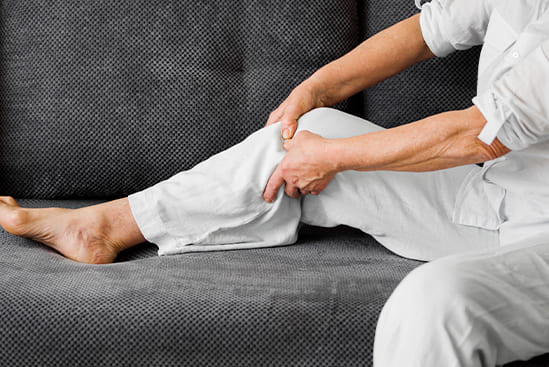
Joint degeneration and inflammation happens as the human body grows older, but that does not mean our way of life degenerates as well. Relief your joint pains with a joint effort together with your physiotherapist, who will provide pain-relief treatments and prescribe exercises for your wellbeing.

Common conditions in the older age population include hips & knee pain, back & neck pain, osteoarthritis, rheumatism, fear of falling and many more. Aging and degeneration of bodily function is inevitable, but here at Synapse, we will help you live the best of your life.