Synapse Physiotherapy | Physio Center | Rehab Malaysia
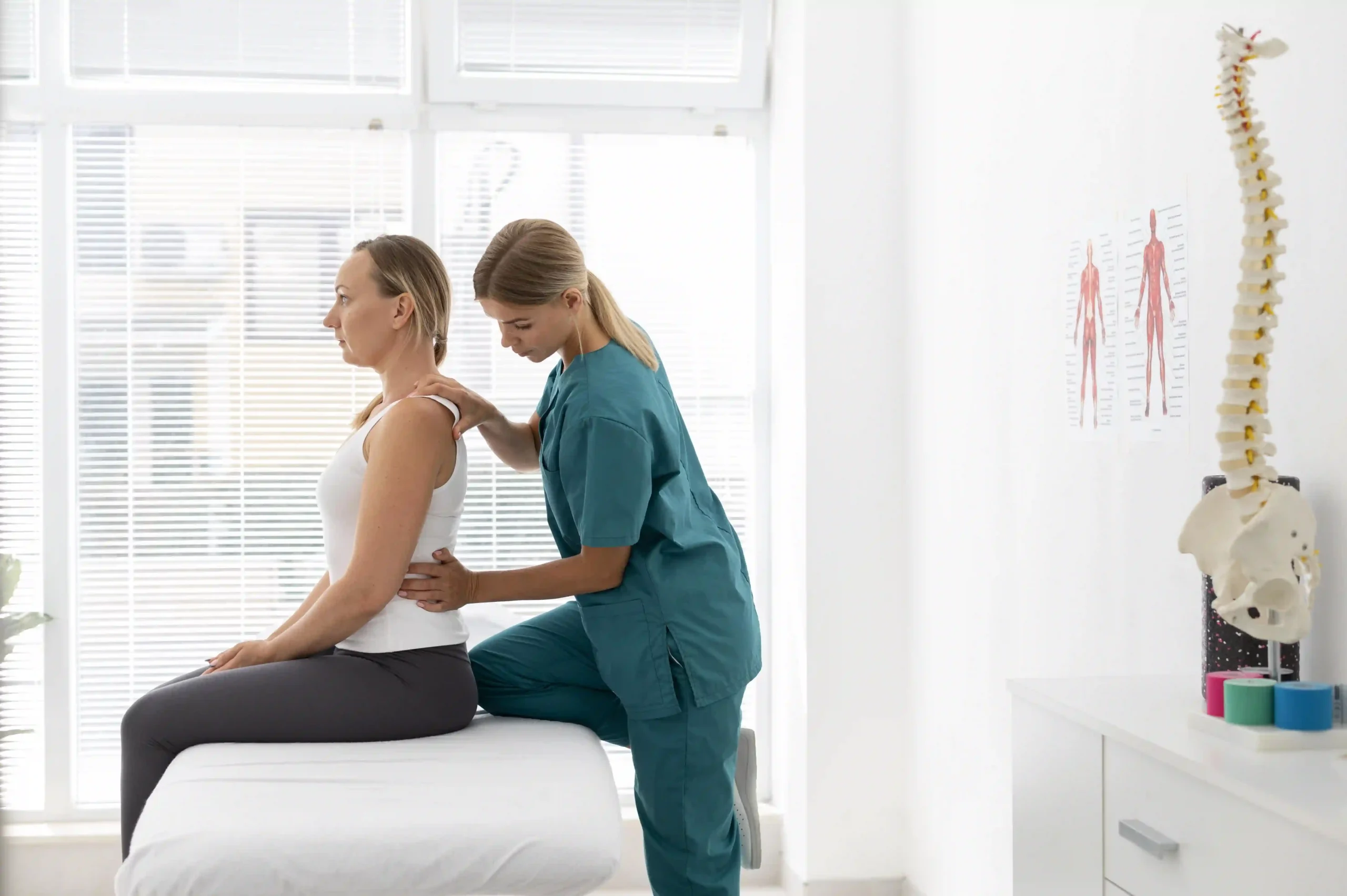
When searching for Physiotherapy Near Me, many people with scoliosis are looking for more than just pain relief—they want a safe, evidence-based approach that improves posture, movement, and long-term spinal health. Scoliosis, a condition characterised by an abnormal sideways curvature of the spine, can affect children, teenagers, and adults alike.
While severe cases may require medical intervention, physiotherapy plays a crucial role in managing scoliosis safely, non-invasively, and effectively. At Synapse Physiotherapy, our professional team provides personalised treatment plans that help patients reduce discomfort, slow curve progression, and regain confidence in their daily movements through our comprehensive Spine & Core Rehabilitation Programme.
Scoliosis occurs when the spine curves laterally and often rotates, forming an “S” or “C” shape rather than a straight line. It can be classified into several types:
Symptoms can range from mild postural changes to back pain, muscle imbalance, stiffness, fatigue, and in more severe cases, breathing difficulties. According to the National Scoliosis Foundation, early detection and appropriate treatment can significantly improve outcomes for individuals with spinal curvature.
Physiotherapy is widely recognised as a conservative and safe treatment approach for scoliosis. Unlike surgery, Physiotherapy Near Me does not involve invasive procedures or long recovery times. Instead, it focuses on optimising how the spine and surrounding muscles function.
A qualified physiotherapist ensures that every intervention is appropriate for the patient’s age, spinal condition, and activity level.
When you visit a physiotherapist for scoliosis, the process begins with a thorough assessment. This step is critical for safe and effective care.
This comprehensive evaluation allows the physiotherapist to understand how scoliosis affects your body as a whole, not just the spine.
One of the main goals of Physiotherapy Near Me is to improve postural awareness. Many people with scoliosis unknowingly adopt compensatory positions that worsen muscle imbalance. Physiotherapists teach patients how to recognise and correct poor posture during daily activities such as sitting, standing, and walking.
Physiotherapy uses targeted exercises designed to address the unique spinal curve of each individual. These exercises aim to:
Methods such as scoliosis-specific exercise programmes (for example, Schroth-based principles) are commonly used to promote safer, more symmetrical movement.
A strong core provides essential support to the spine. Physiotherapists focus on deep abdominal and back muscles to improve stability and reduce excessive strain on curved segments of the spine. This targeted approach is central to effective scoliosis management.
Scoliosis can affect rib cage movement and breathing efficiency, especially in thoracic curves. Physiotherapy Near Me includes breathing exercises that enhance lung expansion, rib mobility, and overall endurance.
For patients experiencing discomfort, physiotherapists may use:
These approaches help manage pain safely without reliance on medication.
Early intervention is especially important for younger patients whose spines are still growing. Physiotherapy Near Me for children and adolescents focuses on:
With consistent physiotherapy, many young patients can maintain good function and reduce the risk of curve worsening.
Adult scoliosis often presents with pain, stiffness, and reduced mobility. Physiotherapy Near Me helps adults by:
Importantly, physiotherapy empowers adults with self-management strategies so they can stay active and independent.
Safety in physiotherapy comes from precision and personalisation. Exercises are never generic; they are adapted to the individual’s spinal curve, physical capacity, and goals. Progression is gradual, and patients are taught proper technique to avoid strain or injury.
Physiotherapists also work collaboratively with doctors or orthopaedic specialists when needed, ensuring a coordinated and responsible approach to care.
The timeline varies depending on factors such as age, curve severity, consistency, and lifestyle. Some patients notice improvements in posture, pain levels, and body awareness within weeks. Long-term benefits, such as improved spinal control and strength, typically develop over months of guided therapy and home exercises.
Consistency is key—regular sessions and adherence to prescribed exercises significantly influence outcomes.
When searching for Physiotherapy Near Me for scoliosis, look for clinics that:
A skilled physiotherapist does more than treat symptoms—they guide you towards safer movement and long-term spinal well-being. At Synapse Physiotherapy, our commitment to patient-centred care ensures every treatment plan is tailored to your unique needs.
The best approach involves personalised, scoliosis-specific exercises based on your curve type and severity. Programmes like Schroth-based methods combined with core stability training provide the most effective results.
Physiotherapy cannot completely straighten a scoliotic spine, but it can improve posture, reduce pain, slow progression, and enhance overall function and quality of life through targeted exercises.
Initially, sessions may be weekly or fortnightly. As you progress and master exercises, frequency may reduce to monthly check-ins whilst continuing home exercises regularly.
Yes, physiotherapy is very safe for children. Early intervention focuses on monitoring curve progression, promoting healthy movement patterns, and supporting overall spinal development without invasive procedures.
Absolutely. Adults benefit through improved flexibility, reduced pain and stiffness, better balance, and enhanced functional strength, helping maintain independence and active lifestyles.
Scoliosis can feel overwhelming, but it does not have to define your quality of life. With the right physiotherapy support, scoliosis can be managed safely, effectively, and proactively. If you are looking for Physiotherapy Near Me, choosing a professional, patient-centred approach can make a meaningful difference in posture, comfort, and confidence.
Physiotherapy is not about forcing the spine to be “perfect”—it’s about helping your body move better, feel stronger, and function at its best, safely and sustainably. Book a consultation today to begin your journey towards better spinal health and improved quality of life.
Tags :



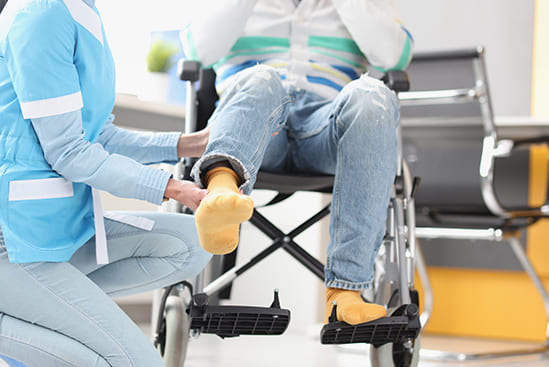


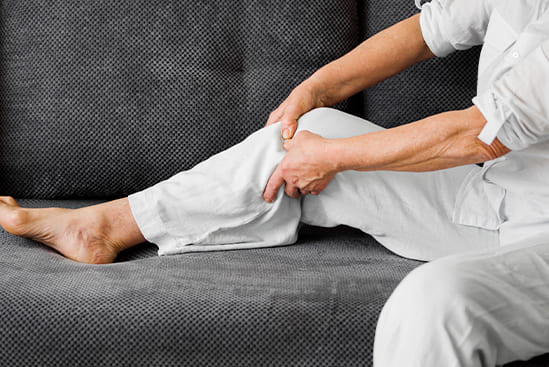
Joint degeneration and inflammation happens as the human body grows older, but that does not mean our way of life degenerates as well. Relief your joint pains with a joint effort together with your physiotherapist, who will provide pain-relief treatments and prescribe exercises for your wellbeing.

Common conditions in the older age population include hips & knee pain, back & neck pain, osteoarthritis, rheumatism, fear of falling and many more. Aging and degeneration of bodily function is inevitable, but here at Synapse, we will help you live the best of your life.