Synapse Physiotherapy | Physio Center | Rehab Malaysia
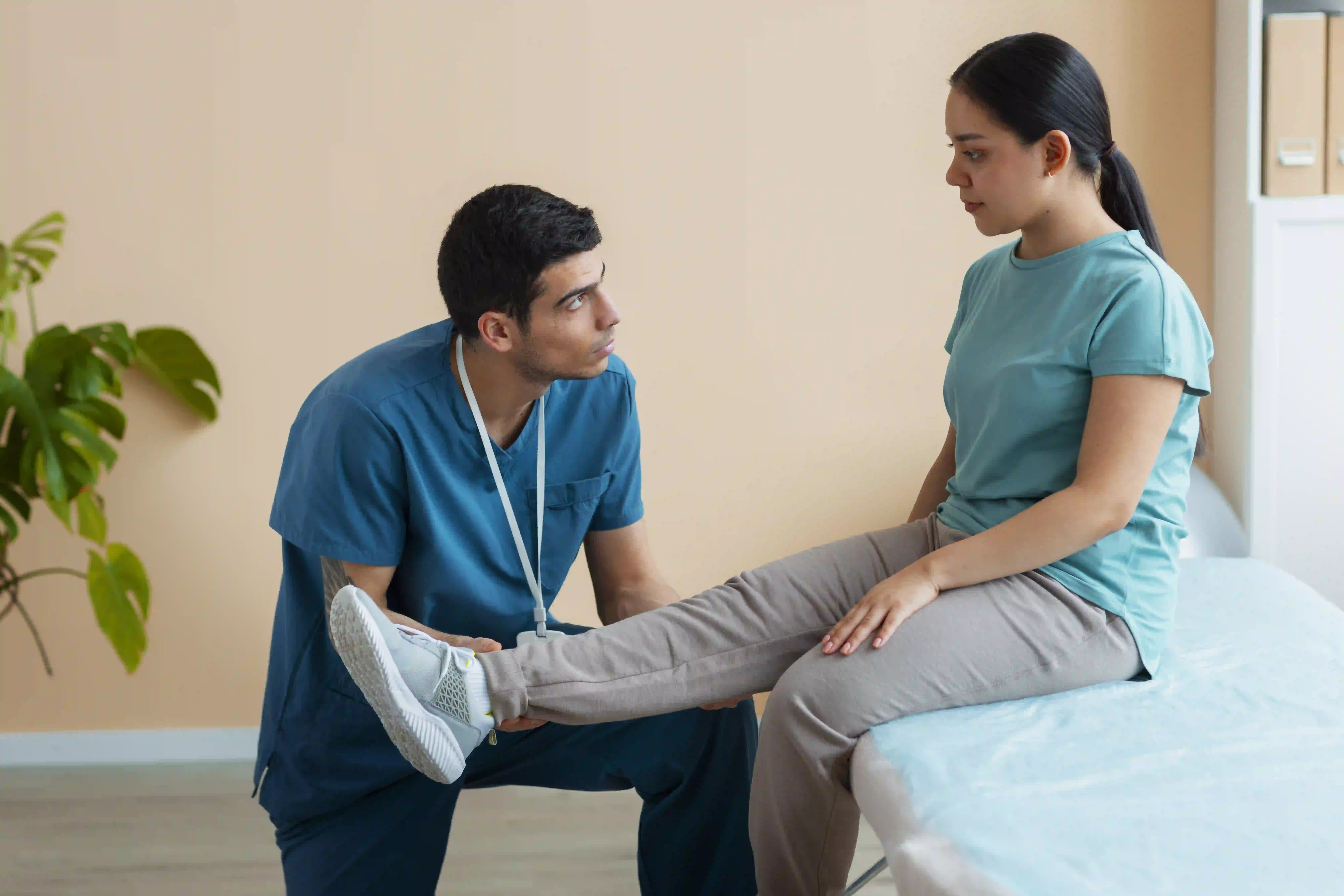
Tennis elbow, medically known as lateral epicondylitis, is a common overuse injury that affects not only athletes but also office workers, manual labourers, and anyone who frequently uses repetitive hand and arm movements. Despite its name, you don’t need to play tennis to develop this painful condition. Characterised by persistent pain and a weakened grip, this condition can significantly hinder your daily productivity and quality of life. At Synapse Physiotherapy, we specialise in comprehensive Pain Management Service solutions designed to address the root cause of your discomfort. By visiting our sports injury clinic, you receive an evidence-based approach that focuses on restoring tendon health and long-term performance rather than just masking symptoms.
Tennis elbow occurs when the extensor tendons of the forearm become overloaded. According to the NHS, tennis elbow is a condition that causes pain around the outside of the elbow, often following strenuous overuse of the muscles and tendons of the forearm. This overloading leads to micro-tears and degeneration where the tendon attaches to the outer elbow.
This results in specific physical limitations, including:
Unlike acute injuries, tennis elbow is often a chronic condition, meaning symptoms may persist for weeks or months if not managed properly.
A sports injury clinic specialises in musculoskeletal and overuse injuries, making it the ideal place for managing tennis elbow. Rather than focusing only on pain relief, the goal is to address the root cause, restore tendon health, and prevent recurrence. This comprehensive approach ensures better long-term outcomes compared to rest or medication alone.
At Synapse Physiotherapy, our professional team utilises a framework for recovery based on:
Treatment at a sports injury clinic starts with a thorough clinical assessment. A sports injury clinician will assess pain location and severity, as well as grip strength and functional limitations. They also look beyond the elbow to evaluate wrist and elbow movement patterns, and even shoulder and neck involvement.
In many cases, tennis elbow is linked to poor wrist mechanics, weak shoulder stability, or excessive gripping load. These factors must be corrected by a sports injury clinic for lasting recovery.
Shockwave Therapy is one of the most effective non-invasive treatments for chronic tennis elbow and is widely used in a sports injury clinic. It delivers acoustic waves to the injured tendon to stimulate blood circulation and tissue regeneration. It is particularly effective because it targets the root of tendon degeneration without the need for injections or surgery. At Synapse Physiotherapy, Shockwave Therapy is commonly used for patients with persistent tennis elbow who have not improved with rest alone.
One major reason tennis elbow fails to heal is continued overload. A sports injury clinic helps patients adjust work ergonomics, sports technique, and training intensity. This allows the tendon to recover without requiring complete inactivity.
Contrary to popular belief, complete rest is not ideal for tennis elbow. A structured rehabilitation program includes:
These exercises rebuild tendon strength and improve load tolerance over time.
A sports injury clinic may use deep tissue mobilisation, myofascial release, and joint mobilisation of the elbow and wrist. These techniques help reduce stiffness, improve circulation, and restore movement efficiency.
Recovery time at a sports injury clinic varies depending on the severity and duration of symptoms, as well as compliance with treatment. Most patients see improvement within 4–8 weeks. However, chronic cases may require 8–12 weeks of structured care, especially when Shockwave Therapy is included.
A sports injury clinic doesn’t just treat pain—it helps prevent recurrence by addressing poor technique, muscle imbalance, and weak grip endurance. Education and long-term exercise planning are key parts of successful treatment.
Shockwave Therapy may cause mild discomfort during treatment, but it is generally well tolerated and lasts only a few minutes per session.
Most patients require 5-8 sessions, depending on symptom severity and response to treatment.
Mild cases may improve, but many become chronic if untreated. A sports injury clinic helps speed recovery and prevent long-term pain.
No. Complete rest is not recommended. Proper load management and guided exercises are more effective.
Surgery is rarely needed. Most cases respond well to conservative care, especially with Shockwave Therapy and rehabilitation.
Tennis elbow is a common yet frustrating condition that can significantly affect daily life and work performance. A sports injury clinic offers targeted, evidence-based care that goes beyond pain relief—focusing on tendon healing, strength restoration, and prevention. With advanced treatments such as Shockwave Therapy, combined with structured rehabilitation, most patients can recover fully without surgery.
If you are struggling with persistent elbow pain, Synapse Physiotherapy provides professional sports injury clinic services and a dedicated Pain Management Service to help you return to pain-free movement. Our professional team is here to support your long-term health and performance. To start your recovery journey, Book a consultation today
Tags :



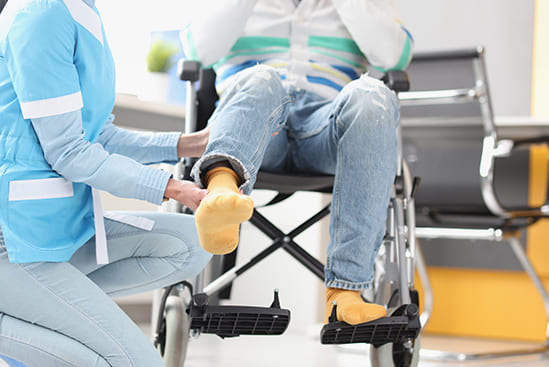


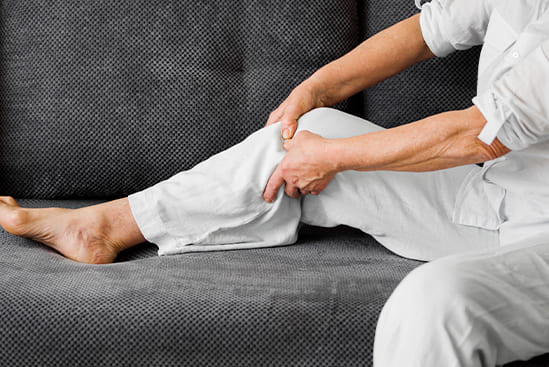
Joint degeneration and inflammation happens as the human body grows older, but that does not mean our way of life degenerates as well. Relief your joint pains with a joint effort together with your physiotherapist, who will provide pain-relief treatments and prescribe exercises for your wellbeing.

Common conditions in the older age population include hips & knee pain, back & neck pain, osteoarthritis, rheumatism, fear of falling and many more. Aging and degeneration of bodily function is inevitable, but here at Synapse, we will help you live the best of your life.