Introduction
The topic of “Dry Needling vs. Acupuncture” often sparks discussion among people. Many individuals tend to mix up these two practices. Both involve the use of fine needles, which contributes to the confusion. Despite this similarity, dry needling and acupuncture are distinct in their techniques, uses, and advantages.
Background
Acupuncture
Acupuncture, which began in ancient China more than 2,000 years ago, is a key component of Traditional Chinese Medicine (TCM). This practice focuses on restoring the flow of life force energy, or “qi,” by inserting thin needles at specific points on the body along pathways known as meridians.
Dry needling
Dry needling, a more contemporary therapeutic method, originated in the 20th century. It is based on modern Western medicine and focuses on myofascial trigger points, which are tight knots within muscles that cause pain and dysfunction. The goal of dry needling is to release these trigger points, promoting healing and alleviating pain.
Mechanism of dry needling
Dry needling has demonstrated immediate benefits.. The proposed mechanisms of action include:
- Local Twitch Response: Dry needling can trigger a ‘local twitch response,’ an involuntary spinal reflex that causes a localized contraction of the affected muscles. This response can alter the length and tension of muscle fibers and stimulate mechanoreceptors such as A Beta fibers, which recruit inhibitory interneurons, resulting in localized analgesia and reduced pain perception.
- Effects on Blood Flow: Persistent contraction of taut muscle bands in trigger points may lead to local ischemia and hypoxia. Dry needling induces vasodilation in small blood vessels, increasing muscle blood flow and oxygenation.
- Neurophysiological Effects: Dry needling can provoke local and central nervous responses, promoting homeostasis at the trigger point site and reducing both central and peripheral sensitization to pain.
- Remote Effects: Dry needling of distal myofascial trigger points (MTrP) has been shown to have an analgesic effect on proximal MTrP. However, evidence regarding the contralateral effect is conflicting.
- Placebo Effect: Patient expectations regarding dry needling can significantly influence their perception of pain.
Mechanism of acupuncture
Traditional Chinese Medicine (TCM) holds the belief that the body’s vital energy, known as qi (pronounced chi), flows through specific channels called meridians. When qi is balanced, a person enjoys spiritual, emotional, and physical health. However, an imbalance in qi can lead to disease. This imbalance can result from blocked qi, which disrupts the harmony between yin and yang.
What is yin yang?
The principles of Yin and Yang describe a continuum of energy flowing within the body between two opposite yet interconnected poles. Health is achieved when these two forces are in balance. Despite being opposites, Yin and Yang are related, inseparable, and can transform into each other. Any disturbance in their balance can lead to illness, infections, injuries, and other health issues.
What is Qi and Meridians?
Qi, the vital energy force, circulates throughout the body and is balanced, collected, and enhanced by dietary intake and air, according to acupuncture principles. Meridians are channels that carry Qi throughout the body. When illness causes an imbalance, obstruction, or irregular flow of Qi, acupuncture can help restore balance.
Meridians consist of acupuncture points that form specific pathways. There are fourteen main meridians in the body, according to acupuncture principles. These energy systems receive, rebuild, and regulate the organs and systems, ensuring overall health and balance.
Hence, acupuncturists will identify over 2,000 acupuncture points connected by meridians. They use this technique to clear blockages or stagnant qi, promoting its smooth flow and enhancing health. The practice involves inserting fine needles into specific points along the meridians, which practitioners may activate through manual manipulation or electrical stimulation.
Benefits of dry needling
Fast Pain Relief
Trigger points, commonly found in the upper back, shoulder, and neck, can occur in any body part. When dry needles are inserted into these trigger points, the knots relax and improve blood flow. This enhanced circulation helps remove painful wastes and delivers oxygen and nutrients that accelerate healing.
Improved Range of Motion
Trigger points can be painful and restrict movement. Without frequent movement, muscles can weaken and lose mass. A dry needling session can release these knots. Often, this treatment is combined with a physiotherapy program to retrain muscles, rebuild strength, and prevent recurrence.
Accelerated Recovery
Following an injury or surgery, proper healing is crucial. Incorporating dry needling into a physiotherapy program can help speed up recovery.
Improved Chronic Conditions
Dry needling can benefit chronic pain conditions like fibromyalgia and myofascial pain syndrome. Fibromyalgia involves pain and muscle tenderness, affecting movement and causing trigger points. Dry needling can help patients with fibromyalgia experience pain relief.
Myofascial pain syndrome occurs when trigger points develop in the fascia, a sheet of connective tissue surrounding and supporting organs, blood vessels, nerves, and muscles. Dry needling can help alleviate this pain as well.
Benefits of acupuncture
Pain Relief
Acupuncture can alleviate pain, relax muscles and fascia, and relieve tissue adhesions. Scientific theories explaining acupuncture’s pain-relief effects include the “gate control theory” and the “endogenous opioid theory.” According to the gate control theory, acupuncture stimulates the nerves, filling the neural pathways and preventing pain signals from reaching the brain. The sensation experienced during acupuncture, known as “deqi,” involves feelings of soreness, numbness, fullness, and pain, which indicate the blocking of pain stimuli. Additionally, acupuncture stimulation prompts the brain to release endorphins, which are natural pain relievers.
Mental Health
Acupuncture has been found to have positive effects on mood and mental well-being. It can help regulate neurotransmitters such as serotonin and dopamine, which play crucial roles in mood regulation. Acupuncture is often used as a complementary therapy for conditions like depression, anxiety, and PTSD.
Enhanced Immune Function
Acupuncture is believed to support the body’s immune system by enhancing the flow of Qi (vital energy) and balancing internal systems. Regular acupuncture sessions may help strengthen the immune response and reduce the risk of illness and infection.
Better Digestive Health
Acupuncture can assist in regulating digestive function and alleviating symptoms of gastrointestinal disorders such as irritable bowel syndrome (IBS), acid reflux, bloating, and constipation. By balancing the body’s energy flow and reducing stress, acupuncture may improve digestion and enhance nutrient absorption.
Hormonal Balance
Acupuncture may aid in regulating hormonal imbalances, making it beneficial for conditions such as polycystic ovary syndrome (PCOS), infertility, menopausal symptoms, and menstrual irregularities. It can help regulate menstrual cycles, improve ovarian function, and alleviate symptoms associated with hormonal fluctuations.
FAQs
1. Is dry needling painful?
Some patients feel a brief discomfort when the needle is inserted, but the relief experienced afterward usually outweighs the initial sensation.
2. Can acupuncture help with chronic pain?
Yes, acupuncture is effective in managing chronic pain by reducing inflammation, improving circulation, and promoting the body’s natural healing processes.
3. How many sessions of dry needling are typically needed?
The number of sessions depends on the severity of the condition, but many patients see improvements after just a few treatments.
4. Are the needles used in both treatments the same?
Yes, both dry needling and acupuncture use thin, sterile needles, but they are applied differently based on the therapy’s goals.
5. Can I combine dry needling and acupuncture in my treatment plan?
Yes, many patients benefit from combining both treatments, especially if they are dealing with both physical pain and broader wellness concerns.
Conclusion
To sum up, those dealing with musculoskeletal issues might benefit significantly from dry needling performed by a physiotherapist, as it directly addresses specific trigger points and muscle tightness. On the other hand, if you’re looking for a broader health approach or have other health issues beyond musculoskeletal concerns, consulting a licensed acupuncturist for acupuncture might be a better fit. The results of these treatments can differ from person to person. At Synapse Physiotherapy, we provide dry needling services. Feel free to contact us for further details or to book a session.
Tags :

Back & Neck Pain
- Spine & Core Rehabilitation
- Strength & Conditioning Programme
- Pain Management
- Biomechanical Assessment
- Sports Physiotherapy
- Group Class

Sports Injuries
- Strength & Conditioning Programme
- Pain Management
- Biomechanical Assessment
- Sports Physiotherapy
- Shockwave Therapy
- Group Class

Work Desk Injuries

Pre-Post-Surgical Conditions

Scoliosis & Postural Abnormalities

Neurological Conditions
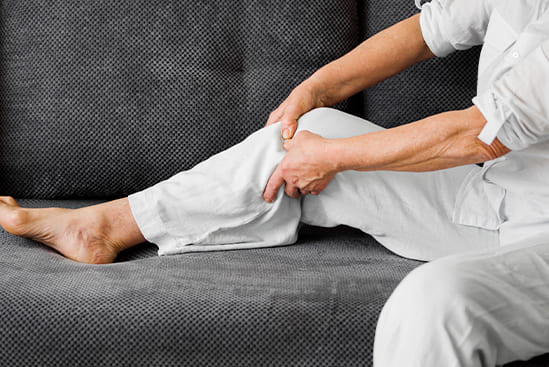
Osteoarthritis & Rheumatism
Joint degeneration and inflammation happens as the human body grows older, but that does not mean our way of life degenerates as well. Relief your joint pains with a joint effort together with your physiotherapist, who will provide pain-relief treatments and prescribe exercises for your wellbeing.

Conditions Relating To Elderly
Common conditions in the older age population include hips & knee pain, back & neck pain, osteoarthritis, rheumatism, fear of falling and many more. Aging and degeneration of bodily function is inevitable, but here at Synapse, we will help you live the best of your life.