Posted on

Shoulder Pain Rehab at a Sports Injury Clinic in Malaysia

Physiotherapy Near Me
sports injury clinic
Synapse Physiotherapy

Comprehensive Shoulder Pain Rehabilitation at a Sports Injury Clinic in Malaysia

Shoulder pain is a pervasive issue that affects a diverse demographic in Malaysia, from high-performance athletes and dedicated gym-goers to office professionals in Kuala Lumpur and Ampang. Because the shoulder is the most mobile joint in the human body, its complex structure of bones, tendons, and ligaments makes it uniquely vulnerable to both acute injury and repetitive overuse. Without a structured intervention, what begins as minor discomfort can quickly escalate into a chronic condition that severely limits your daily activities, work performance, and athletic potential. This is where Synapse Physiotherapy makes the difference through our specialised rehabilitation programmes, designed to bridge the gap between initial pain and a full return to function. Rather than simply treating symptoms, we shape each journey with intentional pacing and carefully chosen evidence-based treatments that allow you to recover with comfort, balance, and flow.

Understanding the Role of a Sports Injury Clinic

A dedicated sports injury clinic provides an essential service by offering structured, evidence-based treatments that go far beyond basic rest. In the bustling urban hubs of Malaysia, these clinics are the first line of defence against musculoskeletal conditions that arise from both active lifestyles and sedentary work environments. By visiting a sports injury clinic, patients gain access to a multidisciplinary approach that combines clinical expertise with advanced therapeutic technologies. The primary goal of any reputable sports injury clinic is to empower the patient, providing them with the tools and knowledge necessary to manage their condition and prevent the recurrence of debilitating pain.

Common Shoulder Conditions Managed by Professionals

The shoulder is a masterpiece of biomechanics, but its reliance on soft tissue for stability means it is prone to a variety of issues. A sports injury clinic in Malaysia typically manages a broad spectrum of shoulder-related problems, ranging from sudden trauma to degenerative changes. Some of the most common conditions treated include:

  • Rotator Cuff Injuries: These involve strains or tears to the group of muscles and tendons that keep the arm bone centered in the shoulder socket.
  • Shoulder Impingement Syndrome: This occurs when the tendons of the rotator cuff are intermittently trapped and compressed during shoulder movements.
  • Instability and Dislocation: Frequent in contact sports, where the shoulder joint is forced out of its normal position.
  • Tendinitis and Bursitis: Inflammation of the tendons or the fluid-filled sacs (bursae) that provide cushioning for the joint.
  • Labral Injuries: Damage to the cartilage rim that deepens the shoulder socket.
  • Frozen Shoulder: Also known as adhesive capsulitis, this leads to significant stiffness and loss of range of motion.

Many of these conditions develop over time due to improper training techniques, poor ergonomic setups at work, or underlying muscle imbalances. Identifying these factors early is a core priority for the professional team at Synapse Physiotherapy.

The Importance of an Accurate Clinical Assessment

The journey to recovery at a sports injury clinic always begins with a comprehensive assessment. Because shoulder pain is often influenced by factors distal to the site of pain—such as neck posture or mid-back stiffness—a thorough evaluation is critical. When you visit a sports injury clinic, you can expect a detailed diagnostic process that includes:

  1. Detailed History: A deep dive into your injury timeline, activity levels, and lifestyle demands.
  2. Posture and Movement Analysis: Observing how you hold yourself and how your shoulder blades move during various tasks.
  3. Range of Motion Testing: Measuring the exact degrees of movement in all directions.
  4. Strength Assessment: Testing the specific muscles of the rotator cuff and scapular stabilisers to find weaknesses.
  5. Functional Testing: Simulating work or sports-specific movements to see where the biomechanical breakdown occurs.

This precise data allows our professional team to design a bespoke Pain Management Physiotherapy Service with Synapse that addresses the root cause of your discomfort.

Pain Management and Early Intervention Strategies

In the acute phase of an injury, the primary objective of a sports injury clinic is to reduce inflammation and restore a basic level of comfortable movement. Early-stage rehab is vital because it prevents the development of “fear-avoidance” behaviours, where patients stop moving altogether, leading to further stiffness and muscle atrophy. To manage this effectively, a sports injury clinic may employ several modalities:

  • Manual Therapy: Hands-on techniques used by therapists to improve joint gliding and reduce muscle guarding.
  • Soft Tissue Release: Targeting specific tight or overworked muscles to alleviate tension.
  • Shockwave Therapy: An advanced non-invasive treatment often used for chronic tendon issues that haven’t responded to other treatments.
  • Electrotherapy: Using electrical stimulation to assist in pain modulation and muscle activation.

By settling the pain early, the sports injury clinic prepares the joint for the more active phases of rehabilitation that involve strengthening and conditioning.

Restoring Mobility and Correcting Movement Patterns

Restricted movement is a hallmark of shoulder dysfunction. A sports injury clinic does not just focus on the shoulder joint itself but looks at the entire “kinetic chain”. To ensure a full recovery, therapists guide patients through progressive exercises to restore:

  • Glenohumeral (Shoulder) Joint Movement: Ensuring the ball-and-socket joint moves smoothly.
  • Scapular Mobility: The shoulder blade must move in sync with the arm to prevent impingement.
  • Thoracic Spine Flexibility: A stiff upper back often forces the shoulder to overwork, leading to injury.

Improving mobility in these specific areas prevents the body from “compensating” by using the wrong muscles, which is a major cause of re-injury. Education is a cornerstone of this phase; at Synapse Physiotherapy, we teach you how to adjust your posture and manage your physical load to keep the pain from returning.

Strength and Stability: The Foundation of Shoulder Health

Unlike the hip joint, which is deep and stable, the shoulder relies almost entirely on muscle control for its stability. Therefore, a sports injury clinic places heavy emphasis on progressive strengthening. A well-rounded programme will typically focus on the following key areas:

  • Rotator Cuff Strengthening: Building the endurance and power of the deep muscles that stabilise the joint.
  • Scapular Stabiliser Activation: Training the muscles that control the shoulder blade (like the serratus anterior and rhomboids).
  • Upper Back and Core Integration: Ensuring the “anchor” of the shoulder—the torso—is strong and stable.

As you progress through your journey at the sports injury clinic, the exercises become more challenging, moving from simple isolated movements to complex, functional patterns that mimic your everyday life or sport.

Sports-Specific Rehabilitation and Post-Surgical Care

For those looking to return to high-level competition, a sports injury clinic provides specialised “return-to-play” protocols. This involves endurance training for overhead sports like badminton or swimming, as well as reaction drills to ensure the shoulder can handle sudden impacts. The sports injury clinic uses clear criteria to determine when an athlete is ready to return, significantly reducing the risk of a second injury.

Furthermore, if surgery is unavoidable, a sports injury clinic is vital for post-operative success. Surgeons and physiotherapists work in tandem to guide patients through protection phases, gentle movement, and eventually, full-scale conditioning. Proper post-surgical physiotherapy at a sports injury clinic is often the deciding factor in whether a patient regains 100% of their former function and mobility.

Frequently Asked Questions

The duration of recovery at a sports injury clinic depends on the injury’s severity; mild strains may resolve in weeks, while complex tears or post-surgical cases can take several months of structured rehab.

Not necessarily. Most shoulder conditions are diagnosed through clinical assessment. A sports injury clinic will recommend imaging only if symptoms persist or if a serious structural tear is suspected.

Yes, in many cases. Many shoulder conditions respond exceptionally well to conservative management at a sports injury clinic if the treatment is started early and followed consistently.

Rehab is designed to be progressive and tolerable. While some minor discomfort is expected when restoring movement, the professional team will always adjust exercises to suit your pain threshold.

This is determined on a case-by-case basis. Your therapist at the sports injury clinic will provide guidance on activity modification and the safest timeline for returning to your sport.

Conclusion

Shoulder pain is a complex challenge that requires more than just passive rest or temporary medication. By choosing a professional sports injury clinic, you are opting for a comprehensive path to recovery that prioritises clinical precision and functional long-term health. Whether you are a professional athlete in Malaysia or an office worker struggling with daily discomfort, early intervention at a sports injury clinic is the key to a faster, more effective recovery.

At Synapse Physiotherapy, our dedicated professional team is committed to delivering a high-quality Pain Management Physiotherapy Service with Synapse. We provide the assessment, treatment, and education you need to return to your life with confidence and strength. Do not let shoulder pain dictate your lifestyle any longer. Book a consultation with us today and take the first step toward lasting relief with our professional team.

Share This :

Back & Neck Pain

Conditions such as stiffness, postural abnormalities and muscle overuse from prolonged desk work at the office or home is more prevalent than most would think. We provide the necessary tools to fix you up and educate you on ergonomics which can unload unnecessary stress.

Sports Injuries

Rolled ankles, jarred knees, impinged shoulders are few conditions in the plethora of sports injuries which can hamper performance and limit our enjoyment of sports. Physiotherapy not only treats the symptoms of these conditions but propels your overall fitness to greater heights.

Work Desk Injuries​

Conditions such as stiffness, postural abnormalities and muscle overuse from prolonged desk work at the office or home is more prevalent than most would think. We provide the necessary tools to fix you up and educate you on ergonomics which can unload unnecessary stress.

Pre-Post-Surgical Conditions

Surgery involves going through preparation both before and after. Physiotherapists play a vital role in getting your body ready for surgeries with circulatory, breathing and strengthening exercises. After the procedure, let us be there for your recovery and rehabilitation, taking it one step at a time.

Scoliosis & Postural Abnormalities

The way we stand, sit, walk and sleep has influence over our posture and the overall balance of muscles controlling its alignment. A comprehensive screening can be done by our physiotherapists to detect abnormalities, which we will aid in correcting.

Neurological Conditions

Neurological disabilities such as stroke, nerve compression and neuropathies can be barriers for patients to live life to its fullest. We at Synapse are committed to help you overcome these hurdles by ensuring functional mobility and quality of life is at its optimum by providing the right treatment and exercises.

Osteoarthritis & Rheumatism

Joint degeneration and inflammation happens as the human body grows older, but that does not mean our way of life degenerates as well. Relief your joint pains with a joint effort together with your physiotherapist, who will provide pain-relief treatments and prescribe exercises for your wellbeing.
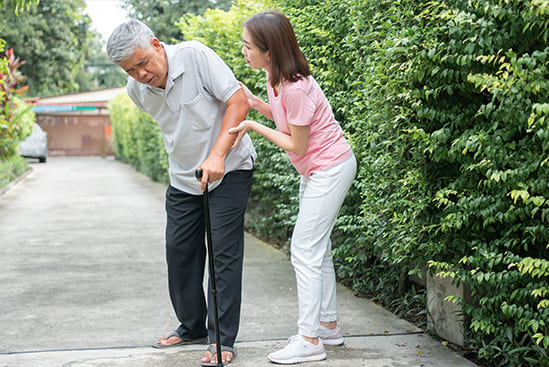
Conditions Relating To Elderly

Common conditions in the older age population include hips & knee pain, back & neck pain, osteoarthritis, rheumatism, fear of falling and many more.  Aging and degeneration of bodily function is inevitable, but here at Synapse, we will help you live the best of your life.


Home Physiotherapy

We understand that some conditions or injuries can make it difficult to receive rehabilitation at our clinic be it mobility or transportation issues. Our objective is to provide you with the same high-quality physiotherapy services at home that you would receive in-clinic.
Posted on

Sports Injury Clinic: Safe Return to Athletic Performance

Physiotherapy Near Me
sports injury clinic
Synapse Physiotherapy

The Essential Role of a Sports Injury Clinic in Athletic Recovery

Athletic injuries can be both physically painful and mentally challenging, often forcing dedicated individuals to step away from the training and competition they love. Whether an injury occurs during professional sports, recreational activities, or routine fitness training, proper rehabilitation is the foundational requirement for a safe and confident return to play. This is where a sports injury clinic plays a central role in an athlete’s journey. At Synapse Physiotherapy, we understand that every injury is unique, which is why our Sport Physiotherapy & Rehabilitation Service is designed to provide intentional pacing and seamless transitions from the treatment table back to the field. By focusing on the root cause of the issue rather than just temporary pain relief, our sports injury clinic guides athletes through a complete recovery process that minimises the risk of re-injury.

Comprehensive Injury Assessment and Diagnosis

The journey back to peak performance begins with a thorough and detailed assessment. A sports injury clinic uses clinical evaluations to understand the specific nature and severity of an injury, ensuring no stone is left unturned. This diagnostic phase is critical because many athletic injuries involve multiple structures simultaneously. For instance, a knee injury may affect ligaments, muscles, and movement control at the same time.

During an assessment at a sports injury clinic, clinicians typically review:

  • The specific mechanism of how the injury occurred
  • Current joint mobility and range of motion
  • Muscle strength and flexibility levels
  • Functional movement patterns specific to the athlete’s sport
  • Previous injury history and recovery patterns

By identifying all contributing factors, the experts at Synapse Physiotherapy can design a targeted and effective rehabilitation plan tailored to the individual’s needs. This comprehensive approach ensures that your sports injury clinic experience addresses not just the immediate injury but also prevents future complications.

Managing Early Pain and Inflammation

In the immediate aftermath of an injury, controlling pain and inflammation is the highest priority. A sports injury clinic employs evidence-based, non-invasive methods to manage these symptoms whilst protecting the injured tissues from further damage. These early interventions often include manual therapy, guided rest, supportive taping, and gentle mobility exercises.

The Ministry of Health (MOH) Malaysia highlights that prompt and correct initial management of soft tissue injuries is essential to prevent long-term complications. Early management at a sports injury clinic is vital because it helps reduce swelling, restore basic movement, and prevent the onset of chronic stiffness. Furthermore, this phase focuses heavily on education. Athletes are taught how to modify their daily activities and light training to ensure they do not accidentally worsen the injury during the fragile early stages of healing.

Key early management strategies include:

  • Manual therapy and hands-on treatment
  • Guided rest protocols tailored to your injury
  • Supportive taping and strapping techniques
  • Gentle mobility and pain-relief exercises
  • Activity modification education

Restoring Mobility and Flexibility

Once the initial inflammation is under control, the rehabilitation focus at a sports injury clinic shifts towards restoring joint mobility and muscle flexibility. It is common for injuries to lead to restricted movement due to pain, swelling, or protective muscle guarding. To combat this, clinicians use progressive stretching, joint mobilisation, and active movement exercises to restore a normal range of motion.

Regaining full mobility is crucial for long-term health. Limited movement in one joint can alter the body’s entire biomechanics, increasing stress on other areas and significantly raising the risk of secondary injuries. A structured approach at a sports injury clinic ensures that the body moves fluidly before it is subjected to the high-intensity demands of competitive sport.

Progressive mobility restoration typically includes:

  • Passive and active-assisted stretching
  • Joint mobilisation techniques
  • Neural mobility exercises
  • Flexibility progressions specific to your sport

Strength and Conditioning Rehabilitation

Strength loss is an inevitable consequence of injury and the subsequent period of inactivity. Consequently, a sports injury clinic places a strong emphasis on rebuilding muscle strength and endurance to support the previously injured structures. Rehabilitation exercises are introduced gradually, typically starting with basic muscle activation before progressing to resistance training and functional strengthening.

These programmes are never “one-size-fits-all.” They are meticulously designed to match the physical demands of the athlete’s specific sport:

  • Runners: Focus often shifts towards hip and calf strength to handle impact and prevent overuse injuries
  • Throwing Athletes: Emphasis is placed on shoulder stability, rotator cuff strength, and core power
  • Field Athletes: Programmes prioritise explosive power, deceleration capabilities, and lateral movements
  • Contact Sport Athletes: Training emphasises collision tolerance and dynamic stabilisation

Our professional team at Synapse Physiotherapy designs each strength programme based on your specific sport and position, ensuring your sports injury clinic experience translates directly to performance gains.

Rebuilding Neuromuscular Control

Effective return to play requires more than just raw strength; it requires excellent neuromuscular control—the ability of the nervous system to coordinate movement efficiently. Injuries often disrupt balance, timing, and joint awareness (proprioception). A sports injury clinic incorporates specific balance training, coordination drills, and movement retraining to restore this control.

This is particularly important for injuries involving the ankle, knee, or shoulder, where joint stability relies heavily on the nervous system’s ability to activate muscles at the right millisecond. Progressive neuromuscular retraining at a sports injury clinic helps athletes regain the reflexive stability and body awareness essential for competition.

Neuromuscular training strategies include:

  • Progressive balance and stability exercises
  • Coordination and agility drills
  • Proprioceptive feedback training
  • Reactive movement patterns
  • Sport-specific movement challenges

Sport-Specific Rehabilitation and Drills

One of the primary advantages of seeking help from a sports injury clinic is access to sport-specific rehabilitation. Generic exercises are often insufficient to prepare an athlete for the chaotic and high-speed demands of competition. Clinicians gradually introduce drills that mimic real-game movements, ensuring your sports injury clinic experience prepares you for authentic sporting demands.

Common sport-specific rehabilitation drills include:

  • Cutting and Pivoting: Essential for field sports like football or rugby
  • Sprinting and Acceleration: Critical for track and field or basketball
  • Jumping and Landing: Vital for volleyball and netball players
  • Tackling or Contact Drills: Necessary for contact-heavy sports
  • Change of Direction: Important for all court and field sports

These exercises help athletes transition safely from the clinic to full training by exposing the body to controlled, progressive stress similar to competition. A quality sports injury clinic gradually progresses these demands to match your sport’s requirements.

Psychological Readiness and Injury Prevention

Returning to play is a psychological journey as much as a physical one. Fear of re-injury and reduced confidence are common hurdles that a sports injury clinic addresses through systematic progression. Our approach supports psychological readiness by setting clear goals and tracking measurable progress. As athletes see their strength return and mobility improve, their trust in their body improves, reducing hesitation during play.

Furthermore, the final goal is the prevention of future issues. By correcting movement faults, addressing muscle imbalances, and educating athletes on proper warm-up routines and training load management, Synapse Physiotherapy ensures that the athlete returns stronger and more resilient than they were before the injury occurred.

Frequently Asked Questions

Safe return-to-play depends on meeting specific criteria, including strength benchmarks (typically 90% symmetry between limbs), movement quality assessments, and functional tests that ensure the athlete can handle the demands of competition. Your sports injury clinic will establish clear return-to-play protocols tailored to your sport.

A sports injury clinic prevents re-injury by addressing the root causes, such as muscle imbalances or poor movement mechanics, and by providing education on proper recovery and training load management. Sport-specific strength and conditioning programmes further reduce recurrence risk.

Generic exercises do not always mimic the intensity of a game. Sport-specific drills like cutting, jumping, and sprinting prepare the body for the exact stresses it will face during a match. A sports injury clinic specialising in your sport ensures your rehabilitation is competition-ready.

Yes. By setting clear goals and providing evidence of physical progress, a sports injury clinic helps athletes regain confidence and overcome the fear of re-injury. Progressive milestones and measurable improvements boost psychological readiness significantly.

Many clinics, including Synapse Physiotherapy, collaborate with coaches and trainers to ensure rehabilitation aligns with your training schedule and performance goals. This coordination ensures your sports injury clinic care complements your coaching programme.

Conclusion

A successful return to play requires more than just healing the injury—it demands a structured, comprehensive approach to rehabilitation. From the initial assessment to the final sport-specific drill, a sports injury clinic guides athletes through every stage of recovery. By utilising the expertise of Synapse Physiotherapy and evidence-based methods, you can ensure your recovery is sustainable and your performance is fully restored. Do not leave your athletic career to chance; ensure you have the right support system in place to get back to the game you love.

Ready to start your recovery journey? Book a consultation with our experts today and discover how our clinic can transform your athletic career.


Share This :

Back & Neck Pain

Conditions such as stiffness, postural abnormalities and muscle overuse from prolonged desk work at the office or home is more prevalent than most would think. We provide the necessary tools to fix you up and educate you on ergonomics which can unload unnecessary stress.

Sports Injuries

Rolled ankles, jarred knees, impinged shoulders are few conditions in the plethora of sports injuries which can hamper performance and limit our enjoyment of sports. Physiotherapy not only treats the symptoms of these conditions but propels your overall fitness to greater heights.

Work Desk Injuries​

Conditions such as stiffness, postural abnormalities and muscle overuse from prolonged desk work at the office or home is more prevalent than most would think. We provide the necessary tools to fix you up and educate you on ergonomics which can unload unnecessary stress.

Pre-Post-Surgical Conditions

Surgery involves going through preparation both before and after. Physiotherapists play a vital role in getting your body ready for surgeries with circulatory, breathing and strengthening exercises. After the procedure, let us be there for your recovery and rehabilitation, taking it one step at a time.

Scoliosis & Postural Abnormalities

The way we stand, sit, walk and sleep has influence over our posture and the overall balance of muscles controlling its alignment. A comprehensive screening can be done by our physiotherapists to detect abnormalities, which we will aid in correcting.

Neurological Conditions

Neurological disabilities such as stroke, nerve compression and neuropathies can be barriers for patients to live life to its fullest. We at Synapse are committed to help you overcome these hurdles by ensuring functional mobility and quality of life is at its optimum by providing the right treatment and exercises.

Osteoarthritis & Rheumatism

Joint degeneration and inflammation happens as the human body grows older, but that does not mean our way of life degenerates as well. Relief your joint pains with a joint effort together with your physiotherapist, who will provide pain-relief treatments and prescribe exercises for your wellbeing.

Conditions Relating To Elderly

Common conditions in the older age population include hips & knee pain, back & neck pain, osteoarthritis, rheumatism, fear of falling and many more.  Aging and degeneration of bodily function is inevitable, but here at Synapse, we will help you live the best of your life.
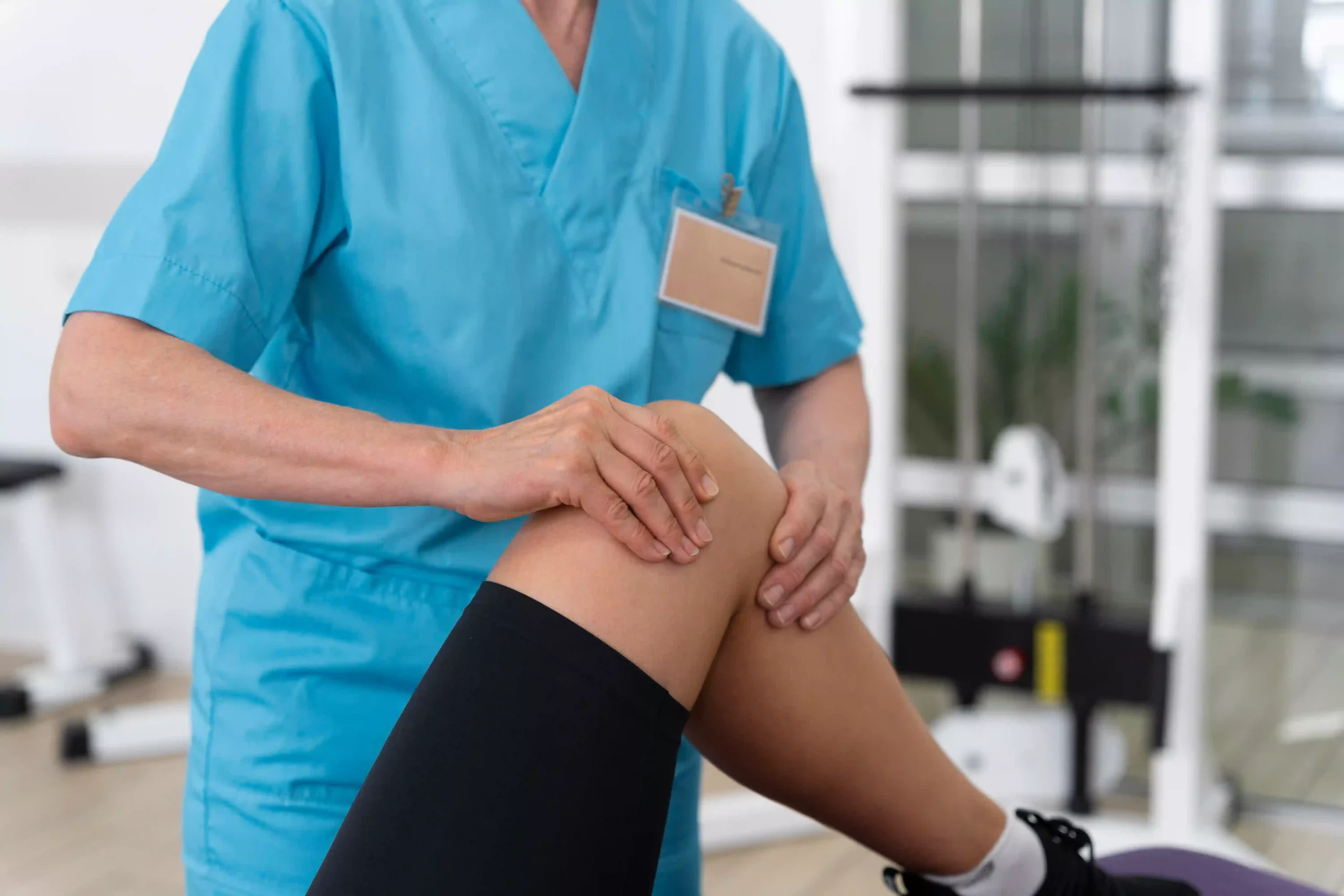
Home Physiotherapy

We understand that some conditions or injuries can make it difficult to receive rehabilitation at our clinic be it mobility or transportation issues. Our objective is to provide you with the same high-quality physiotherapy services at home that you would receive in-clinic.
Posted on

Sport Injury Clinic Guide: Fast Sprained Ankle Recovery

sport injury clinic
sport injury clinic
Synapse Physiotherapy

Introduction

An ankle sprain is among the most frequent injuries encountered by athletes, active individuals, and recreational exercisers alike. Whether the injury occurs during a high-intensity football match, a game of badminton, or a simple misstep on uneven ground, it can significantly disrupt your training and daily life. When instability, swelling, and sharp pain occur, finding a specialised sport injury clinic is the most effective way to ensure an accurate diagnosis and a rapid return to activity.


This is where Synapse Physiotherapy makes the difference through their patient-centred recovery programmes, designed to bridge the gap between initial injury and peak performance with intentional pacing and expert care. Rather than managing symptoms in isolation, we shape each rehabilitation journey with seamless transitions and sport-specific guidance that allow you to regain full confidence in your movement. Early management at a sport injury clinic is essential to prevent prolonged pain and long-term instability.


Understanding the Severity of Ankle Sprains

An ankle sprain occurs when the ligaments that support the joint are overstretched or torn. While most people are familiar with lateral sprains—where the foot rolls inward and affects the outside ligaments—it is also possible to suffer from medial or high ankle sprains, especially in sports involving pivoting or contact. Professional assessment at a sport injury clinic is vital because it determines the specific grade of the injury:


  • Grade I: Mild stretching of the ligaments accompanied by minimal swelling.

  • Grade II: A partial ligament tear resulting in moderate pain and swelling.

  • Grade III: A complete rupture of the ligament, leading to significant instability.


By choosing a sport injury clinic within the first few days of an injury, you gain access to a professional team that understands tissue healing timelines and the specific demands of your sport. Unlike self-care alone, a dedicated clinic provides structured rehabilitation and targeted exercises. According to the British Journal of Sports Medicine (BJSM), early functional rehabilitation for ankle sprains leads to better long-term outcomes than prolonged immobilisation.


The Initial Assessment and Acute Phase

The road to recovery begins with a comprehensive evaluation. At a sport injury clinic, clinicians perform an injury mechanism analysis, visual inspections for swelling and bruising, and range of motion assessments. They also conduct ligament stability tests and gait analysis to see how the injury affects your weight-bearing ability. If red flags like a suspected fracture are present, the physiotherapist will refer you for imaging.


During the acute phase, typically the first 48 to 72 hours, the focus at a sport injury clinic is on controlling inflammation and pain. Modern protocols have moved away from complete rest, as controlled movement is now encouraged to maintain joint nutrition and prevent stiffness. Your professional team may recommend:

 
  1. Swelling Management: Using compression bandaging and ice or cryotherapy to minimise inflammation.

  2. Elevation: Strategies to reduce fluid accumulation and manage recovery time.

  3. Protected Movement: Early, gentle, pain-free movements and potentially temporary bracing or taping.

Restoring Function Through Targeted Rehabilitation

As the initial pain subsides, a sport injury clinic shifts the focus toward restoring mobility. Restricted dorsiflexion—the ability to pull your toes toward your shin—is common after sprains and increases the risk of re-injury. Sport Physiotherapy For Ankle Pain Recovery involves specific drills such as ankle circles, towel stretches, and weight-bearing dorsiflexion drills to regain lost range of motion.


Strength deficits often persist long after the initial pain has resolved. To combat this, a sport injury clinic introduces progressive strengthening for the entire lower limb. This includes:


  • Resistance Band Exercises: Targeted inversion and eversion movements to support the joint.

  • Heel Raises: Transitioning from double-leg to single-leg exercises for functional strength.

  • Proximal Strengthening: Focusing on the hip and core to provide a stable base for the ankle during dynamic movements.

Proprioception and Sport-Specific Training

One of the most critical components of recovery is proprioceptive training. Ligament injuries damage the sensors that help your brain understand joint position, which significantly increases the risk of recurrent sprains. A sport injury clinic uses balance boards, foam pads, and dynamic reaching tasks to retrain the neuromuscular system and improve stability.


Before you return to competition, sports injury clinic will implement functional and agility training. This phase is tailored to your specific sport, ensuring your ankle can tolerate high-intensity demands. This might involve cutting and pivoting drills for football or basketball, or acceleration and deceleration training for runners. Using objective criteria—such as comparable strength to the uninjured side—the clinic ensures you do not return to sport too early. As noted by Healthline, the benefits of physical therapy include improving balance to prevent future falls and injuries.


Preventing Future Injuries

The role of a sport injury clinic extends far beyond the initial healing period; it is also about long-term prevention. Even after you have returned to your sport, maintaining ankle health requires ongoing effort. Prevention strategies often include:

 
  • Ongoing Balance Training: Keeping the neuromuscular system sharp to avoid missteps.

  • Strength Maintenance: Ensuring the supporting muscles remain robust.

  • Expert Advice: Guidance on proper footwear and the use of taping or bracing during high-risk activities.

By empowering patients through education, a sport injury clinic helps individuals take an active role in their own joint health. Recovery varies: mild sprains take 1–2 weeks, moderate sprains 3–6 weeks, and severe sprains 8–12 weeks or more. Consistent rehabilitation under professional guidance significantly shortens the recovery timeline.

Frequently Asked Questions

A sports injury clinic can provide an accurate grading of your injury. Signs of a serious (Grade III) sprain include significant swelling, instability, and a potential ligament rupture.

No, complete rest is no longer recommended. A sports injury clinic will typically encourage controlled, pain-free movement early on to maintain joint nutrition and prevent stiffness.

This is often due to a loss of joint position sense (proprioception) caused by the ligament injury. A sports injury clinic uses balance and coordination exercises to retrain the neuromuscular system.

Recovery varies by severity: mild sprains take 1–2 weeks, while moderate sprains take 3–6 weeks. Severe sprains can take 8–12 weeks or longer.

Yes, prevention is a key role of the clinic. They provide maintenance exercises, footwear advice, and taping techniques to reduce the risk of recurrent injuries.

Conclusion

A sprained ankle may seem like a minor setback, but without structured care, it can lead to long-term instability and repeated injuries. Seeking treatment at a specialised sport injury clinic ensures an evidence-based approach that addresses everything from initial swelling to high-level agility. By working with the professional team at Synapse Physiotherapy, you can access a personalised rehabilitation plan that prioritises your long-term joint health. If you are ready to return to your favourite activities with strength and confidence, the smartest first step is to Book a consultation to begin your journey toward a fast and safe recovery.

Share This :

Back & Neck Pain

Conditions such as stiffness, postural abnormalities and muscle overuse from prolonged desk work at the office or home is more prevalent than most would think. We provide the necessary tools to fix you up and educate you on ergonomics which can unload unnecessary stress.

Sports Injuries

Rolled ankles, jarred knees, impinged shoulders are few conditions in the plethora of sports injuries which can hamper performance and limit our enjoyment of sports. Physiotherapy not only treats the symptoms of these conditions but propels your overall fitness to greater heights.

Work Desk Injuries​

Conditions such as stiffness, postural abnormalities and muscle overuse from prolonged desk work at the office or home is more prevalent than most would think. We provide the necessary tools to fix you up and educate you on ergonomics which can unload unnecessary stress.

Pre-Post-Surgical Conditions

Surgery involves going through preparation both before and after. Physiotherapists play a vital role in getting your body ready for surgeries with circulatory, breathing and strengthening exercises. After the procedure, let us be there for your recovery and rehabilitation, taking it one step at a time.

Scoliosis & Postural Abnormalities

The way we stand, sit, walk and sleep has influence over our posture and the overall balance of muscles controlling its alignment. A comprehensive screening can be done by our physiotherapists to detect abnormalities, which we will aid in correcting.

Neurological Conditions

Neurological disabilities such as stroke, nerve compression and neuropathies can be barriers for patients to live life to its fullest. We at Synapse are committed to help you overcome these hurdles by ensuring functional mobility and quality of life is at its optimum by providing the right treatment and exercises.

Osteoarthritis & Rheumatism

Joint degeneration and inflammation happens as the human body grows older, but that does not mean our way of life degenerates as well. Relief your joint pains with a joint effort together with your physiotherapist, who will provide pain-relief treatments and prescribe exercises for your wellbeing.

Conditions Relating To Elderly

Common conditions in the older age population include hips & knee pain, back & neck pain, osteoarthritis, rheumatism, fear of falling and many more.  Aging and degeneration of bodily function is inevitable, but here at Synapse, we will help you live the best of your life.
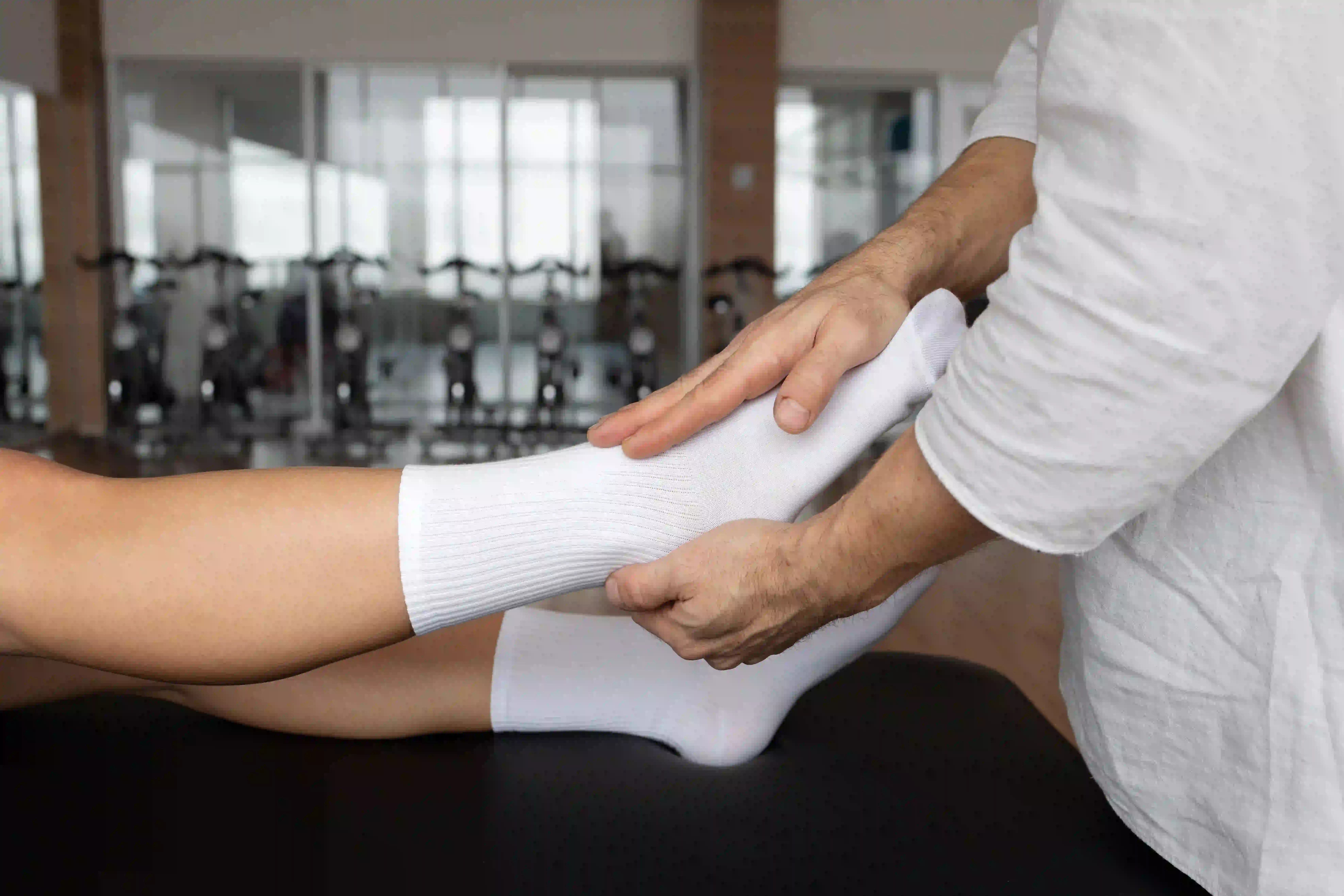
Home Physiotherapy

We understand that some conditions or injuries can make it difficult to receive rehabilitation at our clinic be it mobility or transportation issues. Our objective is to provide you with the same high-quality physiotherapy services at home that you would receive in-clinic.
Posted on

How Sports Injury Clinics Treat Muscle Strains & Tears

Synapse Physiotherapy

Introduction

Muscle strains and tears are among the most common injuries seen in active individuals, from recreational exercisers to elite athletes. Whether it is a hamstring pull during a sprint, a calf strain from a sudden jump, or a shoulder tear from repetitive overhead activity, these injuries can significantly disrupt performance and daily life. Finding a specialised sport injury clinic is crucial for anyone looking to return to their peak physical condition safely and efficiently. Unlike general healthcare settings, these clinics focus on the mechanics of the injury to ensure a full restoration of function.


This is where Synapse Physiotherapy makes the difference through their well-crafted Sport Injuries Solution, designed to bring recovery and performance together with comfort, balance, and flow. Rather than rushing through the healing process, our sport injury clinic shapes each journey with intentional pacing, seamless transitions, and carefully chosen rehabilitation techniques that allow you to truly be present in your recovery. 

Understanding Muscle Strains and Tears

Muscle injuries typically occur when a muscle is exposed to forces beyond its capacity. This can happen during sudden acceleration, deceleration, overstretching, or repetitive overload without adequate recovery. At a professional sport injury clinic, these injuries are clinically classified into three distinct grades to determine the best treatment path:

  • Grade I (Mild Strain): Microscopic muscle fibre damage with minimal strength loss and mild discomfort.
  • Grade II (Moderate Strain/Partial Tear): More extensive fibre damage, noticeable pain, swelling, and reduced strength.
  • Grade III (Severe Tear): Complete rupture of the muscle or tendon, often accompanied by significant weakness and functional loss.

Accurate grading is essential because it determines the appropriate treatment strategy and recovery timeline. By visiting a sport injury clinic, you ensure that your injury is diagnosed correctly from the start.

Comprehensive Assessment and Diagnosis

Treatment at a sport injury clinic begins with a detailed assessment. Sports clinicians take a thorough history, asking about the mechanism of injury, training load, previous injuries, and current activity demands. This is followed by a physical examination assessing pain, swelling, range of motion, strength, and movement quality.


Functional testing plays a major role in this process. Instead of only testing the injured muscle in isolation, experts at a sport injury clinic observe how the body moves as a whole—walking, squatting, lunging, or performing sport-specific actions. This helps identify contributing factors such as poor load distribution, muscle imbalances, or faulty movement patterns. When necessary, imaging such as ultrasound or MRI may be recommended to confirm the severity or exact location of a tear.

Early-Stage Management: Controlling Pain

In the acute phase of an injury, the priority at a sport injury clinic is to protect the injured tissue while controlling pain and inflammation. Contrary to outdated beliefs, complete rest is rarely advised; instead, clinics promote “relative rest,” meaning the avoidance of aggravating activities while maintaining safe movement. 


Early management strategies at a sport injury clinic may include activity modification, gentle pain-free movement to maintain circulation, and compression or supportive taping. The goal at this stage is to create an optimal environment for healing without allowing the muscle to weaken unnecessarily.

Progressive Rehabilitation and Exercise Therapy

Exercise-based rehabilitation is the cornerstone of muscle strain and tear treatment in a sport injury clinic. Once pain is controlled, our professional team introduces a structured, progressive programme tailored to the injury and the individual’s specific goals. Rehabilitation typically progresses through several phases:

  1. Activation and Mobility: Gentle exercises to restore muscle activation and normal range of motion.
  2. Strength Rebuilding: Gradual loading of the injured muscle, starting with isometric and controlled movements.
  3. Functional Strengthening: Exercises that mimic real-life or sport-specific demands, such as running mechanics, jumping, or directional changes.
  4. Power and Speed Training: Preparing the muscle to tolerate high forces safely.

Progression in a sport injury clinic is guided by objective measures such as strength testing and movement quality rather than rigid timelines.

Manual Therapy and Adjunct Treatments

Many sport injury clinic settings incorporate manual therapy as a supportive tool. In fact, research available via PubMed Central indicates that manual therapy techniques not only reduce pain but also aid in the proper alignment of collagen fibres during the repair process. Techniques such as soft tissue mobilisation, joint mobilisation, or myofascial release can help reduce pain and improve mobility. Other adjunct treatments used in a sport injury clinic may include dry needling for muscle tone modulation, taping for proprioceptive support, or shockwave therapy for chronic conditions. Importantly, these treatments complement active rehabilitation rather than replacing it.

Addressing Root Causes and Prevention

One of the defining features of care at a sport injury clinic is injury prevention. Muscle strains often recur because underlying issues, such as poor flexibility or strength imbalances, are not addressed. A sport injury clinic assesses and corrects these factors by improving movement mechanics, enhancing core strength, and educating patients on proper warm-ups and load progression. This holistic approach significantly reduces the risk of future injury.

Return-to-Sport and Performance Optimisation

Returning to sport too early is a common reason muscle injuries become chronic. A sport injury clinic uses clear criteria to guide return-to-play decisions, ensuring the muscle can tolerate sport-specific demands. Testing may include strength benchmarks, endurance testing, and agility drills. Beyond recovery, many clinics focus on performance optimisation, helping individuals move more efficiently than before their injury. This comprehensive care is why a sport injury clinic makes such a significant difference in long-term health.

Frequently Asked Questions

You will undergo a thorough assessment including your injury history, a physical exam, and functional movement testing to determine a personalised recovery plan.

Not always; many muscle injuries can be effectively diagnosed and managed clinically at a sport injury clinic without the need for imaging.

Recovery timelines vary based on the extent of fibre damage, but a sport injury clinic uses objective benchmarks to guide your safe return to activity.

No, modern sport injury clinic protocols favour “relative rest,” encouraging gentle, pain-free movement to promote circulation and healing.

Yes, by addressing movement mechanics, muscle imbalances, and training loads help to reduces the likelihood of re-injury.

Conclusion

Muscle strains and tears are rarely just isolated tissue problems; they are often the result of how the body moves, trains, and adapts to load over time. A sport injury clinic is uniquely equipped to manage this complexity by combining accurate diagnosis, individualised rehabilitation, and long-term prevention strategies. 


For anyone serious about their recovery and long-term physical health, the specialised approach of our professional team can make all the difference. Don’t let a muscle injury keep you on the sidelines. Book a consultation with our sport injury clinic today to experience our expert Sport Injuries Solution and get back to the sports you love.

Share This :

Back & Neck Pain

Conditions such as stiffness, postural abnormalities and muscle overuse from prolonged desk work at the office or home is more prevalent than most would think. We provide the necessary tools to fix you up and educate you on ergonomics which can unload unnecessary stress.

Sports Injuries

Rolled ankles, jarred knees, impinged shoulders are few conditions in the plethora of sports injuries which can hamper performance and limit our enjoyment of sports. Physiotherapy not only treats the symptoms of these conditions but propels your overall fitness to greater heights.

Work Desk Injuries​

Conditions such as stiffness, postural abnormalities and muscle overuse from prolonged desk work at the office or home is more prevalent than most would think. We provide the necessary tools to fix you up and educate you on ergonomics which can unload unnecessary stress.

Pre-Post-Surgical Conditions

Surgery involves going through preparation both before and after. Physiotherapists play a vital role in getting your body ready for surgeries with circulatory, breathing and strengthening exercises. After the procedure, let us be there for your recovery and rehabilitation, taking it one step at a time.

Scoliosis & Postural Abnormalities

The way we stand, sit, walk and sleep has influence over our posture and the overall balance of muscles controlling its alignment. A comprehensive screening can be done by our physiotherapists to detect abnormalities, which we will aid in correcting.

Neurological Conditions

Neurological disabilities such as stroke, nerve compression and neuropathies can be barriers for patients to live life to its fullest. We at Synapse are committed to help you overcome these hurdles by ensuring functional mobility and quality of life is at its optimum by providing the right treatment and exercises.

Osteoarthritis & Rheumatism

Joint degeneration and inflammation happens as the human body grows older, but that does not mean our way of life degenerates as well. Relief your joint pains with a joint effort together with your physiotherapist, who will provide pain-relief treatments and prescribe exercises for your wellbeing.

Conditions Relating To Elderly

Common conditions in the older age population include hips & knee pain, back & neck pain, osteoarthritis, rheumatism, fear of falling and many more.  Aging and degeneration of bodily function is inevitable, but here at Synapse, we will help you live the best of your life.

Home Physiotherapy

We understand that some conditions or injuries can make it difficult to receive rehabilitation at our clinic be it mobility or transportation issues. Our objective is to provide you with the same high-quality physiotherapy services at home that you would receive in-clinic.
Posted on

Sports Injury Clinic: Expert Tennis Elbow Treatment

sports injury clinic
Synapse Physiotherapy

Introduction

Tennis elbow, medically known as lateral epicondylitis, is a common overuse injury that affects not only athletes but also office workers, manual labourers, and anyone who frequently uses repetitive hand and arm movements. Despite its name, you don’t need to play tennis to develop this painful condition. Characterised by persistent pain and a weakened grip, this condition can significantly hinder your daily productivity and quality of life. At Synapse Physiotherapy, we specialise in comprehensive Pain Management Service solutions designed to address the root cause of your discomfort. By visiting our sports injury clinic, you receive an evidence-based approach that focuses on restoring tendon health and long-term performance rather than just masking symptoms.

Understanding the Mechanics of Tennis Elbow

Tennis elbow occurs when the extensor tendons of the forearm become overloaded. According to the NHS, tennis elbow is a condition that causes pain around the outside of the elbow, often following strenuous overuse of the muscles and tendons of the forearm. This overloading leads to micro-tears and degeneration where the tendon attaches to the outer elbow.


This results in specific physical limitations, including:

  • Pain on the outer side of the elbow.
  • Weak grip strength.
  • Pain when lifting, gripping, or twisting objects.
  • Discomfort during daily tasks such as opening jars or using a mouse.

Unlike acute injuries, tennis elbow is often a chronic condition, meaning symptoms may persist for weeks or months if not managed properly.

Why Seek Help at a Sports Injury Clinic?

A sports injury clinic specialises in musculoskeletal and overuse injuries, making it the ideal place for managing tennis elbow. Rather than focusing only on pain relief, the goal is to address the root cause, restore tendon health, and prevent recurrence. This comprehensive approach ensures better long-term outcomes compared to rest or medication alone.


At Synapse Physiotherapy, our professional team utilises a framework for recovery based on:

  • Biomechanical assessment.
  • Activity and workload analysis.
  • Tendon-specific rehabilitation.
  • Evidence-based modalities such as Shockwave Therapy.

Accurate Assessment and Diagnosis

Treatment at a sports injury clinic starts with a thorough clinical assessment. A sports injury clinician will assess pain location and severity, as well as grip strength and functional limitations. They also look beyond the elbow to evaluate wrist and elbow movement patterns, and even shoulder and neck involvement.

In many cases, tennis elbow is linked to poor wrist mechanics, weak shoulder stability, or excessive gripping load. These factors must be corrected by a sports injury clinic for lasting recovery.

Key Treatments for Lasting Relief

1. Shockwave Therapy

Shockwave Therapy is one of the most effective non-invasive treatments for chronic tennis elbow and is widely used in a sports injury clinic. It delivers acoustic waves to the injured tendon to stimulate blood circulation and tissue regeneration. It is particularly effective because it targets the root of tendon degeneration without the need for injections or surgery. At Synapse Physiotherapy, Shockwave Therapy is commonly used for patients with persistent tennis elbow who have not improved with rest alone.

2. Load Management and Activity Modification

One major reason tennis elbow fails to heal is continued overload. A sports injury clinic helps patients adjust work ergonomics, sports technique, and training intensity. This allows the tendon to recover without requiring complete inactivity.

3. Progressive Strengthening Exercises

Contrary to popular belief, complete rest is not ideal for tennis elbow. A structured rehabilitation program includes:

  • Isometric exercises for pain control.
  • Eccentric strengthening of wrist extensors.
  • Grip endurance training.
  • Shoulder and scapular stability exercises.

These exercises rebuild tendon strength and improve load tolerance over time.

4. Manual Therapy and Soft Tissue Techniques

A sports injury clinic may use deep tissue mobilisation, myofascial release, and joint mobilisation of the elbow and wrist. These techniques help reduce stiffness, improve circulation, and restore movement efficiency.

Recovery Timelines and Expectations

Recovery time at a sports injury clinic varies depending on the severity and duration of symptoms, as well as compliance with treatment. Most patients see improvement within 4–8 weeks. However, chronic cases may require 8–12 weeks of structured care, especially when Shockwave Therapy is included.

Preventing Recurrence

A sports injury clinic doesn’t just treat pain—it helps prevent recurrence by addressing poor technique, muscle imbalance, and weak grip endurance. Education and long-term exercise planning are key parts of successful treatment.

Frequently Asked Questions

Shockwave Therapy may cause mild discomfort during treatment, but it is generally well tolerated and lasts only a few minutes per session.

Most patients require 5-8 sessions, depending on symptom severity and response to treatment.

Mild cases may improve, but many become chronic if untreated. A sports injury clinic helps speed recovery and prevent long-term pain.

No. Complete rest is not recommended. Proper load management and guided exercises are more effective.

Surgery is rarely needed. Most cases respond well to conservative care, especially with Shockwave Therapy and rehabilitation.

Conclusion

Tennis elbow is a common yet frustrating condition that can significantly affect daily life and work performance. A sports injury clinic offers targeted, evidence-based care that goes beyond pain relief—focusing on tendon healing, strength restoration, and prevention. With advanced treatments such as Shockwave Therapy, combined with structured rehabilitation, most patients can recover fully without surgery.

If you are struggling with persistent elbow pain, Synapse Physiotherapy provides professional sports injury clinic services and a dedicated Pain Management Service to help you return to pain-free movement. Our professional team is here to support your long-term health and performance. To start your recovery journey, Book a consultation today


Share This :

Back & Neck Pain

Conditions such as stiffness, postural abnormalities and muscle overuse from prolonged desk work at the office or home is more prevalent than most would think. We provide the necessary tools to fix you up and educate you on ergonomics which can unload unnecessary stress.

Sports Injuries

Rolled ankles, jarred knees, impinged shoulders are few conditions in the plethora of sports injuries which can hamper performance and limit our enjoyment of sports. Physiotherapy not only treats the symptoms of these conditions but propels your overall fitness to greater heights.

Work Desk Injuries​

Conditions such as stiffness, postural abnormalities and muscle overuse from prolonged desk work at the office or home is more prevalent than most would think. We provide the necessary tools to fix you up and educate you on ergonomics which can unload unnecessary stress.

Pre-Post-Surgical Conditions

Surgery involves going through preparation both before and after. Physiotherapists play a vital role in getting your body ready for surgeries with circulatory, breathing and strengthening exercises. After the procedure, let us be there for your recovery and rehabilitation, taking it one step at a time.

Scoliosis & Postural Abnormalities

The way we stand, sit, walk and sleep has influence over our posture and the overall balance of muscles controlling its alignment. A comprehensive screening can be done by our physiotherapists to detect abnormalities, which we will aid in correcting.

Neurological Conditions

Neurological disabilities such as stroke, nerve compression and neuropathies can be barriers for patients to live life to its fullest. We at Synapse are committed to help you overcome these hurdles by ensuring functional mobility and quality of life is at its optimum by providing the right treatment and exercises.

Osteoarthritis & Rheumatism

Joint degeneration and inflammation happens as the human body grows older, but that does not mean our way of life degenerates as well. Relief your joint pains with a joint effort together with your physiotherapist, who will provide pain-relief treatments and prescribe exercises for your wellbeing.

Conditions Relating To Elderly

Common conditions in the older age population include hips & knee pain, back & neck pain, osteoarthritis, rheumatism, fear of falling and many more.  Aging and degeneration of bodily function is inevitable, but here at Synapse, we will help you live the best of your life.

Home Physiotherapy

We understand that some conditions or injuries can make it difficult to receive rehabilitation at our clinic be it mobility or transportation issues. Our objective is to provide you with the same high-quality physiotherapy services at home that you would receive in-clinic.
Posted on

Top Clinic for Pickleball Sprains & Strains Care

sports injury clinic
Synapse Physiotherapy

Introduction

Pickleball is growing fast in Malaysia, attracting players of all ages to its fast-paced and fun gameplay. However, like any racket sport, it’s not without its risks, especially sprains and strains. If you’re experiencing lingering pain after a game or struggling with mobility, getting expert help from a sports injury clinic is essential. These clinics are designed to treat common athletic injuries like ankle sprains, wrist strains, and shoulder overuse injuries with precision and care.


At a trusted sports injury clinic, you’ll find physiotherapists who understand the mechanics of pickleball. Moreover, they offer evidence-based treatment plans to reduce inflammation, restore strength, and prevent recurrence. Whether you’re a casual weekend player or an avid tournament competitor, early intervention can significantly shorten recovery time and get you back on the court safely.

Sprains and strains shouldn’t be ignored, they are often a warning sign of deeper tissue stress or improper technique. That’s why choosing the right sports injury clinic can make all the difference in your performance and long-term joint health.

Learn more about how we help active players recover at Synapse Physiotherapy

Understanding Pickleball Sprains & Strains

Pickleball requires quick lateral movements, sudden changes in direction, and repetitive upper-body motion. While the sport is considered low-impact, the dynamic movements involved can place considerable stress on joints and muscles, especially if warm-ups are skipped or technique is off.

Common Sprains and Strains in Pickleball

  • Ankle Sprains: Often from landing awkwardly or sudden pivots.

  • Wrist Strains: Resulting from quick reflexes or improper grip.

  • Knee Ligament Strains: Due to repetitive squatting, lunging, or overextension.

  • Rotator Cuff Strains: From frequent overhead strokes and smashes.

  • Lower Back Strains: Especially in older or deconditioned players.

While minor strains might feel manageable at first, neglecting proper care can lead to chronic pain or secondary injuries. That’s where a specialised sports injury clinic becomes crucial.

Why Choose a Sports Injury Clinic?

A sports injury clinic offers specialised treatment tailored to athletes and active individuals. Unlike general healthcare centres, these clinics are staffed by professionals who understand the biomechanics of sports-specific movements. Therefore, this ensures more accurate diagnoses and targeted recovery programs.

Key Advantages of a Sports Injury Clinic

  • Comprehensive Assessments: Clinicians evaluate posture, movement patterns, muscle imbalances, and joint function.

  • Tailored Recovery Plans: Custom physiotherapy sessions that address both symptoms and root causes.

  • State-of-the-Art Equipment: From ultrasound therapy to resistance training tools.

  • Education on Injury Prevention: Learn how to warm up, cool down, and strengthen weak areas.

For pickleball players, this means faster healing and safer return to play, with guidance from experts who understand the demands of your sport.

Explore our full range of sports-focused services

What to Expect During Treatment

When you visit a reputable sports injury clinic for a pickleball-related strain or sprain, your treatment journey typically begins with a detailed assessment. The physiotherapist will ask about your playing frequency, injury history, and current symptoms.

Step-by-Step Care Process

  • Pain Management: Initial treatment to reduce inflammation, swelling, and discomfort using modalities like ice therapy, TENS, or taping.

  • Manual Therapy: Hands-on techniques such as soft tissue release, joint mobilisation, or dry needling to improve tissue mobility.

  • Rehabilitation Exercises: Strengthening and flexibility exercises targeting injured and supporting muscle groups.

  • Movement Re-education: Correcting faulty movement patterns that led to the injury in the first place.

  • Return-to-Play Progression: Gradual reintroduction of pickleball-specific movements to ensure you’re game-ready without risking re-injury.

Each stage is guided by measurable milestones, so you know you’re making progress toward full recovery.

How to Choose the Right Clinic

With so many clinics available, how do you choose one that’s right for your pickleball recovery? Not all clinics offer the same quality of care, which is why selecting the best sports injury clinic can significantly impact your outcome.

Factors to Consider When Selecting a Clinic

  • Specialisation in Sports Injuries: Look for clinics that regularly treat athletic injuries and have experienced sports physiotherapists.

  • Positive Reputation: Check online reviews, testimonials, or get referrals from fellow players or coaches.

  • Customised Programs: Avoid one-size-fits-all treatment each injury is unique.

  • Accessibility: Choose a clinic with flexible hours and convenient locations, especially if you’re in the Klang Valley.

  • Collaborative Care: A clinic that works closely with your orthopaedic or medical team can enhance recovery.

Clinics like Synapse Physiotherapy are known for their thorough approach, sports-focused care, and success in helping active individuals recover quickly.

Injury Prevention Tips for Pickleball Players

While treatment is critical, prevention is just as important. As such, incorporating good habits into your routine can significantly reduce your risk of injury.

Practical Tips to Avoid Sprains and Strains

  • Always Warm Up: Focus on dynamic movements like leg swings, shoulder rolls, and light jogging before play.

  • Strengthen Your Core & Legs: Strong lower-body and core muscles reduce stress on joints and improve balance.

  • Improve Flexibility: Incorporate stretching routines post-game, especially for hamstrings, calves, shoulders, and wrists.

  • Wear Proper Shoes: Court shoes with good ankle support and grip are essential.

  • Listen to Your Body: Don’t push through pain, what feels like a minor niggle could become a major problem without rest and rehab.

Frequently Asked Questions (FAQs)

1. How long does recovery from a pickleball sprain typically take?

Recovery time varies depending on the severity of the injury, but with proper care at a sports injury clinic, most minor sprains can heal in 2–4 weeks.

2. Do I need a referral to visit a sports injury clinic?

No, you can book directly with a physiotherapist without a doctor’s referral at most sports injury clinics, including Synapse Physiotherapy.

3. Can a sports injury clinic help with chronic pain from older injuries?

Yes, even older or chronic injuries benefit from targeted rehabilitation and manual therapy offered by a qualified sports injury clinic.

4. Are there specific rehab programs for pickleball players?

Absolutely. Clinics like Synapse Physiotherapy offer sport-specific rehab plans tailored for pickleball, including shoulder and ankle stability training.

5. How soon should I start treatment after an injury?

Ideally, you should begin treatment within the first 48–72 hours. Early care from a sports injury clinic helps reduce complications and speeds up healing.

The Takeaway

Sprains and strains from pickleball can happen to beginners and seasoned players alike. However, that doesn’t mean you have to sit out the season or rely on painkillers to get by. Seeking help from a professional sports injury clinic gives you access to the right treatment, the right advice, and the right support system to recover fully and get back to the sport you love.

Early intervention means faster healing, fewer complications, and better performance on the court. So don’t wait, if you’re experiencing discomfort after a game, book a physiotherapy assessment today. Whether it’s your ankle, wrist, or shoulder giving you trouble, a targeted recovery plan can make all the difference.


If you’re in the Klang Valley, Synapse Physiotherapy is ready to help you bounce back from injury. With a team of experienced physiotherapists, sports-focused rehab programs, and multiple clinic locations, you’ll get personalised care tailored to your recovery goals.

Share This :

Back & Neck Pain

Conditions such as stiffness, postural abnormalities and muscle overuse from prolonged desk work at the office or home is more prevalent than most would think. We provide the necessary tools to fix you up and educate you on ergonomics which can unload unnecessary stress.

Sports Injuries

Rolled ankles, jarred knees, impinged shoulders are few conditions in the plethora of sports injuries which can hamper performance and limit our enjoyment of sports. Physiotherapy not only treats the symptoms of these conditions but propels your overall fitness to greater heights.

Work Desk Injuries​

Conditions such as stiffness, postural abnormalities and muscle overuse from prolonged desk work at the office or home is more prevalent than most would think. We provide the necessary tools to fix you up and educate you on ergonomics which can unload unnecessary stress.

Pre-Post-Surgical Conditions

Surgery involves going through preparation both before and after. Physiotherapists play a vital role in getting your body ready for surgeries with circulatory, breathing and strengthening exercises. After the procedure, let us be there for your recovery and rehabilitation, taking it one step at a time.

Scoliosis & Postural Abnormalities

The way we stand, sit, walk and sleep has influence over our posture and the overall balance of muscles controlling its alignment. A comprehensive screening can be done by our physiotherapists to detect abnormalities, which we will aid in correcting.

Neurological Conditions

Neurological disabilities such as stroke, nerve compression and neuropathies can be barriers for patients to live life to its fullest. We at Synapse are committed to help you overcome these hurdles by ensuring functional mobility and quality of life is at its optimum by providing the right treatment and exercises.

Osteoarthritis & Rheumatism

Joint degeneration and inflammation happens as the human body grows older, but that does not mean our way of life degenerates as well. Relief your joint pains with a joint effort together with your physiotherapist, who will provide pain-relief treatments and prescribe exercises for your wellbeing.

Conditions Relating To Elderly

Common conditions in the older age population include hips & knee pain, back & neck pain, osteoarthritis, rheumatism, fear of falling and many more.  Aging and degeneration of bodily function is inevitable, but here at Synapse, we will help you live the best of your life.

Home Physiotherapy

We understand that some conditions or injuries can make it difficult to receive rehabilitation at our clinic be it mobility or transportation issues. Our objective is to provide you with the same high-quality physiotherapy services at home that you would receive in-clinic.
Posted on

Pickleball Injury? Get Treated at a Sports Injury Clinic

sports injury clinic
Synapse Physiotherapy

Introduction

Pickleball, a fast-growing sport across all age groups, offers an exciting mix of tennis, badminton, and table tennis. But while it’s fun and accessible, the sport is not without its physical toll. Whether you’re a beginner or a seasoned player, it’s easy to sustain injuries from repetitive movement, awkward lunges, or even accidental collisions. If you’ve found yourself sidelined with a sprained ankle, sore shoulder, or nagging knee pain, it’s time to consider professional help. The best place to start your recovery journey? A sports injury clinic.


A sports injury clinic is specifically designed to diagnose, treat, and rehabilitate musculoskeletal injuries related to physical activity. These clinics are equipped with experienced physiotherapists, rehabilitation specialists, and targeted treatment plans that help athletes and recreational players return to their sport stronger and safer. For pickleball players, this means more than just healing, it’s about preventing recurring issues and restoring full mobility so you can enjoy the game you love with confidence.

In this article, we’ll explore the most common pickleball injuries, why seeing a sports injury clinic matters, and how expert care can significantly improve your long-term outcome.

Common Pickleball Injuries

Though it may look like a low-impact game, pickleball involves quick lateral movements, pivoting, overhead shots, and frequent start-stop motions. These actions can put stress on joints and muscles, especially if you play frequently or without a proper warm-up. Some of the most common injuries include:

  • Ankle sprains – often caused by sudden changes in direction

  • Shoulder strains or rotator cuff injuries – from repetitive overhead shots

  • Knee pain – due to jumping, pivoting, or playing on hard surfaces

  • Tennis elbow – inflammation from repetitive paddle swings

  • Achilles tendonitis – from sudden movement or poor footwear

  • Lower back pain – from twisting and bending during play

While some injuries are acute (like falls or sprains), others build up over time. Consequently, ignoring the early signs can turn a small issue into a chronic condition that limits your mobility and affects your daily life.

Why Choose a Sports Injury Clinic?

1. Specialised Diagnosis

A general clinic might offer temporary relief, but a sports injury clinic focuses specifically on movement-related injuries. The goal isn’t just to mask the pain, it’s to identify the root cause, treat it effectively, and ensure it doesn’t return.

Sports injury clinics use advanced assessments to identify movement dysfunctions and diagnose injuries accurately. Physiotherapists understand the biomechanics of sports and can detect even subtle imbalances that contribute to injuries.

2. Targeted Treatment Plans

Every injury is unique. At a sports injury clinic, you’ll receive a treatment plan tailored to your needs, whether that involves manual therapy, corrective exercises, or advanced rehab techniques like dry needling or ultrasound therapy. In addition, progress is monitored closely to adjust your therapy as needed.

3. Rehabilitation with Return-to-Sport Focus

Recovery doesn’t end when the pain stops. Sports injury clinics guide you through a structured rehabilitation process that rebuilds strength, mobility, and neuromuscular control, ensuring you’re fully ready to return to the pickleball court.

4. Injury Prevention Education

Furthermore, you’ll also gain insights into how to warm up correctly, strengthen weak areas, improve your form, and reduce risk factors. This proactive approach can help you play more confidently and safely in the future.

What to Expect During Your Visit

A first visit to a sports injury clinic typically involves a detailed consultation and physical assessment. You’ll be asked about your injury history, level of activity, playing frequency, and any symptoms you’re experiencing. The physiotherapist will then conduct movement tests and possibly use tools like gait analysis or musculoskeletal ultrasound to get a deeper understanding of the injury.

From there, a personalised treatment plan is developed, which may include:

  • Manual therapy – to reduce pain and improve mobility

  • Taping or bracing – to protect the injured area during recovery

  • Strength and conditioning exercises – tailored to your needs

  • Stretching and mobility work – to improve the range of motion

  • Electrotherapy or shockwave therapy – for tissue repair and pain relief

Follow-up sessions are usually spaced out based on your progress, with ongoing adjustments to your rehabilitation plan. For additional support, explore our Strength & Conditioning Programme.

Recovery Timeline for Common Pickleball Injuries

While every case is unique, here’s a general idea of how long common pickleball injuries may take to heal with proper treatment from a sports injury clinic:

  • Mild ankle sprain: 2–3 weeks

  • Rotator cuff strain: 4–6 weeks

  • Tennis elbow: 4–8 weeks

  • Achilles tendonitis: 6–10 weeks

  • Knee pain (patellar tracking issues): 3–6 weeks

Starting treatment early can significantly shorten your recovery time and help you avoid long-term complications.

Tips to Prevent Pickleball Injuries

An essential part of sports injury clinic care is education, helping athletes prevent repeat injuries. Here are some quick prevention tips to keep you playing pickleball safely:

  • Warm up properly: Dynamic stretching and light cardio are key.

  • Use appropriate footwear: Court shoes with good grip and support reduce fall risk.

  • Strengthen supporting muscles: Focus on core, hips, and shoulders.

  • Rest between games: Don’t overload your body with excessive back-to-back play.

  • Use correct technique: Improper mechanics can lead to strain and overuse injuries.

Many sports injury clinics also offer injury screening and movement assessments for active individuals who want to stay in peak condition.

Find a Clinic That Understands Your Sport

Not all physiotherapy clinics are created equal. If you’re passionate about pickleball, choose a sports injury clinic with experience treating racquet sport players. Their team will understand the physical demands of the sport and design a plan that suits your goals, whether that’s getting back to casual games or preparing for competitive tournaments.

Look for clinics that offer:

  • Experienced sports physiotherapists

  • Access to modern rehab equipment

  • Clear communication and patient education

  • A focus on return-to-sport and performance

Learn more about our specialised sports physiotherapy services and how we tailor treatments for racquet sport athletes.

Frequently Asked Questions (FAQs)

1. Can I treat a pickleball injury at home before visiting a clinic?

Yes, you can apply rest, ice, compression, and elevation (RICE) for minor injuries. However, persistent or severe pain should be evaluated at a sports injury clinic for proper diagnosis and recovery planning.

2. How soon should I visit a sports injury clinic after an injury?

Ideally, visit within the first 48–72 hours, especially if you’re experiencing swelling, reduced mobility, or sharp pain. Early intervention can prevent further damage and speed up healing.

3. Do I need a referral to attend a sports injury clinic?

In most cases, no referral is necessary. You can directly book an appointment with a sports injury clinic and start your assessment and treatment plan immediately.

4. Will the treatment involve exercises or just manual therapy?

Treatment plans are typically comprehensive. You’ll receive both manual therapy and a personalised exercise regimen aimed at restoring strength and preventing re-injury.

5. Are sports injury clinics only for athletes?

Not at all. While they specialise in sports-related injuries, sports injury clinics also treat recreational players, fitness enthusiasts, and anyone experiencing musculoskeletal pain.

Conclusion

Pickleball injuries don’t have to keep you off the court for long. With the right support from a sports injury clinic, you can recover faster, move better, and play without fear of re-injury. Whether you’re dealing with a sore shoulder or a stubborn ankle sprain, don’t wait to take the first step toward healing and long-term joint health.


Explore more about our team and recovery programmes and invest in your body so you can keep enjoying the game stronger, smarter, and injury-free.

Share This :

Back & Neck Pain

Conditions such as stiffness, postural abnormalities and muscle overuse from prolonged desk work at the office or home is more prevalent than most would think. We provide the necessary tools to fix you up and educate you on ergonomics which can unload unnecessary stress.

Sports Injuries

Rolled ankles, jarred knees, impinged shoulders are few conditions in the plethora of sports injuries which can hamper performance and limit our enjoyment of sports. Physiotherapy not only treats the symptoms of these conditions but propels your overall fitness to greater heights.

Work Desk Injuries​

Conditions such as stiffness, postural abnormalities and muscle overuse from prolonged desk work at the office or home is more prevalent than most would think. We provide the necessary tools to fix you up and educate you on ergonomics which can unload unnecessary stress.

Pre-Post-Surgical Conditions

Surgery involves going through preparation both before and after. Physiotherapists play a vital role in getting your body ready for surgeries with circulatory, breathing and strengthening exercises. After the procedure, let us be there for your recovery and rehabilitation, taking it one step at a time.

Scoliosis & Postural Abnormalities

The way we stand, sit, walk and sleep has influence over our posture and the overall balance of muscles controlling its alignment. A comprehensive screening can be done by our physiotherapists to detect abnormalities, which we will aid in correcting.

Neurological Conditions

Neurological disabilities such as stroke, nerve compression and neuropathies can be barriers for patients to live life to its fullest. We at Synapse are committed to help you overcome these hurdles by ensuring functional mobility and quality of life is at its optimum by providing the right treatment and exercises.

Osteoarthritis & Rheumatism

Joint degeneration and inflammation happens as the human body grows older, but that does not mean our way of life degenerates as well. Relief your joint pains with a joint effort together with your physiotherapist, who will provide pain-relief treatments and prescribe exercises for your wellbeing.

Conditions Relating To Elderly

Common conditions in the older age population include hips & knee pain, back & neck pain, osteoarthritis, rheumatism, fear of falling and many more.  Aging and degeneration of bodily function is inevitable, but here at Synapse, we will help you live the best of your life.
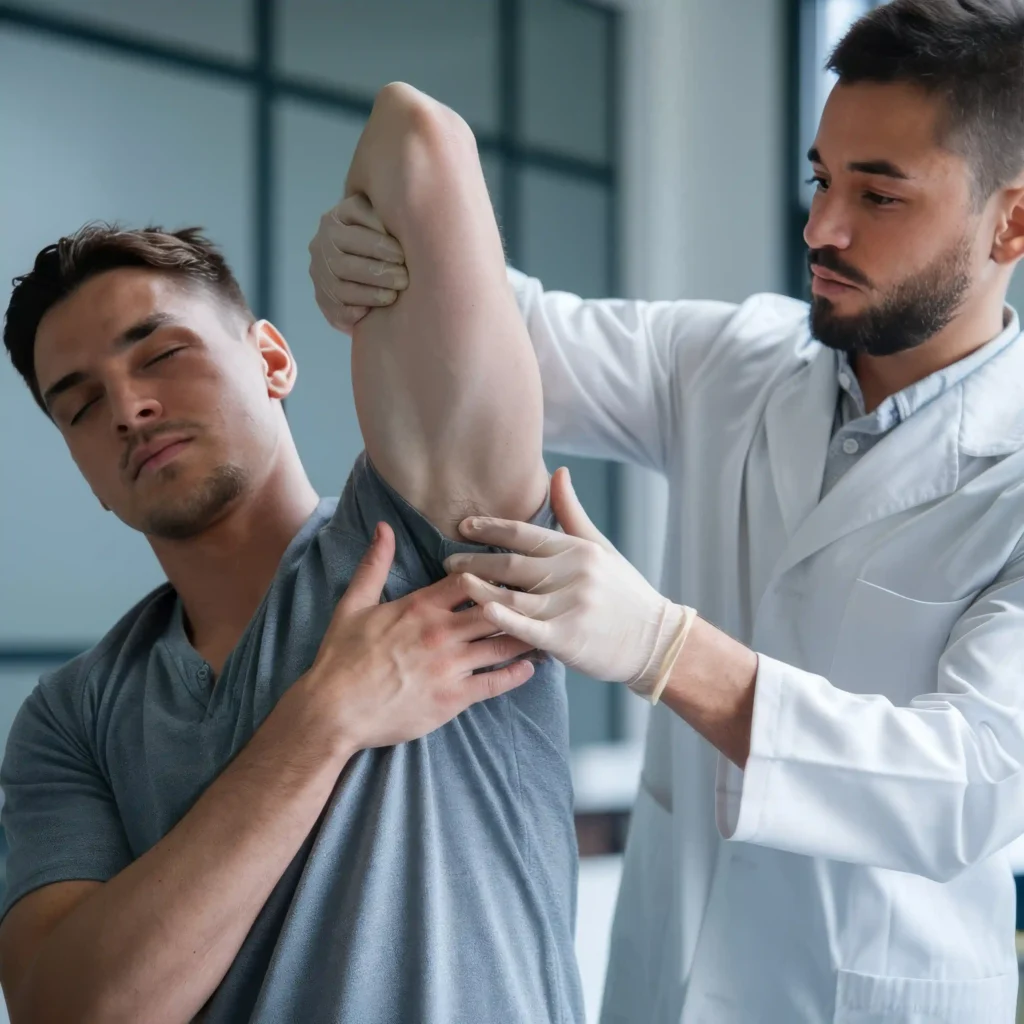
Home Physiotherapy

We understand that some conditions or injuries can make it difficult to receive rehabilitation at our clinic be it mobility or transportation issues. Our objective is to provide you with the same high-quality physiotherapy services at home that you would receive in-clinic.
Posted on

Stay Active: Visit your Local Sports Injury Clinic

sports injury clinic
Synapse Physiotherapy

Personalised Healing at Synapse Physiotherapy

Staying active is one of the best things you can do for your health physically, mentally, and emotionally. Whether you’re a seasoned athlete, weekend jogger, gym enthusiast, or someone who enjoys hiking or playing sports with friends, movement keeps your body strong and resilient. But with any form of physical activity, there’s always the risk of injury. That’s why knowing where to go for professional care is essential. A sports injury clinic can be your key to a safe recovery and long-term performance improvement.

Choosing the right sports injury clinic near you ensures you receive targeted, expert care tailored to your lifestyle. These clinics are not just for elite athletes they’re for anyone dealing with musculoskeletal pain, movement restrictions, or performance setbacks. From sprained ankles and pulled muscles to chronic joint pain and overuse injuries, a good clinic will assess, treat, and guide you toward full recovery while helping you prevent future problems.

By seeking early treatment and working with professionals who understand your activity level and goals, you’re more likely to bounce back faster, stronger, and more confident in your movements. Staying active is important, but staying injury-free is even better.

What Does a Sports Injury Clinic Do?

A sports injury clinic is a specialised facility that focuses on the prevention, assessment, treatment, and rehabilitation of injuries related to physical activity. Unlike general medical practices, these clinics offer a more focused and integrated approach, often involving physiotherapists, rehabilitation therapists, sports doctors, and movement specialists.

The key goal is not just to relieve pain but to restore optimal function, enhance performance, and help patients return safely to their chosen activities. Whether you’re dealing with a recent sports injury or struggling with long-term discomfort, a sports injury clinic offers the tools and expertise to address it properly

Types of Injuries Commonly Treated

Sports injury clinics treat a wide variety of conditions that stem from exercise, sports, or physically demanding work. These include:

  • Muscle strains and ligament sprains
  • Tendonitis and bursitis
  • Runner’s knee and patellofemoral pain syndrome
  • Shin splints and stress fractures
  • Plantar fasciitis and heel pain
  • Shoulder impingement and rotator cuff injuries
  • Tennis elbow and golfer’s elbow
  • Lower back and neck pain due to poor posture or sports trauma

Even minor pain can be a warning sign of deeper dysfunctions in movement or muscle imbalance. A sports injury clinic identifies these problems early and treats them before they worsen.

Why Early Treatment Matters

Waiting too long to address an injury can lead to chronic issues, longer recovery times, and even permanent damage. The sooner you see a physiotherapist or sports rehab expert, the better your chances of a full and speedy recovery.

At a sports injury clinic, early intervention means precise diagnosis, targeted therapy, and proactive strategies to prevent reinjury. Instead of simply resting and hoping it gets better, you’ll receive guided treatment designed to promote healing and functional recovery.

This may include soft tissue therapy, corrective exercises, movement retraining, or supportive taping techniques to reduce strain. You’ll also receive advice on what activities to avoid and when it’s safe to resume your routine.

Personalised Rehabilitation Plans

No two bodies and no two injuries are the same. That’s why the most effective recovery plans are those designed specifically for you.

At a good sports injury clinic, your physiotherapist or therapist will begin with a detailed assessment of your condition, movement patterns, training history, and goals. From there, they’ll design a treatment plan that suits your needs, whether you’re aiming to return to competition or just walk pain-free again.

For instance:

  • A footballer recovering from a hamstring tear might undergo strength conditioning, stretching routines, and running drills.
  • A CrossFit athlete with shoulder pain might receive postural training, scapular stabilisation exercises, and manual therapy.
  • A hiker with plantar fasciitis may benefit from foot orthotics, fascia release, and mobility work.

The focus is always on restoring movement, reducing pain, and building strength in a safe, progressive way.

Injury Prevention and Performance Optimisation

A sports injury clinic doesn’t just treat injuries, it also helps you avoid them altogether. This proactive approach is essential for athletes, fitness enthusiasts, and even office workers with repetitive strain issues.

Injury prevention services might include:

  • Postural assessments and ergonomic advice
  • Functional movement screenings
  • Strength and mobility testing
  • Biomechanical gait analysis
  • Sport-specific conditioning plans

By identifying movement dysfunctions or muscle imbalances early, a sports injury clinic helps reduce your risk of injury while enhancing your strength, endurance, and coordination.

Learn more about Synapse’s Strength & Conditioning Programme

What to Expect During Your First Visit

During your first visit to a sports injury clinic, expect a thorough evaluation. This typically includes:

  • Discussion of your symptoms, medical and activity history
  • Physical examination and movement assessment
  • Diagnosis and explanation of what’s happening
  • A personalised plan of care, including in-clinic and home exercises
  • Manual therapy or hands-on treatment, where appropriate
  • Progress tracking and performance advice

Most clinics also offer digital platforms to help you stay on track with your rehabilitation exercises between visits.

Choosing the Right Sports Injury Clinic

Not all clinics are the same. To get the best care, look for a sports injury clinic that:

  • Has licensed, experienced physiotherapists or sports rehab professionals
  • Uses evidence-based treatment techniques
  • Offers personalised treatment plans
  • Has access to modern equipment and diagnostic tools
  • Provides follow-up support and progress tracking
  • Has positive client testimonials and a professional reputation

If you’re based in Malaysia, for example, Synapse Physiotherapy offers comprehensive care across multiple locations in the Klang Valley, including Damansara Heights, Shah Alam, and Puchong. Their team of expert clinicians provides individualised rehab programs, combining manual therapy, exercise science, and sport-specific conditioning to help clients return stronger and more resilient.

Frequently Asked Questions (FAQs)

1. Do I need a referral to visit a sports injury clinic?

No, most sports injury clinics accept direct appointments without the need for a doctor’s referral.

2. How soon should I seek help after an injury?

Ideally, you should visit a clinic as soon as possible. Early assessment can prevent further damage and promote faster recovery.

3. Can non-athletes benefit from a sports injury clinic?

Absolutely. Sports injury clinics help anyone dealing with physical pain or mobility issues, regardless of fitness level or sport participation.

4. What should I wear to my first appointment?

Wear comfortable clothing that allows easy movement and access to the injured area for proper examination and treatment.

5. Will I receive exercises to do at home?

Yes, personalised home exercise plans are often provided as part of a comprehensive rehabilitation program to support long-term recovery.

Final Thoughts: Stay Active, Stay Protected

Injury doesn’t have to sideline your goals or stop you from enjoying the activities you love. With the support of a qualified sports injury clinic, you can recover safely, move better, and perform at your best whether you’re competing, training, or simply staying fit.

So if you’re dealing with pain, discomfort, or want to improve your performance while preventing injuries, don’t wait. Take control of your recovery. Visit your local sports injury clinic and keep moving forward with confidence.

Share This :

Back & Neck Pain

Conditions such as stiffness, postural abnormalities and muscle overuse from prolonged desk work at the office or home is more prevalent than most would think. We provide the necessary tools to fix you up and educate you on ergonomics which can unload unnecessary stress.

Sports Injuries

Rolled ankles, jarred knees, impinged shoulders are few conditions in the plethora of sports injuries which can hamper performance and limit our enjoyment of sports. Physiotherapy not only treats the symptoms of these conditions but propels your overall fitness to greater heights.

Work Desk Injuries​

Conditions such as stiffness, postural abnormalities and muscle overuse from prolonged desk work at the office or home is more prevalent than most would think. We provide the necessary tools to fix you up and educate you on ergonomics which can unload unnecessary stress.

Pre-Post-Surgical Conditions

Surgery involves going through preparation both before and after. Physiotherapists play a vital role in getting your body ready for surgeries with circulatory, breathing and strengthening exercises. After the procedure, let us be there for your recovery and rehabilitation, taking it one step at a time.

Scoliosis & Postural Abnormalities

The way we stand, sit, walk and sleep has influence over our posture and the overall balance of muscles controlling its alignment. A comprehensive screening can be done by our physiotherapists to detect abnormalities, which we will aid in correcting.

Neurological Conditions

Neurological disabilities such as stroke, nerve compression and neuropathies can be barriers for patients to live life to its fullest. We at Synapse are committed to help you overcome these hurdles by ensuring functional mobility and quality of life is at its optimum by providing the right treatment and exercises.

Osteoarthritis & Rheumatism

Joint degeneration and inflammation happens as the human body grows older, but that does not mean our way of life degenerates as well. Relief your joint pains with a joint effort together with your physiotherapist, who will provide pain-relief treatments and prescribe exercises for your wellbeing.

Conditions Relating To Elderly

Common conditions in the older age population include hips & knee pain, back & neck pain, osteoarthritis, rheumatism, fear of falling and many more.  Aging and degeneration of bodily function is inevitable, but here at Synapse, we will help you live the best of your life.
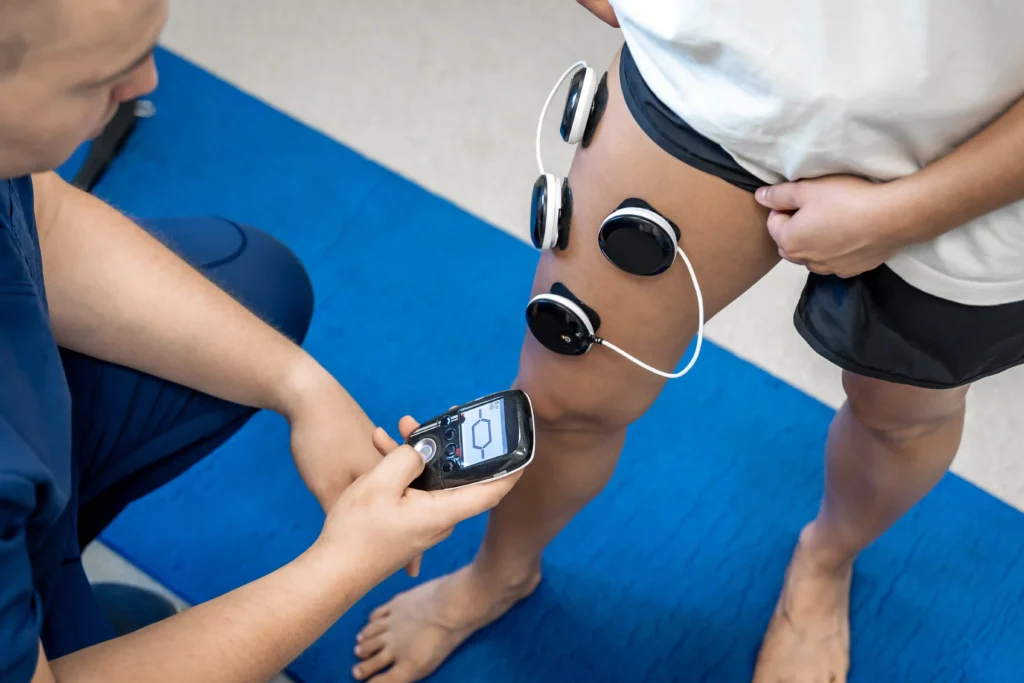
Home Physiotherapy

We understand that some conditions or injuries can make it difficult to receive rehabilitation at our clinic be it mobility or transportation issues. Our objective is to provide you with the same high-quality physiotherapy services at home that you would receive in-clinic.
Posted on

5 Sports Injuries Treated with Shockwave Therapy at Synapse

Sports Injury Clinic
Synapse Physiotherapy

Introduction

Athletes, whether professional or recreational, often push their bodies to the limit. While this dedication brings incredible performance gains, it can also lead to overuse injuries and strain on muscles, tendons, and joints. At Synapse Physiotherapy, we understand how frustrating and painful these injuries can be, not just physically, but emotionally too. That’s why we offer cutting-edge solutions like Shockwave Therapy to speed up healing, reduce pain, and help you return to the activities you love.


As a trusted Sports Injury Clinic in the Klang Valley, Synapse specialises in advanced rehabilitation treatments, including Radial and Focused Shockwave Therapy. This non-invasive technique stimulates the body’s natural healing process, boosts circulation, and breaks down scar tissue. Whether you’re recovering from a long-standing tendon issue or a stubborn muscle injury, shockwave therapy is a game-changer.


Let’s explore five common sports injuries we treat using shockwave therapy at our Sports Physiotherapy centre.

1. Plantar Fasciitis

Why Shockwave Works

One of the most common causes of heel pain among runners, hikers, and athletes who spend long hours on their feet is Plantar Fasciitis. This condition is caused by inflammation of the plantar fascia, the thick band of tissue running along the bottom of your foot.

Shockwave therapy targets the inflamed area with high-energy sound waves, increasing blood flow and stimulating cell regeneration. At Synapse, our physiotherapists use this method to break down fibrous tissue and accelerate healing. Most patients report significant pain reduction after just a few sessions.

Who It Helps

  • Runners

  • Dancers

  • Tennis players

  • Golfers

2. Tennis Elbow (Lateral Epicondylitis)

Why Shockwave Works

Tennis elbow isn’t limited to tennis players, it affects anyone performing repetitive arm and wrist movements, including manual workers and desk job professionals. The condition results in pain and inflammation around the outer elbow due to overuse of the forearm muscles.

Shockwave therapy stimulates collagen production and promotes the resorption of calcium deposits at the site of pain. This reduces inflammation, improves range of motion, and accelerates healing. At Synapse, our therapists tailor treatment to each individual’s severity and activity level.

Who It Helps

  • Tennis and squash players

  • Weightlifters

  • Musicians

  • Office workers with poor ergonomics

3. Patellar Tendinopathy (Jumper’s Knee)

Why Shockwave Works

This condition affects the tendon connecting the kneecap to the shinbone and is common among athletes in jumping sports like basketball, volleyball, and track and field. It causes pain just below the kneecap and worsens with activity.

Shockwave therapy increases metabolic activity and circulation at the tendon site, enhancing tissue repair. Synapse’s clinicians combine this treatment with strengthening exercises to ensure long-term recovery and prevent recurrence.

Who It Helps

  • Basketball players

  • Volleyball players

  • Footballers

  • High jumpers

4. Achilles Tendinopathy

Why Shockwave Works

Achilles tendinopathy is a painful condition resulting from overuse of the Achilles tendon, which connects your calf muscles to your heel bone. It’s especially common in runners and athletes in high-impact sports.

By delivering focused acoustic energy to the affected area, shockwave therapy promotes healing in chronic cases where traditional treatments may have failed. At Synapse, we often combine shockwave with manual therapy and eccentric loading programs to restore full function.

Who It Helps

  • Runners and sprinters

  • Gym-goers doing plyometrics

  • Soccer players

  • Trail runners

5. Rotator Cuff Tendinopathy

Why Shockwave Works

Rotator cuff injuries are frequent among athletes who engage in overhead sports like swimming, baseball, and badminton. These injuries can result in pain, reduced shoulder mobility, and weakness, particularly during lifting or throwing.

Shockwave therapy enhances neovascularisation (formation of new blood vessels), which speeds up the repair of tendinous tissue in the shoulder. At Synapse, we use precise application techniques to target deep-seated rotator cuff injuries and support patients with guided exercise rehabilitation.

Who It Helps

  • Swimmers

  • Badminton and tennis players

  • Weightlifters

  • Baseball pitchers

What Makes Shockwave Therapy at Synapse Different?

At Synapse Physiotherapy, we don’t just apply shockwave therapy and send you on your way. Instead, our experienced team conducts a detailed assessment to understand your biomechanics, posture, and muscle imbalances. Shockwave therapy is then integrated into a comprehensive rehabilitation plan tailored to your sport and goals.

Here’s what sets us apart:

  • Personalised Treatment Plans: Every injury is different, so your therapy should be too.

  • Certified Physiotherapists: Our team has advanced training in shockwave therapy and sports injury management.

  • Multi-Clinic Access: With five convenient locations across the Klang Valley, recovery is never far from home.

  • Integrated Care: We combine shockwave therapy with manual therapy, dry needling, and strength training for holistic results.

Additionally, if you are also struggling with spinal issues, our Spine & Core Rehabilitation Programme is a dedicated solution designed to complement your recovery, especially for those seeking physiotherapy for slip disc or postural dysfunctions.

Frequently Asked Questions (FAQs)

1. What types of injuries respond best to shockwave therapy?

Shockwave therapy is most effective for chronic soft tissue injuries, especially those involving tendons, ligaments, and fascia. Conditions like plantar fasciitis, tennis elbow, and physiotherapy for slip disc-related muscle tightness respond well.

2. Is shockwave therapy painful?

While some patients may experience mild discomfort during the session, it is generally well-tolerated. The sensation is often described as a tapping or pulsing on the skin.

3. How many sessions will I need?

Typically, patients require 3 to 6 sessions, depending on the severity and chronicity of the condition. Your physiotherapist will evaluate your progress at each stage.

4. Can shockwave therapy help with slip disc-related pain?

Yes, while it doesn’t treat the disc itself, shockwave therapy can reduce muscle tightness and associated tendon inflammation, making it a valuable adjunct in physiotherapy for slip disc.

5. Do you combine other therapies with shockwave treatment?

Absolutely. At Synapse, we integrate shockwave therapy with manual therapy, dry needling, strengthening programmes, and tailored rehabilitation plans to address the root cause of your pain.

Final Thoughts

Sports injuries can be frustrating, but they don’t have to define your journey. With innovative solutions like shockwave therapy, athletes of all levels can recover faster, train smarter, and reduce the risk of reinjury. At Synapse Physiotherapy, we’re committed to helping you move better and live pain-free.


If you’re searching for a reliable and effective Sports Injury Clinic for physiotherapy for slip disc or sports injury, Synapse offers the perfect blend of science, care, and performance-driven recovery.


Book your assessment today and get back in the game, stronger than ever.

Share This :

Back & Neck Pain

Conditions such as stiffness, postural abnormalities and muscle overuse from prolonged desk work at the office or home is more prevalent than most would think. We provide the necessary tools to fix you up and educate you on ergonomics which can unload unnecessary stress.

Sports Injuries

Rolled ankles, jarred knees, impinged shoulders are few conditions in the plethora of sports injuries which can hamper performance and limit our enjoyment of sports. Physiotherapy not only treats the symptoms of these conditions but propels your overall fitness to greater heights.

Work Desk Injuries​

Conditions such as stiffness, postural abnormalities and muscle overuse from prolonged desk work at the office or home is more prevalent than most would think. We provide the necessary tools to fix you up and educate you on ergonomics which can unload unnecessary stress.

Pre-Post-Surgical Conditions

Surgery involves going through preparation both before and after. Physiotherapists play a vital role in getting your body ready for surgeries with circulatory, breathing and strengthening exercises. After the procedure, let us be there for your recovery and rehabilitation, taking it one step at a time.

Scoliosis & Postural Abnormalities

The way we stand, sit, walk and sleep has influence over our posture and the overall balance of muscles controlling its alignment. A comprehensive screening can be done by our physiotherapists to detect abnormalities, which we will aid in correcting.

Neurological Conditions

Neurological disabilities such as stroke, nerve compression and neuropathies can be barriers for patients to live life to its fullest. We at Synapse are committed to help you overcome these hurdles by ensuring functional mobility and quality of life is at its optimum by providing the right treatment and exercises.

Osteoarthritis & Rheumatism

Joint degeneration and inflammation happens as the human body grows older, but that does not mean our way of life degenerates as well. Relief your joint pains with a joint effort together with your physiotherapist, who will provide pain-relief treatments and prescribe exercises for your wellbeing.

Conditions Relating To Elderly

Common conditions in the older age population include hips & knee pain, back & neck pain, osteoarthritis, rheumatism, fear of falling and many more.  Aging and degeneration of bodily function is inevitable, but here at Synapse, we will help you live the best of your life.
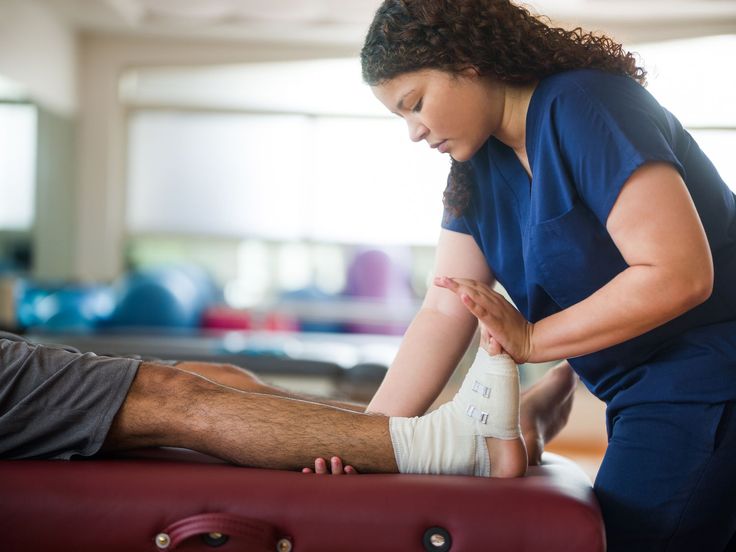
Home Physiotherapy

We understand that some conditions or injuries can make it difficult to receive rehabilitation at our clinic be it mobility or transportation issues. Our objective is to provide you with the same high-quality physiotherapy services at home that you would receive in-clinic.
Posted on

How Do I Know If I Need Physiotherapy For Sports Injuries?

Sports Injury Clinic
Sports Injuries, Synapse Physiotherapy

How Do I Know If I Need Physiotherapy For Sports Injuries?

Sports physiotherapy is a crucial component of injury prevention, management, and rehabilitation for athletes of all levels. Whether you’re recovering from an injury, healing post-surgery, or aiming to boost your performance, recognizing the signs that you may benefit from professional physiotherapy at a sports injury clinic can make all the difference. Here’s a detailed explanation of how sports physiotherapy helps and when to seek it.

Recognizing the Need for Sports Physiotherapy

  • Persistent Pain or Discomfort

Pain that doesn’t improve with rest, over-the-counter treatments, or home remedies is a clear indicator that you might need sports physiotherapy. This includes acute pain from recent injuries like sprains or strains, as well as chronic discomfort from overuse injuries such as tendinitis. Physiotherapists specialize in diagnosing and addressing the underlying causes of pain, ensuring effective relief and recovery.

  • Decreased Range of Motion or Mobility Issues

Stiffness or difficulty moving a joint fully, especially after physical activity, could indicate an injury or imbalance that needs attention. Sports physiotherapy employs techniques like manual therapy, stretching, and strengthening exercises to restore mobility and prevent further complications.

  • Acute or Sudden Injuries

Common injuries such as sprains, muscle tears, or joint dislocations often require professional care to heal properly. Immediate physiotherapy interventions, such as the RICE method (Rest, Ice, Compression, Elevation), can limit tissue damage, reduce swelling, and promote recovery. For severe cases, physiotherapists collaborate with medical professionals to ensure the best outcomes.

  • Recurrent or Chronic Injuries

If you find yourself dealing with the same injury repeatedly, it’s likely due to underlying issues such as poor biomechanics, muscular imbalances, or improper training techniques. Sports physiotherapy focuses on identifying and correcting these problems, reducing the risk of recurrence.

  • Difficulty Returning to Sport

After an injury, many athletes struggle to regain their previous performance levels. Physiotherapists design tailored rehabilitation programs that address strength, endurance, and sport-specific skills, ensuring a safe and effective return to activity.

Preventing Injuries with Sports Physiotherapy

In addition to treatment at sports injury clinics, sports physiotherapy is highly effective in injury prevention. Here’s how it works:

  • Systematic Warm-ups

A proper warm-up, incorporating dynamic stretching and light aerobic exercises, prepares the body for physical exertion. This increases blood flow to muscles, enhances joint mobility, and improves neuromuscular coordination, significantly reducing the risk of acute injuries like muscle strains or ligament sprains.

  • Targeted Strength Training

Sports physiotherapists often prescribe individualized strength programs to address muscle imbalances and enhance joint stability. These exercises prepare muscles and tendons for repetitive stress, minimizing the risk of overuse injuries.

  • Biomechanical Assessments

Poor technique or inefficient movement patterns can place undue stress on specific body parts, leading to injuries. Sports physiotherapists at a sports injury clinic, analyze an athlete’s biomechanics to correct alignment and optimize movement, thereby preventing issues like ACL injuries or shoulder impingements.

  • Pre-Participation Screenings

Physiotherapists at a sports injury clinic use assessments to identify flexibility, strength, or balance deficits that may predispose an athlete to injury. Once these risks are identified, a personalized prevention program can be developed to address vulnerabilities before they result in injuries.

Physiotherapy for Acute Sports Injuries: The Role of PEACE & LOVE

Managing acute sports injuries at a sports injury clinic effectively requires a modern, holistic approach like the PEACE & LOVE protocol, which focuses on immediate care and long-term recovery. Unlike older methods like PRICE and POLICE, this evidence-based framework emphasizes active rehabilitation, psychological support, and optimal tissue healing.

How PEACE Guides Immediate Care

  • Protect: Limit aggravating movements for 1–3 days while avoiding prolonged rest to preserve tissue strength.

  • Elevate: Raise the injured limb to reduce swelling.

  • Avoid Anti-Inflammatory Modalities: Skip ice and medications to support natural inflammation, a key part of healing.

  • Compression: Use bandages or taping to control swelling and bleeding.

  • Educate: Physiotherapists provide guidance on active recovery and realistic timelines, empowering patients to take an active role in healing.

How LOVE Supports Long-Term Recovery

  • Load: Gradual, controlled exercises rebuild tissue strength and capacity.

  • Optimism: Positive attitudes enhance recovery, supported by professional physiotherapy guidance.

  • Vascularization: Pain-free aerobic exercise improves circulation and accelerates healing.

  • Exercise: Tailored programs restore strength, mobility, and balance, reducing re-injury risk.

Physiotherapists at a sports injury clinic play a central role in implementing PEACE & LOVE, providing personalized care that combines hands-on treatment, patient education, and evidence-based exercises. This approach ensures not just short-term relief but also long-term health and performance.

Physiotherapy in addressing chronic injuries and re-injury prevention

Chronic injuries, such as tendinopathies, often result from repetitive strain or overtraining. Sports physiotherapy focuses on managing these conditions with evidence-based strategies, including:

  • Eccentric Strengthening Exercises: Effective for conditions like Achilles tendinopathy.
  • Manual Therapy: Enhances mobility and reduces pain.
  • Load Monitoring: Adjusting training intensity to avoid overtraining and prevent re-injury.

Physiotherapists at a sports injury clinic also educate athletes to recognize early signs of overuse or fatigue, such as persistent soreness or reduced performance, enabling timely interventions.

Enhancing Performance Through Sports Physiotherapy

Sports physiotherapy at a sports injury clinic not only helps with injury management but also optimizes athletic performance by improving flexibility, strength, endurance, and injury prevention. Here are key ways physiotherapy enhances performance:

Flexibility and Range of Motion

Targeted stretching and manual therapy improve flexibility and joint mobility, allowing athletes to move more freely and efficiently, reducing the risk of injury.

Strength and Stability

Personalized strength training helps build muscle strength and joint stability, correcting imbalances and improving performance while preventing injuries.

Endurance and Conditioning

Conditioning programs increase cardiovascular capacity and muscular endurance, boosting stamina for sustained performance in high-intensity sports.

Advanced Techniques for Performance

  • Myofascial Release: Reduces muscle tightness, improves mobility, and enhances blood flow.
  • Kinesiology Taping: Supports muscles and joints, reduces fatigue, and promotes recovery during activity.

Conclusion

Sports injury clinic’s physiotherapy is essential for athletes looking to recover from injuries, prevent future issues, and perform at their best. Whether you’re dealing with acute pain, chronic conditions, or aiming to optimize your performance, consulting a qualified sports physiotherapist can provide the tailored care and guidance you need.

At Synapse sports injury clinic Physiotherapy, we specialize in personalized sports physiotherapy solutions designed to meet the unique needs of every athlete. Our expert team combines cutting-edge techniques with evidence-based practices to ensure a seamless recovery and long-term health. Whether you’re managing an injury, seeking to enhance performance, or aiming to prevent future setbacks, Synapse Physiotherapy is here to help you achieve your goals. Prioritize your health and performance—reach out to Synapse Physiotherapy today to take the first step toward your peak potential.

Share This :

Back & Neck Pain

Conditions such as stiffness, postural abnormalities and muscle overuse from prolonged desk work at the office or home is more prevalent than most would think. We provide the necessary tools to fix you up and educate you on ergonomics which can unload unnecessary stress.

Sports Injuries

Rolled ankles, jarred knees, impinged shoulders are few conditions in the plethora of sports injuries which can hamper performance and limit our enjoyment of sports. Physiotherapy not only treats the symptoms of these conditions but propels your overall fitness to greater heights.

Work Desk Injuries​

Conditions such as stiffness, postural abnormalities and muscle overuse from prolonged desk work at the office or home is more prevalent than most would think. We provide the necessary tools to fix you up and educate you on ergonomics which can unload unnecessary stress.

Pre-Post-Surgical Conditions

Surgery involves going through preparation both before and after. Physiotherapists play a vital role in getting your body ready for surgeries with circulatory, breathing and strengthening exercises. After the procedure, let us be there for your recovery and rehabilitation, taking it one step at a time.

Scoliosis & Postural Abnormalities

The way we stand, sit, walk and sleep has influence over our posture and the overall balance of muscles controlling its alignment. A comprehensive screening can be done by our physiotherapists to detect abnormalities, which we will aid in correcting.

Neurological Conditions

Neurological disabilities such as stroke, nerve compression and neuropathies can be barriers for patients to live life to its fullest. We at Synapse are committed to help you overcome these hurdles by ensuring functional mobility and quality of life is at its optimum by providing the right treatment and exercises.

Osteoarthritis & Rheumatism

Joint degeneration and inflammation happens as the human body grows older, but that does not mean our way of life degenerates as well. Relief your joint pains with a joint effort together with your physiotherapist, who will provide pain-relief treatments and prescribe exercises for your wellbeing.

Conditions Relating To Elderly

Common conditions in the older age population include hips & knee pain, back & neck pain, osteoarthritis, rheumatism, fear of falling and many more.  Aging and degeneration of bodily function is inevitable, but here at Synapse, we will help you live the best of your life.
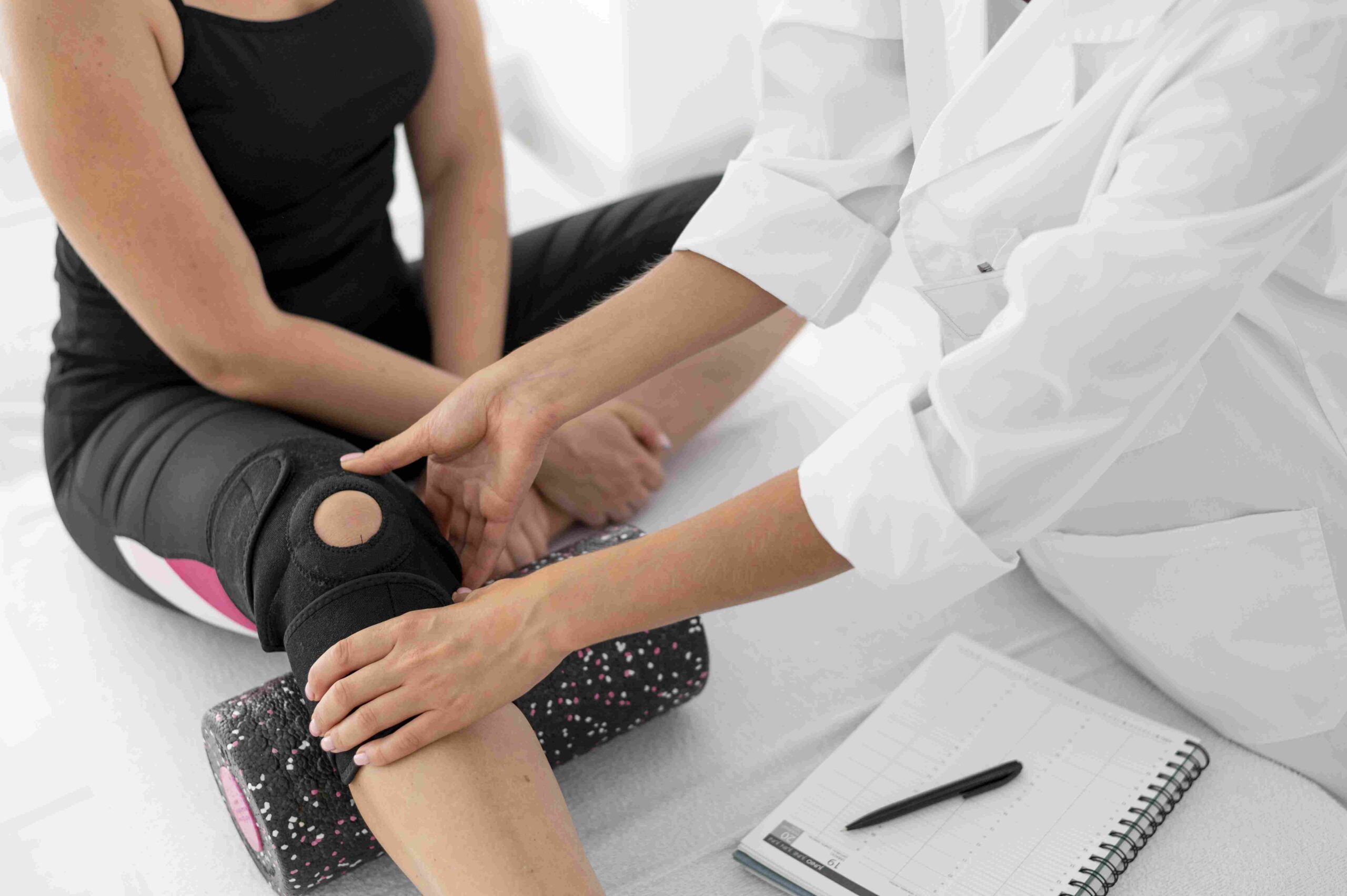
Home Physiotherapy

We understand that some conditions or injuries can make it difficult to receive rehabilitation at our clinic be it mobility or transportation issues. Our objective is to provide you with the same high-quality physiotherapy services at home that you would receive in-clinic.