Synapse Physiotherapy | Physio Center | Rehab Malaysia
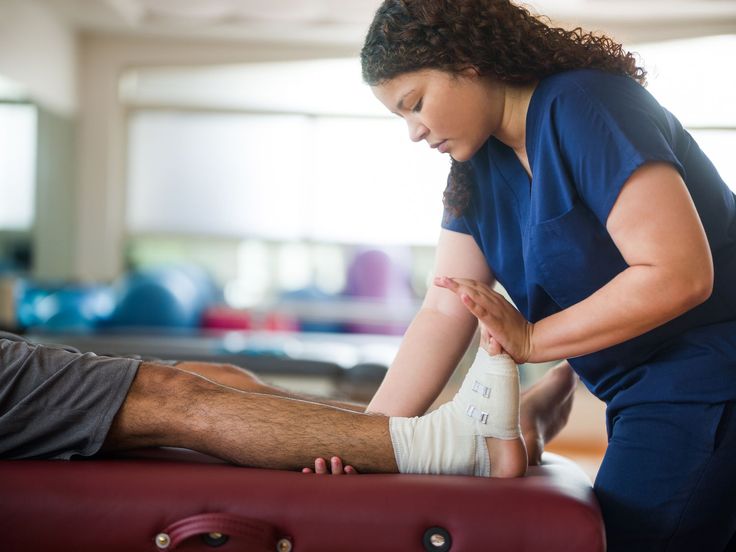
An ankle sprain is among the most frequent injuries encountered by athletes, active individuals, and recreational exercisers alike. Whether the injury occurs during a high-intensity football match, a game of badminton, or a simple misstep on uneven ground, it can significantly disrupt your training and daily life. When instability, swelling, and sharp pain occur, finding a specialised sport injury clinic is the most effective way to ensure an accurate diagnosis and a rapid return to activity.
This is where Synapse Physiotherapy makes the difference through their patient-centred recovery programmes, designed to bridge the gap between initial injury and peak performance with intentional pacing and expert care. Rather than managing symptoms in isolation, we shape each rehabilitation journey with seamless transitions and sport-specific guidance that allow you to regain full confidence in your movement. Early management at a sport injury clinic is essential to prevent prolonged pain and long-term instability.
An ankle sprain occurs when the ligaments that support the joint are overstretched or torn. While most people are familiar with lateral sprains—where the foot rolls inward and affects the outside ligaments—it is also possible to suffer from medial or high ankle sprains, especially in sports involving pivoting or contact. Professional assessment at a sport injury clinic is vital because it determines the specific grade of the injury:
Grade I: Mild stretching of the ligaments accompanied by minimal swelling.
Grade II: A partial ligament tear resulting in moderate pain and swelling.
Grade III: A complete rupture of the ligament, leading to significant instability.
By choosing a sport injury clinic within the first few days of an injury, you gain access to a professional team that understands tissue healing timelines and the specific demands of your sport. Unlike self-care alone, a dedicated clinic provides structured rehabilitation and targeted exercises. According to the British Journal of Sports Medicine (BJSM), early functional rehabilitation for ankle sprains leads to better long-term outcomes than prolonged immobilisation.
The road to recovery begins with a comprehensive evaluation. At a sport injury clinic, clinicians perform an injury mechanism analysis, visual inspections for swelling and bruising, and range of motion assessments. They also conduct ligament stability tests and gait analysis to see how the injury affects your weight-bearing ability. If red flags like a suspected fracture are present, the physiotherapist will refer you for imaging.
During the acute phase, typically the first 48 to 72 hours, the focus at a sport injury clinic is on controlling inflammation and pain. Modern protocols have moved away from complete rest, as controlled movement is now encouraged to maintain joint nutrition and prevent stiffness. Your professional team may recommend:
Swelling Management: Using compression bandaging and ice or cryotherapy to minimise inflammation.
Elevation: Strategies to reduce fluid accumulation and manage recovery time.
Protected Movement: Early, gentle, pain-free movements and potentially temporary bracing or taping.
As the initial pain subsides, a sport injury clinic shifts the focus toward restoring mobility. Restricted dorsiflexion—the ability to pull your toes toward your shin—is common after sprains and increases the risk of re-injury. Sport Physiotherapy For Ankle Pain Recovery involves specific drills such as ankle circles, towel stretches, and weight-bearing dorsiflexion drills to regain lost range of motion.
Strength deficits often persist long after the initial pain has resolved. To combat this, a sport injury clinic introduces progressive strengthening for the entire lower limb. This includes:
Resistance Band Exercises: Targeted inversion and eversion movements to support the joint.
Heel Raises: Transitioning from double-leg to single-leg exercises for functional strength.
Proximal Strengthening: Focusing on the hip and core to provide a stable base for the ankle during dynamic movements.
One of the most critical components of recovery is proprioceptive training. Ligament injuries damage the sensors that help your brain understand joint position, which significantly increases the risk of recurrent sprains. A sport injury clinic uses balance boards, foam pads, and dynamic reaching tasks to retrain the neuromuscular system and improve stability.
Before you return to competition, sports injury clinic will implement functional and agility training. This phase is tailored to your specific sport, ensuring your ankle can tolerate high-intensity demands. This might involve cutting and pivoting drills for football or basketball, or acceleration and deceleration training for runners. Using objective criteria—such as comparable strength to the uninjured side—the clinic ensures you do not return to sport too early. As noted by Healthline, the benefits of physical therapy include improving balance to prevent future falls and injuries.
The role of a sport injury clinic extends far beyond the initial healing period; it is also about long-term prevention. Even after you have returned to your sport, maintaining ankle health requires ongoing effort. Prevention strategies often include:
Ongoing Balance Training: Keeping the neuromuscular system sharp to avoid missteps.
Strength Maintenance: Ensuring the supporting muscles remain robust.
Expert Advice: Guidance on proper footwear and the use of taping or bracing during high-risk activities.
By empowering patients through education, a sport injury clinic helps individuals take an active role in their own joint health. Recovery varies: mild sprains take 1–2 weeks, moderate sprains 3–6 weeks, and severe sprains 8–12 weeks or more. Consistent rehabilitation under professional guidance significantly shortens the recovery timeline.
A sports injury clinic can provide an accurate grading of your injury. Signs of a serious (Grade III) sprain include significant swelling, instability, and a potential ligament rupture.
No, complete rest is no longer recommended. A sports injury clinic will typically encourage controlled, pain-free movement early on to maintain joint nutrition and prevent stiffness.
This is often due to a loss of joint position sense (proprioception) caused by the ligament injury. A sports injury clinic uses balance and coordination exercises to retrain the neuromuscular system.
Recovery varies by severity: mild sprains take 1–2 weeks, while moderate sprains take 3–6 weeks. Severe sprains can take 8–12 weeks or longer.
Yes, prevention is a key role of the clinic. They provide maintenance exercises, footwear advice, and taping techniques to reduce the risk of recurrent injuries.
A sprained ankle may seem like a minor setback, but without structured care, it can lead to long-term instability and repeated injuries. Seeking treatment at a specialised sport injury clinic ensures an evidence-based approach that addresses everything from initial swelling to high-level agility. By working with the professional team at Synapse Physiotherapy, you can access a personalised rehabilitation plan that prioritises your long-term joint health. If you are ready to return to your favourite activities with strength and confidence, the smartest first step is to Book a consultation to begin your journey toward a fast and safe recovery.
Tags :



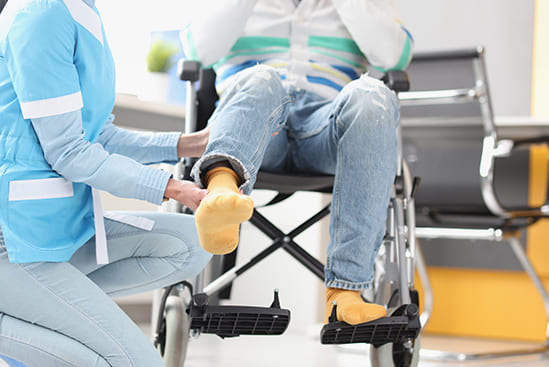



Joint degeneration and inflammation happens as the human body grows older, but that does not mean our way of life degenerates as well. Relief your joint pains with a joint effort together with your physiotherapist, who will provide pain-relief treatments and prescribe exercises for your wellbeing.

Common conditions in the older age population include hips & knee pain, back & neck pain, osteoarthritis, rheumatism, fear of falling and many more. Aging and degeneration of bodily function is inevitable, but here at Synapse, we will help you live the best of your life.