Synapse Physiotherapy | Physio Center | Rehab Malaysia

Sprains are among the most common physical setbacks experienced by athletes, active individuals, and even those performing routine daily tasks. Whether it is a sudden ankle twist from a misstep, a knee injury sustained during sports, or a wrist sprain following a fall, these injuries are frequently underestimated. Many people assume that a bit of rest will suffice, but untreated or poorly managed ligament damage can lead to chronic pain, long-term instability, and repeated injuries. This is where Synapse Physiotherapy makes the difference through our specialised rehabilitation programmes, designed to provide a comprehensive recovery that focuses on restoring strength, mobility, and function safely. By visiting a dedicated sports injury clinic, you ensure that your injury is not just masked by temporary measures, but truly healed through expert clinical intervention.
To appreciate the importance of professional care, one must first understand what a sprain actually entails. A sprain occurs when a ligament—the strong connective tissue that stabilises your joints—is overstretched or torn. These injuries are not all the same and are typically categorised into three distinct grades to determine the necessary level of care:
Commonly affected areas include the ankles, knees, wrists, shoulders, and thumbs. Without proper assessment at a sports injury clinic, even a mild Grade 1 sprain can worsen without proper care.
A common mistake is relying solely on rest, ice, or painkillers when a sprain is sustained. While these measures are helpful for immediate symptom relief, they do not address underlying structural issues such as muscle weakness, joint instability, or poor movement patterns. Ignoring a sprain or returning to activity too soon can result in a cycle of recurrent injuries.
When you skip a visit to a sports injury clinic, you risk developing chronic joint pain and reduced sports performance. Over time, the lack of stability in the joint can lead to early joint degeneration, which may limit your mobility later in life. Professional intervention ensures the ligament heals correctly, significantly reducing the risk of future injuries.
Choosing to seek help from a sports injury clinic offers several advantages that go beyond simple first aid. Our professional team at Synapse Physiotherapy utilises evidence-based practices to ensure your journey from injury to peak performance is seamless and safe.
At a sports injury clinic, trained physiotherapists perform a detailed physical examination to identify the exact severity of the damage. This involves evaluating joint stability, measuring the range of motion, and testing muscle strength. This level of detail is vital because early and accurate diagnosis allows for a targeted treatment plan, which ultimately leads to a faster recovery.
No two bodies react to an injury in the exact same way. A sports injury clinic creates individualised programmes based on your specific injury grade, your activity level, and your long-term goals. This personalised approach ensures that the injured ligament is not overloaded too soon, which is the most common cause of re-injury.
A sports injury clinic utilises a variety of specialised treatments to promote tissue healing and reduce inflammation. These may include:
One of the primary goals of a sports injury clinic is to ensure that once you recover, you stay recovered. The biggest risk factor for a sprain is having had a previous one. To combat this, physiotherapists focus heavily on proprioception—your body’s ability to sense its position in space—and balance training. These elements are often overlooked in general fitness routines but are critical for preventing repeated sprains and long-term instability.
Furthermore, if you are a runner, footballer, or gym enthusiast, a sports injury clinic will provide sports-specific functional training. This prepares your body for the high-demand movements required in your specific sport, ensuring you have the confidence to return to the field or the court without fear of another setback.
It is important to know when a sprain requires more than just home care. You should Book a consultation at a sports injury clinic if you experience:
Early intervention at a sports injury clinic almost always leads to better clinical outcomes and a shorter overall recovery time.
Yes. Even mild sprains can result in residual weakness or poor joint control. A sports injury clinic provides the necessary guidance to ensure proper healing and prevent the injury from becoming a recurring issue.
Recovery timelines vary based on severity. Mild sprains typically recover within 2 to 4 weeks, whereas moderate to severe cases may require 6 to 12 weeks of structured rehabilitation at a sports injury clinic.
This depends entirely on the severity of the injury. A physiotherapist at a sports injury clinic will guide you on safe activity levels and provide modifications to prevent further damage.
Neglecting a sprain can lead to chronic pain, permanent joint instability, and a significant reduction in your athletic performance. It may also increase the likelihood of repeated injuries.
Not always. A thorough clinical assessment at a sports injury clinic often provides enough information. Imaging is generally recommended only if fractures or severe ligament damage are suspected.
Sprains may initially seem like minor inconveniences, but without the right management, they can evolve into long-term physical problems. Visiting a sports injury clinic ensures that you receive an accurate diagnosis, a structured recovery plan, and the professional support needed to return to your peak physical condition. At Synapse Physiotherapy, our professional team is dedicated to helping you recover stronger and with more confidence. We go beyond simple pain relief, focusing on the stability and function required for you to live an active, pain-free life.
If you are struggling with a new injury or a nagging, recurrent joint issue, do not wait for it to worsen. Contact us today to learn more about our specialised treatments and Massage Service for Sprain Injury. Take the first step towards a full recovery and Book a consultation with our experts at Synapse Physiotherapy.
Tags :



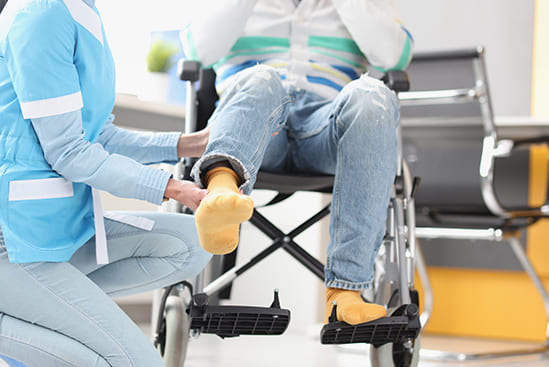


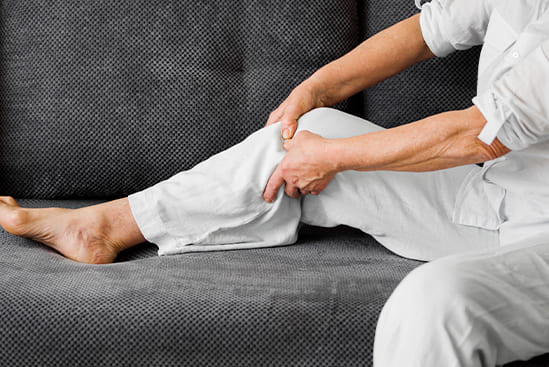
Joint degeneration and inflammation happens as the human body grows older, but that does not mean our way of life degenerates as well. Relief your joint pains with a joint effort together with your physiotherapist, who will provide pain-relief treatments and prescribe exercises for your wellbeing.

Common conditions in the older age population include hips & knee pain, back & neck pain, osteoarthritis, rheumatism, fear of falling and many more. Aging and degeneration of bodily function is inevitable, but here at Synapse, we will help you live the best of your life.