Posted on

5 Reasons to Try Physiotherapy in Petaling Jaya Today

physiotherapy petaling jaya
Synapse Physiotherapy

Introduction

If you’re struggling with pain, mobility issues, or recovering from an injury, there’s no better time to explore physiotherapy in Petaling Jaya. This bustling suburb of Kuala Lumpur is not only known for its lively neighbourhoods and convenient amenities but also for its growing reputation in health and wellness services. Among these, physiotherapy stands out as a holistic and effective approach to managing pain and improving physical function.


Physiotherapy Petaling Jaya clinics offer more than just temporary relief. With skilled practitioners, personalised care plans, and state-of-the-art equipment, physiotherapy here caters to a wide range of needs—from post-surgical recovery to chronic back pain and sports injuries. Whether you’re a professional athlete, a desk-bound worker, or a retiree looking to maintain mobility, the physiotherapy services in PJ are tailored to suit every lifestyle.


As the demand for non-invasive, drug-free treatments grows, physiotherapy is increasingly recognised as a first-line treatment for musculoskeletal issues. Here are five compelling reasons why you should consider trying physiotherapy in Petaling Jaya today.

1. Expert Care Close to Home

One of the greatest advantages of choosing physiotherapy in Petaling Jaya is the accessibility of high-quality care. The area is home to several reputable physiotherapy centres staffed by experienced and certified physiotherapists. These professionals are trained to assess, diagnose, and treat a variety of physical conditions, from simple sprains to complex neurological disorders.

Specialised Services for Every Need

Many clinics in PJ also specialise in different treatment areas such as sports rehabilitation, orthopaedic physiotherapy, and women’s health. This means you’re more likely to find a therapist who truly understands your condition and can provide targeted treatment to help you recover faster.

Moreover, being located in a central urban area like Petaling Jaya means less time spent commuting and more time focused on healing. You can easily schedule sessions around your work or personal commitments, making it easier to stay consistent with your treatment plan.

2. Personalised Treatment Plans

No two bodies are the same, and the best physiotherapists in Petaling Jaya know that. One of the core principles of physiotherapy is providing personalised treatment that’s tailored to your unique condition, goals, and lifestyle. When you walk into a physiotherapy Petaling Jaya clinic, you won’t get a one-size-fits-all routine. Instead, your therapist will take the time to understand your medical history, lifestyle, and physical limitations.

Targeted and Effective Care

From there, they’ll develop a treatment plan that may include manual therapy, corrective exercises, postural training, electrotherapy, or even ergonomic advice. This personalised approach ensures that the root cause of your issue is addressed, rather than just masking the symptoms.

Such customisation not only improves the effectiveness of your treatment but also empowers you with the knowledge and tools to manage your condition long after your sessions end. If you’re dealing with back pain, for instance, your plan might include spine and core rehabilitation, especially effective for those exploring physiotherapy for slip disc recovery.

3. Effective Pain Management Without Medication

Chronic pain affects millions, and many resort to painkillers for relief. However, prolonged use of medication can lead to unwanted side effects and dependency issues. Physiotherapy offers a safer, long-term solution for managing pain without relying on drugs.

Holistic, Evidence-Based Approaches

In Petaling Jaya, physiotherapists use a variety of evidence-based techniques to reduce pain and inflammation. These can include soft tissue mobilisation, dry needling, therapeutic ultrasound, and exercise therapy. The goal is not just to alleviate pain temporarily but to improve the underlying strength, flexibility, and joint function that may be contributing to the discomfort.

Whether you’re dealing with neck pain from working long hours at a desk or recovering from surgery, physiotherapy can help restore your mobility and reduce pain naturally and effectively. It’s especially valuable for those seeking physiotherapy for slip disc, where long-term improvement is key to avoiding recurrence.

4. Support for Injury Recovery and Prevention

Whether you’re recovering from an ACL tear, a slipped disc, or a shoulder strain, physiotherapy plays a critical role in rehabilitation. Petaling Jaya’s physiotherapy clinics are well-equipped with advanced rehabilitation tools and highly trained staff who can guide you safely through the healing process.

Long-Term Health Benefits

Physiotherapists don’t just help you recover—they also help you prevent future injuries. By identifying movement patterns or muscular imbalances that put you at risk, they can design exercises that strengthen weak areas, improve coordination, and enhance your overall biomechanics.

This is especially beneficial for athletes and active individuals. Many sports teams and fitness enthusiasts in PJ regularly see physiotherapists for maintenance programs that optimise performance and reduce the risk of injury. Furthermore, incorporating strength and conditioning into your routine can enhance these benefits over time.

5. Improved Quality of Life

Physiotherapy isn’t just for people in pain—it’s for anyone who wants to move better, feel stronger, and live a more active life. Regular physiotherapy sessions can help older adults maintain balance and flexibility, office workers counteract the effects of a sedentary lifestyle, and individuals with chronic conditions like arthritis manage their symptoms.

A Holistic Wellness Approach

In Petaling Jaya, the emphasis is often on holistic care. Physiotherapists work not only on your physical health but also educate you on lifestyle changes, posture improvements, stress reduction, and wellness strategies that enhance your overall quality of life.

When your body moves well, everything else follows. You sleep better, feel more energetic, and are more capable of doing the things you love—whether that’s hiking, playing with your kids, or simply walking without pain. This is especially true for those using physiotherapy for slip disc recovery—improved mobility translates directly to improved daily comfort.

Frequently Asked Questions (FAQs)

1. What conditions can be treated with physiotherapy in Petaling Jaya?

Physiotherapy in PJ treats a wide range of conditions, including back pain, sports injuries, arthritis, post-surgical recovery, and neurological disorders. It is also highly effective for managing slip disc issues.

2. Is physiotherapy for slip disc effective?

Yes, physiotherapy for slip disc is one of the most effective non-surgical treatments. It focuses on pain relief, improving mobility, and strengthening the spine to prevent recurrence.

3. How many sessions of physiotherapy are usually needed?

The number of sessions varies depending on your condition and goals. Most clinics in Petaling Jaya offer personalised plans to ensure optimal recovery, especially for chronic issues like a slip disc.

4. Are home physiotherapy visits available in Petaling Jaya?

Yes, many clinics offer home physiotherapy visits for patients who prefer or need treatment in the comfort of their home.

5. Can physiotherapy help prevent future injuries?

Absolutely. Physiotherapy not only aids in recovery but also helps in preventing injuries by correcting posture, improving strength, and addressing muscular imbalances.

Conclusion

Choosing physiotherapy in Petaling Jaya isn’t just a step toward healing—it’s an investment in your long-term well-being. With expert practitioners, personalised care, and a holistic approach, physiotherapy can help you manage pain, prevent injury, and live a healthier, more active life.

Whether you’re facing physical limitations or simply want to enhance your movement and strength, there’s no better time than now to take that first step. Physiotherapy Petaling Jaya has something to offer everyone, so why not explore its benefits for yourself today?


To learn more about how physiotherapy can help with conditions like slip disc, visit our conditions page or check out our full list of rehabilitation programmes.

Share This :

Back & Neck Pain

Conditions such as stiffness, postural abnormalities and muscle overuse from prolonged desk work at the office or home is more prevalent than most would think. We provide the necessary tools to fix you up and educate you on ergonomics which can unload unnecessary stress.

Sports Injuries

Rolled ankles, jarred knees, impinged shoulders are few conditions in the plethora of sports injuries which can hamper performance and limit our enjoyment of sports. Physiotherapy not only treats the symptoms of these conditions but propels your overall fitness to greater heights.

Work Desk Injuries​

Conditions such as stiffness, postural abnormalities and muscle overuse from prolonged desk work at the office or home is more prevalent than most would think. We provide the necessary tools to fix you up and educate you on ergonomics which can unload unnecessary stress.

Pre-Post-Surgical Conditions

Surgery involves going through preparation both before and after. Physiotherapists play a vital role in getting your body ready for surgeries with circulatory, breathing and strengthening exercises. After the procedure, let us be there for your recovery and rehabilitation, taking it one step at a time.

Scoliosis & Postural Abnormalities

The way we stand, sit, walk and sleep has influence over our posture and the overall balance of muscles controlling its alignment. A comprehensive screening can be done by our physiotherapists to detect abnormalities, which we will aid in correcting.

Neurological Conditions

Neurological disabilities such as stroke, nerve compression and neuropathies can be barriers for patients to live life to its fullest. We at Synapse are committed to help you overcome these hurdles by ensuring functional mobility and quality of life is at its optimum by providing the right treatment and exercises.

Osteoarthritis & Rheumatism

Joint degeneration and inflammation happens as the human body grows older, but that does not mean our way of life degenerates as well. Relief your joint pains with a joint effort together with your physiotherapist, who will provide pain-relief treatments and prescribe exercises for your wellbeing.

Conditions Relating To Elderly

Common conditions in the older age population include hips & knee pain, back & neck pain, osteoarthritis, rheumatism, fear of falling and many more.  Aging and degeneration of bodily function is inevitable, but here at Synapse, we will help you live the best of your life.
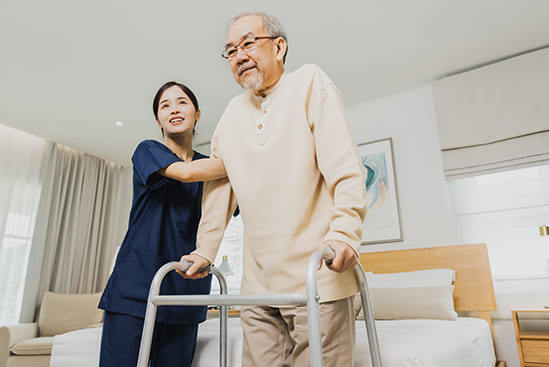
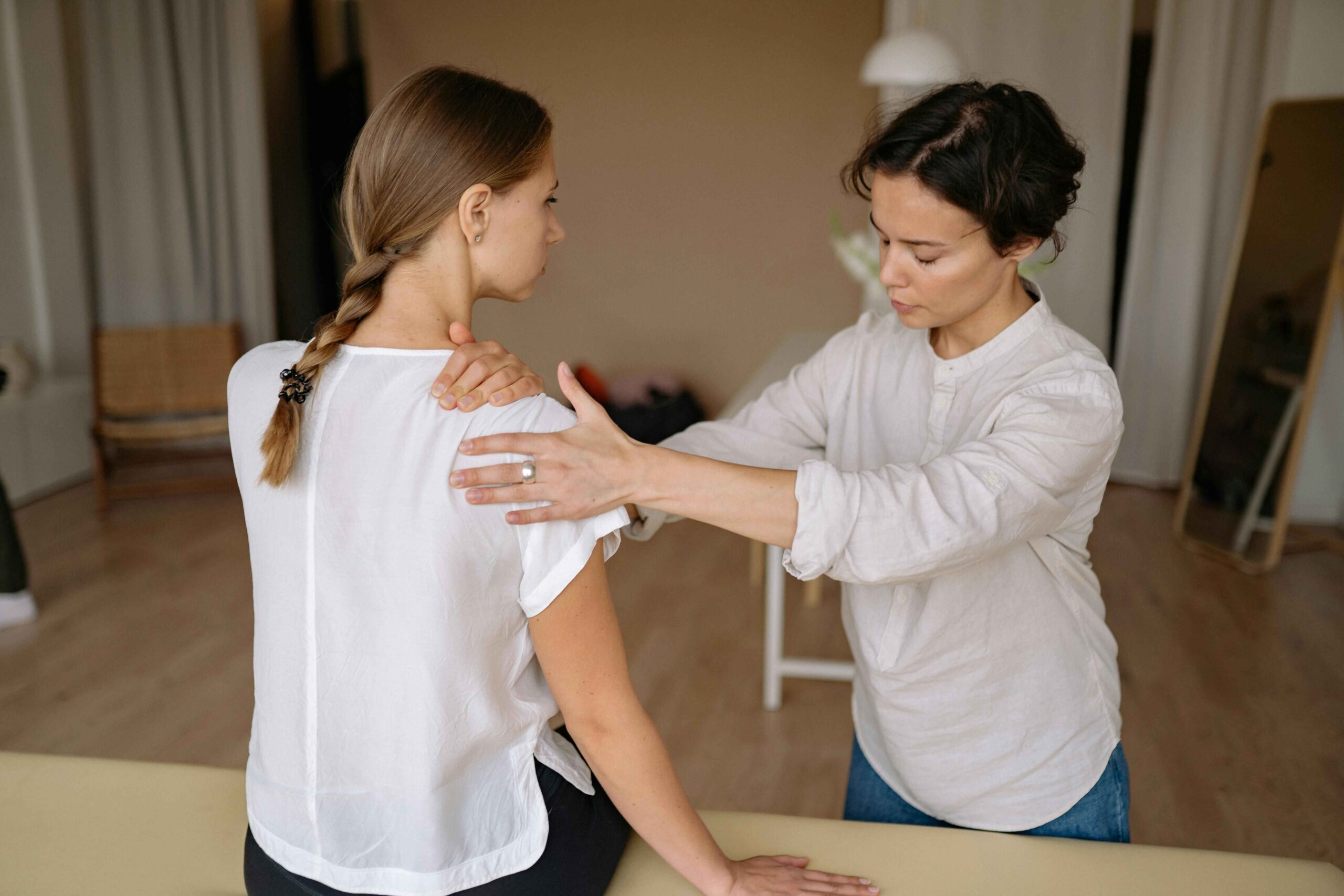
Home Physiotherapy

We understand that some conditions or injuries can make it difficult to receive rehabilitation at our clinic be it mobility or transportation issues. Our objective is to provide you with the same high-quality physiotherapy services at home that you would receive in-clinic.
Posted on

Benefits of Manual Therapy in Treating Back Pain Synapse PJ

physiotherapy petaling jaya
Back & Neck Pain, Synapse Physiotherapy, Work Desk Injuries​

Benefits of Manual Therapy in Treating Back Pain Synapse PJ

Back pain affects millions of people worldwide, making it one of the most common health complaints. While medications and surgeries are options, many are turning to non-invasive approaches like manual therapy for effective relief. For those experiencing back pain, it’s crucial to seek treatment immediately to prevent the condition from worsening. If you’re searching for local solutions, you might look for options like ‘physiotherapy PJ’ or nearby clinics offering specialized manual therapy services. This article explores the benefits of manual therapy in treating back pain, why it works, and how it can help you regain mobility and comfort.


What is manual therapy? 

Manual therapy at  physiotherapy Petaling Jaya has been the cornerstone of physical therapy for many years, evolving into a specialized approach to treat neuro-musculoskeletal conditions. It combines hands-on techniques, therapeutic exercises, and patient education to address pain, improve function, and promote overall wellness. Modern research highlights that manual therapy works through both physical and neurophysiological mechanisms, offering not just physical relief but also psychological benefits. This approach is guided by clinical reasoning, scientific evidence, and a personalized framework tailored to each patient at  physiotherapy Petaling Jaya .

Techniques and benefits 


  1. Joint mobilisation 

Joint mobilisation is a manual therapy at  physiotherapy Petaling Jaya technique used by physiotherapists to treat musculoskeletal dysfunction by improving restricted joint motion. It can address limitations in joints, connective tissues, or muscles, reducing the source of pain and providing relief. Gentle mobilizations are typically used to alleviate pain, while deeper, more forceful techniques help decrease joint stiffness and restore mobility.


  • Increasing Range of Motion

Joint mobilization helps improve the range of motion by gently stretching the fibrous tissue around the joint. This stretching causes a phenomenon called “creep,” where tissues temporarily change shape under constant pressure, allowing for increased mobility. Although the deformation is not permanent, the short-term effects can significantly enhance joint flexibility and function at  physiotherapy Petaling Jaya.


  • Reducing Stiffness

For individuals with stiff joints that limit normal movement, mobilization techniques are used to target specific areas of restricted motion. Physiotherapists at  physiotherapy Petaling Jaya  assess the joint’s movement, identify the restricted range, and apply accessory mobilizations to address stiffness. Techniques such as staccato movements help maximize joint motion before neighboring joints engage, ensuring precise treatment. Adjusting the speed and intensity of mobilization based on the patient’s symptoms further enhances its effectiveness.


  • Alleviating Pain

In cases of severe pain limiting movement, joint mobilization offers symptom relief by positioning the joint in a comfortable, pain-free state. Oscillatory mobilization techniques are performed smoothly and evenly, ensuring minimal discomfort. By reducing pain, patients can regain mobility and participate in rehabilitative exercises more effectively.


  • Soft Tissue Mobilization for Low Back Pain (LBP)

Soft tissue mobilization (STM) is widely used by clinicians to manage low back pain, leveraging various techniques to achieve pain relief and functional improvement. Let’s explore common STM methods, their evidence base, and when they are most effectively applied.

STM Techniques for Treating LBP

Soft tissue mobilization encompasses a range of methods, each targeting specific outcomes. Here are two widely used techniques for addressing low back pain:

  • Deep Tissue Massage

    • This technique uses firm pressure to target deeper layers of muscles, tendons, or ligaments.
    • Often applied to address chronic pain, friction massages—a type of deep tissue massage—are particularly effective for conditions involving tendinous or ligamentous structures.
    • Advocates suggest it helps release muscle tension, improve blood flow, and alleviate pain associated with low back issues, though its application may vary depending on the individual’s condition.

  • Effleurage

      • Effleurage involves long, smooth, and gentle strokes aimed at relaxing muscles and promoting overall circulation.
      • This technique is commonly recognized as a “relaxing” massage and is often used for patients seeking relief from mild discomfort or stress-related tension in the lower back.

  • Reducing Pain

STM helps alleviate low back pain by targeting tight and inflamed soft tissues. It stimulates the release of natural pain-relieving chemicals in the body and activates pain-inhibitory pathways in the spinal cord and midbrain. This reduces pain signals, providing relief from both acute and chronic LBP.


  • Increasing Range of Motion

Restricted movement in the lower back is a common issue with LBP. STM stretches fibrous tissues and reduces stiffness in muscles and fascia, helping restore flexibility. Patients can perform daily activities more comfortably by improving mobility in the lumbar region.


  • Reducing Swelling

Swelling in the lower back due to injury or inflammation can exacerbate pain and stiffness. STM promotes the natural drainage of excess fluids through the lymphatic system, reducing swelling and enhancing tissue recovery.


  • Decreasing Muscle Adhesions

Muscle adhesions, or “knots,” in the lower back can limit movement and cause discomfort. STM breaks down these adhesions, allowing muscles to move freely and reducing the tension that contributes to LBP.


  • Speeding Recovery

Recovery from lower back injuries can be prolonged due to limited blood flow to the area. STM boosts circulation, delivering oxygen and nutrients to damaged tissues, which accelerates healing and reduces downtime.


Comparing Manual Therapy to Other Treatments

Manual therapy at  physiotherapy Petaling Jaya  offers a non-invasive alternative to medications, surgeries, and other treatment modalities for managing musculoskeletal pain, including back pain. Unlike medications, which may come with side effects such as drowsiness or dependency, manual therapy focuses on addressing the root cause of pain through hands-on techniques. While surgery can be effective, it involves higher risks, longer recovery times, and significant costs. Other therapies, like passive modalities or general exercise, may not provide the targeted benefits of manual therapy’s personalized approach. Many patients prefer manual therapy at  physiotherapy Petaling Jaya  for its holistic nature, minimal side effects, and ability to provide immediate relief while improving overall function.

Who Can Benefit from Manual Therapy for Low Back Pain?

Manual therapy at  physiotherapy Petaling Jaya  is a versatile treatment for individuals with low back pain, whether acute, chronic, or caused by injury or poor posture. For acute back pain, manual therapy provides relief by reducing muscle spasms and improving joint mobility. Chronic low back pain sufferers benefit from its ability to address stiffness, release muscle adhesions, and improve range of motion, helping to manage long-term discomfort. Those recovering from injuries like sprains or strains find manual therapy effective in accelerating healing, reducing scar tissue, and restoring function. Even individuals with postural imbalances due to prolonged sitting or poor ergonomics can regain alignment and reduce back strain through manual therapy, making it a comprehensive solution for all forms of low back pain.

Conclusion

Manual therapy at  physiotherapy Petaling Jaya offers a targeted, non-invasive approach to alleviating low back pain, improving mobility, and enhancing quality of life. Whether you’re dealing with pain from an injury, posture-related issues, or chronic discomfort, this therapy can address the root causes and help you recover effectively. If you’re ready to take the first step toward a pain-free life, consult Synapse at  physiotherapy Petaling Jaya. Our skilled physiotherapists specialize in manual therapy and tailored care, providing the treatment you need to restore function and regain comfort effectively. Contact us today to start your journey to recovery!

Share This :

Back & Neck Pain

Conditions such as stiffness, postural abnormalities and muscle overuse from prolonged desk work at the office or home is more prevalent than most would think. We provide the necessary tools to fix you up and educate you on ergonomics which can unload unnecessary stress.

Sports Injuries

Rolled ankles, jarred knees, impinged shoulders are few conditions in the plethora of sports injuries which can hamper performance and limit our enjoyment of sports. Physiotherapy not only treats the symptoms of these conditions but propels your overall fitness to greater heights.

Work Desk Injuries​

Conditions such as stiffness, postural abnormalities and muscle overuse from prolonged desk work at the office or home is more prevalent than most would think. We provide the necessary tools to fix you up and educate you on ergonomics which can unload unnecessary stress.

Pre-Post-Surgical Conditions

Surgery involves going through preparation both before and after. Physiotherapists play a vital role in getting your body ready for surgeries with circulatory, breathing and strengthening exercises. After the procedure, let us be there for your recovery and rehabilitation, taking it one step at a time.

Scoliosis & Postural Abnormalities

The way we stand, sit, walk and sleep has influence over our posture and the overall balance of muscles controlling its alignment. A comprehensive screening can be done by our physiotherapists to detect abnormalities, which we will aid in correcting.

Neurological Conditions

Neurological disabilities such as stroke, nerve compression and neuropathies can be barriers for patients to live life to its fullest. We at Synapse are committed to help you overcome these hurdles by ensuring functional mobility and quality of life is at its optimum by providing the right treatment and exercises.

Osteoarthritis & Rheumatism

Joint degeneration and inflammation happens as the human body grows older, but that does not mean our way of life degenerates as well. Relief your joint pains with a joint effort together with your physiotherapist, who will provide pain-relief treatments and prescribe exercises for your wellbeing.

Conditions Relating To Elderly

Common conditions in the older age population include hips & knee pain, back & neck pain, osteoarthritis, rheumatism, fear of falling and many more.  Aging and degeneration of bodily function is inevitable, but here at Synapse, we will help you live the best of your life.

Home Physiotherapy

We understand that some conditions or injuries can make it difficult to receive rehabilitation at our clinic be it mobility or transportation issues. Our objective is to provide you with the same high-quality physiotherapy services at home that you would receive in-clinic.
Posted on

How Many Times Per Week Should You Have Physiotherapy?

physiotherapy petaling jaya
Home Physiotherapy, Synapse Physiotherapy

How Many Times Per Week Should You Have Physiotherapy?


If you’ve experienced an illness or injury affecting your movement or ability to perform daily activities, your doctor might have recommended seeing a physiotherapist. Physiotherapists, also known as physical therapists, specialize in helping patients improve pain management, balance, mobility, and motor function. If you’re facing such challenges, you can look up local services, such as searching for “physiotherapy Petaling Jaya,” to find treatment near you.

Have you ever wondered how often you should attend physiotherapy Petaling Jaya sessions? The ideal frequency depends on various factors, including your specific condition, the severity of the issue, and the treatment plan designed by your physiotherapist. Since physiotherapy is personalized, there’s no universal answer.

Factors That Affect the Frequency of Physiotherapy Sessions

Nature and Severity of the Condition

The type and seriousness of your condition significantly influence how often you need physiotherapy Petaling Jaya. Acute injuries or post-surgical rehabilitation often require more frequent sessions, typically two to three times a week, to address immediate concerns, manage pain, and monitor progress. Chronic conditions or long-term issues may start with a similar frequency but gradually reduce as the patient gains independence through a home exercise program or other self-management strategies.

Phase of Rehabilitation

The rehabilitation process can be divided into different phases, each requiring varying levels of physiotherapy involvement. In the initial phase, frequent sessions (e.g., twice a week) are needed to focus on pain management and early recovery. During the intermediate phase, sessions may reduce to once a week or fortnightly as the emphasis shifts to strengthening and improving mobility. In the maintenance phase, occasional sessions may be sufficient for monitoring progress and preventing relapses.

Response to Treatment

Your progress and how you respond to physiotherapy will also dictate the frequency of sessions. If you are recovering well and achieving milestones, your physiotherapist may reduce the number of visits. Conversely, if symptoms persist or worsen, more frequent sessions may be required to reassess and adjust the treatment plan.

Adherence to Home Exercise Program

Following a prescribed physiotherapy Petaling Jaya home exercise program can greatly influence the need for in-person sessions. Patients who diligently perform their exercises often require fewer sessions as they gain the tools to manage their rehabilitation independently. However, those who struggle with consistency might need more regular visits for guidance and motivation.

Pain Levels and Symptom Management

Severe or persistent pain may necessitate more frequent physiotherapy sessions to provide immediate relief and address underlying issues. As symptoms improve, the frequency of visits typically decreases.

Functional Goals and Lifestyle Demands

Your goals and lifestyle play an essential role in determining how often you see a physiotherapist. For instance, if you aim to return to sports or physically demanding activities, you may require more frequent sessions tailored to these objectives. Athletes preparing for competitions or events may benefit from weekly treatments, such as massage or dry needling, to optimize muscle function.

Practical Considerations

Practical factors, such as your schedule, availability, and financial resources, can influence session frequency. Physiotherapists at physiotherapy Petaling Jaya  will consider these constraints and work with you to develop a feasible plan while ensuring effective treatment.

Long-Term Management and Preventative Care

In cases where physiotherapy at physiotherapy Petaling Jaya is part of a long-term management or preventative strategy, session frequency tends to be lower. Periodic check-ins, such as monthly visits, are often sufficient to maintain progress and address new concerns. Preventative care helps minimize the risk of future injuries and supports overall physical well-being.

Communication with Your Physiotherapist

Effective communication with your physiotherapist at physiotherapy Petaling Jaya is crucial in determining the appropriate frequency of sessions. Sharing updates on your condition, progress, or any concerns ensures that your treatment plan remains aligned with your evolving needs and goals. Regular adjustments based on this feedback help maximize the effectiveness of physiotherapy and promote optimal recovery.

How Often Should You Do Physiotherapy Exercises at Home?

As part of your physiotherapy plan from Synapse physiotherapy Petaling Jaya, you’ll likely be assigned exercises to complete at home between sessions to support your recovery. The frequency of these exercises depends on the specific condition and treatment goals, but here are some general guidelines:

  • Low-load, low-intensity exercises: These can usually be performed daily, and in some cases, even twice a day.
  • High-load, high-intensity exercises: These should be done less frequently, typically 2–3 times per week. While they are crucial for recovery, performing them too often or incorrectly can hinder progress.

If you’re uncertain about the intensity or frequency of any exercise, consult your physiotherapist at Synapse physiotherapy Petaling Jaya for guidance. They can provide tailored advice to ensure you’re performing exercises safely and effectively.

What Does A Good Physiotherapy Schedule Look Like?

A balanced schedule combines physiotherapy appointments, at-home exercises, and rest days to optimize recovery. If you attend physiotherapy 2–3 times a week, plan your home exercises on non-appointment days, leaving room for at least one rest day each week.

In conclusion, the frequency of physiotherapy exercises ultimately depends on your individual needs and condition. However, it is essential to consult with your physiotherapist to create a tailored plan that aligns with your rehabilitation goals. Commitment and adherence to this plan are crucial to achieving effective results. Start your rehabilitation journey with the experienced physiotherapists at Synapse physiotherapy Petaling Jaya to ensure you’re on the right path to recovery.

Share This :

Back & Neck Pain

Conditions such as stiffness, postural abnormalities and muscle overuse from prolonged desk work at the office or home is more prevalent than most would think. We provide the necessary tools to fix you up and educate you on ergonomics which can unload unnecessary stress.

Sports Injuries

Rolled ankles, jarred knees, impinged shoulders are few conditions in the plethora of sports injuries which can hamper performance and limit our enjoyment of sports. Physiotherapy not only treats the symptoms of these conditions but propels your overall fitness to greater heights.

Work Desk Injuries​

Conditions such as stiffness, postural abnormalities and muscle overuse from prolonged desk work at the office or home is more prevalent than most would think. We provide the necessary tools to fix you up and educate you on ergonomics which can unload unnecessary stress.

Pre-Post-Surgical Conditions

Surgery involves going through preparation both before and after. Physiotherapists play a vital role in getting your body ready for surgeries with circulatory, breathing and strengthening exercises. After the procedure, let us be there for your recovery and rehabilitation, taking it one step at a time.

Scoliosis & Postural Abnormalities

The way we stand, sit, walk and sleep has influence over our posture and the overall balance of muscles controlling its alignment. A comprehensive screening can be done by our physiotherapists to detect abnormalities, which we will aid in correcting.

Neurological Conditions

Neurological disabilities such as stroke, nerve compression and neuropathies can be barriers for patients to live life to its fullest. We at Synapse are committed to help you overcome these hurdles by ensuring functional mobility and quality of life is at its optimum by providing the right treatment and exercises.

Osteoarthritis & Rheumatism

Joint degeneration and inflammation happens as the human body grows older, but that does not mean our way of life degenerates as well. Relief your joint pains with a joint effort together with your physiotherapist, who will provide pain-relief treatments and prescribe exercises for your wellbeing.

Conditions Relating To Elderly

Common conditions in the older age population include hips & knee pain, back & neck pain, osteoarthritis, rheumatism, fear of falling and many more.  Aging and degeneration of bodily function is inevitable, but here at Synapse, we will help you live the best of your life.
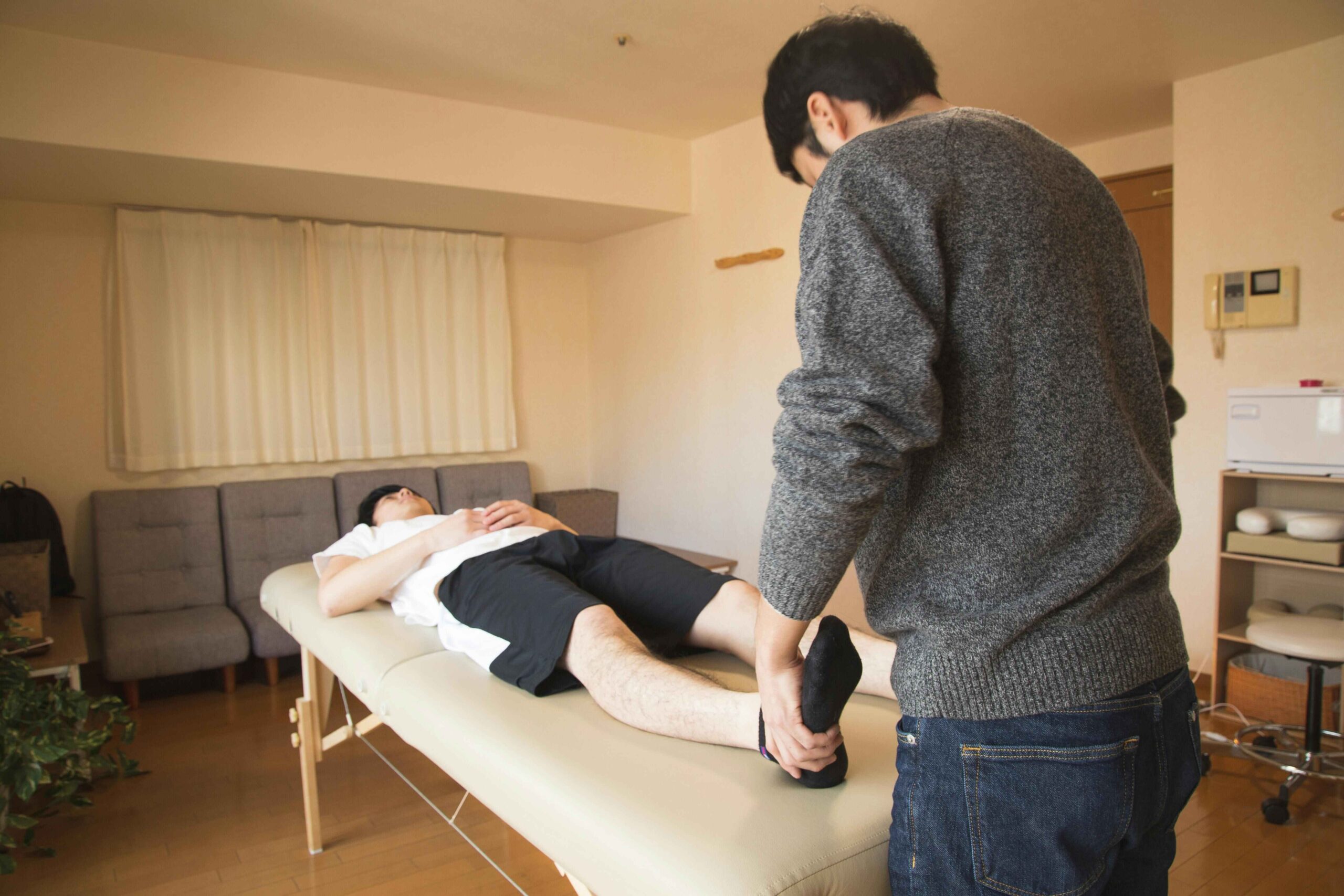
Home Physiotherapy

We understand that some conditions or injuries can make it difficult to receive rehabilitation at our clinic be it mobility or transportation issues. Our objective is to provide you with the same high-quality physiotherapy services at home that you would receive in-clinic.
Posted on

What is The Difference Between Physiotherapy & Physical Therapy

physiotherapy petaling jaya
Synapse Physiotherapy

What is The Difference Between Physiotherapy & Physical Therapy

The terms “physical therapy” and “physiotherapy” often cause confusion among patients at our clinics. What’s the difference, and how do they vary?


Surprisingly, there is no difference at all! Physical therapy and physiotherapy are actually the same, and both terms can be used interchangeably as they are synonyms.


However, if you had to point out a distinction, it would be a minor, region-based one. In countries like Australia, Canada, and across Europe, it’s called physiotherapy, while in the United States, it’s referred to as physical therapy. In Malaysia, the term “physiotherapy” is commonly used. So, if you’re in need of this service, you can search for “physiotherapy” along with your location, such as “physiotherapy Petaling Jaya.

What is physiotherapy?

Physiotherapy is a physical therapy aimed at helping individuals regain mobility and function after experiencing an injury or trauma. This form of rehabilitation focuses on the musculoskeletal system to address movement-related challenges. In addition to diagnosing and treating injuries, physiotherapy targets abnormal body functions and coordination issues, particularly following trauma. It supports patients throughout their recovery using various techniques, such as massage, heat therapy, and exercise.


Physiotherapy addresses a broad range of conditions, including pediatric, geriatric, orthopedic, respiratory, disability-related, pelvic health, mobility issues, fatigue, and pain management. The primary objective is to enhance human function and movement, ultimately improving physical ability. By assessing a patient’s quality of life and movement patterns, physiotherapy aims to make daily tasks easier and improve overall well-being.


The practice of physiotherapy employs physical techniques to promote, maintain, and restore physical, psychological, and social health, accounting for individual differences in health status. It is grounded in science and relies on clinical judgment, evidence-based practices, and ongoing research to support its methods and outcomes.

Types of physiotherapy 

Musculoskeletal Physiotherapy: This type of physiotherapy addresses injuries involving muscles, bones, ligaments, fascia, and tendons. It is suitable for conditions like fractures, sprains, tendinitis, bursitis, chronic health issues, and recovery from orthopedic surgeries. Treatments may include joint mobilizations, manual therapy, strength and mobility training, and other specialized modalities.


Geriatric Physiotherapy: Designed for older adults, this therapy helps manage conditions that impact mobility and physical function, such as arthritis, osteoporosis, Alzheimer’s disease, hip and joint replacements, balance disorders, and incontinence. The goal is to restore mobility, alleviate pain, and improve physical fitness.


Neurological Physiotherapy: This therapy aids individuals with neurological conditions like Alzheimer’s disease, brain injuries, cerebral palsy, multiple sclerosis, Parkinson’s disease, spinal cord injuries, and stroke. Treatment focuses on improving limb responsiveness, movement patterns, strength, balance, and managing muscle tone.


Cardiovascular and Pulmonary Rehabilitation: Beneficial for individuals with cardiopulmonary conditions or those recovering from heart or lung surgeries, this type of therapy enhances muscular endurance, cardiovascular stamina, and overall fitness levels.


Vestibular Therapy: This therapy targets balance issues caused by inner ear problems. It involves exercises and manual techniques designed to help patients regain coordination and balance.


Pelvic Floor Rehabilitation: Aimed at treating pelvic floor dysfunctions such as urinary or fecal incontinence, pelvic pain, or urinary urgency, this therapy can benefit patients recovering from injuries, surgeries, or specific medical conditions affecting the pelvic region.

Techniques used by physiotherapists 

Therapeutic exercises: Physiotherapy guides patients through exercises designed to contract, relax, and improve mobility in injured or affected areas. These exercises help patients regain everyday movement, and many of them can be practiced at home.


Hot and Cold Therapies: Physical therapy treatments use cold modalities like ice and cryotherapy to relieve chronic and acute conditions. For chronic conditions, heat therapies such as hot packs and infrared heat are applied to provide relief.


Ultrasound Treatment: This therapy reduces inflammation by generating deep heat within the affected area, promoting healing.


TENS Electrical Stimulation Technique: Used for managing chronic and acute pain, this method involves placing electrodes on the skin near the painful area. According to Healthline.com, electrical signals are sent through nerve fibers to block or reduce pain signals reaching the brain.


Neuromuscular Reeducation: This technique focuses on restoring voluntary muscle control in cases of muscle atrophy, injury, or neurological pathology.


Soft Tissue Techniques: Techniques such as stretching and myofascial release function similarly to massage therapy, helping to relieve tension and improve flexibility in the soft tissues.


Joint Mobilization: These therapies involve the gliding of joints to enhance motion, improve joint function, and manage pain effectively.


Muscle Energy Techniques (METs): This form of manual therapy leverages the muscle’s own energy to promote relaxation and lengthening of the muscle through autogenic or reciprocal inhibition.

How to get started with physiotherapy?

Starting physiotherapy involves locating a qualified physiotherapist. It’s essential to review their credentials, experience, and specific areas of expertise to ensure they meet your requirements. During the initial consultation, the physiotherapist will conduct a comprehensive assessment to evaluate your condition and set your goals. Following this evaluation, a personalized treatment plan will be developed. This plan may incorporate various techniques previously discussed and will be regularly updated based on your progress.

Conclusion

In conclusion, there is no difference between physical therapy and physiotherapy; in Malaysia, we refer to it as physiotherapy. This practice addresses various conditions related to the musculoskeletal, neurological, cardiovascular, geriatric, pelvic floor, and vestibular systems. If you require rehabilitation for any of these conditions, consider Synapse Physiotherapy, where our team of qualified physiotherapists is ready to assist you in starting your rehabilitation journey.

Share This :

Back & Neck Pain

Conditions such as stiffness, postural abnormalities and muscle overuse from prolonged desk work at the office or home is more prevalent than most would think. We provide the necessary tools to fix you up and educate you on ergonomics which can unload unnecessary stress.

Sports Injuries

Rolled ankles, jarred knees, impinged shoulders are few conditions in the plethora of sports injuries which can hamper performance and limit our enjoyment of sports. Physiotherapy not only treats the symptoms of these conditions but propels your overall fitness to greater heights.

Work Desk Injuries​

Conditions such as stiffness, postural abnormalities and muscle overuse from prolonged desk work at the office or home is more prevalent than most would think. We provide the necessary tools to fix you up and educate you on ergonomics which can unload unnecessary stress.

Pre-Post-Surgical Conditions

Surgery involves going through preparation both before and after. Physiotherapists play a vital role in getting your body ready for surgeries with circulatory, breathing and strengthening exercises. After the procedure, let us be there for your recovery and rehabilitation, taking it one step at a time.

Scoliosis & Postural Abnormalities

The way we stand, sit, walk and sleep has influence over our posture and the overall balance of muscles controlling its alignment. A comprehensive screening can be done by our physiotherapists to detect abnormalities, which we will aid in correcting.

Neurological Conditions

Neurological disabilities such as stroke, nerve compression and neuropathies can be barriers for patients to live life to its fullest. We at Synapse are committed to help you overcome these hurdles by ensuring functional mobility and quality of life is at its optimum by providing the right treatment and exercises.

Osteoarthritis & Rheumatism

Joint degeneration and inflammation happens as the human body grows older, but that does not mean our way of life degenerates as well. Relief your joint pains with a joint effort together with your physiotherapist, who will provide pain-relief treatments and prescribe exercises for your wellbeing.

Conditions Relating To Elderly

Common conditions in the older age population include hips & knee pain, back & neck pain, osteoarthritis, rheumatism, fear of falling and many more.  Aging and degeneration of bodily function is inevitable, but here at Synapse, we will help you live the best of your life.
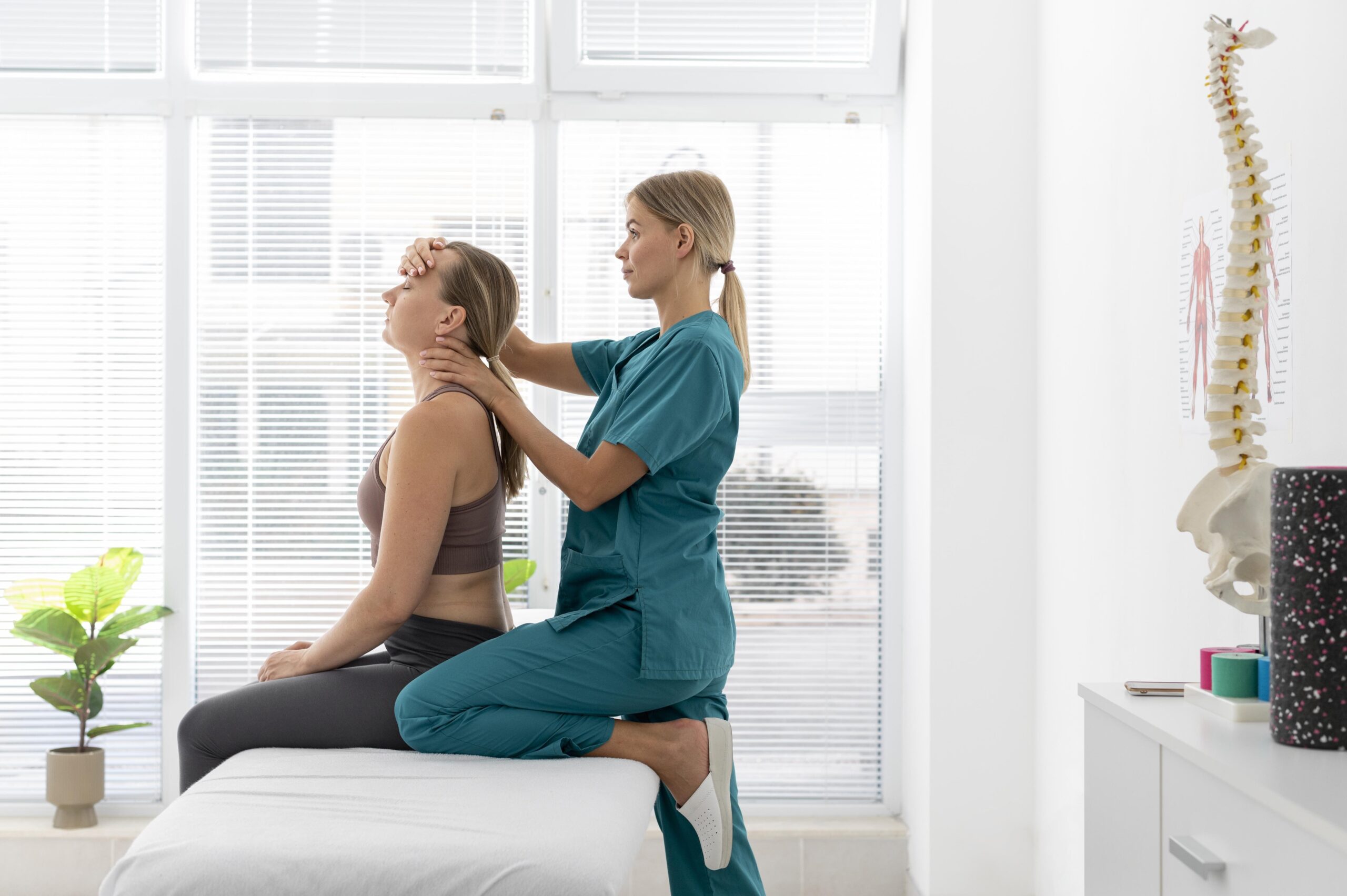
Home Physiotherapy

We understand that some conditions or injuries can make it difficult to receive rehabilitation at our clinic be it mobility or transportation issues. Our objective is to provide you with the same high-quality physiotherapy services at home that you would receive in-clinic.
Posted on

Muscle Stiffness: Causes & Treatment | Physiotherapy PJ

physiotherapy petaling jaya
Synapse Physiotherapy

What is muscle stiffness?

Muscle stiffness is the feeling of tight or tense muscles, often causing discomfort and making movement difficult. It can result from overusing a muscle or could be a sign of an underlying condition. The body contains three types of muscles: skeletal, cardiac, and smooth. Skeletal muscle, which is responsible for voluntary movement, is the type most commonly affected by stiffness. Normally, the nervous system sends signals to skeletal muscles, prompting them to contract and produce movement. However, if there’s an issue with the communication between the nervous system and the muscles, the muscles may remain contracted, causing stiffness.

Treatment for muscle stiffness includes physiotherapy, which offers customized plans to address the root causes. These therapies use specific exercises and hands-on techniques to improve flexibility, reduce discomfort, and enhance muscle health, providing long-term relief. To begin, you can search for nearby options like Physiotherapy in Petaling Jaya to book your session.

Signs and symptoms of muscle stiffness

Muscle stiffness is commonly marked by soreness and limited movement, often accompanied by cramps, pain, or weakness. It tends to occur in the morning, typically lasting less than 30 minutes after waking or for a few days after engaging in unfamiliar or strenuous exercise. Additional symptoms depend on the cause and location of the stiffness. Muscle stiffness can affect walking, leading to a slower, more painful gait. If spasms are present, they might be triggered by intense emotions, loud sounds, or sudden movements. In neuromuscular disorders, muscle stiffness may also be associated with a curved lower spine (lumbar hyperlordosis) and neurological symptoms like balance issues, numbness, tingling, or drooping eyelids.

Causes of muscle stiffness

1. Exercises 

Exercise is one of the leading causes of muscle stiffness. While exercise is vital for maintaining a healthy lifestyle—promoting stronger muscles, bones, and improved heart and lung function—it can also lead to muscle soreness. This is especially common when trying new exercises, as unfamiliar muscles are engaged. This can lead to minor tears in muscle fibers or even strain, resulting in muscle stiffness, tightness, or aches either during or shortly after the workout. As the muscles repair and grow stronger, discomfort may occur. Sometimes, muscle pain doesn’t start until 12 to 24 hours after exercise, a condition known as delayed onset muscle soreness (DOMS). The discomfort in DOMS often peaks between 24 and 72 hours post-exercise.

Electrolyte imbalances can also contribute to muscle stiffness, particularly after exercise. Electrolytes, such as sodium and potassium, are essential minerals that help conduct nerve impulses and facilitate muscle contraction, among other vital functions. During exercise, electrolytes are lost through sweat, which can impair the nervous system’s ability to properly regulate muscle movement, leading to stiffness.

2. Injuries 

Soft tissue injuries most commonly affect the muscles, tendons, and ligaments and can result from sports, exercise, or everyday activities.

These injuries are categorized into two types:

  • Acute injuries, caused by sudden events like a twist, fall, or direct impact to the body, such as sprains and strains.
  • Overuse injuries, which develop when an activity is repeated frequently, preventing muscles from fully recovering between repetitions. Tendinitis and bursitis are common examples.

The severity and symptoms of these injuries can vary. In addition to tightness or stiffness, other symptoms may include cramping, aches, spasms, pain, swelling, and weakness.

Muscle stiffness is commonly associated with exercise or injury, but other factors, such as underlying medical conditions or medication side effects can also cause it.

3. Fibromyalgia. 

Fibromyalgia is a condition that results in widespread pain and stiffness throughout the body. Those with fibromyalgia may also experience fatigue, sleep disturbances, headaches, anxiety, depression, cognitive challenges, tingling or numbness in the extremities, jaw or facial pain, and digestive issues.

4. ADHD

Certain medications used to treat attention deficit hyperactivity disorder (ADHD), like dexmethylphenidate, can sometimes cause severe muscle stiffness and pain in some individuals.

5. Lupus 

Lupus is an autoimmune disease capable of affecting nearly any organ in the body. It is characterized by periods of flare-ups, where symptoms intensify, and periods of remission, during which symptoms may significantly improve.

What is the difference between joint stiffness and muscle stiffness?

Muscle stiffness is the sensation of persistent tightness or discomfort that disrupts normal activities and movement. In contrast, muscle spasticity involves involuntary muscle tightening, commonly referred to as a muscle spasm. Spasticity is often linked to chronic conditions such as multiple sclerosis (MS), cerebral palsy, and amyotrophic lateral sclerosis (ALS).

What is the difference between muscle stiffness and muscle weakness?

Muscle stiffness is characterized by a painful or tight sensation in the muscles, while muscle weakness refers to a loss of strength. Typically, muscle stiffness is temporary and can be relieved with home treatments. On the other hand, muscle weakness may result from a lack of exercise or be a symptom of a chronic condition.

Treatments

The treatment for muscle stiffness will vary depending on the underlying cause.


Home treatments 


  • Alternate between heat and cold therapy for 20 minutes at a time, several times a day.
  • Rest until the stiffness subsides.
  • Sit in a warm bath to enhance blood circulation.
  • Incorporate stretching throughout the day, particularly before and after exercise.
  • Take nonsteroidal anti-inflammatory drugs (NSAIDs) like ibuprofen.

Physiotherapy in Treating Muscle Stiffness

1. Ultrasound Therapy 

Ultrasound therapy is a non-invasive treatment that uses high-frequency sound waves to stimulate healing in muscles affected by stiffness. This therapy increases blood flow, reduces inflammation, and promotes tissue repair, targeting the specific muscles involved. As a result, it provides relief from stiffness and helps enhance flexibility and overall muscle health. 

2. Electrical Stimulation 

Electrical stimulation is another effective method for managing muscle stiffness. It involves applying controlled electrical currents to targeted muscles, which promotes relaxation and reduces tension. By inducing muscle contractions, this therapy helps alleviate stiffness and improve muscle function. Incorporating electrical stimulation into physiotherapy treatments offers a non-invasive option for those seeking relief from the discomfort associated with muscle stiffness. 

3. Myofascial Release 

Myofascial release is a specialized technique aimed at relieving muscle stiffness by releasing tension in the fascia, the connective tissue that surrounds muscles. During this treatment, skilled therapists apply sustained pressure to areas where the fascia is restricted, helping to restore muscle flexibility and alleviate discomfort. This approach is effective in enhancing the natural elasticity of muscles, providing significant relief from stiffness.

4. Joint Mobilization 

Joint mobilization is a hands-on technique used by physiotherapists to address muscle stiffness by improving joint flexibility and reducing tension. This method involves controlled movements of specific joints to enhance their range of motion. By targeting joint restrictions, joint mobilization helps alleviate stiffness, contributing to greater muscle comfort 

5. Stretching Exercises 

Incorporating stretching exercises can effectively reduce muscle stiffness and improve flexibility. Dynamic stretches, such as arm circles and leg swings, help to enhance muscle function, while static stretches like hamstring and quadriceps stretches target specific muscle groups to alleviate tension. 

6. Range of Motion (ROM) Exercises 

Range of Motion (ROM) exercises involve controlled movements that guide joints through their full range, promoting flexibility and easing stiffness. Physiotherapists often design specific ROM exercises to target areas affected by stiffness, enhancing joint mobility and improving muscle comfort.

7. Strengthening Exercises 

Strengthening exercises, such as resistance training activities like squats, lunges, and bicep curls, are crucial for improving muscle function and reducing tension. These exercises, tailored by physiotherapists, help build strength and flexibility, playing a key role in a comprehensive approach to managing and overcoming muscle stiffness. Regular practice of these exercises supports overall musculoskeletal health.

Frequently Asked Questions (FAQs)

Incorporate warm-ups, cool-downs, and dynamic stretching into your routine. Stay hydrated and consume electrolyte-rich foods to maintain muscle function.

Muscle stiffness refers to persistent tightness, while spasticity involves involuntary muscle contractions, often linked to neurological disorders.

  1. While it’s often benign, persistent or severe stiffness with symptoms like numbness or balance issues may indicate conditions like fibromyalgia or lupus. Seek medical advice if symptoms persist.

Yes, alternate between heat and cold therapy, rest, take over-the-counter anti-inflammatory medications, and stretch regularly to alleviate mild stiffness.

Physiotherapists use hands-on techniques, targeted exercises, and advanced therapies like ultrasound or electrical stimulation to treat stiffness and improve muscle health.

Conclusion

In conclusion, if you are experiencing muscle stiffness due to poor posture, a previous injury, intense exercise, or an underlying neuromuscular condition, seeking professional advice is crucial. A tailored physiotherapy program from a qualified physiotherapist can address these issues effectively and prevent discomfort from impacting your daily life. To begin your rehabilitation journey and find relief, consider starting a personalized program with Synapse Physiotherapy.


Produced by MYSense

Share This :

Back & Neck Pain

Conditions such as stiffness, postural abnormalities and muscle overuse from prolonged desk work at the office or home is more prevalent than most would think. We provide the necessary tools to fix you up and educate you on ergonomics which can unload unnecessary stress.

Sports Injuries

Rolled ankles, jarred knees, impinged shoulders are few conditions in the plethora of sports injuries which can hamper performance and limit our enjoyment of sports. Physiotherapy not only treats the symptoms of these conditions but propels your overall fitness to greater heights.

Work Desk Injuries​

Conditions such as stiffness, postural abnormalities and muscle overuse from prolonged desk work at the office or home is more prevalent than most would think. We provide the necessary tools to fix you up and educate you on ergonomics which can unload unnecessary stress.

Pre-Post-Surgical Conditions

Surgery involves going through preparation both before and after. Physiotherapists play a vital role in getting your body ready for surgeries with circulatory, breathing and strengthening exercises. After the procedure, let us be there for your recovery and rehabilitation, taking it one step at a time.

Scoliosis & Postural Abnormalities

The way we stand, sit, walk and sleep has influence over our posture and the overall balance of muscles controlling its alignment. A comprehensive screening can be done by our physiotherapists to detect abnormalities, which we will aid in correcting.

Neurological Conditions

Neurological disabilities such as stroke, nerve compression and neuropathies can be barriers for patients to live life to its fullest. We at Synapse are committed to help you overcome these hurdles by ensuring functional mobility and quality of life is at its optimum by providing the right treatment and exercises.

Osteoarthritis & Rheumatism

Joint degeneration and inflammation happens as the human body grows older, but that does not mean our way of life degenerates as well. Relief your joint pains with a joint effort together with your physiotherapist, who will provide pain-relief treatments and prescribe exercises for your wellbeing.

Conditions Relating To Elderly

Common conditions in the older age population include hips & knee pain, back & neck pain, osteoarthritis, rheumatism, fear of falling and many more.  Aging and degeneration of bodily function is inevitable, but here at Synapse, we will help you live the best of your life.
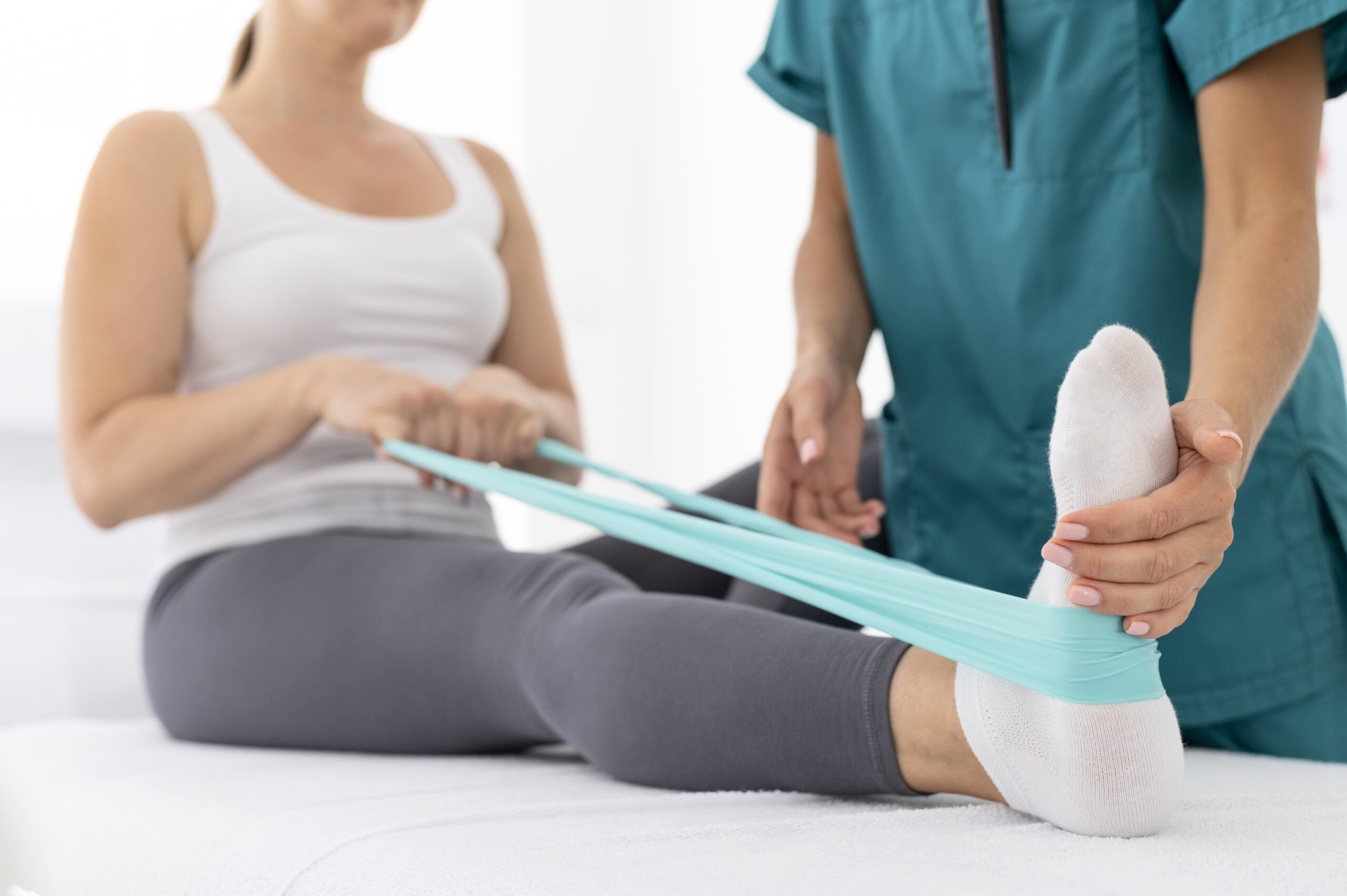
Home Physiotherapy

We understand that some conditions or injuries can make it difficult to receive rehabilitation at our clinic be it mobility or transportation issues. Our objective is to provide you with the same high-quality physiotherapy services at home that you would receive in-clinic.
Posted on

What is Muscular Dystrophy? Physiotherapy Petaling Jaya

physiotherapy petaling jaya
Sports Injuries, Synapse Physiotherapy

Introduction

Muscular Dystrophy (MD) is a group of genetically inherited diseases that cause muscles to weaken and waste away over time, affecting approximately 1 in 5,000 people worldwide. While MD can start at any age, it is most often diagnosed in childhood. The root cause of MD is the lack or absence of essential proteins, known as glycoproteins, in the muscle cell membranes. These proteins are crucial for muscle health and function; without them, muscles progressively weaken and deteriorate.

Physiotherapy is very important for individuals with muscular dystrophy. Physiotherapy interventions help them perform their activities of daily living (ADLs) independently, increasing their self-efficacy and mental well-being. Therefore, individuals with this condition should seek out physiotherapy nearby, such as searching for “physiotherapy Petaling Jaya,” to start their rehabilitation and maintain functional mobility.

Type + Sign & symptoms


Muscular dystrophy can be inherited through different genetic patterns. Duchenne muscular dystrophy is the most common in children, while myotonic dystrophy is the most prevalent in adults.

Duchenne Muscular Dystrophy (DMD)


Duchenne Muscular Dystrophy (DMD) is the most common type of muscular dystrophy. It primarily affects children assigned male at birth (AMAB), but children assigned female at birth (AFAB) can also develop a milder form of the disease. As DMD progresses, it can impact the heart and lungs, leading to significant health challenges.

Initially, children with DMD may have trouble walking and frequently fall. Over time, the muscle weakness becomes severe enough that daily activities become difficult, and many individuals will eventually require the use of a wheelchair.

  • Signs & Symptoms
    • Frequent falls
    • Difficulty rising from a lying or sitting position
    • Waddling gait (An exaggerated movement of the upper body creates a duck-like walk)
    • Large calf muscles
    • Walking on the toes
    • Developmental delay

Myotonic Dystrophy: 


Myotonic dystrophy (MD) is the most common type of muscular dystrophy diagnosed in adulthood, affecting adults assigned female at birth (AFAB) and adults assigned male at birth (AMAB) equally. Myotonic Dystrophy is inherited in an autosomal dominant fashion, meaning that only one copy of the altered gene is needed to cause the disorder.

People with MD experience difficulty relaxing their muscles after using them. This condition can also impact the heart and lungs, and it may cause endocrine issues such as thyroid disease and diabetes.

  • Signs & Symptoms
    • Myotonia (Inability to relax muscles following contractions)
    • Slurred speech
    • Temporary jaw lock
    • Cataracts (Clouding in the lens of your eye)
    • Cardiac conduction defects (Problems with the electrical signals that control the heartbeat)
    • Facial and Neck Muscle Weakness (The facial and neck muscles are often the first to be affected, leading to long, thin faces, drooping eyelids, and swan-like neck)

Risk Factors / Causes


Muscular dystrophy (MD) is primarily caused by genetic changes. Here’s a clear overview of how these genetic factors contribute to the development of MD:

Humans have 23 pairs of chromosomes, with one chromosome in each pair inherited from each parent. Among these, one pair determines a person’s sex (X and Y chromosomes), while the remaining 22 pairs, called autosomal chromosomes, govern other traits.

Genetic changes occur when mutations in a gene lead to a shortage of dystrophin, a crucial protein for healthy muscle function. This deficiency may result in the body producing too little dystrophin, producing it incorrectly, or failing to produce it altogether.

Medical Management

Treatment for MD focuses on managing symptoms, slowing disease progression, and enhancing quality of life. While there is no cure, various approaches can help improve daily functioning and overall well-being.

Conservative Management:

  • Medication:
      • Antiarrhythmics & ACE Inhibitors: Used to manage heart complications.
      • Sodium Channel Blockers: Medications like phenytoin, procainamide, or mexiletine help manage irregular heartbeats.
      • Steroids (e.g., Prednisone): These can slow the progression of muscular dystrophy.
  • Assistive Devices:
    • Wheelchairs: Proper seating to support mobility and comfort.
    • Ankle-Foot Orthoses (AFOs): Lightweight or molded devices to support foot and ankle function.
  • Physiotherapy: Helps maintain muscle strength, improve mobility, and manage physical function.
  • Genetic Counseling: Provides information on the genetic aspects of the condition.
  • Supportive Counseling: Addresses emotional and psychological needs, helping patients stay active and engaged.

Surgical Options:

  • Contracture Release: Surgery to relieve tight muscles or joints.
  • Cardiac Devices: Implantation of defibrillators or pacemakers to manage heart problems.
  • Spinal Correction Surgery: Performed to correct scoliosis, which can help maintain respiratory function and walking ability.

How does physiotherapy help you?


Physiotherapy is essential for managing muscular dystrophy. It helps maintain muscle strength, flexibility, and prevents joint stiffness. By slowing the progression of the disease, physiotherapy enhances daily function and improves quality of life.

Intervention

  • Strengthening Exercise: Muscle training to improve muscle endurance and muscle strength (prevent disuse atrophy)
  • Stretching Exercise: Stretching tight muscles to prevent contractures and ease muscle spasms. 
  • Posture & position correction: Correcting and varying positions to increase comfort and prevent pressure sores.
  • Cardiorespiratory endurance exercise: Exercise to increase stamina and reduce fatigue
  • Balance exercise: Activities to improve balance and make it easier for you to respond to differing surfaces such as slopes, hills, kerbs, gravel, and grass.
  • Advice on mechanical support such as wheelchairs, walking aids and orthotic devices in order to improve functional ability.
  • Hydrotherapy and massage to provide relief and improve muscle relaxation.
  • Breathing Exercise: Breathing control and assisted coughing if appropriate to maintain a clear chest.

FAQs

1. What is Muscular Dystrophy?

Muscular Dystrophy is a genetic disorder that weakens muscles over time, leading to a decline in physical abilities.

2. How does physiotherapy help with Muscular Dystrophy?

Physiotherapy helps maintain muscle strength, flexibility, and mobility, slowing the progression of muscle weakening.

3. Is there a cure for Muscular Dystrophy?

Currently, there is no cure, but treatments like physiotherapy and medications can help manage symptoms and improve quality of life.

4. Can physiotherapy prevent the need for surgery in MD?

While physiotherapy cannot prevent all surgeries, it can delay the need for surgical interventions by maintaining muscle function and joint flexibility.

5. When should someone with Muscular Dystrophy start physiotherapy?

Early intervention is key—starting physiotherapy as soon as a diagnosis is made can help preserve mobility and delay the progression of symptoms.

Conclusion

Understanding muscular dystrophy and its impact on daily life is the first step toward managing the condition effectively. At Synapse Physiotherapy, we are dedicated to providing personalized care that addresses your unique needs and enhances your quality of life. Our expert physiotherapists are committed to offering tailored treatment plans that not only focus on managing symptoms but also aim to improve mobility, strength, and overall well-being. If you or a loved one is facing the challenges of muscular dystrophy, don’t hesitate to reach out to us. 

Share This :

Back & Neck Pain

Conditions such as stiffness, postural abnormalities and muscle overuse from prolonged desk work at the office or home is more prevalent than most would think. We provide the necessary tools to fix you up and educate you on ergonomics which can unload unnecessary stress.

Sports Injuries

Rolled ankles, jarred knees, impinged shoulders are few conditions in the plethora of sports injuries which can hamper performance and limit our enjoyment of sports. Physiotherapy not only treats the symptoms of these conditions but propels your overall fitness to greater heights.

Work Desk Injuries​

Conditions such as stiffness, postural abnormalities and muscle overuse from prolonged desk work at the office or home is more prevalent than most would think. We provide the necessary tools to fix you up and educate you on ergonomics which can unload unnecessary stress.

Pre-Post-Surgical Conditions

Surgery involves going through preparation both before and after. Physiotherapists play a vital role in getting your body ready for surgeries with circulatory, breathing and strengthening exercises. After the procedure, let us be there for your recovery and rehabilitation, taking it one step at a time.

Scoliosis & Postural Abnormalities

The way we stand, sit, walk and sleep has influence over our posture and the overall balance of muscles controlling its alignment. A comprehensive screening can be done by our physiotherapists to detect abnormalities, which we will aid in correcting.

Neurological Conditions

Neurological disabilities such as stroke, nerve compression and neuropathies can be barriers for patients to live life to its fullest. We at Synapse are committed to help you overcome these hurdles by ensuring functional mobility and quality of life is at its optimum by providing the right treatment and exercises.

Osteoarthritis & Rheumatism

Joint degeneration and inflammation happens as the human body grows older, but that does not mean our way of life degenerates as well. Relief your joint pains with a joint effort together with your physiotherapist, who will provide pain-relief treatments and prescribe exercises for your wellbeing.

Conditions Relating To Elderly

Common conditions in the older age population include hips & knee pain, back & neck pain, osteoarthritis, rheumatism, fear of falling and many more.  Aging and degeneration of bodily function is inevitable, but here at Synapse, we will help you live the best of your life.

Home Physiotherapy

We understand that some conditions or injuries can make it difficult to receive rehabilitation at our clinic be it mobility or transportation issues. Our objective is to provide you with the same high-quality physiotherapy services at home that you would receive in-clinic.
Posted on

Physiotherapy After Total Knee Replacement

physiotherapy petaling jaya
Home Physiotherapy, Synapse Physiotherapy

Introduction

Total knee replacement (TKR) is a common surgical procedure for patients with severe knee arthritis or injury, designed to relieve pain and restore function. Post-operative physiotherapy is crucial for a successful recovery, ensuring optimal outcomes and enabling patients to return to their daily activities. In particular, rehabilitation protocols, with early postoperative ambulation, are highly effective, which leads to shorter postoperative hospital stays and lower analgesic intake.

If you are looking for physiotherapy in Petaling Jaya for your post TKR rehabilitation, look for the nearest Synapse Physiotherapy to you and our expert physiotherapist will be able to help you return to your best form!

A knee replacement also known as a knee arthroplasty is one of the most successful surgeries performed throughout the world, however understanding that each part of the recovery process that comes after the surgery is very important for you to reach your goal of a well-functioning knee even after 15 years of post-surgery. Typically, a knee replacement surgery takes about 13 weeks to recover. However, the recovery timeline is dependent on a lot of factors such as type(s) of procedure, limiting complications, and being consistent with your doctor and physiotherapy visits. Even after 13 weeks, it is highly recommended that you continue with your rehabilitation program to further strengthen your knee and achieve full recovery.

This article delves into the importance of physiotherapy after TKR, what not to do after knee replacement surgery, outlining the stages of rehabilitation, common exercises, and tips for maximising recovery.

The Importance of Physiotherapy Post-TKR

  1. Enhanced Recovery: Physiotherapy accelerates the healing process, helping to reduce pain and swelling while improving mobility.
  2. Strength and Stability: Targeted exercises strengthen the muscles around the knee, providing better support and stability.
  3. Improved Range of Motion: Early mobilisation and specific exercises help regain the knee’s range of motion, crucial for everyday activities.
  4. Preventing Complications: Regular physiotherapy can prevent complications such as blood clots, joint stiffness, and muscle atrophy.
  5. Boosting Confidence: Structured physiotherapy programs can enhance patients’ confidence in using their new knee, promoting a quicker return to normal life.

What not to do after knee replacement surgery

  1. Do not skip your physiotherapy sessions and knee exercises.

Rehabilitation exercises provided to you will play a key part when recovering from a knee replacement. Staying mobile in the weeks and months after surgery will help you to recover faster and improve mobility as well as range of motion in the affected joint.

  1. Do not ignore professional advice.

Follow the advice of your orthopaedic surgeon and your physiotherapist for the best chance of a full recovery as they are professionals in this field of healthcare. 

  1. Do not do too much too soon.

Healing and recovery takes time and everyone progresses at a different rate. Overexerting yourself too soon can prolong your recovery and lead to unnecessary pain and discomfort. Work with your physiotherapist and follow the timeline of your recovery plan.

  1. Do not avoid using walking aids or assistive devices during your recovery.

Assistive devices such as walking frames, crutches and walking sticks are designed to support you during your recovery. These devices are designed to take some of the pressure off your knee, helping you to balance and walk with more confidence. 

  1. Do not use a pillow under your knee in bed.

Placing a pillow under your knee may feel comfortable however this position will cause your knee to bend. This will cause excessive stress on the joint replacement and may cause contractures to happen. Ideally, you need to keep your knee as straight as possible while sleeping.

  1. Do not forget proper wound care and medication.

Proper education on wound care is essential in order to avoid infection and complications that could delay recovery. You need to follow instructions given by your medical provider on how to care for your wound and how to keep it clean and take any medication that has been prescribed to you.

Stages of Rehabilitation

A. Immediate Post-Operative Phase (0-2 weeks)

  1. Goals: Pain management, reduction of swelling, and commencement of easier exercises.
  2. Exercises:
  • Ankle Pumps: To promote circulation and prevent blood clots.
  • Quad Sets: Isometric exercises to activate the quadriceps.
  • Heel Slides: Gentle bending and straightening of the knee to improve range of motion.
  1. Techniques:
  • Cryotherapy (ice application) to reduce swelling and pain.
  • Elevation of the leg to control swelling.


B. Early Recovery Phase (2-6 weeks)

  1. Goals: Increase range of motion, improve strength, and enhance walking ability.
  2. Exercises:
  •  Straight Leg Raises: To strengthen the quadriceps without bending the knee.
  •  Knee Bends: To improve flexibility and motion.
  •  Seated Marching: To promote knee and hip mobility.
  1. Techniques:
  • Continued use of cryotherapy as needed.
  • Gradual increase in weight-bearing activities.


C. Intermediate Recovery Phase (6-12 weeks)

  1. Goals: Further improve strength, range of motion, and functional mobility.
  2. Exercises:
  • Mini Squats: To strengthen the lower body.
  • Stationary Cycling: To enhance cardiovascular fitness and knee motion.
  • Step-Ups: To improve balance and leg strength.
  1. Techniques:
  • Gait training to improve walking patterns.
  • Use of resistance bands for progressive strengthening.


D. Advanced Recovery Phase (3-6 months)

  1. Goals: Achieve full functional recovery and return to normal activities.
  2. Exercises: 
  • Lunges: To enhance lower body strength and stability.
  • Balance Exercises: To improve proprioception and prevent falls.
  • Advanced Strength Training: Using weights or resistance machines. 
  1. Techniques:
  • Functional training tailored to the patient’s lifestyle and goals.
  • Continued cardiovascular exercises such as swimming or cycling.

Tips for Maximising Recovery

  1. Adherence to Physiotherapy Program: Consistency is key; follow the prescribed exercises and attend all physiotherapy sessions.
  2. Pain Management: Use prescribed pain medications and non-pharmacological methods like ice and elevation to manage discomfort.
  3. Healthy Diet: Maintain a balanced diet rich in proteins, vitamins, and minerals to support healing.
  4. Stay Active: Incorporate gentle activities like walking into your daily routine to promote circulation and mobility.
  5. Regular Follow-Up: Attend all follow-up appointments with your surgeon and physiotherapist to monitor progress and make necessary adjustments.

Frequently Asked Questions (FAQs)

Physiotherapy is crucial for restoring mobility, reducing pain, and improving strength and flexibility after a total knee replacement.

Physiotherapy typically begins within 24 hours after surgery to promote early movement and prevent complications.

Exercises may include range-of-motion activities, strengthening exercises, walking, and balance training to enhance recovery.

The duration of physiotherapy varies but generally lasts for several weeks to a few months, depending on individual progress and goals.

Yes, physiotherapy can help manage and reduce pain through targeted exercises, manual therapy, and modalities like ice and heat.

Conclusion

Physiotherapy is an indispensable component of recovery after a total knee replacement. Through structured and progressive rehabilitation, patients can achieve significant improvements in pain relief, mobility, and overall quality of life. By understanding the stages of rehabilitation and committing to a comprehensive physiotherapy program, patients can maximise their recovery and enjoy the benefits of their new knee joint. 

Produced by MYSense

Share This :

Back & Neck Pain

Conditions such as stiffness, postural abnormalities and muscle overuse from prolonged desk work at the office or home is more prevalent than most would think. We provide the necessary tools to fix you up and educate you on ergonomics which can unload unnecessary stress.

Sports Injuries

Rolled ankles, jarred knees, impinged shoulders are few conditions in the plethora of sports injuries which can hamper performance and limit our enjoyment of sports. Physiotherapy not only treats the symptoms of these conditions but propels your overall fitness to greater heights.

Work Desk Injuries​

Conditions such as stiffness, postural abnormalities and muscle overuse from prolonged desk work at the office or home is more prevalent than most would think. We provide the necessary tools to fix you up and educate you on ergonomics which can unload unnecessary stress.

Pre-Post-Surgical Conditions

Surgery involves going through preparation both before and after. Physiotherapists play a vital role in getting your body ready for surgeries with circulatory, breathing and strengthening exercises. After the procedure, let us be there for your recovery and rehabilitation, taking it one step at a time.

Scoliosis & Postural Abnormalities

The way we stand, sit, walk and sleep has influence over our posture and the overall balance of muscles controlling its alignment. A comprehensive screening can be done by our physiotherapists to detect abnormalities, which we will aid in correcting.

Neurological Conditions

Neurological disabilities such as stroke, nerve compression and neuropathies can be barriers for patients to live life to its fullest. We at Synapse are committed to help you overcome these hurdles by ensuring functional mobility and quality of life is at its optimum by providing the right treatment and exercises.

Osteoarthritis & Rheumatism

Joint degeneration and inflammation happens as the human body grows older, but that does not mean our way of life degenerates as well. Relief your joint pains with a joint effort together with your physiotherapist, who will provide pain-relief treatments and prescribe exercises for your wellbeing.

Conditions Relating To Elderly

Common conditions in the older age population include hips & knee pain, back & neck pain, osteoarthritis, rheumatism, fear of falling and many more.  Aging and degeneration of bodily function is inevitable, but here at Synapse, we will help you live the best of your life.

Home Physiotherapy

We understand that some conditions or injuries can make it difficult to receive rehabilitation at our clinic be it mobility or transportation issues. Our objective is to provide you with the same high-quality physiotherapy services at home that you would receive in-clinic.
Posted on

Synapse Physiotherapy Petaling Jaya: Low Back Pain Relief

Synapse Physiotherapy Petaling Jaya: Low Back Pain Relief
Back & Neck Pain, Synapse Physiotherapy

Introduction

Low back pain (LBP) is the fifth most common reason people visit doctors, affecting 60-80% of people at some point in their lives. Up to 23% of adults suffer from chronic LBP, with a recurrence rate of 24% to 80% within a year. Lifetime prevalence can be as high as 84%. LBP is defined as pain below the rib cage and above the legs. The most common type is “non-specific low back pain,” which has no identifiable cause. LBP is classified by duration: acute (less than 6 weeks), sub-acute (6-12 weeks), and chronic (more than 12 weeks). Chronic LBP, lasting over three months, accounts for over 80% of healthcare costs related to back pain. Nearly a third of people with acute LBP will have moderate pain a year later.


Physiotherapy is one of the best conservative treatments for low back pain. It offers various therapeutic techniques that can help alleviate pain, improve mobility, and strengthen the muscles supporting the spine. If you are experiencing low back pain, seeking help from a nearby physiotherapy center can be highly beneficial. To find a physiotherapy center in your area, you can use search engines and type in queries such as “physiotherapy Petaling Jaya” if you are located in Petaling Jaya. This will help you locate nearby physiotherapy clinics where you can receive the appropriate treatment and care. Regular sessions with a qualified physiotherapist can significantly contribute to your recovery and overall well-being.

Causes 

Low back pain can result from various injuries, conditions, and diseases. Strains and sprains are the most common causes, often occurring from lifting heavy objects improperly or sudden movements like sneezing or bending. Fractures in the spine can happen due to accidents or conditions like osteoporosis. Disk problems, such as bulging or herniated disks, can press on nerves, while degenerative disk disease results from aging. Structural issues like spinal stenosis and scoliosis can cause significant pain and mobility problems. Arthritis, particularly osteoarthritis and ankylosing spondylitis, leads to inflammation and stiffness in the spine. Diseases like tumors, infections, kidney stones, and abdominal aortic aneurysms can also cause back pain. Spondylolisthesis, where vertebrae slip out of place, is another source of lower back pain.

Risk Factors 

Lower back pain is influenced by several risk factors. Age is a significant factor, as people over 30 are more prone to back pain due to the natural wear and tear of the spinal disks, leading to pain and stiffness. Weight also plays a crucial role; individuals who are overweight or obese are more likely to experience back pain because the excess weight puts additional pressure on their joints and disks. Overall health is important too; weak abdominal muscles can’t adequately support the spine, leading to strains, while smoking, excessive alcohol consumption, and a sedentary lifestyle further increase the risk. Occupation and lifestyle factors are also relevant, as jobs or activities that require heavy lifting or frequent bending can lead to back injuries. Structural problems, such as scoliosis, which alter the spine’s alignment, can cause severe back pain. Additionally, a family history of osteoarthritis, certain cancers, and other diseases can increase the risk of developing low back pain. Finally, mental health conditions like depression and anxiety can contribute to back pain.

Signs and symptoms 

Symptoms of lower back pain can develop suddenly or gradually and may be triggered by specific events like bending the back to lift something, or they might occur without an obvious cause. The pain can vary from sharp to dull and achy, sometimes radiating to the buttocks or down the legs (sciatica). A “pop” sound might be heard if the back is strained during an activity. Pain often worsens in certain positions, such as bending over, and improves when lying down. Other symptoms include stiffness, making it difficult to move or straighten the back, especially when getting up from a seated position, and a decreased range of motion. People with back pain may struggle to stand up straight, resulting in a “crooked” or bent posture, with the lower back appearing flat instead of curved. Muscle spasms are also common, causing severe pain and making it difficult to stand, walk, or move.

Ways to prevent 

Improving physical condition and learning proper body mechanics can help prevent back pain. To keep the back healthy and strong, regular exercise is essential. Engage in low-impact aerobic activities like walking, bicycling, or swimming to enhance strength and endurance without straining the back. Consult with a physiotherapist to determine the best activities for you. Building muscle strength and flexibility, particularly through abdominal and back exercises, is also crucial as it helps condition the core muscles to support the back. Maintaining a healthy weight is important since being overweight strains back muscles. Quitting smoking can reduce the risk of low back pain, with the risk decreasing as the number of cigarettes smoked per day decreases.


To avoid movements that twist or strain the back, use the body properly:

  • Stand smart: Avoid slouching and maintain a neutral pelvic position. When standing for long periods, place one foot on a low footstool, alternating feet to reduce stress on the lower back.
  • Sit smart: Choose a seat with good lower back support, armrests, and a swivel base. Use a pillow or rolled towel in the small of the back to maintain its natural curve. Keep knees and hips level and change positions frequently, at least every half-hour.
  • Lift smart: Avoid heavy lifting when possible. If lifting is necessary, use your legs to do the work by keeping your back straight, bending only at the knees, and holding the load close to your body. Avoid twisting and find a lifting partner if the object is heavy or awkward.

Physiotherapy treatments 

Physiotherapy treatments for low back pain encompass a diverse array of techniques aimed at reducing pain, enhancing mobility, and strengthening the muscles that support the spine. One of the key components is electrotherapy, which includes the use of interferential current (IFC). IFC employs low-frequency electrical currents to alleviate pain and reduce inflammation, providing relief from discomfort. Additionally, hot and cold packs are commonly used; hot packs help relax muscles and increase blood flow, promoting healing, while cold packs reduce inflammation and numb sharp pain, which can be particularly beneficial after acute injuries.


Ultrasound therapy is another valuable tool in physiotherapy. It uses sound waves to penetrate deep into tissues, reducing pain and inflammation and promoting tissue healing. This can be especially effective for chronic low back pain conditions.


Manual therapy is a hands-on approach that includes joint mobilization, which involves gentle, controlled movements to improve joint function and reduce pain. Myofascial release targets the fascia (connective tissue) to release tension and improve mobility. This technique is particularly useful for addressing muscle tightness and restricted movement.


For individuals with radiating pain, nerve mobilization techniques are employed to improve nerve function and reduce symptoms. These techniques involve specific movements and stretches that help mobilize the nerves, alleviating pain and discomfort that radiates from the lower back to other parts of the body.


Exercise therapy is a crucial component of physiotherapy for low back pain. Core stabilizing exercises are designed to strengthen the core muscles, providing better support and stability for the spine and helping to prevent further injuries. Stretching exercises are essential for reducing muscle tightness, especially in muscles that have become shortened due to poor posture. These exercises improve flexibility and help correct posture-related issues.


Strengthening exercises for the lower limbs, including the glutes, hamstrings, and quadriceps, are important for overall lower back support. Strong lower limb muscles help distribute the load more evenly and reduce strain on the lower back. Mobility exercises for the pelvic and lumbar regions are designed to enhance flexibility and reduce stiffness, promoting better movement and function in these areas.


Beyond these core treatments, physiotherapists may also incorporate education on proper body mechanics and posture correction to prevent future episodes of low back pain. Ergonomic advice for everyday activities and work environment can also be provided to minimize strain on the back. Additionally, therapeutic exercises can be tailored to individual needs, ensuring a personalized approach to recovery and long-term management of low back pain.


Overall, the comprehensive nature of physiotherapy, combining various techniques and individualized care, makes it a highly effective approach for managing and treating low back pain.

Frequently Asked Questions (FAQs)

Low back pain can result from various injuries, conditions, and diseases, including strains and sprains from improper lifting or sudden movements, fractures, disk problems like bulging or herniated disks, degenerative disk disease, structural issues like spinal stenosis and scoliosis, arthritis, tumors, infections, and lifestyle factors such as obesity and smoking. Identifying the underlying cause is crucial for effective treatment.

Physiotherapy offers a diverse array of techniques aimed at reducing pain, enhancing mobility, and strengthening the muscles supporting the spine. These techniques include electrotherapy, hot and cold packs, ultrasound therapy, manual therapy, nerve mobilization, exercise therapy, and education on proper body mechanics and posture correction. By addressing the root causes of pain and promoting healing, physiotherapy can effectively manage and treat low back pain.

Exercise therapy is a crucial component of physiotherapy for low back pain. Core stabilizing exercises, stretching exercises to reduce muscle tightness, strengthening exercises for the lower limbs, and mobility exercises for the pelvic and lumbar regions are all beneficial. These exercises help strengthen muscles, improve flexibility, correct posture-related issues, and enhance overall lower back support.

Adopting healthy lifestyle habits can help prevent low back pain. Regular exercise, particularly low-impact aerobic activities like walking, bicycling, or swimming, helps strengthen muscles and improve flexibility. Maintaining a healthy weight reduces strain on the back, while quitting smoking decreases the risk of back pain. Practicing proper body mechanics when standing, sitting, and lifting heavy objects also helps prevent back injuries.

Seeking physiotherapy treatments for low back pain can significantly enhance recovery and alleviate discomfort. Physiotherapy offers tailored treatments that address the root causes of pain, promote healing, and strengthen the muscles supporting the spine. By opting for professional physiotherapy services, individuals can achieve better long-term outcomes, maintain a healthier, pain-free lifestyle, and prevent future episodes of low back pain.

Conclusion

In conclusion, seeking physiotherapy treatments when experiencing low back pain can significantly enhance recovery and alleviate discomfort. Physiotherapy offers a range of tailored treatments, including electrotherapy, manual therapy, and exercise therapy, all designed to reduce pain, improve mobility, and strengthen the muscles supporting the spine. Synapse Physiotherapy, for example, provides personalized treatment plans that cater to the specific needs of each patient, ensuring effective and comprehensive care. By opting for professional physiotherapy services, individuals can achieve better long-term outcomes and maintain a healthier, pain-free lifestyle.

Produced by MYSense

Share This :

Back & Neck Pain

Conditions such as stiffness, postural abnormalities and muscle overuse from prolonged desk work at the office or home is more prevalent than most would think. We provide the necessary tools to fix you up and educate you on ergonomics which can unload unnecessary stress.

Sports Injuries

Rolled ankles, jarred knees, impinged shoulders are few conditions in the plethora of sports injuries which can hamper performance and limit our enjoyment of sports. Physiotherapy not only treats the symptoms of these conditions but propels your overall fitness to greater heights.

Work Desk Injuries​

Conditions such as stiffness, postural abnormalities and muscle overuse from prolonged desk work at the office or home is more prevalent than most would think. We provide the necessary tools to fix you up and educate you on ergonomics which can unload unnecessary stress.

Pre-Post-Surgical Conditions

Surgery involves going through preparation both before and after. Physiotherapists play a vital role in getting your body ready for surgeries with circulatory, breathing and strengthening exercises. After the procedure, let us be there for your recovery and rehabilitation, taking it one step at a time.

Scoliosis & Postural Abnormalities

The way we stand, sit, walk and sleep has influence over our posture and the overall balance of muscles controlling its alignment. A comprehensive screening can be done by our physiotherapists to detect abnormalities, which we will aid in correcting.

Neurological Conditions

Neurological disabilities such as stroke, nerve compression and neuropathies can be barriers for patients to live life to its fullest. We at Synapse are committed to help you overcome these hurdles by ensuring functional mobility and quality of life is at its optimum by providing the right treatment and exercises.

Osteoarthritis & Rheumatism

Joint degeneration and inflammation happens as the human body grows older, but that does not mean our way of life degenerates as well. Relief your joint pains with a joint effort together with your physiotherapist, who will provide pain-relief treatments and prescribe exercises for your wellbeing.

Conditions Relating To Elderly

Common conditions in the older age population include hips & knee pain, back & neck pain, osteoarthritis, rheumatism, fear of falling and many more.  Aging and degeneration of bodily function is inevitable, but here at Synapse, we will help you live the best of your life.

Home Physiotherapy

We understand that some conditions or injuries can make it difficult to receive rehabilitation at our clinic be it mobility or transportation issues. Our objective is to provide you with the same high-quality physiotherapy services at home that you would receive in-clinic.
Posted on

Neck Pain | Sakit Leher

Synapse Physiotherapy

What is Neck Pain | Sakit leher

Neck pain, also known as cervical pain, is a common medical condition characterized by discomfort or soreness in the neck region. The neck, or cervical spine, consists of seven vertebrae that support the weight of the head and allow for its movement. The pain can range from mild, and tolerable to severe and debilitating, and it may be acute (sudden onset) or chronic (long-lasting).

The causes of neck pain can vary and may include the following:

1. Muscle strain or tension

Overuse of neck muscles due to poor posture, long hours of sitting, repetitive movements, or sudden movements can lead to muscle strain and resultant pain.


2. Poor posture

Prolonged slouching, hunching over electronic devices, or maintaining an incorrect posture can put additional stress on the neck and cause discomfort.


3. Neck injuries

Traumatic incidents like whiplash from car accidents, falls, or sports injuries can damage the structures in the neck and lead to pain.


4. Degenerative conditions

Conditions like osteoarthritis, cervical spondylosis, or herniated discs can cause wear and tear on the cervical spine, leading to pain and reduced mobility.


5. Nerve compression

Herniated discs or bone spurs can compress the nerves in the neck, leading to pain, tingling, or weakness in the arms or hands.


6. Infections and inflammation

Infections like meningitis or conditions like cervical radiculitis (inflammation of the nerve roots) can cause neck pain.


7. Medical conditions

Certain medical conditions like fibromyalgia or rheumatoid arthritis can cause generalized body pain, including neck pain.


8. Stress and tension

Emotional stress and anxiety can cause muscle tension in the neck, leading to discomfort.


Goals of Physiotherapy for Neck Pain

Overall, the goal of physiotherapy for neck pain is to improve the patient’s physical well-being, functionality, and comfort, while minimizing the risk of recurrent or chronic neck pain. It is important for patients to actively participate in their treatment and follow the guidance provided by their physiotherapist to achieve the best results.

When is Physiotherapy Recommended for Neck Pain?

Physiotherapy is often recommended for neck pain in various situations, as it can be an effective treatment approach for addressing the underlying causes and promoting recovery. Some common scenarios when physiotherapy is recommended for neck pain include:

  1. Muscle Strain or Sprain
  2. Whiplash Injury
  3. Cervical Disc Problems 
  4. Postural Problems
  5. Nerve Compression
  6. Arthritis or Degenerative Conditions
  7. Recovery from Neck Surgery
  8. Chronic Neck Pain

It’s important to note that the appropriateness of physiotherapy for neck pain depends on the specific cause and severity of the condition. Always seek professional advice for personalized and accurate recommendations.

Physiotherapy Treatment for Neck Pain Available in Synapse

Physiotherapy is often recommended for neck pain in various situations, as it can be an effective treatment approach for addressing the underlying causes and promoting recovery. Some common scenarios when physiotherapy is recommended for neck pain include:

  1. Muscle Strain or Sprain
  2. Whiplash Injury
  3. Cervical Disc Problems 
  4. Postural Problems
  5. Nerve Compression
  6. Arthritis or Degenerative Conditions
  7. Recovery from Neck Surgery
  8. Chronic Neck Pain

It’s important to note that the appropriateness of physiotherapy for neck pain depends on the specific cause and severity of the condition. Always seek professional advice for personalized and accurate recommendations.

Physiotherapy Treatment Available in Synapse

Treatment for neck pain depends on the underlying cause and severity of the condition. 

At Synapse Physiotherapy, treatments available for neck pain may include the following


1. Manual Therapy

This involves hands-on techniques such as joint mobilization or manipulation to improve the mobility of the neck and reduce pain.


2. Neck Exercises

Specific exercises are prescribed to strengthen and stretch the muscles in the neck and upper back. Strengthening exercises help stabilize the neck, while stretching exercises improve flexibility and reduce muscle tension.


3. Posture Correction

Physiotherapists can provide guidance on maintaining proper posture, especially when sitting for extended periods, using the computer, or engaging in activities that may strain the neck.


4. Heat and Cold Therapy

Applying heat or cold packs to the affected area can help reduce inflammation and alleviate pain.


5. Electrotherapy

Techniques such as transcutaneous electrical nerve stimulation (TENS) or ultrasound may be used to provide pain relief and promote healing.


6. Massage

Gentle massage can help relax tense muscles and improve blood circulation in the neck area.


7. Range of Motion Exercises

These exercises help improve the neck’s flexibility and reduce stiffness.


8. Education and Ergonomics

Physiotherapists can educate patients about the correct ergonomics at workstations and during daily activities to prevent further strain on the neck.


9. Traction

In some cases, cervical traction may be used to gently stretch the neck and relieve pressure on the spinal discs and nerves.


10. Dry needling

While not strictly physiotherapy, some physiotherapists may include dry needling service as part of the treatment plan for neck pain.

However, it’s important to remember that each individual’s neck pain may have different underlying causes and manifestations. Our physiotherapists will perform a thorough assessment to tailor a treatment plan suited to the patient’s specific needs. 


Common Questions about Neck Pain

1. What are the common causes of neck pain?

Muscle strain: Often caused by poor posture, prolonged sitting, or sudden movements.

Poor ergonomics: Incorrect positioning while working, using devices, or sleeping can strain the neck.

Injuries: Whiplash from accidents or sports-related injuries.

Degenerative Conditions: Conditions like osteoarthritis or cervical spondylosis.


2. When should I seek medical attention for my neck pain?

Severe pain or stiffness: Especially if it’s sudden or accompanied by numbness or weakness.

Pain after an injury: Especially if there’s difficulty moving your neck or severe discomfort.

Radiating pain: Pain that moves down your arms or legs.

Persistent pain: Lasting for more than a few days despite self-care measures.


3. Is neck pain a symptom of a serious medical condition?

Yes, it can be, While most cases of neck pain are due to minor issues like muscle strain, it can also be a symptom of more serious conditions like meningitis, spinal cord compression, or even heart attack in rare cases.


4. What are some home remedies or self-care measures to alleviate neck pain?

Improving posture: Ensure ergonomic positions while working or using devices.

Applying heat or ice: Alternating between heat and ice packs can alleviate pain.

Gentle exercises: Stretching or yoga can help relax tense muscles.

Over-the-counter pain relievers: Ibuprofen or acetaminophen can provide temporary relief.


5. How can I prevent neck pain in my daily activities and work routine?

Maintain good posture: Sit and stand tall with shoulders relaxed.

Take breaks: Regularly stretch and change positions if you have a desk job.

Adjust ergonomics: Use ergonomic chairs and ensure your computer monitor is at eye level.

Strengthen neck muscles: Incorporate exercises that strengthen neck and upper back muscles.

Sleeping posture: Use a pillow that supports the natural curve of your neck while sleeping.


Remember that while seeking information is helpful, it’s essential to consult with a healthcare professional for personalized advice and accurate diagnosis and treatment of neck pain.

Back & Neck Pain

Conditions such as stiffness, postural abnormalities and muscle overuse from prolonged desk work at the office or home is more prevalent than most would think. We provide the necessary tools to fix you up and educate you on ergonomics which can unload unnecessary stress.

Sports Injuries

Rolled ankles, jarred knees, impinged shoulders are few conditions in the plethora of sports injuries which can hamper performance and limit our enjoyment of sports. Physiotherapy not only treats the symptoms of these conditions but propels your overall fitness to greater heights.

Work Desk Injuries​

Conditions such as stiffness, postural abnormalities and muscle overuse from prolonged desk work at the office or home is more prevalent than most would think. We provide the necessary tools to fix you up and educate you on ergonomics which can unload unnecessary stress.

Pre-Post-Surgical Conditions

Surgery involves going through preparation both before and after. Physiotherapists play a vital role in getting your body ready for surgeries with circulatory, breathing and strengthening exercises. After the procedure, let us be there for your recovery and rehabilitation, taking it one step at a time.

Scoliosis & Postural Abnormalities

The way we stand, sit, walk and sleep has influence over our posture and the overall balance of muscles controlling its alignment. A comprehensive screening can be done by our physiotherapists to detect abnormalities, which we will aid in correcting.

Neurological Conditions

Neurological disabilities such as stroke, nerve compression and neuropathies can be barriers for patients to live life to its fullest. We at Synapse are committed to help you overcome these hurdles by ensuring functional mobility and quality of life is at its optimum by providing the right treatment and exercises.

Osteoarthritis & Rheumatism

Joint degeneration and inflammation happens as the human body grows older, but that does not mean our way of life degenerates as well. Relief your joint pains with a joint effort together with your physiotherapist, who will provide pain-relief treatments and prescribe exercises for your wellbeing.

Conditions Relating To Elderly

Common conditions in the older age population include hips & knee pain, back & neck pain, osteoarthritis, rheumatism, fear of falling and many more.  Aging and degeneration of bodily function is inevitable, but here at Synapse, we will help you live the best of your life.
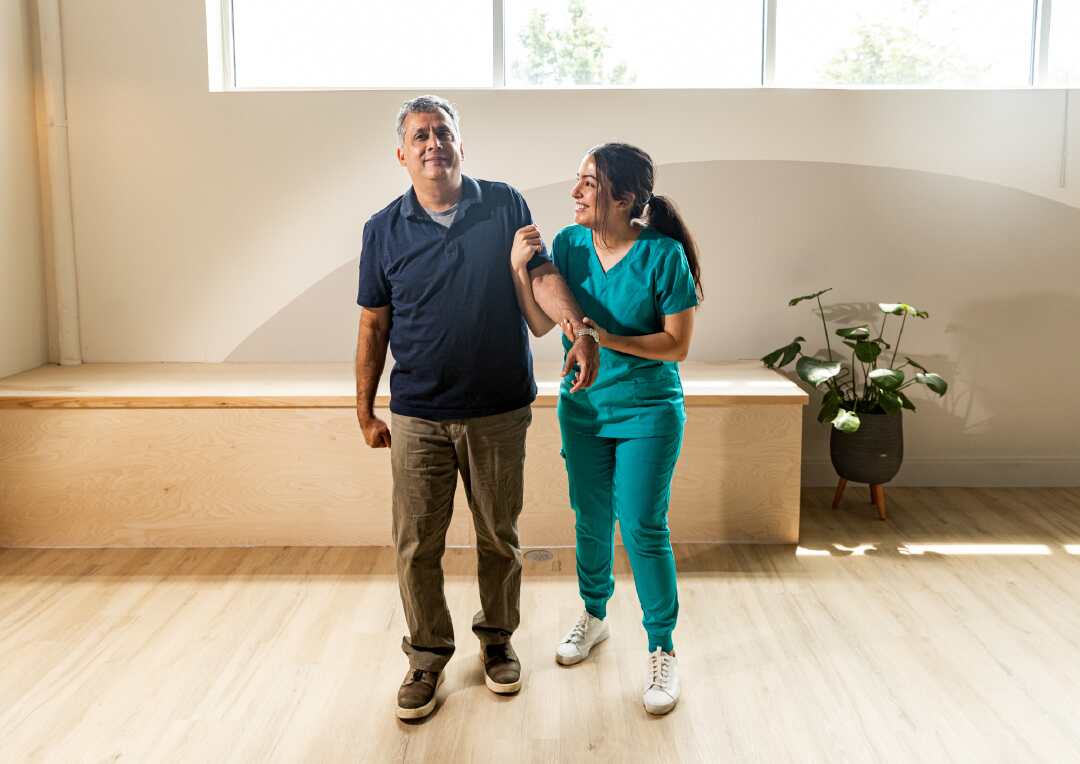
Home Physiotherapy

We understand that some conditions or injuries can make it difficult to receive rehabilitation at our clinic be it mobility or transportation issues. Our objective is to provide you with the same high-quality physiotherapy services at home that you would receive in-clinic.
Posted on

Knee Pain | Sakit Lutut

Synapse Physiotherapy

What is Knee Pain | Sakit Lutut

Knee pain is a common complaint among adults and is most often associated with general wear and tear from daily activities like walking, bending, standing, and lifting. Knee pain can happen to people ranging from athletes who run or play sports that involve jumping or quick pivoting to elderly who lived sedentarily. Regardless of the causes of knee pain, it can be bothersome and sometimes even debilitating in some circumstances. Diagnosing a knee injury or problem includes a medical examination and usually the use of diagnostic procedures such as an X-ray, MRI, CT scan, or arthroscopy. Both non-operative and surgical treatment options are available to treat knee pain and problems depending on the type and severity of the condition.

Causes of knee pain

Traumatic Causes

When knee pain stems from a traumatic incident, it often involves strained muscles or sprained ligaments. Overstretching, sudden twists, or excessive use during exercise can trigger this pain. Athletes often face tendonitis or tendinopathy due to repetitive movements like jumping or running, causing discomfort around the kneecap or shin area.


Severe Traumatic Issues

More severe cases of knee pain involve torn ligaments, tendons, or menisci. This can result in knee instability, making it challenging to stand or abruptly stop movements. Popping sounds during injury are also common indicators.


Non-Traumatic Causes

For knee pain unrelated to trauma, osteoarthritis is a primary culprit, especially in those aged 45 and above. It’s a degenerative condition characterized by articular cartilage loss, leading to stiffness, climbing difficulty, and prolonged walking discomfort.


Chronic Conditions

Gout and rheumatic joint disease contribute to chronic knee pain, accompanied by warmth and redness around the joint. These conditions require assessment and consultation for accurate diagnosis and management.


Goals of Physiotherapy for Knee Pain

Relieve pain

Physiotherapists utilize different techniques such as electrotherapy, manual therapy, shockwave therapy, thermal modalities, and stretching to relieve knee pain.


Regain full or functional range of motion

Physiotherapists will prescribe exercise or stretching to improve joint mobility according to the patient’s goal which is necessary for the activity of daily living and various sports.  


Strengthen the adjacent muscle

Physiotherapists will use specific exercises to strengthen the adjacent muscle(s) that provides necessary support to the knee joint. This helps to reduce the stress on the joint and regain the normal function of the knee. 


Reduce inflammation and enhance healing

Physiotherapists use cryotherapy to reduce inflammation and modalities such as therapeutic ultrasound and extracorporeal shockwave therapy.


Prevent future injuries

Physiotherapists use various strategies such as strengthening, and proper body mechanic training to prevent future injuries.


Educate and provide advice on lifestyle modification

Physiotherapists educate on proper lifting mechanics and advice on the use of knee guards or tapings during sports activity.


When is Physiotherapy Recommended for Knee Pain?

Acute Injuries:

  • Muscle Strain: When a muscle is overstretched or torn, physiotherapy helps in managing pain, restoring strength, and promoting healing through targeted exercises and techniques.
  • Ligament Sprain: A sprain involves stretching or tearing of a ligament. Physiotherapy aids in stabilizing the knee joint, improving range of motion, and strengthening surrounding muscles to support the injured ligament.
  • Torn Ligaments: Severe ligament tears often require rehabilitation to regain stability and function in the knee. Physiotherapy aims to strengthen muscles around the knee to compensate for the injured ligament.
  • Torn Meniscus: Physiotherapy focuses on reducing pain and swelling, improving flexibility, and gradually reintroducing activities while protecting the healing meniscus.

Overuse Injuries:

  • Tendinopathy and Tendinitis: Physiotherapy assists in reducing inflammation, restoring normal tendon function, and strengthening the muscles around the knee to alleviate stress on the affected tendon. Techniques may include exercise programs and modalities to promote healing.

Degenerative Conditions:

  • Osteoarthritis: Physiotherapy plays a crucial role in managing pain, improving joint mobility, and preserving function. It involves exercises to strengthen the muscles supporting the knee, as well as techniques to reduce pain and improve overall knee mechanics.

Pre-Surgery and Post-Surgery:

  • Knee Replacement: Before surgery, physiotherapy aims to strengthen muscles and improve mobility, which can facilitate post-operative recovery. After surgery, rehabilitation focuses on restoring mobility, strength, and function of the knee joint.
  • Tendon Reconstruction, Meniscal Repair, Ligament Repair: Pre-operative physiotherapy helps in optimizing strength and range of motion. Post-operatively, it’s crucial for regaining function, restoring mobility, and preventing complications through specialized exercises and therapies.

Physiotherapy Treatment for Knee Pain Available in Synapse

  1. Manual Therapy
  2. Electrotherapy: Transcutaneous electrical nerve stimulation (TENs)
  3. Therapeutic Ultrasound therapy
  4. Radial  shockwave therapy 
  5. Cryotherapy
  6. Heat therapy
  7. Therapeutic exercise 
  8. Knee orthotic prescription 
  9. Weight management programme
  10. Activity modification advice

Common Question regarding Knee pain

Are there any exercises or stretches that can help alleviate knee pain?

Exercises and stretches can indeed help manage knee pain. Low-impact activities like swimming, cycling, and walking are gentle on the knees. Specific exercises focusing on strengthening the muscles around the knee, such as leg lifts, hamstring curls, and calf raises, can offer support. Stretching the quadriceps, hamstrings, and IT band can also alleviate tension and improve flexibility. However, it’s crucial to consult a healthcare professional or a physical therapist to get personalized exercises and avoid exacerbating the issue.


What lifestyle changes can I make to reduce knee pain?

Several lifestyle adjustments can ease knee discomfort. Maintaining a healthy weight reduces stress on the knees, so adopting a balanced diet and engaging in regular exercise helps immensely. Using proper footwear and supportive shoe inserts can alleviate strain. Avoiding high-impact activities that stress the knees excessively and using supportive gear during exercise, such as knee braces, can also be beneficial.


How long does it typically take for knee pain to heal?

The healing duration for knee pain varies significantly based on the cause and severity. Minor strains or sprains may improve within a few days to weeks with rest, ice, compression, and elevation (RICE). However, more severe injuries or conditions like ligament tears or osteoarthritis might require longer healing times, potentially months, and may necessitate medical intervention or physical therapy.


Are there any specific risk factors that make someone more prone to knee pain?

Numerous factors contribute to knee pain susceptibility. Excess weight places additional stress on the knees. Age plays a role, as older adults are more prone to wear-and-tear conditions like osteoarthritis. Previous knee injuries, poor posture, muscle imbalances, improper footwear, and engaging in activities that involve repetitive stress on the knees can all increase the risk of knee pain.


Aside from pain, what are the other symptoms of knee injuries and conditions?

Beyond pain, various symptoms can indicate knee issues. Swelling, stiffness, redness, warmth, and decreased range of motion are common. Clicking, popping, or locking sensations in the knee joint might signal underlying problems. Instability or difficulty bearing weight on the affected knee could indicate more severe injuries, such as ligament tears or cartilage damage. Seeking medical attention for a proper diagnosis and treatment plan is crucial when these symptoms arise.


Back & Neck Pain

Conditions such as stiffness, postural abnormalities and muscle overuse from prolonged desk work at the office or home is more prevalent than most would think. We provide the necessary tools to fix you up and educate you on ergonomics which can unload unnecessary stress.

Sports Injuries

Rolled ankles, jarred knees, impinged shoulders are few conditions in the plethora of sports injuries which can hamper performance and limit our enjoyment of sports. Physiotherapy not only treats the symptoms of these conditions but propels your overall fitness to greater heights.

Work Desk Injuries​

Conditions such as stiffness, postural abnormalities and muscle overuse from prolonged desk work at the office or home is more prevalent than most would think. We provide the necessary tools to fix you up and educate you on ergonomics which can unload unnecessary stress.

Pre-Post-Surgical Conditions

Surgery involves going through preparation both before and after. Physiotherapists play a vital role in getting your body ready for surgeries with circulatory, breathing and strengthening exercises. After the procedure, let us be there for your recovery and rehabilitation, taking it one step at a time.

Scoliosis & Postural Abnormalities

The way we stand, sit, walk and sleep has influence over our posture and the overall balance of muscles controlling its alignment. A comprehensive screening can be done by our physiotherapists to detect abnormalities, which we will aid in correcting.

Neurological Conditions

Neurological disabilities such as stroke, nerve compression and neuropathies can be barriers for patients to live life to its fullest. We at Synapse are committed to help you overcome these hurdles by ensuring functional mobility and quality of life is at its optimum by providing the right treatment and exercises.

Osteoarthritis & Rheumatism

Joint degeneration and inflammation happens as the human body grows older, but that does not mean our way of life degenerates as well. Relief your joint pains with a joint effort together with your physiotherapist, who will provide pain-relief treatments and prescribe exercises for your wellbeing.

Conditions Relating To Elderly

Common conditions in the older age population include hips & knee pain, back & neck pain, osteoarthritis, rheumatism, fear of falling and many more.  Aging and degeneration of bodily function is inevitable, but here at Synapse, we will help you live the best of your life.

Home Physiotherapy

We understand that some conditions or injuries can make it difficult to receive rehabilitation at our clinic be it mobility or transportation issues. Our objective is to provide you with the same high-quality physiotherapy services at home that you would receive in-clinic.