Synapse Physiotherapy | Physio Center | Rehab Malaysia
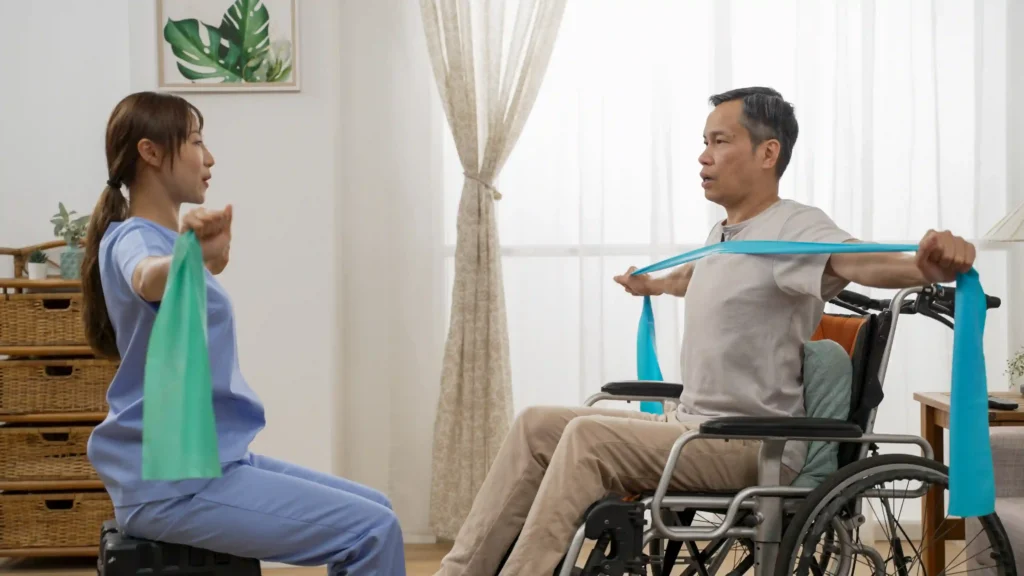
Muscle tears are among the most common musculoskeletal injuries seen in both professional athletes and the general population. These injuries often occur suddenly during sports, high-intensity exercise, or even during mundane daily activities such as lifting heavy objects or slipping on a wet surface. When these injuries strike, seeking expert guidance from Synapse Physiotherapy ensures a structured path toward recovery through a combination of pain relief, strength restoration, and long-term injury prevention. By choosing the right approach at Physiotherapy Malaysia, most muscle tears can heal effectively without the need for invasive surgery, allowing you to return to your daily routine with confidence.
A muscle tear, also commonly referred to as a muscle strain, ranges in severity from mild overstretching to a complete rupture of the muscle fibres. Without proper rehabilitation and professional intervention, these injuries may lead to prolonged pain, significant weakness, the formation of restrictive scar tissue, and a high risk of recurrent injuries. This is why early and structured intervention from a professional team is crucial for a successful recovery. Physiotherapists are specifically trained to assess the severity of your condition and design evidence-based treatment plans tailored to your unique lifestyle and functional goals.
A muscle tear occurs when muscle fibres are overstretched or overloaded beyond their physiological capacity. This often happens during sudden acceleration, rapid deceleration, or when the muscle is subjected to excessive force. While any muscle can be affected, the hamstrings, quadriceps, calf muscles, groin, rotator cuff, and lower back are the most frequently injured areas. To provide the most effective treatment, Physiotherapy Malaysia classifies these injuries into three distinct grades:
Accurate grading is essential, as it determines the intensity, duration, and progression of your specific physiotherapy treatment plan. While rest is an important initial step, it is rarely sufficient for optimal recovery on its own. Improper healing can result in permanent stiffness, weakness, and poor movement control. Professional intervention at Synapse Physiotherapy helps by promoting optimal tissue healing, reducing inflammation, and preventing muscle shortening.
In Malaysia, the management of muscle tears involves several evidence-based stages. Each stage is designed to protect the tissue while gradually restoring the body’s ability to handle physical loads. By understanding how sport injury clinic help to treat muscle tears, patients can better appreciate the complex science behind their recovery journey.
In the early phase, usually the first 48 to 72 hours, the primary focus is on protecting the injured muscle and controlling the initial inflammatory response. Our professional team may recommend activity modification, compression, and gentle positioning to minimise stress on the damaged fibres. Education is also a key component during this stage, ensuring you know how to move safely without aggravating the injury.
Common modalities used for pain management in Physiotherapy Malaysia include:
Once the initial pain is controlled, gentle range of motion exercises are introduced to prevent stiffness and maintain muscle elasticity. These movements are performed strictly within pain-free limits. As healing improves, the focus shifts to strengthening, which is the cornerstone of rehabilitation. The progression usually follows this order:
Eccentric training is particularly vital in Physiotherapy Malaysia because it helps improve muscle resilience and significantly reduces the risk of re-injury in the future. For more information on the standards of professional practice in the country, you may visit the Malaysian Physiotherapy Association (MPA), the national body representing physiotherapists in Malaysia.
Manual soft tissue techniques are frequently employed to improve tissue mobility and local circulation. These may include soft tissue mobilisation, myofascial release, and trigger point therapy. When applied at the appropriate stage, these techniques help reduce tightness and prevent excessive scar tissue formation. As healing progresses, individualised stretching programmes are introduced to restore full muscle length and flexibility.
Rehabilitation at Physiotherapy Malaysia does not end simply because the pain has disappeared. The final stages of recovery focus on functional and sports-specific rehabilitation to ensure the muscle can handle real-world demands. This phase includes gait retraining, balance and proprioception exercises, and functional movements like squatting or lunging. For athletes, sport-specific drills are integrated to prepare the body for dynamic loads and sudden, explosive movements.
Education remains a pillar of the treatment process at Synapse Physiotherapy. Patients are taught proper warm-up techniques, correct movement patterns, and load management strategies. This empowers you to take control of your long-term musculoskeletal health and prevents the cycle of recurrent injuries.
The duration of your recovery depends heavily on the severity of the tear and your individual health factors:
Consistent participation in a structured programme at Physiotherapy Malaysia significantly improves recovery outcomes and reduces overall downtime. Delaying treatment may prolong your recovery and increase the risk of developing chronic issues.
You should seek help if you experience persistent pain, swelling, bruising, or a noticeable reduction in strength and movement. Early intervention leads to better long-term outcomes.
While rest is important initially, it is rarely enough for a full recovery. Without guided exercise, the muscle may heal with weakness or stiffness, making it prone to future injury.
Eccentric strengthening, which involves controlled muscle lengthening, is considered vital for improving muscle resilience and reducing the risk of tearing the muscle again.
Many Grade III tears can be managed with physiotherapy, though they require a longer recovery period of 3 months or more. However, some complete ruptures may require surgical consultation.
Manual therapy techniques like myofascial release help improve tissue mobility, increase circulation, and prevent the formation of excessive, restrictive scar tissue.
Muscle tears can significantly impact your daily life, career, and athletic performance if they are not managed with professional care. In Physiotherapy Malaysia, evidence-based rehabilitation programmes focus on safe healing, functional recovery, and long-term prevention. Through a combination of expert pain management, manual therapy, and progressive strengthening, the professional team at Synapse Physiotherapy is dedicated to helping you return to your optimal level of function.
Whether you are dealing with a minor strain or a severe rupture, a structured rehabilitation plan is the most effective way to regain your confidence and mobility safely. Don’t let a muscle injury keep you on the sidelines. If you are ready to start your journey toward a full recovery, Book a consultation with us today and experience the highest standard of care.
Tags :



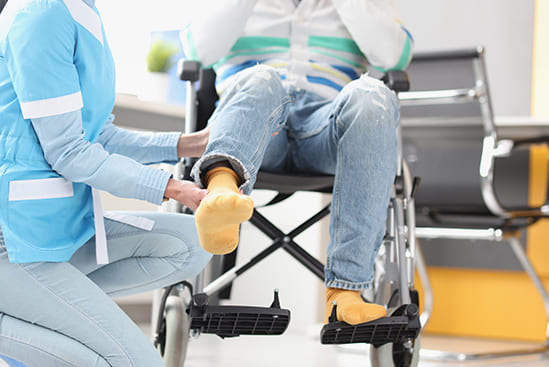


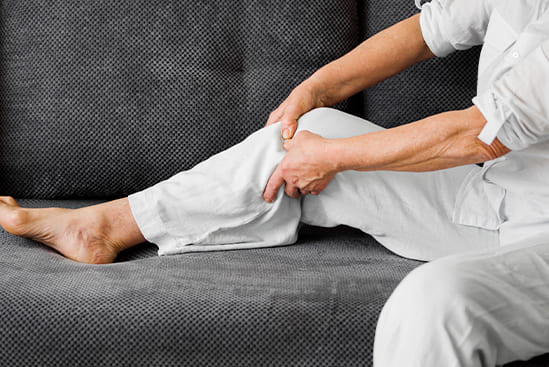
Joint degeneration and inflammation happens as the human body grows older, but that does not mean our way of life degenerates as well. Relief your joint pains with a joint effort together with your physiotherapist, who will provide pain-relief treatments and prescribe exercises for your wellbeing.

Common conditions in the older age population include hips & knee pain, back & neck pain, osteoarthritis, rheumatism, fear of falling and many more. Aging and degeneration of bodily function is inevitable, but here at Synapse, we will help you live the best of your life.