Synapse Physiotherapy | Physio Center | Rehab Malaysia
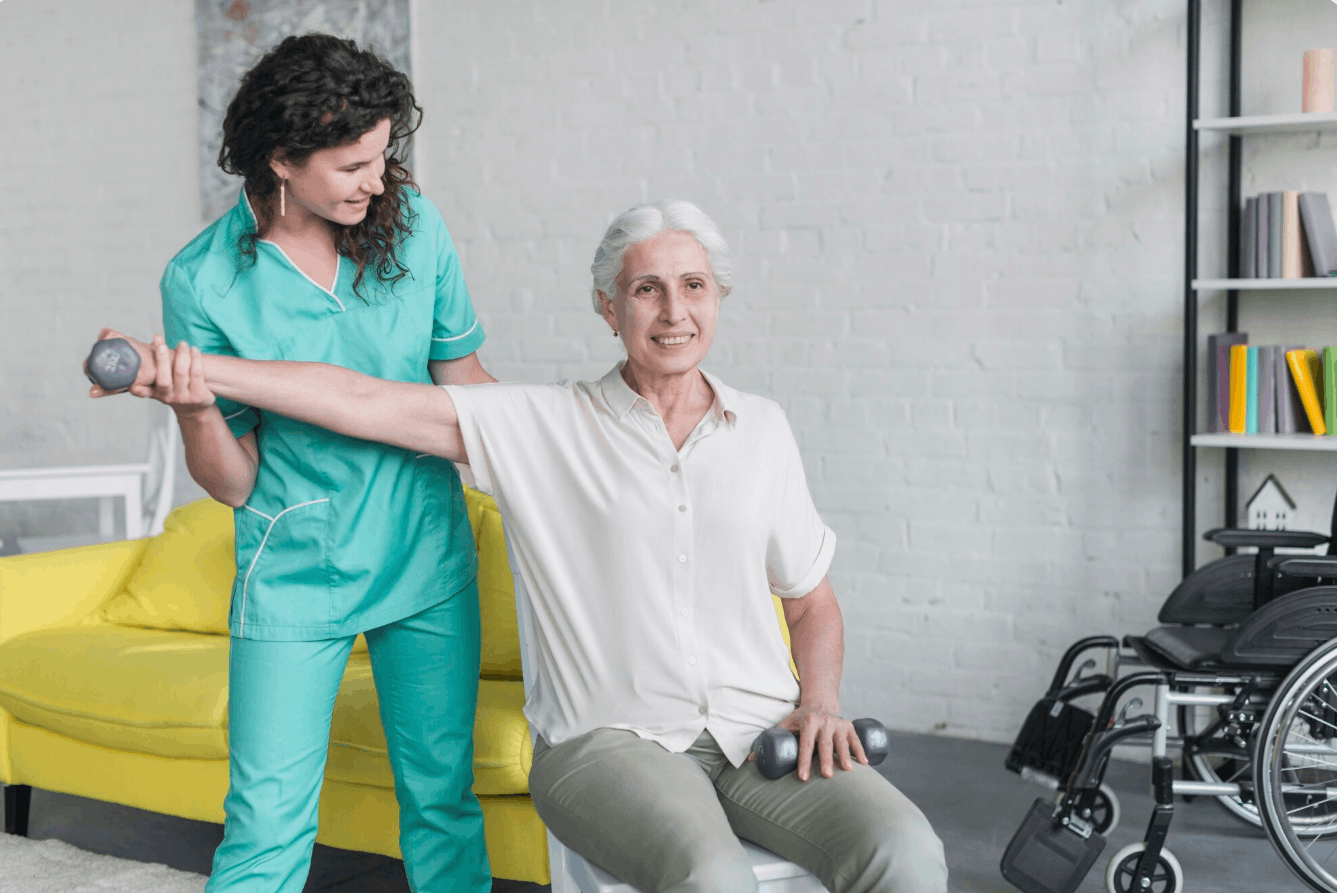
As people age, maintaining strength, balance, flexibility, and mobility becomes increasingly important for independence and quality of life. Many seniors experience joint stiffness, muscle weakness, reduced coordination, or fear of falling, which can make daily activities more challenging. Simple movements such as standing from a chair, walking to the bathroom, climbing stairs, or carrying groceries may become harder without regular movement and guided support.
This is where physiotherapy cyberjaya can play an important role in supporting healthy ageing. With personalised assessment and safe exercise guidance, physiotherapy helps seniors stay active, reduce pain, prevent falls, and move with more confidence. For elderly patients who have difficulty travelling, Home Physiotherapy may also be considered as a convenient way to receive professional care in a familiar environment.
At Synapse Physiotherapy, treatment and exercise programmes are designed according to each patient’s physical condition, goals, mobility level, and safety needs.
Regular exercise is essential for seniors because the body naturally loses muscle mass and strength with age. Joints may also become stiffer, reaction time may slow down, and balance may decline. Without regular movement, seniors may become weaker, less confident, and more dependent on others for daily activities.
Physiotherapy cyberjaya helps seniors exercise safely by choosing movements that match their current ability. A physiotherapist can modify exercises for seniors with arthritis, back pain, knee pain, stroke recovery, post-surgical weakness, or balance problems.
The NHS physical activity guidelines for older adults recommend that older adults include activities that improve strength, balance, and flexibility. These are the same key areas commonly included in senior physiotherapy programmes.
Before starting any new exercise routine, a proper assessment is essential for seniors, particularly those with:
Principles of Safe Exercise for Seniors:
Warning Signs to Stop Exercise Immediately:
What a Physiotherapy Cyberjaya Programme Monitors:
A physiotherapy programme for seniors places safety first at every stage. Careful monitoring ensures that exercises provide genuine benefit without increasing the risk of injury or adverse reactions.
Strength training is one of the most important parts of senior exercise. Stronger muscles support the joints, improve walking ability, and reduce fall risk. Weakness in the legs, hips, and core can make seniors less stable during daily activities.
Chair squats help strengthen the thighs, hips, and buttocks. The senior begins seated, places both feet flat on the floor, leans slightly forward, and stands up slowly before sitting back down with control. A stable chair should be used, and support can be provided if needed.
This exercise is useful because it directly trains a daily movement: standing up from a chair.
Seated leg raises help strengthen the quadriceps at the front of the thigh. The senior sits upright and slowly straightens one knee, holds briefly, then lowers the leg. This is gentle and suitable for many seniors with lower-limb weakness.
Wall push-ups strengthen the arms, shoulders, and chest. The senior stands facing a wall, places both hands on the wall, bends the elbows slowly, then pushes back. This is safer than floor push-ups and can be adjusted based on distance from the wall.
At Synapse Therapy’s geriatric services, exercise plans can be personalised to support strength, mobility, balance, and recovery needs.
Falls are one of the biggest concerns for seniors. A fall can lead to injury, hospitalisation, fear of movement, and reduced independence. Balance training is therefore a key part of physiotherapy cyberjaya for elderly care.
The senior stands behind a chair and holds it for support. One foot is lifted slightly off the floor while maintaining upright posture. The position is held for a few seconds before switching sides. This exercise improves single-leg stability, which is important during walking.
Heel-to-toe walking involves placing one foot directly in front of the other, as if walking on a straight line. Seniors should perform this near a wall or support surface. This exercise helps coordination and balance control.
Weight shifting involves standing with feet hip-width apart and gently shifting body weight from side to side. This helps seniors practise controlled movement and improves confidence in standing.
The NICE falls prevention guideline highlights the importance of assessing and reducing fall risk in older adults. Physiotherapy can support this through strength training, balance exercises, gait practice, and home safety advice.
Flexibility exercises help reduce stiffness and maintain joint range of motion. This makes everyday movements such as reaching, turning, walking, and dressing easier.
Common flexibility exercises include gentle neck stretches, shoulder rolls, hamstring stretches, calf stretches, ankle circles, and wrist movements. These exercises should be performed slowly and without forcing the joints.
Physiotherapy cyberjaya often includes mobility exercises that match the senior’s needs. For example, seniors with stiff ankles may need ankle mobility work to improve walking balance. Seniors with shoulder stiffness may need gentle shoulder movements to improve reaching and dressing.
Cardiovascular health remains important in older age. Low-impact aerobic exercise can improve endurance, circulation, heart health, and general energy levels without placing excessive stress on the joints.
Suitable Low-Impact Aerobic Options for Seniors:
How to Start Safely:
For seniors with limited stamina, exercise should begin with short sessions and increase gradually over time. A physiotherapist can help determine:
Gradual progression is always safer than sudden intense activity. A structured and monitored approach ensures cardiovascular exercise remains beneficial and appropriate at every stage of recovery or ageing.
Poor posture can contribute to neck pain, back pain, shoulder tightness, and reduced mobility. Many seniors develop rounded shoulders, forward head posture, or reduced spinal movement due to prolonged sitting or weakness.
Postural exercises may include shoulder blade squeezes, chin tucks, gentle thoracic extension, and core activation. These movements help improve spinal alignment and reduce unnecessary strain.
A physiotherapy cyberjaya assessment can identify whether posture, muscle weakness, or joint stiffness is contributing to pain. The physiotherapist can then recommend suitable exercises and daily posture advice.
Breathing exercises are often overlooked, but they are useful for seniors. Good breathing can reduce tension, improve oxygen flow, support relaxation, and help coordinate movement during exercise.
Simple breathing practice may include slow nasal breathing, diaphragmatic breathing, or breathing with gentle arm movements. These techniques are especially useful for seniors who feel anxious, tense, or easily fatigued.
Relaxation techniques can also help reduce muscle guarding, especially in seniors with chronic pain or fear of falling.
Some seniors may find it difficult to travel to a clinic because of mobility problems, recent surgery, pain, or fall risk. In these situations, Home Physiotherapy can be useful. It allows the physiotherapist to assess the senior’s actual home environment and practise real-life movements such as getting out of bed, walking to the bathroom, using stairs, or standing from a sofa.
Home-based care also allows the physiotherapist to identify safety risks such as loose rugs, poor lighting, clutter, slippery floors, or unsuitable furniture height. This makes treatment highly practical for elderly patients.
Seniors should exercise in a safe, clutter-free area. They should wear supportive footwear, keep a chair or stable surface nearby, stay hydrated, and avoid exercising when feeling dizzy or unwell.
Exercises should not cause sharp pain. Mild effort is normal, but strong pain, chest discomfort, severe breathlessness, sudden weakness, or dizziness should be taken seriously. Seniors should stop immediately and seek professional advice if these symptoms occur.
Family members or caregivers may help by supervising exercises, preparing the environment, and encouraging consistency. However, the exercise plan should still come from a qualified physiotherapist.
Exercise helps seniors maintain strength, balance, flexibility, mobility, and independence. It can also reduce fall risk and support overall wellbeing.
Yes. Physiotherapy cyberjaya can be adapted for seniors based on their health condition, mobility level, pain, balance, and goals.
Safe exercises may include chair squats, seated leg raises, wall push-ups, supported balance training, gentle stretches, and walking, depending on ability.
Yes. Balance training, strength exercises, gait practice, and home safety advice can help reduce fall risk and improve confidence.
Many seniors with joint pain can exercise safely with proper guidance. The exercises should be low-impact, controlled, and adjusted to avoid aggravating pain.
Safe exercise is essential for healthy ageing. With the right guidance, seniors can improve strength, balance, flexibility, posture, and confidence in daily movement. Physiotherapy cyberjaya provides structured support so elderly patients can exercise safely and reduce the risk of falls or injury.
Whether the goal is to walk better, recover after surgery, manage joint pain, or maintain independence, a personalised physiotherapy plan can make a meaningful difference. Home Physiotherapy may also be helpful for seniors who prefer care in a familiar and practical environment. To learn more about the comprehensive treatment programmes, visit Synapse Physiotherapy’s conditions page or book a session for a consultation.
Tags :

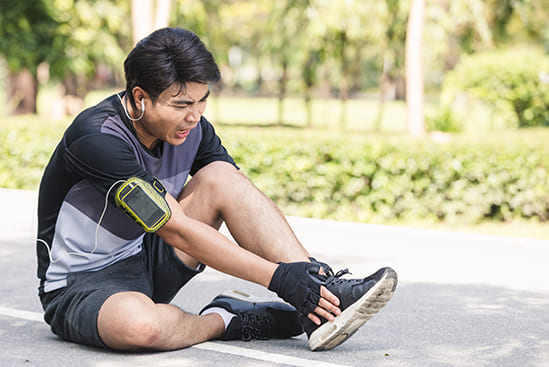
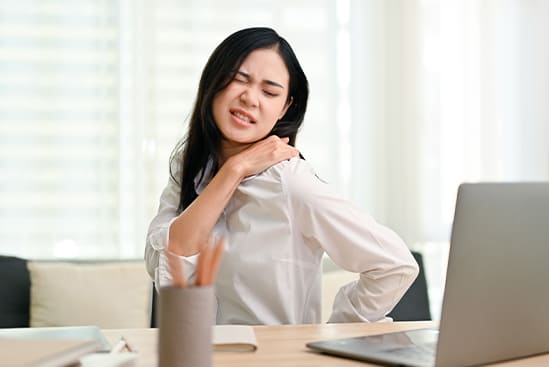
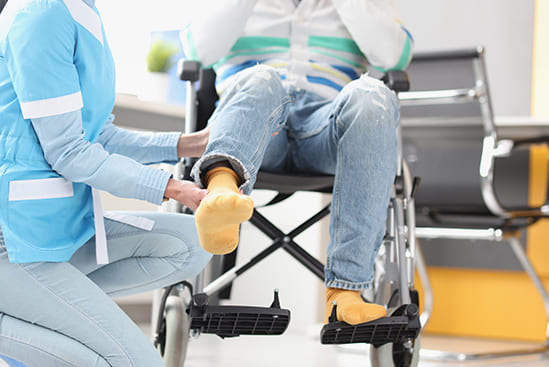

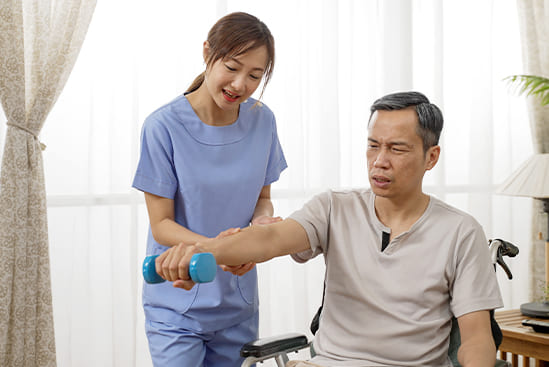
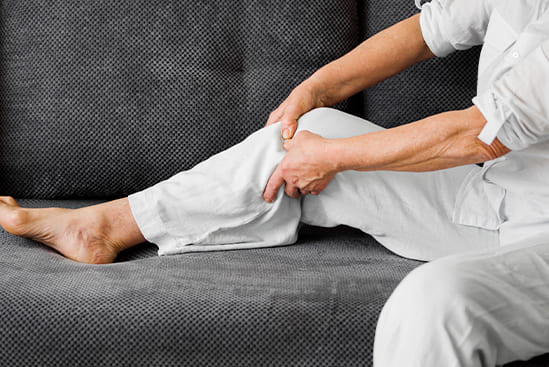
Joint degeneration and inflammation happens as the human body grows older, but that does not mean our way of life degenerates as well. Relief your joint pains with a joint effort together with your physiotherapist, who will provide pain-relief treatments and prescribe exercises for your wellbeing.
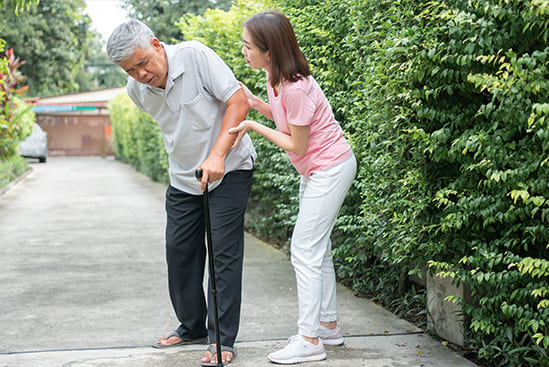
Common conditions in the older age population include hips & knee pain, back & neck pain, osteoarthritis, rheumatism, fear of falling and many more. Aging and degeneration of bodily function is inevitable, but here at Synapse, we will help you live the best of your life.