Posted on

How to Heal Slip Discs Quickly with Physiotherapy

Physiotherapy cyberjaya
Scoliosis & Postural Abnormalities, Synapse Physiotherapy

Introduction

A slipped disc, also known as a prolapsed or herniated disc, is a common yet often misunderstood spinal condition. Imagine your spinal column as a stack of sturdy bones (vertebrae) carefully cushioned by soft, gel-like discs. When one of these discs bulges outwards, it’s called a slipped disc. 

It might surprise you to learn that slipped discs are more common than you think, affecting 5 to 20 adults per 1000 annually. This condition can cause significant discomfort and pain, interfering with your daily life and preventing you from enjoying the activities you love. Physiotherapy is often considered the best conservative treatment for a slipped disc. If you have this condition, you should seek physiotherapy treatments as soon as possible. You may search for physiotherapy services around you, such as ‘physiotherapy Cyberjaya’.

Risk Factor

Understanding the risk factors for a slipped disc can help in prevention and early intervention. 

1. Aging and Gender

As you age, your discs become less flexible and more prone to tearing or rupturing, a process known as disc degeneration. 

2. Gender

Men are also more likely to suffer from herniated discs than women, particularly between the ages of 20 and 50.

3. Physically Demanding Work

Jobs or hobbies that require repetitive lifting, bending, twisting, pulling, or pushing can increase the wear and tear on your spine, accelerating the natural degeneration process.

4. Improper Lifting Techniques

Lifting heavy objects incorrectly can put undue strain on your spine. Using your back muscles instead of your legs to lift weight can cause injury, especially if you twist while lifting

5. Body Weight

Carrying extra weight increases the strain on your spine, making it more likely for discs to herniate. Being overweight or obese can exacerbate this risk.

Sign & Symptoms

Experiencing a slipped disc can lead to various uncomfortable and sometimes debilitating symptoms. Here are the common signs and symptoms of a slipped disc:

General Symptoms

  • Pain and Numbness: Typically occurs on one side of the body.
  • Radiating Pain: Extends to your arms or legs, depending on the location of the slipped disc.
  • Unexplained Muscle Weakness: Weakness in muscles served by the affected nerves, causing difficulty in lifting or holding items.
  • Difficulty Walking: Pain that occurs when walking or standing
  • Weakness and Stumbling: Muscles served by the affected nerves tend to weaken, leading to a higher chance of stumbling. 

Symptoms Based on the Location of the Slipped Disc

  • Lower Back (Lumbar Region)
  • Lower Back Pain: Sharp or burning pain in the lower back, buttocks, thigh, and calf.
  • Leg Pain: Pain that may extend to the back of the thigh or calf, even the sole of the foot.
  • Numbness or Tingling: Radiating numbness or tingling in the legs or feet.
  • Neck (Cervical Region)
  • Shoulder and Arm Pain: Sharp or burning pain in the shoulder and arm, which can worsen with coughing, sneezing, or certain movements.
  • Numbness or Tingling: Radiating numbness or tingling in the shoulder, arm, or hand.

Management

Seeking timely medical care for a slipped disc is crucial, especially if your pain travels down your arm or leg, or if you experience numbness, tingling, or weakness. Here are the primary medical management strategies for a slipped disc:

Conservative Treatment

  • Activity Modification: Avoid movements that cause pain and incorporate rest.
  • Pain Management: Use pain relief medications as recommended.

Surgery

Few people with herniated discs require surgery. However, it may be considered if conservative treatments fail to improve symptoms after six weeks, especially if you have:

  • Poorly controlled pain
  • Numbness or weakness
  • Trouble standing or walking
  • Loss of bladder or bowel control

Surgical Options:


  • Diskectomy: Removal of the protruding portion of the disc. In rare cases, the entire disc must be removed, and the vertebrae might need to be fused with a bone graft.
  • Spinal Fusion: Metal hardware is placed in the spine to provide stability during the bone fusion process, which takes months.
  • Artificial Disc Implantation: In rare cases, a surgeon might suggest the implantation of an artificial disc.

How Does Physiotherapy Help You?


Following a thorough evaluation, our team will identify the cause of your prolapse and develop a personalized treatment plan to get you on the path to recovery. Here are some of the ways we can assist you:

Pain Management

  • Pain Control: Utilizing various techniques to reduce pain and inflammation.
    • TENS Therapy (Transcutaneous Electrical Nerve Stimulation)
    • Ultrasound Therapy
    • Hydrotherapy
    • Massage Therapy
    • Heat and Cold Therapy: Applying heat to relax muscles and cold to reduce inflammation and numb pain

Movement and Motor Control

  • Re-education of Movement: Teach you proper movement patterns to avoid further injury.
  • Motor Control Exercises: Enhancing your ability to control movements to prevent strain on the affected area.

Proprioception and Strengthening

  • Exercises for Proprioception: Improving your body’s ability to sense movement, action, and location.
  • Strengthening and Stability Exercises: Focusing on core stability and muscle strength to support and protect your spine.

Specialized Techniques

  • McKenzie Method: A specific approach to back pain that involves exercises to centralize pain and improve spinal function.
  • Spinal Manipulation and Mobilization: Techniques to improve spinal alignment and relieve pressure on nerves.

How to prevent it?


Preventing a prolapsed disc involves a combination of lifestyle adjustments and proper techniques. 

  1. Maintain a Healthy Weight: Follow a balanced diet and engage in regular physical activity to maintain an appropriate weight.
  2. Exercise Regularly: Focus on exercises that strengthen your core, back and leg muscles. Activities like swimming are beneficial.
  3. Use Proper Lifting Techniques: Always bend at your knees, not your waist. Use your legs to lift heavy objects, and keep the object close to your body.
  4. Maintain Good Posture: Sit and stand with your back straight, shoulders back, and feet flat on the floor. Use ergonomic chairs and desks if you sit for long periods.
  5. Avoid Prolonged Sitting or Standing: Take regular breaks to move and stretch if you have a sedentary job or need to stand for long periods. Walk around for a few minutes every hour.
  6. Quit Smoking: Smoking reduces blood flow to the discs in your spine, causing them to degenerate more quickly.
  7. Stay Hydrated: Proper hydration keeps your spinal discs pliable and healthy.
  8. Wear Supportive Footwear: Choose shoes that provide good arch support and cushioning, especially if you stand or walk a lot.

FAQs

1. How long does it take to recover from a slipped disc?

Recovery time can vary, but with conservative treatment and physiotherapy, most patients recover within six weeks to three months.

2. Is surgery always required for a herniated disc?

No, surgery is only necessary if conservative treatments fail to relieve symptoms or if there are severe neurological deficits.

3. How does physiotherapy help with a slipped disc?

Physiotherapy aids recovery by reducing pain, improving mobility, and strengthening the muscles that support your spine.

4. Can slipped discs recur after treatment?

Yes, without proper care and preventative measures, such as strengthening and posture improvement, slipped discs can recur.

5. What activities should be avoided with a slipped disc?

Avoid heavy lifting, high-impact sports, and activities that require twisting or bending until your physiotherapist advises otherwise.

Conclusion

In summary, a slipped disc, or herniated disc, can disrupt your daily life and bring about considerable discomfort. If you’re dealing with a slipped disc or wish to prevent future issues, don’t hesitate to contact Synapse physiotherapy clinic. Our expert team is dedicated to developing personalized treatment plans that address your unique needs and guide you toward a safe and effective recovery. Let us help you get back to the activities you love with confidence and comfort.

Share This :

Back & Neck Pain

Conditions such as stiffness, postural abnormalities and muscle overuse from prolonged desk work at the office or home is more prevalent than most would think. We provide the necessary tools to fix you up and educate you on ergonomics which can unload unnecessary stress.

Sports Injuries

Rolled ankles, jarred knees, impinged shoulders are few conditions in the plethora of sports injuries which can hamper performance and limit our enjoyment of sports. Physiotherapy not only treats the symptoms of these conditions but propels your overall fitness to greater heights.

Work Desk Injuries​

Conditions such as stiffness, postural abnormalities and muscle overuse from prolonged desk work at the office or home is more prevalent than most would think. We provide the necessary tools to fix you up and educate you on ergonomics which can unload unnecessary stress.

Pre-Post-Surgical Conditions

Surgery involves going through preparation both before and after. Physiotherapists play a vital role in getting your body ready for surgeries with circulatory, breathing and strengthening exercises. After the procedure, let us be there for your recovery and rehabilitation, taking it one step at a time.

Scoliosis & Postural Abnormalities

The way we stand, sit, walk and sleep has influence over our posture and the overall balance of muscles controlling its alignment. A comprehensive screening can be done by our physiotherapists to detect abnormalities, which we will aid in correcting.

Neurological Conditions

Neurological disabilities such as stroke, nerve compression and neuropathies can be barriers for patients to live life to its fullest. We at Synapse are committed to help you overcome these hurdles by ensuring functional mobility and quality of life is at its optimum by providing the right treatment and exercises.

Osteoarthritis & Rheumatism

Joint degeneration and inflammation happens as the human body grows older, but that does not mean our way of life degenerates as well. Relief your joint pains with a joint effort together with your physiotherapist, who will provide pain-relief treatments and prescribe exercises for your wellbeing.
Conditions Relating To Elderly

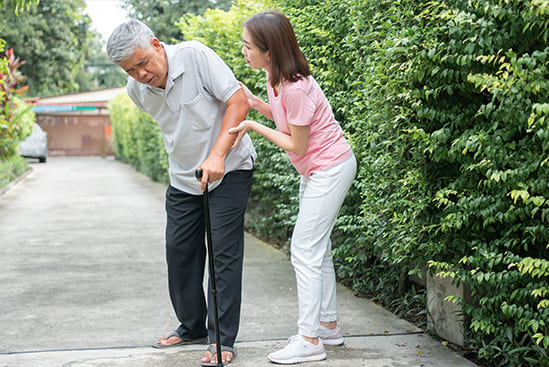
Common conditions in the older age population include hips & knee pain, back & neck pain, osteoarthritis, rheumatism, fear of falling and many more.  Aging and degeneration of bodily function is inevitable, but here at Synapse, we will help you live the best of your life.
Home Physiotherapy

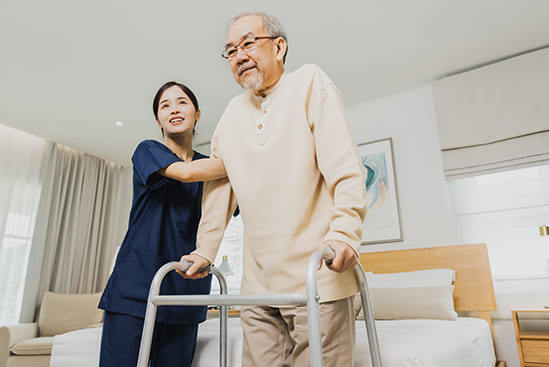
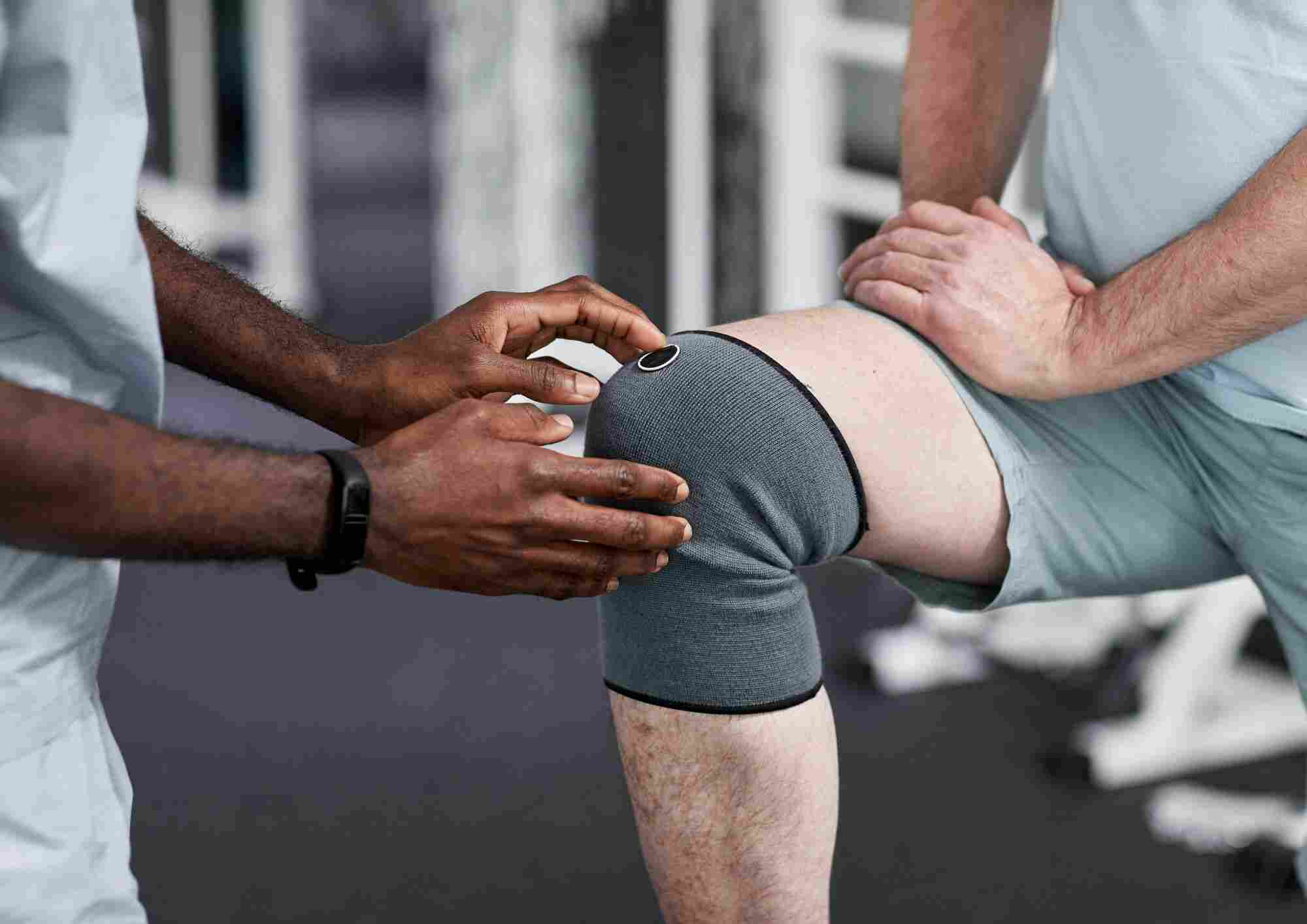
We understand that some conditions or injuries can make it difficult to receive rehabilitation at our clinic be it mobility or transportation issues. Our objective is to provide you with the same high-quality physiotherapy services at home that you would receive in-clinic.
Posted on

How Physiotherapy Helps You Recover From Muscle Strains

physiotherapy cyberjaya
Synapse Physiotherapy

Introduction

Muscle strains, commonly referred to as pulled muscles, occur when muscle fibres are overstretched or torn. Muscle injuries like these are a common occurrence, affecting athletes, fitness enthusiasts, and even individuals engaging in everyday activities. Because of this, physiotherapy has been gaining favour and popularity in managing muscle injuries and strains. Understanding how to effectively manage these injuries is also crucial for optimal recovery and the prevention of further damage.

If you are looking for physiotherapy in Cyberjaya to manage your muscle strain, head on over to our Synapse Cyberjaya branch and let our expert physiotherapists help you with your injuries. We will be able to come up with a holistic treatment plan after doing a full comprehensive assessment on you.

This type of injury can result from sudden, forceful movements or prolonged overuse, and is often seen in athletes. However, this can also affect anyone.  The tear can occur in any one of these such as: within the muscle itself, at the junction between the muscle and tendon (most common type), and in the tendon where it attaches to the bone.

These injuries commonly happen during excessive loading of the muscle. For example, injuries often occur when a muscle is contracting while elongating. There are some other factors that can predispose an individual to injury such as older age, previous muscle injury, less flexibility, lack of strength in the muscle and fatigue.

Recovery from muscle strains involves several steps, and physiotherapy plays a crucial role in this process. Here’s how physiotherapy helps you recover from muscle strains.

Understanding Muscle Strains

Before diving into the benefits of physiotherapy, it’s essential to understand the nature of muscle strains. Muscle strains vary in severity:

Grade I: Mild strain causing minimal muscle fibre damage and mild discomfort.

Grade II: Moderate strain involving a greater number of muscle fibres, leading to more intense pain and swelling.

Grade III: Severe strain with a complete muscle tear, resulting in significant pain, swelling, and loss of function.

The Role of Physiotherapy in Recovery

1. Accurate Diagnosis and Assessment

Physiotherapists are trained to assess the extent of muscle damage accurately. An initial evaluation helps determine the severity of the strain, identify the affected muscles, and develop a tailored treatment plan. This step is crucial for effective recovery as it prevents misdiagnosis and ensures that the appropriate therapeutic interventions are applied.


2. Pain Management

Managing pain is a primary concern in the initial stages of a muscle strain. Physiotherapists use various techniques such as ice therapy, heat therapy, and electrical stimulation to reduce pain and inflammation. These methods help to alleviate discomfort and create a conducive environment for healing.


3. Promoting Healing through Manual Therapy

Manual therapy techniques, including massage, myofascial release, and gentle stretching, are used to enhance blood flow to the injured area. Improved circulation brings essential nutrients and oxygen to the damaged tissues, promoting faster healing. Additionally, these techniques help reduce muscle tension and prevent the formation of scar tissue, which can impede recovery.


4. Restoring Range of Motion

Muscle strains often lead to stiffness and limited range of motion in the affected area. Physiotherapists design specific stretching and flexibility exercises to gradually restore normal movement. These exercises are tailored to the individual’s condition and are progressed as healing occurs, ensuring a safe and effective recovery process.


5. Strengthening Exercises

Once the initial pain and inflammation subsides, physiotherapists introduce strengthening exercises to rebuild muscle strength and endurance. These exercises target not only the injured muscle but also the surrounding muscles to ensure overall stability and prevent future injuries. Strengthening the muscles helps restore functionality and prepares the individual to return to their daily activities or sports.


6. Functional Training

Functional training is a crucial aspect of physiotherapy, especially for athletes and individuals engaged in physical activities. Physiotherapists incorporate exercises that mimic real-life movements and activities. This approach helps patients regain confidence in using the injured muscle and ensures a smoother transition back to their regular routines.


7. Education and Injury Prevention

Physiotherapy goes beyond just treatment; it involves educating patients about proper body mechanics, posture, and techniques to avoid future injuries. Physiotherapists provide guidance on warm-up routines, stretching exercises, and ergonomic practices that reduce the risk of muscle strains. This preventive aspect of physiotherapy empowers individuals to take better care of their muscles and overall physical health.

The Benefits of Physiotherapy for Muscle Strains

1. Accelerated Recovery

Physiotherapy accelerates the healing process by addressing the underlying causes of muscle strains and providing targeted interventions. The combination of pain management, manual therapy, and structured exercise programs speeds up recovery and minimises downtime.


2. Reduced Risk of Complications

Without proper treatment, muscle strains can lead to complications such as chronic pain, reduced flexibility, and recurrent injuries. Physiotherapy helps mitigate these risks by promoting optimal healing and preventing the formation of scar tissue.


3. Personalized Treatment Plans

Physiotherapists create individualised treatment plans based on the specific needs and goals of each patient. This personalised approach ensures that the treatment is effective and aligns with the patient’s lifestyle and activities.


4. Enhanced Quality of Life

Recovering from a muscle strain with the help of physiotherapy allows individuals to regain their mobility, strength, and confidence. This improvement in physical function translates to an enhanced quality of life, enabling individuals to resume their daily activities and pursue their interests without limitations.

Frequently Asked Questions (FAQs)

Physiotherapy aids in muscle strain recovery by reducing pain, promoting healing, and restoring strength and flexibility through targeted exercises and treatments.

Treatments may include manual therapy, stretching, strengthening exercises, ultrasound, and heat or cold therapy to enhance recovery.

Recovery time varies but generally ranges from a few weeks to several months, depending on the severity of the strain and adherence to the treatment plan.

Yes, physiotherapy can help prevent future strains by improving muscle strength, flexibility, and teaching proper movement techniques and posture.

It’s best to start physiotherapy as soon as possible after a muscle strain to reduce pain, prevent stiffness, and promote effective healing.

Conclusion

Muscle strains can be debilitating, but with the right approach, recovery is achievable. Physiotherapy plays a pivotal role in the rehabilitation process by providing accurate diagnosis, effective pain management, and targeted interventions. Through a combination of manual therapy, stretching, strengthening exercises, and functional training, physiotherapists help individuals recover from muscle strains, regain their strength, and prevent future injuries. By embracing physiotherapy, individuals can ensure a smoother and more successful recovery, ultimately enhancing their overall well-being and quality of life.

Produced by MYSense

Share This :

Back & Neck Pain

Conditions such as stiffness, postural abnormalities and muscle overuse from prolonged desk work at the office or home is more prevalent than most would think. We provide the necessary tools to fix you up and educate you on ergonomics which can unload unnecessary stress.

Sports Injuries

Rolled ankles, jarred knees, impinged shoulders are few conditions in the plethora of sports injuries which can hamper performance and limit our enjoyment of sports. Physiotherapy not only treats the symptoms of these conditions but propels your overall fitness to greater heights.

Work Desk Injuries​

Conditions such as stiffness, postural abnormalities and muscle overuse from prolonged desk work at the office or home is more prevalent than most would think. We provide the necessary tools to fix you up and educate you on ergonomics which can unload unnecessary stress.

Pre-Post-Surgical Conditions

Surgery involves going through preparation both before and after. Physiotherapists play a vital role in getting your body ready for surgeries with circulatory, breathing and strengthening exercises. After the procedure, let us be there for your recovery and rehabilitation, taking it one step at a time.

Scoliosis & Postural Abnormalities

The way we stand, sit, walk and sleep has influence over our posture and the overall balance of muscles controlling its alignment. A comprehensive screening can be done by our physiotherapists to detect abnormalities, which we will aid in correcting.

Neurological Conditions

Neurological disabilities such as stroke, nerve compression and neuropathies can be barriers for patients to live life to its fullest. We at Synapse are committed to help you overcome these hurdles by ensuring functional mobility and quality of life is at its optimum by providing the right treatment and exercises.

Osteoarthritis & Rheumatism

Joint degeneration and inflammation happens as the human body grows older, but that does not mean our way of life degenerates as well. Relief your joint pains with a joint effort together with your physiotherapist, who will provide pain-relief treatments and prescribe exercises for your wellbeing.

Conditions Relating To Elderly

Common conditions in the older age population include hips & knee pain, back & neck pain, osteoarthritis, rheumatism, fear of falling and many more.  Aging and degeneration of bodily function is inevitable, but here at Synapse, we will help you live the best of your life.
Home Physiotherapy

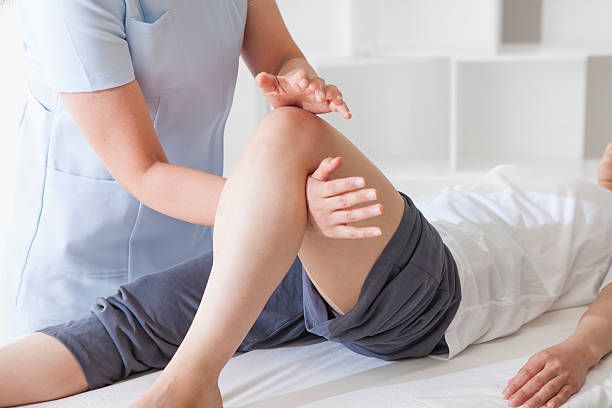
We understand that some conditions or injuries can make it difficult to receive rehabilitation at our clinic be it mobility or transportation issues. Our objective is to provide you with the same high-quality physiotherapy services at home that you would receive in-clinic.
Posted on

After Childbirth Rehabilitation I Physiotherapy Cyberjaya

After Childbirth Rehabilitation I Physiotherapy Cyberjaya
Synapse Physiotherapy

The Importance of Physiotherapy Rehabilitation After Childbirth

Childbirth is a profound experience that brings significant changes to a woman’s body. For example: the centre of gravity changes, there is more pressure on the organs and there is increased weight to be carried. The physical demands of pregnancy and delivery in a relatively short period of time can lead to a variety of postpartum issues, including muscle weakness, back pain, pelvic floor dysfunction, and urinary incontinence.


When the body goes through these changes, the posture and the way the body moves change, as the weight going through the joints increases, and the muscle, ligaments, and soft tissues get more flexible and elastic to allow the pelvis to stretch and accommodate the foetus. All of these changes happen due to hormonal changes and they are a very important part of the pregnancy. Therefore due to these changes, over two-thirds of pregnant women experience back pain, one fifth experience pelvic pain, and over 40% experience urinary incontinence in their first pregnancy.


Physiotherapy rehabilitation after childbirth, often referred to as postnatal or postpartum physiotherapy, plays a crucial role in helping new mothers recover, regain strength, and return to their daily activities and exercise routines safely. It is within the scope of practice of a physiotherapist to properly assess, treat and educate pregnant women in effective and safe exercises that have been shown to decrease back pain, pelvic pain, and urinary incontinence throughout their pregnancy and postpartum. The goal of this program would be to offer women improved prenatal and postnatal fitness that would lead to a healthier and easier pregnancy journey and delivery.


Seeing a physiotherapist who specialises in pregnancy and postpartum for the right treatment and guidance to prevent and treat these issues is key. If you are looking for physiotherapy services in Cyberjaya, look no further than our very own Synapse Physiotherapy Cyberjaya branch. Our expert physiotherapists will be able to help you with all your prenatal and postnatal needs.

Here’s an overview of why postnatal physiotherapy is essential and the benefits it offers.


1. Pelvic Floor Rehabilitation 

One of the most important aspects of postnatal physiotherapy is pelvic floor rehabilitation. During pregnancy and childbirth, the pelvic floor muscles endure significant stress and stretching. This can result in conditions such as pelvic organ prolapse, urinary incontinence, and pelvic pain. Postnatal physiotherapy focuses on restoring the strength and function of these muscles through tailored exercises and techniques.


A physiotherapist can guide new mothers through pelvic floor exercises, commonly known as Kegels, and more advanced rehabilitation techniques. These exercises help to improve muscle tone, enhance support for pelvic organs, and reduce symptoms of incontinence. Early intervention and proper guidance are crucial in preventing long-term pelvic floor issues.


2. Core Stability and Abdominal Recovery

 Pregnancy causes the abdominal muscles to stretch and weaken, often leading to a condition known as diastasis recti, where the abdominal muscles separate. This can compromise core stability and lead to back pain and postural issues. Postnatal physiotherapy addresses these concerns by providing exercises aimed at gradually re-strengthening the abdominal muscles and restoring core stability.


A physiotherapist will assess the extent of diastasis recti and develop a personalised exercise program that includes gentle, progressive exercises to close the gap and improve muscle function. Proper core rehabilitation not only enhances physical appearance but also supports overall body mechanics and reduces the risk of injury.


3. Pain Management and Musculoskeletal Health

Many new mothers experience pain in various parts of the body, including the lower back, hips, and shoulders, due to the physical demands of caring for a newborn and the changes during pregnancy and childbirth. Postnatal physiotherapy can help manage and alleviate this pain through a combination of manual therapy, exercises, and ergonomic advice.


Physiotherapists provide techniques to address specific pain points, improve posture, and recommend safe ways to perform daily activities such as lifting and feeding the baby. This holistic approach ensures that new mothers can carry out their responsibilities with less discomfort and a lower risk of developing chronic pain conditions.


4. Safe Return to Exercise and Activity

Returning to pre-pregnancy exercise routines or starting new fitness activities should be approached with caution to prevent injury and ensure adequate recovery. Postnatal physiotherapists can create personalised exercise plans that consider the individual’s delivery method, physical condition, and recovery progress.


These plans typically start with low-impact exercises focusing on rebuilding strength, flexibility, and endurance. As the body heals and strengthens, the intensity and complexity of the exercises can be gradually increased. Physiotherapists also provide guidance on when and how to safely resume more strenuous activities, helping new mothers regain their fitness and confidence.


5. Emotional and Mental Well-being

The postpartum period can be emotionally challenging, with many women experiencing mood swings, anxiety, or postpartum depression. While physiotherapy primarily addresses physical health, it also contributes to emotional and mental well-being. Regular physical activity and exercise have been shown to improve mood, reduce stress, and enhance overall mental health.


Physiotherapists offer support and encouragement, helping new mothers feel more empowered and in control of their recovery process. The structured routine of physiotherapy sessions can also provide a sense of normalcy and progress during a time of significant change.

Frequently Asked Questions (FAQs)

1. What is after childbirth rehabilitation?

After childbirth rehabilitation is a specialised physiotherapy program designed to help new mothers recover and regain strength after delivery. It focuses on pelvic floor health, core stability, and overall physical wellness.

2. When should I start after childbirth rehabilitation?

You can start rehabilitation as soon as you feel ready and your doctor has given you the go-ahead. Typically, it’s recommended to begin within the first few weeks post-delivery, but it can also be beneficial months or even years later.

3. How long does after childbirth rehabilitation take?

The duration of the program varies based on individual needs and recovery progress. Some mothers may see significant improvement within a few weeks, while others may require several months of therapy.

4. What exercises are included in the rehabilitation program?

The program includes a range of exercises such as pelvic floor strengthening, core stability workouts, gentle stretching, and functional movements tailored to your specific needs and recovery stage.

5. Is after childbirth rehabilitation covered by insurance?

Coverage for physiotherapy services varies by insurance provider and policy. It’s best to check with your insurance company to determine if after childbirth rehabilitation is included in your plan.

Conclusion

Postnatal physiotherapy rehabilitation is a vital component of postpartum care, offering comprehensive support for physical recovery and overall well-being. By focusing on pelvic floor health, core stability, pain management, safe return to exercise, and emotional support, physiotherapy helps new mothers navigate the challenges of the postpartum period more effectively. Investing in postnatal physiotherapy can lead to a healthier, stronger, and more confident return to daily life and physical activity.

Share This :

Back & Neck Pain

Conditions such as stiffness, postural abnormalities and muscle overuse from prolonged desk work at the office or home is more prevalent than most would think. We provide the necessary tools to fix you up and educate you on ergonomics which can unload unnecessary stress.

Sports Injuries

Rolled ankles, jarred knees, impinged shoulders are few conditions in the plethora of sports injuries which can hamper performance and limit our enjoyment of sports. Physiotherapy not only treats the symptoms of these conditions but propels your overall fitness to greater heights.

Work Desk Injuries​

Conditions such as stiffness, postural abnormalities and muscle overuse from prolonged desk work at the office or home is more prevalent than most would think. We provide the necessary tools to fix you up and educate you on ergonomics which can unload unnecessary stress.

Pre-Post-Surgical Conditions

Surgery involves going through preparation both before and after. Physiotherapists play a vital role in getting your body ready for surgeries with circulatory, breathing and strengthening exercises. After the procedure, let us be there for your recovery and rehabilitation, taking it one step at a time.

Scoliosis & Postural Abnormalities

The way we stand, sit, walk and sleep has influence over our posture and the overall balance of muscles controlling its alignment. A comprehensive screening can be done by our physiotherapists to detect abnormalities, which we will aid in correcting.

Neurological Conditions

Neurological disabilities such as stroke, nerve compression and neuropathies can be barriers for patients to live life to its fullest. We at Synapse are committed to help you overcome these hurdles by ensuring functional mobility and quality of life is at its optimum by providing the right treatment and exercises.

Osteoarthritis & Rheumatism

Joint degeneration and inflammation happens as the human body grows older, but that does not mean our way of life degenerates as well. Relief your joint pains with a joint effort together with your physiotherapist, who will provide pain-relief treatments and prescribe exercises for your wellbeing.

Conditions Relating To Elderly

Common conditions in the older age population include hips & knee pain, back & neck pain, osteoarthritis, rheumatism, fear of falling and many more.  Aging and degeneration of bodily function is inevitable, but here at Synapse, we will help you live the best of your life.
Home Physiotherapy

We understand that some conditions or injuries can make it difficult to receive rehabilitation at our clinic be it mobility or transportation issues. Our objective is to provide you with the same high-quality physiotherapy services at home that you would receive in-clinic.
Posted on

Specialties Of Synapse Physiotherapy Cyberjaya

physiotherapy cyberjaya
Synapse Physiotherapy

Introduction 

Located in the heart of Cyberjaya City, Synapse Physiotherapy Cyberjaya stands out as a premier destination for physiotherapy and rehabilitation services in Selangor. Established in 2020, this state-of-the-art clinic has quickly become a leading provider of physiotherapy services in the area, offering a wide range of specialised treatments to cater to diverse patient needs.

 Services Offered 

At Synapse Physiotherapy Cyberjaya, patients have access to a comprehensive range of services, including:

– Physiotherapy

Strength training and conditioning

– Post-surgery rehabilitation

– Dry needling

– Home physiotherapy

– Shockwave therapy

– Ultrasound therapy

– Virtual Reality (VR) rehabilitation

TECAR therapy

With a team of five qualified physiotherapists, each bringing a unique background and expertise to the table, Synapse Physiotherapy Cyberjaya ensures personalised care tailored to individual patient requirements. Collectively, the team boasts 10 years of experience in the field, providing patients with the highest standard of care and expertise. 


State-of-the-Art Facility

 The clinic’s modern and accessible facility is located on the ground floor, offering wheelchair access and amenities to ensure a comfortable and convenient experience for all patients. The clinic’s prime location in Cyberjaya City makes it easily accessible for residents and visitors alike, further enhancing its appeal as a top choice for physiotherapy services in the region.

Why Choose Synapse Physiotherapy Cyberjaya? 

– Experienced and qualified physiotherapy team

– Comprehensive range of specialised services

– State-of-the-art facility with wheelchair access

– Convenient location in the heart of Cyberjaya City 

 Contact Information

For those living in Cyberjaya or anywhere nearby and are interested in scheduling an appointment or learning more about the services offered at Synapse Physiotherapy Cyberjaya, the clinic can be reached at:

Phone: 0383223000

Take the first step towards better health and wellness by choosing Synapse Physiotherapy Cyberjaya for all your physiotherapy and rehabilitation needs. Experience the difference that personalised care and expertise can make in your journey towards recovery and optimal health

Share This :

Back & Neck Pain

Conditions such as stiffness, postural abnormalities and muscle overuse from prolonged desk work at the office or home is more prevalent than most would think. We provide the necessary tools to fix you up and educate you on ergonomics which can unload unnecessary stress.

Sports Injuries

Rolled ankles, jarred knees, impinged shoulders are few conditions in the plethora of sports injuries which can hamper performance and limit our enjoyment of sports. Physiotherapy not only treats the symptoms of these conditions but propels your overall fitness to greater heights.

Work Desk Injuries​

Conditions such as stiffness, postural abnormalities and muscle overuse from prolonged desk work at the office or home is more prevalent than most would think. We provide the necessary tools to fix you up and educate you on ergonomics which can unload unnecessary stress.

Pre-Post-Surgical Conditions

Surgery involves going through preparation both before and after. Physiotherapists play a vital role in getting your body ready for surgeries with circulatory, breathing and strengthening exercises. After the procedure, let us be there for your recovery and rehabilitation, taking it one step at a time.

Scoliosis & Postural Abnormalities

The way we stand, sit, walk and sleep has influence over our posture and the overall balance of muscles controlling its alignment. A comprehensive screening can be done by our physiotherapists to detect abnormalities, which we will aid in correcting.

Neurological Conditions

Neurological disabilities such as stroke, nerve compression and neuropathies can be barriers for patients to live life to its fullest. We at Synapse are committed to help you overcome these hurdles by ensuring functional mobility and quality of life is at its optimum by providing the right treatment and exercises.

Osteoarthritis & Rheumatism

Joint degeneration and inflammation happens as the human body grows older, but that does not mean our way of life degenerates as well. Relief your joint pains with a joint effort together with your physiotherapist, who will provide pain-relief treatments and prescribe exercises for your wellbeing.

Conditions Relating To Elderly

Common conditions in the older age population include hips & knee pain, back & neck pain, osteoarthritis, rheumatism, fear of falling and many more.  Aging and degeneration of bodily function is inevitable, but here at Synapse, we will help you live the best of your life.

Home Physiotherapy

We understand that some conditions or injuries can make it difficult to receive rehabilitation at our clinic be it mobility or transportation issues. Our objective is to provide you with the same high-quality physiotherapy services at home that you would receive in-clinic.