Synapse Physiotherapy | Physio Center | Rehab Malaysia
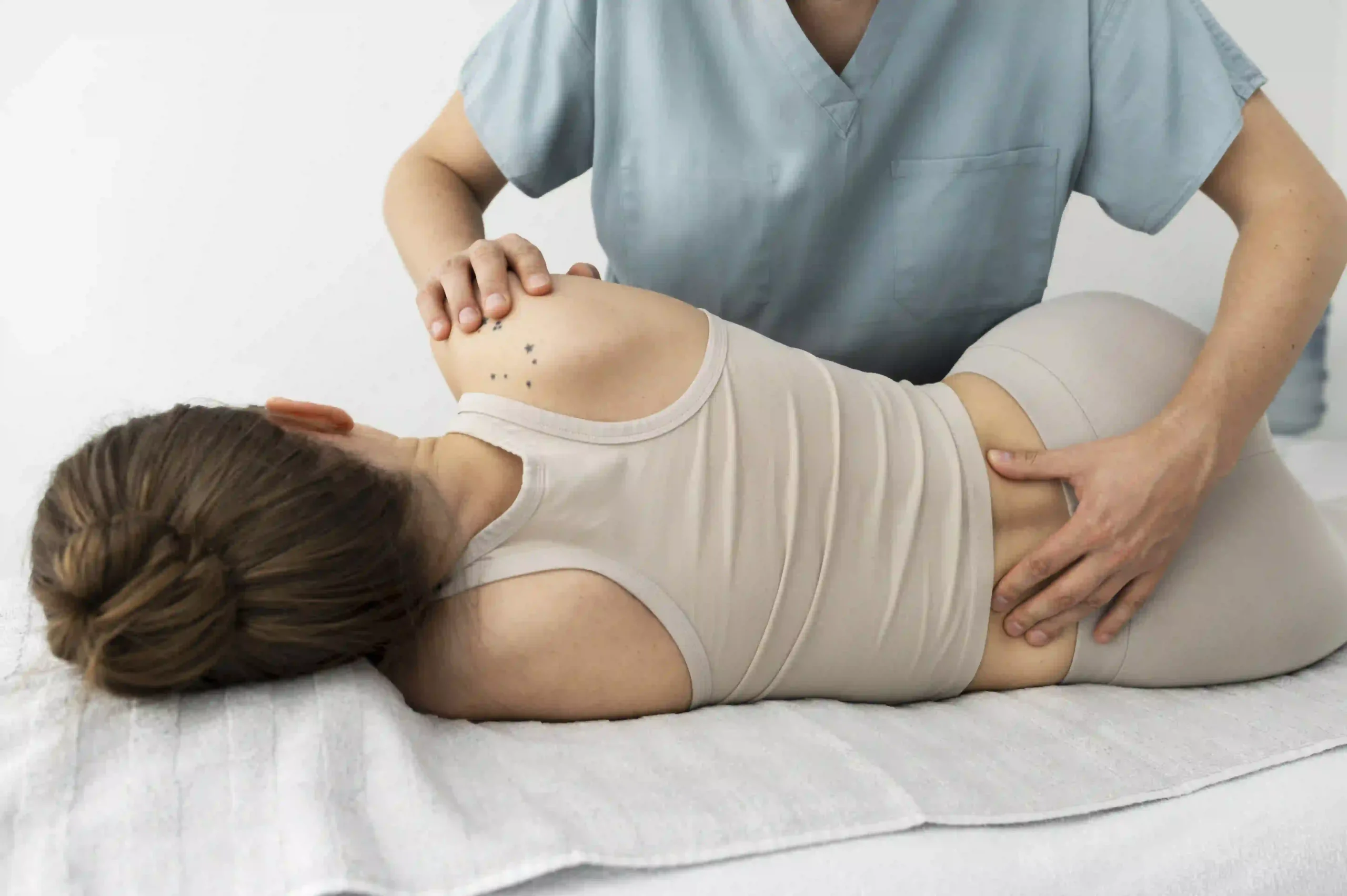
A slip disc—also known as a herniated, bulging, or prolapsed disc—can be a frightening diagnosis for many patients, especially when pain affects daily activities or work. When sharp pain begins to affect your lifestyle, it is natural to worry that surgery is the only solution. However, in many cases, the body possesses a remarkable ability to heal itself naturally by reducing pain and restoring function without invasive procedures. This is where Synapse Physiotherapy makes the difference through their evidence-based physiotherapy for slip disc services, designed to guide the body’s recovery. Rather than rushing toward surgery, we shape each recovery journey with intentional pacing and movement strategies that allow you to regain your quality of life naturally.
To understand how physiotherapy for slip disc works, one must first understand the anatomy of the injury. A slip disc occurs when the soft inner material of an intervertebral disc pushes out through its tougher outer layer. This displacement can irritate or compress nearby nerves, leading to symptoms such as lower back pain, neck pain, numbness, tingling, or weakness in the arms or legs.
These issues commonly occur in the lumbar spine and cervical spine. Contrary to popular belief, a slip disc does not always require surgery. Many disc problems improve significantly over time with proper conservative management. Under the guidance of our professional team, patients can manage these symptoms effectively by addressing the mechanical and inflammatory components of the injury.
Can a slip disc truly heal on its own? Yes, in many cases, it can. The human body has the inherent ability to reabsorb herniated disc material and naturally reduce the inflammation surrounding the affected nerves. However, “natural healing” does not mean “doing nothing,” as movement can worsen and fear of activity can slow recovery without guidance.
Effective physiotherapy for slip disc supports this natural healing by creating the optimal conditions for the body to repair itself. According to the Mayo Clinic, most herniated discs do not require surgery and respond well to conservative treatments like physical therapy. This involves maintaining strength, mobility, and confidence in movement while the disc undergoes its natural recovery phase. By utilizing a tailored Spine Core Rehabilitation Service, patients can ensure they are not just waiting for the pain to stop, but actively strengthening the structures that protect the spine.
Treatment begins with a thorough assessment to understand the severity of the disc involvement, nerve symptoms, posture, and lifestyle factors. A holistic approach ensures that the professional team is not just treating the site of the pain, but looking at how the entire spine, muscles, and joints work together.
In the early stages of a slip disc, pain and muscle spasms can be intense. Physiotherapy for slip disc uses gentle, evidence-based techniques to manage these symptoms without surgery. These techniques include:
Many people avoid movement out of fear, but prolonged rest can actually delay healing. Physiotherapy for slip disc encourages controlled, gradual movement to prevent stiffness and muscle weakness. Specific exercises are prescribed to restore spinal mobility and improve posture. These exercises are carefully selected based on symptoms and tolerance, ensuring the spine is not overloaded.
Weak core and spinal muscles often contribute to disc problems and delayed recovery. Therefore, physiotherapy for slip disc places a strong emphasis on strengthening the deep core muscles that support the spine.
Improved core stability reduces stress on spinal discs during daily activities like sitting, bending, and lifting. Over time, providing stronger support around the spine helps protect the disc and reduces the risk of recurrence. This long-term focus is a hallmark of the care provided at Synapse Physiotherapy, where the goal is a full return to function.
Nerve-related symptoms, such as tingling, numbness, or shooting pain down the leg (sciatica), can be distressing. To combat this, physiotherapy for slip disc includes nerve mobilisation techniques and specific exercises designed to reduce nerve sensitivity and improve nerve movement. By addressing both mechanical compression and inflammation, physiotherapy helps calm irritated nerves and gradually restores normal sensation and strength.
Beyond the clinic, physiotherapy for slip disc involves addressing daily habits that affect spinal health. Poor posture, prolonged sitting, and improper lifting techniques are common contributors to disc issues. Our experts provide guidance on:
While physiotherapy for slip disc is highly effective for the majority of cases, surgery may be considered in certain situations. These include:
However, early intervention greatly increases the chances of a successful natural recovery. Starting physiotherapy early can make a significant difference in outcomes. Delaying treatment may allow stiffness, weakness, and fear of movement to develop, making recovery longer and more challenging.
Recovery times vary, but many disc problems improve over time with proper conservative management guided by a physiotherapist. Early assessment and intervention greatly increase the chances of success.
Yes, but exercises must be specific and controlled. Physiotherapy for slip disc prescribes exercises carefully selected to ensure the spine is not overloaded during the healing process.
No. Prolonged rest can actually delay healing. Physiotherapy encourages controlled, gradual movement to prevent stiffness and muscle weakness.
Not necessarily. Physiotherapy focuses on strengthening and movement retraining to significantly reduce the likelihood of future disc problems and recurrence.
Physiotherapy techniques, including nerve mobilisation and exercises to reduce nerve sensitivity, are highly effective at restoring normal sensation and strength.
Can physiotherapy heal a slip disc naturally? In many cases, yes. By supporting the body’s natural healing process, physiotherapy for slip disc provides a safe path to recovery by reducing pain, restoring movement, and strengthening spinal support. Through a personalised and evidence-based approach, Synapse Physiotherapy helps individuals avoid surgery, return to daily activities, and regain confidence in their bodies.
If you are struggling with back pain or nerve symptoms, the best step you can take is early intervention. Our Spine Core Rehabilitation Service is designed to provide you with the tools and strength needed for lasting relief. Don’t let a disc injury dictate your lifestyle. Take the first step toward a natural recovery and Book a consultation with our expert professional team today to begin your journey back to health.
Tags :



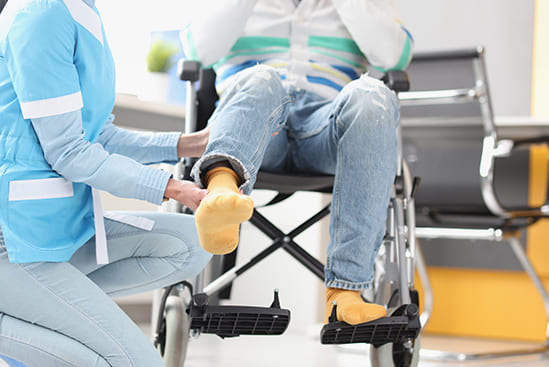


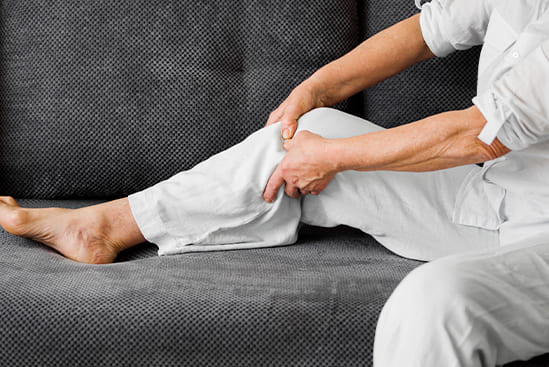
Joint degeneration and inflammation happens as the human body grows older, but that does not mean our way of life degenerates as well. Relief your joint pains with a joint effort together with your physiotherapist, who will provide pain-relief treatments and prescribe exercises for your wellbeing.

Common conditions in the older age population include hips & knee pain, back & neck pain, osteoarthritis, rheumatism, fear of falling and many more. Aging and degeneration of bodily function is inevitable, but here at Synapse, we will help you live the best of your life.