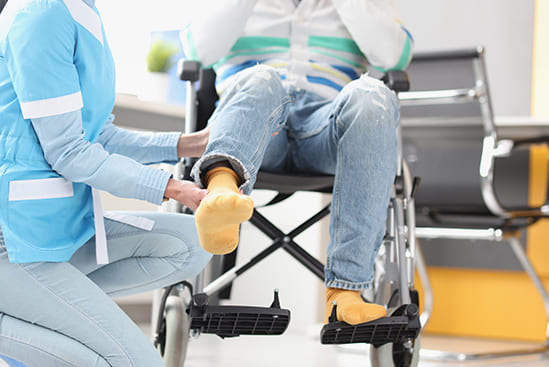
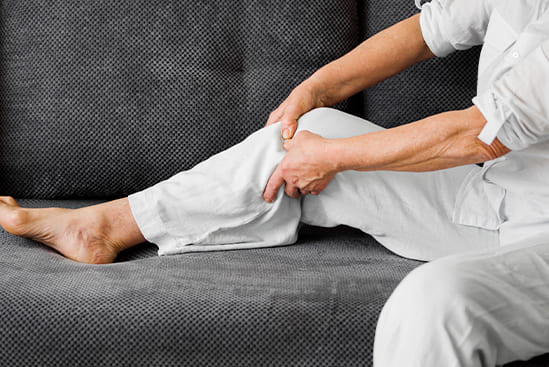
Posted on

What Services Does Physiotherapy Clinic Near Me Offer?

physiotherapy clinic near me
Synapse Physiotherapy

What Services Does a Physiotherapy Clinic Near Me Offer?

If you’ve ever searched online for a professional physiotherapy clinic near me, you’re probably looking for expert help to relieve pain, recover from an injury, or improve your overall physical function. Physiotherapy clinics today offer far more than simple exercises or massage. They combine modern techniques, advanced equipment, and evidence-based treatments to help patients of all ages regain mobility and strength. Whether you’re recovering from surgery, managing a chronic condition, or experiencing everyday aches and pains, a trusted physiotherapy clinic near me can provide services tailored to meet your unique needs.

This article explores the wide range of services you can expect from a reliable physiotherapy clinic near me, from manual therapy and rehabilitation to advanced treatments such as dry needling, shockwave therapy, and posture correction. Understanding what these services involve can help you make an informed decision about where to go and what type of care you might need.

1. Comprehensive Physiotherapy Assessment

Every journey begins with a thorough assessment. A qualified physiotherapist will evaluate your medical history, symptoms, movement patterns, and pain levels to identify the root cause of your condition. This detailed analysis forms the foundation for a personalised treatment plan.

The assessment may include posture analysis, muscle strength testing, range of motion evaluation, and gait observation. Some clinics even use digital tools to measure alignment and body mechanics. The goal is not just to treat pain temporarily but to understand why it’s happening, whether it’s due to poor posture, muscle imbalance, or an old injury that never healed properly.

2. Manual Therapy and Joint Mobilisation

Manual therapy remains one of the core services offered by most physiotherapy clinics near me. It involves hands-on techniques designed to improve mobility, reduce stiffness, and restore proper movement in joints and soft tissues.

Common techniques include joint mobilisation, manipulation, and soft tissue release. These methods help increase blood flow, relax tight muscles, and enhance overall flexibility. For individuals struggling with neck pain, lower back stiffness, or shoulder tightness, manual therapy can be highly effective in providing immediate relief and improving long-term function.

3. Sports Injury Management and Rehabilitation

If you’re an active person or athlete, a physiotherapy clinic near me can play a crucial role in your performance and recovery. Physiotherapists are trained to diagnose, treat, and prevent sports-related injuries such as sprains, tendonitis, ligament tears, and muscle strains.

Treatment may involve a combination of manual therapy, exercise rehabilitation, and advanced techniques like shockwave therapy or dry needling. Physiotherapists also work closely with athletes to correct movement patterns, strengthen weak areas, and prevent re-injury. For competitive athletes, this kind of proactive care can make the difference between a short recovery and a long downtime. Learn more about sport physiotherapy services.

4. Post-Surgical Rehabilitation

After surgery, whether it’s for the knee, shoulder, hip, or spine, physiotherapy is essential for restoring function and accelerating recovery. A good physiotherapy clinic near me provides structured rehabilitation programs that help patients regain strength, balance, and mobility safely.

Physiotherapists monitor your progress closely, adjusting your exercises as you heal. Early sessions may focus on gentle range-of-motion movements, while later stages incorporate strength training and functional exercises to help you return to your daily activities or sports. The ultimate goal is to rebuild confidence in your body’s ability to move without pain or restriction.

5. Pain Management Programs

Chronic pain, such as neck pain, back pain, and shoulder discomfort, can be life-limiting. Physiotherapists specialise in pain management through a combination of manual therapy, electrotherapy, and movement re-education.

Many clinics offer modalities like ultrasound therapy, transcutaneous electrical nerve stimulation (TENS), and heat therapy to reduce inflammation and stimulate healing. Additionally, physiotherapists teach proper ergonomics, body mechanics, and lifestyle modifications to prevent pain from recurring. This holistic approach ensures lasting relief rather than temporary fixes.

Dry Needling and Trigger Point Therapy

Many modern physiotherapy clinic near me locations now offer dry needling, a technique used to release muscle tightness and reduce pain. While it may look similar to acupuncture, dry needling is based on Western medical principles and targets myofascial trigger points, small knots in muscles that cause referred pain.

When performed by a trained physiotherapist, dry needling can be effective for treating chronic neck stiffness, lower back pain, shoulder tension, and even headaches. The treatment stimulates blood flow, reduces inflammation, and promotes natural healing within the muscle tissue.

Shockwave Therapy

Another advanced service increasingly available at a physiotherapy clinic near me is shockwave therapy. This non-invasive treatment uses high-energy sound waves to stimulate tissue repair and relieve chronic pain. It’s commonly used for conditions like plantar fasciitis, tennis elbow, calcific shoulder tendinitis, and Achilles tendon pain.

Shockwave therapy promotes collagen production, breaks down scar tissue, and enhances the body’s natural healing response. It’s especially beneficial for stubborn injuries that haven’t responded well to traditional treatments. Most patients experience significant pain reduction after just a few sessions.

6. Posture Correction and Ergonomic Training

Poor posture is one of the most common causes of neck and back pain. Physiotherapists are experts in identifying postural imbalances and teaching proper alignment techniques. Through specific strengthening and stretching exercises, they can help correct forward head posture, rounded shoulders, and slouched sitting habits.

Some clinics also offer ergonomic assessments for office workers, providing recommendations on workstation setup, chair height, and computer positioning to prevent strain injuries. Small changes in posture can lead to big improvements in comfort and productivity.

7. Rehabilitation for Neurological Conditions

Physiotherapy isn’t limited to musculoskeletal issues. Many physiotherapy clinic near me facilities also provide rehabilitation for neurological conditions such as stroke, Parkinson’s disease, multiple sclerosis, and spinal cord injuries.

These programs focus on improving balance, coordination, muscle strength, and independence in daily activities. Physiotherapists use task-specific training and mobility exercises to help patients regain confidence and functionality. With consistent care, even those with significant impairments can experience meaningful improvement.

8. Women’s Health Physiotherapy

A growing number of physiotherapy clinics now offer specialised services for women’s health. These may include treatment for pelvic floor dysfunction, urinary incontinence, pregnancy-related back pain, and postnatal recovery.

Physiotherapists use a combination of exercises, manual therapy, and education to help women manage discomfort and restore pelvic health. These services are confidential, evidence-based, and tailored to each patient’s individual needs.

9. Exercise Therapy and Strength Conditioning

Exercise therapy is a cornerstone of physiotherapy. It involves targeted movements to restore strength, flexibility, and endurance. Physiotherapists design customised exercise plans that address your specific weaknesses and goals, whether you’re recovering from injury or aiming to enhance overall fitness.

Many clinics provide guided exercise sessions and educate patients on how to perform these safely at home. This empowers individuals to take an active role in their recovery and maintain long-term health improvements. According to Physiopedia, evidence-based exercise therapy is fundamental to effective rehabilitation outcomes.

Conclusion

When you search for a physiotherapy clinic near me, you’re not just looking for pain relief, you’re seeking a pathway to better movement, function, and quality of life. Physiotherapy clinics today offer a wide range of services that cater to different needs, from injury recovery and chronic pain management to posture correction and advanced therapeutic technologies.

Whether you’re an athlete, an office worker, or someone recovering from surgery, physiotherapy provides personalised care designed to help your body heal naturally and perform at its best. If you’ve been living with discomfort or restricted mobility, don’t wait, reach out to a qualified physiotherapist near you and take the first step towards lasting recovery.

Share This :

Back & Neck Pain

Conditions such as stiffness, postural abnormalities and muscle overuse from prolonged desk work at the office or home is more prevalent than most would think. We provide the necessary tools to fix you up and educate you on ergonomics which can unload unnecessary stress.

Sports Injuries

Rolled ankles, jarred knees, impinged shoulders are few conditions in the plethora of sports injuries which can hamper performance and limit our enjoyment of sports. Physiotherapy not only treats the symptoms of these conditions but propels your overall fitness to greater heights.

Work Desk Injuries​

Conditions such as stiffness, postural abnormalities and muscle overuse from prolonged desk work at the office or home is more prevalent than most would think. We provide the necessary tools to fix you up and educate you on ergonomics which can unload unnecessary stress.

Pre-Post-Surgical Conditions

Surgery involves going through preparation both before and after. Physiotherapists play a vital role in getting your body ready for surgeries with circulatory, breathing and strengthening exercises. After the procedure, let us be there for your recovery and rehabilitation, taking it one step at a time.

Scoliosis & Postural Abnormalities

The way we stand, sit, walk and sleep has influence over our posture and the overall balance of muscles controlling its alignment. A comprehensive screening can be done by our physiotherapists to detect abnormalities, which we will aid in correcting.

Neurological Conditions

Neurological disabilities such as stroke, nerve compression and neuropathies can be barriers for patients to live life to its fullest. We at Synapse are committed to help you overcome these hurdles by ensuring functional mobility and quality of life is at its optimum by providing the right treatment and exercises.

Osteoarthritis & Rheumatism

Joint degeneration and inflammation happens as the human body grows older, but that does not mean our way of life degenerates as well. Relief your joint pains with a joint effort together with your physiotherapist, who will provide pain-relief treatments and prescribe exercises for your wellbeing.

Conditions Relating To Elderly

Common conditions in the older age population include hips & knee pain, back & neck pain, osteoarthritis, rheumatism, fear of falling and many more.  Aging and degeneration of bodily function is inevitable, but here at Synapse, we will help you live the best of your life.

Home Physiotherapy

We understand that some conditions or injuries can make it difficult to receive rehabilitation at our clinic be it mobility or transportation issues. Our objective is to provide you with the same high-quality physiotherapy services at home that you would receive in-clinic.
Posted on

Sports Physiotherapy: Treatment for Muscle Strains

Sports Physiotherapy
Sports Injuries, Synapse Physiotherapy

Sports Physiotherapy: Treatment for Muscle Strains


Muscle strains are one of the most common injuries experienced by athletes and physically active individuals. These injuries occur when muscle fibers are overstretched or torn, often leading to pain, swelling, and reduced mobility. While muscle strains can vary in severity, proper treatment is essential to ensure a full recovery and to prevent future injuries. Sports physiotherapy provides a comprehensive approach to healing and rehabilitation, making it an effective solution for muscle strain recovery.


What is muscle strain? 

A muscle strain, often referred to as a pulled muscle, is similar to a ligament sprain. It occurs when muscle fibers are overstressed and unable to withstand the demands placed on them, leading to fiber tears. This injury typically results from excessive mechanical stress, such as a forceful eccentric contraction or overstretching. Non-contact, high-intensity activities like sprinting and jumping are common causes of muscle strains.

Signs of a Muscle Strain

Key symptoms of a muscle strain include:

  • Swelling, discoloration, or redness at the injury site
  • Pain even during rest
  • Difficulty or inability to use the affected muscle
  • Weakness in the muscle or surrounding tendons

Causes

Acute strains usually occur due to a single event, such as improper lifting techniques or sudden overexertion. Chronic strains, however, develop gradually from repetitive movements that place ongoing stress on a muscle.

Risk Factors

Certain sports and activities can increase the risk of muscle strains:

  • Contact Sports: Sports like football, soccer, hockey, wrestling, and boxing can lead to higher injury risks.
  • Vulnerable Areas:
    • Legs and Ankles: Activities involving rapid starts, stops, and jumping, such as basketball and hurdling, can strain the Achilles tendon.
    • Hands: Repetitive gripping in sports like golf or gymnastics may strain hand muscles.
    • Elbows: Sports involving throwing or racket use, such as tennis or baseball, often result in elbow strains.

Recognizing the symptoms and understanding the causes and risk factors can help manage and prevent muscle strains effectively.

How Physiotherapy Helps with Muscle Strains

Physiotherapy is highly effective in managing and recovering from muscle strains. It focuses on relieving pain and swelling during the initial stages of the injury and gradually restoring the muscle’s strength, flexibility, and function. With personalized treatments that include exercises, stretching, and manual therapy, physiotherapy not only promotes healing but also minimizes the risk of future injuries by addressing imbalances and improving overall muscle stability and flexibility. Here’s a detailed breakdown of the key components of physiotherapy for muscle strains:

1. Comprehensive Assessment and Evaluation

A physiotherapist conducts a thorough evaluation to determine the severity of the strain and identify the specific muscle group involved. This assessment helps in designing a treatment plan tailored to your needs and recovery goals. Factors like age, activity level, and the nature of the injury are also considered

2. Pain and Inflammation Management

During the early stages of a muscle strain, reducing pain and swelling is a priority. Physiotherapists use various techniques, including:

  • Ice and Heat Therapy: Ice reduces inflammation and numbs pain, while heat relaxes tight muscles and improves blood flow to the area.
  • Ultrasound Therapy: High-frequency sound waves stimulate tissue repair and reduce deep-seated pain.
  • Electrical Stimulation: Devices like TENS (Transcutaneous Electrical Nerve Stimulation) provide pain relief and promote muscle activation.

3. Restoring Range of Motion (ROM)

Muscle strains often lead to stiffness and restricted movement. Gentle range-of-motion exercises are introduced early in rehabilitation to maintain joint mobility and prevent stiffness. These movements are progressively increased as healing occurs to ensure the affected muscle regains its natural flexibility.

4. Gradual Strengthening

To rebuild the injured muscle’s strength, physiotherapists incorporate progressive resistance exercises. These start with light, controlled movements and gradually advance to more demanding exercises. Strengthening helps the muscle withstand daily activities and physical demands without reinjury.

5. Targeted Stretching

Tightness in the injured muscle can hinder recovery and increase the risk of future strains. Specific stretches are introduced to lengthen the muscle fibers, enhance flexibility, and improve the overall function of the muscle-tendon unit.

6. Proprioceptive Training

Proprioception refers to your body’s ability to sense movement, position, and balance. Following a muscle strain, this sense can be impaired, increasing the risk of re-injury. Proprioceptive exercises, such as balance drills and coordination activities, help restore this critical function and improve muscle control.

7. Gradual Return to Activity

A critical aspect of physiotherapy is ensuring a safe and progressive return to daily activities and sports. Physiotherapists guide patients through exercises and functional movements tailored to their specific activity goals. This phase ensures the muscle can handle increased demands without strain or re-injury

Preventing Muscle Strains with Physiotherapy

 In addition to treating existing injuries, sports physiotherapy is a vital tool for preventing muscle strains. At Synapse Physiotherapy, our skilled physiotherapists focus on educating patients about proper warm-up techniques, correct body mechanics, and targeted exercises designed to strengthen muscles and enhance flexibility. This proactive approach not only reduces the risk of future injuries but also improves overall athletic performance, enabling you to push your limits safely and effectively.

When to See a Physiotherapist

 If you’ve suffered a muscle strain that isn’t improving with rest or continues to cause discomfort, it’s time to consult the experts at Synapse Physiotherapy. Our team specializes in early intervention to accelerate healing, prevent further damage, and minimize the risk of long-term complications. By addressing your unique needs, we help you return to your activities stronger and more confident.

Conclusion

Sports physiotherapy, especially at Synapse Physiotherapy, is a proven method for managing muscle strains. Combining pain relief, mobility restoration, and preventative care, our treatments are tailored to meet the demands of athletes and active individuals alike. Whether you’re a professional competitor or simply enjoy staying fit, we’re here to help you recover quickly and achieve your full potential. Don’t let a muscle strain slow you down—visit Synapse Physiotherapy today and reclaim your strength, flexibility, and performance!

.

Share This :

Back & Neck Pain

Conditions such as stiffness, postural abnormalities and muscle overuse from prolonged desk work at the office or home is more prevalent than most would think. We provide the necessary tools to fix you up and educate you on ergonomics which can unload unnecessary stress.

Sports Injuries

Rolled ankles, jarred knees, impinged shoulders are few conditions in the plethora of sports injuries which can hamper performance and limit our enjoyment of sports. Physiotherapy not only treats the symptoms of these conditions but propels your overall fitness to greater heights.

Work Desk Injuries​

Conditions such as stiffness, postural abnormalities and muscle overuse from prolonged desk work at the office or home is more prevalent than most would think. We provide the necessary tools to fix you up and educate you on ergonomics which can unload unnecessary stress.

Pre-Post-Surgical Conditions

Surgery involves going through preparation both before and after. Physiotherapists play a vital role in getting your body ready for surgeries with circulatory, breathing and strengthening exercises. After the procedure, let us be there for your recovery and rehabilitation, taking it one step at a time.

Scoliosis & Postural Abnormalities

The way we stand, sit, walk and sleep has influence over our posture and the overall balance of muscles controlling its alignment. A comprehensive screening can be done by our physiotherapists to detect abnormalities, which we will aid in correcting.

Neurological Conditions

Neurological disabilities such as stroke, nerve compression and neuropathies can be barriers for patients to live life to its fullest. We at Synapse are committed to help you overcome these hurdles by ensuring functional mobility and quality of life is at its optimum by providing the right treatment and exercises.

Osteoarthritis & Rheumatism

Joint degeneration and inflammation happens as the human body grows older, but that does not mean our way of life degenerates as well. Relief your joint pains with a joint effort together with your physiotherapist, who will provide pain-relief treatments and prescribe exercises for your wellbeing.

Conditions Relating To Elderly

Common conditions in the older age population include hips & knee pain, back & neck pain, osteoarthritis, rheumatism, fear of falling and many more.  Aging and degeneration of bodily function is inevitable, but here at Synapse, we will help you live the best of your life.
Home Physiotherapy

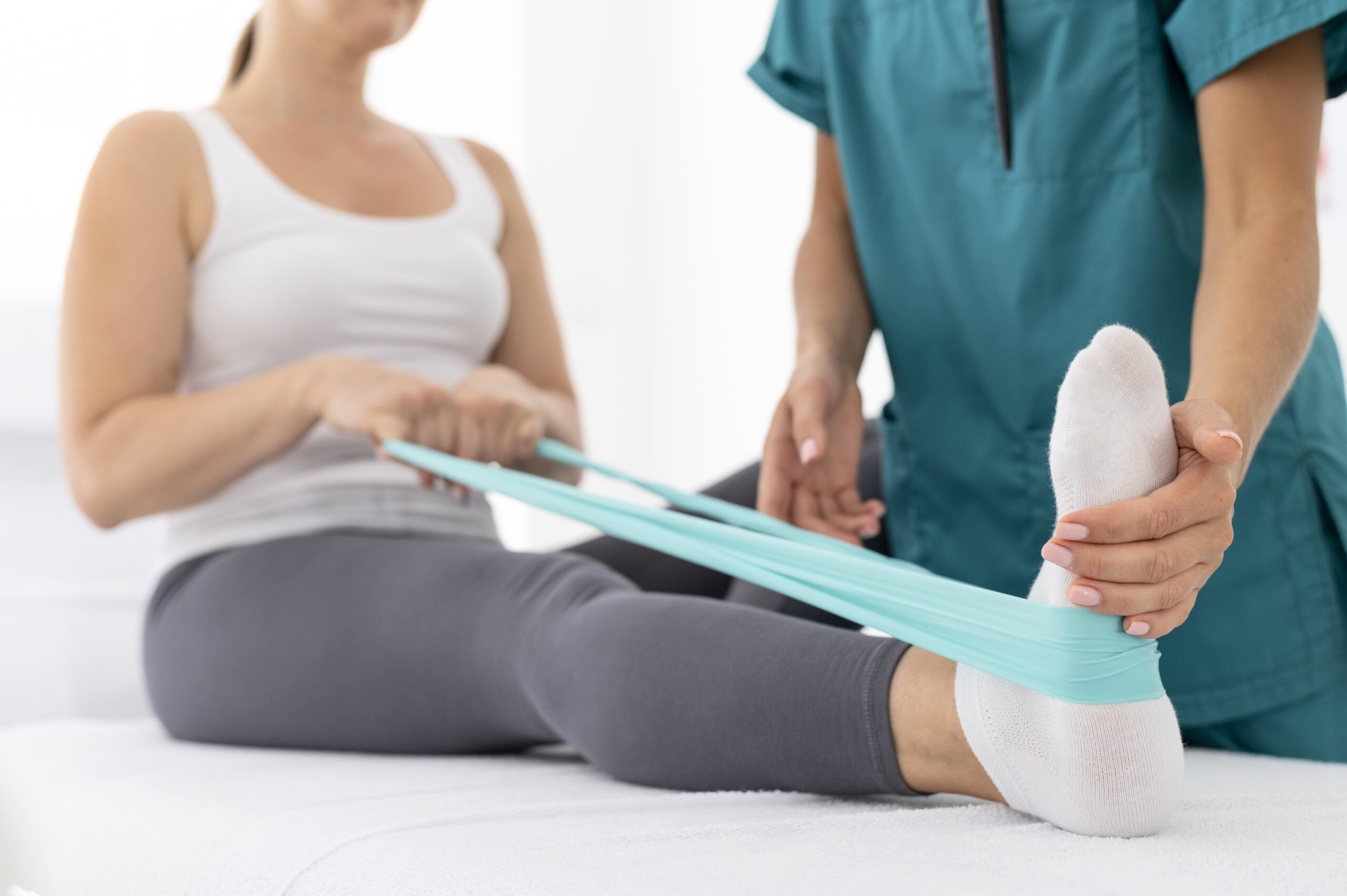
We understand that some conditions or injuries can make it difficult to receive rehabilitation at our clinic be it mobility or transportation issues. Our objective is to provide you with the same high-quality physiotherapy services at home that you would receive in-clinic.
Posted on

5 Reasons to Try Physiotherapy in Petaling Jaya Today

physiotherapy petaling jaya
Synapse Physiotherapy

Introduction

If you’re struggling with pain, mobility issues, or recovering from an injury, there’s no better time to explore physiotherapy in Petaling Jaya. This bustling suburb of Kuala Lumpur is not only known for its lively neighbourhoods and convenient amenities but also for its growing reputation in health and wellness services. Among these, physiotherapy stands out as a holistic and effective approach to managing pain and improving physical function.


Physiotherapy Petaling Jaya clinics offer more than just temporary relief. With skilled practitioners, personalised care plans, and state-of-the-art equipment, physiotherapy here caters to a wide range of needs—from post-surgical recovery to chronic back pain and sports injuries. Whether you’re a professional athlete, a desk-bound worker, or a retiree looking to maintain mobility, the physiotherapy services in PJ are tailored to suit every lifestyle.


As the demand for non-invasive, drug-free treatments grows, physiotherapy is increasingly recognised as a first-line treatment for musculoskeletal issues. Here are five compelling reasons why you should consider trying physiotherapy in Petaling Jaya today.

1. Expert Care Close to Home

One of the greatest advantages of choosing physiotherapy in Petaling Jaya is the accessibility of high-quality care. The area is home to several reputable physiotherapy centres staffed by experienced and certified physiotherapists. These professionals are trained to assess, diagnose, and treat a variety of physical conditions, from simple sprains to complex neurological disorders.

Specialised Services for Every Need

Many clinics in PJ also specialise in different treatment areas such as sports rehabilitation, orthopaedic physiotherapy, and women’s health. This means you’re more likely to find a therapist who truly understands your condition and can provide targeted treatment to help you recover faster.

Moreover, being located in a central urban area like Petaling Jaya means less time spent commuting and more time focused on healing. You can easily schedule sessions around your work or personal commitments, making it easier to stay consistent with your treatment plan.

2. Personalised Treatment Plans

No two bodies are the same, and the best physiotherapists in Petaling Jaya know that. One of the core principles of physiotherapy is providing personalised treatment that’s tailored to your unique condition, goals, and lifestyle. When you walk into a physiotherapy Petaling Jaya clinic, you won’t get a one-size-fits-all routine. Instead, your therapist will take the time to understand your medical history, lifestyle, and physical limitations.

Targeted and Effective Care

From there, they’ll develop a treatment plan that may include manual therapy, corrective exercises, postural training, electrotherapy, or even ergonomic advice. This personalised approach ensures that the root cause of your issue is addressed, rather than just masking the symptoms.

Such customisation not only improves the effectiveness of your treatment but also empowers you with the knowledge and tools to manage your condition long after your sessions end. If you’re dealing with back pain, for instance, your plan might include spine and core rehabilitation, especially effective for those exploring physiotherapy for slip disc recovery.

3. Effective Pain Management Without Medication

Chronic pain affects millions, and many resort to painkillers for relief. However, prolonged use of medication can lead to unwanted side effects and dependency issues. Physiotherapy offers a safer, long-term solution for managing pain without relying on drugs.

Holistic, Evidence-Based Approaches

In Petaling Jaya, physiotherapists use a variety of evidence-based techniques to reduce pain and inflammation. These can include soft tissue mobilisation, dry needling, therapeutic ultrasound, and exercise therapy. The goal is not just to alleviate pain temporarily but to improve the underlying strength, flexibility, and joint function that may be contributing to the discomfort.

Whether you’re dealing with neck pain from working long hours at a desk or recovering from surgery, physiotherapy can help restore your mobility and reduce pain naturally and effectively. It’s especially valuable for those seeking physiotherapy for slip disc, where long-term improvement is key to avoiding recurrence.

4. Support for Injury Recovery and Prevention

Whether you’re recovering from an ACL tear, a slipped disc, or a shoulder strain, physiotherapy plays a critical role in rehabilitation. Petaling Jaya’s physiotherapy clinics are well-equipped with advanced rehabilitation tools and highly trained staff who can guide you safely through the healing process.

Long-Term Health Benefits

Physiotherapists don’t just help you recover—they also help you prevent future injuries. By identifying movement patterns or muscular imbalances that put you at risk, they can design exercises that strengthen weak areas, improve coordination, and enhance your overall biomechanics.

This is especially beneficial for athletes and active individuals. Many sports teams and fitness enthusiasts in PJ regularly see physiotherapists for maintenance programs that optimise performance and reduce the risk of injury. Furthermore, incorporating strength and conditioning into your routine can enhance these benefits over time.

5. Improved Quality of Life

Physiotherapy isn’t just for people in pain—it’s for anyone who wants to move better, feel stronger, and live a more active life. Regular physiotherapy sessions can help older adults maintain balance and flexibility, office workers counteract the effects of a sedentary lifestyle, and individuals with chronic conditions like arthritis manage their symptoms.

A Holistic Wellness Approach

In Petaling Jaya, the emphasis is often on holistic care. Physiotherapists work not only on your physical health but also educate you on lifestyle changes, posture improvements, stress reduction, and wellness strategies that enhance your overall quality of life.

When your body moves well, everything else follows. You sleep better, feel more energetic, and are more capable of doing the things you love—whether that’s hiking, playing with your kids, or simply walking without pain. This is especially true for those using physiotherapy for slip disc recovery—improved mobility translates directly to improved daily comfort.

Frequently Asked Questions (FAQs)

1. What conditions can be treated with physiotherapy in Petaling Jaya?

Physiotherapy in PJ treats a wide range of conditions, including back pain, sports injuries, arthritis, post-surgical recovery, and neurological disorders. It is also highly effective for managing slip disc issues.

2. Is physiotherapy for slip disc effective?

Yes, physiotherapy for slip disc is one of the most effective non-surgical treatments. It focuses on pain relief, improving mobility, and strengthening the spine to prevent recurrence.

3. How many sessions of physiotherapy are usually needed?

The number of sessions varies depending on your condition and goals. Most clinics in Petaling Jaya offer personalised plans to ensure optimal recovery, especially for chronic issues like a slip disc.

4. Are home physiotherapy visits available in Petaling Jaya?

Yes, many clinics offer home physiotherapy visits for patients who prefer or need treatment in the comfort of their home.

5. Can physiotherapy help prevent future injuries?

Absolutely. Physiotherapy not only aids in recovery but also helps in preventing injuries by correcting posture, improving strength, and addressing muscular imbalances.

Conclusion

Choosing physiotherapy in Petaling Jaya isn’t just a step toward healing—it’s an investment in your long-term well-being. With expert practitioners, personalised care, and a holistic approach, physiotherapy can help you manage pain, prevent injury, and live a healthier, more active life.

Whether you’re facing physical limitations or simply want to enhance your movement and strength, there’s no better time than now to take that first step. Physiotherapy Petaling Jaya has something to offer everyone, so why not explore its benefits for yourself today?


To learn more about how physiotherapy can help with conditions like slip disc, visit our conditions page or check out our full list of rehabilitation programmes.

Share This :

Back & Neck Pain

Conditions such as stiffness, postural abnormalities and muscle overuse from prolonged desk work at the office or home is more prevalent than most would think. We provide the necessary tools to fix you up and educate you on ergonomics which can unload unnecessary stress.

Sports Injuries

Rolled ankles, jarred knees, impinged shoulders are few conditions in the plethora of sports injuries which can hamper performance and limit our enjoyment of sports. Physiotherapy not only treats the symptoms of these conditions but propels your overall fitness to greater heights.

Work Desk Injuries​

Conditions such as stiffness, postural abnormalities and muscle overuse from prolonged desk work at the office or home is more prevalent than most would think. We provide the necessary tools to fix you up and educate you on ergonomics which can unload unnecessary stress.

Pre-Post-Surgical Conditions

Surgery involves going through preparation both before and after. Physiotherapists play a vital role in getting your body ready for surgeries with circulatory, breathing and strengthening exercises. After the procedure, let us be there for your recovery and rehabilitation, taking it one step at a time.

Scoliosis & Postural Abnormalities

The way we stand, sit, walk and sleep has influence over our posture and the overall balance of muscles controlling its alignment. A comprehensive screening can be done by our physiotherapists to detect abnormalities, which we will aid in correcting.

Neurological Conditions

Neurological disabilities such as stroke, nerve compression and neuropathies can be barriers for patients to live life to its fullest. We at Synapse are committed to help you overcome these hurdles by ensuring functional mobility and quality of life is at its optimum by providing the right treatment and exercises.

Osteoarthritis & Rheumatism

Joint degeneration and inflammation happens as the human body grows older, but that does not mean our way of life degenerates as well. Relief your joint pains with a joint effort together with your physiotherapist, who will provide pain-relief treatments and prescribe exercises for your wellbeing.

Conditions Relating To Elderly

Common conditions in the older age population include hips & knee pain, back & neck pain, osteoarthritis, rheumatism, fear of falling and many more.  Aging and degeneration of bodily function is inevitable, but here at Synapse, we will help you live the best of your life.
Home Physiotherapy

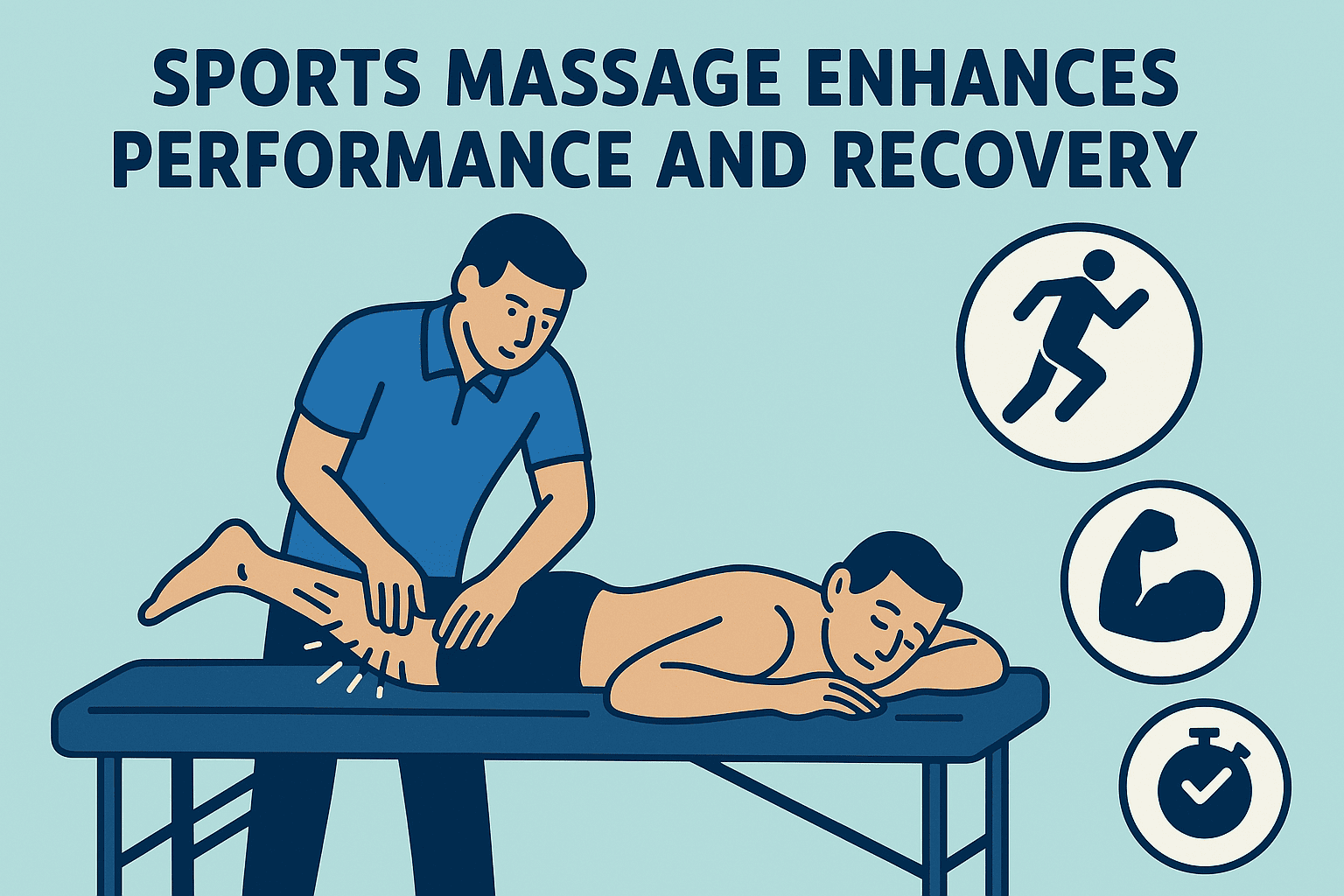
We understand that some conditions or injuries can make it difficult to receive rehabilitation at our clinic be it mobility or transportation issues. Our objective is to provide you with the same high-quality physiotherapy services at home that you would receive in-clinic.
Posted on

How Sports Massage Enhances Performance and Recovery

Sports Massage
Sports Massage
Synapse Physiotherapy

Introduction

In the realm of athletic performance and physical well-being, few tools are as widely used and scientifically supported as Sports Massage. Whether you’re a professional athlete, a weekend warrior, or someone striving to improve personal fitness, Sports Massage offers a strategic advantage. More than just a relaxation method, it’s a targeted technique designed to enhance physical function, aid in recovery, and reduce the risk of injury.


Sports massage involves the manipulation of soft tissue, including muscles, tendons, and ligaments, to optimise muscle function. Unlike traditional relaxation massages, it is often more intense and focuses on specific muscle groups that are overused or stressed from repetitive and high-intensity physical activity. This therapy is increasingly recognised not only for its physical benefits but also for its mental advantages, helping athletes stay focused and mentally prepared for peak performance.


From pre-event preparation to post-competition recovery, Sports Massage plays a pivotal role in an athlete’s regimen. But how exactly does it work, and why is it so effective? Let’s dive into how Sports Massage enhances performance and facilitates quicker recovery.

1. Improved Circulation and Oxygen Delivery

One of the primary benefits of sports massage is its ability to stimulate blood flow. Through specific stroking and kneading techniques, sports massage encourages better circulation, which in turn helps deliver more oxygen and nutrients to the muscles. Furthermore, this increase in blood flow not only improves muscular endurance but also accelerates the removal of metabolic waste such as lactic acid and carbon dioxide.

This enhanced circulatory effect supports faster recovery times post-exercise and reduces muscle soreness, ultimately allowing athletes to train harder and more frequently without as much downtime.

2. Reduction in Muscle Tension and Stiffness

Muscle tightness and stiffness can severely impair movement efficiency and range of motion. Sports massage helps to relieve tension and relax muscles by stretching the fibres and connective tissue. Consequently, this process can break down adhesions or “knots” within the muscles, which are often caused by overuse or injury.

With reduced stiffness, athletes often notice improved flexibility, smoother movements, and a greater capacity for explosive actions, such as sprinting or jumping. In essence, looser muscles mean better biomechanics, which translates into improved overall performance.

3. Prevention of Injury

Injury prevention is arguably one of the most important aspects of sports massage. When muscles are tight, fatigued, or imbalanced, the risk of strains, sprains, and tears increases significantly. Therefore, regular massage therapy can help identify areas of tightness or dysfunction before they lead to injury.

Therapists often work closely with athletes to monitor the condition of their muscles, ensuring any problematic areas are addressed early. As a result, this proactive approach can be critical, especially for athletes who follow intense training schedules or are preparing for competition.

4. Accelerated Recovery Post-Exercise

The period immediately following intense physical activity is when the body is most vulnerable to soreness and inflammation. Fortunately, sports massage aids in flushing out toxins and reducing inflammation in the muscle tissue. This leads to decreased delayed onset muscle soreness (DOMS), which typically peaks 24–72 hours after exercise.

By minimising the severity and duration of DOMS, sports massage allows for quicker turnaround between workouts and competitions, thereby improving training consistency and long-term results.

5. Mental Clarity and Relaxation

The psychological benefits of sports massage should not be underestimated. In fact, mental fatigue can be just as debilitating as physical exhaustion. Massage promotes the release of endorphins, natural mood elevators and painkillers helping athletes feel more relaxed and focused.

This sense of calm can improve sleep quality, reduce stress and anxiety, and foster a stronger mind-body connection. Undeniably, a well-rested and mentally refreshed athlete is far more likely to perform at their peak compared to one dealing with stress or fatigue.

6. Enhanced Flexibility and Range of Motion

Limited flexibility can restrict performance and increase the likelihood of injury. Sports massage techniques, particularly those involving stretching and muscle manipulation, help to improve joint mobility and muscle elasticity.

Improved flexibility allows athletes to perform movements with a greater range, which is particularly beneficial in sports requiring agility, coordination, and dynamic strength. Regular massage, combined with an appropriate stretching regimen, can significantly enhance an athlete’s mobility over time.

7. Personalised Approach for Specific Needs

One of the advantages of sports massage is its adaptability. Therapists can tailor each session to address the unique needs of the athlete, taking into account the type of sport, current training phase, recent injuries, and individual physical responses.

For example, a runner might benefit from deep tissue work on the calves and hamstrings, while a swimmer may need more focus on shoulder mobility. This personalised approach ensures maximum effectiveness and makes sports massage a valuable component of any training program.

8. Supports Rehabilitation from Injury

In cases where injury has already occurred, sports massage can play a crucial role in the rehabilitation process. By increasing blood flow to the injured area, massage promotes faster healing and can help restore normal function more quickly.

In addition to its physical benefits, massage also helps reduce pain perception through the stimulation of nerve endings, allowing athletes to return to activity with greater confidence and reduced discomfort.

Frequently Asked Questions (FAQs)

1. Can Sports Massage help with back pain or spine issues?

Yes, Sports Massage can complement spine rehabilitation by alleviating muscle tension, enhancing blood flow, and reducing pain, especially when integrated into a structured therapeutic program.

2. How often should athletes get a Sports Massage?

The frequency depends on training intensity and goals. However, most athletes benefit from weekly or biweekly Sports Massage sessions to support ongoing recovery and prevent injuries.

3. Does Sports Massage reduce delayed onset muscle soreness (DOMS)?

Absolutely. Sports massage is effective in reducing the intensity and duration of DOMS by improving circulation and flushing out metabolic waste.

4. Is sports massage suitable during injury rehabilitation?

Yes, sports massage is often part of a comprehensive rehabilitation plan, helping to restore mobility, reduce inflammation, and speed up tissue healing after injury.

5. Can sports massage improve performance in high-impact sports?

Definitely. By increasing flexibility, reducing fatigue, and promoting faster recovery, sports massage supports better performance in dynamic and high-impact sports.

Conclusion

In a competitive environment where marginal gains can make all the difference, Sports Massage stands out as a scientifically backed and highly effective method for boosting performance and accelerating recovery. Its benefits extend beyond the physical, contributing to mental sharpness, injury prevention, and overall well-being.


Athletes at all levels can benefit from integrating Sports Massage into their routine. Whether it’s used to prepare for an event, recover after intense activity, or simply to maintain peak physical condition, Sports Massage has proven itself as a cornerstone of modern athletic care. With the guidance of a qualified therapist, it can become one of the most valuable tools in achieving sporting success.


For those seeking expert assistance, explore our specialised Sports Massage and Sports Physiotherapy services and the dedicated team of experts ready to support your recovery and performance journey.

Share This :

Back & Neck Pain

Conditions such as stiffness, postural abnormalities and muscle overuse from prolonged desk work at the office or home is more prevalent than most would think. We provide the necessary tools to fix you up and educate you on ergonomics which can unload unnecessary stress.

Sports Injuries

Rolled ankles, jarred knees, impinged shoulders are few conditions in the plethora of sports injuries which can hamper performance and limit our enjoyment of sports. Physiotherapy not only treats the symptoms of these conditions but propels your overall fitness to greater heights.

Work Desk Injuries​

Conditions such as stiffness, postural abnormalities and muscle overuse from prolonged desk work at the office or home is more prevalent than most would think. We provide the necessary tools to fix you up and educate you on ergonomics which can unload unnecessary stress.

Pre-Post-Surgical Conditions

Surgery involves going through preparation both before and after. Physiotherapists play a vital role in getting your body ready for surgeries with circulatory, breathing and strengthening exercises. After the procedure, let us be there for your recovery and rehabilitation, taking it one step at a time.

Scoliosis & Postural Abnormalities

The way we stand, sit, walk and sleep has influence over our posture and the overall balance of muscles controlling its alignment. A comprehensive screening can be done by our physiotherapists to detect abnormalities, which we will aid in correcting.

Neurological Conditions

Neurological disabilities such as stroke, nerve compression and neuropathies can be barriers for patients to live life to its fullest. We at Synapse are committed to help you overcome these hurdles by ensuring functional mobility and quality of life is at its optimum by providing the right treatment and exercises.

Osteoarthritis & Rheumatism

Joint degeneration and inflammation happens as the human body grows older, but that does not mean our way of life degenerates as well. Relief your joint pains with a joint effort together with your physiotherapist, who will provide pain-relief treatments and prescribe exercises for your wellbeing.

Conditions Relating To Elderly

Common conditions in the older age population include hips & knee pain, back & neck pain, osteoarthritis, rheumatism, fear of falling and many more.  Aging and degeneration of bodily function is inevitable, but here at Synapse, we will help you live the best of your life.
Home Physiotherapy

We understand that some conditions or injuries can make it difficult to receive rehabilitation at our clinic be it mobility or transportation issues. Our objective is to provide you with the same high-quality physiotherapy services at home that you would receive in-clinic.
Posted on

5 Sports Injuries Treated with Shockwave Therapy at Synapse

Sports Injury Clinic
Synapse Physiotherapy

Introduction

Athletes, whether professional or recreational, often push their bodies to the limit. While this dedication brings incredible performance gains, it can also lead to overuse injuries and strain on muscles, tendons, and joints. At Synapse Physiotherapy, we understand how frustrating and painful these injuries can be, not just physically, but emotionally too. That’s why we offer cutting-edge solutions like Shockwave Therapy to speed up healing, reduce pain, and help you return to the activities you love.


As a trusted Sports Injury Clinic in the Klang Valley, Synapse specialises in advanced rehabilitation treatments, including Radial and Focused Shockwave Therapy. This non-invasive technique stimulates the body’s natural healing process, boosts circulation, and breaks down scar tissue. Whether you’re recovering from a long-standing tendon issue or a stubborn muscle injury, shockwave therapy is a game-changer.


Let’s explore five common sports injuries we treat using shockwave therapy at our Sports Physiotherapy centre.

1. Plantar Fasciitis

Why Shockwave Works

One of the most common causes of heel pain among runners, hikers, and athletes who spend long hours on their feet is Plantar Fasciitis. This condition is caused by inflammation of the plantar fascia, the thick band of tissue running along the bottom of your foot.

Shockwave therapy targets the inflamed area with high-energy sound waves, increasing blood flow and stimulating cell regeneration. At Synapse, our physiotherapists use this method to break down fibrous tissue and accelerate healing. Most patients report significant pain reduction after just a few sessions.

Who It Helps

  • Runners

  • Dancers

  • Tennis players

  • Golfers

2. Tennis Elbow (Lateral Epicondylitis)

Why Shockwave Works

Tennis elbow isn’t limited to tennis players, it affects anyone performing repetitive arm and wrist movements, including manual workers and desk job professionals. The condition results in pain and inflammation around the outer elbow due to overuse of the forearm muscles.

Shockwave therapy stimulates collagen production and promotes the resorption of calcium deposits at the site of pain. This reduces inflammation, improves range of motion, and accelerates healing. At Synapse, our therapists tailor treatment to each individual’s severity and activity level.

Who It Helps

  • Tennis and squash players

  • Weightlifters

  • Musicians

  • Office workers with poor ergonomics

3. Patellar Tendinopathy (Jumper’s Knee)

Why Shockwave Works

This condition affects the tendon connecting the kneecap to the shinbone and is common among athletes in jumping sports like basketball, volleyball, and track and field. It causes pain just below the kneecap and worsens with activity.

Shockwave therapy increases metabolic activity and circulation at the tendon site, enhancing tissue repair. Synapse’s clinicians combine this treatment with strengthening exercises to ensure long-term recovery and prevent recurrence.

Who It Helps

  • Basketball players

  • Volleyball players

  • Footballers

  • High jumpers

4. Achilles Tendinopathy

Why Shockwave Works

Achilles tendinopathy is a painful condition resulting from overuse of the Achilles tendon, which connects your calf muscles to your heel bone. It’s especially common in runners and athletes in high-impact sports.

By delivering focused acoustic energy to the affected area, shockwave therapy promotes healing in chronic cases where traditional treatments may have failed. At Synapse, we often combine shockwave with manual therapy and eccentric loading programs to restore full function.

Who It Helps

  • Runners and sprinters

  • Gym-goers doing plyometrics

  • Soccer players

  • Trail runners

5. Rotator Cuff Tendinopathy

Why Shockwave Works

Rotator cuff injuries are frequent among athletes who engage in overhead sports like swimming, baseball, and badminton. These injuries can result in pain, reduced shoulder mobility, and weakness, particularly during lifting or throwing.

Shockwave therapy enhances neovascularisation (formation of new blood vessels), which speeds up the repair of tendinous tissue in the shoulder. At Synapse, we use precise application techniques to target deep-seated rotator cuff injuries and support patients with guided exercise rehabilitation.

Who It Helps

  • Swimmers

  • Badminton and tennis players

  • Weightlifters

  • Baseball pitchers

What Makes Shockwave Therapy at Synapse Different?

At Synapse Physiotherapy, we don’t just apply shockwave therapy and send you on your way. Instead, our experienced team conducts a detailed assessment to understand your biomechanics, posture, and muscle imbalances. Shockwave therapy is then integrated into a comprehensive rehabilitation plan tailored to your sport and goals.

Here’s what sets us apart:

  • Personalised Treatment Plans: Every injury is different, so your therapy should be too.

  • Certified Physiotherapists: Our team has advanced training in shockwave therapy and sports injury management.

  • Multi-Clinic Access: With five convenient locations across the Klang Valley, recovery is never far from home.

  • Integrated Care: We combine shockwave therapy with manual therapy, dry needling, and strength training for holistic results.

Additionally, if you are also struggling with spinal issues, our Spine & Core Rehabilitation Programme is a dedicated solution designed to complement your recovery, especially for those seeking physiotherapy for slip disc or postural dysfunctions.

Frequently Asked Questions (FAQs)

1. What types of injuries respond best to shockwave therapy?

Shockwave therapy is most effective for chronic soft tissue injuries, especially those involving tendons, ligaments, and fascia. Conditions like plantar fasciitis, tennis elbow, and physiotherapy for slip disc-related muscle tightness respond well.

2. Is shockwave therapy painful?

While some patients may experience mild discomfort during the session, it is generally well-tolerated. The sensation is often described as a tapping or pulsing on the skin.

3. How many sessions will I need?

Typically, patients require 3 to 6 sessions, depending on the severity and chronicity of the condition. Your physiotherapist will evaluate your progress at each stage.

4. Can shockwave therapy help with slip disc-related pain?

Yes, while it doesn’t treat the disc itself, shockwave therapy can reduce muscle tightness and associated tendon inflammation, making it a valuable adjunct in physiotherapy for slip disc.

5. Do you combine other therapies with shockwave treatment?

Absolutely. At Synapse, we integrate shockwave therapy with manual therapy, dry needling, strengthening programmes, and tailored rehabilitation plans to address the root cause of your pain.

Final Thoughts

Sports injuries can be frustrating, but they don’t have to define your journey. With innovative solutions like shockwave therapy, athletes of all levels can recover faster, train smarter, and reduce the risk of reinjury. At Synapse Physiotherapy, we’re committed to helping you move better and live pain-free.


If you’re searching for a reliable and effective Sports Injury Clinic for physiotherapy for slip disc or sports injury, Synapse offers the perfect blend of science, care, and performance-driven recovery.


Book your assessment today and get back in the game, stronger than ever.

Share This :

Back & Neck Pain

Conditions such as stiffness, postural abnormalities and muscle overuse from prolonged desk work at the office or home is more prevalent than most would think. We provide the necessary tools to fix you up and educate you on ergonomics which can unload unnecessary stress.

Sports Injuries

Rolled ankles, jarred knees, impinged shoulders are few conditions in the plethora of sports injuries which can hamper performance and limit our enjoyment of sports. Physiotherapy not only treats the symptoms of these conditions but propels your overall fitness to greater heights.

Work Desk Injuries​

Conditions such as stiffness, postural abnormalities and muscle overuse from prolonged desk work at the office or home is more prevalent than most would think. We provide the necessary tools to fix you up and educate you on ergonomics which can unload unnecessary stress.

Pre-Post-Surgical Conditions

Surgery involves going through preparation both before and after. Physiotherapists play a vital role in getting your body ready for surgeries with circulatory, breathing and strengthening exercises. After the procedure, let us be there for your recovery and rehabilitation, taking it one step at a time.

Scoliosis & Postural Abnormalities

The way we stand, sit, walk and sleep has influence over our posture and the overall balance of muscles controlling its alignment. A comprehensive screening can be done by our physiotherapists to detect abnormalities, which we will aid in correcting.

Neurological Conditions

Neurological disabilities such as stroke, nerve compression and neuropathies can be barriers for patients to live life to its fullest. We at Synapse are committed to help you overcome these hurdles by ensuring functional mobility and quality of life is at its optimum by providing the right treatment and exercises.

Osteoarthritis & Rheumatism

Joint degeneration and inflammation happens as the human body grows older, but that does not mean our way of life degenerates as well. Relief your joint pains with a joint effort together with your physiotherapist, who will provide pain-relief treatments and prescribe exercises for your wellbeing.

Conditions Relating To Elderly

Common conditions in the older age population include hips & knee pain, back & neck pain, osteoarthritis, rheumatism, fear of falling and many more.  Aging and degeneration of bodily function is inevitable, but here at Synapse, we will help you live the best of your life.
Home Physiotherapy

We understand that some conditions or injuries can make it difficult to receive rehabilitation at our clinic be it mobility or transportation issues. Our objective is to provide you with the same high-quality physiotherapy services at home that you would receive in-clinic.
Posted on

How effective is physiotherapy for slip disc recovery? l Synapse

physiotherapy for slip disc
Synapse Physiotherapy

Introduction

If you’ve been diagnosed with a slipped disc, you’re probably wondering whether physiotherapy can truly help. The short answer? Yes, it can and quite effectively, too. Physiotherapy for slip disc is one of the most recommended, evidence-based treatment options for people suffering from this condition. Rather than relying solely on painkillers or jumping into surgery, many patients find significant relief and long-term recovery through structured physiotherapy.


A slipped disc, also known as a herniated or prolapsed disc, occurs when the soft inner gel of a spinal disc pushes out through a tear in the outer layer. This can press on nearby nerves, causing pain, numbness, tingling, or weakness, usually in the lower back, neck, arms, or legs. While the symptoms can be debilitating, physiotherapy for slip disc offers a non-invasive path to healing.


At Synapse Physiotherapy, we approach physiotherapy for slip disc by combining manual therapy, guided exercises, posture correction, and patient education. Our goal is not just to reduce your pain but to help you regain strength, mobility, and confidence so you can return to the activities you love without fear of re-injury.

Understanding the Slip Disc Condition

The spine is made up of bones (vertebrae) separated by cushioning discs that act as shock  absorbers. These discs have a tough outer layer and a softer inner core. When the inner material pushes through a weak spot in the outer layer, it can compress spinal nerves and lead to various symptoms.

Causes and Symptoms

Common causes of a slipped disc include:

  • Repetitive strain or overuse

  • Poor posture and prolonged sitting

  • Heavy lifting with incorrect form

  • Sudden trauma or accidents

  • Degenerative changes with age

Furthermore, symptoms can range from mild discomfort to severe pain and nerve-related issues. For many, the idea of surgery might feel overwhelming, but the good news is that conservative care, particularly physiotherapy for slip disc, is often the most effective first line of treatment.

Why Physiotherapy for Slip Disc Works

Physiotherapy for slip disc isn’t just about treating pain, it’s about addressing the root cause of your symptoms. A qualified physiotherapist doesn’t just look at the affected disc; they assess your overall movement, posture, strength, and flexibility to design a plan that promotes healing.

Pain Management Techniques

Through techniques like manual therapy, spinal mobilisation, dry needling, and electrotherapy, physiotherapists can help reduce inflammation and alleviate pain in the short term, allowing you to move more comfortably and begin active rehabilitation.

Core Muscle Strengthening

Weak core muscles can put excess pressure on the spine. Therefore, a well-structured physiotherapy programme includes core strengthening exercises that stabilise the spine and reduce the risk of further disc issues. Consider exploring our Spine & Core Rehabilitation Programme to support your journey.

Posture and Body Mechanics

Many slip disc cases are linked to poor posture or improper movement patterns. Physiotherapists can teach you how to sit, stand, lift, and move in a way that protects your spine and minimises strain.

Improving Flexibility and Mobility

Tight muscles can exacerbate nerve compression. As a result, stretching and mobility work guided by a physiotherapist helps release tension, improve range of motion, and ease nerve symptoms.

Ongoing Education and Prevention

One of the most valuable aspects of physiotherapy is patient education. Knowing how to manage your condition, avoid triggers, and maintain spinal health empowers you for long-term recovery. You can learn more about related treatments in our Pain Management section.

What to Expect at Synapse Physiotherapy

At Synapse Physiotherapy, our approach to physiotherapy for slip disc recovery is personalised and science-driven. Here’s what your journey might look like:

Initial Assessment

We begin with a comprehensive physical evaluation, including history-taking, posture and movement analysis, and neurological testing. If you have imaging results (MRI or CT scans), we’ll review those too.

Customised Treatment Plan

Based on your unique presentation, we tailor a recovery plan that may include:

  • Manual therapy for joint and soft tissue mobilisation

  • Core and stability exercises

  • McKenzie or directional preference exercises

  • Functional training (lifting, bending, walking)

  • Ergonomic advice for work and home

  • Gradual return-to-activity protocols

Explore our full range of programmes, including Strength & Conditioning and Neurological Rehabilitation for additional support.

Monitoring and Adjustments

Your body adapts over time, so your physiotherapy plan will evolve as you heal. Our therapists will track your progress, make necessary adjustments, and support you every step of the way.

Recovery Timeline and When to Consider Surgery

Timeline for Recovery

Everyone’s recovery journey is different, but here’s a general timeline:

  • Acute Phase (0–2 weeks): Focus on pain relief and gentle mobility

  • Subacute Phase (2–6 weeks): Begin strengthening and postural work

  • Rehabilitation Phase (6–12 weeks): Build endurance, restore full function

  • Maintenance Phase (3+ months): Prevent recurrence and promote spinal health

While some people see improvement within a few weeks, others may need longer, especially if symptoms have been chronic. The key is consistency and guided progression.

When Is Surgery Needed?

Surgery is usually reserved for cases where:

  • There’s no improvement after 8–12 weeks of conservative care

  • Symptoms are severe and worsening (e.g., progressive weakness or loss of bladder/bowel control)

  • There’s significant nerve compression that threatens long-term function

Even in these cases, pre- and post-operative physiotherapy for slip disc plays a vital role in recovery.

Evidence Behind Physiotherapy for Slip Disc

Numerous clinical studies support the effectiveness of physiotherapy for slip disc, especially in treating lumbar and cervical disc herniation. Research shows that with consistent therapy, many patients experience:

  • Reduced pain intensity

  • Improved function and quality of life

  • Lower recurrence rates

  • Less need for surgical intervention

In fact, one study published in the Journal of Orthopaedic & Sports Physical Therapy found that patients with lumbar disc herniation who underwent structured physiotherapy had outcomes equal to or better than those who opted for surgery, especially over the long term.

Frequently Asked Questions (FAQs)

1. How long does physiotherapy for slip disc take to show results?

Most people begin to feel relief within the first 2–6 weeks. However, chronic cases may require longer-term care.

2. Is physiotherapy for slip disc better than surgery?

Yes, in many cases. Clinical research suggests that structured physiotherapy offers outcomes as good as or better than surgery, especially over the long term.

3. What types of exercises are included in physiotherapy for slip disc?

Exercises typically include core strengthening, mobility drills, postural correction, and functional movements based on your specific needs.

4. Can I continue working during slip disc physiotherapy treatment?

Yes, many patients can work during treatment. Your physiotherapist may provide ergonomic advice and movement strategies to support you.

5. What if my symptoms don’t improve with physiotherapy?

If there’s no significant improvement after 8–12 weeks, your physiotherapist may refer you for further evaluation or discuss alternative interventions, including surgery.

Final Thoughts

If you’re dealing with a slipped disc, don’t rush into invasive treatments before exploring physiotherapy for slip disc. With a tailored plan, consistent effort, and expert guidance, many people experience significant relief without ever needing surgery.


At Synapse, our experienced physiotherapists are here to guide you back to a pain-free, active life. Physiotherapy for slip disc isn’t just about short-term relief it’s about long-term resilience, movement confidence, and living without fear of flare-ups.

Share This :

Back & Neck Pain

Conditions such as stiffness, postural abnormalities and muscle overuse from prolonged desk work at the office or home is more prevalent than most would think. We provide the necessary tools to fix you up and educate you on ergonomics which can unload unnecessary stress.

Sports Injuries

Rolled ankles, jarred knees, impinged shoulders are few conditions in the plethora of sports injuries which can hamper performance and limit our enjoyment of sports. Physiotherapy not only treats the symptoms of these conditions but propels your overall fitness to greater heights.

Work Desk Injuries​

Conditions such as stiffness, postural abnormalities and muscle overuse from prolonged desk work at the office or home is more prevalent than most would think. We provide the necessary tools to fix you up and educate you on ergonomics which can unload unnecessary stress.

Pre-Post-Surgical Conditions

Surgery involves going through preparation both before and after. Physiotherapists play a vital role in getting your body ready for surgeries with circulatory, breathing and strengthening exercises. After the procedure, let us be there for your recovery and rehabilitation, taking it one step at a time.

Scoliosis & Postural Abnormalities

The way we stand, sit, walk and sleep has influence over our posture and the overall balance of muscles controlling its alignment. A comprehensive screening can be done by our physiotherapists to detect abnormalities, which we will aid in correcting.

Neurological Conditions

Neurological disabilities such as stroke, nerve compression and neuropathies can be barriers for patients to live life to its fullest. We at Synapse are committed to help you overcome these hurdles by ensuring functional mobility and quality of life is at its optimum by providing the right treatment and exercises.

Osteoarthritis & Rheumatism

Joint degeneration and inflammation happens as the human body grows older, but that does not mean our way of life degenerates as well. Relief your joint pains with a joint effort together with your physiotherapist, who will provide pain-relief treatments and prescribe exercises for your wellbeing.

Conditions Relating To Elderly

Common conditions in the older age population include hips & knee pain, back & neck pain, osteoarthritis, rheumatism, fear of falling and many more.  Aging and degeneration of bodily function is inevitable, but here at Synapse, we will help you live the best of your life.
Home Physiotherapy

We understand that some conditions or injuries can make it difficult to receive rehabilitation at our clinic be it mobility or transportation issues. Our objective is to provide you with the same high-quality physiotherapy services at home that you would receive in-clinic.
Posted on

Dry Needling VS Acupuncture for Lower Back Pain

dry needling vs acupuncture
Synapse Physiotherapy

Introduction

Lower back pain is one of the most common conditions affecting people of all ages. Whether it’s due to prolonged sitting, poor posture, muscle tightness, or injury, it can seriously impact your daily life. At Synapse Physiotherapy, we provide personalised, evidence-based treatments that go beyond temporary relief.


One treatment that’s becoming more popular and effective is dry needling. But people often ask: What is the difference between dry needling vs acupuncture?


Both use fine needles inserted into the body, yet they are based on different medical theories and goals. While acupuncture is rooted in Traditional Chinese Medicine and aims to balance energy or “qi,” dry needling follows Western medicine principles and targets painful muscle knots called trigger points.


Knowing the differences between dry needling vs acupuncture can help you choose the right treatment for your lower back pain.

What is Dry Needling?

A Modern Technique for Muscle Pain

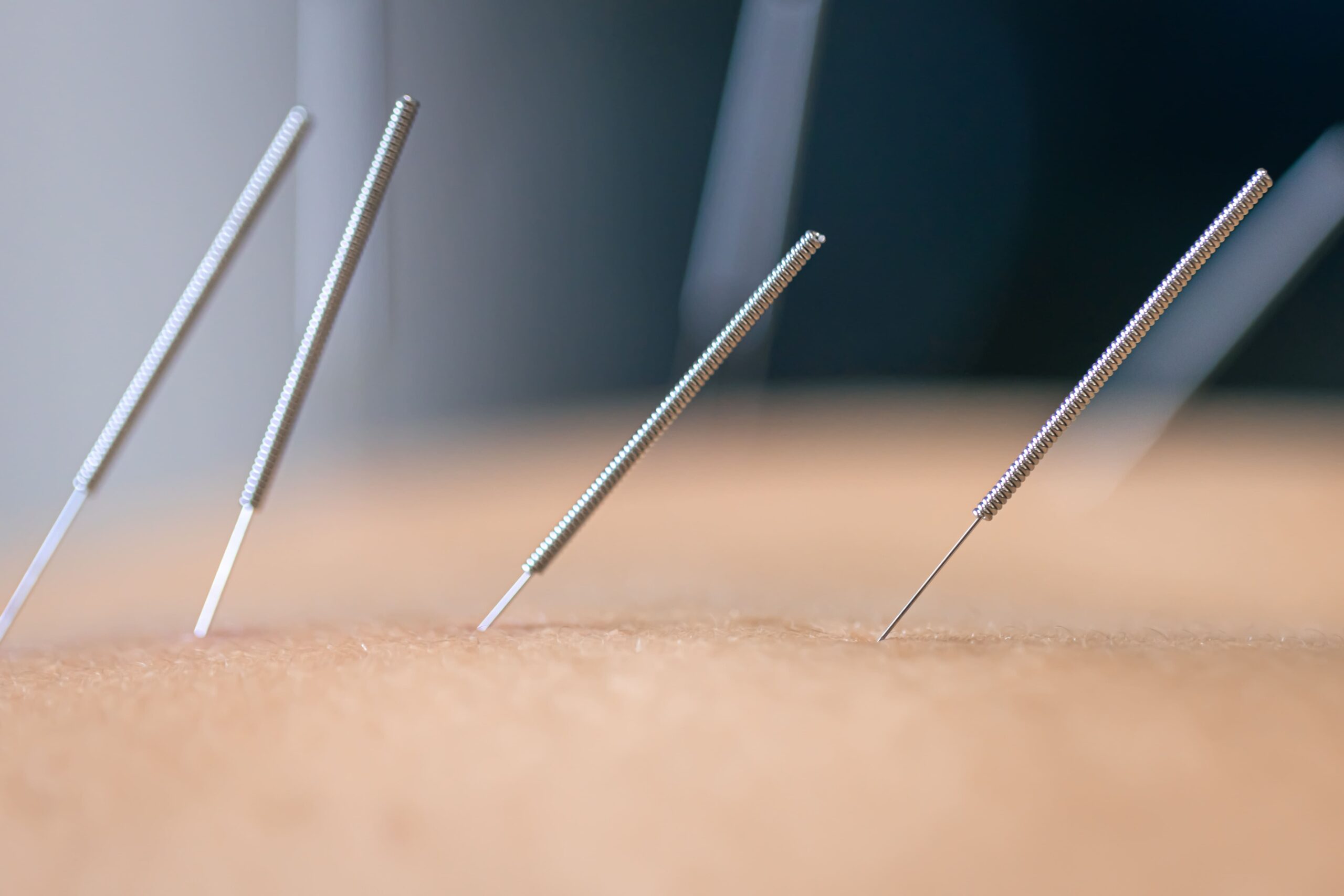
Dry needling is a clinical technique where a trained physiotherapist inserts thin needles into muscle trigger points tight bands within muscles that can cause pain and stiffness. It is called “dry” because no substance is injected.

The main goal is to create a quick twitch response in the muscle, which can help release tightness, improve blood flow, and reduce pain. Unlike acupuncture, dry needling is based on anatomy and medical science, not energy flow.

Why Use Dry Needling?

Many cases of lower back pain are actually caused by problems in nearby muscles, such as the glutes or paraspinal muscles. These trigger points may lead to referred pain, where you feel discomfort in one area even though the real issue lies elsewhere.

Dry needling is especially useful for treating chronic or stubborn lower back pain that hasn’t improved with stretching, massage, or exercise alone. It’s often combined with other treatments such as manual therapy and posture retraining for better outcomes. Learn more about our Spine & Core Rehabilitation Programme.

How Dry Needling Helps Lower Back Pain

Lower back pain is rarely just about the spine, it often involves surrounding muscles, joints, and even the nervous system. Muscle tightness, trigger points, and poor movement patterns all contribute to discomfort and reduced mobility. That’s where dry needling comes in.

Here are some specific ways dry needling can help:

1. Releases Myofascial Trigger Points

Trigger points can cause local and referred pain. By inserting a needle into these points, dry needling disrupts the dysfunctional muscle activity, encouraging relaxation and healing.

2. Reduces Pain

Dry needling influences the nervous system and reduces pain perception by decreasing the sensitivity of nerves in the area. This results in immediate relief for many patients, especially when paired with movement retraining.

3. Improves Range of Motion

Tight muscles limit movement. Once a trigger point is deactivated through dry needling, the muscle becomes more pliable, restoring flexibility and allowing better movement mechanics.

4. Promotes Natural Healing

Needling increases local blood flow and stimulates a mild inflammatory response, kick-starting the body’s natural healing processes.

Dry Needling vs Acupuncture: Key Differences

To better understand which treatment may be right for you, here’s a quick comparison of dry needling vs acupuncture:

Feature

Dry Needling

Acupuncture

Origin

Western medicine

Traditional Chinese Medicine

Goal

Release muscle trigger points

Balance body energy (qi)

Technique

Targets specific muscle areas

Uses meridian points across the body

Training

Taught to physiotherapists and other allied health professionals

Requires TCM certification

Conditions Treated

Musculoskeletal pain, movement issues

Wide range including digestive, emotional, and pain conditions

At Synapse Physiotherapy, our focus is clinical and functional. Dry needling is not just an add-on, but a deliberate technique used in synergy with other therapies to help patients move better and recover faster.

What to Expect During a Dry Needling Session

If it’s your first time, knowing what to expect can help ease any anxiety. Here’s a typical dry needling experience at Synapse Physiotherapy:

1. Assessment

Before needling begins, your physiotherapist will assess your posture, mobility, and pain points. We’ll determine whether dry needling is suitable based on your specific condition and goals.

2. Treatment

The therapist will insert thin, sterile needles into the target muscles. You might feel a quick twitch or a dull ache. This is a normal reaction that signals the release of the trigger point.

3. Post-Treatment

After dry needling, you might feel muscle soreness for 24–48 hours, similar to the feeling after a good workout. Your therapist may recommend gentle stretching, hydration, and movement to enhance the effects.

Is Dry Needling Safe?

Yes, when done by trained professionals, dry needling is a safe and effective method. At Synapse Physiotherapy, our physiotherapists are fully certified and follow strict hygiene and safety protocols.

However, some mild side effects may occur, including soreness, bruising, or light-headedness. Your therapist will discuss these risks with you and answer all your questions before treatment.

Why Choose Synapse Physiotherapy?

With clinics across the Klang Valley and a dedicated team of experienced physiotherapists, Synapse Physiotherapy is committed to helping you move without pain. Our approach is always personalised, we combine modern techniques like dry needling with hands-on therapy, exercise rehab, and lifestyle advice to treat the root cause of your lower back pain.

We understand that pain affects not just your body, but your confidence, energy levels, and overall quality of life. That’s why we don’t believe in one-size-fits-all treatment plans. Instead, we listen, assess, and guide you every step of the way towards recovery.

Frequently Asked Questions (FAQs)

1. Is dry needling the same as acupuncture?

No. While both use needles, dry needling vs acupuncture differ in theory, training, and purpose. Dry needling targets muscle trigger points, while acupuncture focuses on energy flow or “qi.”

2. Does dry needling hurt?

You may feel a quick twitch or dull ache during treatment. Some soreness after is normal, but it usually fades within 1–2 days.

3. How many sessions do I need?

It depends on your condition. Some people feel better after just one session, while others may need multiple visits along with exercise therapy.

4. Can dry needling help with sciatica or herniated discs?

Yes. If your back pain involves muscle tightness or referred pain, dry needling can be part of your treatment plan. However, a full assessment is needed to determine the best approach. Check our Conditions Treated. Visit the page for more details.

5. Is dry needling covered in Synapse home visits?

Yes, dry needling can be included as part of our Home Visit services when appropriate. A qualified physiotherapist will assess your condition before starting.

Conclusion

Dry needling is a powerful tool in the fight against lower back pain. When integrated into a comprehensive treatment program, it can accelerate healing, relieve chronic discomfort, and restore function. Understanding the difference between dry needling vs acupuncture is key to making informed choices about your care.


If you’re struggling with lower back pain and want to explore effective, non-invasive treatment options, our team at Synapse Physiotherapy is here to help. Let us guide you towards a life of better movement and less pain naturally.

Share This :

Back & Neck Pain

Conditions such as stiffness, postural abnormalities and muscle overuse from prolonged desk work at the office or home is more prevalent than most would think. We provide the necessary tools to fix you up and educate you on ergonomics which can unload unnecessary stress.

Sports Injuries

Rolled ankles, jarred knees, impinged shoulders are few conditions in the plethora of sports injuries which can hamper performance and limit our enjoyment of sports. Physiotherapy not only treats the symptoms of these conditions but propels your overall fitness to greater heights.

Work Desk Injuries​

Conditions such as stiffness, postural abnormalities and muscle overuse from prolonged desk work at the office or home is more prevalent than most would think. We provide the necessary tools to fix you up and educate you on ergonomics which can unload unnecessary stress.

Pre-Post-Surgical Conditions

Surgery involves going through preparation both before and after. Physiotherapists play a vital role in getting your body ready for surgeries with circulatory, breathing and strengthening exercises. After the procedure, let us be there for your recovery and rehabilitation, taking it one step at a time.

Scoliosis & Postural Abnormalities

The way we stand, sit, walk and sleep has influence over our posture and the overall balance of muscles controlling its alignment. A comprehensive screening can be done by our physiotherapists to detect abnormalities, which we will aid in correcting.

Neurological Conditions

Neurological disabilities such as stroke, nerve compression and neuropathies can be barriers for patients to live life to its fullest. We at Synapse are committed to help you overcome these hurdles by ensuring functional mobility and quality of life is at its optimum by providing the right treatment and exercises.

Osteoarthritis & Rheumatism

Joint degeneration and inflammation happens as the human body grows older, but that does not mean our way of life degenerates as well. Relief your joint pains with a joint effort together with your physiotherapist, who will provide pain-relief treatments and prescribe exercises for your wellbeing.

Conditions Relating To Elderly

Common conditions in the older age population include hips & knee pain, back & neck pain, osteoarthritis, rheumatism, fear of falling and many more.  Aging and degeneration of bodily function is inevitable, but here at Synapse, we will help you live the best of your life.

Home Physiotherapy

We understand that some conditions or injuries can make it difficult to receive rehabilitation at our clinic be it mobility or transportation issues. Our objective is to provide you with the same high-quality physiotherapy services at home that you would receive in-clinic.
Posted on

How Long Does Spine and Core Rehab Typically Take?

Physio Near Me
Physio Near Me
Synapse Physiotherapy

Introduction

Are you struggling with chronic back pain, recovering from a spinal injury, or trying to fix poor posture? If so, spine and core rehabilitation might be the key to getting your life back on track. Many people search for a reliable Physio Near Me to manage pain, improve mobility, and rebuild core strength. But one of the most common questions asked is, “How long will recovery take?”


The truth is, there’s no one-size-fits-all answer. The time needed for spine and core physiotherapy depends on your unique condition, health status, and dedication to the rehab process. In this guide, we’ll break down the common recovery timelines, key factors that influence progress, and practical tips to help you get the best results.


Whether you’re dealing with a mild strain or recovering from spinal surgery, this article will help you understand what to expect and how to get better, faster, with the help of a trusted Physio Near Me.

Factors That Affect How Long Spine and Core Rehab Takes

Severity of the Condition

The more serious your spinal issue is, the longer the therapy may take. For example, small muscle strains or mild disc problems might need only a few weeks of care. But if you’ve had spinal surgery or suffer from a herniated disc, the process might take many months.

Commitment to the Rehab Plan

If you regularly attend your Physio Near Me sessions and do your exercises at home, your chances of faster recovery improve. On the other hand, skipping sessions or doing exercises incorrectly can slow down your progress.

Age and General Health

Younger people and those in good health usually recover more quickly. However, if you are older or have health conditions like diabetes or obesity, your body might take longer to heal fully.

Treatment Methods Used

The type of therapy you receive also affects your timeline. Your Physio Near Me might use methods like manual therapy, stretching, hydrotherapy, or strength training. A custom plan designed just for you, like the Spine & Core Rehabilitation Programme, can speed up your healing.

General Timeline for Spine and Core Physio Near Me

The following is a general guide to how long each stage of rehabilitation might take. Keep in mind, though, that your timeline may vary based on your body and your progress.

Acute Phase (0–6 Weeks)

At this stage, the goal is to reduce pain and swelling while restoring basic movement. Your physiotherapist might use gentle exercises, manual therapy, or stretches. Some people with minor issues may feel better by the end of this phase.

Subacute Phase (6–12 Weeks)

Now the focus shifts toward strengthening your core muscles and improving posture. Many people notice they have less pain and better movement by this stage. If your condition is moderate, you might complete your recovery within this period.

Chronic Phase (3–6 Months or More)

If your case is more serious, like after spinal surgery, you’ll likely need longer rehabilitation. Your Physio Near Me will guide you through advanced core exercises and resistance training. This phase helps prevent future injuries and improves long-term strength and flexibility.

How to Recover Faster with Physio Near Me

Stay Consistent with Your Sessions

Skipping sessions or not doing your home exercises can delay your recovery. Be sure to follow your plan exactly and attend every session.

Make Lifestyle Changes

Try to maintain a healthy weight, sit and stand with proper posture, and avoid sitting for long periods. These changes, although small, can make a big difference when paired with Physio Near Me.

Eat Foods That Help You Heal

A diet high in protein, vitamins, and anti-inflammatory foods such as fruits, vegetables, and lean meats can help your muscles and tissues recover faster.

Take Care of Your Mental Health

Believe it or not, your mindset also matters. Managing stress and staying positive can help you stick to your program and heal more efficiently.

Why Spine and Core Rehab Is Worth It

While spine and core rehabilitation may take time, the long-term rewards are well worth the effort. Whether you’re recovering from spinal surgery, dealing with chronic back pain, or trying to correct long-standing postural issues, working with an experienced Physio Near Me can help you regain strength, prevent re-injury, and get back to doing the things you love.

A structured physiotherapy programme improves spinal stability, enhances core strength, and reduces pain over time. With the right plan in place, guided by qualified professionals, you can restore mobility, improve your daily function, and avoid more serious issues in the future.

To maximise your results, consider pairing spine and core rehab with related services like our Pain Management Programme for targeted relief or the Strength & Conditioning Programme to build long-term resilience. These additional services work hand-in-hand with your spine rehab to support your full recovery and prevent future setbacks.

When you choose a trusted Physiotherapy Centre like Synapse, you’re not just treating symptoms, you’re investing in long-term spinal health, improved performance, and a better quality of life.

Frequently Asked Questions (FAQs)

1. How many sessions will I need with Physio Near Me for spine rehab?

It depends on your condition, but many patients need 8 to 20 sessions. More complex cases may need 3 to 6 months of ongoing care.

2. Can I recover faster if I attend all my sessions?

Yes, being consistent with your Physio Near Me visits and doing your home exercises can greatly speed up your recovery.

3. Is spine and core physiotherapy painful?

You might feel some discomfort at first, but your physiotherapist will adjust your plan to ensure you’re progressing safely.

4. How do I know if my spine problem is serious?

Severe pain, numbness, or difficulty walking are signs you should see a physiotherapist right away. They will assess your condition and guide your next steps.

5. Can spine and core rehab prevent future injuries?

Yes, building core strength and improving posture through regular Physio Near Me sessions can reduce your risk of injury in the future.

Conclusion

Spine and core physiotherapy is a step-by-step journey that depends on many factors, like your condition, age, treatment plan, and how committed you are. While some people recover within a few weeks, others may need several months of support from a Physio Near Me. Staying consistent with your sessions, following expert advice, and making healthy lifestyle changes can help speed up your recovery.


By choosing the right physiotherapy centre like Synapse Physiotherapy, you’ll receive personalised care that supports long-term spinal health, helps prevent future injuries, and improves your overall well-being. No matter where you are in your healing journey, expert guidance can make a real difference.

Share This :

Back & Neck Pain

Conditions such as stiffness, postural abnormalities and muscle overuse from prolonged desk work at the office or home is more prevalent than most would think. We provide the necessary tools to fix you up and educate you on ergonomics which can unload unnecessary stress.

Sports Injuries

Rolled ankles, jarred knees, impinged shoulders are few conditions in the plethora of sports injuries which can hamper performance and limit our enjoyment of sports. Physiotherapy not only treats the symptoms of these conditions but propels your overall fitness to greater heights.

Work Desk Injuries​

Conditions such as stiffness, postural abnormalities and muscle overuse from prolonged desk work at the office or home is more prevalent than most would think. We provide the necessary tools to fix you up and educate you on ergonomics which can unload unnecessary stress.

Pre-Post-Surgical Conditions

Surgery involves going through preparation both before and after. Physiotherapists play a vital role in getting your body ready for surgeries with circulatory, breathing and strengthening exercises. After the procedure, let us be there for your recovery and rehabilitation, taking it one step at a time.

Scoliosis & Postural Abnormalities

The way we stand, sit, walk and sleep has influence over our posture and the overall balance of muscles controlling its alignment. A comprehensive screening can be done by our physiotherapists to detect abnormalities, which we will aid in correcting.

Neurological Conditions

Neurological disabilities such as stroke, nerve compression and neuropathies can be barriers for patients to live life to its fullest. We at Synapse are committed to help you overcome these hurdles by ensuring functional mobility and quality of life is at its optimum by providing the right treatment and exercises.

Osteoarthritis & Rheumatism

Joint degeneration and inflammation happens as the human body grows older, but that does not mean our way of life degenerates as well. Relief your joint pains with a joint effort together with your physiotherapist, who will provide pain-relief treatments and prescribe exercises for your wellbeing.

Conditions Relating To Elderly

Common conditions in the older age population include hips & knee pain, back & neck pain, osteoarthritis, rheumatism, fear of falling and many more.  Aging and degeneration of bodily function is inevitable, but here at Synapse, we will help you live the best of your life.
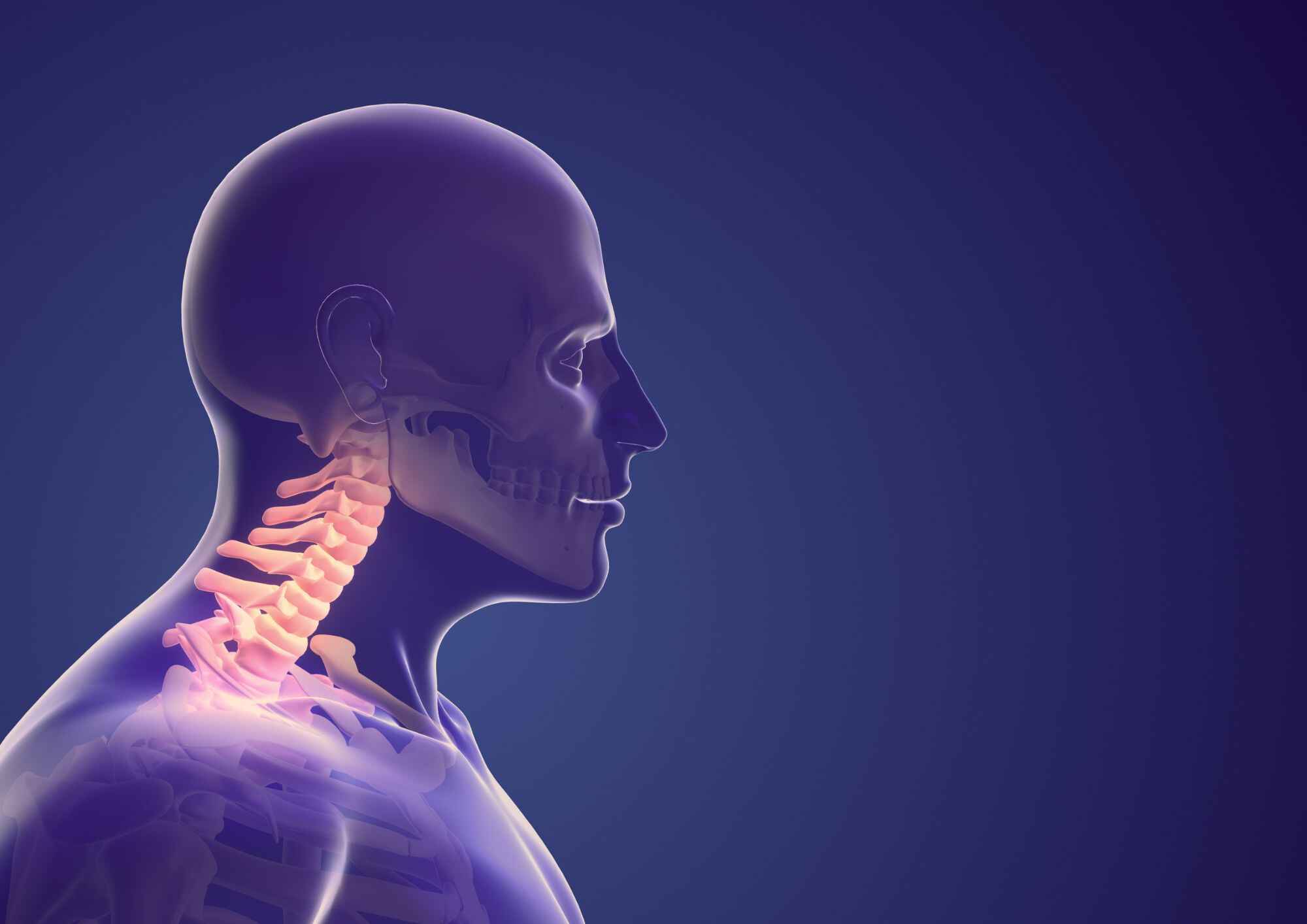
Home Physiotherapy

We understand that some conditions or injuries can make it difficult to receive rehabilitation at our clinic be it mobility or transportation issues. Our objective is to provide you with the same high-quality physiotherapy services at home that you would receive in-clinic.
Posted on

Benefits of Physiotherapy for Cervical Spondylosis

physiotherapy kuala lumpur
Synapse Physiotherapy

Benefits of Physiotherapy for Cervical Spondylosis


What is cervical spondylosis?

Cervical spondylosis refers to the progressive degenerative changes in the cervical spine, including the intervertebral discs, facet joints, and other structural components. This condition is a natural part of aging and is commonly seen in individuals over 50. It can lead to symptoms such as neck pain, stiffness, and, in some cases, radicular symptoms like tingling or numbness due to nerve compression. Neck pain, being one of the most widespread conditions globally, significantly impacts daily life and can lead to disability if left untreated.

If you are experiencing symptoms of cervical spondylosis, it is crucial to seek treatment. One of the best conservative approaches for managing this condition is physiotherapy. Physiotherapy offers effective methods to alleviate pain, improve mobility, and enhance your overall quality of life. You can easily find physiotherapy services nearby, such as Physiotherapy Cyberjaya, to start your recovery journey.


Sign and symptoms 

Cervical spondylosis can present in three main forms:

  1. Non-specific neck pain: Pain localized to the neck or spine.
  2. Cervical radiculopathy: Symptoms like pain, numbness, or weakness that follow the nerve path, often affecting the arms.
  3. Cervical myelopathy: A more severe condition involving spinal cord damage, leading to numbness, coordination problems, difficulty walking, weak grip, and sometimes bowel or bladder issues.

The symptoms vary depending on the stage of the condition and where the nerves are compressed. While imaging might show spondylosis, some people with such findings have no symptoms, and others may have severe symptoms even with minor abnormalities. This makes it challenging to distinguish between normal aging and disease.

The most common symptom is pain, typically felt in the neck, shoulders, arms, or between the shoulder blades. In some cases, the pain may be unusual, such as chest or breast pain, or present as a chronic headache radiating to the base of the neck or the skull.

Other symptoms include tingling, muscle weakness, and in severe cases, swallowing or airway difficulties. Central cord syndrome, which can cause significant motor and sensory issues, may also occur in advanced cases.

If you experience any of these symptoms, it’s essential to seek treatment to manage the condition effectively.


Risk Factors for Cervical Spondylosis

Several factors can increase the likelihood of developing cervical spondylosis, including:

  1. Age: The condition is most common as a natural part of aging.
  2. Occupation: Jobs that require repetitive neck movements, uncomfortable postures, or frequent overhead work can put extra strain on the neck.
  3. Neck Injuries: Previous neck injuries can heighten the risk of developing cervical spondylosis.
  4. Genetic Factors: Some individuals, particularly those with a family history, may experience these changes more quickly or severely.
  5. Smoking: Smoking has been associated with an increased risk of neck pain and may worsen cervical spondylosis.

Causes of Cervical Spondylosis

As people age, the structures in the neck and spine gradually experience wear and tear. This natural aging process can lead to:

  1. Dehydrated Disks: The spinal disks, which act as cushions between the vertebrae, begin to dry out and shrink around the age of 40. This shrinkage results in more bone-on-bone contact between the vertebrae.

  2. Herniated Disks: Cracks may form on the outer layer of the spinal disks, allowing the soft inner material to push through. In some cases, this material presses on the spinal cord or nerve roots, causing pain and other symptoms.

  3. Bone Spurs: As disks deteriorate, the body may produce extra bone to try to stabilize the spine. These bone spurs can sometimes press on the spinal cord or nerves, leading to discomfort and nerve-related issues.

  4. Stiff Ligaments: Ligaments, which connect bones, can become stiffer with age. This stiffness reduces neck flexibility and may contribute to pain and reduced range of motion.

These age-related changes are the primary causes of cervical spondylosis, emphasizing the importance of maintaining neck health and seeking treatment if symptoms develop.


Management


The treatment for cervical spondylosis depends on how severe the symptoms are. If there are no serious signs like nerve damage, the goal is to relieve pain, help with daily activities, and prevent long-term damage to nerves. The approach starts with non-surgical methods.


1. Medications:

Pain relief starts with NSAIDs, steroids, muscle relaxants, and antidepressants. If pain persists, stronger medications like opioids may be used short-term, but combining medication with physical therapy is more effective.

2. Supportive Equipment:

A soft cervical collar can help with acute pain, but should not be worn for more than 2-3 weeks. A cervical pillow used at night helps maintain proper neck alignment and relieves discomfort.

3. Invasive Treatments:

If other treatments don’t work, options like steroid injections or radiofrequency treatments may be considered. Studies show that around 50% of patients experience significant pain relief after cervical injections.


Physiotherapy 

Physiotherapy plays a vital role in managing cervical spondylosis, offering a non-invasive, effective approach to relieve pain, restore function, and prevent further degeneration of the cervical spine. It combines various techniques to target symptoms and improve overall well-being:

1. Pain Relief

Physiotherapists use techniques like electrotherapy (e.g., Transcutaneous Electrical Nerve Stimulation – TENS) to reduce pain and inflammation. Electrotherapy helps block pain signals and promotes healing by stimulating blood flow to the affected areas.

2. Manual Therapy

Manual therapy involves hands-on techniques, such as joint mobilization and soft tissue manipulation, to improve neck mobility, reduce stiffness, and relieve muscle tension. This therapy helps restore normal function to the spine and surrounding muscles, reducing discomfort.

3. Therapeutic Exercises

Therapeutic exercises are tailored to improve the strength and flexibility of the neck, shoulders, and upper back. These exercises target the muscles supporting the cervical spine, enhancing stability and reducing strain. They also help to increase range of motion, alleviate stiffness, and prevent further injury by correcting muscle imbalances.

4. Improved Posture

Physiotherapists also focus on posture correction through specialized exercises and ergonomic guidance. By improving posture, physiotherapy helps distribute mechanical load more evenly across the spine, reducing pressure on the affected areas.

5. Prevention of Further Degeneration

Regular physiotherapy sessions help manage symptoms and prevent the progression of cervical spondylosis by improving muscle strength, joint mobility, and posture. This proactive approach can reduce the risk of future complications such as nerve compression or spinal cord involvement.


Conclusion

In conclusion, physiotherapy is an essential and effective treatment for managing cervical spondylosis. By utilizing a combination of electrotherapy, manual therapy, and therapeutic exercises, physiotherapists help reduce pain, improve mobility, and strengthen the muscles supporting the cervical spine. This comprehensive approach not only provides immediate relief but also prevents further degeneration and enhances long-term neck health. For those experiencing symptoms of cervical spondylosis, seeking professional physiotherapy can significantly improve quality of life and help maintain spinal function. You can choose Synapse Physiotherapy, and our team will help guide you on the path to recovery.

Share This :

Back & Neck Pain

Conditions such as stiffness, postural abnormalities and muscle overuse from prolonged desk work at the office or home is more prevalent than most would think. We provide the necessary tools to fix you up and educate you on ergonomics which can unload unnecessary stress.

Sports Injuries

Rolled ankles, jarred knees, impinged shoulders are few conditions in the plethora of sports injuries which can hamper performance and limit our enjoyment of sports. Physiotherapy not only treats the symptoms of these conditions but propels your overall fitness to greater heights.

Work Desk Injuries​

Conditions such as stiffness, postural abnormalities and muscle overuse from prolonged desk work at the office or home is more prevalent than most would think. We provide the necessary tools to fix you up and educate you on ergonomics which can unload unnecessary stress.

Pre-Post-Surgical Conditions

Surgery involves going through preparation both before and after. Physiotherapists play a vital role in getting your body ready for surgeries with circulatory, breathing and strengthening exercises. After the procedure, let us be there for your recovery and rehabilitation, taking it one step at a time.

Scoliosis & Postural Abnormalities

The way we stand, sit, walk and sleep has influence over our posture and the overall balance of muscles controlling its alignment. A comprehensive screening can be done by our physiotherapists to detect abnormalities, which we will aid in correcting.

Neurological Conditions

Neurological disabilities such as stroke, nerve compression and neuropathies can be barriers for patients to live life to its fullest. We at Synapse are committed to help you overcome these hurdles by ensuring functional mobility and quality of life is at its optimum by providing the right treatment and exercises.

Osteoarthritis & Rheumatism

Joint degeneration and inflammation happens as the human body grows older, but that does not mean our way of life degenerates as well. Relief your joint pains with a joint effort together with your physiotherapist, who will provide pain-relief treatments and prescribe exercises for your wellbeing.

Conditions Relating To Elderly

Common conditions in the older age population include hips & knee pain, back & neck pain, osteoarthritis, rheumatism, fear of falling and many more.  Aging and degeneration of bodily function is inevitable, but here at Synapse, we will help you live the best of your life.

Home Physiotherapy

We understand that some conditions or injuries can make it difficult to receive rehabilitation at our clinic be it mobility or transportation issues. Our objective is to provide you with the same high-quality physiotherapy services at home that you would receive in-clinic.
Posted on

Treating Shoulder Impingement Syndrome with Physiotherapy KL

physiotherapy kuala lumpur
Synapse Physiotherapy

Treating Shoulder Impingement Syndrome with Physiotherapy KL

Introduction

Shoulder impingement syndrome can significantly hinder daily activities and lead to chronic discomfort if left untreated. Effective management is essential; consulting a skilled physiotherapist is crucial in your recovery. You can search for physiotherapy clinics in your area, such as Physiotherapy Kuala Lumpur, to find professional guidance and support tailored to your needs. This article explores how Physiotherapy Kuala Lumpur can help alleviate shoulder impingement and guide you toward a pain-free life.

What is shoulder impingement syndrome?

Shoulder impingement occurs when the outer edge of the shoulder blade (scapula) presses against the rotator cuff located beneath it. This condition, also called impingement syndrome or shoulder impingement syndrome, involves the pinching or friction within the joint, leading to pain, particularly during movement.

The rotator cuff comprises four muscles that connect the shoulder blade to the upper arm bone (humerus). These muscles enable you to lift your arm overhead and rotate it in various directions.

Positioned in a narrow space between the humerus and the acromion (the upper part of the shoulder blade), the rotator cuff is vulnerable to compression between these bones, resulting in shoulder impingement.

Causes 

Shoulder impingement typically develops as an overuse injury, resulting from repeated stress on the shoulder joint and rotator cuff over time. The primary culprits are repetitive overhead rotational movements—actions that involve twisting and turning the shoulders with raised arms. These motions are often associated with sports training or performing repetitive tasks in the workplace.

In some cases, shoulder impingement can occur without a clear cause, a condition known as idiopathic impingement. Additionally, sudden trauma, such as a fall, car accident, or sports injury, can also lead to impingement.

Risk Factors 

Shoulder impingement can affect anyone, but it is more common among athletes and individuals with physically demanding jobs. Typically, the condition develops gradually over weeks or months.

Sports that often contribute to shoulder impingement include:

  • Swimming
  • Baseball
  • Volleyball
  • Tennis

Similarly, jobs that involve repetitive shoulder strain or overhead activities, such as construction, painting, and window washing, can increase the risk of developing shoulder impingement.


Sign and symptoms 

Shoulder pain is the primary symptom of shoulder impingement, typically originating from the front of the shoulder. This pain may also:

  • Cause tenderness when the shoulder is touched.
  • Spread from the front of the shoulder to the side of the arm.
  • Intensify at night, potentially disrupting sleep.

Certain movements or positions can worsen shoulder impingement pain, such as:

  • Raising your arm above your head.
  • Lifting or lowering your arm.
  • Reaching for objects.
  • Lying on the affected side.
  • Reaching behind your back, such as accessing a back pocket or unzipping a bag.

It’s essential to treat shoulder impingement syndrome promptly to avoid secondary complications. If untreated, the condition can lead to:

  • Bursa Irritation: The bursa, a small fluid-filled sac that reduces friction between tissues, may become inflamed, causing additional pain and limited mobility.
  • Rotator Cuff Tendinitis or Tears: If shoulder impingement is left unaddressed, it can lead to chronic tendinitis or even tears in the rotator cuff tendons, which can significantly impair shoulder function.

Physiotherapy Kuala Lumpur is a highly effective approach for managing shoulder impingement. A physical therapist will tailor a treatment plan to your specific needs. Here’s an in-depth look at some of the common Physiotherapy Kuala Lumpur techniques used to treat shoulder impingement syndrome:


1. Patient Education

A key component of Physiotherapy Kuala Lumpur is educating patients about their condition and helping them understand factors contributing to their pain. For instance, your therapist might:

  • Teach Postural Awareness: If poor posture is contributing to the condition, they may guide you in adjusting your sitting, standing, or sleeping posture to prevent additional stress on your shoulder.
  • Activity Modifications: For example, if you’re an athlete, the therapist may recommend changes to your training routine, like reducing the frequency of overhead movements or adjusting the mechanics of your throwing technique. Similarly, if you work in construction, they might suggest taking breaks to rest your shoulders and reduce overhead lifting.
  • Home Exercises: You may be given exercises to perform at home to prevent further injury and encourage healing.

2. Pain Management

Physical therapists are skilled at managing pain using non-invasive methods. Some pain-management strategies include:

  • Ice Therapy: Applying ice packs to the affected area for 15-20 minutes several times a day can help reduce inflammation and pain.
  • Heat Therapy: Alternating with heat can help loosen tight muscles and improve blood circulation, promoting healing.
  • TENS (Transcutaneous Electrical Nerve Stimulation): A TENS unit may be used to help manage pain by sending electrical impulses through the skin to block pain signals and increase endorphin production.

3. Range-of-Motion (ROM) Exercises

Limited range of motion is a common result of shoulder impingement, and restoring normal movement is vital for recovery. Your therapist may incorporate:

  • Gentle Stretching: For instance, exercises like pendulum swings (bending at the waist and gently swinging the arm in a circular motion) can help improve shoulder mobility.
  • Self-Stretching Techniques: Your therapist may teach you stretches to perform at home, such as reaching the hand behind your back and using the opposite hand to gently stretch the affected shoulder.


4. Manual Therapy

Manual therapy involves hands-on techniques that the therapist uses to treat the shoulder joint and surrounding tissues. Examples include:

  • Joint Mobilization: The therapist may apply gentle, controlled movements to the shoulder joint to increase its mobility. For example, they might gently move the shoulder joint in circular motions to improve the space between the humerus and the acromion.
  • Soft Tissue Manipulation: Techniques like massage or myofascial release can target tight muscles around the shoulder to relieve tension and improve overall mobility. This may involve using their hands to apply pressure to trigger points in muscles to release tightness and improve flexibility.

5. Muscle Strengthening

Weak or imbalanced muscles around the shoulder joint can worsen impingement, so strengthening these muscles is critical. The therapist will design a progressive resistance program to build strength, which may include:

  • Isometric Exercises: These exercises involve contracting muscles without moving the joint, which is often a good starting point for people who experience pain during motion. An example is the isometric shoulder press, where you push your hand against a stationary object to engage the shoulder muscles.
  • Theraband Exercises: Your therapist may use resistance bands to help strengthen the shoulder muscles gradually. For example, external rotations with a resistance band can target rotator cuff muscles.
  • Core Strengthening: Since the shoulder is supported by the upper body and core muscles, strengthening the core (such as doing planks or bridges) can help improve posture and reduce stress on the shoulder.
  • Advanced Strengthening: As you progress, the therapist may introduce exercises such as dumbbell presses, rows, or push-ups to further strengthen the shoulder muscles.

6. Functional Training

Once pain, strength, and motion improve, it’s time to safely return to more demanding activities. Functional training prepares the shoulder for real-life movements and activities. This phase may include:

  • Movement Retraining: If you’re an athlete, your therapist may guide you in regaining proper throwing or swinging techniques. For example, if you’re a tennis player, they may help you adjust your serve motion to reduce shoulder strain.
  • Work Activity Retraining: For those who engage in physical labor, the therapist may show you how to lift or reach in ways that minimize shoulder stress, such as using proper lifting techniques or adjusting your posture while working.
  • Sport-Specific Drills: The therapist may incorporate drills that mimic sports movements (like a throwing motion or racket swing) while focusing on safe movement patterns. This can help you return to your sport safely and with less risk of reinjury.

With a comprehensive, personalized physical therapy program, you can effectively manage shoulder impingement, reduce pain, regain mobility, and eventually return to your everyday activities or athletic pursuits.

Conclusion

Shoulder impingement syndrome doesn’t have to disrupt your life. With the right Physiotherapy Kuala Lumpur treatment, such as the services offered by Synapse Physiotherapy, you can regain mobility, reduce pain, and significantly improve your overall quality of life. At Synapse Physiotherapy, experienced therapists provide personalized treatment plans to help you heal and return to your daily activities with ease. Don’t wait—consult a physiotherapist today and take the first step toward recovery with Synapse Physiotherapy. Your path to pain-free living begins now!

Share This :

Back & Neck Pain

Conditions such as stiffness, postural abnormalities and muscle overuse from prolonged desk work at the office or home is more prevalent than most would think. We provide the necessary tools to fix you up and educate you on ergonomics which can unload unnecessary stress.

Sports Injuries

Rolled ankles, jarred knees, impinged shoulders are few conditions in the plethora of sports injuries which can hamper performance and limit our enjoyment of sports. Physiotherapy not only treats the symptoms of these conditions but propels your overall fitness to greater heights.

Work Desk Injuries​

Conditions such as stiffness, postural abnormalities and muscle overuse from prolonged desk work at the office or home is more prevalent than most would think. We provide the necessary tools to fix you up and educate you on ergonomics which can unload unnecessary stress.

Pre-Post-Surgical Conditions

Surgery involves going through preparation both before and after. Physiotherapists play a vital role in getting your body ready for surgeries with circulatory, breathing and strengthening exercises. After the procedure, let us be there for your recovery and rehabilitation, taking it one step at a time.

Scoliosis & Postural Abnormalities

The way we stand, sit, walk and sleep has influence over our posture and the overall balance of muscles controlling its alignment. A comprehensive screening can be done by our physiotherapists to detect abnormalities, which we will aid in correcting.

Neurological Conditions

Neurological disabilities such as stroke, nerve compression and neuropathies can be barriers for patients to live life to its fullest. We at Synapse are committed to help you overcome these hurdles by ensuring functional mobility and quality of life is at its optimum by providing the right treatment and exercises.

Osteoarthritis & Rheumatism

Joint degeneration and inflammation happens as the human body grows older, but that does not mean our way of life degenerates as well. Relief your joint pains with a joint effort together with your physiotherapist, who will provide pain-relief treatments and prescribe exercises for your wellbeing.

Conditions Relating To Elderly

Common conditions in the older age population include hips & knee pain, back & neck pain, osteoarthritis, rheumatism, fear of falling and many more.  Aging and degeneration of bodily function is inevitable, but here at Synapse, we will help you live the best of your life.

Home Physiotherapy

We understand that some conditions or injuries can make it difficult to receive rehabilitation at our clinic be it mobility or transportation issues. Our objective is to provide you with the same high-quality physiotherapy services at home that you would receive in-clinic.