Posted on

How Often Are Physio Appointments? – Strive Physiotherapy

physiotherapy ampang
Synapse Physiotherapy

How Often Should You Have Physiotherapy Appointments?

Physiotherapy is a crucial component of treatment for a wide range of physical issues, including injuries, chronic pain, mobility restrictions, and post-surgical rehabilitation. If you suffer from an injury or a condition that causes pain or affects your functional mobility, your doctor will recommend physiotherapy treatments as a solution. However, one common question that arises is, “How often should I have physiotherapy appointments?” The answer depends on a variety of factors, including your condition, treatment goals, and personal circumstances.

If you are looking for physiotherapy in Ampang, our Synapse Physiotherapy branch in Jalan Ampang will be the perfect location for you. Our expert physiotherapists will be able to answer all your questions and tailor a treatment program that suits your needs and lifestyle. Based on the tailored program, your physiotherapist will be able to accurately tell you how often you should have your physiotherapy appointments.

During your first visit, the physiotherapist will evaluate your condition with your medical history, lifestyle questions, level of pain, and areas of affliction. This information will help the physiotherapist accurately diagnose you and understand how your condition is affecting your life. They will also test your strength and motor functions, assessing your limitations to get a clearer understanding of your symptoms.

Once your physiotherapist completes their assessment, they will discuss a treatment plan that best suits you and your needs. During this discussion, they will outline what steps should be taken and how often you should follow up with your treatment. The frequency of your sessions will depend on the severity of your diagnosis, your personalised plan based on your schedule and lifestyle as well as your progress during each session.

Let’s explore the key considerations for determining the frequency of physiotherapy visits.

  1. The Nature of the Condition or Injury

The severity and type of injury or condition you are dealing with play a significant role in how often you should attend physiotherapy sessions.


– Acute Injuries: For recent injuries, like sprains, strains, or post-surgical recovery, frequent appointments (often 1–3 times per week) are recommended in the initial stages. This ensures that progress is closely monitored and that you receive appropriate care as your body begins to heal.


 – Chronic Conditions: If you’re managing a long-term condition, such as arthritis or chronic back pain, the frequency might vary. Some people benefit from weekly sessions, while others find that bi-weekly or monthly visits are sufficient to manage symptoms and maintain function.


– Post-Surgery Rehabilitation: After surgery, especially for joint replacements, ligament repairs, or spinal procedures, frequent physiotherapy is usually essential. You may start with multiple sessions a week and then taper off as your recovery progresses.


  1. Treatment Goals

Your goals for physiotherapy will also determine how often you need appointments. Are you seeking short-term relief from pain, or are you working on long-term rehabilitation and performance optimization?


– Pain Relief: If your primary goal is to alleviate acute pain, you may need several appointments in quick succession at first. Once the pain subsides, your therapist may reduce the frequency of visits.


– Strengthening and Functional Improvement: For those who aim to improve strength, mobility, and overall function, particularly after an injury or surgery, more consistent sessions (once or twice a week) may be needed over a longer period of time. Your physiotherapist will gradually taper the frequency as you improve.


– Preventative or Maintenance Care: If you’re attending physiotherapy as part of a preventative care routine or to maintain physical health, you might only need to see your physiotherapist every few weeks or months. This is often the case for athletes or people with physically demanding jobs who want to avoid injury.


  1. Your Body’s Response to Treatment

Every person heals and responds to treatment differently. Your physiotherapist will assess how your body responds to the therapy and adjust the frequency of appointments accordingly.


– Rapid Improvement: If you’re seeing significant improvement after just a few sessions, your physiotherapist may reduce the frequency of visits and provide you with home exercises to maintain progress on your own.


 – Slow or Complex Recovery: For complex injuries or slow recovery, more frequent visits may be required for a longer duration. Regular reassessments will guide adjustments in treatment frequency.


  1. Home Exercise Program

Physiotherapists often prescribe home exercises to complement in-clinic treatments. A diligent home exercise routine can reduce the need for frequent appointments since you are reinforcing the therapy independently.

– Home-Based Progress: If you are consistent with your home exercises and making good progress, your physiotherapist might space out your sessions more, knowing that you’re working on your recovery outside the clinic.


 – Need for Supervision: However, if your condition requires more hands-on techniques or monitoring, such as manual therapy or guided rehabilitation, more frequent visits may be necessary.


  1. Personal and Financial Considerations

It’s also important to consider your personal schedule and financial situation when deciding how often to attend physiotherapy.

– Cost: Physiotherapy can be expensive, especially if it’s not fully covered by insurance. If budget is a concern, your physiotherapist can tailor a treatment plan that balances in-person appointments with a home program to make therapy more cost-effective.


– Time Commitment: Regular physiotherapy requires a time commitment, so your availability may affect the frequency of your appointments. Many physiotherapists are flexible and can work with you to find a schedule that fits into your lifestyle without compromising treatment efficacy.


  1. Tapering Off as You Improve

One common approach in physiotherapy is to start with more frequent appointments and gradually reduce them as you improve. For example:


– Initial Phase: You might begin with 2–3 sessions per week for the first few weeks, particularly after an injury or surgery when close monitoring is essential.


 – Mid-Phase: As you start to see progress, the frequency may reduce to once a week or once every two weeks. This stage typically focuses on building strength, increasing flexibility, and reducing the risk of re-injury.


 – Maintenance Phase: Once you’ve regained function, your physiotherapist may recommend check-ins every 4–6 weeks to ensure continued progress or to prevent future problems.


The ideal frequency of physiotherapy appointments depends on your individual needs, the severity of your condition, your treatment goals, and how your body responds to therapy. For acute injuries, frequent visits at the beginning, gradually tapering off as you improve, is common. Chronic conditions may require ongoing, but less frequent, sessions and maintenance therapy may only need occasional check-ups.


Your physiotherapist will work with you to develop a personalised treatment plan that balances your health goals with practical considerations like time, cost, and your body’s ability to heal. Whether you’re recovering from surgery, managing chronic pain, or preventing future injuries, the right frequency of appointments will ensure you achieve the best possible outcomes for your health and well-being.

Share This :

Back & Neck Pain

Conditions such as stiffness, postural abnormalities and muscle overuse from prolonged desk work at the office or home is more prevalent than most would think. We provide the necessary tools to fix you up and educate you on ergonomics which can unload unnecessary stress.

Sports Injuries

Rolled ankles, jarred knees, impinged shoulders are few conditions in the plethora of sports injuries which can hamper performance and limit our enjoyment of sports. Physiotherapy not only treats the symptoms of these conditions but propels your overall fitness to greater heights.

Work Desk Injuries​

Conditions such as stiffness, postural abnormalities and muscle overuse from prolonged desk work at the office or home is more prevalent than most would think. We provide the necessary tools to fix you up and educate you on ergonomics which can unload unnecessary stress.

Pre-Post-Surgical Conditions

Surgery involves going through preparation both before and after. Physiotherapists play a vital role in getting your body ready for surgeries with circulatory, breathing and strengthening exercises. After the procedure, let us be there for your recovery and rehabilitation, taking it one step at a time.

Scoliosis & Postural Abnormalities

The way we stand, sit, walk and sleep has influence over our posture and the overall balance of muscles controlling its alignment. A comprehensive screening can be done by our physiotherapists to detect abnormalities, which we will aid in correcting.

Neurological Conditions

Neurological disabilities such as stroke, nerve compression and neuropathies can be barriers for patients to live life to its fullest. We at Synapse are committed to help you overcome these hurdles by ensuring functional mobility and quality of life is at its optimum by providing the right treatment and exercises.

Osteoarthritis & Rheumatism

Joint degeneration and inflammation happens as the human body grows older, but that does not mean our way of life degenerates as well. Relief your joint pains with a joint effort together with your physiotherapist, who will provide pain-relief treatments and prescribe exercises for your wellbeing.

Conditions Relating To Elderly

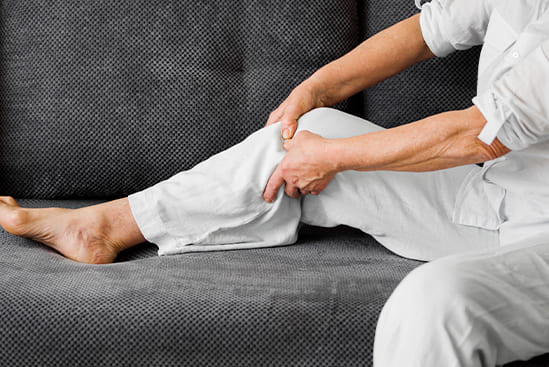
Common conditions in the older age population include hips & knee pain, back & neck pain, osteoarthritis, rheumatism, fear of falling and many more.  Aging and degeneration of bodily function is inevitable, but here at Synapse, we will help you live the best of your life.

Home Physiotherapy

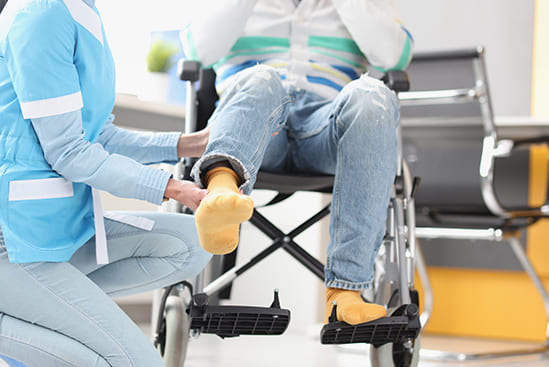
We understand that some conditions or injuries can make it difficult to receive rehabilitation at our clinic be it mobility or transportation issues. Our objective is to provide you with the same high-quality physiotherapy services at home that you would receive in-clinic.
Posted on

At-Home Physical Therapy: Tips, Benefits, Target Demographic

Home Physiotherapy
Home Physiotherapy
Home Physiotherapy, Synapse Physiotherapy

What is at-home physical therapy? 

Physical therapy can certainly be done at home. While many conditions that require physical therapy begin with a visit to a local therapist, they often provide exercises to continue doing at home regularly.

In some cases, a physical therapist may come to your home for all sessions. This is known as at-home therapy, a specialized form of care delivered by therapists who focus on home-based treatment. These licensed professionals bring necessary equipment and offer hands-on therapy, creating a personalized plan based on your needs and goals.

A common element in both at-home and clinic-based therapy is manual therapy, which involves hands-on techniques like massage and joint mobilization. These techniques must be performed by a licensed physical therapist.

Benefits of Home Physiotherapy

Convenience

In today’s fast-paced world, home physiotherapy offers a convenient solution. For those with limited mobility or transportation challenges, visiting a clinic can be difficult. Home physiotherapy removes the need for travel, allowing patients to receive care in the comfort of their homes. Whether you live in a city or a rural area, providers like PhysioChoice make it possible for quality treatment to come to you.

Tailored Treatment

Treating patients at home gives therapists better insight into their daily struggles, enabling them to design therapy that is not only based on the condition but also suited to the patient’s living environment. For instance, therapists may consider the home layout, furniture, and the patient’s daily tasks when planning exercises. You can learn more about customized therapy by reviewing this guide on selecting a physiotherapist.

Enhanced Compliance

Patients are often more comfortable at home, leading to better adherence to treatment. Having the therapist come to their home adds a sense of responsibility, while familiar surroundings can boost motivation. Helpful resources, such as tips for home exercises, further encourage compliance.

Lower Risk of Infection

In an era where hygiene and safety are crucial, home physiotherapy minimizes infection risks. Patients, especially those with weakened immune systems, can benefit from treatment in a controlled environment, reducing exposure to germs compared to clinic visits.

Cost Savings

Although home physiotherapy may seem more expensive upfront, it can save money in the long term. When considering transportation expenses, time lost from work, or the need for extended treatment due to missed sessions, home therapy becomes a cost-effective alternative.

Who needs home physiotherapy?

Recurrent Pain

Many people tend to ignore recurring pain, assuming that with enough time and rest, it will heal on its own. However, if you’ve been dealing with ongoing discomfort for an extended period, the injury likely requires a thorough evaluation to pinpoint and treat the root cause. A certified physiotherapist can assess the issue, and after a detailed examination, they will recommend a personalized rehabilitation plan, which may include targeted exercises and rest to ensure proper recovery and pain management.

Chronic Condition

Some people mistakenly believe that exercising will aggravate their chronic conditions, such as arthritis or osteoarthritis. In reality, physiotherapy can help manage and treat these conditions by strengthening and stabilizing the joints. This improves function, reduces pain, and keeps symptoms under control.

Work-Related Injuries

Certain jobs come with a higher risk of injury, but this doesn’t only apply to athletes or manual laborers. Desk jobs, for example, often lead to neck and lower back pain. Rather than dismissing these work-related issues as inevitable, they should be addressed early to prevent worsening. A physiotherapist can recommend exercises to relieve pain and discomfort while you work.

Neurological Disorder

Conditions like stroke or Parkinson’s disease affect mobility and significantly impact quality of life. Neurological physiotherapy can help improve muscle strength, posture, and balance. Physiotherapists also teach mobility and flexibility techniques, empowering patients to perform daily activities more independently.

Recently Undergone Surgery

Post-surgery, it’s common to experience muscle stiffness and fatigue. Post-surgical physiotherapy accelerates the healing process by restoring mobility, strength, and function while reducing pain and preventing complications. Starting physiotherapy early in the recovery phase ensures faster and more complete rehabilitation.

Tips for at-home physiotherapy

While at-home physical therapy offers many advantages, it’s essential to prioritize safety.

One key aspect is having sufficient space to move comfortably and perform exercises without space limitations. Here are some tips to ensure safe and effective at-home physical therapy:

  • Clear away any clutter in the area where you plan to exercise.
  • Maintain proper form during all exercises to prevent injuries.
  • Make sure your clothing and shoes don’t catch on the carpet or other surfaces during your workout.

What to expect during home physiotherapy? 

Initial Assessment

As with any clinical treatment, home physiotherapy begins with a comprehensive initial evaluation. This includes assessing the patient’s physical condition, reviewing their medical history, and setting realistic goals for treatment. If you are wondering what happens during these sessions, here is an overview of what you can expect in your first physiotherapy appointment.

Treatment Sessions

Treatment sessions are customized to the patient’s specific needs and may include a variety of exercises, specialized equipment, or manual therapy techniques. The physiotherapist ensures that all treatments provided are practical for the home setting while maintaining their effectiveness.

Regular Reassessment

Monitoring the effectiveness of treatment over time is crucial. In home physiotherapy, regular reassessments help track progress and ensure the therapy is working. These assessments can involve simple movement exercises or more detailed evaluations using specialized tools. Patient feedback is also vital, as it provides insights into their comfort and response to the therapy.

Modifications and Adjustments

Treatment plans are flexible and evolve as sessions progress. Physiotherapists frequently adjust the plan based on the patient’s progress, any new challenges, and the feedback provided. This ensures the treatment remains effective and is aligned with the patient’s recovery goals.

Explanation of the Condition

Education plays a crucial role in physiotherapy. It is important for patients to fully understand their condition, its effects on their body, and the purpose behind each treatment. This knowledge empowers patients and fosters a collaborative relationship with their therapist, making them more engaged in their own recovery.

Guidance on At-home Exercise

Progress often occurs between sessions. Physiotherapists provide patients with instructions for exercises to perform independently at home, ensuring continuous improvement and helping to accelerate recovery. These exercises are key to maintaining momentum and achieving better outcomes.

Conclusion

In conclusion, home physiotherapy is an excellent option for individuals in need, as it saves time and offers convenience by eliminating the need for transportation. This service is particularly beneficial for those with neurological conditions or reduced functional mobility. For professional home physiotherapy services delivered by qualified physiotherapists, please contact Synapse Physiotherapy. We are dedicated to providing personalized care tailored to your specific needs, right at your doorstep.

Share This :

Back & Neck Pain

Conditions such as stiffness, postural abnormalities and muscle overuse from prolonged desk work at the office or home is more prevalent than most would think. We provide the necessary tools to fix you up and educate you on ergonomics which can unload unnecessary stress.

Sports Injuries

Rolled ankles, jarred knees, impinged shoulders are few conditions in the plethora of sports injuries which can hamper performance and limit our enjoyment of sports. Physiotherapy not only treats the symptoms of these conditions but propels your overall fitness to greater heights.

Work Desk Injuries​

Conditions such as stiffness, postural abnormalities and muscle overuse from prolonged desk work at the office or home is more prevalent than most would think. We provide the necessary tools to fix you up and educate you on ergonomics which can unload unnecessary stress.

Pre-Post-Surgical Conditions

Surgery involves going through preparation both before and after. Physiotherapists play a vital role in getting your body ready for surgeries with circulatory, breathing and strengthening exercises. After the procedure, let us be there for your recovery and rehabilitation, taking it one step at a time.

Scoliosis & Postural Abnormalities

The way we stand, sit, walk and sleep has influence over our posture and the overall balance of muscles controlling its alignment. A comprehensive screening can be done by our physiotherapists to detect abnormalities, which we will aid in correcting.

Neurological Conditions

Neurological disabilities such as stroke, nerve compression and neuropathies can be barriers for patients to live life to its fullest. We at Synapse are committed to help you overcome these hurdles by ensuring functional mobility and quality of life is at its optimum by providing the right treatment and exercises.

Osteoarthritis & Rheumatism

Joint degeneration and inflammation happens as the human body grows older, but that does not mean our way of life degenerates as well. Relief your joint pains with a joint effort together with your physiotherapist, who will provide pain-relief treatments and prescribe exercises for your wellbeing.

Conditions Relating To Elderly

Common conditions in the older age population include hips & knee pain, back & neck pain, osteoarthritis, rheumatism, fear of falling and many more.  Aging and degeneration of bodily function is inevitable, but here at Synapse, we will help you live the best of your life.

Home Physiotherapy

We understand that some conditions or injuries can make it difficult to receive rehabilitation at our clinic be it mobility or transportation issues. Our objective is to provide you with the same high-quality physiotherapy services at home that you would receive in-clinic.
Posted on

Should you see a physio regularly?

Physio Near Me
Physio Near Me
Synapse Physiotherapy

Introduction

In today’s fast-paced world, where sedentary lifestyles, stress, and physical strain from work or exercise are increasingly common, the idea of seeking regular physiotherapy may seem appealing. Physiotherapy is known for helping people recover from injuries, manage pain, and improve mobility.

But should you see a physiotherapist regularly, even if you’re not injured? Let’s explore the potential benefits of regular physiotherapy and whether it’s something everyone should consider.


If you are looking for physiotherapy near you to start seeing a physiotherapist regularly, you can search for the nearest Synapse Physiotherapy to you and get our physiotherapist’s expert opinion on how to help you. Be it improving your fitness goals or getting preventative measures implemented in your routine, our professional physiotherapist will be able to help you with any concern you have.

The Role of Physiotherapy

Physiotherapy focuses on improving movement, managing pain, and promoting recovery from injury or illness. Physiotherapists are trained to assess, diagnose, and treat conditions related to muscles, joints, ligaments, and the nervous system. This therapeutic approach helps restore function, prevent further injuries, and promote overall health.


Typically, people seek physiotherapy when they are recovering from an injury, surgery, or dealing with chronic pain. However, regular visits to a physiotherapist may offer benefits beyond rehabilitation. 

Benefits of Regular Physiotherapy

1. Prevention of Injuries

One of the key advantages of regular physiotherapy is its ability to prevent injuries before they occur. Through a series of assessments and exercises, physiotherapists can identify areas of weakness or imbalances in your body. A physiotherapist will put you through a range of motions and ask the right lifestyle questions, ones that may identify latent problems and potential for future injury.

The culprit to these potential injuries is often inadequate form, inefficient warmup and cool down, or not doing any warm up or cool down prior to a sports activity. This applies to everyone from all walks of life, from an office worker who sits all day long, a mother carrying her baby to a construction worker who works a hard manual labour job.  Addressing these issues early on can reduce the likelihood of future injuries, especially if you’re active in sports or engage in physically demanding activities. 


2. Improved Posture and Alignment

Many people struggle with poor posture, often caused by prolonged sitting, improper ergonomic setups, or physical strain. Over time, poor posture can lead to muscle imbalances, back pain, and joint issues. A physiotherapist can work with you to correct these imbalances and improve your posture, helping you avoid long-term complications.

3. Management of Chronic Pain

If you suffer from chronic pain, such as back pain, arthritis, or fibromyalgia, regular physiotherapy can help manage symptoms. Too many people rely on painkillers as a crutch to manage their pain and symptoms as long as the pain doesn’t become too debilitating. Even though pharmaceuticals definitely have their place in rehabilitation and recovery, it can also easily be a substance to rely on. It is much safer to integrate better movement patterns and exercise into your normal routine to manage your pain and chronic injuries

Only physiotherapists can put a halt to numerous physical ailments by employing various techniques, including manual therapy, exercise programs, and education on body mechanics, to reduce pain and improve your quality of life.

4. Optimised Physical Performance

Whether you’re an athlete, a weekend warrior, or someone who enjoys staying active, regular physiotherapy can enhance your physical performance. By improving strength, flexibility, and endurance, physiotherapy can help you reach your fitness goals while minimising the risk of injury. It’s not just about recovery—it’s also about optimising how your body functions.

5. Rehabilitation and Recovery

If you’ve had a past injury, regular physiotherapy can prevent setbacks during your recovery process. It ensures that you’re progressing correctly, avoiding re-injury, and regaining full strength and mobility.

6. Ageing Gracefully

As we age, our bodies undergo changes in mobility, strength, and flexibility. Regular physiotherapy can help manage age-related issues, such as joint stiffness or decreased mobility, and reduce the risk of falls which many older adults struggle with.

In Synapse Physiotherapy, we have designed a special program called Silver Fitness Program that encompasses 4 core components that help you to age gracefully: flexibility, cardiovascular endurance, balance and coordination, and strength training. Our expert physiotherapists can create tailored exercise programs that address these issues and support healthy ageing or your personal fitness goals.

When Might Regular Physiotherapy Not Be Necessary?

While the benefits of regular physiotherapy are clear, it’s important to remember that not everyone needs ongoing treatment. Here are a few scenarios where frequent visits may not be necessary:

– No Injuries or Pain: If you’re in good health, physically active, and free from pain or injury, you may not need regular physiotherapy. Occasional check-ins may be enough to ensure everything is functioning well.

– Cost Considerations: Regular physiotherapy sessions can become expensive if not covered by insurance. Many people may not be able to afford ongoing treatment without a specific injury or issue.

– Availability of Other Preventative Care: If you already engage in regular physical activity, strength training, stretching, and practise good posture, you may be able to maintain your physical health without needing constant physiotherapy.

Elite Athlete

 For professional athletes or those undergoing intense training, sports massages may be beneficial as frequently as 1–3 times per week. Their demanding training schedules often result in muscle tightness, fatigue, and a higher risk of injury. Frequent massages are crucial in keeping the muscles loose, promoting faster recovery, and maintaining optimal performance levels. Regular treatment helps manage the accumulated strain from constant physical exertion, ensuring the body remains in top condition for continued training or competition.

Frequently Asked Questions (FAQs)

Physiotherapy is a therapeutic practice focused on improving movement, managing pain, and aiding recovery. It involves manual therapy, exercises, and education tailored to individual needs.

The frequency depends on your condition. For general wellness, a session every 1–3 months can help maintain optimal health.

Yes, physiotherapy identifies and addresses physical imbalances, reducing the likelihood of future injuries.

Absolutely! Techniques like manual therapy, exercise programs, and movement education effectively reduce chronic pain and improve quality of life.

If you’re looking for “physio near me,” Synapse Physiotherapy offers expert services tailored to your needs, ensuring a healthier, pain-free lifestyle.

Conclusion

In conclusion, the answer to whether you should see a physiotherapist regularly depends on your individual circumstances. If you have chronic pain, a history of injury, or a physically demanding lifestyle, regular physiotherapy can provide numerous benefits, from preventing injuries to improving your physical performance and quality of life. For others, occasional visits to address minor issues or check up on your musculoskeletal health may be sufficient.


Ultimately, regular physiotherapy can be a proactive approach to maintaining a healthy and active lifestyle. Consult with a physiotherapist to determine a treatment or maintenance plan tailored to your needs, whether you’re looking to recover from an injury, manage pain, or simply stay at your physical best.

Produced by MYSense

Share This :

Back & Neck Pain

Conditions such as stiffness, postural abnormalities and muscle overuse from prolonged desk work at the office or home is more prevalent than most would think. We provide the necessary tools to fix you up and educate you on ergonomics which can unload unnecessary stress.

Sports Injuries

Rolled ankles, jarred knees, impinged shoulders are few conditions in the plethora of sports injuries which can hamper performance and limit our enjoyment of sports. Physiotherapy not only treats the symptoms of these conditions but propels your overall fitness to greater heights.

Work Desk Injuries​

Conditions such as stiffness, postural abnormalities and muscle overuse from prolonged desk work at the office or home is more prevalent than most would think. We provide the necessary tools to fix you up and educate you on ergonomics which can unload unnecessary stress.

Pre-Post-Surgical Conditions

Surgery involves going through preparation both before and after. Physiotherapists play a vital role in getting your body ready for surgeries with circulatory, breathing and strengthening exercises. After the procedure, let us be there for your recovery and rehabilitation, taking it one step at a time.

Scoliosis & Postural Abnormalities

The way we stand, sit, walk and sleep has influence over our posture and the overall balance of muscles controlling its alignment. A comprehensive screening can be done by our physiotherapists to detect abnormalities, which we will aid in correcting.

Neurological Conditions

Neurological disabilities such as stroke, nerve compression and neuropathies can be barriers for patients to live life to its fullest. We at Synapse are committed to help you overcome these hurdles by ensuring functional mobility and quality of life is at its optimum by providing the right treatment and exercises.

Osteoarthritis & Rheumatism

Joint degeneration and inflammation happens as the human body grows older, but that does not mean our way of life degenerates as well. Relief your joint pains with a joint effort together with your physiotherapist, who will provide pain-relief treatments and prescribe exercises for your wellbeing.

Conditions Relating To Elderly

Common conditions in the older age population include hips & knee pain, back & neck pain, osteoarthritis, rheumatism, fear of falling and many more.  Aging and degeneration of bodily function is inevitable, but here at Synapse, we will help you live the best of your life.

Home Physiotherapy

We understand that some conditions or injuries can make it difficult to receive rehabilitation at our clinic be it mobility or transportation issues. Our objective is to provide you with the same high-quality physiotherapy services at home that you would receive in-clinic.
Posted on

What is more effective, acupuncture or dry needling?

dry needling vs acupuncture
Synapse Physiotherapy

Which is more effective, acupuncture or dry needling?

Inserting needles into the skin might sound unusual, but surprisingly, many individuals with injuries or painful conditions turn to this method as an alternative treatment for pain relief.


Dry needling and acupuncture are two popular therapies that involve piercing the skin with fine, stainless steel needles for healing purposes. Although both aim to alleviate pain, they differ significantly in their approach. At a glance, dry needling vs acupuncture may appear identical, as both use thin needles inserted into the skin and both claim to ease pain. However, one has roots in traditional Chinese medicine, dating back thousands of years, and has a solid body of research behind it, while the other has only been in use for a few decades.


Acupuncture works by stimulating the nervous system and releasing endorphins, whereas dry needling targets muscle knots and trigger points to release tension.


Finding the right treatment to manage your pain can be challenging, especially if you’re unsure of the underlying cause. Let’s explore the differences between dry needling and acupuncture to help you decide which might be the better option for you.

What is Dry Needling?

Dry needling is a contemporary treatment aimed at reducing muscle pain, and it has been gaining popularity. In a dry needling session, a practitioner inserts several fine, stainless steel filiform needles into the skin. These needles are not used to inject any substance, which is why the technique is referred to as “dry.” The needles are placed into “trigger points” within the muscle or tissue—areas of tight or hardened muscle. This method is sometimes called intramuscular stimulation. Practitioners believe that the needles help release muscle knots, alleviating pain and muscle spasms.

Technique

Dry needling involves inserting fine needles into muscle “trigger points” to relieve pain and tension. After identifying these tight spots, the practitioner inserts the needles into the muscle and may manipulate them by gently moving or twisting them. This manipulation is designed to elicit a local twitch response—an involuntary muscle contraction—that helps release the tension in the muscle. The twitch response improves blood flow and reduces pain, promoting relaxation of the tight muscle. The needles are left in for a few minutes before removal, and additional exercises may follow to enhance the treatment’s effect.

Post-event

Suppose you’re experiencing pain from an injury like a sprain, strain, or fracture. In that case, a physiotherapist can assist in your recovery after your doctor’s initial treatment by prescribing exercises and therapies that help restore your strength, flexibility, and range of motion. Additionally, if your injury resulted from a fall, a physiotherapist can work with you to enhance your balance and coordination, reducing the risk of future falls and further injury.


For instance, if you’ve recently fractured your ankle in a fall, a physiotherapist can create a personalized exercise program aimed at improving balance, proprioception, and coordination. Exercises such as standing on one leg, walking heel-to-toe, and practicing weight shifts can enhance your balance and decrease the likelihood of future falls. This is especially crucial for older adults, as falls often lead to injury, reduced mobility, and a lower quality of life.


If you suddenly experience severe pain, such as waking up with intense neck pain or suddenly developing severe lower back pain that disrupts your daily activities, work, or sleep, it’s advisable to seek prompt evaluation from a physiotherapist. They can assess your condition, recommend strategies to relieve your pain, and help you regain full function as swiftly as possible. Additionally, they may screen for any signs of serious underlying medical issues that could require further medical evaluation.


If your pain persists despite rest or over-the-counter medications, it’s important to consult a physiotherapist. They can identify the underlying cause of your pain and offer targeted treatment to relieve it.


For instance, Achilles tendon pain might improve with rest but could return when you resume activities like running. In such situations, a physiotherapist can develop a rehabilitation plan to address the issue and help prevent its recurrence.

Benefits

Alleviating Muscle Tightness and Pain: Dry needling effectively targets trigger points in the muscles, prompting them to contract and relax, which helps restore normal function and alleviate pain and tightness. Many patients experience immediate relief, with more significant benefits typically seen after several sessions.


Enhancing Range of Motion: By addressing muscle tension and trigger points, dry needling can improve or restore range of motion, leading to better overall function and decreased discomfort.


Speeding Up Recovery: For athletes and active individuals, dry needling can expedite the recovery process. It promotes muscle relaxation and increases blood circulation, providing vital oxygen and nutrients to the injured areas, which facilitates quicker healing.

Side effect

Mild side effects are common with dry needling, while serious complications are rare.

The most frequent side effects at the needle insertion site include:

  • Bruising
  • Minor bleeding
  • Temporary soreness

What is acupuncture?

Acupuncture involves the insertion of ultra-fine needles into specific points on the body. A fundamental aspect of traditional Chinese medicine, it is primarily used to alleviate pain but is increasingly recognized for its role in promoting overall wellness, including stress management.


According to traditional Chinese medicine, acupuncture aims to balance the flow of energy, or life force, known as chi or qi (chee), which is believed to travel through pathways called meridians in the body. By placing needles at precise points along these meridians, acupuncture practitioners aim to restore harmony to the energy flow.

Technique

Traditionally, acupuncture is based on the belief that illness arises from blocked or disrupted qi, which is the healing energy that sustains your body. The practice aims to eliminate these blockages and restore a balanced flow of energy.


Needle Insertion: Acupuncture needles are inserted at varying depths into specific points on your body. Due to their thinness, the insertion typically causes minimal discomfort, and many people do not feel the needles at all. A standard treatment usually involves 5 to 20 needles, and you might experience a mild aching sensation when a needle reaches the appropriate depth.


Needle Manipulation: After insertion, your practitioner may gently move or twist the needles or apply heat or mild electrical pulses to enhance the treatment’s effects.


Needle Removal: The needles are generally left in place for 10 to 15 minutes while you relax. Removal is usually painless and causes no discomfort.

Benefits

Pain Relief: Acupuncture is highly effective for alleviating both acute and chronic pain, commonly used for back pain, neck pain, osteoarthritis, migraines, and menstrual cramps. It works by reducing inflammation, triggering the release of endorphins, and adjusting the nervous system’s pain response.


Stress Reduction and Relaxation: Many find acupuncture sessions deeply calming. By targeting specific points, it helps regulate the body’s stress response, promoting relaxation and alleviating anxiety. Improved sleep quality is also frequently reported after treatment.


Mental Health: Acupuncture positively influences mood and mental wellness by balancing neurotransmitters like serotonin and dopamine. It is often used as a complementary therapy for conditions such as depression, anxiety, and PTSD.


Enhanced Immune Function: Acupuncture may boost the immune system by improving Qi flow and balancing internal systems. Regular sessions can strengthen the immune response and lower the risk of illness.


Better Digestive Health: Acupuncture can help regulate digestion and relieve gastrointestinal issues like IBS, acid reflux, bloating, and constipation. By enhancing energy flow and reducing stress, it may improve digestion and nutrient absorption.


Hormonal Balance: Acupuncture can help regulate hormonal imbalances, benefiting those with conditions like PCOS, infertility, menopausal symptoms, and irregular periods by normalizing cycles and alleviating hormonal fluctuations.

Side effect

Possible side effects may include bruising, bleeding, and a mild, achy sensation at the needle insertion site.

Which is better?

Now that you’re familiar with the benefits and risks of dry needling and acupuncture, you might wonder which one is the better treatment option. Surprisingly, it largely comes down to personal preference. If your goal is to alleviate muscle pain and tightness, dry needling could be a great choice. On the other hand, if you’re addressing a specific medical condition, acupuncture might be more suitable.


Both treatments can leave you feeling relaxed or energized, but individual responses may vary. If your symptoms don’t improve within a few weeks, it’s possible that neither, or only one of the treatments, may be effective for you. It’s important to note that dry needling and acupuncture are not substitutes for conventional medical treatments such as physiotherapy or surgery.


This is why consulting your healthcare provider and seeking out highly qualified practitioners is essential before trying either treatment.


You might want to consider trying dry needling services offered by a professional and certified physiotherapist, like those at Synapse Physiotherapy. Their expertise ensures that you receive safe and effective treatment tailored to your specific needs.

Frequently Asked Questions (FAQs)

Most patients experience mild discomfort during the treatment, often described as a quick pinch or muscle twitch. This discomfort typically subsides immediately.

It depends on the severity of your condition. For most patients, 5–10 sessions yield noticeable improvements.

Yes, some practitioners use both methods together to address different aspects of pain and recovery.

Both dry needling and acupuncture are safe when performed by licensed and trained professionals. Always ensure your practitioner is certified.

Relief can vary. Some patients feel immediate improvement after dry needling, while acupuncture benefits often become noticeable after a few sessions.

Conclusion

Both acupuncture and dry needling are valuable treatments for pain relief and overall wellness. Dry needling focuses on addressing muscle-specific issues, making it ideal for athletes and individuals recovering from injuries. Acupuncture, with its holistic approach, is suitable for those seeking to manage chronic pain, stress, or other systemic conditions.


When considering which therapy is better, it ultimately depends on your unique needs. Consulting a healthcare professional is crucial to determine the most effective treatment plan. If you’re looking for a qualified practitioner, consider Synapse Physiotherapy, where experienced professionals offer personalized dry needling services designed to alleviate pain and restore function. Take the first step toward a healthier, pain-free life today!

Produced by MYSense

Share This :

Back & Neck Pain

Conditions such as stiffness, postural abnormalities and muscle overuse from prolonged desk work at the office or home is more prevalent than most would think. We provide the necessary tools to fix you up and educate you on ergonomics which can unload unnecessary stress.

Sports Injuries

Rolled ankles, jarred knees, impinged shoulders are few conditions in the plethora of sports injuries which can hamper performance and limit our enjoyment of sports. Physiotherapy not only treats the symptoms of these conditions but propels your overall fitness to greater heights.

Work Desk Injuries​

Conditions such as stiffness, postural abnormalities and muscle overuse from prolonged desk work at the office or home is more prevalent than most would think. We provide the necessary tools to fix you up and educate you on ergonomics which can unload unnecessary stress.

Pre-Post-Surgical Conditions

Surgery involves going through preparation both before and after. Physiotherapists play a vital role in getting your body ready for surgeries with circulatory, breathing and strengthening exercises. After the procedure, let us be there for your recovery and rehabilitation, taking it one step at a time.

Scoliosis & Postural Abnormalities

The way we stand, sit, walk and sleep has influence over our posture and the overall balance of muscles controlling its alignment. A comprehensive screening can be done by our physiotherapists to detect abnormalities, which we will aid in correcting.

Neurological Conditions

Neurological disabilities such as stroke, nerve compression and neuropathies can be barriers for patients to live life to its fullest. We at Synapse are committed to help you overcome these hurdles by ensuring functional mobility and quality of life is at its optimum by providing the right treatment and exercises.

Osteoarthritis & Rheumatism

Joint degeneration and inflammation happens as the human body grows older, but that does not mean our way of life degenerates as well. Relief your joint pains with a joint effort together with your physiotherapist, who will provide pain-relief treatments and prescribe exercises for your wellbeing.

Conditions Relating To Elderly

Common conditions in the older age population include hips & knee pain, back & neck pain, osteoarthritis, rheumatism, fear of falling and many more.  Aging and degeneration of bodily function is inevitable, but here at Synapse, we will help you live the best of your life.
Home Physiotherapy

We understand that some conditions or injuries can make it difficult to receive rehabilitation at our clinic be it mobility or transportation issues. Our objective is to provide you with the same high-quality physiotherapy services at home that you would receive in-clinic.
Posted on

How often should you go for a sports massage?

Sports Massage
Sports Massage
Sports Injuries, Synapse Physiotherapy

What is a sport massage?

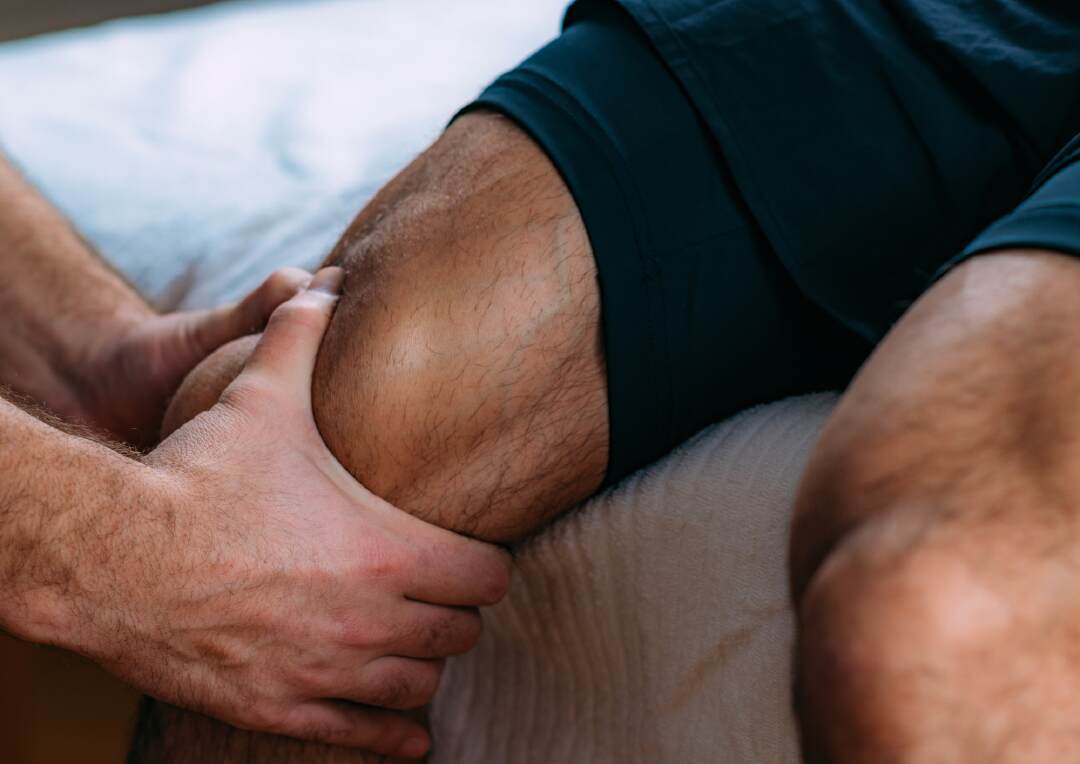
Sports massage is an intense method of soft tissue mobilization that can be advantageous in both athletic and non-athletic settings. It involves several techniques such as effleurage, kneading, wringing, hacking, and trigger point therapy. The goal of sports massage is to relax the musculoskeletal system and target specific areas of concern. This massage technique aids in relieving muscle tension, breaking down adhesions, mobilizing soft tissues, and alleviating pain.

How often and why should you go for a sports massage?

As an athlete or sportsperson, incorporating pre-event and post-event sports massages into your training regimen is crucial for optimal preparation.

Pre-event

A post-event sports massage is typically administered immediately after the event or physical activity and plays a vital role in the recovery process. The purpose of this massage is not only to soothe sore muscles but also to promote a faster return to regular training or competition by aiding the body’s recovery from the stresses of physical exertion. Post-event massage focuses on a more gentle, calming approach to help the body wind down after intense activity. It primarily aims to address the physical strain placed on the musculoskeletal system during the event, prevent muscle cramping, and facilitate overall recovery. 


One of the key benefits of post-event massage is its ability to reduce delayed-onset muscle soreness (DOMS), which often occurs after high-intensity exercise. DOMS can lead to stiffness, discomfort, and reduced range of motion in the days following a strenuous workout or competition. By promoting blood flow to the affected muscles, post-event massage helps flush out metabolic waste products such as lactic acid that can accumulate during prolonged or intense exercise. This removal of waste products reduces the likelihood of muscle soreness and cramping, allowing the athlete to recover more comfortably and quickly.


Additionally, post-event massage assists in restoring the body’s normal range of motion by addressing muscle tightness and tension that can develop during physical exertion. During intense exercise, muscles are often pushed to their limits, leading to a loss of flexibility and joint stiffness. By gently mobilizing soft tissues and promoting relaxation, post-event massage helps re-establish flexibility, allowing for a quicker return to regular movement patterns and training. This improved mobility not only speeds up recovery but also reduces the risk of injury in subsequent training sessions by ensuring that the body is in a balanced and functional state.


Furthermore, a well-executed post-event massage helps in rebalancing the body and replenishing the musculoskeletal system after intense exertion. This is especially important for athletes who regularly engage in high-impact or endurance sports, as their muscles and joints often endure significant wear and tear. By focusing on areas of tightness, discomfort, or muscle imbalances, the massage helps to alleviate tension, break down any adhesions or knots, and prevent long-term issues such as chronic stiffness or pain. This process not only aids in immediate recovery but also enhances long-term athletic performance by preventing overuse injuries and maintaining muscular health.


Incorporating regular post-event massages into an athlete’s routine is a proactive approach to maintaining physical well-being. By aiding in the recovery process, post-event massage enables athletes to resume training or competition more quickly, with reduced fatigue and discomfort. It helps rejuvenate the body, preparing it for future events and preventing injury by addressing any underlying issues caused by physical exertion. For athletes of all levels, post-event massage is an essential tool in promoting faster recovery, enhancing physical performance, and ensuring long-term injury prevention.

Post-event

Suppose you’re experiencing pain from an injury like a sprain, strain, or fracture. In that case, a physiotherapist can assist in your recovery after your doctor’s initial treatment by prescribing exercises and therapies that help restore your strength, flexibility, and range of motion. Additionally, if your injury resulted from a fall, a physiotherapist can work with you to enhance your balance and coordination, reducing the risk of future falls and further injury.


For instance, if you’ve recently fractured your ankle in a fall, a physiotherapist can create a personalized exercise program aimed at improving balance, proprioception, and coordination. Exercises such as standing on one leg, walking heel-to-toe, and practicing weight shifts can enhance your balance and decrease the likelihood of future falls. This is especially crucial for older adults, as falls often lead to injury, reduced mobility, and a lower quality of life.


If you suddenly experience severe pain, such as waking up with intense neck pain or suddenly developing severe lower back pain that disrupts your daily activities, work, or sleep, it’s advisable to seek prompt evaluation from a physiotherapist. They can assess your condition, recommend strategies to relieve your pain, and help you regain full function as swiftly as possible. Additionally, they may screen for any signs of serious underlying medical issues that could require further medical evaluation.


If your pain persists despite rest or over-the-counter medications, it’s important to consult a physiotherapist. They can identify the underlying cause of your pain and offer targeted treatment to relieve it.


For instance, Achilles tendon pain might improve with rest but could return when you resume activities like running. In such situations, a physiotherapist can develop a rehabilitation plan to address the issue and help prevent its recurrence.

Key factors to determine the frequency of sports massage session

  • Activity level 

The frequency of sports massages largely depends on your level of physical activity and training intensity.

Elite Athlete

 For professional athletes or those undergoing intense training, sports massages may be beneficial as frequently as 1–3 times per week. Their demanding training schedules often result in muscle tightness, fatigue, and a higher risk of injury. Frequent massages are crucial in keeping the muscles loose, promoting faster recovery, and maintaining optimal performance levels. Regular treatment helps manage the accumulated strain from constant physical exertion, ensuring the body remains in top condition for continued training or competition.

Regular Exercisers

Individuals who engage in moderate physical activity multiple times a week, such as those who work out regularly at the gym or participate in sports, can benefit from bi-weekly or monthly sports massages. This frequency is often sufficient to manage muscle tension, speed up recovery, and prevent injuries. By integrating a sports massage into their routine, regular exercisers can maintain muscle health, address minor aches before they escalate, and enhance overall performance in their workouts.

Weekend Warriors

For those who engage in physical activity on weekends or occasionally, such as recreational athletes or casual sports participants, a monthly sports massage is typically enough. Since their physical demands are not as frequent, this schedule helps alleviate any residual muscle soreness and maintain flexibility. A monthly session can address any tension or strain that builds up over time, ensuring that muscles remain healthy and ready for future activities.

2.Training Intensity

The intensity of your workouts is a key factor in determining how often you should receive sports massages. High-intensity workouts place significant stress on your muscles. This increased strain elevates the need for regular massages to prevent muscle fatigue, reduce soreness, and improve recovery.

  • High-Intensity Training

 If your routine involves strenuous activities like weightlifting, HIIT, or competitive sports, scheduling weekly or bi-weekly sports massages is recommended. Regular massages help keep your muscles flexible, reduce the risk of overuse injuries, and support optimal performance by addressing the microtears and tightness that result from intense training.

  • Moderate Intensity

For those engaging in moderate-intensity activities such as jogging, swimming, or cycling, a monthly sports massage may be sufficient. These sessions help maintain muscle balance, prevent minor tightness from becoming more serious, and promote relaxation. Moderate-intensity athletes benefit from periodic massages to keep muscles functional and ready for continued training.

Frequently Asked Questions (FAQs)

A typical sports massage lasts between 30 and 60 minutes, depending on the athlete’s needs and the intensity of the session.

No, sports massages complement stretching by addressing deeper muscle layers, while stretching maintains flexibility and joint mobility.

Absolutely. Sports massages benefit anyone experiencing muscle tension, whether from physical activity, prolonged sitting, or everyday stress.

Pre-event massages should be scheduled within 24 hours of the activity to ensure muscles are primed without inducing fatigue.

Persistent muscle soreness, reduced range of motion, or tightness during activities are clear signs you could benefit from a session.

Conclusion

In conclusion, the frequency and timing of sports massages depend on factors such as your activity level, training intensity, and specific recovery goals. It’s important to listen to your body and consult with a qualified physiotherapist to develop a personalized massage plan tailored to your individual needs. For expert guidance and tailored care, you can receive these services at Synapse Physiotherapy. 

Produced by MYSense

Share This :

Back & Neck Pain

Conditions such as stiffness, postural abnormalities and muscle overuse from prolonged desk work at the office or home is more prevalent than most would think. We provide the necessary tools to fix you up and educate you on ergonomics which can unload unnecessary stress.

Sports Injuries

Rolled ankles, jarred knees, impinged shoulders are few conditions in the plethora of sports injuries which can hamper performance and limit our enjoyment of sports. Physiotherapy not only treats the symptoms of these conditions but propels your overall fitness to greater heights.

Work Desk Injuries​

Conditions such as stiffness, postural abnormalities and muscle overuse from prolonged desk work at the office or home is more prevalent than most would think. We provide the necessary tools to fix you up and educate you on ergonomics which can unload unnecessary stress.

Pre-Post-Surgical Conditions

Surgery involves going through preparation both before and after. Physiotherapists play a vital role in getting your body ready for surgeries with circulatory, breathing and strengthening exercises. After the procedure, let us be there for your recovery and rehabilitation, taking it one step at a time.

Scoliosis & Postural Abnormalities

The way we stand, sit, walk and sleep has influence over our posture and the overall balance of muscles controlling its alignment. A comprehensive screening can be done by our physiotherapists to detect abnormalities, which we will aid in correcting.

Neurological Conditions

Neurological disabilities such as stroke, nerve compression and neuropathies can be barriers for patients to live life to its fullest. We at Synapse are committed to help you overcome these hurdles by ensuring functional mobility and quality of life is at its optimum by providing the right treatment and exercises.

Osteoarthritis & Rheumatism

Joint degeneration and inflammation happens as the human body grows older, but that does not mean our way of life degenerates as well. Relief your joint pains with a joint effort together with your physiotherapist, who will provide pain-relief treatments and prescribe exercises for your wellbeing.

Conditions Relating To Elderly

Common conditions in the older age population include hips & knee pain, back & neck pain, osteoarthritis, rheumatism, fear of falling and many more.  Aging and degeneration of bodily function is inevitable, but here at Synapse, we will help you live the best of your life.

Home Physiotherapy

We understand that some conditions or injuries can make it difficult to receive rehabilitation at our clinic be it mobility or transportation issues. Our objective is to provide you with the same high-quality physiotherapy services at home that you would receive in-clinic.
Posted on

5 Signs You Need to See a Physiotherapist

Physiotherapy Near Me
Synapse Physiotherapy

Introduction

Physiotherapy, also referred to as physical therapy, is a proactive treatment approach that not only helps prevent diseases and conditions but also restores balance, aids in injury recovery, and alleviates pain.


While some may assume that physiotherapy is only necessary for sports injuries or post-surgical recovery, it’s essential to recognize that physiotherapists can address a wide range of mobility and flexibility concerns. They also offer preventive strategies to help maintain overall health. 


During a visit to the physiotherapist, the main goal is to identify the underlying cause of the issue and provide tailored treatments that promote recovery. Since each person heals differently, the physiotherapist will customize the treatment plan to achieve the best outcomes. As injuries and pain vary, personalized care is crucial to meet the specific needs of each individual.


So, when should you see a physiotherapist? Should you wait until the pain worsens? The answer is no—waiting or delaying treatment for muscle, ligament, or joint issues is not advisable, as it increases the risk of the problem becoming chronic or permanent. Therefore, it’s important to search for “physiotherapy near me” and begin your rehabilitation at a nearby center as soon as possible.

Lack of balance

You might not immediately associate balance issues with an injury, but a sudden loss of balance is often linked to a condition, illness, or injury that impacts your vestibular system, commonly referred to as the inner ear. You might not immediately associate balance issues with an injury, but a sudden loss of balance is often linked to a condition, illness, or injury that impacts your vestibular system, commonly referred to as the inner ear.

Limited range of motion

When your joints or limbs are unable to move through their full range of motion, it can become challenging to perform everyday tasks or participate in sports and recreational activities. This limitation can result from various causes, such as injury, surgery, arthritis, or neurological disorders.


For example, if your shoulder joint has a restricted range of motion, simple actions like combing your hair or putting on a t-shirt may become difficult, leading you to prefer button-up shirts. Similarly, a knee injury can limit the joint’s ability to bend or straighten, making movement problematic.


Physiotherapy is a valuable treatment for improving this condition, focusing on exercises and therapies that promote joint mobility, flexibility, and strength. A physiotherapist will evaluate your joint movement and develop a tailored treatment plan to target your specific restrictions and help you regain full motion.

Pain caused by sudden injury or chronic pain

Suppose you’re experiencing pain from an injury like a sprain, strain, or fracture. In that case, a physiotherapist can assist in your recovery after your doctor’s initial treatment by prescribing exercises and therapies that help restore your strength, flexibility, and range of motion. Additionally, if your injury resulted from a fall, a physiotherapist can work with you to enhance your balance and coordination, reducing the risk of future falls and further injury.


For instance, if you’ve recently fractured your ankle in a fall, a physiotherapist can create a personalized exercise program aimed at improving balance, proprioception, and coordination. Exercises such as standing on one leg, walking heel-to-toe, and practicing weight shifts can enhance your balance and decrease the likelihood of future falls. This is especially crucial for older adults, as falls often lead to injury, reduced mobility, and a lower quality of life.


If you suddenly experience severe pain, such as waking up with intense neck pain or suddenly developing severe lower back pain that disrupts your daily activities, work, or sleep, it’s advisable to seek prompt evaluation from a physiotherapist. They can assess your condition, recommend strategies to relieve your pain, and help you regain full function as swiftly as possible. Additionally, they may screen for any signs of serious underlying medical issues that could require further medical evaluation.


If your pain persists despite rest or over-the-counter medications, it’s important to consult a physiotherapist. They can identify the underlying cause of your pain and offer targeted treatment to relieve it.


For instance, Achilles tendon pain might improve with rest but could return when you resume activities like running. In such situations, a physiotherapist can develop a rehabilitation plan to address the issue and help prevent its recurrence.

Reduced strength

When you find it increasingly difficult to perform everyday tasks like carrying groceries or getting up from a chair, it may indicate reduced muscle strength, which can stem from various factors. These might include aging, a sedentary lifestyle, poor nutrition, or underlying health issues such as chronic diseases. A physiotherapist can help by assessing your muscle strength and identifying the specific weak muscles. They will then recommend a tailored plan to improve your muscle strength, which may involve therapeutic exercises and other strategies.

Nerve pain

Physiotherapy can be highly effective for treating various types of nerve pain, including conditions like sciatica, Thoracic Outlet Syndrome, Brachial Plexus issues, spondylosis, spinal stenosis, and peripheral nerve injuries such as foot drop and wrist drop. A key goal of physiotherapy is to enhance the mobility, strength, and flexibility of the affected area, which helps relieve nerve pressure and reduce pain. Physiotherapists may use techniques such as nerve mobilization to target and reduce nerve irritability.


For instance, if you have sciatica, your physiotherapist might recommend exercises that focus on stretching and strengthening the muscles in your lower back and hips to alleviate pressure on the sciatic nerve.

Frequently Asked Questions (FAQs)

Physiotherapy can address various conditions, including musculoskeletal injuries, chronic pain, balance disorders, and post-surgical recovery. It’s also effective for managing conditions like arthritis and nerve pain.

Signs you may need physiotherapy include persistent pain, limited mobility, balance issues, or muscle weakness. If these symptoms interfere with your daily life, consult a physiotherapist.

Yes, physiotherapy focuses on strengthening muscles, improving flexibility, and correcting posture, all of which help reduce the risk of future injuries.

The timeline varies depending on the condition and its severity. Many patients notice improvements within a few sessions, though chronic conditions may require longer-term treatment.

Most insurance plans cover physiotherapy services, especially if prescribed by a doctor. Check with your provider to confirm coverage.

Conclusion

If you’re experiencing any of these symptoms, it’s important to seek medical attention. Synapse Physiotherapy can assist in identifying the cause of your pain and work on improving your flexibility, strength, and balance—key components for enhancing your lifestyle. Our physiotherapists will create a personalized treatment plan tailored to your needs and help you avoid future injuries with a customized prevention strategy.

Produced by MYSense

Share This :

Back & Neck Pain

Conditions such as stiffness, postural abnormalities and muscle overuse from prolonged desk work at the office or home is more prevalent than most would think. We provide the necessary tools to fix you up and educate you on ergonomics which can unload unnecessary stress.

Sports Injuries

Rolled ankles, jarred knees, impinged shoulders are few conditions in the plethora of sports injuries which can hamper performance and limit our enjoyment of sports. Physiotherapy not only treats the symptoms of these conditions but propels your overall fitness to greater heights.

Work Desk Injuries​

Conditions such as stiffness, postural abnormalities and muscle overuse from prolonged desk work at the office or home is more prevalent than most would think. We provide the necessary tools to fix you up and educate you on ergonomics which can unload unnecessary stress.

Pre-Post-Surgical Conditions

Surgery involves going through preparation both before and after. Physiotherapists play a vital role in getting your body ready for surgeries with circulatory, breathing and strengthening exercises. After the procedure, let us be there for your recovery and rehabilitation, taking it one step at a time.

Scoliosis & Postural Abnormalities

The way we stand, sit, walk and sleep has influence over our posture and the overall balance of muscles controlling its alignment. A comprehensive screening can be done by our physiotherapists to detect abnormalities, which we will aid in correcting.

Neurological Conditions

Neurological disabilities such as stroke, nerve compression and neuropathies can be barriers for patients to live life to its fullest. We at Synapse are committed to help you overcome these hurdles by ensuring functional mobility and quality of life is at its optimum by providing the right treatment and exercises.

Osteoarthritis & Rheumatism

Joint degeneration and inflammation happens as the human body grows older, but that does not mean our way of life degenerates as well. Relief your joint pains with a joint effort together with your physiotherapist, who will provide pain-relief treatments and prescribe exercises for your wellbeing.

Conditions Relating To Elderly

Common conditions in the older age population include hips & knee pain, back & neck pain, osteoarthritis, rheumatism, fear of falling and many more.  Aging and degeneration of bodily function is inevitable, but here at Synapse, we will help you live the best of your life.

Home Physiotherapy

We understand that some conditions or injuries can make it difficult to receive rehabilitation at our clinic be it mobility or transportation issues. Our objective is to provide you with the same high-quality physiotherapy services at home that you would receive in-clinic.
Posted on

Top Physiotherapy Treatments for Healing & Wellbeing

Best physiotherapy
Best physiotherapy
Synapse Physiotherapy

Top Physiotherapy Treatments for Healing & Wellbeing

Physiotherapy, also known as physical therapy, is a non-invasive approach to health and wellness that focuses on restoring physical function, reducing pain, and improving mobility. It is widely recognized for its role in rehabilitation and injury prevention, but it also plays a vital part in promoting overall well-being. The best physiotherapy approach is a holistic one and the scope of it is much broader than most realise.

Because most physiotherapists take a holistic approach, they can also assist you with meeting your physical, mental and emotional needs. A physiotherapist will be able to look at elements such as lifestyle, diet, personal responsibilities and stress and create solutions to improve your overall well-being.

This article explores how physiotherapy treatments contribute to healing and wellness, covering various techniques and their benefits.


  1. Manual Therapy: Hands-On Healing

Manual therapy involves hands-on techniques that manipulate joints and soft tissues. It includes massage, mobilisation, and manipulation aimed at alleviating pain and improving mobility. Common benefits include:

 – Increased flexibility: Joint mobilisation helps restore natural movement in stiff joints.

– Pain relief: Soft tissue massage can ease tension in muscles and reduce discomfort.

– Improved circulation: Manual therapy promotes blood flow, which aids in the healing process.

 This therapy is commonly used for conditions like back pain, neck pain, and post-surgical rehabilitation.


  1. Exercise Therapy: Movement as Medicine

Exercise therapy is one of the most fundamental aspects of physiotherapy. Tailored exercise programs help patients regain strength, flexibility, and endurance. The goals of exercise therapy include:

 – Strengthening muscles: Targeted exercises build muscle strength, which is crucial for supporting joints and preventing further injuries.

– Enhancing flexibility: Stretching exercises help maintain a full range of motion in the joints.

– Improving balance: Balance training is essential, especially for older adults or those recovering from injury, to prevent falls and improve overall stability.

Regular exercise prescribed by a physiotherapist can also boost mental well-being, as physical activity triggers the release of endorphins, the body’s natural mood enhancers.


  1. Electrotherapy: Harnessing Technology for Recovery

Electrotherapy involves the use of electrical currents to stimulate nerves and muscles, aiding in pain relief and tissue repair. The main types include:

 TENS (Transcutaneous Electrical Nerve Stimulation): Provides pain relief by sending low-voltage electrical currents through the skin to disrupt pain signals.

– EMS (Electrical Muscle Stimulation): Stimulates muscles to contract, helping to strengthen weak or atrophied muscles, particularly useful for post-surgical patients.

– Ultrasound therapy: Uses sound waves to promote deep tissue healing, reduce inflammation, and alleviate pain.

 These modalities are non-invasive and offer a complement to manual and exercise therapy for a well-rounded treatment plan.


  1. Hydrotherapy: Healing with Water

Hydrotherapy, or water therapy, utilises the buoyancy and resistance of water to facilitate rehabilitation. It is particularly beneficial for patients with limited mobility, as water reduces the stress on joints while allowing for effective movement. The benefits of hydrotherapy include:

 – Reduced joint pressure: Water supports the body, reducing the strain on joints during exercises.

– Enhanced range of motion: The natural resistance of water helps strengthen muscles while improving flexibility.

– Relaxation and pain relief: Warm water can soothe aching muscles and reduce stiffness, offering both physical and mental relaxation.

 Hydrotherapy is often used in the treatment of arthritis, sports injuries, and post-operative rehabilitation.


  1. Acupuncture and Dry Needling: Ancient Techniques for Modern Healing

Acupuncture, rooted in traditional Chinese medicine, and dry needling, a more recent development, involves the insertion of thin needles into specific points of the body. While the techniques differ slightly, they both aim to relieve pain, reduce muscle tension, and promote healing.

 – Pain management: Both acupuncture and dry needling are effective in alleviating chronic pain, such as back pain, migraines, and joint pain.

– Tissue repair: By stimulating blood flow and the body’s natural healing response, these techniques can accelerate recovery.

– Muscle relaxation: Needling releases muscle knots and tension, improving overall mobility and function.

These treatments are particularly helpful for conditions like chronic pain syndromes, tendonitis, and muscular injuries.


  1. Postural Training and Ergonomics: Preventing Injury Through Proper Alignment

Poor posture is a common cause of musculoskeletal pain, particularly in people who spend long hours sitting or standing in one position. Physiotherapists often incorporate postural training and ergonomic advice into treatment plans to help patients avoid injury and discomfort. The key components include:

 – Postural correction: Physiotherapists provide exercises and education to improve posture and reduce the strain on the spine and joints.

– Workplace ergonomics: Advice on proper workplace setup, such as chair height, computer screen positioning, and desk layout, helps reduce the risk of work-related injuries.

– Movement education: Learning how to move correctly during daily activities, such as lifting objects or sitting for extended periods, helps prevent strain and injury.

 Proper posture and ergonomics play a crucial role in preventing long-term health issues and enhancing overall well-being.


  1. Breathing and Relaxation Techniques: Healing Beyond the Physical

Physiotherapy isn’t just about physical recovery; it also addresses the mental and emotional aspects of healing. Breathing exercises and relaxation techniques are often integrated into physiotherapy programs to help manage stress, anxiety, and pain. Benefits include:

 – Improved oxygen flow: Proper breathing techniques enhance oxygen delivery to muscles and tissues, promoting healing and reducing fatigue.

– Stress reduction: Relaxation techniques, such as deep breathing and mindfulness, help lower stress levels, which can otherwise impede recovery.

– Pain management: Controlled breathing can help patients manage pain, particularly during physical therapy exercises or post-surgery.

These techniques offer a holistic approach to healing, addressing both the body and mind.

 Conclusion

In conclusion, physiotherapy, as a pathway to healing and wellbeing, is a comprehensive approach to health. Physiotherapy also offers a wide range of treatments that promote both physical and mental well-being. Whether you are recovering from an injury, managing a chronic condition, or seeking to improve your overall health, physiotherapy can provide the support and guidance needed for healing and wellness. By incorporating manual therapy, exercise, technology, and even mindfulness techniques, physiotherapy empowers individuals to regain control over their health and lead a balanced, active life.

Share This :

Back & Neck Pain

Conditions such as stiffness, postural abnormalities and muscle overuse from prolonged desk work at the office or home is more prevalent than most would think. We provide the necessary tools to fix you up and educate you on ergonomics which can unload unnecessary stress.

Sports Injuries

Rolled ankles, jarred knees, impinged shoulders are few conditions in the plethora of sports injuries which can hamper performance and limit our enjoyment of sports. Physiotherapy not only treats the symptoms of these conditions but propels your overall fitness to greater heights.

Work Desk Injuries​

Conditions such as stiffness, postural abnormalities and muscle overuse from prolonged desk work at the office or home is more prevalent than most would think. We provide the necessary tools to fix you up and educate you on ergonomics which can unload unnecessary stress.

Pre-Post-Surgical Conditions

Surgery involves going through preparation both before and after. Physiotherapists play a vital role in getting your body ready for surgeries with circulatory, breathing and strengthening exercises. After the procedure, let us be there for your recovery and rehabilitation, taking it one step at a time.

Scoliosis & Postural Abnormalities

The way we stand, sit, walk and sleep has influence over our posture and the overall balance of muscles controlling its alignment. A comprehensive screening can be done by our physiotherapists to detect abnormalities, which we will aid in correcting.

Neurological Conditions

Neurological disabilities such as stroke, nerve compression and neuropathies can be barriers for patients to live life to its fullest. We at Synapse are committed to help you overcome these hurdles by ensuring functional mobility and quality of life is at its optimum by providing the right treatment and exercises.

Osteoarthritis & Rheumatism

Joint degeneration and inflammation happens as the human body grows older, but that does not mean our way of life degenerates as well. Relief your joint pains with a joint effort together with your physiotherapist, who will provide pain-relief treatments and prescribe exercises for your wellbeing.

Conditions Relating To Elderly

Common conditions in the older age population include hips & knee pain, back & neck pain, osteoarthritis, rheumatism, fear of falling and many more.  Aging and degeneration of bodily function is inevitable, but here at Synapse, we will help you live the best of your life.
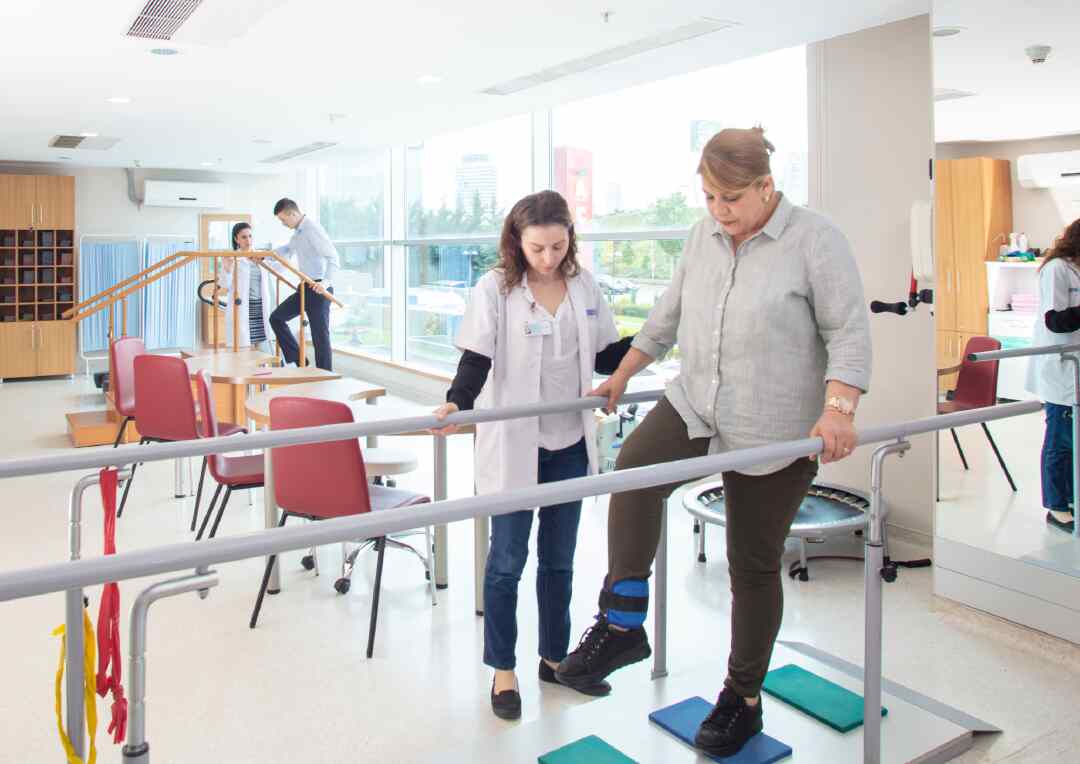
Home Physiotherapy

We understand that some conditions or injuries can make it difficult to receive rehabilitation at our clinic be it mobility or transportation issues. Our objective is to provide you with the same high-quality physiotherapy services at home that you would receive in-clinic.
Posted on

Sprain vs. Strain: Key Differences | Physiotherapy Cyberjaya

Physiotherapy cyberjaya
Synapse Physiotherapy

Sprain vs. Strain: The Difference? Physiotherapy Cyberjaya

Are you confused about the difference between a sprain and a strain? You’re not alone! Understanding these two common injuries is crucial for effective treatment and prevention. Whether you’re dealing with an acute injury or just looking to expand your knowledge, this guide will provide you with valuable insights to keep you moving pain-free. Dive in now and take the first step towards a healthier, more informed you! Whether it’s a sprain or a strain, you can get effective rehabilitation at a nearby physiotherapy center like Physiotherapy Cyberjaya.

Introduction

Soft tissues, which encompass ligaments, muscles, and tendons, are crucial for movement and stability in the body. These injuries can be sudden and acute, resulting from a specific incident, or long-standing and chronic, developing over time due to repetitive stress or poor mechanics.

What is a sprain?

A sprain is a stretch injury to the ligaments which are the fibrous bands that link two bones within a joint in the body. The ankle joint is the most frequently affected area for sprains. A strain occurs when a muscle or tendon is overstretched or torn. Tendons are the tough, fibrous tissues that attach muscles to bones. Common sites for muscle strains include the hamstring and lower back.

Causes of strain or sprain

  • Accidents like slips or falls
  • Heavy lifting
  • Overexertion
  • Maintaining awkward postures while sitting or standing
  • Repeatedly movement for extended (lengthened position) 
  • Inadequate Warm-Up
  • Sudden or Unusual Movements: 

Differences of sprain and strain (Symptoms)

Sprains and strains share several common symptoms, but they also have distinct characteristics.

  •  A sprain typically presents with pain around the affected joint, swelling in the area, reduced flexibility, and a limited range of motion. Bruising may also occur, highlighting damage to the ligaments. 
  • In contrast, a strain involves pain around the affected joint, swelling, and reduced flexibility as well. However, a strain is more likely to cause muscle spasms in addition to the diminished range of motion. 

These symptoms reflect the underlying differences between ligament injuries in sprains and muscle or tendon injuries in strains. The main difference is that a sprain often results in bruising around the affected joint, while a strain typically leads to muscle spasms in the injured area.

Severity of sprain

  • LEVEL 1

A mild sprain involves damage to specific fibers within a ligament. This type of injury typically results in localized pain when the area is palpated or pressed, but the swelling is minimal. The range of motion usually remains normal, and there is only a slight limitation in function.

  • LEVEL 2

A moderate sprain, characterized by a partial injury to the ligament, presents with significant pain upon palpation. There is noticeable swelling, and the range of motion is somewhat reduced. This type of sprain also leads to a moderate limitation in function.

  • LEVEL 3

A severe sprain involves a complete rupture of the ligament and may be accompanied by an audible ‘pop’ at the time of injury. Pain might be delayed initially due to the complete disruption of the ligament, which can result in minimal pain until the inflammatory process starts. Substantial swelling and bleeding are common, along with significant functional limitations.

Severity of strain

  • Strain injuries can vary widely in severity, categorized into different grades based on their characteristics and MRI findings.

    Grade 0a involves a focal muscle injury with normal MRI results. This grade is marked by an ‘awareness’ of the muscle during use and localized tenderness upon palpation.

    Grade 0b refers to general muscle soreness, also with normal MRI results. This condition typically arises without a specific trauma or incident, often starting 24 to 48 hours after an unusual exercise bout. It is characterized by widespread tenderness upon palpation.

    Grade 1 is associated with small, local tears in the muscle. Symptoms include a noticeable moment of injury, immediate pain onset, localized tenderness upon palpation, and no loss of range of motion. There may be a limited reduction in muscle power.

    Grade 2 involves moderate, localized muscle tears. The symptoms are similar to Grade 1 but include a moderate loss of muscle power and a moderate functional limitation. There is still no loss of range of motion.

    Grade 3 denotes extensive muscle tears. It presents with a noticeable moment of injury, immediate pain onset, localized tenderness, and potential loss of range of motion. Significant loss of muscle power and functional limitations are also common.

    Grade 4 represents complete tears of the muscle belly or tendon, or at the junction of the muscle and tendon. This severe grade involves a noticeable injury moment, immediate pain, localized tenderness, possible visible deformity, and a notable loss of range of motion. There is a significant loss of muscle power and functional ability.

What can you do after a sprain or strain?

  • Mild strains and sprains are commonly treated using the RICE method, which stands for:

    • Rest: Avoid using the affected joint to allow it adequate time to heal. Resting the joint helps facilitate the recovery process.
    • Ice: You can apply ice, which helps to reduce swelling and inflammation. To prevent skin damage, wrap a thin cloth or towel around a bag of ice before applying it to the affected area. Apply the ice for 15-20 minutes, then remove it for another 20 minutes. Repeat this process frequently during the first 24 to 48 hours after the injury.
    • Compression: To further reduce swelling, use a bandage or compression wrap on the injured joint. Ensure the wrap is snug but not overly tight to avoid restricting blood flow.
    • Elevation: Elevate the injured joint above the level of your heart to minimize swelling. For example, injuries to the knee or ankle may require resting in bed or on a couch for up to two days.

How does physiotherapy help?

  • Physiotherapy plays a vital role in the recovery from sprains and strains through various methods. 

    • Under the guidance of a physiotherapist, specific exercises are prescribed to promote healing, enhance strength, and improve flexibility of the injured area. 
    • Electrotherapy modalities may be employed to further aid in pain relief and accelerate the healing process. 
    • Manual techniques, including mobilization and massage, are used to alleviate pain, reduce stiffness, and enhance tissue repair. 
    • Bracing and external support are often recommended to protect the injured region, allowing individuals to engage more comfortably in daily activities while the injury heals.

How to prevent it?

  • Injuries can occur despite your best efforts to stay in shape or be prepared, as accidents are sometimes unavoidable. However, there are several strategies you can follow to reduce the risk of sprains and strains:

    • Stretching before and after exercise: Ensure you warm up and stretch before and after engaging in physical activity. Working out or playing sports with cold muscles can strain your joints. Allow your body time to prepare for exercise and cool down
    • Exercise Regularly: Engage in moderate activity on a daily basis rather than intense exercise only once or twice a week. Regular exercise keeps your muscles flexible and resilient. If a continuous 30-minute workout isn’t feasible, break it into three 10-minute sessions. 
    • Take Interval Breaks: Avoid prolonged sitting or standing and take regular breaks from repetitive motions to reduce muscle strain. 
    • Invest in Good Equipment: Proper equipment is crucial for exercise and sports. Ensure your equipment is well-fitted, well-made, and in good condition to support your joints effectively.
    • Stop If Necessary: Cease the activity immediately if you experience severe pain or swelling, and seek medical attention for persistent discomfort.
    • Proper Nutrition: Support your muscles with a well-balanced diet to ensure they are well-fueled and capable of handling physical activity.


Frequently Asked Questions (FAQs)

Strains are generally more common due to the frequency of muscle overuse, but sprains can be just as prevalent in athletes and those with physically demanding jobs.

A mild sprain can heal within a few weeks, while more severe sprains may require months of physiotherapy and care for a full recovery.

Even minor strains can benefit from physiotherapy, which helps ensure the muscle heals correctly and prevents future injuries.

Yes, most sprains heal without surgery, especially with early intervention using RICE, physiotherapy, and sometimes bracing.

Physiotherapy helps restore mobility, strength, and flexibility, reducing the risk of re-injury. Synapse offers customized programs to support long-term recovery in Cyberjaya.

Conclusion

Understanding the difference between sprains and strains is crucial for effective treatment and prevention. Whether you’re dealing with a recent injury or looking to prevent future occurrences, taking the right steps is essential. Synapse Physiotherapy is dedicated to providing comprehensive care tailored to your needs. From personalized exercise plans to advanced manual techniques and supportive bracing, our experienced team is here to help you recover swiftly and safely. Don’t let pain or discomfort hold you back—contact us today to schedule a consultation and take the first step toward a pain-free, active lifestyle. Your journey to recovery starts here, with expert guidance and compassionate care.

Produced by MYSense

Share This :

Back & Neck Pain

Conditions such as stiffness, postural abnormalities and muscle overuse from prolonged desk work at the office or home is more prevalent than most would think. We provide the necessary tools to fix you up and educate you on ergonomics which can unload unnecessary stress.

Sports Injuries

Rolled ankles, jarred knees, impinged shoulders are few conditions in the plethora of sports injuries which can hamper performance and limit our enjoyment of sports. Physiotherapy not only treats the symptoms of these conditions but propels your overall fitness to greater heights.

Work Desk Injuries​

Conditions such as stiffness, postural abnormalities and muscle overuse from prolonged desk work at the office or home is more prevalent than most would think. We provide the necessary tools to fix you up and educate you on ergonomics which can unload unnecessary stress.

Pre-Post-Surgical Conditions

Surgery involves going through preparation both before and after. Physiotherapists play a vital role in getting your body ready for surgeries with circulatory, breathing and strengthening exercises. After the procedure, let us be there for your recovery and rehabilitation, taking it one step at a time.

Scoliosis & Postural Abnormalities

The way we stand, sit, walk and sleep has influence over our posture and the overall balance of muscles controlling its alignment. A comprehensive screening can be done by our physiotherapists to detect abnormalities, which we will aid in correcting.

Neurological Conditions

Neurological disabilities such as stroke, nerve compression and neuropathies can be barriers for patients to live life to its fullest. We at Synapse are committed to help you overcome these hurdles by ensuring functional mobility and quality of life is at its optimum by providing the right treatment and exercises.

Osteoarthritis & Rheumatism

Joint degeneration and inflammation happens as the human body grows older, but that does not mean our way of life degenerates as well. Relief your joint pains with a joint effort together with your physiotherapist, who will provide pain-relief treatments and prescribe exercises for your wellbeing.

Conditions Relating To Elderly

Common conditions in the older age population include hips & knee pain, back & neck pain, osteoarthritis, rheumatism, fear of falling and many more.  Aging and degeneration of bodily function is inevitable, but here at Synapse, we will help you live the best of your life.

Home Physiotherapy

We understand that some conditions or injuries can make it difficult to receive rehabilitation at our clinic be it mobility or transportation issues. Our objective is to provide you with the same high-quality physiotherapy services at home that you would receive in-clinic.
Posted on

Sports Injury Clinic: Flexibility & Core Training | Synapse

Sports Injury Clinic
Synapse Physiotherapy

Introduction

Core training and flexibility are crucial in preventing sports injuries. A strong core stabilizes the body, enhances balance, and improves overall movement efficiency, which reduces the risk of injuries, particularly in the lower back, hips, and knees. Flexibility increases the range of motion in joints, allowing athletes to move more freely and avoid strains and sprains.

To effectively incorporate these elements into a training regimen, it’s essential to receive specialized training at a sports injury clinic under the guidance of a professional, such as a physiotherapist. These experts provide tailored exercises and techniques that address individual needs and ensure that core strength and flexibility are developed safely and effectively. Training at a sport injury clinic not only optimizes performance but also significantly reduces the risk of injury.

What is the core and why is it important?

The core serves as the central hub of our body, stabilizing the trunk while the arms and legs engage in various functional movements. It includes not only the muscles that stabilize the hips but also the entire system of muscles that make up the torso, covering the front, sides, and back of the body. The core’s primary function is to protect the spine from excessive load and to facilitate the transfer of force between the upper and lower body. A strong, stable core is vital for preventing injuries and ensuring optimal performance. To protect the back, it’s essential to create 360 degrees of stiffness around the spine during activities such as moving, running, jumping, throwing, lifting, and transferring force throughout the body. This level of protection and efficiency is achieved when the muscles in the hips, torso, and shoulders work together harmoniously.


The core is a box-like structure composed of several key muscle groups. At the front and sides are the abdominal muscles, while the back is supported by the paraspinal and gluteal muscles. The diaphragm forms the roof, and the pelvic floor along with the hip girdle muscles make up the floor. During movement, the abdominal muscles create a rigid cylinder around the spine, providing essential stability and support, which is vital for both injury prevention and overall athletic performance.

How to train the core effectively and basic core exercises

Core stability exercises focus on strengthening the muscles that support and stabilize the spine, pelvis, and hips. These exercises target both the deep and superficial core muscles.  The goal of core stability training is to improve balance, posture, and overall functional movement by enhancing the ability of these muscles to maintain a stable, neutral spine during both static and dynamic activities. Core stability exercises are essential for injury prevention, particularly in the lower back and pelvis, and are foundational for improving athletic performance and everyday functional activities.


These exercises include the plank, where you hold your body in a straight line from head to heels, supported by your forearms and toes, engaging the entire core, including the deep stabilizing muscles. The bird-dog exercise, performed in a quadruped position (on hands and knees), involves extending one arm and the opposite leg simultaneously while maintaining a stable spine, challenging balance and coordination while engaging the deep core muscles. Lastly, the Pallof press uses a resistance band or cable to press the handle straight out in front of you while standing, resisting the pull of the band—an excellent anti-rotation exercise for developing core stability and resisting unwanted movement.

What is flexibility and why is it important

Flexibility refers to the ability of muscles, joints, and soft tissues to move through an unrestricted, pain-free range of motion. It encompasses the capacity of these structures to stretch, lengthen, and contract without limitations, facilitating smooth and efficient movement. Adequate flexibility is essential for maintaining proper body mechanics, reducing the risk of injury, and enhancing overall athletic performance by allowing for greater freedom of movement.

Inadequate flexibility can negatively impact the body in three significant ways:

  1. Joint Health: Joints require movement through a full range of motion to maintain the health of cartilage and other structures within the joint, such as the synovium. Limited flexibility restricts this movement, potentially leading to joint stiffness, reduced lubrication, and degradation of cartilage, which can increase the risk of joint-related issues.
  2. Muscle Fatigue and Injury: Inflexible muscles tire more quickly, forcing opposing muscle groups to compensate and work harder. This increased workload can lead to muscle fatigue, making the muscles less effective at stabilizing joints. For instance, inflexible hamstrings may tire easily, which could compromise their ability to stabilize the knee, increasing the risk of injuries like ACL tears.
  3. Abnormal Stress on Distant Structures: Decreased flexibility can lead to abnormal stress on tissues and structures far from the initial site of inflexibility. For example, tight calf muscles can cause altered biomechanics, potentially leading to tendonitis in the knee. This abnormal stress can result in compensatory injuries and pain in other areas of the body.

How to improve flexibility?

Flexibility is most commonly improved through flexibility exercises known as stretching. There are several different methods of stretching, each with its own approach:

1. Static Stretching

  • Description: In static stretching, a muscle is slowly taken to the point of stretch and held for a duration ranging from 10 to 60 seconds. If the sensation of the stretch decreases, the body part can be moved further to re-engage the stretch. This method can also be performed with the assistance of a partner.
  • Benefits: Static stretching is effective for gradually increasing muscle length and flexibility. It is often used post-exercise to cool down muscles and reduce the risk of injury.

2. Dynamic or Active Stretching

    • Description: Dynamic stretching involves taking a muscle through its entire range of motion in a controlled manner. The movement begins with a small range and gradually increases in both range and speed.
    • Benefits: Dynamic stretching is ideal for warming up before physical activity. It prepares the muscles for exercise by mimicking the movements of the sport or activity, thereby enhancing performance and reducing the risk of injury.

Benefits of stretching

Stretching offers a range of benefits that extend beyond simply increasing flexibility and range of motion. Here are some of the key advantages:

1. Increased Flexibility and Range of Motion

  • Core Benefit: Stretching is most commonly associated with improving flexibility and increasing the range of motion in joints. This foundational benefit supports better movement efficiency and overall physical function.
  • Deeper Reasons: Individuals often stretch to enhance their sporting performance, improve posture, or prevent injuries. Increased flexibility is crucial for athletes, those with sedentary jobs, and anyone looking to maintain an active and healthy lifestyle.

2. Injury Prevention

  • Acute Injury Prevention: Flexible muscles are less likely to suffer from acute injuries such as hamstring strains. Stretching prepares muscles by gently extending them through their range of motion before exercise, which can help reduce the risk of sudden injuries.
  • Overuse Injury Prevention: Regular stretching can also prevent overuse injuries like IT band syndrome or plantar fasciitis by ensuring muscles and tendons maintain optimal length and elasticity.
  • Warm-Up Enhancement: Dynamic (active) stretches are now recommended in warm-ups to prepare muscles for activity, enhancing performance and further reducing injury risk compared to traditional static stretching.

3. Prevention of Delayed Onset Muscle Soreness (DOMS)

  • Minimizing Muscle Soreness: DOMS, which occurs 24-48 hours after exercise, is believed to result from microscopic tears in muscle fibers. Stretching before and after training can help minimize this damage, leading to less post-exercise soreness and quicker recovery.


4. Improving Posture

  • Addressing Muscle Imbalances: Poor posture, often caused by muscle imbalances, can be improved through stretching. For example, stretching shortened chest muscles in individuals who slouch over a computer can help correct posture over time.
  • Enhanced Alignment: Regular stretching helps maintain proper muscle length, promoting better alignment and posture, especially in people with sedentary lifestyles.

5. Improving Sporting Performance

  • Sport-Specific Flexibility: Sports like athletics and gymnastics demand high levels of flexibility, and stretching is crucial for optimizing performance in these activities.
  • Broader Athletic Benefits: Even in sports where flexibility isn’t immediately recognized as a key component, like rugby, stretching can improve performance by allowing muscles to work through their full range of motion. This not only helps prevent injuries but also enables the development of strength and power across the entire motion spectrum, giving athletes a competitive edge.


Get started with core and flexibility training at Synapse today to build a stronger, more resilient body.

Frequently Asked Questions (FAQs)

Core training improves stability, balance, and movement efficiency, reducing the risk of injuries and enhancing overall performance.

Flexibility training should be done at least 3–4 times a week, either as part of a warm-up or cool-down, to maintain optimal muscle length and joint health.

Yes, improved flexibility reduces strain on muscles and joints, minimizing the risk of both acute injuries and overuse conditions.

Effective exercises include planks, bird-dogs, and Pallof presses, all of which target the deep stabilizing muscles of the core.

At Synapse, we offer personalized programs led by experienced physiotherapists, ensuring safe and effective training tailored to your goals and needs.

Conclusion

Core strength and flexibility are fundamental to athletic success and injury prevention. By focusing on these elements, athletes can enhance their performance, maintain proper body mechanics, and minimize the risk of common sports injuries. Training at Synapse ensures that you receive expert guidance tailored to your unique needs, enabling you to build a strong, flexible, and resilient body.


Whether you’re recovering from an injury or looking to elevate your performance, our programs combine the latest techniques in core and flexibility training to help you achieve your goals. Don’t wait to prioritize your health—schedule a consultation with Synapse today and take the first step toward a stronger, healthier you!


Produced by MYSense

Share This :

Back & Neck Pain

Conditions such as stiffness, postural abnormalities and muscle overuse from prolonged desk work at the office or home is more prevalent than most would think. We provide the necessary tools to fix you up and educate you on ergonomics which can unload unnecessary stress.

Sports Injuries

Rolled ankles, jarred knees, impinged shoulders are few conditions in the plethora of sports injuries which can hamper performance and limit our enjoyment of sports. Physiotherapy not only treats the symptoms of these conditions but propels your overall fitness to greater heights.

Work Desk Injuries​

Conditions such as stiffness, postural abnormalities and muscle overuse from prolonged desk work at the office or home is more prevalent than most would think. We provide the necessary tools to fix you up and educate you on ergonomics which can unload unnecessary stress.

Pre-Post-Surgical Conditions

Surgery involves going through preparation both before and after. Physiotherapists play a vital role in getting your body ready for surgeries with circulatory, breathing and strengthening exercises. After the procedure, let us be there for your recovery and rehabilitation, taking it one step at a time.

Scoliosis & Postural Abnormalities

The way we stand, sit, walk and sleep has influence over our posture and the overall balance of muscles controlling its alignment. A comprehensive screening can be done by our physiotherapists to detect abnormalities, which we will aid in correcting.

Neurological Conditions

Neurological disabilities such as stroke, nerve compression and neuropathies can be barriers for patients to live life to its fullest. We at Synapse are committed to help you overcome these hurdles by ensuring functional mobility and quality of life is at its optimum by providing the right treatment and exercises.

Osteoarthritis & Rheumatism

Joint degeneration and inflammation happens as the human body grows older, but that does not mean our way of life degenerates as well. Relief your joint pains with a joint effort together with your physiotherapist, who will provide pain-relief treatments and prescribe exercises for your wellbeing.

Conditions Relating To Elderly

Common conditions in the older age population include hips & knee pain, back & neck pain, osteoarthritis, rheumatism, fear of falling and many more.  Aging and degeneration of bodily function is inevitable, but here at Synapse, we will help you live the best of your life.

Home Physiotherapy

We understand that some conditions or injuries can make it difficult to receive rehabilitation at our clinic be it mobility or transportation issues. Our objective is to provide you with the same high-quality physiotherapy services at home that you would receive in-clinic.
Posted on

Physiotherapy Malaysia for Neurological Conditions – Stroke

Physiotherapy Malaysia
Neurological Conditions, Synapse Physiotherapy

Introduction

Stroke and other neurological conditions significantly impact the quality of life, often leading to long-term physical and cognitive impairments. In Malaysia, physiotherapy plays a crucial role in the rehabilitation process, helping patients regain mobility, improve function, and enhance their overall well-being. Cerebrovascular disease is Malaysia’s third leading cause of death. Successive national health and morbidity surveys demonstrated a continuous rise in the prevalence of risk factors such as diabetes, hyperlipidaemia, and obesity. Several studies have also shown that the outcome of hospital admissions for acute stroke have shown that 36.2% were discharged independent while 53.1% had functional dependence. This indicates that there is a real need for stroke rehab in Malaysia.

When stroke prevalence is on the rise due to ageing demographics and lifestyle factors, stroke rehabilitation plays a crucial role in helping survivors regain independence, mobility, and quality of life.

This article provides an in-depth look at what stroke is, how physiotherapy is used to treat stroke as a neurological condition in Malaysia, highlighting its importance and the approaches used.

Understanding Stroke

Stroke occurs when blood flow to the brain is disrupted, either due to a blockage known as ischemic stroke (occurs when the blood supply to part of the brain is blocked or reduced) or bleeding known as hemorrhagic stroke (occurs when a blood vessel in the brain leaks or bursts and causes bleeding in the brain, which increases pressure on brain cells and damages them). 

A stroke is a medical emergency and it’s crucial to get medical treatment right away. It can cause lasting brain damage, long-term disability or even death. Therefore, seeking emergency medical help quickly can reduce brain damage and other stroke complications.

Many people are unsure of the symptoms of a stroke, even if they seem to come and go or they disappear completely. Seek immediate medical attention if you suspect that you or a loved one is demonstrating symptoms of a stroke. A simple way to remember would be using the mnemonic device “FAST” 

l Face. Ask the person to smile and notice if there is any drooping on one side of the face.

l Arms. Ask the person to raise both arms and notice if one arm drifts downward or they are unable to raise the arm.

l Speech. Ask the person to repeat a simple phrase and is the person’s speech slurred or different from usual? 

l Time.  If any of the above symptoms seems to persist or come and go persistently, seek for emergency medical help right away.

The Importance of Physiotherapy in Neurological Rehabilitation

Physiotherapy is the cornerstone of rehabilitation for stroke survivors and patients with neurological conditions such as Parkinson’s disease, multiple sclerosis, and spinal cord injuries. The primary goal of physiotherapy in this context is to restore physical function and independence, prevent complications, and improve the quality of life.

In Malaysia, the increasing prevalence of stroke and other neurological disorders has led to a growing demand for specialised rehabilitation services. Stroke, in particular, is a leading cause of disability, and the recovery process can be lengthy and complex. Physiotherapy helps in managing the physical impairments resulting from neurological damage, such as muscle weakness, spasticity, balance issues, and coordination problems.

Physiotherapy Approaches for Stroke and Neurological Conditions

Early Mobilization and Functional Training

What is the difference between muscle stiffness and muscle weakness?

  1. Early Mobilization and Functional Training

   – Early intervention is critical in stroke rehabilitation. Physiotherapists in Malaysia work with stroke survivors as soon as they are medically stable, focusing on early mobilisation to prevent complications such as deep vein thrombosis and pressure sores. Functional training, including exercises to improve mobility, strength, and endurance, is tailored to the individual needs of the patient.

  1. Neurodevelopmental Techniques

   – Techniques such as Bobath and Proprioceptive Neuromuscular Facilitation (PNF) are widely used in Malaysian physiotherapy practices. These approaches aim to enhance motor control and coordination through repetitive, task-specific exercises. The goal is to retrain the brain and nervous system to regain lost functions or develop new pathways for movement.

  1. Balance and Gait Training

   – Many stroke survivors experience difficulty with balance and walking. Physiotherapists use a variety of exercises and assistive devices to help patients regain their ability to walk safely. Treadmill training, combined with body-weight support systems, is often used to improve gait patterns and increase walking speed.

  1. Spasticity Management

   – Spasticity, or increased muscle tone, is a common issue in stroke and neurological patients. Physiotherapists in Malaysia employ techniques such as stretching, splinting, and the use of modalities like ultrasound or electrical stimulation to reduce spasticity and improve range of motion.

  1. Cognitive and Perceptual Rehabilitation

   – Stroke and neurological conditions often result in cognitive and perceptual deficits. Physiotherapists collaborate with occupational therapists and speech therapists to address issues such as impaired attention, memory, and visual-spatial awareness. Activities are designed to stimulate cognitive function while simultaneously improving physical abilities.


  1. Use of Technology and Robotics

   – Advanced technologies, including robotic-assisted therapy, virtual reality, and biofeedback, are increasingly being integrated into physiotherapy practices in Malaysia. These tools offer innovative ways to engage patients in rehabilitation, providing real-time feedback and allowing for more intensive and precise training.

Treatments

The treatment for muscle stiffness will vary depending on the underlying cause.


Home treatments 


  • Alternate between heat and cold therapy for 20 minutes at a time, several times a day.
  • Rest until the stiffness subsides.
  • Sit in a warm bath to enhance blood circulation.
  • Incorporate stretching throughout the day, particularly before and after exercise.
  • Take nonsteroidal anti-inflammatory drugs (NSAIDs) like ibuprofen.

Frequently Asked Questions (FAQs)

Physiotherapy helps stroke survivors regain physical function, prevent complications, and rebuild independence through tailored exercises and rehabilitation strategies.

Rehabilitation should begin as soon as the patient is medically stable, often within 24–48 hours after a stroke, to maximize recovery potential.

Techniques include early mobilization, neurodevelopmental training, balance and gait training, and spasticity management using methods like Bobath and PNF.


Yes, tools like robotic-assisted therapy, virtual reality, and biofeedback are increasingly used in Malaysia to enhance recovery outcomes.

Yes, physiotherapy programs are customized to individual needs, making it suitable for mild to severe cases of stroke.

Conclusion

Physiotherapy is an essential component of the rehabilitation process for stroke and neurological conditions in Malaysia. Through a combination of traditional techniques and innovative approaches, physiotherapists help patients regain function, reduce disability, and improve their quality of life. As Malaysia continues to develop its healthcare infrastructure, expanding access to these vital services will be key to supporting the growing number of individuals affected by stroke and neurological disorders.

Produced by MYSense

Share This :

Back & Neck Pain

Conditions such as stiffness, postural abnormalities and muscle overuse from prolonged desk work at the office or home is more prevalent than most would think. We provide the necessary tools to fix you up and educate you on ergonomics which can unload unnecessary stress.

Sports Injuries

Rolled ankles, jarred knees, impinged shoulders are few conditions in the plethora of sports injuries which can hamper performance and limit our enjoyment of sports. Physiotherapy not only treats the symptoms of these conditions but propels your overall fitness to greater heights.

Work Desk Injuries​

Conditions such as stiffness, postural abnormalities and muscle overuse from prolonged desk work at the office or home is more prevalent than most would think. We provide the necessary tools to fix you up and educate you on ergonomics which can unload unnecessary stress.

Pre-Post-Surgical Conditions

Surgery involves going through preparation both before and after. Physiotherapists play a vital role in getting your body ready for surgeries with circulatory, breathing and strengthening exercises. After the procedure, let us be there for your recovery and rehabilitation, taking it one step at a time.

Scoliosis & Postural Abnormalities

The way we stand, sit, walk and sleep has influence over our posture and the overall balance of muscles controlling its alignment. A comprehensive screening can be done by our physiotherapists to detect abnormalities, which we will aid in correcting.

Neurological Conditions

Neurological disabilities such as stroke, nerve compression and neuropathies can be barriers for patients to live life to its fullest. We at Synapse are committed to help you overcome these hurdles by ensuring functional mobility and quality of life is at its optimum by providing the right treatment and exercises.

Osteoarthritis & Rheumatism

Joint degeneration and inflammation happens as the human body grows older, but that does not mean our way of life degenerates as well. Relief your joint pains with a joint effort together with your physiotherapist, who will provide pain-relief treatments and prescribe exercises for your wellbeing.

Conditions Relating To Elderly

Common conditions in the older age population include hips & knee pain, back & neck pain, osteoarthritis, rheumatism, fear of falling and many more.  Aging and degeneration of bodily function is inevitable, but here at Synapse, we will help you live the best of your life.

Home Physiotherapy

We understand that some conditions or injuries can make it difficult to receive rehabilitation at our clinic be it mobility or transportation issues. Our objective is to provide you with the same high-quality physiotherapy services at home that you would receive in-clinic.