Posted on

6 Benefits of Home Physiotherapy for Pain Relief | Synapse

Home Physiotherapy
Home Physiotherapy
Home Physiotherapy, Sports Injuries, Synapse Physiotherapy

6 Benefits of Home Physiotherapy for Pain Relief | Synapse

Physiotherapy has long been recognized as a transformative treatment method, helping countless individuals restore their strength, mobility, and overall quality of life. Traditionally, accessing physiotherapy required patients to visit clinics or hospitals. However, the rise of home-based physiotherapy is reshaping this approach, offering a convenient and effective alternative for many.

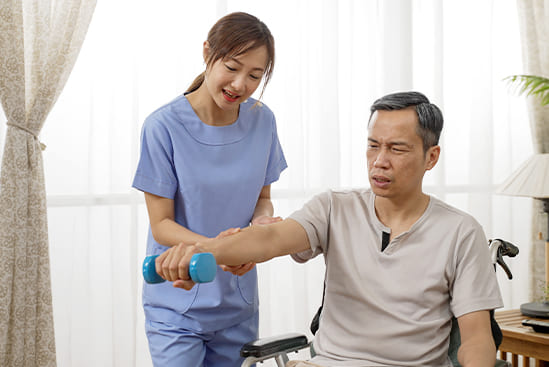
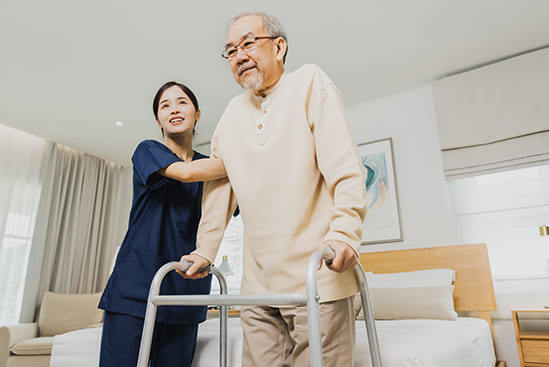
Home physiotherapy is crucial in providing care for individuals dealing with specific health challenges, particularly for those who find traveling to a clinic difficult. By bringing treatment directly to the patient’s home, physiotherapists can address individual health concerns, discuss treatment goals, and tailor their approach to foster better recovery outcomes.

Top Benefits of Home Physiotherapy for Pain Relief

  • Convenience

In today’s fast-paced world, convenience is a priority, and home physiotherapy aligns perfectly with this need. For individuals with mobility challenges or limited access to transportation, traveling to a clinic can be a significant obstacle. Home physiotherapy removes this barrier by bringing professional care directly to your doorstep.

  • Tailored, Personalized Care

Receiving physiotherapy at home gives therapists a unique opportunity to observe a patient’s daily environment, enabling them to craft treatments that are both condition-specific and adapted to the patient’s lifestyle. For example, they can factor in the home layout, the type of furniture used, or routine tasks into the therapy plan, creating a highly personalized approach that enhances recovery outcomes.

  • Better Treatment Compliance

Patients are often more relaxed and committed to their therapy when it takes place in a familiar environment. The comfort of home can enhance motivation and make it easier to stick to prescribed treatment routines. Additionally, having a therapist come to your home encourages consistency and reduces the likelihood of skipping sessions, ultimately leading to better results.

  • Lower Risk of Infection

For patients with weakened immune systems or increased vulnerability to illnesses, avoiding crowded clinics can be crucial. Home physiotherapy minimizes exposure to potential pathogens, providing a safer alternative for treatment. By staying in a controlled and familiar environment, patients can focus on their recovery without unnecessary health risks.

  • Cost-Effectiveness

While home physiotherapy may seem costlier at first glance, it often proves to be more economical in the long run. Eliminating travel expenses, reducing time away from work, and ensuring consistent treatment all contribute to better value over time. Patients benefit from tailored care without the additional burdens that come with frequent clinic visits.


What Conditions Can Be Treated with Home Physiotherapy?

Home-based physiotherapy can address various medical conditions, helping patients regain flexibility, strength, and overall functionality. Here are some of the most common issues treated through this approach:

  • Chronic Pain Management

Chronic pain caused by conditions such as arthritis, fibromyalgia, or back pain can be challenging to live with. At-home physiotherapy provides specialized exercises and techniques that help alleviate discomfort and improve the patient’s quality of life.

  • Post-Surgery Rehabilitation

Following surgical procedures, physiotherapy is often essential to manage pain, restore mobility, and rebuild muscle strength. Home-based rehabilitation offers patients a convenient and supportive environment to recover effectively.

  • Mobility Issues and Balance Disorders in the Elderly

Elderly individuals often face challenges with mobility and balance, which can impact their ability to perform daily tasks independently. Home physiotherapy focuses on improving strength, coordination, and balance, enabling seniors to regain confidence and lead more active lives.

  • Neurological Conditions

Neurological disorders such as stroke, Parkinson’s disease, or multiple sclerosis often require consistent physiotherapy to improve motor skills, restore movement, and enhance overall functionality. At-home care provides a comfortable setting for addressing these complex needs.

What Happens When a Physiotherapist Visits Your Home

  • Assess the Patient’s Needs

When a physiotherapist visits your home, they begin with an initial evaluation to assess your physical condition and review your medical history. This helps them understand your unique needs and identify any specific challenges you may face.

  • Create a Personalized Treatment Plan

After the assessment, the physiotherapist develops a customized treatment plan tailored to your goals and health requirements. This plan is designed to address your specific issues and maximize recovery.

  • Implement Treatment Strategies

The physiotherapist then puts the treatment plan into action. This may include various techniques such as manual therapy, exercises, and the use of assistive devices, all aimed at improving your physical function and relieving pain.

  • Monitor Progress and Adjust the Plan

Throughout the treatment process, the physiotherapist regularly monitors your progress to ensure you’re on track. If necessary, they will adjust the plan to incorporate new strategies or exercises, ensuring continuous improvement and the best possible outcomes.

Is home physiotherapy as effective as clinic-based treatments?

Yes, it is! Home physiotherapy offers the same level of professional care and expertise as clinic-based sessions. In many cases, it can be even more effective, thanks to the comfortable setting, tailored treatments, and higher levels of patient commitment. 

What if I don’t have the necessary equipment at home?

Physiotherapists are skilled at incorporating everyday household items into treatment plans when specialized equipment isn’t available. Additionally, they often bring portable tools and devices to ensure the therapy sessions remain effective and uninterrupted, regardless of your home setup.

Conclusion 

Home physiotherapy offers a convenient, personalized, and effective solution for managing pain, improving mobility, and enhancing overall well-being. With its ability to provide tailored treatments in the comfort of your own home, it’s a game-changer for those struggling with chronic pain, recovering from surgery, or facing mobility challenges.

If you’re ready to experience the benefits of home physiotherapy and take control of your recovery journey, Synapse Physiotherapy is here to help. Contact us today or book a session to start your path toward pain-free living!

Share This :

Back & Neck Pain

Conditions such as stiffness, postural abnormalities and muscle overuse from prolonged desk work at the office or home is more prevalent than most would think. We provide the necessary tools to fix you up and educate you on ergonomics which can unload unnecessary stress.

Sports Injuries

Rolled ankles, jarred knees, impinged shoulders are few conditions in the plethora of sports injuries which can hamper performance and limit our enjoyment of sports. Physiotherapy not only treats the symptoms of these conditions but propels your overall fitness to greater heights.

Work Desk Injuries​

Conditions such as stiffness, postural abnormalities and muscle overuse from prolonged desk work at the office or home is more prevalent than most would think. We provide the necessary tools to fix you up and educate you on ergonomics which can unload unnecessary stress.

Pre-Post-Surgical Conditions

Surgery involves going through preparation both before and after. Physiotherapists play a vital role in getting your body ready for surgeries with circulatory, breathing and strengthening exercises. After the procedure, let us be there for your recovery and rehabilitation, taking it one step at a time.

Scoliosis & Postural Abnormalities

The way we stand, sit, walk and sleep has influence over our posture and the overall balance of muscles controlling its alignment. A comprehensive screening can be done by our physiotherapists to detect abnormalities, which we will aid in correcting.

Neurological Conditions

Neurological disabilities such as stroke, nerve compression and neuropathies can be barriers for patients to live life to its fullest. We at Synapse are committed to help you overcome these hurdles by ensuring functional mobility and quality of life is at its optimum by providing the right treatment and exercises.

Osteoarthritis & Rheumatism

Joint degeneration and inflammation happens as the human body grows older, but that does not mean our way of life degenerates as well. Relief your joint pains with a joint effort together with your physiotherapist, who will provide pain-relief treatments and prescribe exercises for your wellbeing.
Conditions Relating To Elderly

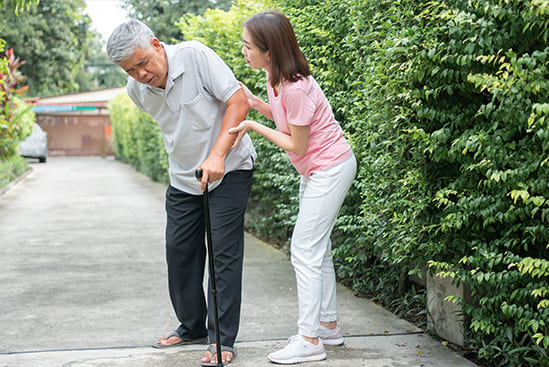
Common conditions in the older age population include hips & knee pain, back & neck pain, osteoarthritis, rheumatism, fear of falling and many more.  Aging and degeneration of bodily function is inevitable, but here at Synapse, we will help you live the best of your life.
Home Physiotherapy

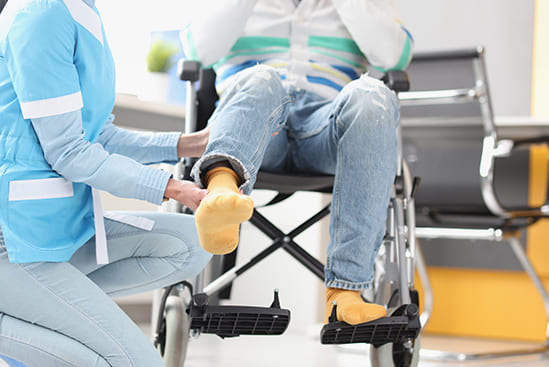
We understand that some conditions or injuries can make it difficult to receive rehabilitation at our clinic be it mobility or transportation issues. Our objective is to provide you with the same high-quality physiotherapy services at home that you would receive in-clinic.
Posted on

Spine and Core Rehab Benefits at Synapse Cyberjaya Clinic

Physiotherapy Near Me
Pre-Post-Surgical Conditions, Scoliosis & Postural Abnormalities, Sports Injuries, Synapse Physiotherapy, Work Desk Injuries​

Spine and Core Rehab Benefits at Synapse Cyberjaya Clinic


What is Spine and Core Rehabilitation?

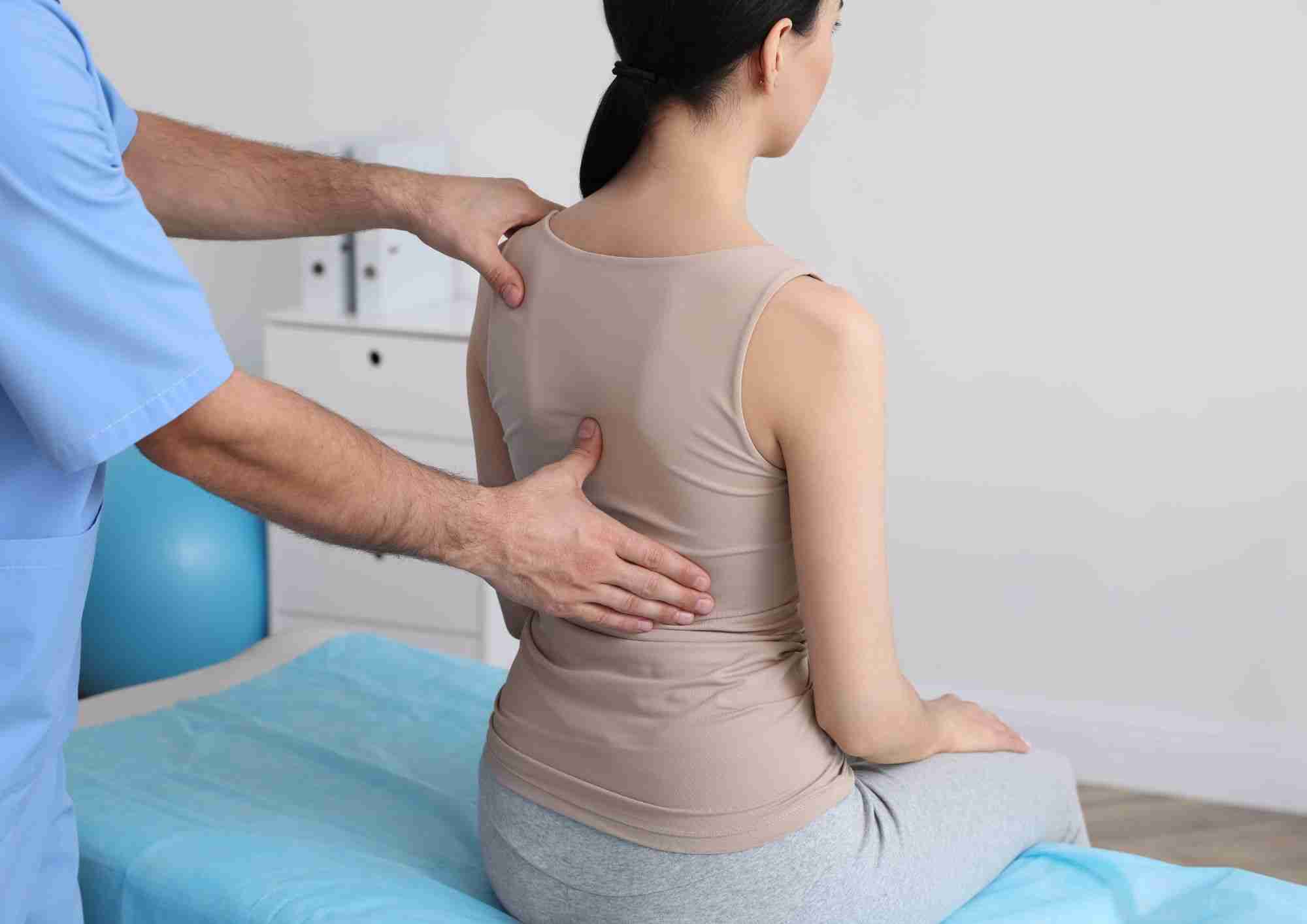
Spine and core rehabilitation is a comprehensive program tailored to individuals experiencing spine-related issues, including problems in the neck, upper back, and lower back. The primary goal is to reduce pain caused by spine conditions and to design specific exercises that strengthen core muscles, thereby preventing re-injury.

This program is suitable for a wide range of conditions, including acute and chronic spine problems. It is also highly beneficial for post-operative patients, as the rehabilitation plan is carefully designed to align with medical precautions and promote safe recovery. For example, tailored exercises and therapies are implemented to restore mobility and strength while adhering to post-surgical restrictions.

Additionally, the program addresses secondary issues that arise from spine problems, such as weakness in the upper or lower limbs caused by nerve entrapment. The program helps improve functionality and overall quality of life by focusing on these side effects.

Whether you are dealing with neck pain, back pain, or other spine-related challenges, this rehabilitation program offers a conservative approach to treatment. For individuals seeking alternatives to surgery, physiotherapy is an excellent first step. Feel free to search for “physiotherapy near me” to explore treatment options that prioritize your recovery and well-being.

Benefits of Spine and Core Rehabilitation at Synapse Cyberjaya Clinic

Physiotherapy near me spine and core rehabilitation offers numerous advantages that can significantly improve your overall health and well-being. Here are the key benefits:

  • Pain Relief: Strengthening the core reduces pressure on the spine and surrounding tissues, helping to alleviate pain, particularly in individuals with chronic back pain.
  • Improved Posture: A strong core supports proper spinal alignment, reducing slouching and minimizing strain on the spine for better posture.
  • Enhanced Stability: Core strengthening creates a stable foundation for movement, reducing the risk of injuries and improving body control during physical activities.
  • Better Balance and Coordination: Core-focused exercises enhance proprioception, leading to improved balance and coordination while decreasing the risk of falls.
  • Accelerated Recovery: A stable and strong core expedites the rehabilitation process following spinal injuries or surgeries, promoting faster healing and recovery.
  • Injury Prevention: By encouraging proper body mechanics and stabilizing the spine, core strengthening reduces the likelihood of future injuries.
  • Increased Flexibility and Range of Motion: Core exercises improve flexibility in the muscles surrounding the spine, enhancing overall mobility and range of motion.
  • Improved Functional Movements: A stronger core enhances your ability to perform daily activities like lifting, bending, and twisting more efficiently and with less discomfort.

Physiotherapy near me benefits not only help manage existing spine problems but also play a crucial role in preventing future issues, making spine and core rehabilitation an essential component of a healthier, pain-free lifestyle. At Synapse Cyberjaya Clinic, we tailor our programs to address your unique needs, ensuring optimal outcomes and long-term benefits.

Why Choose Synapse Cyberjaya Clinic for Your Rehabilitation Needs?

At Synapse Cyberjaya Clinic, we take pride in offering exceptional care for spine and core rehabilitation, thanks to our team of highly experienced physiotherapists. Here’s why we stand out:

  • Expert Physiotherapists: Our skilled physiotherapists specialize in providing thorough assessments and creating personalized treatment programs tailored to each individual’s specific needs. With advanced manual therapy techniques, they effectively address a wide range of spine-related issues.
  • State-of-the-Art Facilities: Our clinic is equipped with modern facilities, including electrotherapy devices and a spinal decompression bed, to enhance recovery and provide effective pain relief. These tools ensure a comprehensive approach to spine and core rehabilitation.
  • Prime Location: Conveniently located in Cyberjaya, our physiotherapy near meclinic is situated in a shop lot directly opposite the well-known Tamarind Square, making it easily accessible for residents and visitors in the area.
  • Insurance-Friendly: Synapse Cyberjaya Clinic is a panel clinic for many insurance companies, making it easier for patients to access care without worrying about financial constraints.
  • Holistic Approach: Beyond treating symptoms, we focus on addressing the root causes of spine problems to ensure long-lasting results and improved quality of life.

Whether you’re dealing with acute pain, recovering from surgery, or seeking preventative care, Synapse Cyberjaya Clinic is your trusted partner in achieving optimal spine health. With our patient-centered care, advanced techniques, and convenient physiotherapy near me location, we are committed to helping you regain mobility, strength, and confidence in your daily life.

Who Can Benefit from Spine and Core Rehabilitation?

Spine and core rehabilitation is suitable for a wide range of individuals dealing with various spine-related conditions or seeking preventative care. Here’s who can benefit from this program:

  • Individuals with Acute or Chronic Spine Problems: Whether you’re experiencing sudden back pain or dealing with long-term discomfort in the neck or lower back, this program offers effective solutions to manage pain and improve function.
  • Post-Operative Patients: Rehabilitation is essential for those recovering from spine surgeries, such as discectomies or spinal fusions. Our program is carefully designed to follow post-surgical precautions, ensuring safe and steady recovery.
  • Patients with Nerve-Related Symptoms: Conditions like nerve entrapment or sciatica that cause weakness or tingling in the limbs can be addressed with targeted rehabilitation to restore nerve function and muscle strength.
  • Athletes and Active Individuals: For athletes recovering from spine injuries or looking to prevent future ones, core strengthening and stabilization exercises are critical for optimal performance and injury prevention.
  • Office Workers and Sedentary Individuals: Prolonged sitting or poor posture can lead to chronic back and neck pain. This program helps correct posture, strengthen weakened muscles, and prevent further deterioration.
  • Older Adults: As we age, the spine may become more susceptible to injuries and degenerative conditions. Spine and core rehabilitation can help improve mobility, balance, and overall quality of life.
  • Individuals Seeking Non-Surgical Solutions: For those looking to manage spine-related pain without resorting to surgery, rehabilitation provides a conservative and effective alternative.


The Rehab Process: What to Expect at Synapse Cyberjaya Clinic

At Synapse Cyberjaya Clinic, we follow a structured and patient-centered rehabilitation process to ensure optimal outcomes. Here’s what you can expect during your spine and core rehabilitation physiotherapy near me journey:

  • Comprehensive Assessment:

 Your first session begins with an in-depth evaluation to understand your condition. This includes:

  • Assessing spine movement and flexibility to identify restrictions or abnormalities.
  • Performing special tests to pinpoint the root cause of the issue.
  • Check your posture for misalignments or strain patterns.
  • Conducting a strength assessment to identify weak muscles and imbalances.
  • After the assessment, our physiotherapist will discuss your condition, explain the contributing factors, and collaborate with you to establish realistic rehabilitation goals. A personalized treatment plan will then be created to meet your unique needs.

  • Personalized Treatment:

Your rehabilitation sessions will include a combination of therapies tailored to your condition:

  • Manual Therapy: Specialized hands-on techniques to enhance mobility, relieve tension, and reduce pain.
  • Electrotherapy: Advanced modalities, such as TENS or ultrasound, to promote healing and manage discomfort.
  • Therapeutic Exercises: Customized exercises designed to strengthen your core, improve stability, and enhance overall flexibility and mobility.


  • Session Duration and Follow-Ups:

 Each session typically lasts 45 minutes to 1 hour, providing ample time to focus on both therapy and education. Progress is meticulously recorded after every session to monitor improvements and identify areas needing adjustment.

  • Progress Tracking and Adjustments:

 Our physiotherapists conduct regular follow-ups to evaluate your progress and modify your rehabilitation plan as needed. This dynamic approach ensures that your treatment evolves with your recovery, optimizing outcomes at every stage.

At Synapse Cyberjaya Clinic, we prioritize not just treating the symptoms but addressing the root cause of your spine and core issues. We aim to help you achieve a pain-free, functional lifestyle with long-term results.

Conclusion

If you’re experiencing spine-related issues or believe that spine and core rehabilitation could benefit you, don’t hesitate to take the first step toward recovery. At Synapse Cyberjaya Clinic, our experienced physiotherapists, state-of-the-art facilities, and personalized approach ensure you receive the care and support needed to regain strength, mobility, and a pain-free life.

Book your appointment today at Synapse Physiotherapy and let us design a rehabilitation program tailored to your needs. Your journey to better spine health starts here!

Share This :

Back & Neck Pain

Conditions such as stiffness, postural abnormalities and muscle overuse from prolonged desk work at the office or home is more prevalent than most would think. We provide the necessary tools to fix you up and educate you on ergonomics which can unload unnecessary stress.

Sports Injuries

Rolled ankles, jarred knees, impinged shoulders are few conditions in the plethora of sports injuries which can hamper performance and limit our enjoyment of sports. Physiotherapy not only treats the symptoms of these conditions but propels your overall fitness to greater heights.

Work Desk Injuries​

Conditions such as stiffness, postural abnormalities and muscle overuse from prolonged desk work at the office or home is more prevalent than most would think. We provide the necessary tools to fix you up and educate you on ergonomics which can unload unnecessary stress.

Pre-Post-Surgical Conditions

Surgery involves going through preparation both before and after. Physiotherapists play a vital role in getting your body ready for surgeries with circulatory, breathing and strengthening exercises. After the procedure, let us be there for your recovery and rehabilitation, taking it one step at a time.

Scoliosis & Postural Abnormalities

The way we stand, sit, walk and sleep has influence over our posture and the overall balance of muscles controlling its alignment. A comprehensive screening can be done by our physiotherapists to detect abnormalities, which we will aid in correcting.

Neurological Conditions

Neurological disabilities such as stroke, nerve compression and neuropathies can be barriers for patients to live life to its fullest. We at Synapse are committed to help you overcome these hurdles by ensuring functional mobility and quality of life is at its optimum by providing the right treatment and exercises.

Osteoarthritis & Rheumatism

Joint degeneration and inflammation happens as the human body grows older, but that does not mean our way of life degenerates as well. Relief your joint pains with a joint effort together with your physiotherapist, who will provide pain-relief treatments and prescribe exercises for your wellbeing.

Conditions Relating To Elderly

Common conditions in the older age population include hips & knee pain, back & neck pain, osteoarthritis, rheumatism, fear of falling and many more.  Aging and degeneration of bodily function is inevitable, but here at Synapse, we will help you live the best of your life.

Home Physiotherapy

We understand that some conditions or injuries can make it difficult to receive rehabilitation at our clinic be it mobility or transportation issues. Our objective is to provide you with the same high-quality physiotherapy services at home that you would receive in-clinic.
Posted on

How Physiotherapy Can Help Relieve Acute Back Pain

Physiotherapy Malaysia
Osteoarthritis & Rheumatism, Pre-Post-Surgical Conditions, Synapse Physiotherapy

Introduction

Acute back pain is one of the most common physical complaints among Malaysians. Whether caused by poor posture, sudden injury, or lifting something the wrong way, it can interrupt daily life and make even simple movements difficult. In recent years, many people have turned to Physiotherapy Malaysia services for a safer, more effective approach to recovery one that doesn’t rely on painkillers or invasive procedures.


Physiotherapy focuses on treating the source of pain rather than just covering the symptoms. It combines hands-on therapy, guided exercise, and practical advice to help people heal and prevent future injury. Clinics across Malaysia now offer advanced treatment methods and personalised care to support faster and long-lasting recovery from acute back pain.

Understanding Acute Back Pain

Acute back pain is short-term pain that usually lasts for less than six weeks. It often results from a specific event such as lifting something heavy, twisting awkwardly, or sitting in one position for too long. While some cases may improve with rest and time, others can become more serious without proper treatment.

The pain may be sharp or stabbing and is often felt in the lower back. It might also cause stiffness, limited movement, and difficulty standing or walking. When left untreated, acute pain can develop into chronic discomfort that becomes harder to manage.

That’s why early intervention is important. Seeking professional help through Physiotherapy Malaysia ensures the pain is not only managed but also prevented from returning. You can learn more about the different types of conditions treated through physiotherapy by visiting Synapse’s conditions page.

How Physiotherapy Addresses Back Pain

When you visit a physiotherapy clinic in Malaysia, the first step is usually a full physical assessment. This helps the physiotherapist understand the cause of the pain, how it affects your movement, and what might be contributing to the problem. Some clinics also collaborate with imaging centres or orthopaedic specialists for a more accurate diagnosis when needed.

Accurate Assessment and Diagnosis

A detailed assessment is essential for building an effective treatment plan. Physiotherapists will evaluate your posture, joint movement, muscle strength, and flexibility. This process helps identify whether the pain is related to muscle strain, joint stiffness, or poor alignment.

Pain Relief and Manual Therapy

In the early stages, the main goal is to reduce pain and ease inflammation. This might involve heat or cold therapy, ultrasound, or TENS (transcutaneous electrical nerve stimulation). These methods help calm the affected area and prepare your body for more active treatment.

Manual therapy is often part of the treatment as well. Using techniques such as joint mobilisation and soft tissue massage, your physiotherapist can relieve muscle tension, improve alignment, and restore movement in the spine.

Exercise and Movement Therapy

Once the pain starts to improve, your physiotherapist will guide you through a personalised exercise programme. These exercises are designed to strengthen your core, improve your posture, and restore normal function. Common movements include gentle stretches, balance work, and activities that mimic everyday tasks like bending or lifting.

Physiotherapists from Synapse Rehab Centre offer targeted spine and core rehabilitation programmes that help build long-term strength and prevent the pain from returning.

Education and Prevention Strategies

One of the key benefits of physiotherapy is the focus on education. You’ll learn how to avoid movements or habits that could cause your pain to return. This may include advice on your sitting posture, lifting techniques, or how to set up your work desk more ergonomically.

These practical tips are especially helpful in a country like Malaysia, where long hours at a desk or behind the wheel are common. By learning how to move safely and protect your back, you’ll not only recover faster but also stay pain-free for longer.

What Makes Physiotherapy in Malaysia a Reliable Option

As awareness of holistic and non-invasive care grows, more people are turning to Physiotherapy Malaysia to manage back pain. Clinics in cities like Kuala Lumpur, Penang, and Johor Bahru, as well as smaller towns, now offer modern equipment and trained professionals who provide personalised care to suit each patient’s condition.

Your experience typically begins with an initial consultation and assessment, followed by hands-on treatment and exercise sessions. Progress is monitored closely, and your physiotherapist will adjust your plan as needed. Clinics such as Synapse Physiotherapy Centre are known for their patient-centred approach and commitment to quality care.

Benefits of Physiotherapy for Acute Back Pain

The advantages of using physiotherapy to treat back pain are many. It offers a drug-free, non-invasive approach that focuses on long-term healing. Every treatment is tailored to your needs, helping you recover safely and effectively. Most importantly, it gives you the tools and knowledge to manage your health independently.

Patients often report faster recovery, better posture, and improved movement after a full course of treatment. With ongoing support from a qualified physiotherapist, you’ll also reduce your chances of experiencing similar problems in the future.

To explore more ways physiotherapy supports recovery, visit the Synapse page on Pain Management.

Frequently Asked Questions (FAQs)

1. How long should I wait before seeing a physiotherapist for back pain?

If your back pain doesn’t improve within a few days, or if it’s severe from the beginning, it’s best to see a physiotherapist sooner rather than later. Early treatment leads to quicker results.

2. Can physiotherapy prevent future back pain?

Yes. Physiotherapy doesn’t just treat current painit also strengthens your body and teaches you how to avoid future injuries.

3. Is physiotherapy safe for all ages?

Absolutely. Treatment is adapted to each person’s age, health status, and activity level. It’s suitable for everyone, including seniors.

4. Will I need to continue exercising at home?

Yes. Home exercises are often part of your recovery plan and help speed up progress. Your physiotherapist will guide you on what to do and how often.

5. Do I need a referral to start physiotherapy in Malaysia?

In most cases, you can book directly with a clinic. Some clinics may work with doctors or offer home visits for added convenience.

Final Thoughts

Acute back pain can happen to anyone, but you don’t have to let it affect your life for long. Physiotherapy Malaysia offers effective, customised solutions that treat the root cause of your pain and help you feel like yourself again. With expert care, you can return to work, sport, or daily routines more confidently and with less risk of future injury.


If you’re ready to take the next step toward recovery, reach out to a trusted physiotherapy provider near you. A visit to the right clinic could be the beginning of a healthier, pain-free life.

Share This :

Back & Neck Pain

Conditions such as stiffness, postural abnormalities and muscle overuse from prolonged desk work at the office or home is more prevalent than most would think. We provide the necessary tools to fix you up and educate you on ergonomics which can unload unnecessary stress.

Sports Injuries

Rolled ankles, jarred knees, impinged shoulders are few conditions in the plethora of sports injuries which can hamper performance and limit our enjoyment of sports. Physiotherapy not only treats the symptoms of these conditions but propels your overall fitness to greater heights.

Work Desk Injuries​

Conditions such as stiffness, postural abnormalities and muscle overuse from prolonged desk work at the office or home is more prevalent than most would think. We provide the necessary tools to fix you up and educate you on ergonomics which can unload unnecessary stress.

Pre-Post-Surgical Conditions

Surgery involves going through preparation both before and after. Physiotherapists play a vital role in getting your body ready for surgeries with circulatory, breathing and strengthening exercises. After the procedure, let us be there for your recovery and rehabilitation, taking it one step at a time.

Scoliosis & Postural Abnormalities

The way we stand, sit, walk and sleep has influence over our posture and the overall balance of muscles controlling its alignment. A comprehensive screening can be done by our physiotherapists to detect abnormalities, which we will aid in correcting.

Neurological Conditions

Neurological disabilities such as stroke, nerve compression and neuropathies can be barriers for patients to live life to its fullest. We at Synapse are committed to help you overcome these hurdles by ensuring functional mobility and quality of life is at its optimum by providing the right treatment and exercises.

Osteoarthritis & Rheumatism

Joint degeneration and inflammation happens as the human body grows older, but that does not mean our way of life degenerates as well. Relief your joint pains with a joint effort together with your physiotherapist, who will provide pain-relief treatments and prescribe exercises for your wellbeing.

Conditions Relating To Elderly

Common conditions in the older age population include hips & knee pain, back & neck pain, osteoarthritis, rheumatism, fear of falling and many more.  Aging and degeneration of bodily function is inevitable, but here at Synapse, we will help you live the best of your life.
Home Physiotherapy

We understand that some conditions or injuries can make it difficult to receive rehabilitation at our clinic be it mobility or transportation issues. Our objective is to provide you with the same high-quality physiotherapy services at home that you would receive in-clinic.
Posted on

Rehabilitation After Knee Surgery

Physiotherapy cyberjaya
Osteoarthritis & Rheumatism, Pre-Post-Surgical Conditions, Synapse Physiotherapy

Rehabilitation After Knee Surgery

The knee is a remarkable and intricate joint, connecting the thigh bone (femur) to the shin bone (tibia), and is essential for movement in our daily lives. Whether it’s walking, running, or jumping, the knee supports a wide range of activities that define our mobility. However, this vital joint is susceptible to various conditions that can lead to pain, discomfort, or reduced functionality. In some cases, surgery becomes necessary to restore its function and relieve discomfort. But surgery is just the first step—complete recovery requires a structured rehabilitation process guided by a professional physiotherapist. If you’re searching for support nearby, consider looking up options like “physiotherapy Cyberjaya” to begin your journey to recovery.


Common Knee Conditions That May Require Surgery

Osteoarthritis: The Degenerative Joint Disease


Osteoarthritis is one of the leading causes of knee surgery. This condition occurs when the cartilage that cushions the knee joint deteriorates over time, leading to pain, stiffness, and limited mobility. While non-surgical treatments like physical therapy and pain management can help in the early stages, advanced cases may require surgical intervention, such as total knee replacement, to restore function and improve quality of life.

ACL Tears: A Common Sports Injury


Anterior cruciate ligament (ACL) tears often occur during sports involving sudden stops or pivots. This injury causes knee instability and pain. While mild tears may heal with therapy and bracing, complete ACL tears often necessitate reconstruction surgery. The procedure replaces the damaged ligament with a graft, followed by rehabilitation to regain strength and mobility, enabling patients to return to active lifestyles.

Meniscus Tears: Damaged Shock Absorbers


The meniscus, a C-shaped cartilage in the knee, cushions and stabilizes the joint. Meniscus tears typically result from sudden twisting or forceful movements. Small tears may heal with rest and therapy, but larger or complex injuries often require surgery to repair or trim the damaged tissue, ensuring proper knee function and pain relief.

These procedures, paired with proper physiotherapy at Synapse Physiotherapy Cyberjaya, can help patients recover mobility and return to their daily activities.


Why Is Physiotherapy Crucial After Knee Surgery?

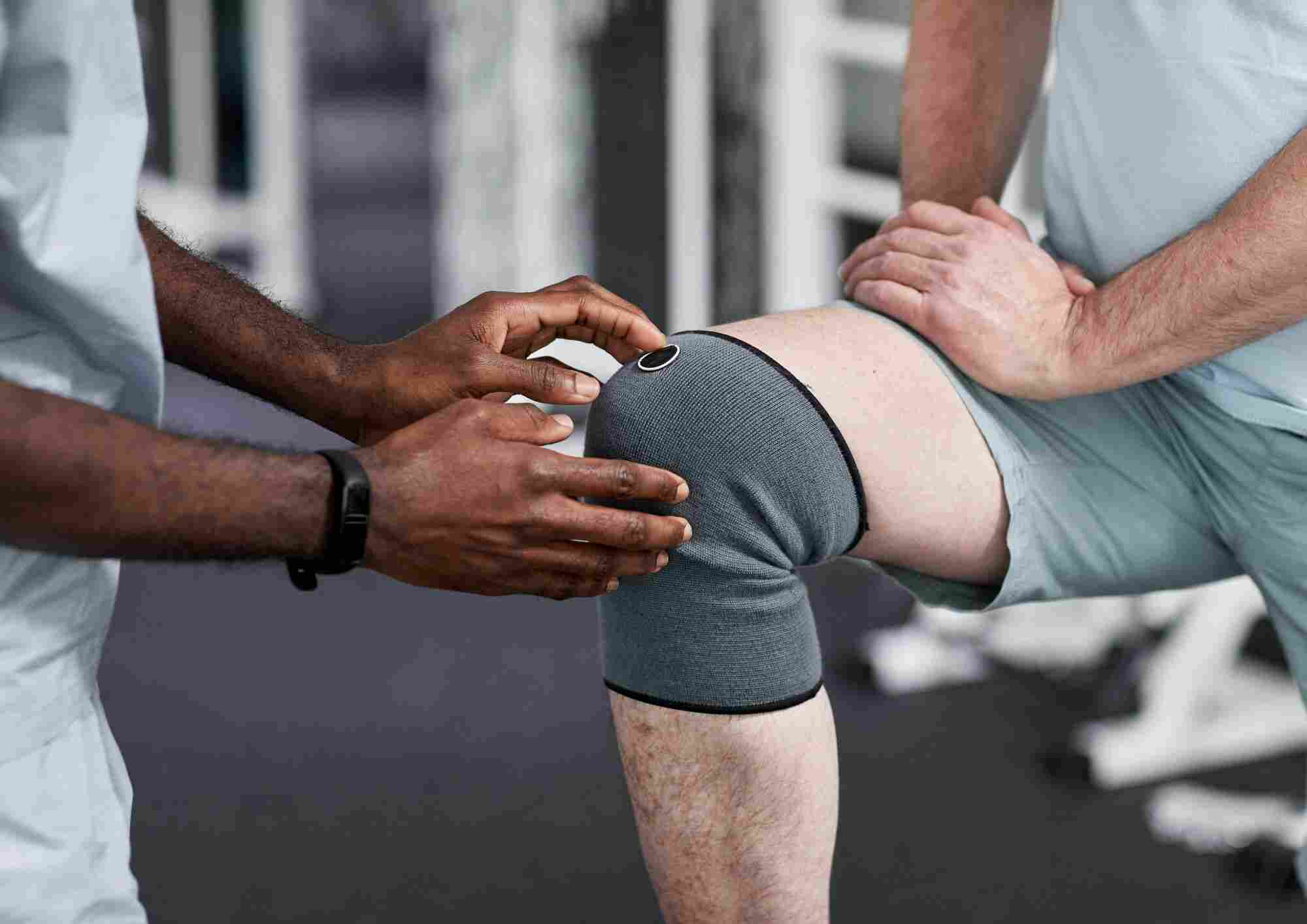
Physiotherapy is essential in the recovery process after knee surgery, aiding in restoring strength, mobility, and overall function. A physiotherapist creates a personalized rehabilitation plan tailored to your specific needs, gradually advancing as you heal.

Pain Management

Post-surgery pain is common, and physiotherapists use various techniques to alleviate discomfort. These include manual therapy, therapeutic exercises, and guidance on safe use of mobility aids like crutches or walkers to promote effective and secure mobility.

Controlling Swelling and Inflammation

Swelling and inflammation are natural responses after knee surgery. Physiotherapists utilize methods such as manual lymphatic drainage, compression therapy, and targeted exercises to manage these symptoms. This reduces pain, promotes healing, and helps restore joint function.

Restoring Range of Motion

Knee surgery often results in reduced flexibility and range of motion. Physiotherapists employ techniques like passive motion exercises, joint mobilizations, and stretching to restore full mobility, enabling better performance in daily activities and improved knee functionality.

Strengthening and Stability

Muscle weakness and imbalances around the knee can occur due to surgery and immobilization. Physiotherapists focus on strengthening key muscle groups like the quadriceps, hamstrings, and calves to enhance stability, protect the joint, and prevent future injuries.

Functional Training

Rehabilitation also emphasizes regaining abilities needed for everyday activities and sports. Physiotherapists tailor exercises to your goals, such as walking, climbing stairs, or squatting, while improving strength, balance, coordination, and agility to help you confidently resume your routine.

Education and Guidance

Physiotherapists at Synapse Physiotherapy Cyberjaya provide essential advice on postoperative care, including wound care, scar tissue management, proper body mechanics, and precautions to prevent re-injury. They also offer strategies for modifying activities to avoid complications and achieve a smooth recovery.

With the right physiotherapy support, you can recover effectively and regain confidence in your mobility.

What to expect during the session

When starting physical therapy after knee surgery at Synapse Physiotherapy Cyberjaya, you can expect a carefully planned and personalized approach to support your recovery. Physiotherapists collaborate closely with your surgical team to design a rehabilitation program tailored to your specific needs and goals.

Post-surgical therapy sessions focus on progressive exercises aimed at enhancing mobility, strength, balance, and overall functionality. The process begins gradually with passive stretches to promote flexibility, progressing to more intense strength-building and functional training exercises as you improve. While full recovery takes several months, the lasting benefits make the journey worthwhile.

Throughout your therapy at Synapse Physiotherapy Cyberjaya, a variety of techniques are employed to manage pain, reduce inflammation, and aid your body’s natural healing. Sessions often include manual therapy methods like soft tissue manipulation and joint mobilization, along with advanced interventions such as electrical stimulation or ultrasound therapy to further alleviate discomfort and promote recovery.

Knee Exercises for Post-Surgery Rehabilitation

Rehabilitation exercises after knee surgery play a vital role in restoring strength, mobility, and functionality. Below are common physiotherapy-guided exercises designed to support your recovery:

1. Ankle Pumps

  • Purpose: Improves circulation and prevents blood clots.
  • How to Do: Lie on your back and flex your foot up and down, pointing your toes toward your head and then away. Repeat 10–20 times every hour.

2. Quad Sets

  • Purpose: Strengthens the quadriceps without bending the knee.
  • How to Do: Sit or lie down with your leg extended. Tighten the thigh muscle by pressing the back of your knee into the floor. Hold for 5 seconds, then relax. Repeat 10–15 times.

3. Heel Slides

  • Purpose: Improves knee flexibility and range of motion.
  • How to Do: Lie on your back with your legs straight. Slide your heel toward your buttocks, bending the knee as much as possible, then slowly extend it back. Perform 10–15 repetitions.

4. Straight Leg Raises

  • Purpose: Builds strength in the quadriceps while keeping the knee stable.
  • How to Do: Lie flat on your back, bend one leg with the foot flat on the floor, and keep the other leg straight. Lift the straight leg about 12 inches off the ground, hold for 3–5 seconds, then lower slowly. Repeat 10–15 times.

5. Glute Bridges

  • Purpose: Strengthens the glute muscles and supports knee stability.
  • How to Do: Lie on your back with knees bent and feet flat. Squeeze your glutes and lift your hips toward the ceiling, hold for a few seconds, and slowly lower back down. Perform 10–15 repetitions.

6. Mini Squats

  • Purpose: Improves knee strength and stability.
  • How to Do: Stand with feet shoulder-width apart. Bend your knees slightly, lowering your body as if sitting on a chair, then return to standing. Keep your movements controlled and shallow. Perform 10–15 repetitions.

7. Step-Ups

  • Purpose: Builds strength and improves balance.
  • How to Do: Use a low step or platform. Step up with your surgical leg, then bring the other leg up, and step down the same way. Perform 10–15 repetitions.

8. Calf Raises

  • Purpose: Strengthens calf muscles and enhances joint stability.
  • How to Do: Stand with feet shoulder-width apart, and rise onto your toes, lifting your heels off the ground. Lower back slowly. Perform 10–15 repetitions.

9. Hamstring Curls

  • Purpose: Strengthens the muscles behind the knee.
  • How to Do: Lie on your stomach, bend your surgical leg at the knee, bringing your heel toward your buttocks, then lower it slowly. Perform 10–15 repetitions.

10. Balance Exercises

  • Purpose: Enhances knee stability and coordination.
  • How to Do: Stand on your surgical leg while holding onto a stable surface for balance. Gradually reduce support as your balance improves. Hold for 20–30 seconds, and repeat 3–5 times.

Tips for Safe Rehabilitation

  • Always follow your physiotherapist’s guidance regarding intensity and frequency.
  • Perform exercises slowly and avoid pushing through pain.
  • Monitor for swelling or discomfort and apply ice if needed.
  • Stay consistent for the best long-term results.

These exercises, when performed regularly under professional supervision, can help restore knee function, reduce pain, and improve your overall quality of life.

Conclusion

Physiotherapy Cyberjaya’s rehabilitation is the cornerstone of recovery after knee surgery, ensuring patients regain strength, mobility, and function effectively. Through tailored exercises, pain management techniques, and expert guidance, physiotherapy not only accelerates healing but also minimizes complications and helps prevent re-injury. It provides the tools and support necessary to restore confidence and return to daily activities or sports with ease.

At Synapse Physiotherapy Cyberjaya, we are committed to guiding you through every step of your recovery journey. Our team of skilled physiotherapists designs personalized rehabilitation programs that cater to your unique needs, helping you achieve a full and lasting recovery. With the right care and dedication, we’ll help you get back to the activities you love, stronger than ever.

Share This :

Back & Neck Pain

Conditions such as stiffness, postural abnormalities and muscle overuse from prolonged desk work at the office or home is more prevalent than most would think. We provide the necessary tools to fix you up and educate you on ergonomics which can unload unnecessary stress.

Sports Injuries

Rolled ankles, jarred knees, impinged shoulders are few conditions in the plethora of sports injuries which can hamper performance and limit our enjoyment of sports. Physiotherapy not only treats the symptoms of these conditions but propels your overall fitness to greater heights.

Work Desk Injuries​

Conditions such as stiffness, postural abnormalities and muscle overuse from prolonged desk work at the office or home is more prevalent than most would think. We provide the necessary tools to fix you up and educate you on ergonomics which can unload unnecessary stress.

Pre-Post-Surgical Conditions

Surgery involves going through preparation both before and after. Physiotherapists play a vital role in getting your body ready for surgeries with circulatory, breathing and strengthening exercises. After the procedure, let us be there for your recovery and rehabilitation, taking it one step at a time.

Scoliosis & Postural Abnormalities

The way we stand, sit, walk and sleep has influence over our posture and the overall balance of muscles controlling its alignment. A comprehensive screening can be done by our physiotherapists to detect abnormalities, which we will aid in correcting.

Neurological Conditions

Neurological disabilities such as stroke, nerve compression and neuropathies can be barriers for patients to live life to its fullest. We at Synapse are committed to help you overcome these hurdles by ensuring functional mobility and quality of life is at its optimum by providing the right treatment and exercises.

Osteoarthritis & Rheumatism

Joint degeneration and inflammation happens as the human body grows older, but that does not mean our way of life degenerates as well. Relief your joint pains with a joint effort together with your physiotherapist, who will provide pain-relief treatments and prescribe exercises for your wellbeing.

Conditions Relating To Elderly

Common conditions in the older age population include hips & knee pain, back & neck pain, osteoarthritis, rheumatism, fear of falling and many more.  Aging and degeneration of bodily function is inevitable, but here at Synapse, we will help you live the best of your life.

Home Physiotherapy

We understand that some conditions or injuries can make it difficult to receive rehabilitation at our clinic be it mobility or transportation issues. Our objective is to provide you with the same high-quality physiotherapy services at home that you would receive in-clinic.
Posted on

How Do I Know If I Need Physiotherapy For Sports Injuries?

Sports Injury Clinic
Sports Injuries, Synapse Physiotherapy

How Do I Know If I Need Physiotherapy For Sports Injuries?

Sports physiotherapy is a crucial component of injury prevention, management, and rehabilitation for athletes of all levels. Whether you’re recovering from an injury, healing post-surgery, or aiming to boost your performance, recognizing the signs that you may benefit from professional physiotherapy at a sports injury clinic can make all the difference. Here’s a detailed explanation of how sports physiotherapy helps and when to seek it.

Recognizing the Need for Sports Physiotherapy

  • Persistent Pain or Discomfort

Pain that doesn’t improve with rest, over-the-counter treatments, or home remedies is a clear indicator that you might need sports physiotherapy. This includes acute pain from recent injuries like sprains or strains, as well as chronic discomfort from overuse injuries such as tendinitis. Physiotherapists specialize in diagnosing and addressing the underlying causes of pain, ensuring effective relief and recovery.

  • Decreased Range of Motion or Mobility Issues

Stiffness or difficulty moving a joint fully, especially after physical activity, could indicate an injury or imbalance that needs attention. Sports physiotherapy employs techniques like manual therapy, stretching, and strengthening exercises to restore mobility and prevent further complications.

  • Acute or Sudden Injuries

Common injuries such as sprains, muscle tears, or joint dislocations often require professional care to heal properly. Immediate physiotherapy interventions, such as the RICE method (Rest, Ice, Compression, Elevation), can limit tissue damage, reduce swelling, and promote recovery. For severe cases, physiotherapists collaborate with medical professionals to ensure the best outcomes.

  • Recurrent or Chronic Injuries

If you find yourself dealing with the same injury repeatedly, it’s likely due to underlying issues such as poor biomechanics, muscular imbalances, or improper training techniques. Sports physiotherapy focuses on identifying and correcting these problems, reducing the risk of recurrence.

  • Difficulty Returning to Sport

After an injury, many athletes struggle to regain their previous performance levels. Physiotherapists design tailored rehabilitation programs that address strength, endurance, and sport-specific skills, ensuring a safe and effective return to activity.

Preventing Injuries with Sports Physiotherapy

In addition to treatment at sports injury clinics, sports physiotherapy is highly effective in injury prevention. Here’s how it works:

  • Systematic Warm-ups

A proper warm-up, incorporating dynamic stretching and light aerobic exercises, prepares the body for physical exertion. This increases blood flow to muscles, enhances joint mobility, and improves neuromuscular coordination, significantly reducing the risk of acute injuries like muscle strains or ligament sprains.

  • Targeted Strength Training

Sports physiotherapists often prescribe individualized strength programs to address muscle imbalances and enhance joint stability. These exercises prepare muscles and tendons for repetitive stress, minimizing the risk of overuse injuries.

  • Biomechanical Assessments

Poor technique or inefficient movement patterns can place undue stress on specific body parts, leading to injuries. Sports physiotherapists at a sports injury clinic, analyze an athlete’s biomechanics to correct alignment and optimize movement, thereby preventing issues like ACL injuries or shoulder impingements.

  • Pre-Participation Screenings

Physiotherapists at a sports injury clinic use assessments to identify flexibility, strength, or balance deficits that may predispose an athlete to injury. Once these risks are identified, a personalized prevention program can be developed to address vulnerabilities before they result in injuries.

Physiotherapy for Acute Sports Injuries: The Role of PEACE & LOVE

Managing acute sports injuries at a sports injury clinic effectively requires a modern, holistic approach like the PEACE & LOVE protocol, which focuses on immediate care and long-term recovery. Unlike older methods like PRICE and POLICE, this evidence-based framework emphasizes active rehabilitation, psychological support, and optimal tissue healing.

How PEACE Guides Immediate Care

  • Protect: Limit aggravating movements for 1–3 days while avoiding prolonged rest to preserve tissue strength.

  • Elevate: Raise the injured limb to reduce swelling.

  • Avoid Anti-Inflammatory Modalities: Skip ice and medications to support natural inflammation, a key part of healing.

  • Compression: Use bandages or taping to control swelling and bleeding.

  • Educate: Physiotherapists provide guidance on active recovery and realistic timelines, empowering patients to take an active role in healing.

How LOVE Supports Long-Term Recovery

  • Load: Gradual, controlled exercises rebuild tissue strength and capacity.

  • Optimism: Positive attitudes enhance recovery, supported by professional physiotherapy guidance.

  • Vascularization: Pain-free aerobic exercise improves circulation and accelerates healing.

  • Exercise: Tailored programs restore strength, mobility, and balance, reducing re-injury risk.

Physiotherapists at a sports injury clinic play a central role in implementing PEACE & LOVE, providing personalized care that combines hands-on treatment, patient education, and evidence-based exercises. This approach ensures not just short-term relief but also long-term health and performance.

Physiotherapy in addressing chronic injuries and re-injury prevention

Chronic injuries, such as tendinopathies, often result from repetitive strain or overtraining. Sports physiotherapy focuses on managing these conditions with evidence-based strategies, including:

  • Eccentric Strengthening Exercises: Effective for conditions like Achilles tendinopathy.
  • Manual Therapy: Enhances mobility and reduces pain.
  • Load Monitoring: Adjusting training intensity to avoid overtraining and prevent re-injury.

Physiotherapists at a sports injury clinic also educate athletes to recognize early signs of overuse or fatigue, such as persistent soreness or reduced performance, enabling timely interventions.

Enhancing Performance Through Sports Physiotherapy

Sports physiotherapy at a sports injury clinic not only helps with injury management but also optimizes athletic performance by improving flexibility, strength, endurance, and injury prevention. Here are key ways physiotherapy enhances performance:

Flexibility and Range of Motion

Targeted stretching and manual therapy improve flexibility and joint mobility, allowing athletes to move more freely and efficiently, reducing the risk of injury.

Strength and Stability

Personalized strength training helps build muscle strength and joint stability, correcting imbalances and improving performance while preventing injuries.

Endurance and Conditioning

Conditioning programs increase cardiovascular capacity and muscular endurance, boosting stamina for sustained performance in high-intensity sports.

Advanced Techniques for Performance

  • Myofascial Release: Reduces muscle tightness, improves mobility, and enhances blood flow.
  • Kinesiology Taping: Supports muscles and joints, reduces fatigue, and promotes recovery during activity.

Conclusion

Sports injury clinic’s physiotherapy is essential for athletes looking to recover from injuries, prevent future issues, and perform at their best. Whether you’re dealing with acute pain, chronic conditions, or aiming to optimize your performance, consulting a qualified sports physiotherapist can provide the tailored care and guidance you need.

At Synapse sports injury clinic Physiotherapy, we specialize in personalized sports physiotherapy solutions designed to meet the unique needs of every athlete. Our expert team combines cutting-edge techniques with evidence-based practices to ensure a seamless recovery and long-term health. Whether you’re managing an injury, seeking to enhance performance, or aiming to prevent future setbacks, Synapse Physiotherapy is here to help you achieve your goals. Prioritize your health and performance—reach out to Synapse Physiotherapy today to take the first step toward your peak potential.

Share This :

Back & Neck Pain

Conditions such as stiffness, postural abnormalities and muscle overuse from prolonged desk work at the office or home is more prevalent than most would think. We provide the necessary tools to fix you up and educate you on ergonomics which can unload unnecessary stress.

Sports Injuries

Rolled ankles, jarred knees, impinged shoulders are few conditions in the plethora of sports injuries which can hamper performance and limit our enjoyment of sports. Physiotherapy not only treats the symptoms of these conditions but propels your overall fitness to greater heights.

Work Desk Injuries​

Conditions such as stiffness, postural abnormalities and muscle overuse from prolonged desk work at the office or home is more prevalent than most would think. We provide the necessary tools to fix you up and educate you on ergonomics which can unload unnecessary stress.

Pre-Post-Surgical Conditions

Surgery involves going through preparation both before and after. Physiotherapists play a vital role in getting your body ready for surgeries with circulatory, breathing and strengthening exercises. After the procedure, let us be there for your recovery and rehabilitation, taking it one step at a time.

Scoliosis & Postural Abnormalities

The way we stand, sit, walk and sleep has influence over our posture and the overall balance of muscles controlling its alignment. A comprehensive screening can be done by our physiotherapists to detect abnormalities, which we will aid in correcting.

Neurological Conditions

Neurological disabilities such as stroke, nerve compression and neuropathies can be barriers for patients to live life to its fullest. We at Synapse are committed to help you overcome these hurdles by ensuring functional mobility and quality of life is at its optimum by providing the right treatment and exercises.

Osteoarthritis & Rheumatism

Joint degeneration and inflammation happens as the human body grows older, but that does not mean our way of life degenerates as well. Relief your joint pains with a joint effort together with your physiotherapist, who will provide pain-relief treatments and prescribe exercises for your wellbeing.

Conditions Relating To Elderly

Common conditions in the older age population include hips & knee pain, back & neck pain, osteoarthritis, rheumatism, fear of falling and many more.  Aging and degeneration of bodily function is inevitable, but here at Synapse, we will help you live the best of your life.

Home Physiotherapy

We understand that some conditions or injuries can make it difficult to receive rehabilitation at our clinic be it mobility or transportation issues. Our objective is to provide you with the same high-quality physiotherapy services at home that you would receive in-clinic.
Posted on

Benefits of Manual Therapy in Treating Back Pain Synapse PJ

physiotherapy petaling jaya
Back & Neck Pain, Synapse Physiotherapy, Work Desk Injuries​

Benefits of Manual Therapy in Treating Back Pain Synapse PJ

Back pain affects millions of people worldwide, making it one of the most common health complaints. While medications and surgeries are options, many are turning to non-invasive approaches like manual therapy for effective relief. For those experiencing back pain, it’s crucial to seek treatment immediately to prevent the condition from worsening. If you’re searching for local solutions, you might look for options like ‘physiotherapy PJ’ or nearby clinics offering specialized manual therapy services. This article explores the benefits of manual therapy in treating back pain, why it works, and how it can help you regain mobility and comfort.


What is manual therapy? 

Manual therapy at  physiotherapy Petaling Jaya has been the cornerstone of physical therapy for many years, evolving into a specialized approach to treat neuro-musculoskeletal conditions. It combines hands-on techniques, therapeutic exercises, and patient education to address pain, improve function, and promote overall wellness. Modern research highlights that manual therapy works through both physical and neurophysiological mechanisms, offering not just physical relief but also psychological benefits. This approach is guided by clinical reasoning, scientific evidence, and a personalized framework tailored to each patient at  physiotherapy Petaling Jaya .

Techniques and benefits 


  1. Joint mobilisation 

Joint mobilisation is a manual therapy at  physiotherapy Petaling Jaya technique used by physiotherapists to treat musculoskeletal dysfunction by improving restricted joint motion. It can address limitations in joints, connective tissues, or muscles, reducing the source of pain and providing relief. Gentle mobilizations are typically used to alleviate pain, while deeper, more forceful techniques help decrease joint stiffness and restore mobility.


  • Increasing Range of Motion

Joint mobilization helps improve the range of motion by gently stretching the fibrous tissue around the joint. This stretching causes a phenomenon called “creep,” where tissues temporarily change shape under constant pressure, allowing for increased mobility. Although the deformation is not permanent, the short-term effects can significantly enhance joint flexibility and function at  physiotherapy Petaling Jaya.


  • Reducing Stiffness

For individuals with stiff joints that limit normal movement, mobilization techniques are used to target specific areas of restricted motion. Physiotherapists at  physiotherapy Petaling Jaya  assess the joint’s movement, identify the restricted range, and apply accessory mobilizations to address stiffness. Techniques such as staccato movements help maximize joint motion before neighboring joints engage, ensuring precise treatment. Adjusting the speed and intensity of mobilization based on the patient’s symptoms further enhances its effectiveness.


  • Alleviating Pain

In cases of severe pain limiting movement, joint mobilization offers symptom relief by positioning the joint in a comfortable, pain-free state. Oscillatory mobilization techniques are performed smoothly and evenly, ensuring minimal discomfort. By reducing pain, patients can regain mobility and participate in rehabilitative exercises more effectively.


  • Soft Tissue Mobilization for Low Back Pain (LBP)

Soft tissue mobilization (STM) is widely used by clinicians to manage low back pain, leveraging various techniques to achieve pain relief and functional improvement. Let’s explore common STM methods, their evidence base, and when they are most effectively applied.

STM Techniques for Treating LBP

Soft tissue mobilization encompasses a range of methods, each targeting specific outcomes. Here are two widely used techniques for addressing low back pain:

  • Deep Tissue Massage

    • This technique uses firm pressure to target deeper layers of muscles, tendons, or ligaments.
    • Often applied to address chronic pain, friction massages—a type of deep tissue massage—are particularly effective for conditions involving tendinous or ligamentous structures.
    • Advocates suggest it helps release muscle tension, improve blood flow, and alleviate pain associated with low back issues, though its application may vary depending on the individual’s condition.

  • Effleurage

      • Effleurage involves long, smooth, and gentle strokes aimed at relaxing muscles and promoting overall circulation.
      • This technique is commonly recognized as a “relaxing” massage and is often used for patients seeking relief from mild discomfort or stress-related tension in the lower back.

  • Reducing Pain

STM helps alleviate low back pain by targeting tight and inflamed soft tissues. It stimulates the release of natural pain-relieving chemicals in the body and activates pain-inhibitory pathways in the spinal cord and midbrain. This reduces pain signals, providing relief from both acute and chronic LBP.


  • Increasing Range of Motion

Restricted movement in the lower back is a common issue with LBP. STM stretches fibrous tissues and reduces stiffness in muscles and fascia, helping restore flexibility. Patients can perform daily activities more comfortably by improving mobility in the lumbar region.


  • Reducing Swelling

Swelling in the lower back due to injury or inflammation can exacerbate pain and stiffness. STM promotes the natural drainage of excess fluids through the lymphatic system, reducing swelling and enhancing tissue recovery.


  • Decreasing Muscle Adhesions

Muscle adhesions, or “knots,” in the lower back can limit movement and cause discomfort. STM breaks down these adhesions, allowing muscles to move freely and reducing the tension that contributes to LBP.


  • Speeding Recovery

Recovery from lower back injuries can be prolonged due to limited blood flow to the area. STM boosts circulation, delivering oxygen and nutrients to damaged tissues, which accelerates healing and reduces downtime.


Comparing Manual Therapy to Other Treatments

Manual therapy at  physiotherapy Petaling Jaya  offers a non-invasive alternative to medications, surgeries, and other treatment modalities for managing musculoskeletal pain, including back pain. Unlike medications, which may come with side effects such as drowsiness or dependency, manual therapy focuses on addressing the root cause of pain through hands-on techniques. While surgery can be effective, it involves higher risks, longer recovery times, and significant costs. Other therapies, like passive modalities or general exercise, may not provide the targeted benefits of manual therapy’s personalized approach. Many patients prefer manual therapy at  physiotherapy Petaling Jaya  for its holistic nature, minimal side effects, and ability to provide immediate relief while improving overall function.

Who Can Benefit from Manual Therapy for Low Back Pain?

Manual therapy at  physiotherapy Petaling Jaya  is a versatile treatment for individuals with low back pain, whether acute, chronic, or caused by injury or poor posture. For acute back pain, manual therapy provides relief by reducing muscle spasms and improving joint mobility. Chronic low back pain sufferers benefit from its ability to address stiffness, release muscle adhesions, and improve range of motion, helping to manage long-term discomfort. Those recovering from injuries like sprains or strains find manual therapy effective in accelerating healing, reducing scar tissue, and restoring function. Even individuals with postural imbalances due to prolonged sitting or poor ergonomics can regain alignment and reduce back strain through manual therapy, making it a comprehensive solution for all forms of low back pain.

Conclusion

Manual therapy at  physiotherapy Petaling Jaya offers a targeted, non-invasive approach to alleviating low back pain, improving mobility, and enhancing quality of life. Whether you’re dealing with pain from an injury, posture-related issues, or chronic discomfort, this therapy can address the root causes and help you recover effectively. If you’re ready to take the first step toward a pain-free life, consult Synapse at  physiotherapy Petaling Jaya. Our skilled physiotherapists specialize in manual therapy and tailored care, providing the treatment you need to restore function and regain comfort effectively. Contact us today to start your journey to recovery!

Share This :

Back & Neck Pain

Conditions such as stiffness, postural abnormalities and muscle overuse from prolonged desk work at the office or home is more prevalent than most would think. We provide the necessary tools to fix you up and educate you on ergonomics which can unload unnecessary stress.

Sports Injuries

Rolled ankles, jarred knees, impinged shoulders are few conditions in the plethora of sports injuries which can hamper performance and limit our enjoyment of sports. Physiotherapy not only treats the symptoms of these conditions but propels your overall fitness to greater heights.

Work Desk Injuries​

Conditions such as stiffness, postural abnormalities and muscle overuse from prolonged desk work at the office or home is more prevalent than most would think. We provide the necessary tools to fix you up and educate you on ergonomics which can unload unnecessary stress.

Pre-Post-Surgical Conditions

Surgery involves going through preparation both before and after. Physiotherapists play a vital role in getting your body ready for surgeries with circulatory, breathing and strengthening exercises. After the procedure, let us be there for your recovery and rehabilitation, taking it one step at a time.

Scoliosis & Postural Abnormalities

The way we stand, sit, walk and sleep has influence over our posture and the overall balance of muscles controlling its alignment. A comprehensive screening can be done by our physiotherapists to detect abnormalities, which we will aid in correcting.

Neurological Conditions

Neurological disabilities such as stroke, nerve compression and neuropathies can be barriers for patients to live life to its fullest. We at Synapse are committed to help you overcome these hurdles by ensuring functional mobility and quality of life is at its optimum by providing the right treatment and exercises.

Osteoarthritis & Rheumatism

Joint degeneration and inflammation happens as the human body grows older, but that does not mean our way of life degenerates as well. Relief your joint pains with a joint effort together with your physiotherapist, who will provide pain-relief treatments and prescribe exercises for your wellbeing.

Conditions Relating To Elderly

Common conditions in the older age population include hips & knee pain, back & neck pain, osteoarthritis, rheumatism, fear of falling and many more.  Aging and degeneration of bodily function is inevitable, but here at Synapse, we will help you live the best of your life.
Home Physiotherapy

We understand that some conditions or injuries can make it difficult to receive rehabilitation at our clinic be it mobility or transportation issues. Our objective is to provide you with the same high-quality physiotherapy services at home that you would receive in-clinic.
Posted on

Post-Surgery Shoulder Rehabilitation | Rehab Malaysia

rehab malaysia
rehab malaysia
Pre-Post-Surgical Conditions, Sports Injuries, Synapse Physiotherapy

Post-Surgery Shoulder Rehabilitation | Rehab Malaysia


The Importance of Physiotherapy for Post-Surgery Shoulder Rehabilitation

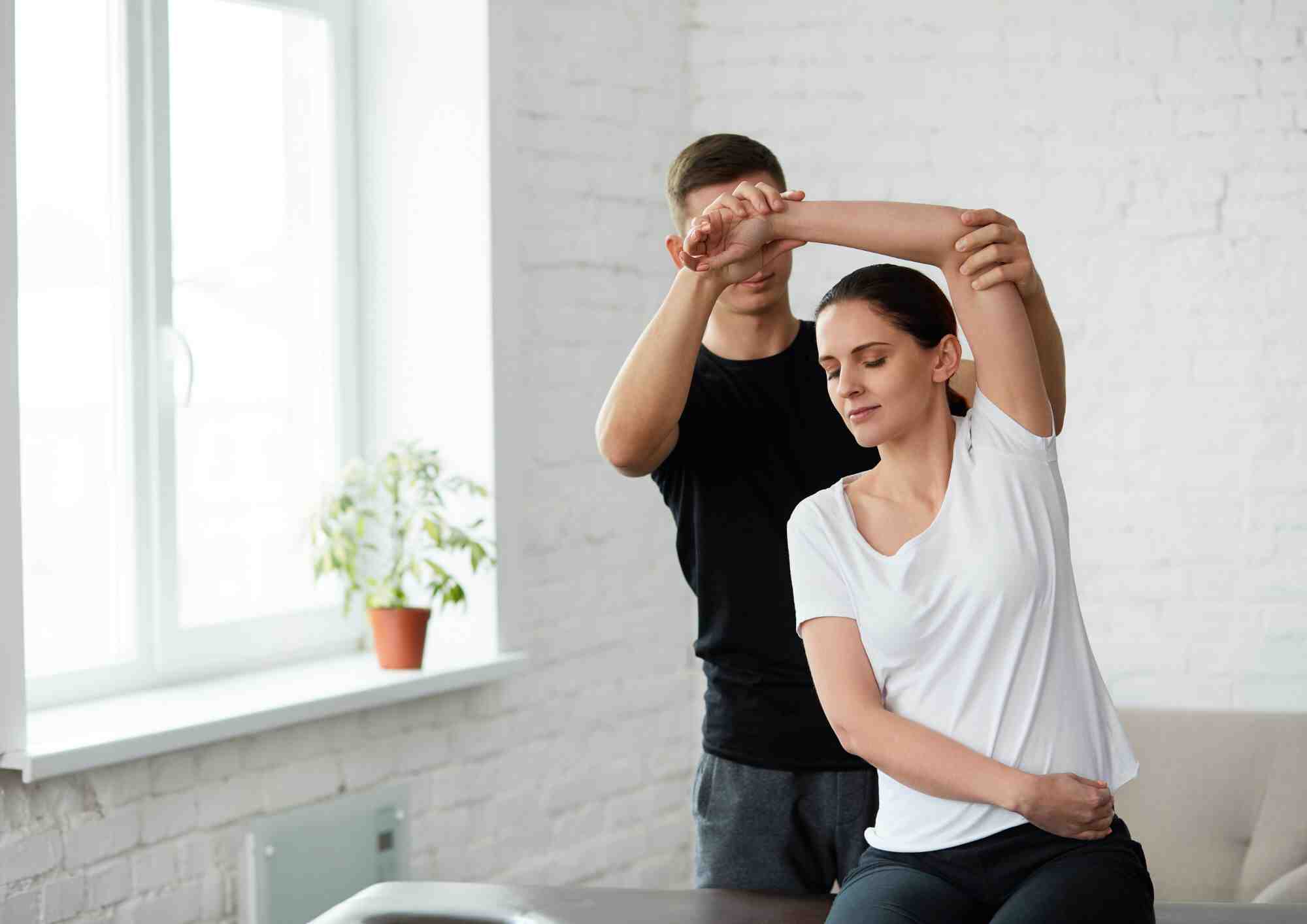
Physiotherapy Rehab Malaysia  plays a crucial role in post-surgical shoulder rehab. It helps minimize recovery time, reduces complications, and prevents re-injury by addressing key aspects such as pain management, swelling, range of motion, muscle strength, and overall coordination.

Studies confirm that structured Rehab Malaysia physiotherapy after surgery significantly enhances shoulder functionality, shortens hospital stays, and improves patients’ quality of life.

Preparing for Shoulder Surgery with Pre-Rehabilitation

Assessing The Shoulder Condition

Before surgery, Rehab Malaysia  physiotherapists evaluate shoulder function, range of motion, and muscle strength to create a personalized care plan. Identifying any pre-existing issues ensures a smoother recovery path.

Educating And Preparing Patients

Pre-operative preparation includes teaching patients pain management strategies, relaxation techniques, and exercises to maintain joint health. Reducing anxiety and building physical readiness can positively impact recovery outcomes.

Setting Post-Surgery Goals

Rehab Malaysia establishes clear, realistic rehabilitation goals with the physiotherapist providing a roadmap for restoring shoulder strength, mobility, and function post-surgery.

Post-Surgery Physiotherapy


Pain Management

  • Techniques such as ice/heat therapy, manual therapy, and electrical stimulation help control pain and inflammation.
  • Guided exercises improve blood circulation, further aiding in pain relief and healing.

Range of Motion (ROM) Recovery

  • Passive and active stretching exercises are introduced progressively to restore shoulder flexibility and range of motion.
  • Gentle mobilization prevents stiffness while protecting the healing tissues.

Strengthening Exercises

  • Targeted exercises focus on rebuilding the shoulder muscles, including the rotator cuff, deltoids, and scapular stabilizers.
  • Strengthening helps restore functionality and supports proper joint movement.

Proprioception and Coordination Training

  • Proprioception exercises improve the body’s awareness of shoulder positioning, which is essential for preventing re-injury.
  • Coordination drills aid in retraining muscle groups for synchronized and efficient movements.

Functional Training

  • Functional exercises mimic daily activities to prepare the shoulder for real-world tasks, such as reaching, lifting, or carrying.
  • This promotes confidence and independence in performing everyday tasks.

Benefits of Post-Surgery Physiotherapy for Shoulder Rehabilitation

  • Accelerated Healing and Recovery

      • Physiotherapy enhances blood flow, reduces swelling, and supports tissue repair, shortening the recovery timeline.
  • Improved Shoulder Mobility

      • Gradual and consistent exercises prevent adhesions and stiffness, allowing for smoother and pain-free joint movement.
  • Enhanced Strength and Stability

      • Strengthening the shoulder muscles ensures better joint support and reduces the risk of future injuries.
  • Reduced Pain and Dependence on Medication

      • Effective pain management techniques reduce reliance on painkillers and improve overall comfort during recovery.
  • Minimized Risk of Complications

      • Physiotherapy helps prevent complications such as frozen shoulder, scar tissue buildup, and poor posture.
  • Restored Functional Independence

      • A rehabilitated shoulder enables patients to regain independence in daily activities and return to hobbies or work sooner.
  • Prevention of Re-Injury

      • Education on safe movement patterns, ergonomic techniques, and muscle coordination reduces the likelihood of re-injury.
  • Improved Long-Term Shoulder Health

    • Rehabilitation ensures the joint remains functional and resilient, supporting long-term health and preventing chronic issues.

What happens if you don’t do physiotherapy after surgery? 

1. Delayed Healing and Recovery

Rehab Malaysia Physiotherapy is essential for promoting circulation, which delivers oxygen and nutrients to the healing shoulder tissues. This process helps reduce swelling and inflammation, accelerating recovery. Without proper physiotherapy, lingering inflammation can impede healing, delaying your return to normal activities.

Through tailored post-surgery exercises, physiotherapy enhances muscle strength and joint support, ensuring a smoother and faster recovery journey.

2. Muscle Weakness and Reduced Activity Capacity

Post-surgery inactivity can lead to muscle atrophy, weakening the muscles supporting your shoulder joint. This diminishes strength and makes daily activities more challenging.

Rehab Malaysia Physiotherapy incorporates strengthening exercises to rebuild and maintain muscle mass, essential for regaining shoulder stability and function.

3. Stiffness and Loss of Flexibility

Inactivity post-surgery can lead to stiffness in the shoulder and surrounding muscles due to deconditioning and scar tissue formation. Scar tissue restricts the joint’s range of motion, making movements painful and limiting functionality.

Rehab Malaysia Physiotherapy integrates massage, stretching, and mobility exercises to combat stiffness, improve flexibility, and restore natural shoulder movement.

4. Increased Pain and Discomfort

After shoulder surgery, surrounding tissues can experience damage, leading to pain and discomfort. Left unmanaged, these issues may contribute to chronic pain and hinder healing.

Rehab Malaysia Physical therapy incorporates manual therapy, heat and ice application, and targeted movements to alleviate pain and enhance joint function, reducing the need for medication reliance.

5. Risk of Re-Injury or Complications

Improper movement patterns and postures during recovery can increase the risk of re-injury. Everyday activities like reaching or lifting can strain the healing shoulder if not performed correctly.

Rehab Malaysia Physiotherapy focuses on educating patients about safe movement techniques and ergonomics to minimize re-injury risks and support a successful recovery.

6. Poor Posture and Alignment

Shoulder injuries and surgeries can lead to compensatory postural habits that strain the joint and surrounding muscles. Poor alignment increases stress on the shoulder and can result in long-term issues.

Rehab Malaysia physiotherapists guide patients in adopting proper posture for various activities, promoting optimal alignment and reducing strain on the healing shoulder.

7. Reduced Functional Independence

Weakness and stiffness in the shoulder post-surgery can limit your ability to perform daily tasks like dressing or reaching overhead. This can lead to reliance on others, impacting your quality of life.

Rehab Malaysia Physiotherapy includes functional exercises to strengthen muscles and improve joint mobility, empowering patients to regain independence and perform daily tasks confidently.

8. Development of Compensatory Movement Patterns

Weakness or pain post-surgery may lead to altered movement patterns, placing strain on other body parts like the neck or opposite shoulder. These compensatory movements can cause new issues.

By focusing on proper biomechanics and strengthening the shoulder’s support structures, physiotherapy prevents these maladaptive patterns, ensuring holistic recovery.

9. Increased Scar Tissue Formation

Scar tissue formation after surgery can limit the shoulder’s mobility, causing pain and functional restrictions.

Rehab Malaysia Physiotherapy addresses scar tissue through techniques like massage, stretching, and mobilization exercises, ensuring flexibility and range of motion are preserved throughout the healing process.

Conclusion

Post-surgery physiotherapy is a critical component of recovery after shoulder surgery, helping patients regain strength, mobility, and long-term functionality. By addressing pain, reducing stiffness, and restoring range of motion, physiotherapy accelerates healing and minimizes the risk of complications like frozen shoulder or re-injury.

At Synapse Physiotherapy, we understand the unique challenges of shoulder surgery recovery. Our team specializes in customized rehabilitation programs tailored to your specific surgical procedure and recovery goals. From targeted pain management to advanced strengthening and functional training, we ensure every step of your recovery is optimized for success.

Share This :

Back & Neck Pain

Conditions such as stiffness, postural abnormalities and muscle overuse from prolonged desk work at the office or home is more prevalent than most would think. We provide the necessary tools to fix you up and educate you on ergonomics which can unload unnecessary stress.

Sports Injuries

Rolled ankles, jarred knees, impinged shoulders are few conditions in the plethora of sports injuries which can hamper performance and limit our enjoyment of sports. Physiotherapy not only treats the symptoms of these conditions but propels your overall fitness to greater heights.

Work Desk Injuries​

Conditions such as stiffness, postural abnormalities and muscle overuse from prolonged desk work at the office or home is more prevalent than most would think. We provide the necessary tools to fix you up and educate you on ergonomics which can unload unnecessary stress.

Pre-Post-Surgical Conditions

Surgery involves going through preparation both before and after. Physiotherapists play a vital role in getting your body ready for surgeries with circulatory, breathing and strengthening exercises. After the procedure, let us be there for your recovery and rehabilitation, taking it one step at a time.

Scoliosis & Postural Abnormalities

The way we stand, sit, walk and sleep has influence over our posture and the overall balance of muscles controlling its alignment. A comprehensive screening can be done by our physiotherapists to detect abnormalities, which we will aid in correcting.

Neurological Conditions

Neurological disabilities such as stroke, nerve compression and neuropathies can be barriers for patients to live life to its fullest. We at Synapse are committed to help you overcome these hurdles by ensuring functional mobility and quality of life is at its optimum by providing the right treatment and exercises.

Osteoarthritis & Rheumatism

Joint degeneration and inflammation happens as the human body grows older, but that does not mean our way of life degenerates as well. Relief your joint pains with a joint effort together with your physiotherapist, who will provide pain-relief treatments and prescribe exercises for your wellbeing.

Conditions Relating To Elderly

Common conditions in the older age population include hips & knee pain, back & neck pain, osteoarthritis, rheumatism, fear of falling and many more.  Aging and degeneration of bodily function is inevitable, but here at Synapse, we will help you live the best of your life.
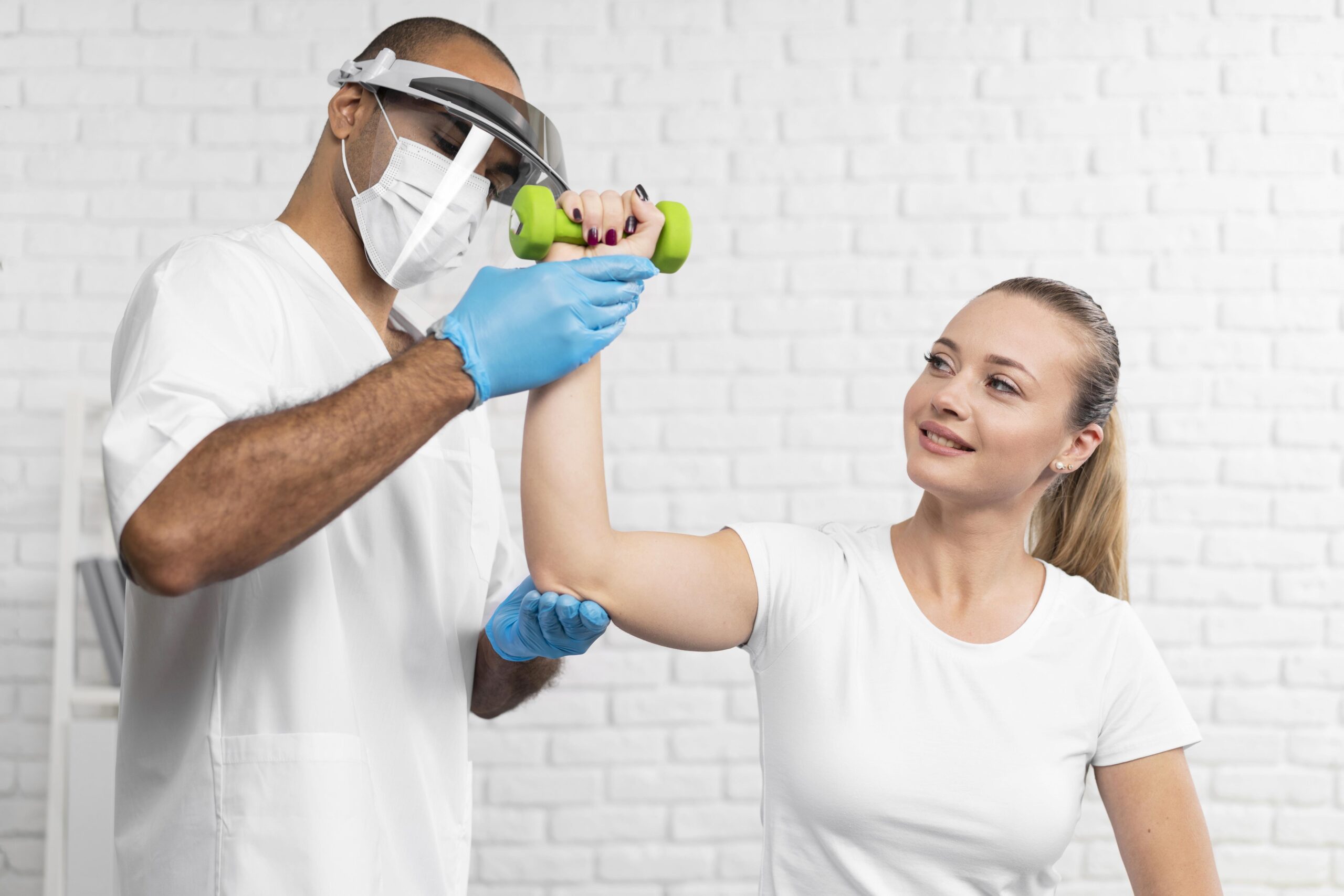
Home Physiotherapy

We understand that some conditions or injuries can make it difficult to receive rehabilitation at our clinic be it mobility or transportation issues. Our objective is to provide you with the same high-quality physiotherapy services at home that you would receive in-clinic.
Posted on

Sports Injury Clinic: Types, Treatment, and Prevention

Sports Injury Clinic
Synapse Physiotherapy

Introduction

Sports injuries are a common challenge for athletes and fitness enthusiasts alike. These injuries can range from minor sprains to severe fractures and, if not managed properly, may impact long-term physical health. Whether you’re a professional athlete or someone who enjoys recreational sports, understanding the types of sports injuries, how they are treated, and how to prevent them is essential.


Fortunately, a well-equipped sports injury clinic offers comprehensive care to help individuals recover safely and confidently return to their activities.

Types of Sports Injuries

Sports injuries typically fall into two categories: acute and chronic.

  • Acute injuries happen suddenly, often due to a fall, collision, or improper movement.

  • Chronic injuries develop gradually from repetitive stress or overuse.

Here are some of the most common types:

1. Sprains and Strains

  • Sprains occur when ligaments (which connect bones) are stretched or torn, commonly affecting ankles, knees, and wrists.

  • Strains involve muscles or tendons and often result from overstretching or repetitive use. Hamstring strains are especially common among athletes.

2. Fractures

Fractures, or broken bones, result from high-impact trauma or repetitive stress.

  • Stress fractures are hairline cracks often seen in runners and basketball players.

3. Dislocations

A dislocation occurs when a bone is pushed out of its normal position in a joint. This typically affects the shoulders, fingers, or knees and requires immediate medical attention to avoid further damage.

4. Tendonitis

Tendonitis is inflammation of a tendon caused by repetitive motion. It’s common among those who play tennis, golf, or run frequently.

  • Examples include Achilles tendonitis and tennis elbow.

5. Concussions

A concussion is a type of traumatic brain injury caused by a blow to the head. Symptoms may include dizziness, confusion, headaches, and memory loss. Prompt diagnosis and adequate rest are critical.

6. Shin Splints

This condition causes pain along the shinbone, often from overuse, improper footwear, or running on hard surfaces. Dancers and runners are particularly prone to shin splints.

Treatment of Sports Injuries

Treatment depends on the severity of the injury, but early care at a sports injury clinic can greatly speed up recovery. Below are the most common approaches:

1. R.I.C.E. Method

Ideal for minor injuries, the R.I.C.E. method helps control swelling and pain:

  • Rest: Stop any activity that worsens the injury.

  • Ice: Apply for 15–20 minutes to reduce inflammation.

  • Compression: Wrap the area to minimise swelling.

  • Elevation: Keep the injured part raised to reduce fluid buildup.

2. Physiotherapy

Most sports injury clinics offer physiotherapy services, which play a vital role in recovery. These include:

  • Stretching and strengthening exercises to regain mobility and function.

  • Manual therapy for joint and tissue mobility.

  • Ultrasound and electrotherapy to support tissue repair.

3. Specialised Physiotherapy Treatments

A tailored physiotherapy plan may include:

  • Soft tissue mobilisation to boost circulation and reduce muscle tension.

  • Therapeutic exercises are designed to rebuild strength and flexibility.

  • Joint mobilisation and manipulation to restore normal joint movement.

  • Electrotherapy (e.g., TENS or ultrasound) for pain and healing.

  • Postural and movement assessments to correct faulty mechanics and avoid future injury.

4. Medication

Over-the-counter pain relievers like ibuprofen or acetaminophen can help manage pain and inflammation, but should be used under professional advice.

5. Bracing and Support

Using braces, splints, or casts can stabilise injured joints or bones, reducing the risk of further injury during recovery.

6. Surgery

In more severe cases such as torn ligaments (e.g., ACL tears) or complex fractures surgical intervention may be necessary. Sports injury clinics with orthopaedic specialists offer advanced surgical options, including minimally invasive procedures.

Prevention of Sports Injuries

Preventing injuries is just as important as treating them. Here are several strategies to reduce your risk:

1. Warm-Up and Cool Down

  • A proper warm-up increases blood flow and muscle flexibility, lowering injury risk.

  • Cooling down gradually helps muscles recover and reduces soreness.

2. Use Proper Equipment

  • Wear appropriate, well-fitting gear, including supportive shoes and protective pads.

  • Ensure all equipment is in good condition.

3. Strength and Conditioning

  • Strength training supports joints and reduces injury chances.

  • Core exercises improve balance and overall stability.

4. Technique and Posture

  • Learn the correct form for your sport to avoid undue stress on muscles and joints.

  • Coaches or trainers can provide valuable feedback on technique.

5. Rest and Recovery

  • Overtraining can lead to chronic issues. Rest is crucial for muscle repair.

  • Get sufficient sleep and nutrition to support performance and healing.

6. Hydration and Nutrition

  • Stay hydrated to keep muscles functioning properly and prevent cramps.

  • A balanced diet rich in protein, vitamins, and minerals aids recovery and reduces injury risk.

When to Visit a Sports Injury Clinic

You should seek professional help if you notice:

  • Persistent or severe pain and swelling.

  • Inability to bear weight or move the affected area.

  • A visible deformity or joint misalignment.

  • Repeated injuries despite taking precautions.

  • Symptoms of a concussion such as dizziness or confusion.

Early diagnosis and treatment can prevent complications and ensure a quicker return to your sport.

Frequently Asked Questions (FAQs)

1. What are the most common injuries treated at a sports injury clinic?

Sprains, strains, fractures, dislocations, tendonitis, concussions, and shin splints are among the most common.

2. How does the R.I.C.E. method help?

It reduces pain and swelling in minor injuries, promoting faster healing when applied promptly.

3. What physiotherapy treatments are available?

These may include exercises, soft tissue techniques, joint mobilisation, electrotherapy, and movement assessments.

4. How can I prevent injuries?

Warm up properly, wear the right equipment, train effectively, use correct technique, rest well, and stay hydrated and nourished.

5. When should I go to a sports injury clinic?

If you have persistent pain, swelling, or limited movement or experience a serious injury get checked by professionals immediately.

Conclusion

Sports injuries are a natural part of an active lifestyle, but they don’t have to sideline you for long. With the right care, including expert help from a sports injury clinic, you can recover safely and get back to doing what you love.


Prioritising prevention, training smart, and seeking timely treatment are key to staying injury free and performing at your best.

Share This :

Back & Neck Pain

Conditions such as stiffness, postural abnormalities and muscle overuse from prolonged desk work at the office or home is more prevalent than most would think. We provide the necessary tools to fix you up and educate you on ergonomics which can unload unnecessary stress.

Sports Injuries

Rolled ankles, jarred knees, impinged shoulders are few conditions in the plethora of sports injuries which can hamper performance and limit our enjoyment of sports. Physiotherapy not only treats the symptoms of these conditions but propels your overall fitness to greater heights.

Work Desk Injuries​

Conditions such as stiffness, postural abnormalities and muscle overuse from prolonged desk work at the office or home is more prevalent than most would think. We provide the necessary tools to fix you up and educate you on ergonomics which can unload unnecessary stress.

Pre-Post-Surgical Conditions

Surgery involves going through preparation both before and after. Physiotherapists play a vital role in getting your body ready for surgeries with circulatory, breathing and strengthening exercises. After the procedure, let us be there for your recovery and rehabilitation, taking it one step at a time.

Scoliosis & Postural Abnormalities

The way we stand, sit, walk and sleep has influence over our posture and the overall balance of muscles controlling its alignment. A comprehensive screening can be done by our physiotherapists to detect abnormalities, which we will aid in correcting.

Neurological Conditions

Neurological disabilities such as stroke, nerve compression and neuropathies can be barriers for patients to live life to its fullest. We at Synapse are committed to help you overcome these hurdles by ensuring functional mobility and quality of life is at its optimum by providing the right treatment and exercises.

Osteoarthritis & Rheumatism

Joint degeneration and inflammation happens as the human body grows older, but that does not mean our way of life degenerates as well. Relief your joint pains with a joint effort together with your physiotherapist, who will provide pain-relief treatments and prescribe exercises for your wellbeing.

Conditions Relating To Elderly

Common conditions in the older age population include hips & knee pain, back & neck pain, osteoarthritis, rheumatism, fear of falling and many more.  Aging and degeneration of bodily function is inevitable, but here at Synapse, we will help you live the best of your life.
Home Physiotherapy

We understand that some conditions or injuries can make it difficult to receive rehabilitation at our clinic be it mobility or transportation issues. Our objective is to provide you with the same high-quality physiotherapy services at home that you would receive in-clinic.
Posted on

What Are the Pros and Cons of Physical Therapy

Physiotherapy Malaysia
Home Physiotherapy, Synapse Physiotherapy

What is physical therapy and who is a physical therapist?


Physiotherapy, as defined by World Physiotherapy, is a healthcare field focused on human movement and improving physical ability. It aims to enhance quality of life and movement through activities that promote health, prevent issues, and provide treatments for recovery and improvement. Using physical techniques, physiotherapy supports physical, mental, and social health, adapting to each person’s health needs. Based on scientific evidence, it involves continuous learning and assessment to improve care.

Physiotherapists at Physiotherapy Malaysia, work in diverse healthcare settings, addressing various physical challenges related to body systems, especially the nervous system, musculoskeletal system (muscles, bones, and joints), and the cardiovascular and respiratory systems (heart and lungs). In Malaysia, physiotherapy practice aligns with these standards, with certified and well-trained therapists providing care that enhances movement, rehabilitation, and quality of life. Malaysian physiotherapists follow these guidelines to offer evidence-based, patient-centered care that supports holistic well-being.

Physiotherapists  at  Physiotherapy Malaysia work independently or as part of a team with other healthcare professionals. They use reflective practices and systematic problem-solving to provide patient-focused care.

People are often referred to physiotherapists by doctors or other healthcare professionals, but many are now choosing to see physiotherapists directly, without needing a prior referral. This direct access option is also available in Malaysia.

Pros 

Manage Musculoskeletal Conditions

Conditions like arthritis, osteoporosis, and tendonitis are common musculoskeletal issues that can be effectively managed with physical therapy. Therapists use various techniques to relieve pain and improve mobility while also teaching patients how to manage their condition independently and prevent further complications.

Prevent Surgery

Physical therapy Physiotherapy Malaysia can help patients avoid surgery in certain situations. For example, it can reduce pain and inflammation from conditions like a herniated disc, potentially eliminating the need for surgery. In cases of arthritis, physical therapy may be recommended as a non-invasive alternative to joint replacement surgery. Trying physical therapy before opting for surgery is often a beneficial option.

Assist in Post-Surgery Recovery

After surgery, physical therapy plays a key role in helping patients recover. It focuses on restoring strength, flexibility, and range of motion, especially for individuals recovering from orthopedic surgeries such as knee replacements. A physical therapist can guide the rehabilitation process, enabling patients to return to normal activities sooner.

Pre-Surgery Rehabilitation (Pre-hab)

Before undergoing surgery, patients can benefit from pre-surgery rehabilitation (pre-hab), which improves their chances of a faster and smoother recovery. By engaging in pre-hab, patients can begin light exercises like walking and using the stairs even shortly after surgery, aiding in quicker recovery and better overall outcomes.

Alleviate, Manage, or Eliminate Pain

Pain is a common reason people turn to physical therapy, often caused by injuries, accidents, or everyday physical strain. Physical therapists use a variety of methods like specialized exercises, manual therapy, and electrical stimulation to reduce or completely eliminate pain without the need for opioid medication. This natural approach offers relief and promotes long-term recovery.

Recover from Sports Injuries

Sports injuries are common but can be effectively treated with physical therapy. The focus is on relieving pain, restoring function, improving strength, and increasing flexibility. Therapists also educate athletes on injury prevention strategies, which is crucial for both recovery and maintaining peak performance.

Prevent or Recover from Workplace Injuries

Certain physically demanding jobs can lead to injuries, but physical therapy helps both prevent and heal these injuries. Therapists work on general conditioning, body mechanics, and posture, and educate employees on how to perform tasks safely to avoid future injuries. This approach is essential for workers in physically intensive environments.

Improve Coordination and Balance

Balance and coordination issues can lead to dangerous falls, but physical therapy can help improve both. Therapists work on enhancing mobility and stability to reduce fall risk. For balance issues linked to the vestibular system, therapists use specific techniques to address symptoms like dizziness or vertigo.

Develop an Effective Home Exercise Program

Physical therapy at Physiotherapy Malaysia isn’t just limited to clinic visits. Therapists often create personalized home exercise programs (HEPs) to help patients continue their recovery outside the clinic. These programs support long-term improvement and help patients maintain progress even as they transition to fewer in-person sessions.

Enhance Overall Quality of Life

Physical therapy at Physiotherapy Malaysia can have a significant positive impact on your overall health and quality of life. It helps reduce stress, improve sleep, and promote relaxation. Along with traditional therapy methods, additional treatments such as core stabilization, laser therapy, cupping, dry needling, and pelvic floor therapy further enhance physical well-being and encourage healthier lifestyle habits.

Cons 


Costly

Physiotherapy at Physiotherapy Malaysia can become expensive, especially if ongoing treatment is required. Costs vary based on location and insurance coverage, which can make it a barrier for some. It’s important to review your insurance options and budget accordingly.

Pain and Discomfort

Some physiotherapy Malaysia treatments, such as stretching and manual therapy, can cause temporary pain or discomfort. This may be challenging for individuals with a low pain tolerance or those already dealing with pain from their condition.

No Guarantees

While physiotherapy has helped many people, it may not work for everyone. The results can vary, and there’s no certainty of success, which can be frustrating for those seeking quick or permanent solutions.

Limited Scope

Physiotherapy is not a universal solution. It may not be effective for all conditions, and some cases may require alternative treatments. Consulting a healthcare professional helps determine if physiotherapy is the right choice for your specific needs.

Time-consuming

Physiotherapy can be a lengthy process, often requiring weeks or even months of regular sessions before significant improvements are seen. This can be a disadvantage for individuals seeking quick solutions. It’s important to understand that physiotherapy is an ongoing investment in your health and well-being, and patience is needed to achieve lasting results. While the process may take time, the benefits of consistent treatment can lead to long-term recovery and improved physical health.

 Does physical therapy work for me? 

Now that you have a solid list of pros and cons for physical therapy at Physiotherapy Malaysia, you can decide whether you’d like to book an evaluation with a physical therapist or explore other options. If you do choose physical therapy Physiotherapy Malaysia, finding the right therapist is essential for your journey. When you connect with someone you trust and feel comfortable around, it can greatly improve your overall treatment experience.
You may start your physiotherapy experience with Synapse Physiotherapy Malaysia because of the many benefits we offer. Our clinic is dedicated to providing personalized care through a combination of hands-on therapy, evidence-based treatment, and a holistic approach to recovery. Whether you’re dealing with an injury, chronic pain, or looking to improve your overall physical health, our certified and experienced therapists are here to guide you every step of the way. With a focus on achieving long-term results, you’ll feel supported and empowered throughout your healing journey.

Share This :

Back & Neck Pain

Conditions such as stiffness, postural abnormalities and muscle overuse from prolonged desk work at the office or home is more prevalent than most would think. We provide the necessary tools to fix you up and educate you on ergonomics which can unload unnecessary stress.

Sports Injuries

Rolled ankles, jarred knees, impinged shoulders are few conditions in the plethora of sports injuries which can hamper performance and limit our enjoyment of sports. Physiotherapy not only treats the symptoms of these conditions but propels your overall fitness to greater heights.

Work Desk Injuries​

Conditions such as stiffness, postural abnormalities and muscle overuse from prolonged desk work at the office or home is more prevalent than most would think. We provide the necessary tools to fix you up and educate you on ergonomics which can unload unnecessary stress.

Pre-Post-Surgical Conditions

Surgery involves going through preparation both before and after. Physiotherapists play a vital role in getting your body ready for surgeries with circulatory, breathing and strengthening exercises. After the procedure, let us be there for your recovery and rehabilitation, taking it one step at a time.

Scoliosis & Postural Abnormalities

The way we stand, sit, walk and sleep has influence over our posture and the overall balance of muscles controlling its alignment. A comprehensive screening can be done by our physiotherapists to detect abnormalities, which we will aid in correcting.

Neurological Conditions

Neurological disabilities such as stroke, nerve compression and neuropathies can be barriers for patients to live life to its fullest. We at Synapse are committed to help you overcome these hurdles by ensuring functional mobility and quality of life is at its optimum by providing the right treatment and exercises.

Osteoarthritis & Rheumatism

Joint degeneration and inflammation happens as the human body grows older, but that does not mean our way of life degenerates as well. Relief your joint pains with a joint effort together with your physiotherapist, who will provide pain-relief treatments and prescribe exercises for your wellbeing.

Conditions Relating To Elderly

Common conditions in the older age population include hips & knee pain, back & neck pain, osteoarthritis, rheumatism, fear of falling and many more.  Aging and degeneration of bodily function is inevitable, but here at Synapse, we will help you live the best of your life.

Home Physiotherapy

We understand that some conditions or injuries can make it difficult to receive rehabilitation at our clinic be it mobility or transportation issues. Our objective is to provide you with the same high-quality physiotherapy services at home that you would receive in-clinic.
Posted on

Osteoarthritis: Symptoms, Stages & Best Physiotherapy Care

Best physiotherapy
Best physiotherapy
Synapse Physiotherapy

Introduction

Osteoarthritis is the most common form of arthritis, affecting millions of people worldwide. It occurs when the protective cartilage that cushions the ends of bones gradually wears down over time. Although osteoarthritis can affect any joint, it most commonly impacts the joints in the hands, knees, hips, and spine. While the joint damage caused by osteoarthritis cannot be reversed, the symptoms can usually be managed. Physiotherapy is the most effective conservative treatment for people with osteoarthritis. Physiotherapists guide patients on how to stay active, which can help slow the progression of the disease and improve pain and joint function. To begin your rehabilitation journey today, consider searching for the best physiotherapy services nearby.

What is osteoarthritis?

Osteoarthritis (OA), also known as degenerative joint disease (DJD), is the most common form of arthritis. In healthy joints, hyaline cartilage covers the ends of each bone, providing a smooth, gliding surface for joint movement and acting as a cushion between the bones. In OA, this cartilage gradually breaks down, leading to pain, swelling, and difficulty moving the joint. As OA progresses, bones may deteriorate and develop growths known as bone spurs. Fragments of bone or cartilage can break off and float within the joint. Additionally, an inflammatory process occurs in the body, causing the release of cytokines and enzymes that further damage the cartilage. In the later stages of OA, the cartilage is completely worn away, resulting in bone-on-bone contact, which leads to increased joint damage and more severe pain.

Type of OA and Risk Factors

Primary Osteoarthritis:

This form of OA occurs without any preceding injury or condition. It has a strong hereditary link and predominantly affects middle-aged women.

Secondary Osteoarthritis:

This form of OA arises due to a specific trigger that speeds up cartilage deterioration. Common triggers include:

  • Injury: Bone fractures can heighten the risk of OA and may lead to its earlier onset.
  • Abnormal Mechanical Forces: Factors like repetitive occupational stress or obesity can lead to OA development.
  • Inactivity: A lack of physical activity can negatively impact joint health and contribute to OA.
  • Inflammatory Diseases: Certain conditions, such as Perthes’ disease, Lyme disease, and chronic arthritis (e.g., costochondritis, gout, rheumatoid arthritis), can trigger secondary OA.
  • Underlying Medical Conditions: A history of diseases like diabetes, Marfan syndrome, Wilson’s disease, joint infections, congenital joint disorders, Ehlers-Danlos syndrome, and hemochromatosis is linked to an increased risk of developing OA.

Symptoms of osteoarthritis (according to stages)

Osteoarthritis (OA) progresses through four distinct stages: early, mild, moderate, and severe. Additionally, there is a stage known as pre-osteoarthritis, which can also be diagnosed.

Stage 0 (Pre-Osteoarthritis):

Stage 0, or pre-osteoarthritis, represents a normal, healthy joint before any signs of the disease appear. This stage can also refer to the very early phase of OA, where cellular damage is beginning to occur, but there are no noticeable clinical signs or symptoms.

Symptoms and Signs:

At this stage, there typically aren’t any visible symptoms or detectable signs of OA. However, you may have a history of healed or healing injuries in one or more joints, or you could be overusing certain joints. Subtle changes to the joint lining that could lead to future problems may also be occurring during this stage.

Stage 1 (Early or Doubtful):

Stage 1 of osteoarthritis, known as the early or doubtful stage, involves the initial loss of cartilage between the joints. However, the joint space itself typically remains unchanged at this point. Bone spurs, which are bony growths at the ends of the bones, may begin to form during this stage.

Symptoms and Signs:

At this stage, some people may not experience any symptoms or signs. Others might start to notice mild joint pain, but it is usually minimal and may not significantly affect daily activities.


Stage 2 (Mild or Minimal):

In Stage 2 of osteoarthritis, bone spurs grow larger and may become painful. The space between joints may start to narrow slightly as enzymes begin breaking down the cartilage.

Symptoms and Signs:

Symptoms in Stage 2 can vary. Some people may experience increased pain during or after physical activity. You might also find it difficult to bend or straighten the affected joints. In some cases, pain and stiffness can begin to limit your range of motion.

Stage 3 (Moderate):

In Stage 3 of osteoarthritis, the wear on cartilage becomes more pronounced, and the joint space visibly narrows. More bone spurs may develop, and they can become larger.

Symptoms and Signs:

At this stage, most people experience frequent pain during movement, walking, or other activities that involve the affected joints. Joint stiffness may be more noticeable in the morning and after extended periods of sitting. Swelling in the joints may also be evident.

Stage 4 (Severe):

In Stage 4 of osteoarthritis, the cartilage in the affected joints is significantly reduced, and in some cases, it may be completely absent. The joint space is greatly diminished, and there is less synovial fluid to lubricate the joints. Bone spurs are much larger at this stage.

Symptoms and Signs:

At this stage, individuals often experience intense pain when using their affected joints. Daily activities may become challenging or even impossible. Stiffness, swelling, and inflammation can be severe, further impairing joint function.

Management

The primary objectives in treating osteoarthritis (OA) are to reduce pain and prevent functional decline. The management strategy includes both non-pharmacologic and pharmacologic approaches, with non-pharmacologic treatments being prioritized initially.

  1. Pharmacotherapy for osteoarthritis (OA) includes oral, topical, and intra-articular options. Typically, treatment begins with acetaminophen (Panadol) and oral NSAIDs. NSAIDs can be administered orally or topically and are usually prescribed on an as-needed basis rather than on a regular schedule.
  • For intra-articular injections:
  1. Corticosteroids: Recommended during flare-ups when patients do not respond to paracetamol or NSAIDs.
  2. Platelet-rich plasma (PRP).
  3. Hyaluronic acid.

  • There are also disease-modifying osteoarthritis drugs available for treatment.


  1. Non-pharmacologic therapy for osteoarthritis includes physiotherapy and the use of assistive devices.


  • Assistive Devices

Physiotherapists are well-equipped to recommend, fit, and instruct patients in the use of these devices. Examples of assistive devices include scooters, canes, walkers, splints, and shoe orthotics, as well as tools like jar openers, long-handled shoe horns, and steering wheel grips. Certain items, such as braces and foot orthotics, require proper fitting by a therapist.


  • Physiotherapy

Physiotherapy plays a crucial role in managing osteoarthritis (OA) by teaching individuals how to use their joints properly and engage in exercises that improve motion, flexibility, and cardiovascular health. Those with OA are at higher risk for falls due to factors like decreased function, muscle weakness, and impaired balance. Additionally, side effects from pain relief medications can increase the likelihood of falls. Therefore, fall prevention strategies are an essential component of therapy.


  • Range of Motion (ROM): Range of motion refers to the ability to move joints through their full, natural span of movement. ROM exercises, such as gentle stretching and movements for arthritic shoulders, are designed to take joints through their complete range. Performing these exercises regularly helps maintain and improve joint flexibility.


    • Strengthening Exercises: Strengthening exercises involve using weights, resistance bands, or even your own body weight against gravity to build muscle strength. Strong muscles are crucial for supporting and protecting joints affected by osteoarthritis (OA).

    • Aerobic Exercises: Aerobic activities, like walking, bicycling, swimming, and using an elliptical machine, improve cardiovascular health by strengthening the heart and lungs. These exercises also reduce fatigue, build stamina, and help manage body weight, which in turn decreases pressure on the joints.
  • Aquatic Exercise: Aquatic exercises, performed in shoulder-height water, provide a low-impact way to strengthen muscles and relieve joint pressure, particularly in the hips and knees. The water’s buoyancy reduces the strain on affected joints while providing resistance to help build strength. Regular participation in aquatic exercise can significantly reduce pain and improve daily functioning in individuals with hip and knee OA.

Frequently Asked Questions (FAQs)

Physiotherapy helps manage osteoarthritis by teaching proper joint use and movement techniques. It also includes exercises that enhance strength, flexibility, and mobility, reducing pain and improving function.

Physiotherapy is highly effective for OA, often as beneficial as medications for pain relief and long-term joint health. While medications reduce pain, physiotherapy strengthens joints, promotes flexibility, and supports functional improvements.

Physiotherapists typically recommend a combination of range-of-motion exercises, strengthening activities, aerobic exercises, and low-impact options like aquatic therapy to protect joints and alleviate OA symptoms.

Yes, physiotherapy can slow OA progression. By strengthening the muscles around joints and improving movement patterns, physiotherapy helps maintain joint health, which may reduce further cartilage wear and tear.

Frequency varies depending on individual needs, but many patients with OA benefit from 1-3 sessions per week, especially during initial treatment. Ongoing sessions or home exercises can support long-term results.

Conclusion

In conclusion, starting your rehabilitation during the early stages of osteoarthritis is essential to minimizing the loss of functional ability. You can receive your treatment at Synapse Physiotherapy, where early intervention can help preserve joint function, reduce pain, and improve your overall quality of life.

Produced by MYSense

Share This :

Back & Neck Pain

Conditions such as stiffness, postural abnormalities and muscle overuse from prolonged desk work at the office or home is more prevalent than most would think. We provide the necessary tools to fix you up and educate you on ergonomics which can unload unnecessary stress.

Sports Injuries

Rolled ankles, jarred knees, impinged shoulders are few conditions in the plethora of sports injuries which can hamper performance and limit our enjoyment of sports. Physiotherapy not only treats the symptoms of these conditions but propels your overall fitness to greater heights.

Work Desk Injuries​

Conditions such as stiffness, postural abnormalities and muscle overuse from prolonged desk work at the office or home is more prevalent than most would think. We provide the necessary tools to fix you up and educate you on ergonomics which can unload unnecessary stress.

Pre-Post-Surgical Conditions

Surgery involves going through preparation both before and after. Physiotherapists play a vital role in getting your body ready for surgeries with circulatory, breathing and strengthening exercises. After the procedure, let us be there for your recovery and rehabilitation, taking it one step at a time.

Scoliosis & Postural Abnormalities

The way we stand, sit, walk and sleep has influence over our posture and the overall balance of muscles controlling its alignment. A comprehensive screening can be done by our physiotherapists to detect abnormalities, which we will aid in correcting.

Neurological Conditions

Neurological disabilities such as stroke, nerve compression and neuropathies can be barriers for patients to live life to its fullest. We at Synapse are committed to help you overcome these hurdles by ensuring functional mobility and quality of life is at its optimum by providing the right treatment and exercises.

Osteoarthritis & Rheumatism

Joint degeneration and inflammation happens as the human body grows older, but that does not mean our way of life degenerates as well. Relief your joint pains with a joint effort together with your physiotherapist, who will provide pain-relief treatments and prescribe exercises for your wellbeing.

Conditions Relating To Elderly

Common conditions in the older age population include hips & knee pain, back & neck pain, osteoarthritis, rheumatism, fear of falling and many more.  Aging and degeneration of bodily function is inevitable, but here at Synapse, we will help you live the best of your life.

Home Physiotherapy

We understand that some conditions or injuries can make it difficult to receive rehabilitation at our clinic be it mobility or transportation issues. Our objective is to provide you with the same high-quality physiotherapy services at home that you would receive in-clinic.