Posted on

How Many Times Per Week Should You Have Physiotherapy?

physiotherapy petaling jaya
Home Physiotherapy, Synapse Physiotherapy

How Many Times Per Week Should You Have Physiotherapy?


If you’ve experienced an illness or injury affecting your movement or ability to perform daily activities, your doctor might have recommended seeing a physiotherapist. Physiotherapists, also known as physical therapists, specialize in helping patients improve pain management, balance, mobility, and motor function. If you’re facing such challenges, you can look up local services, such as searching for “physiotherapy Petaling Jaya,” to find treatment near you.

Have you ever wondered how often you should attend physiotherapy Petaling Jaya sessions? The ideal frequency depends on various factors, including your specific condition, the severity of the issue, and the treatment plan designed by your physiotherapist. Since physiotherapy is personalized, there’s no universal answer.

Factors That Affect the Frequency of Physiotherapy Sessions

Nature and Severity of the Condition

The type and seriousness of your condition significantly influence how often you need physiotherapy Petaling Jaya. Acute injuries or post-surgical rehabilitation often require more frequent sessions, typically two to three times a week, to address immediate concerns, manage pain, and monitor progress. Chronic conditions or long-term issues may start with a similar frequency but gradually reduce as the patient gains independence through a home exercise program or other self-management strategies.

Phase of Rehabilitation

The rehabilitation process can be divided into different phases, each requiring varying levels of physiotherapy involvement. In the initial phase, frequent sessions (e.g., twice a week) are needed to focus on pain management and early recovery. During the intermediate phase, sessions may reduce to once a week or fortnightly as the emphasis shifts to strengthening and improving mobility. In the maintenance phase, occasional sessions may be sufficient for monitoring progress and preventing relapses.

Response to Treatment

Your progress and how you respond to physiotherapy will also dictate the frequency of sessions. If you are recovering well and achieving milestones, your physiotherapist may reduce the number of visits. Conversely, if symptoms persist or worsen, more frequent sessions may be required to reassess and adjust the treatment plan.

Adherence to Home Exercise Program

Following a prescribed physiotherapy Petaling Jaya home exercise program can greatly influence the need for in-person sessions. Patients who diligently perform their exercises often require fewer sessions as they gain the tools to manage their rehabilitation independently. However, those who struggle with consistency might need more regular visits for guidance and motivation.

Pain Levels and Symptom Management

Severe or persistent pain may necessitate more frequent physiotherapy sessions to provide immediate relief and address underlying issues. As symptoms improve, the frequency of visits typically decreases.

Functional Goals and Lifestyle Demands

Your goals and lifestyle play an essential role in determining how often you see a physiotherapist. For instance, if you aim to return to sports or physically demanding activities, you may require more frequent sessions tailored to these objectives. Athletes preparing for competitions or events may benefit from weekly treatments, such as massage or dry needling, to optimize muscle function.

Practical Considerations

Practical factors, such as your schedule, availability, and financial resources, can influence session frequency. Physiotherapists at physiotherapy Petaling Jaya  will consider these constraints and work with you to develop a feasible plan while ensuring effective treatment.

Long-Term Management and Preventative Care

In cases where physiotherapy at physiotherapy Petaling Jaya is part of a long-term management or preventative strategy, session frequency tends to be lower. Periodic check-ins, such as monthly visits, are often sufficient to maintain progress and address new concerns. Preventative care helps minimize the risk of future injuries and supports overall physical well-being.

Communication with Your Physiotherapist

Effective communication with your physiotherapist at physiotherapy Petaling Jaya is crucial in determining the appropriate frequency of sessions. Sharing updates on your condition, progress, or any concerns ensures that your treatment plan remains aligned with your evolving needs and goals. Regular adjustments based on this feedback help maximize the effectiveness of physiotherapy and promote optimal recovery.

How Often Should You Do Physiotherapy Exercises at Home?

As part of your physiotherapy plan from Synapse physiotherapy Petaling Jaya, you’ll likely be assigned exercises to complete at home between sessions to support your recovery. The frequency of these exercises depends on the specific condition and treatment goals, but here are some general guidelines:

  • Low-load, low-intensity exercises: These can usually be performed daily, and in some cases, even twice a day.
  • High-load, high-intensity exercises: These should be done less frequently, typically 2–3 times per week. While they are crucial for recovery, performing them too often or incorrectly can hinder progress.

If you’re uncertain about the intensity or frequency of any exercise, consult your physiotherapist at Synapse physiotherapy Petaling Jaya for guidance. They can provide tailored advice to ensure you’re performing exercises safely and effectively.

What Does A Good Physiotherapy Schedule Look Like?

A balanced schedule combines physiotherapy appointments, at-home exercises, and rest days to optimize recovery. If you attend physiotherapy 2–3 times a week, plan your home exercises on non-appointment days, leaving room for at least one rest day each week.

In conclusion, the frequency of physiotherapy exercises ultimately depends on your individual needs and condition. However, it is essential to consult with your physiotherapist to create a tailored plan that aligns with your rehabilitation goals. Commitment and adherence to this plan are crucial to achieving effective results. Start your rehabilitation journey with the experienced physiotherapists at Synapse physiotherapy Petaling Jaya to ensure you’re on the right path to recovery.

Share This :

Back & Neck Pain

Conditions such as stiffness, postural abnormalities and muscle overuse from prolonged desk work at the office or home is more prevalent than most would think. We provide the necessary tools to fix you up and educate you on ergonomics which can unload unnecessary stress.

Sports Injuries

Rolled ankles, jarred knees, impinged shoulders are few conditions in the plethora of sports injuries which can hamper performance and limit our enjoyment of sports. Physiotherapy not only treats the symptoms of these conditions but propels your overall fitness to greater heights.

Work Desk Injuries​

Conditions such as stiffness, postural abnormalities and muscle overuse from prolonged desk work at the office or home is more prevalent than most would think. We provide the necessary tools to fix you up and educate you on ergonomics which can unload unnecessary stress.

Pre-Post-Surgical Conditions

Surgery involves going through preparation both before and after. Physiotherapists play a vital role in getting your body ready for surgeries with circulatory, breathing and strengthening exercises. After the procedure, let us be there for your recovery and rehabilitation, taking it one step at a time.

Scoliosis & Postural Abnormalities

The way we stand, sit, walk and sleep has influence over our posture and the overall balance of muscles controlling its alignment. A comprehensive screening can be done by our physiotherapists to detect abnormalities, which we will aid in correcting.

Neurological Conditions

Neurological disabilities such as stroke, nerve compression and neuropathies can be barriers for patients to live life to its fullest. We at Synapse are committed to help you overcome these hurdles by ensuring functional mobility and quality of life is at its optimum by providing the right treatment and exercises.

Osteoarthritis & Rheumatism

Joint degeneration and inflammation happens as the human body grows older, but that does not mean our way of life degenerates as well. Relief your joint pains with a joint effort together with your physiotherapist, who will provide pain-relief treatments and prescribe exercises for your wellbeing.
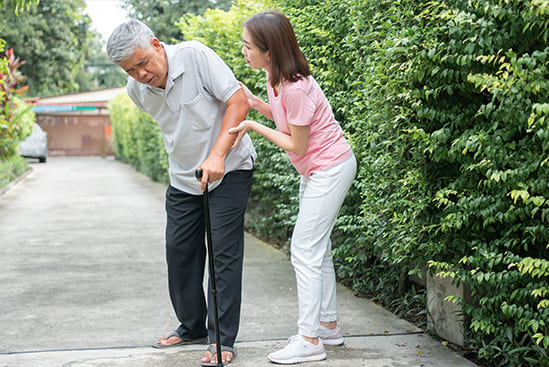
Conditions Relating To Elderly

Common conditions in the older age population include hips & knee pain, back & neck pain, osteoarthritis, rheumatism, fear of falling and many more.  Aging and degeneration of bodily function is inevitable, but here at Synapse, we will help you live the best of your life.
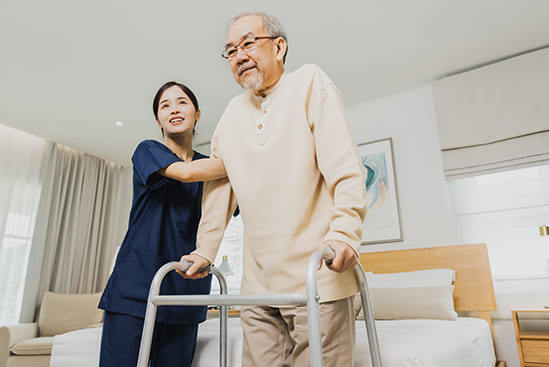
Home Physiotherapy

We understand that some conditions or injuries can make it difficult to receive rehabilitation at our clinic be it mobility or transportation issues. Our objective is to provide you with the same high-quality physiotherapy services at home that you would receive in-clinic.
Posted on

Physiotherapy for Slip Disc: Benefits of Cold Therapy Explained

physiotherapy for slip disc
Synapse Physiotherapy

Introduction

A slipped disc, also known as a herniated or prolapsed disc, is a condition where the soft, gel-like centre of a spinal disc pushes out through a crack in its tough outer shell. This can put pressure on surrounding nerves, causing pain, numbness, or weakness in the back, legs, or arms, depending on the location of the injury. Managing a slipped disc requires a multi-faceted approach, and one of the most effective early interventions is cold therapy.

If you are looking for physiotherapy for slip disc, our professional physiotherapists here at Synapse Physiotherapy will be able to give you a comprehensive assessment for your slipped disc and design a rehabilitation plan to get you back to your best self. We use a variety of treatment techniques to manage your pain and symptoms including cold therapy as discussed here.  

In this article, we’ll explore how cold therapy can alleviate the symptoms of a slipped disc and how physiotherapy, when combined with cold therapy, offers a comprehensive solution for long-term recovery.

Understanding Cold Therapy for a Slipped Disc

Cold therapy, or cryotherapy, involves applying ice or cold packs to an injured area. The purpose is to reduce inflammation, numb the area, and decrease pain, making it a simple but effective strategy for acute injuries, including a slipped disc. When applied correctly, cold therapy can provide much-needed relief from the intense pain and swelling that often accompany a herniated disc.

 How Cold Therapy Helps:

  1. Reduces Inflammation: One of the immediate responses of the body to a slipped disc is inflammation. Cold therapy constricts blood vessels, limiting blood flow to the affected area and reducing inflammation. This helps prevent further tissue damage and provides relief from the throbbing pain that often results from swelling.
  2. Numbs the Pain: Cold therapy has a numbing effect on nerve endings, which helps in temporarily reducing pain sensations. For those suffering from a slipped disc, this can provide a much-needed break from the constant discomfort and pain.
  3. Limits Muscle Spasms: After a disc herniation, the surrounding muscles often tighten up as a protective mechanism. Cold therapy helps relax these muscles, reducing the occurrence of painful spasms.
  4. Provides Immediate Relief: Cold therapy can offer immediate relief, especially in the early stages of a slipped disc. Applying ice packs at regular intervals can help control pain, making it easier to move and function while waiting for more comprehensive treatment options.

When to Use Cold Therapy:

Cold therapy is most effective within the first 48-72 hours after the onset of symptoms. Applying a cold pack for 15-20 minutes at a time, several times a day, can make a significant difference. However, it’s important to avoid direct contact with the skin to prevent frostbite, so wrapping the ice pack in a towel is recommended.

How Physiotherapy Can Help Manage a Slipped Disc with Cold Therapy

While cold therapy is excellent for short-term relief, it doesn’t address the root cause of a slipped disc. That’s where physiotherapy comes in. Physiotherapy not only complements cold therapy but also offers long-term strategies to restore function, strengthen muscles, and prevent further injury. Here’s how the combination of physiotherapy and cold therapy can help manage a slipped disc.

1. Pain and Inflammation Management

Physiotherapists often recommend using cold therapy as part of an initial treatment plan to manage pain and inflammation. Cold packs can be applied at the clinic before or after exercises to reduce discomfort and prepare the body for therapy sessions.

In addition, physiotherapists may use other modalities such as electrical stimulation or ultrasound therapy to enhance the pain-relieving effects of cold therapy, further promoting healing and reducing inflammation.

2. Restoring Mobility and Range of Motion

After the initial pain has subsided, physiotherapy focuses on restoring mobility and flexibility to the affected area. Gentle stretching and movement exercises are introduced, allowing the spine to regain its natural range of motion without causing further irritation to the injured disc.

Cold therapy continues to play a role here by helping to manage any residual inflammation that might flare up during these exercises. After a therapy session, cold packs can be applied to soothe the area, making the recovery process more comfortable.

3. Strengthening Core Muscles

One of the main goals of physiotherapy for a slipped disc is to strengthen the core muscles, which play a crucial role in supporting the spine. Weak core muscles can contribute to improper posture and increased pressure on the spinal discs.

A physiotherapist will create a personalised exercise plan to strengthen the abdominal, back, and pelvic muscles, reducing the likelihood of further disc herniation. Cold therapy can be incorporated after these strength-training sessions to prevent inflammation and muscle soreness.

4. Postural Training and Ergonomic Education

Many slipped discs result from poor posture or improper lifting techniques. Physiotherapists teach patients how to maintain proper posture while sitting, standing, and moving. They also provide ergonomic advice for activities like lifting heavy objects, working at a desk, or engaging in sports.

Cold therapy can be used at home following strenuous activities or prolonged sitting periods to ensure that inflammation doesn’t build up, maintaining the gains made during therapy sessions.

5. Preventing Future Injuries

Cold therapy helps manage acute symptoms, but physiotherapy addresses long-term prevention. By focusing on building core strength, improving flexibility, and correcting posture, physiotherapy significantly reduces the risk of future slipped discs.

The physiotherapist may suggest ongoing cold therapy, especially if there’s residual pain or discomfort after activity, to manage potential flare-ups before they become serious.

Frequently Asked Questions (FAQs)

A slipped disc, also known as a herniated disc, happens when the soft centre of a spinal disc pushes through a crack in the outer layer. This can occur due to ageing, repetitive strain, injury, or poor posture, putting pressure on nearby nerves and causing pain, numbness, or weakness.

Cold therapy, or cryotherapy, helps by constricting blood vessels, reducing blood flow, and minimising inflammation in the affected area. This numbs the nerves, reduces swelling, and limits muscle spasms, providing quick pain relief, especially effective within the first 48-72 hours after symptoms appear.

It’s best to apply cold therapy for 15-20 minutes every few hours in the first 48-72 hours following the onset of pain. Always use a towel between the cold pack and skin to prevent frostbite. Regular application can significantly relieve pain and reduce inflammation during the initial stages.

Physiotherapy can greatly improve a slipped disc by reducing pain, improving mobility, and strengthening core muscles to support the spine. While it may not fully reverse the disc herniation, physiotherapy reduces symptoms, enhances function, and lowers the risk of future injuries.

Results vary depending on the severity of the disc injury and individual response to therapy. Many people experience relief within a few weeks of consistent physiotherapy. Full recovery and strengthening can take several months, depending on adherence to the treatment plan.

Conclusion

In conclusion, cold therapy is an effective first line of defence for managing the pain and inflammation associated with a slipped disc. It offers immediate relief, helping to manage symptoms in the short term. However, for long-term recovery and prevention of future injury, physiotherapy is essential. Physiotherapy not only complements cold therapy but also provides the tools and techniques needed to strengthen the body, improve posture, and promote healing.

By combining the pain-relieving effects of cold therapy with the corrective and strengthening strategies of physiotherapy, individuals suffering from a slipped disc can find relief, restore function, and prevent recurrence of this debilitating condition.

Produced by MYSense

Share This :

Back & Neck Pain

Conditions such as stiffness, postural abnormalities and muscle overuse from prolonged desk work at the office or home is more prevalent than most would think. We provide the necessary tools to fix you up and educate you on ergonomics which can unload unnecessary stress.

Sports Injuries

Rolled ankles, jarred knees, impinged shoulders are few conditions in the plethora of sports injuries which can hamper performance and limit our enjoyment of sports. Physiotherapy not only treats the symptoms of these conditions but propels your overall fitness to greater heights.

Work Desk Injuries​

Conditions such as stiffness, postural abnormalities and muscle overuse from prolonged desk work at the office or home is more prevalent than most would think. We provide the necessary tools to fix you up and educate you on ergonomics which can unload unnecessary stress.

Pre-Post-Surgical Conditions

Surgery involves going through preparation both before and after. Physiotherapists play a vital role in getting your body ready for surgeries with circulatory, breathing and strengthening exercises. After the procedure, let us be there for your recovery and rehabilitation, taking it one step at a time.

Scoliosis & Postural Abnormalities

The way we stand, sit, walk and sleep has influence over our posture and the overall balance of muscles controlling its alignment. A comprehensive screening can be done by our physiotherapists to detect abnormalities, which we will aid in correcting.

Neurological Conditions

Neurological disabilities such as stroke, nerve compression and neuropathies can be barriers for patients to live life to its fullest. We at Synapse are committed to help you overcome these hurdles by ensuring functional mobility and quality of life is at its optimum by providing the right treatment and exercises.

Osteoarthritis & Rheumatism

Joint degeneration and inflammation happens as the human body grows older, but that does not mean our way of life degenerates as well. Relief your joint pains with a joint effort together with your physiotherapist, who will provide pain-relief treatments and prescribe exercises for your wellbeing.

Conditions Relating To Elderly

Common conditions in the older age population include hips & knee pain, back & neck pain, osteoarthritis, rheumatism, fear of falling and many more.  Aging and degeneration of bodily function is inevitable, but here at Synapse, we will help you live the best of your life.
Home Physiotherapy

We understand that some conditions or injuries can make it difficult to receive rehabilitation at our clinic be it mobility or transportation issues. Our objective is to provide you with the same high-quality physiotherapy services at home that you would receive in-clinic.
Posted on

Sports Physiotherapy: Treating Hamstring Strains Effectively

Sports Physiotherapy
Sports Injuries, Synapse Physiotherapy

Introduction

Have you ever suffered from a hamstring injury? If so, you’re well aware of how painful and limiting it can be. Hamstring strains and tears are common, particularly among athletes and active individuals. However, there’s good news—physiotherapy is a highly effective treatment that can aid in your recovery and help prevent future injuries. Physiotherapy is essential in the healing process, as it focuses on alleviating pain, enhancing flexibility, and strengthening the muscles to reduce the risk of further injury. If you experience this type of injury, it’s important to seek out sports physiotherapy at a nearby clinic.

What is a Hamstring Strain?

Hamstring strains typically result from a sudden, forceful contraction or an intense stretch of the hamstring muscle group, leading to significant mechanical stress. This injury often manifests as a sharp pain in the back of the thigh, caused by the disruption of hamstring muscle fibers, without any direct impact to the area.


These strains are especially common in dynamic sports like sprinting, jumping, and contact sports such as Australian Rules football (AFL), American football, and soccer, where rapid eccentric contractions frequently occur. In soccer, hamstring strains are the most prevalent injury. They can also occur in recreational activities like water skiing and bull riding, where the knee is violently extended during the injury. Hamstring injuries are classified into three categories: acute (resulting from a sudden impact or traumatic event), overuse (caused by excessive training over time), and chronic or recurrent (involving repeated injuries due to diminished function and incomplete healing).

Causes

During the second half of the swing phase in running, the hamstrings reach their maximum length and generate the highest tension. At this point, the hamstrings contract eccentrically to slow down hip flexion and lower leg extension. This phase also marks a peak in muscle spindle activity within the hamstrings. A powerful contraction of the hamstrings, coupled with the relaxation of the quadriceps, is essential. According to “Klafs and Arnheim,” a disruption in the coordination between these opposing muscles can lead to a hamstring tear. The biceps femoris experiences the greatest musculo-tendon stretch, which may explain why it is more prone to injury than the other two hamstring muscles (semimembranosus and semitendinosus) during high-speed running.

Risk factors

  • Older age
  • Previous hamstring injury
  • Limited hamstring flexibility
  • Increased fatigue
  • Poor core stability
  • Strength imbalance
  • Previous calf injury
  • Previous significant knee injury
  • During activities like running and kicking, the hamstrings lengthen as the hip flexes and the knee extends. This lengthening can push the muscle to its mechanical limits or lead to the accumulation of microscopic muscle damage.
  •  Uncoordinated contraction of the biceps femoris muscle, which could be related to its dual nerve supply.

Sign and symptoms

A hamstring strain typically results in sudden pain, ranging from mild to severe, in the back of the thigh. Some individuals may also experience a “popping” or tearing sensation. Swelling and bruising (ecchymosis) can occur, though they may not appear until several days after the injury. In rare cases, symptoms like numbness, tingling, and weakness in the lower leg may be present, which could indicate sciatic nerve irritation. 

Grade of hamstring strain

Hamstring strains are categorized into three grades based on the severity of pain, weakness, and loss of motion:

  • Grade 1 (Mild): Only a few muscle fibers are damaged or ruptured, which typically has little impact on the muscle’s strength and endurance. Pain and tenderness usually develop the day after the injury, with common complaints being stiffness in the back of the leg. Patients can generally walk without difficulty, and while there may be slight swelling, knee movement remains normal.
  • Grade 2 (Moderate): Around half of the muscle fibers are torn, leading to acute pain, swelling, and some functional loss. The patient’s gait is usually affected. Pain can be triggered by applying pressure to the hamstring or by bending the knee against resistance.
  • Grade 3 (Severe): This grade involves more than half of the muscle fibers being ruptured, potentially resulting in a complete muscle tear. Both the muscle belly and the tendon may be involved. This causes significant swelling and pain, with the hamstring muscle losing its ability to function and displaying marked weakness.

Physiotherapy rehabilitation

Rehabilitation for a hamstring strain is a multi-phase process designed to restore function, prevent further injury, and optimize recovery. The rehabilitation process involves the following phases.

Phase I (Week 0-3)

Goals:

  • Protect the healing tissue
  • Minimize muscle atrophy and strength loss
  • Prevent loss of range of motion

Precautions:

  • Avoid excessive active or passive lengthening of the hamstrings
  • Prevent the development of an antalgic (pain-avoidance) gait pattern

Rehabilitation Plan:

  • Ice Therapy: Apply ice 2-3 times daily to reduce pain and swelling.
  • Stationary Bike: Use for low-impact cardiovascular exercise to maintain fitness.
  • Sub-Maximal Isometrics: Perform isometric hamstring contractions at 90, 60, and 30 degrees of knee flexion.
  • Single-Leg Balance: Practice balancing on one leg to improve stability and proprioception.
  • Balance Board: Use a balance board to enhance coordination and neuromuscular control.
  • Soft Tissue Mobilization (STM) / Instrument-Assisted Mobilization (IASTM): Utilize manual therapy to reduce muscle tightness and promote healing.
  • Pulsed Ultrasound: Apply pulsed ultrasound (Duty cycle 50%, 1 MHz, 1.2 W/cm²) to stimulate tissue healing.
  • Progressive Hip Strengthening: Focus on strengthening the hip muscles without straining the hamstrings.
  • Pain-Free Isotonic Knee Flexion: Engage in gentle isotonic exercises that do not cause pain.
  • Active Sciatic Nerve Flossing: Perform nerve gliding exercises to alleviate any neural tension.
  • Conventional TENS: Use transcutaneous electrical nerve stimulation (TENS) for pain relief.

Phase 2 (Week 3-12)

Goals:

  • Regain pain-free hamstring strength through the full range of motion (ROM)
  • Develop neuromuscular control of the trunk and pelvis with a progressive increase in movement and speed, preparing for functional activities

Precautions:

  • Avoid end-range hamstring lengthening if it causes pain

Rehabilitation Plan:

  • Ice Therapy: Continue to apply ice post-exercise.
  • Stationary Bike: Maintain low-impact cardiovascular exercise.
  • Treadmill: Progress from moderate to high-intensity, pain-free running.
  • Isokinetic Eccentrics: Perform eccentric hamstring exercises in a non-lengthened state.
  • Single-Limb Balance Windmill Touches: Practice without weights to improve balance and coordination.
  • Single-Leg Stance with Perturbations: Incorporate dynamic balance exercises to challenge stability.
  • Supine Hamstring Curls on a Theraball: Strengthen the hamstrings with controlled movement.
  • STM/IASTM: Continue soft tissue mobilization techniques.
  • Nordic Hamstring Exercise: Engage in eccentric hamstring strengthening exercises.
  • Shuttle Jumps: Begin light plyometric exercises to build strength and power.
  • Prone Leg Drops: Work on controlled leg movements to enhance muscle activation.
  • Lateral and Retro Band Walks: Strengthen the hip abductors and adductors.
  • Sciatic Nerve Tensioning: Continue nerve mobilization exercises.
  • Eccentric Protocol:

Once non-weight-bearing exercises are tolerated, introduce low-velocity eccentric activities such as stiff-leg deadlifts, eccentric hamstring lowers/Nordic hamstring exercises, and split squats.

Phase 3 (Week 12+)

Goals:

  • Achieve symptom-free performance during all activities
  • Restore normal concentric and eccentric strength through full ROM and speed
  • Improve neuromuscular control of the trunk and pelvis
  • Integrate postural control into sport-specific movements

Precautions:

  • Train within a symptom-free intensity range to avoid re-injury

Rehabilitation Plan:

  • Ice Therapy: Use ice post-exercise as needed.
  • Treadmill: Continue moderate to high-intensity running as tolerated.
  • Isokinetic Eccentric Training: Focus on eccentric training at end ROM (in hyperflexion).
  • STM/IASTM: Continue soft tissue and instrument-assisted mobilization.
  • Plyometric Jump Training: Incorporate jump training to build explosive power.
  • 5-10 Yard Accelerations/Decelerations: Practice short sprints to improve speed and control.
  • Single-Limb Balance Windmill Touches: Add weight and perform on an unstable surface.
  • Sport-Specific Drills: Engage in drills that integrate postural control and progressive speed.

Eccentric Protocol:

  • Introduce higher velocity eccentric exercises, including plyometrics and sport-specific activities.

Physiotherapy plays a vital role in effectively treating hamstring strains by guiding the recovery process, reducing pain, restoring strength and flexibility, and preventing future injuries. Through a structured rehabilitation program, patients can achieve full recovery and safely return to their activities. If you’re dealing with a hamstring strain, consider getting your rehabilitation done at Synapse Physiotherapy, where personalized care will support your healing journey.

Frequently Asked Questions (FAQs)

Recovery time varies based on the severity of the strain. For Grade 1 strains, it may take 2-3 weeks, while Grade 3 strains could require 6 months or more.

By addressing muscle imbalances, improving flexibility, and providing sport-specific training, Sports Physiotherapy reduces the likelihood of future injuries by teaching proper movement patterns.

Not always. While some Grade 3 strains may require surgery, many can be effectively treated with a comprehensive Sports Physiotherapy program focused on rehabilitation and strength-building.

This depends on the severity of the injury. In most cases, a modified training plan that avoids stressing the injured muscle is recommended. Always consult with your physiotherapist.

It’s best to start Sports Physiotherapy as soon as possible after the injury to prevent further damage and promote faster healing.

Conclusion

At Synapse, we understand that recovering from a hamstring strain can be a complex and difficult journey. That’s why our expert Sports Physiotherapists are dedicated to providing personalized, evidence-based treatments that cater to your specific needs. Don’t let a hamstring strain hold you back from achieving your best performance. Whether you’re an elite athlete or a weekend warrior, our team at Synapse will guide you every step of the way to ensure you recover fully and prevent future injuries. Contact Synapse today to schedule an appointment and start your journey toward pain-free movement and injury prevention. Let us help you get back on the field stronger and more resilient than ever before!

Produced by MYSense

Share This :

Back & Neck Pain

Conditions such as stiffness, postural abnormalities and muscle overuse from prolonged desk work at the office or home is more prevalent than most would think. We provide the necessary tools to fix you up and educate you on ergonomics which can unload unnecessary stress.

Sports Injuries

Rolled ankles, jarred knees, impinged shoulders are few conditions in the plethora of sports injuries which can hamper performance and limit our enjoyment of sports. Physiotherapy not only treats the symptoms of these conditions but propels your overall fitness to greater heights.

Work Desk Injuries​

Conditions such as stiffness, postural abnormalities and muscle overuse from prolonged desk work at the office or home is more prevalent than most would think. We provide the necessary tools to fix you up and educate you on ergonomics which can unload unnecessary stress.

Pre-Post-Surgical Conditions

Surgery involves going through preparation both before and after. Physiotherapists play a vital role in getting your body ready for surgeries with circulatory, breathing and strengthening exercises. After the procedure, let us be there for your recovery and rehabilitation, taking it one step at a time.

Scoliosis & Postural Abnormalities

The way we stand, sit, walk and sleep has influence over our posture and the overall balance of muscles controlling its alignment. A comprehensive screening can be done by our physiotherapists to detect abnormalities, which we will aid in correcting.

Neurological Conditions

Neurological disabilities such as stroke, nerve compression and neuropathies can be barriers for patients to live life to its fullest. We at Synapse are committed to help you overcome these hurdles by ensuring functional mobility and quality of life is at its optimum by providing the right treatment and exercises.

Osteoarthritis & Rheumatism

Joint degeneration and inflammation happens as the human body grows older, but that does not mean our way of life degenerates as well. Relief your joint pains with a joint effort together with your physiotherapist, who will provide pain-relief treatments and prescribe exercises for your wellbeing.

Conditions Relating To Elderly

Common conditions in the older age population include hips & knee pain, back & neck pain, osteoarthritis, rheumatism, fear of falling and many more.  Aging and degeneration of bodily function is inevitable, but here at Synapse, we will help you live the best of your life.

Home Physiotherapy

We understand that some conditions or injuries can make it difficult to receive rehabilitation at our clinic be it mobility or transportation issues. Our objective is to provide you with the same high-quality physiotherapy services at home that you would receive in-clinic.
Posted on

Physical Therapy Guide to Herniated Disk

physiotherapy for slip disc
Conditions Relating To Elderly, Sports Injuries, Synapse Physiotherapy

Physical Therapy Guide to Herniated Disk

A herniated disk, also known as a slipped or ruptured disk, is a common condition affecting the spine. It occurs when the soft, gel-like center (nucleus) of an intervertebral disk pushes out through a tear in the tough outer layer (annulus) of the disk. This protrusion can compress nearby nerves, leading to symptoms such as pain, numbness, and muscle weakness, especially in the neck or lower back.

If you are looking for physiotherapy for slip disc, our professional physiotherapist here at Synapse Physiotherapy will be able to give you a comprehensive assessment for your slipped disc injury and design a rehabilitation plan to get you back to your best self. We use a variety of treatment techniques to manage your pain and symptoms.

Physical therapy plays a critical role in the conservative management of herniated disks, helping individuals reduce pain, improve function, and potentially avoid surgery. This guide outlines the essential components of physiotherapy for slip disc and how it can support recovery.

Understanding the Herniated Disk

The spine consists of vertebrae (bones), which are cushioned by disks that act as shock absorbers. A herniated disk can occur due to age-related wear and tear, injury, or improper lifting mechanics. Common symptoms include:

– Pain radiating down the arm or leg

– Numbness or tingling in the affected areas

– Weakness in the muscles served by the compressed nerve

– Difficulty with certain movements like bending or lifting

While not all herniated discs require surgery, they can cause significant discomfort and functional limitations if left untreated.

The Role of Physical Therapy

Physiotherapy for slip disc focuses on relieving pressure on the affected nerve, improving spinal health, and restoring mobility. A well-designed therapy plan can often alleviate symptoms, prevent further injury, and promote long-term spinal stability. Key goals of physical therapy include:

  •  Pain management: Reducing pain through specific therapeutic exercises, manual therapy, and modalities like heat, cold, or electrical stimulation.
  •  Restoring mobility and flexibility: Targeted exercises to restore range of motion in the spine and reduce stiffness.
  •  Strengthening the core and back muscles: Building strength in the muscles that support the spine helps protect against future disk injuries.
  •  Improving posture and body mechanics: Educating patients on proper posture and techniques for lifting or bending can reduce strain on the spine.

Components of a Physical Therapy Program

1. Initial Evaluation

   A physical therapist (PT) will assess the patient’s posture, range of motion, strength, and any neurological symptoms. The therapist will also consider the severity and location of the herniated disk, as well as the patient’s lifestyle, to create a personalized treatment plan such as the physiotherapy for slip disc.

2. Education on Activity Modification

   One of the first steps in managing a herniated disk is modifying activities that might aggravate symptoms. Patients may be advised to avoid heavy lifting, prolonged sitting, or awkward postures. Educating patients about how to protect their spine during daily activities is a crucial part of therapy.

3. Manual Therapy

   Manual therapy techniques, including soft tissue mobilization, joint mobilization, and spinal manipulation, can help relieve pain and improve mobility. These hands-on techniques can reduce muscle tension and stiffness around the affected area.

4. Therapeutic Exercises

   A core component of physical therapy is a tailored exercise program that strengthens the muscles supporting the spine, including the core, lower back, and hips. Key exercises may include:

   – McKenzie exercises: Specific movements designed to centralize and reduce radiating pain caused by a herniated disk.

   – Core stabilization exercises: Strengthening the abdominal muscles to provide better support for the spine.

   – Flexibility exercises: Stretching the hamstrings, lower back, and hip flexors to improve range of motion.

   – Strengthening exercises: Focusing on the muscles around the lumbar spine and pelvis, using techniques such as planks, bridges, or leg raises.

5. Postural Correction and Ergonomics

   Poor posture can exacerbate a herniated disk, especially during activities such as sitting or lifting. A PT will teach proper alignment techniques to maintain a neutral spine, reducing pressure on the disks. They may also suggest ergonomic adjustments to workstations, chairs, or sleeping positions.


6. Pain-Relieving Modalities

   To manage acute pain, physical therapists may use modalities like heat or cold therapy, ultrasound, or transcutaneous electrical nerve stimulation (TENS). These physiotherapy for slip disc methods can reduce inflammation, promote healing, and alleviate discomfort in the short term.

7. Aerobic Conditioning

   Low-impact aerobic exercises, such as walking, swimming, or cycling, are often introduced to improve cardiovascular health and maintain a healthy weight. Keeping active, even during recovery, helps improve blood flow to the spine, promoting healing.

The Importance of Patient Involvement

For physiotherapy for slip disc to be effective, the patient must actively participate in the process. This includes attending therapy sessions, performing prescribed home exercises regularly, and making necessary lifestyle adjustments. A consistent effort can lead to significant improvements in pain reduction and functional recovery.

When Surgery Is Needed

While physiotherapy for slip disc can be highly effective for many individuals, some cases of herniated disks may require surgical intervention, especially if there is significant nerve compression leading to muscle weakness, loss of bladder control, or persistent pain that doesn’t respond to conservative treatments. In such cases, physiotherapy for slip disc will still be essential for post-surgery recovery, helping patients regain strength and mobility.

Conclusion

Physiotherapy for slip disc offers a safe, effective approach to managing herniated disks, promoting recovery and reducing the need for more invasive treatments. By focusing on pain relief, strengthening, and improved spinal mechanics, a well-rounded therapy program can lead to significant improvements in function and quality of life. Patients who stay engaged in their treatment plans are more likely to experience long-term relief and prevent future episodes of back pain.

If you’re dealing with a herniated disk, consulting a physical therapist to have your physiotherapy for slip disc early can set you on the path to recovery and help avoid prolonged discomfort.

Share This :

Back & Neck Pain

Conditions such as stiffness, postural abnormalities and muscle overuse from prolonged desk work at the office or home is more prevalent than most would think. We provide the necessary tools to fix you up and educate you on ergonomics which can unload unnecessary stress.

Sports Injuries

Rolled ankles, jarred knees, impinged shoulders are few conditions in the plethora of sports injuries which can hamper performance and limit our enjoyment of sports. Physiotherapy not only treats the symptoms of these conditions but propels your overall fitness to greater heights.

Work Desk Injuries​

Conditions such as stiffness, postural abnormalities and muscle overuse from prolonged desk work at the office or home is more prevalent than most would think. We provide the necessary tools to fix you up and educate you on ergonomics which can unload unnecessary stress.

Pre-Post-Surgical Conditions

Surgery involves going through preparation both before and after. Physiotherapists play a vital role in getting your body ready for surgeries with circulatory, breathing and strengthening exercises. After the procedure, let us be there for your recovery and rehabilitation, taking it one step at a time.

Scoliosis & Postural Abnormalities

The way we stand, sit, walk and sleep has influence over our posture and the overall balance of muscles controlling its alignment. A comprehensive screening can be done by our physiotherapists to detect abnormalities, which we will aid in correcting.

Neurological Conditions

Neurological disabilities such as stroke, nerve compression and neuropathies can be barriers for patients to live life to its fullest. We at Synapse are committed to help you overcome these hurdles by ensuring functional mobility and quality of life is at its optimum by providing the right treatment and exercises.

Osteoarthritis & Rheumatism

Joint degeneration and inflammation happens as the human body grows older, but that does not mean our way of life degenerates as well. Relief your joint pains with a joint effort together with your physiotherapist, who will provide pain-relief treatments and prescribe exercises for your wellbeing.

Conditions Relating To Elderly

Common conditions in the older age population include hips & knee pain, back & neck pain, osteoarthritis, rheumatism, fear of falling and many more.  Aging and degeneration of bodily function is inevitable, but here at Synapse, we will help you live the best of your life.

Home Physiotherapy

We understand that some conditions or injuries can make it difficult to receive rehabilitation at our clinic be it mobility or transportation issues. Our objective is to provide you with the same high-quality physiotherapy services at home that you would receive in-clinic.
Posted on

The Role of Physiotherapy in Sports Injury Rehabilitation

Sports Physiotherapy
Home Physiotherapy, Sports Injuries, Synapse Physiotherapy

The Role of Physiotherapy in Sports Injury Rehabilitation

What is “sports injury” and “sports physiotherapy”?

The term “sports injury” encompasses injuries commonly associated with sports or physical exercise, though not exclusive to athletes. For example, factory workers may develop tennis elbow, painters often experience shoulder injuries, and gardeners might suffer from tendinitis—even if they don’t engage in sports. Ultimately, the term refers to injuries sustained by active individuals. This discussion focuses on sports injuries affecting the musculoskeletal system, the interconnected network of muscles, tendons, ligaments, bones, and tissues that provide stability and facilitate movement.

Sports injuries are generally classified into two categories: acute and chronic. Acute injuries occur suddenly, such as from a fall, a blow, or twisting of a joint, with examples including sprains and dislocations. On the other hand, chronic injuries develop gradually due to repetitive overuse of a specific body part, such as tennis elbow and stress fractures.

Treatment for sports injuries varies depending on the severity and type. Many can be managed at home using the R-I-C-E method (Rest, Ice, Compression, Elevation). However, severe injuries require professional medical attention, which may involve physical therapy, a cast, splint, or brace, and sometimes surgery. Rehabilitation programs incorporating exercise and targeted therapy are often recommended before returning to the activity that caused the injury.

Here, sports physiotherapy plays a vital role. This specialized branch of physiotherapy focuses on evaluating and treating injuries related to sports and physical activity across all ages and skill levels. Unlike everyday injuries, sports-related injuries often involve higher performance demands, subjecting the joints, ligaments, muscles, and tendons to increased strain and making them more susceptible to injury.

A sports physiotherapist is a trained expert in assessing and managing sports injuries and provides sports physiotherapy. Physiotherapy aids in restoring strength and mobility after an injury, alleviating pain, and preventing long-term damage or recurring issues. It ensures individuals recover fully and safely return to their activities while minimizing the risk of future injuries.

How does physiotherapy prevent sports injury?

The primary aim of physical therapy in injury prevention is to identify and correct risk factors and imbalances that could lead to injury. The focus is on proactively improving an athlete’s physical condition, optimizing movement patterns, and reducing the risk of injuries.

Sports physiotherapy for injury prevention is generally applied before any injury occurs, such as during pre-season or off-season periods, or as part of a proactive training regimen. It involves ongoing evaluations, corrective exercises, and strategies designed to reduce the risk of injury while enhancing performance.

Comprehensive Assessments

Sports physiotherapy therapists perform detailed assessments to evaluate an athlete’s physical condition, movement patterns, strength, flexibility, and biomechanics. These evaluations help identify potential weaknesses or imbalances that may make an athlete more prone to injury. Treatment is customized to design specific exercise programs, implement preventive techniques, and educate athletes on how to avoid injuries.

Collaboration with Coaches and Athletic Trainers

Sports physiotherapy therapists collaborate with athletic trainers and coaches to design holistic injury prevention programs, educate athletes on proper techniques, and monitor progress. This teamwork ensures a comprehensive approach to both injury prevention and performance enhancement.

Individualized Exercise Programs

After an assessment, sports physiotherapy therapists develop personalized exercise routines to address an athlete’s unique needs. These programs focus on improving strength, flexibility, balance, coordination, and core stability, ultimately reducing the risk of injury and improving functional movement patterns.

Injury Prevention Techniques: Physical therapists use various methods to prevent injuries, including:

  • Dynamic Warm-up and Cool-down: These routines increase blood flow, elevate muscle temperature, and improve joint mobility, reducing the likelihood of injuries like sprains and strains.
  • Neuromuscular Training: Exercises that enhance balance, proprioception (body position awareness), and reaction time to help prevent injuries from sudden movements or changes in direction.
  • Biomechanical Analysis: Physical therapists evaluate an athlete’s movements to detect any faulty mechanics that could increase injury risk, making necessary corrections to improve performance and safety.
  • Equipment Assessment: Ensuring athletes have well-fitting, appropriate gear, such as footwear and protective equipment, to reduce injury risks associated with inadequate support or improper use.

Ongoing Monitoring and Program Adjustment: Sports physiotherapy therapists work with athletic trainers and coaches to monitor athletes’ progress and modify training programs as needed. They help identify early signs of overtraining or injury risk, making adjustments to optimize performance and minimize the likelihood of injuries. Additionally, they provide education on injury prevention strategies, proper warm-ups and cool-downs, recovery protocols, and injury management to empower athletes, coaches, and trainers with the knowledge they need to make informed decisions.

Role of Physiotherapy in Sports Injury Rehabilitation

The goal of sports physiotherapy in injury rehabilitation is to restore function, mobility, and strength after an injury. The focus is on addressing the specific impairments caused by the injury, promoting tissue healing, and helping the athlete return to their pre-injury level of activity and performance.

Sports physiotherapy plays a crucial role throughout every stage of the healing process. In the early stages, therapists focus on reducing pain and swelling to promote quicker recovery. During the middle phases, they work to maintain range of motion and strength throughout the body. In the later stages, therapists help the athlete gradually return to their previous level of activity. Physical therapists are skilled at adjusting exercises and activities to protect the injured area while ensuring the athlete can maintain or improve overall fitness.

In injury rehabilitation, physical therapists evaluate the specific impairments caused by the injury, such as restricted range of motion, muscle weakness, or reduced joint stability. The focus is on using targeted interventions to promote healing, restore function, and rebuild strength and mobility. Treatment may involve therapeutic exercises, manual therapy, pain management techniques, and advanced rehabilitation protocols.

During rehabilitation, physical therapists work closely with physicians, orthopedic specialists, and other healthcare providers involved in the athlete’s recovery. They communicate to coordinate treatment plans, monitor progress, and make necessary adjustments to the rehabilitation process. This collaborative approach ensures a well-rounded and effective recovery.

In conclusion, physiotherapy plays a crucial role in sports injury rehabilitation. It not only aids in the recovery process but also helps prevent future injuries. By promoting safe and effective return-to-sport strategies, physiotherapy significantly reduces the risk of recurrent injuries. Synapse is here to support you on this journey, ensuring you recover and perform at your best.


Share This :

Back & Neck Pain

Conditions such as stiffness, postural abnormalities and muscle overuse from prolonged desk work at the office or home is more prevalent than most would think. We provide the necessary tools to fix you up and educate you on ergonomics which can unload unnecessary stress.

Sports Injuries

Rolled ankles, jarred knees, impinged shoulders are few conditions in the plethora of sports injuries which can hamper performance and limit our enjoyment of sports. Physiotherapy not only treats the symptoms of these conditions but propels your overall fitness to greater heights.

Work Desk Injuries​

Conditions such as stiffness, postural abnormalities and muscle overuse from prolonged desk work at the office or home is more prevalent than most would think. We provide the necessary tools to fix you up and educate you on ergonomics which can unload unnecessary stress.

Pre-Post-Surgical Conditions

Surgery involves going through preparation both before and after. Physiotherapists play a vital role in getting your body ready for surgeries with circulatory, breathing and strengthening exercises. After the procedure, let us be there for your recovery and rehabilitation, taking it one step at a time.

Scoliosis & Postural Abnormalities

The way we stand, sit, walk and sleep has influence over our posture and the overall balance of muscles controlling its alignment. A comprehensive screening can be done by our physiotherapists to detect abnormalities, which we will aid in correcting.

Neurological Conditions

Neurological disabilities such as stroke, nerve compression and neuropathies can be barriers for patients to live life to its fullest. We at Synapse are committed to help you overcome these hurdles by ensuring functional mobility and quality of life is at its optimum by providing the right treatment and exercises.

Osteoarthritis & Rheumatism

Joint degeneration and inflammation happens as the human body grows older, but that does not mean our way of life degenerates as well. Relief your joint pains with a joint effort together with your physiotherapist, who will provide pain-relief treatments and prescribe exercises for your wellbeing.

Conditions Relating To Elderly

Common conditions in the older age population include hips & knee pain, back & neck pain, osteoarthritis, rheumatism, fear of falling and many more.  Aging and degeneration of bodily function is inevitable, but here at Synapse, we will help you live the best of your life.

Home Physiotherapy

We understand that some conditions or injuries can make it difficult to receive rehabilitation at our clinic be it mobility or transportation issues. Our objective is to provide you with the same high-quality physiotherapy services at home that you would receive in-clinic.
Posted on

Ultrasound Therapy Benefits | Synapse Physiotherapy Ampang

physiotherapy ampang
Synapse Physiotherapy

Ultrasound Therapy in Physiotherapy: Applications and Benefits

Ultrasound therapy is a widely used modality in physiotherapy that leverages high-frequency sound waves to promote healing and reduce pain in various musculoskeletal conditions. Developed in the mid-20th century, it remains a popular tool in rehabilitation due to its non-invasive nature and ability to treat deep tissues.

If you are looking for ultrasound therapy for your injuries, head over to Synapse Physiotherapy Ampang. We have a variety of tools that can help with your injuries and our expert physiotherapist will be able to give you a comprehensive assessment and tailor your treatment to your needs. Here’s an overview of how ultrasound therapy is used in physiotherapy, its applications, mechanisms, and benefits.

What is Ultrasound Therapy?

Ultrasound therapy uses sound waves at frequencies typically ranging from 1 MHz to 3 MHz, which are emitted through a transducer (head) that is moved over the skin. These sound waves penetrate the skin, creating mechanical vibrations in the tissues. Depending on the desired therapeutic effect, the ultrasound can be applied in continuous or pulsed modes.

  • Continuous ultrasound  is used primarily for its deep heating effects.
  •  Pulsed ultrasound minimises heating, focusing more on mechanical effects that promote tissue repair.

 A gel is usually applied to the skin to ensure optimal transmission of sound waves, preventing the reflection of waves from the skin surface.

Mechanism of Action

 Ultrasound therapy works through two primary mechanisms:

  1. Thermal Effects: When continuous ultrasound is applied, it generates deep heat in tissues such as muscles, tendons, ligaments, and joints. The heat increases blood flow, improves tissue extensibility, reduces muscle spasms, and alleviates pain. This deep heating is often beneficial for chronic conditions where stiffness and limited range of motion are present.
  2. Non-Thermal (Mechanical) Effects: Pulsed ultrasound is favoured for its non-thermal effects, which include stimulating cell repair, reducing inflammation, and improving tissue regeneration. This is achieved through a process known as cavitation (the formation of tiny gas bubbles) and microstreaming (microscopic fluid movements), which enhances cellular activity and promotes the healing of soft tissues.

Applications of Ultrasound Therapy in Physiotherapy

 1. Tissue Healing and Repair:

  •   Soft tissue injuries: Ultrasound is frequently used to treat sprains, strains, ligament injuries, and tendonitis. The mechanical effects help accelerate tissue repair, reduce scar tissue formation, and enhance the quality of healing.
  •  Post-surgical recovery: After surgeries, especially orthopaedic procedures, ultrasound can assist in minimising adhesions (bands of scar tissue) and improving the flexibility of tissues, speeding up rehabilitation.

2. Pain Relief:

  •  Musculoskeletal conditions: Conditions such as bursitis, myofascial pain syndrome, and osteoarthritis benefit from ultrasound therapy due to its ability to reduce pain by increasing blood flow and decreasing muscle stiffness.
  •  Nerve pain: Ultrasound can be applied to reduce inflammation around nerves, providing relief in conditions like sciatica, carpal tunnel syndrome, and nerve entrapment syndromes.

 3. Scar Tissue Breakdown:

  •  In chronic injuries or following surgery, ultrasound therapy helps break down adhesions and scar tissue that can limit mobility. The heat generated by continuous ultrasound softens the scar tissue, making it easier to mobilise during manual therapy.

4. Joint Contractures:

  • Conditions such as frozen shoulder or joint contractures following injury benefit from the deep heating effects of ultrasound. The improved elasticity of connective tissues allows for a greater range of motion and enhanced flexibility.

5. Tendonitis and Bursitis:

  •  In cases of tendonitis (inflammation of a tendon) or bursitis (inflammation of the fluid-filled sacs around joints), ultrasound therapy helps reduce inflammation, relieve pain, and improve mobility.

6. Edema Reduction:

  •  For patients dealing with localised swelling or edema due to injury, ultrasound can assist in reducing fluid accumulation by promoting lymphatic drainage and increasing circulation to the area.

Benefits of Ultrasound Therapy

  • Non-invasive treatment: Ultrasound therapy provides a non-surgical option for pain relief and tissue healing.
  • Deep tissue penetration: It can reach tissues that are otherwise difficult to target with other superficial modalities like hot packs.
  • Reduced reliance on medication: By offering a non-pharmaceutical option for pain management, ultrasound therapy helps patients reduce their dependence on pain-relief medications.
  • Enhanced range of motion: The ability of ultrasound to increase tissue elasticity allows for greater movement and improved flexibility.
  • Minimises inflammation and speeds up recovery: The mechanical effects of ultrasound assist in breaking down inflammatory processes, accelerating the overall recovery timeline.

Precautions and Contraindications

Though ultrasound therapy is widely used, it is important to note some precautions and contraindications:

  • Not suitable for certain areas: Ultrasound should not be applied over the eyes, heart, reproductive organs, or areas with cancerous growths.
  • Avoid use over fractures: While ultrasound can accelerate bone healing, it should be used with caution on fresh fractures due to the potential for pain from the vibrations.
  • Pacemakers and implants: Care should be taken to avoid applying ultrasound over areas near implanted devices like pacemakers.

The number of ultrasound therapy sessions needed depends on several factors, including the type and severity of the condition, the patient’s response to treatment, and the specific goals of the therapy. On average, most patients require 6 to 12 sessions for noticeable improvement. However, this can vary based on the following:

Factors Influencing the Number of Sessions:

  1. Condition Type and Severity:
  •   Acute injuries (e.g., recent sprains or strains): These may respond well to treatment within 6–8 sessions, as ultrasound can speed up tissue healing and reduce inflammation.
  • Chronic conditions (e.g., osteoarthritis or long-term tendonitis): These often require more frequent and longer-term treatment, typically 8–12 sessions or more, as chronic issues take longer to heal.
  1. Frequency of Treatment:
  • Typical frequency: Ultrasound therapy is often applied 2–3 times a week, depending on the condition and patient’s tolerance.
  • Acute cases: Some physiotherapists may recommend daily sessions initially for acute injuries, followed by a reduction in frequency as healing progresses.
  1. Response to Treatment:
  • Some patients experience rapid relief and healing after just a few sessions, while others might take longer depending on their healing capacity and how their body responds to the therapy.
  1. Other Therapies Used in Combination:
  • Ultrasound is often used alongside other physiotherapy techniques, such as manual therapy, stretching, or exercises. The number of sessions may depend on how well ultrasound complements these other treatments.

 General Guidelines:

  • Minor to moderate injuries: approximately 6–8 sessions.
  • Severe or chronic conditions: 8–12 sessions or more.

 It’s essential to note that progress is often reassessed after a few sessions, and the treatment plan may be adjusted accordingly.

Frequently Asked Questions (FAQs)

Ultrasound therapy is used for various conditions, including sprains, strains, tendonitis, bursitis, osteoarthritis, myofascial pain syndrome, nerve pain, and post-surgical recovery. It helps reduce pain, inflammation, and improve mobility by promoting tissue repair and reducing scar tissue.

Ultrasound therapy works by emitting high-frequency sound waves that penetrate tissues to create thermal and mechanical effects. The thermal effect increases blood flow and reduces stiffness, while the mechanical effect promotes cellular repair and reduces inflammation, aiding healing.

Typically, an ultrasound therapy session lasts about 5 to 10 minutes, though the duration may vary based on the treated area and the specific condition. Your physiotherapist will determine the exact time needed per session.

The number of sessions varies depending on the condition and its severity. Acute injuries may require 6–8 sessions, while chronic conditions might need 8–12 or more. Most patients see progress after a few treatments.

Ultrasound therapy is generally safe but should be avoided over certain areas like the eyes, heart, reproductive organs, or areas with tumours. It should also be used with caution near pacemakers and on recent fractures. A licensed physiotherapist will assess if it’s suitable for you.

Conclusion

Ultrasound therapy in physiotherapy is a versatile and effective tool for treating a wide range of musculoskeletal conditions. Its ability to reduce pain, promote tissue healing, and enhance mobility makes it a staple in rehabilitation programs. As with any therapeutic intervention, its use should be tailored to the individual patient’s needs, guided by a trained physiotherapist to maximise benefits and minimise risks.

Produced by MYSense

Share This :

Back & Neck Pain

Conditions such as stiffness, postural abnormalities and muscle overuse from prolonged desk work at the office or home is more prevalent than most would think. We provide the necessary tools to fix you up and educate you on ergonomics which can unload unnecessary stress.

Sports Injuries

Rolled ankles, jarred knees, impinged shoulders are few conditions in the plethora of sports injuries which can hamper performance and limit our enjoyment of sports. Physiotherapy not only treats the symptoms of these conditions but propels your overall fitness to greater heights.

Work Desk Injuries​

Conditions such as stiffness, postural abnormalities and muscle overuse from prolonged desk work at the office or home is more prevalent than most would think. We provide the necessary tools to fix you up and educate you on ergonomics which can unload unnecessary stress.

Pre-Post-Surgical Conditions

Surgery involves going through preparation both before and after. Physiotherapists play a vital role in getting your body ready for surgeries with circulatory, breathing and strengthening exercises. After the procedure, let us be there for your recovery and rehabilitation, taking it one step at a time.

Scoliosis & Postural Abnormalities

The way we stand, sit, walk and sleep has influence over our posture and the overall balance of muscles controlling its alignment. A comprehensive screening can be done by our physiotherapists to detect abnormalities, which we will aid in correcting.

Neurological Conditions

Neurological disabilities such as stroke, nerve compression and neuropathies can be barriers for patients to live life to its fullest. We at Synapse are committed to help you overcome these hurdles by ensuring functional mobility and quality of life is at its optimum by providing the right treatment and exercises.

Osteoarthritis & Rheumatism

Joint degeneration and inflammation happens as the human body grows older, but that does not mean our way of life degenerates as well. Relief your joint pains with a joint effort together with your physiotherapist, who will provide pain-relief treatments and prescribe exercises for your wellbeing.

Conditions Relating To Elderly

Common conditions in the older age population include hips & knee pain, back & neck pain, osteoarthritis, rheumatism, fear of falling and many more.  Aging and degeneration of bodily function is inevitable, but here at Synapse, we will help you live the best of your life.

Home Physiotherapy

We understand that some conditions or injuries can make it difficult to receive rehabilitation at our clinic be it mobility or transportation issues. Our objective is to provide you with the same high-quality physiotherapy services at home that you would receive in-clinic.
Posted on

Home Physiotherapy for Respiratory Health | Synapse

Home Physiotherapy
Home Physiotherapy
Synapse Physiotherapy

Introduction

Respiratory conditions such as chronic obstructive pulmonary disease (COPD), asthma, cystic fibrosis, pulmonary hypertension and post-COVID-19 recovery often require ongoing management to improve breathing, enhance lung function, and maintain overall health. This type of management is a supervised medical program that helps people who have lung disease live and breathe better. Patients will learn exercises and breathing techniques that help them maintain their lung function and health.

Home physiotherapy has emerged as a vital component in managing these conditions, providing patients with tailored exercises and techniques that can be performed in the comfort of their own homes. Your doctor may recommend pulmonary rehabilitation to help you breathe better and improve your quality of life. Proper rehabilitation can help you gain strength, reduce symptoms of anxiety and depression, and also make it easier to manage routine activities, work, and outings or social activities that you enjoy.

This article explores the benefits, techniques, and best practices for home-based physiotherapy for respiratory conditions.

The Importance of Physiotherapy in Respiratory Care

Respiratory physiotherapy plays a crucial role in managing and improving lung function in individuals with chronic respiratory conditions. It involves a range of techniques designed to clear the airways, enhance breathing efficiency, and improve overall lung capacity. The primary goals include:

  1. Clearing Mucus: Respiratory conditions often lead to the accumulation of mucus in the airways, making breathing difficult. Physiotherapy techniques help in loosening and clearing this mucus, reducing the risk of infections and improving oxygenation.
  2. Improving Breathing Patterns: Patients with respiratory conditions may develop inefficient breathing patterns. Physiotherapy can retrain the respiratory muscles, promoting more effective breathing.
  3. Enhancing Exercise Tolerance: Through specific exercises, physiotherapy can improve the endurance and strength of respiratory muscles, allowing patients to engage in physical activities with greater ease.
  4. Preventing Complications: Regular physiotherapy can prevent complications such as lung infections and the decline in lung function, which are common in chronic respiratory conditions.

Home-Based Physiotherapy: A Convenient Solution

Home-based physiotherapy offers a convenient and personalized approach to managing respiratory conditions. With the guidance of a qualified physiotherapist, patients can learn and perform exercises that suit their specific needs. The benefits of home-based physiotherapy include:

  • Flexibility: Patients can perform exercises at their own pace and schedule, making it easier to integrate into their daily routine.
  • Comfort: Being in a familiar environment can reduce anxiety and make the therapy more effective.
  • Cost-Effectiveness: Home-based physiotherapy can be more affordable, as it eliminates the need for frequent visits to a clinic.
  • Tailored Care: Exercises can be customized to the individual’s condition, ensuring that the therapy is both safe and effective.

Key Techniques in Home-Based Respiratory Physiotherapy

 1. Breathing Exercises:

  •    Diaphragmatic Breathing: This technique involves deep breathing using the diaphragm rather than the chest muscles. It helps improve lung efficiency and reduce the work of breathing.
  •  Pursed-Lip Breathing: By breathing in through the nose and exhaling slowly through pursed lips, patients can control their breathing rate and maintain open airways longer.


2. Airway Clearance Techniques:

  •  Chest Percussion and Postural Drainage: This involves tapping the chest and back to loosen mucus and positioning the body to help drain it from the lungs.
  • Active Cycle of Breathing Techniques (ACBT): ACBT involves a series of breathing exercises that help clear mucus from the airways, making it easier to cough it up.


3. Strengthening Exercises:

  •  Inspiratory Muscle Training (IMT): IMT involves the use of devices that create resistance when breathing in, strengthening the respiratory muscles.
  •  General Exercise Programs: Regular physical activity, such as walking or cycling, can improve overall fitness and respiratory function.

4. Relaxation Techniques:

  • Progressive Muscle Relaxation: This involves tensing and relaxing different muscle groups to reduce stress and improve breathing patterns.
  •  Mindfulness and Meditation: These practices can help manage anxiety and improve focus on breathing, leading to better respiratory control.

Best Practices for Home-Based Physiotherapy

  1. Consultation with a Physiotherapist: Before starting any home-based program, it’s crucial to consult with a qualified physiotherapist. They can assess the patient’s condition, provide a tailored exercise plan, and monitor progress.
  2. Consistency: Regular practice is key to seeing improvements. Patients should aim to incorporate physiotherapy exercises into their daily routine.
  3. Monitoring Symptoms: Patients should keep track of their symptoms and any changes in their condition. If they notice worsening symptoms, they should contact their healthcare provider.
  4. Proper Technique: Using correct techniques is essential to avoiding injury and ensuring the effectiveness of the exercises. Patients should follow their physiotherapist’s instructions carefully.
  5. Use of Equipment: Some exercises may require equipment, such as a spirometer for IMT or a therapy ball for positioning during postural drainage. Ensuring that the equipment is used correctly is important for safety and effectiveness.

Challenges and Considerations

While home-based physiotherapy offers many advantages, there are also challenges to consider:

  •  Motivation: Patients need to stay motivated to perform exercises regularly without the direct supervision of a physiotherapist.
  • Accessibility: Not all patients may have access to the necessary equipment or may need assistance in setting up their home environment for physiotherapy.
  • Remote Monitoring: In some cases, remote monitoring through telehealth services can help physiotherapists track progress and adjust treatment plans as needed.

Frequently Asked Questions (FAQs)

Home physiotherapy for respiratory health includes exercises to improve breathing and lung function, guided by a physiotherapist, for conditions like COPD and asthma.

Conditions such as COPD, asthma, cystic fibrosis, and post-COVID recovery can benefit from home physiotherapy.

Techniques like breathing exercises and airway clearance help clear mucus, improve breathing patterns, and strengthen respiratory muscles.

No, a physiotherapist should guide you in starting a safe, effective program tailored to your needs.

Some exercises may use equipment like a spirometer. Your physiotherapist will advise if any tools are needed.

Conclusion

Home-based physiotherapy is a practical and effective approach for managing respiratory conditions, offering patients the flexibility to perform tailored exercises in a comfortable setting. By incorporating regular physiotherapy into their routine, individuals with chronic respiratory conditions can improve their lung function, enhance their quality of life, and reduce the risk of complications. However, it is important for patients to work closely with their healthcare providers to ensure that their home-based program is safe and effective.

Produced by MYSense

Share This :

Back & Neck Pain

Conditions such as stiffness, postural abnormalities and muscle overuse from prolonged desk work at the office or home is more prevalent than most would think. We provide the necessary tools to fix you up and educate you on ergonomics which can unload unnecessary stress.

Sports Injuries

Rolled ankles, jarred knees, impinged shoulders are few conditions in the plethora of sports injuries which can hamper performance and limit our enjoyment of sports. Physiotherapy not only treats the symptoms of these conditions but propels your overall fitness to greater heights.

Work Desk Injuries​

Conditions such as stiffness, postural abnormalities and muscle overuse from prolonged desk work at the office or home is more prevalent than most would think. We provide the necessary tools to fix you up and educate you on ergonomics which can unload unnecessary stress.

Pre-Post-Surgical Conditions

Surgery involves going through preparation both before and after. Physiotherapists play a vital role in getting your body ready for surgeries with circulatory, breathing and strengthening exercises. After the procedure, let us be there for your recovery and rehabilitation, taking it one step at a time.

Scoliosis & Postural Abnormalities

The way we stand, sit, walk and sleep has influence over our posture and the overall balance of muscles controlling its alignment. A comprehensive screening can be done by our physiotherapists to detect abnormalities, which we will aid in correcting.

Neurological Conditions

Neurological disabilities such as stroke, nerve compression and neuropathies can be barriers for patients to live life to its fullest. We at Synapse are committed to help you overcome these hurdles by ensuring functional mobility and quality of life is at its optimum by providing the right treatment and exercises.

Osteoarthritis & Rheumatism

Joint degeneration and inflammation happens as the human body grows older, but that does not mean our way of life degenerates as well. Relief your joint pains with a joint effort together with your physiotherapist, who will provide pain-relief treatments and prescribe exercises for your wellbeing.

Conditions Relating To Elderly

Common conditions in the older age population include hips & knee pain, back & neck pain, osteoarthritis, rheumatism, fear of falling and many more.  Aging and degeneration of bodily function is inevitable, but here at Synapse, we will help you live the best of your life.
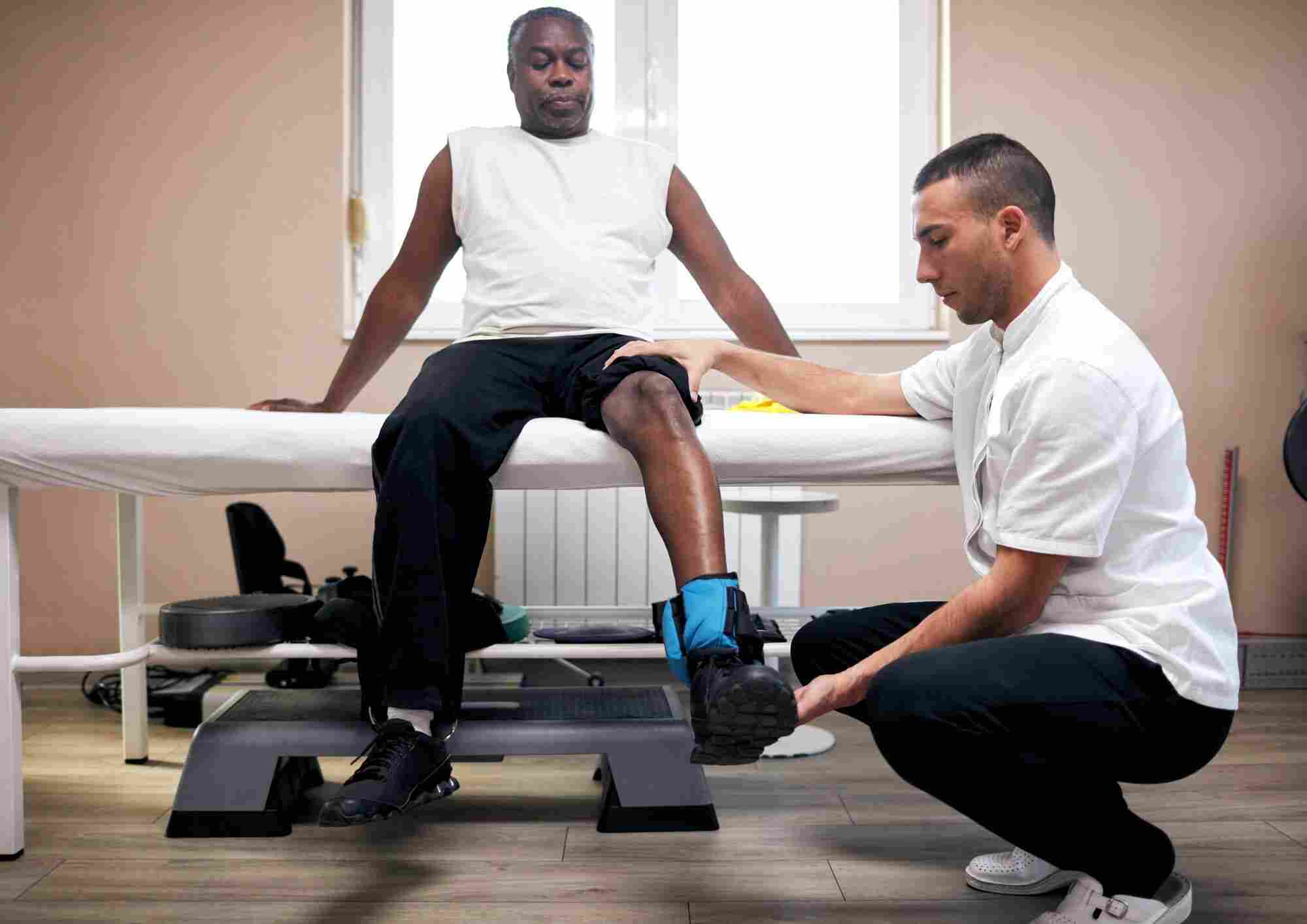
Home Physiotherapy

We understand that some conditions or injuries can make it difficult to receive rehabilitation at our clinic be it mobility or transportation issues. Our objective is to provide you with the same high-quality physiotherapy services at home that you would receive in-clinic.
Posted on

When Is the Best Time Of Day To Do Physical Therapy?

physiotherapy ampang
Home Physiotherapy, Synapse Physiotherapy

When Is the Best Time Of Day To Do Physical Therapy?

Physical therapy at physiotherapy Ampang, plays a vital role in healthcare, offering substantial benefits for recovery from injuries, managing chronic conditions, and promoting overall physical health. However, physical therapy exercises can be physically demanding, requiring effort and consistency over time to achieve results. While the journey to recovery may be lengthy, the benefits of sustained effort are often well worth it.

Consistency and sustainability are key to success with rehabilitative exercises. To achieve the best outcomes, it’s important to avoid additional challenges that might disrupt your routine or hinder your ability to perform the exercises regularly. Ensuring the process is as manageable and pleasant as possible increases the likelihood of long-term success.

Although physiotherapy Ampang physical therapy exercises may not always be enjoyable, creating an experience that is both sustainable and rewarding maximizes your chances of recovery. Elevated pain levels, fatigue, or time constraints can make it more difficult to stay on track, potentially slowing your progress. Addressing these obstacles is essential for a smooth rehabilitation process.

One factor that can significantly impact the effectiveness of physical therapy is timing. The best time of day to perform your exercises may vary based on individual needs and circumstances. Consulting an experienced physiotherapist can help you identify the ideal schedule for your therapy. If you’re searching for expert guidance, consider looking for professionals near your location, such as “Physiotherapy Ampang”.

Factors That Determine the Best Time for Physical Therapy

The Time of Day When Your Body Feels Best

The symptoms of many injuries, conditions, and diseases fluctuate throughout the day, impacting when your body feels most capable of performing exercises. For instance:

  • Morning stiffness is common in conditions like rheumatoid arthritis, plantar fasciitis, or tendinosis. Movement and mild activity during the day often alleviate this discomfort, making mid-morning or afternoon ideal for therapy.
  • Evening pain, on the other hand, can occur in conditions like osteoarthritis, where the wear and tear from daily activities exacerbate discomfort by day’s end. For such individuals, earlier sessions may be more effective.

To optimize your routine, take note of when you feel the least pain and most mobility. If your therapy goals focus on pain relief, it might be beneficial to exercise during times of peak discomfort to maximize the therapeutic effects of the exercises.

The Time of Day When You Have Adequate Energy

Energy levels also vary throughout the day and can be affected by the nature of your condition. Chronic conditions such as multiple sclerosis or post-polio syndrome often cause fatigue that impacts your ability to perform exercises safely and effectively.

Performing therapy at physiotherapy Ampang  when your energy is at its peak ensures you can engage fully and maintain proper form, reducing the risk of injury or ineffective execution. If you experience a midday slump or evening exhaustion, aim to schedule exercises during a time when your energy is highest, such as mid-morning or after a restorative break.

Fatigue isn’t limited to physical energy—it can also be cognitive. If mental exhaustion impairs your focus, consider choosing a time of day when your mind feels sharpest. This approach will improve your overall therapy quality and prevent burnout.

The Time of Day When You Have Available Time

For many, the best time to do therapy at physiotherapy Ampang simply depends on their schedule. Life’s demands—work, family, and personal commitments—often dictate when therapy sessions can realistically fit into the day.

If your schedule is tight, consistency becomes the priority. Early morning sessions may help “get it out of the way,” freeing up your evening for other responsibilities. Alternatively, if mornings are chaotic, setting aside dedicated time during lunch breaks or evenings can work just as well.

The key is to treat physical therapy like an essential appointment in your day. Block it off in your calendar to ensure you don’t skip it due to unexpected events or distractions.

Navigating Pain and Disease-Based Flare-Ups

Flare-ups are a natural part of managing chronic conditions or recovering from injuries. These episodes of increased pain or dysfunction can disrupt your therapy routine, requiring adjustments to timing or intensity.

When a flare-up occurs:

  • Adapt the schedule: Shift your exercises to a time when symptoms are less severe. For example, if your condition worsens in the morning, opt for afternoon sessions when discomfort has subsided.
  • Modify your exercises: Some movements may need to be temporarily replaced or reduced in intensity during a flare-up. Always consult your physical therapist for guidance on these adjustments.
  • Pause if necessary: In severe cases, it may be best to temporarily pause therapy until the flare-up resolves, prioritizing rest and recovery instead.

Working around a flare-up rather than pushing through it helps you avoid further irritation or injury, keeping your rehabilitation on track in the long term.

Benefits of Choosing the Right Time 

1. Maximized Performance

Performing exercises at physiotherapy Ampang when your body is well-rested and at its physical peak allows you to engage more effectively with the movements. When you have sufficient energy and feel your best, you’re more likely to execute each exercise with proper form and intensity, which is crucial for achieving the desired therapeutic outcomes.

For example, attempting exercises during a period of fatigue may lead to diminished effort, improper technique, or even an increased risk of injury. On the other hand, working out during your most energized time of day ensures that your muscles and joints are primed to perform, enabling you to fully engage in your therapy. This optimal performance not only enhances the effectiveness of each session but also helps build confidence in your ability to progress.

2. Improved Recovery

Your body’s natural rhythms, including circadian rhythms, play a significant role in how it responds to physical activity. Aligning your therapy schedule with these rhythms can enhance the body’s ability to heal and recover. For instance, certain times of day may promote better circulation, muscle activation, and flexibility, all of which contribute to more effective therapy sessions.

Additionally, the timing of your therapy can impact how well your body adapts to the stress of exercise. Performing exercises when your body is less likely to experience fatigue or pain ensures that the focus remains on improving strength, mobility, or pain relief. Over time, this alignment can accelerate your progress, as you’re consistently providing your body with the conditions it needs to repair and rebuild.


3. Consistency and Sustainability

One of the most important factors in successful physical therapy at physiotherapy Ampang  is adherence to your exercise plan. Choosing a time that fits seamlessly into your daily routine makes it easier to stick with your therapy over the long term. Consistency is crucial because therapeutic exercises often require weeks or months of regular practice to yield noticeable improvements.

For instance, if mornings are consistently busy with work or family obligations, scheduling therapy in the evening ensures you have dedicated, uninterrupted time for your exercises. Conversely, if you prefer to complete your physical therapy at physiotherapy Ampang before the day gets busy, setting aside time in the early morning can help establish a reliable habit.

By finding a time that works for you and sticking to it, you’re more likely to avoid skipping sessions or falling behind on your recovery plan. Over time, this routine builds momentum, ensuring that therapy becomes a sustainable part of your daily life rather than an occasional task.

Conclusion

The best time of day to do physical therapy at physiotherapy Ampang depends on your condition, energy levels, and daily schedule. By understanding these factors, you can create a routine that maximizes comfort and effectiveness.

For optimal results, regularly consult with your physical therapist at physiotherapy Ampang to adjust your schedule as needed. Recovery is dynamic, and finding the right timing is key to achieving your goals.

At Synapse Physiotherapy, our team can help you personalize your therapy schedule and provide tailored support to enhance your recovery. Let us guide you toward consistent progress and long-term success.

Share This :

Back & Neck Pain

Conditions such as stiffness, postural abnormalities and muscle overuse from prolonged desk work at the office or home is more prevalent than most would think. We provide the necessary tools to fix you up and educate you on ergonomics which can unload unnecessary stress.

Sports Injuries

Rolled ankles, jarred knees, impinged shoulders are few conditions in the plethora of sports injuries which can hamper performance and limit our enjoyment of sports. Physiotherapy not only treats the symptoms of these conditions but propels your overall fitness to greater heights.

Work Desk Injuries​

Conditions such as stiffness, postural abnormalities and muscle overuse from prolonged desk work at the office or home is more prevalent than most would think. We provide the necessary tools to fix you up and educate you on ergonomics which can unload unnecessary stress.

Pre-Post-Surgical Conditions

Surgery involves going through preparation both before and after. Physiotherapists play a vital role in getting your body ready for surgeries with circulatory, breathing and strengthening exercises. After the procedure, let us be there for your recovery and rehabilitation, taking it one step at a time.

Scoliosis & Postural Abnormalities

The way we stand, sit, walk and sleep has influence over our posture and the overall balance of muscles controlling its alignment. A comprehensive screening can be done by our physiotherapists to detect abnormalities, which we will aid in correcting.

Neurological Conditions

Neurological disabilities such as stroke, nerve compression and neuropathies can be barriers for patients to live life to its fullest. We at Synapse are committed to help you overcome these hurdles by ensuring functional mobility and quality of life is at its optimum by providing the right treatment and exercises.

Osteoarthritis & Rheumatism

Joint degeneration and inflammation happens as the human body grows older, but that does not mean our way of life degenerates as well. Relief your joint pains with a joint effort together with your physiotherapist, who will provide pain-relief treatments and prescribe exercises for your wellbeing.

Conditions Relating To Elderly

Common conditions in the older age population include hips & knee pain, back & neck pain, osteoarthritis, rheumatism, fear of falling and many more.  Aging and degeneration of bodily function is inevitable, but here at Synapse, we will help you live the best of your life.
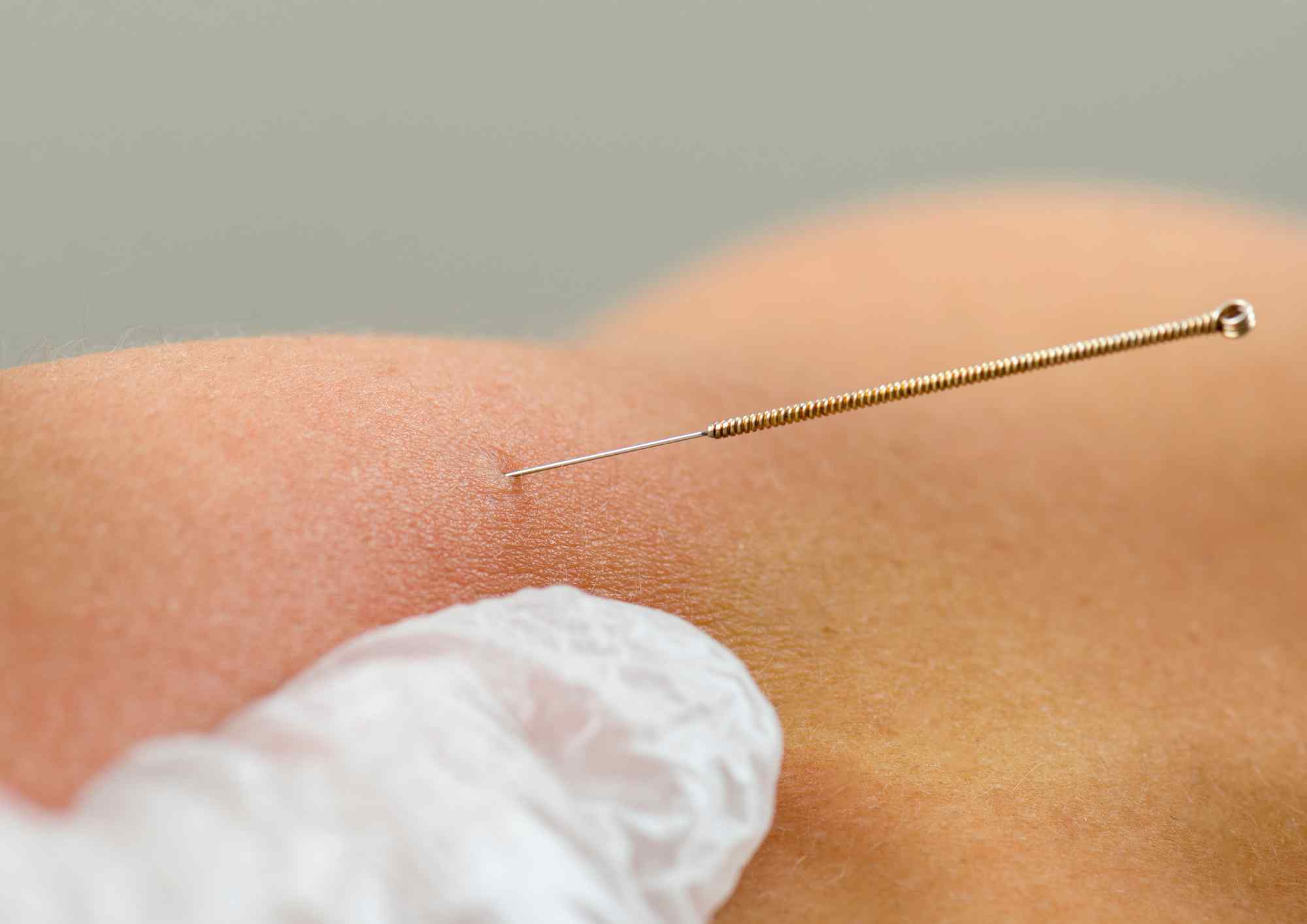
Home Physiotherapy

We understand that some conditions or injuries can make it difficult to receive rehabilitation at our clinic be it mobility or transportation issues. Our objective is to provide you with the same high-quality physiotherapy services at home that you would receive in-clinic.
Posted on

Dry Needling vs Acupuncture: Key Similarities & Differences

dry needling vs acupuncture
Synapse Physiotherapy

Introduction

In recent years, dry needling and acupuncture have gained attention as popular techniques to alleviate pain and promote healing. While both involve inserting fine needles into specific points on the body, they have different philosophies, training requirements, and treatment objectives. Understanding these differences and similarities is essential for those considering these treatments. This article, written on behalf of Synapse, will delve into the nuances of dry needling vs acupuncture to help you make an informed decision on which method may suit your needs best.

Dry Needling vs Acupuncture: Similarities and Differences

The debate between dry needling vs acupuncture has become a hot topic, sparking widespread discussion and confusion. Many people are unsure about when to choose each treatment and which one is better suited to their specific needs. Both techniques offer distinct benefits when used in the right context, but understanding the differences and appropriate applications is key to making an informed decision.

What is Dry needling?

The term “dry needling” was coined to distinguish it from traditional acupuncture and wet needling, which involves injecting substances. This term highlights that no substances are injected. Beginning in the late 20th and early 21st centuries, dry needling became increasingly popular among physiotherapists and other professionals specializing in musculoskeletal health in Western countries. This rise in popularity was supported by evidence showing its effectiveness in treating musculoskeletal pain and dysfunction. Dry needling employs thin monofilament needles similar to those used in acupuncture but without any injections. It is commonly used on muscles, ligaments, tendons, subcutaneous fascia, scar tissue, peripheral nerves, and neurovascular bundles to address various neuromusculoskeletal pain syndromes. Organizations like the National Physical Therapy Association and several State Boards of Physical Therapy have updated the definition of dry needling. According to their guidelines, dry needling involves inserting needles into nodules found within tight muscle bands, known as “trigger points” or “myofascial trigger points” (MTrPs).

Benefits of dry needling

Relieving Muscle Tightness and Pain: Dry needling addresses the source of pain, known as the trigger point, causing the muscle to contract and then relax, which helps restore normal function. This process reduces both muscle tightness and tension, leading to decreased pain. Immediate relief is often felt after treatment, with more substantial improvement usually occurring after several sessions. For details on how long it takes to see results, check out our recent blog.

Improving Range of Motion: By targeting muscle tightness, tension, and trigger points, dry needling can enhance or restore range of motion. This improvement in flexibility helps boost overall function and reduce general discomfort.

Accelerating Recovery from Injuries: Recovery from injuries, especially for athletes and active individuals, can be a slow process. Dry needling may help speed up recovery, allowing clients to return to their normal activities more quickly compared to other therapies. This quicker recovery is likely due to the relaxation of muscles and increased blood flow, which supplies essential oxygen and nutrients to the injured area.

Side effect of dry needling

Mild side effects are common with dry needling, but serious side effects are rare. The most frequent side effects at the injection site include bruising, bleeding, and temporary soreness.

What happen during the dry needling session

Initially, your provider will clean the treatment area and get the needle ready. They use only single-use, sterile needles. One hand is used to locate the trigger point by feeling the area, while the other hand positions the needle with the help of a plastic guide tube. The guide tube ensures precise needle placement.

The provider will gently tap the needle into the outer layer of your skin (epidermis) and then remove the guide tube. Different techniques may be used:

  • Superficial: The needle is inserted 5 to 10 millimeters into the layer of skin just below the surface (subcutaneous tissue) near the trigger point.
  • Deep: The needle is inserted deeper into the muscle to reach the trigger point.

Depending on the approach, the needle might be left in place for as little as two seconds or as long as 20 minutes. The pistoning technique, which involves moving the needle rapidly up and down through the tissue, might also be used.

You may feel muscle soreness or twitching during the treatment, which is a normal response indicating that your muscles are reacting to the procedure.

What will you feel after the dry needling and acupuncture session?

Dry needling and acupuncture are generally less painful than you might expect. The needles used are so thin that you may not feel them going in, though you might sense a slight pinprick.

With dry needling, you might experience some discomfort or soreness because it targets trigger points, which are already sensitive and tight.

When a needle is placed into a trigger point, you might notice a muscle twitch, which indicates that the needle is in the correct spot. Research suggests that more twitches might lead to longer-lasting benefits from dry needling.

After both dry needling and acupuncture, you might feel some soreness. Drinking plenty of water can help reduce soreness and improve mobility.

What is acupuncture?

Acupuncture, a fundamental part of Traditional Chinese Medicine (TCM), has been practiced as a holistic approach to healthcare for thousands of years. TCM takes a comprehensive view of wellness, including the prevention, diagnosis, and treatment of various conditions. A key concept in TCM is qi, the vital energy that flows through the body along pathways called meridians. When qi is balanced, it signifies overall well-being, including spiritual, emotional, and physical health. Disruptions in qi can lead to illness, as blockages interfere with the balance between yin and yang, which are fundamental principles in Chinese philosophy. To restore balance between yin and yang, TCM employs various methods, with acupuncture being a major one.

Acupuncturists identify over 2,000 acupuncture points connected by meridians and use acupuncture to remove blockages or stagnant qi, promoting its smooth flow and improving health. This technique involves inserting fine needles into specific points along the meridians, which can be stimulated manually or electrically.

Similarities

Dry needling and acupuncture share several similarities:

  1. Needle Use: Both techniques use thin needles to address musculoskeletal issues. The needles are inserted into the skin at specific points to achieve therapeutic effects.
  2. Targeted Points: Both methods focus on specific points on the body. In acupuncture, these are known as acupuncture points along meridians, while in dry needling, they target trigger points within muscles.
  3. Treatment Goals: Both aim to relieve pain and improve function. They seek to alleviate discomfort and promote healing, though their approaches and underlying philosophies differ.
  4. Minimal Discomfort: Both procedures generally involve minimal discomfort. The needles used are very fine, and many patients report only a slight sensation or no pain at all.
  5. Technique Variations: Both practices may involve variations in technique. Acupuncturists and dry needling practitioners may use different methods for inserting and manipulating the needles based on the patient’s needs and responses.
  6. Evidence-Based Benefits: Both techniques have been studied and found to provide benefits for various conditions. They are used to treat pain and musculoskeletal issues, though research and clinical evidence may vary.

Differences 

  1. Philosophical Background:
    • Acupuncture: Originates from Traditional Chinese Medicine (TCM) and is based on the concept of balancing qi (vital energy) along meridians to promote overall health and well-being.
    • Dry Needling: Rooted in Western medicine, it focuses on relieving muscle pain and dysfunction by targeting myofascial trigger points, without the traditional TCM framework.
  2. Needle Placement:
    • Acupuncture: Involves inserting needles into specific acupuncture points along meridians, which are mapped according to TCM principles.
    • Dry Needling: Targets trigger points within muscles, which are specific areas of muscle tissue that are tight and painful. These points are not based on meridians but rather on muscle and fascial anatomy.
  3. Technique and Manipulation:
    • Acupuncture: Needles may be left in place for a period of time and can be stimulated manually or electrically. The technique often involves precise placement according to TCM principles.
    • Dry Needling: Needles are often inserted directly into trigger points and may be manipulated or left in place for a shorter duration. Techniques can include pistoning (moving the needle up and down) to release muscle tension.
  4. Treatment Goals:
    • Acupuncture: Aims to balance the body’s energy system and address a wide range of conditions, including emotional and physical health issues.
    • Dry Needling: Specifically targets muscle pain and dysfunction, aiming to relieve symptoms such as pain, tightness, and restricted range of motion.
  5. Training and Certification:
    • Acupuncture: Practitioners typically undergo extensive training in TCM and acupuncture techniques. Certification often requires specialized education and training in acupuncture.
    • Dry Needling: Practitioners, often physiotherapists or other musculoskeletal specialists, receive training in dry needling techniques, which may be less extensive than traditional acupuncture training.
  6. Scientific Basis:
    • Acupuncture: Has a long history and is deeply rooted in TCM philosophy, with varying levels of scientific evidence supporting its effectiveness.
    • Dry Needling: Generally supported by Western scientific research focusing on its effects on muscle pain and dysfunction, with evidence showing its efficacy in treating specific musculoskeletal issues.

To wrap up, dry needling by a physiotherapist is ideal for targeting musculoskeletal problems, while acupuncture with a licensed practitioner may be better for a broader range of health issues. Results differ from person to person. Synapse Physiotherapy offers dry needling—reach out to us for more details or to schedule a session.

Frequently Asked Questions (FAQs)

Dry needling can cause mild discomfort as the needle targets trigger points, while acupuncture tends to be gentler, focusing on energy pathways.

Results vary, but many patients experience relief after a few sessions. Some conditions may require longer treatment durations for lasting effects.

Yes, some practitioners offer integrative treatments that combine both methods to maximize therapeutic benefits.

Both treatments are generally safe when performed by trained professionals. Mild bruising, soreness, or lightheadedness may occur temporarily.

Consultation with a licensed practitioner is key. They will assess your health history, condition, and goals to recommend the best option for you.

Conclusion

Whether you’re leaning towards dry needling or acupuncture, Synapse offers a range of holistic and therapeutic services tailored to your needs. Our expert practitioners will guide you through each option, helping you make informed decisions about your health and wellness. Experience relief, recovery, and rejuvenation with treatments designed to support your unique body. Contact Synapse today to schedule a consultation and take the first step towards living pain-free.

Produced by MYSense

Share This :

Back & Neck Pain

Conditions such as stiffness, postural abnormalities and muscle overuse from prolonged desk work at the office or home is more prevalent than most would think. We provide the necessary tools to fix you up and educate you on ergonomics which can unload unnecessary stress.

Sports Injuries

Rolled ankles, jarred knees, impinged shoulders are few conditions in the plethora of sports injuries which can hamper performance and limit our enjoyment of sports. Physiotherapy not only treats the symptoms of these conditions but propels your overall fitness to greater heights.

Work Desk Injuries​

Conditions such as stiffness, postural abnormalities and muscle overuse from prolonged desk work at the office or home is more prevalent than most would think. We provide the necessary tools to fix you up and educate you on ergonomics which can unload unnecessary stress.

Pre-Post-Surgical Conditions

Surgery involves going through preparation both before and after. Physiotherapists play a vital role in getting your body ready for surgeries with circulatory, breathing and strengthening exercises. After the procedure, let us be there for your recovery and rehabilitation, taking it one step at a time.

Scoliosis & Postural Abnormalities

The way we stand, sit, walk and sleep has influence over our posture and the overall balance of muscles controlling its alignment. A comprehensive screening can be done by our physiotherapists to detect abnormalities, which we will aid in correcting.

Neurological Conditions

Neurological disabilities such as stroke, nerve compression and neuropathies can be barriers for patients to live life to its fullest. We at Synapse are committed to help you overcome these hurdles by ensuring functional mobility and quality of life is at its optimum by providing the right treatment and exercises.

Osteoarthritis & Rheumatism

Joint degeneration and inflammation happens as the human body grows older, but that does not mean our way of life degenerates as well. Relief your joint pains with a joint effort together with your physiotherapist, who will provide pain-relief treatments and prescribe exercises for your wellbeing.

Conditions Relating To Elderly

Common conditions in the older age population include hips & knee pain, back & neck pain, osteoarthritis, rheumatism, fear of falling and many more.  Aging and degeneration of bodily function is inevitable, but here at Synapse, we will help you live the best of your life.
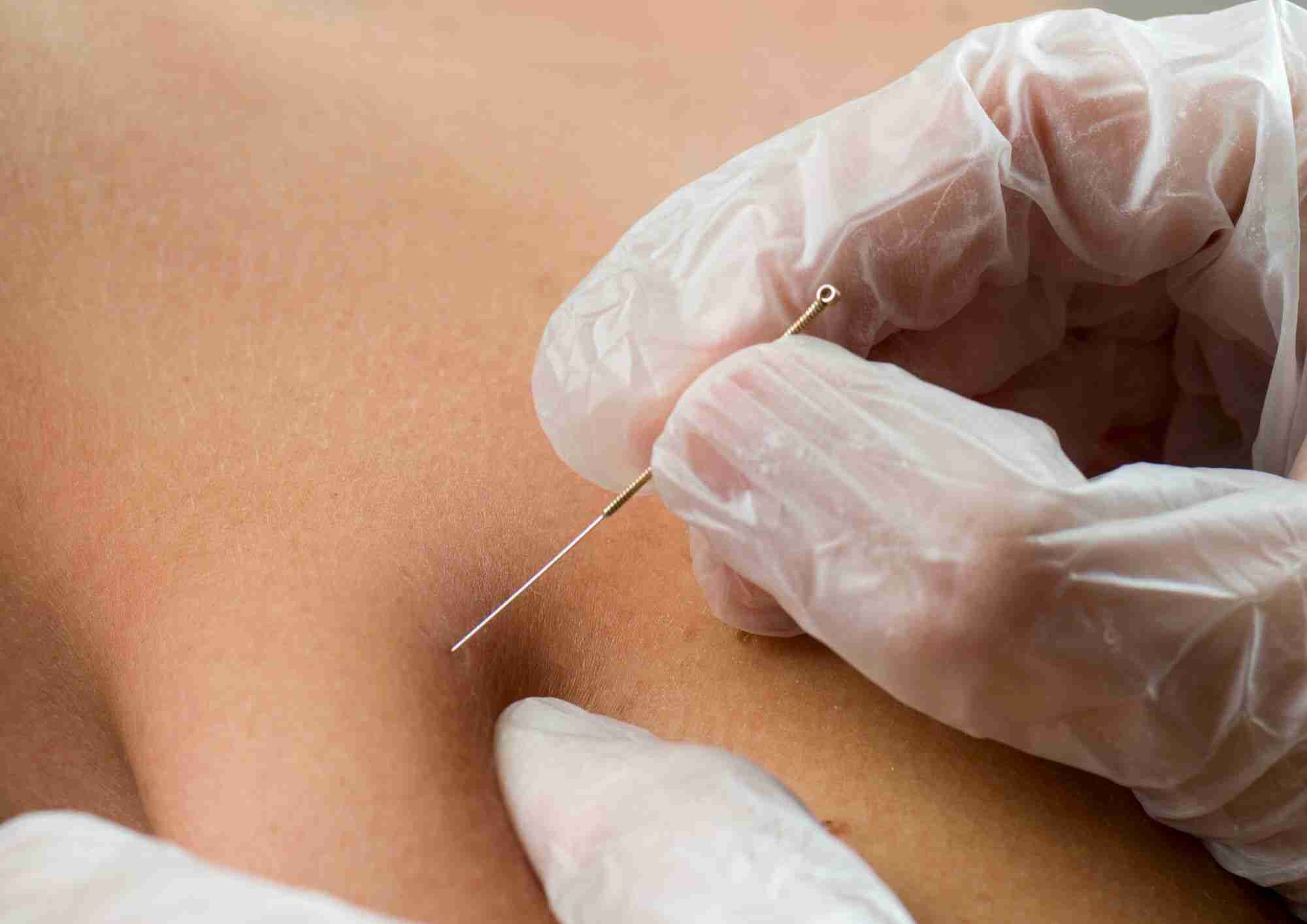
Home Physiotherapy

We understand that some conditions or injuries can make it difficult to receive rehabilitation at our clinic be it mobility or transportation issues. Our objective is to provide you with the same high-quality physiotherapy services at home that you would receive in-clinic.
Posted on

Dry needling vs acupuncture benefits and uses

dry needling vs acupuncture
Home Physiotherapy, Synapse Physiotherapy

Acupuncture is an ancient practice rooted in Traditional Chinese Medicine (TCM), with a history spanning thousands of years. It aims to balance the body’s energy flow, known as “qi” (pronounced “chee”), through the insertion of needles into specific points along energy pathways or meridians. This holistic approach is used to treat a wide range of conditions, including chronic pain, stress, digestive issues, and even emotional well-being. Acupuncture practitioners are extensively trained in the principles of TCM and work to restore harmony and health by promoting the body’s natural healing abilities.

On the other hand, dry needling is a more modern and Western medical technique that primarily focuses on treating musculoskeletal pain, especially pain related to muscles and fascia. Dry needling involves inserting needles into myofascial trigger points—areas of muscle that are tight, sore, or dysfunctional. While it uses the same needles as acupuncture, it is not based on the concept of energy flow but instead targets localized areas to relieve pain, improve muscle function, and reduce muscle tension. Physical therapists and other healthcare professionals often perform dry needling as part of a broader treatment plan for conditions like muscle strains, sports injuries, and chronic musculoskeletal pain.

Dry needling vs. acupuncture has long been a hot topic of discussion within the health and wellness community, sparking curiosity about their similarities and differences. Both acupuncture and dry needling are increasingly recognized for their effectiveness in pain management and rehabilitation. Whether seeking relief from chronic pain or improving muscle function, these therapies offer patients non-invasive alternatives to traditional medication or surgical interventions. However, understanding the distinct principles behind each technique is crucial to determining which aligns best with an individual’s health goals and needs.

While both dry needling vs. acupuncture involve the use of fine needles, they originate from entirely different philosophies and offer unique benefits. Each treatment targets specific needs, making them valuable tools for managing pain, enhancing mobility, and improving overall health. In this guide, we’ll explore the key details, applications, and differences between these techniques to provide a clearer understanding on dry needling vs. acupuncture.

Acupuncture: A Timeless Tradition

What Is Acupuncture?

Acupuncture is an ancient practice rooted in Traditional Chinese Medicine (TCM), dating back thousands of years. It involves the insertion of very thin, sterile needles into specific points on the body to stimulate energy flow, or “qi” (pronounced “chee”), along meridians. The aim is to restore balance and harmony within the body, promoting overall wellness.

Uses of Acupuncture

Acupuncture is used to address a wide range of conditions, including:

  1. Pain Management
    • Chronic and acute pain (e.g., back pain, neck pain)
    • Osteoarthritis, particularly in the knee, hip, or hand
    • Headaches, including migraines
    • Sciatica
    • Temporomandibular joint (TMJ) dysfunction
    • Fibromyalgia
  2. Neurological Conditions
    • Peripheral neuropathy
    • Bell’s palsy
    • Post-stroke rehabilitation
  3. Stress and Mental Health
    • Anxiety and depression
    • Insomnia
  4. Digestive Issues
  5. Women’s Health
    • Menstrual pain (dysmenorrhea)
    • Symptoms of menopause
    • Infertility (as part of a comprehensive treatment plan)

Benefits of Acupuncture

The benefits of acupuncture are far-reaching, with evidence supporting its efficacy in:

  • Reducing pain in chronic conditions like arthritis and postoperative recovery
  • Alleviating nausea, vomiting, and urinary incontinence
  • Easing seasonal allergy symptoms like nasal congestion
  • Supporting potential immune and hormonal regulation (based on TCM theories)
  • Offering a holistic, drug-free alternative to pain and stress management

Acupuncture’s effectiveness depends on the expertise of the practitioner, who undergoes rigorous training and certification to ensure safety and results.


Dry Needling: A Modern Approach

What Is Dry Needling?

Dry needling is a relatively new technique developed to relieve muscle pain and dysfunction. Unlike acupuncture, it does not draw on energy flow or TCM theories. Instead, it is grounded in Western medicine and focuses on addressing myofascial trigger points—tight muscle knots that cause pain and restrict movement.

Uses of Dry Needling
Dry needling is primarily utilized for musculoskeletal issues, including:

  1. Muscle Pain and Tension
    • Myofascial pain syndrome
    • Muscle spasms and tightness
    • Trigger points causing referred pain
  2. Sports Injuries
    • Tennis elbow
    • Golfer’s elbow
    • Shin splints
    • Rotator cuff injuries
  3. Postural Issues and Repetitive Strain
    • Neck tension from poor posture
    • Work-related strain, such as from prolonged sitting
  4. Joint Pain and Mobility Issues
    • Frozen shoulder (adhesive capsulitis)
    • Knee pain
    • Hip pain
  5. Chronic Pain Syndromes
    • Chronic low back pain
    • Plantar fasciitis

Benefits of Dry Needling

Dry needling offers several advantages for those dealing with localized pain and muscle dysfunction:

  • Relieves Pain and Tension: Targets specific trigger points for immediate pain relief.
  • Improves Muscle Function: Restores normal muscle tone and movement.
  • Short-Term Relief: While not a standalone solution, it is highly effective when combined with physical therapy, stretching, or strength training.

Practiced by physical therapists and sports medicine professionals, dry needling typically complements other therapies to maximize results.

Key Differences Between Acupuncture and Dry Needling

Aspect

Acupuncture

Dry Needling

Origin

Ancient Chinese medicine

Modern practice developed recently

Philosophy/Goal

Aligns energy flow (qi) for wellness

Targets muscle trigger points for relief

Technique

Stimulates nerves and meridians

Inserts needles into tight muscle areas

Mechanism of Action

Not fully understood; linked to hormonal and immune changes

Focuses on muscle pain and tension relief

Choosing the Right Approach

Both acupuncture which are  dry needling vs acupuncture provide effective solutions for managing pain and improving quality of life. However, dry needling vs. acupuncture focus and methodology differ significantly:

  • Acupuncture is ideal for individuals seeking holistic care for chronic pain, stress, or systemic health issues. It also addresses emotional well-being and broader health concerns.
  • Dry Needling is well-suited for those dealing with localized muscle pain, sports injuries, or postural issues, often as part of a rehabilitation program.

Mechanisms of Action in Detail

Acupuncture

  • Traditional View: Based on restoring the flow of “qi” (life force) through meridians, balancing yin and yang to promote health.
  • Modern Science: Stimulates the nervous system, releases endorphins, and modulates brain pain pathways. It may also reduce inflammation and improve blood flow, aiding in pain relief and healing.

Dry Needling

  • Trigger Point Deactivation: Targets tight muscles, eliciting a local twitch response to release tension and improve function.
  • Physiological Effects: Enhances blood flow, reduces pain signaling, and promotes tissue repair by affecting neurochemical and inflammatory pathways.

Both dry needling vs. acupuncture address pain and dysfunction but stem from distinct traditions and methodologies.

Conclusion 

Dry needling vs acupuncture, while different in origin and practice, offer significant benefits in their respective domains. Acupuncture brings centuries of tradition and a holistic approach to health, addressing not only physical symptoms but also emotional and systemic well-being. On the other hand, dry needling provides a targeted solution for muscle pain and dysfunction, making it a valuable tool in physiotherapy and sports medicine.

Choosing between dry needling vs. acupuncture depends on individual needs, health goals, and the type of condition being treated. Consulting with a qualified practitioner can help determine the best approach, ensuring safety, efficacy, and optimal outcomes. For those seeking expert care, Synapse Physiotherapy offers professional dry needling services, combining evidence-based practices with personalized treatment plans to help patients achieve pain relief and overall wellness. Both therapies (dry needling vs. acupuncture), when performed by trained professionals, represent powerful tools in the journey toward better health.

Share This :

Back & Neck Pain

Conditions such as stiffness, postural abnormalities and muscle overuse from prolonged desk work at the office or home is more prevalent than most would think. We provide the necessary tools to fix you up and educate you on ergonomics which can unload unnecessary stress.

Sports Injuries

Rolled ankles, jarred knees, impinged shoulders are few conditions in the plethora of sports injuries which can hamper performance and limit our enjoyment of sports. Physiotherapy not only treats the symptoms of these conditions but propels your overall fitness to greater heights.

Work Desk Injuries​

Conditions such as stiffness, postural abnormalities and muscle overuse from prolonged desk work at the office or home is more prevalent than most would think. We provide the necessary tools to fix you up and educate you on ergonomics which can unload unnecessary stress.

Pre-Post-Surgical Conditions

Surgery involves going through preparation both before and after. Physiotherapists play a vital role in getting your body ready for surgeries with circulatory, breathing and strengthening exercises. After the procedure, let us be there for your recovery and rehabilitation, taking it one step at a time.

Scoliosis & Postural Abnormalities

The way we stand, sit, walk and sleep has influence over our posture and the overall balance of muscles controlling its alignment. A comprehensive screening can be done by our physiotherapists to detect abnormalities, which we will aid in correcting.

Neurological Conditions

Neurological disabilities such as stroke, nerve compression and neuropathies can be barriers for patients to live life to its fullest. We at Synapse are committed to help you overcome these hurdles by ensuring functional mobility and quality of life is at its optimum by providing the right treatment and exercises.

Osteoarthritis & Rheumatism

Joint degeneration and inflammation happens as the human body grows older, but that does not mean our way of life degenerates as well. Relief your joint pains with a joint effort together with your physiotherapist, who will provide pain-relief treatments and prescribe exercises for your wellbeing.

Conditions Relating To Elderly

Common conditions in the older age population include hips & knee pain, back & neck pain, osteoarthritis, rheumatism, fear of falling and many more.  Aging and degeneration of bodily function is inevitable, but here at Synapse, we will help you live the best of your life.

Home Physiotherapy

We understand that some conditions or injuries can make it difficult to receive rehabilitation at our clinic be it mobility or transportation issues. Our objective is to provide you with the same high-quality physiotherapy services at home that you would receive in-clinic.