Posted on

Dry Needling Near Me: A Non-Invasive Treatment Option

dry needling near me
Back & Neck Pain, Synapse Physiotherapy

Dry Needling Near Me: A Non-Invasive Treatment Option


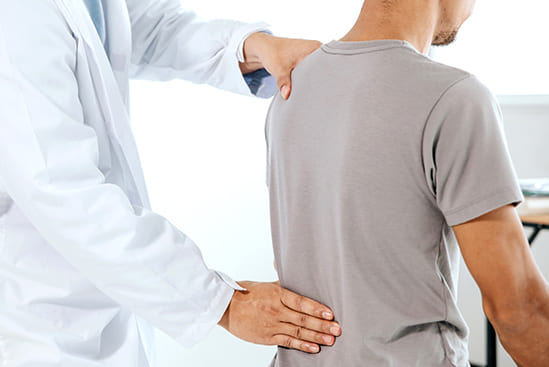
Are you searching for “dry needling near me” to relieve muscle pain and tension? Dry needling is a non-invasive, highly effective treatment used by physical therapists to target trigger points and muscle knots. Whether you’re dealing with chronic pain, sports injuries, or muscle stiffness, dry needling could be the solution you need.


What is dry needling?

Dry needling, also referred to as trigger point dry needling or intramuscular stimulation (IMS), is a specialized therapeutic technique performed by healthcare professionals such as physical therapists, physicians, chiropractors, and sports medicine specialists.

While some acupuncturists claim that dry needling is derived from traditional acupuncture, others consider it a modern variation of trigger point injections—but without the use of medication. This evidence-based practice is primarily used to relieve muscle pain, tension, and dysfunction by targeting myofascial trigger points—tight, knotted bands within muscles that can cause pain and restricted movement.

Benefits of Dry Needling

  • Pain Relief: By targeting trigger points, dry needling effectively reduces muscle pain and discomfort in areas such as the neck, back, shoulders, and hips. It helps deactivate pain-inducing muscle knots, leading to long-lasting relief.
  • Improved Range of Motion: The release of muscle tightness allows for greater flexibility and improved movement, making it ideal for athletes, individuals recovering from injuries, and those with mobility issues.
  • Enhanced Blood Flow: The insertion of needles stimulates increased circulation to the affected muscles, promoting faster healing, reducing inflammation, and improving overall tissue repair.
  • Muscle Relaxation: Dry needling directly decreases muscle tension and stiffness, helping to prevent spasms and providing a deep sense of relaxation and relief.
  • Faster Recovery: By addressing the root cause of muscle pain, dry needling accelerates recovery from injuries, overuse conditions, and post-exercise fatigue, allowing individuals to return to daily activities sooner.
  • Nerve Function Improvement: Research suggests that dry needling can enhance nerve communication, improving muscle control, reducing nerve-related pain, and supporting overall neuromuscular function.

What to Expect During and After a Dry Needling Session

During the Dry Needling Session

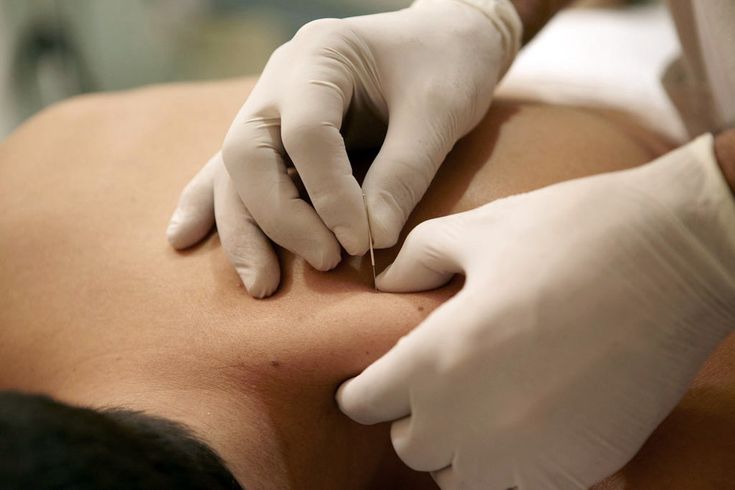
A trained practitioner will carefully insert thin, sterile needles into specific muscle trigger points to release tension and alleviate pain. You may feel a slight prick or mild discomfort upon insertion, followed by a localized muscle twitch response—a quick, involuntary contraction of the muscle. This twitch is a positive sign, indicating that the trigger point has been successfully stimulated.

Once the needles are in place, they remain for a short period, typically ranging from a few seconds to several minutes, depending on the treatment plan. The practitioner may gently manipulate the needles to enhance muscle relaxation and optimize pain relief. While some temporary soreness or tingling may occur, the overall procedure is well-tolerated and does not cause significant pain.

What to Expect After a Dry Needling Session

  • Mild Muscle Soreness: It is common to experience slight tenderness or soreness in the treated area, similar to delayed onset muscle soreness (DOMS) that occurs after exercise. This discomfort usually subsides within 24 to 48 hours. Applying heat, gentle stretching, and staying hydrated can help alleviate post-treatment soreness.
  • Improved Flexibility & Range of Motion: Many patients notice an immediate improvement in mobility and flexibility, as dry needling releases tight muscles and reduces restrictions in movement. This makes it particularly beneficial for athletes, active individuals, and those recovering from injuries.
  • Pain Reduction & Muscle Relaxation: One of the primary benefits of dry needling is its ability to relieve muscle pain and tension. While some people experience instant relief, others may feel gradual improvement over the next 24 to 72 hours as their muscles continue to relax and heal.

Dry Needling vs. Acupuncture: Understanding the Key Differences

Although dry needling and acupuncture both involve the insertion of thin needles into the body, they are fundamentally different in purpose, philosophy, and application. Understanding these differences can help you determine which treatment best suits your needs.

1. Origin and Theoretical Basis

  • Dry Needling is based on Western medicine, particularly anatomy, neurophysiology, and musculoskeletal science. It is primarily used by physical therapists, chiropractors, and sports medicine practitioners to relieve muscle pain, improve movement, and enhance muscle function. Dry needling specifically targets trigger points—tight muscle knots that cause pain and dysfunction.
  • Acupuncture originates from Traditional Chinese Medicine (TCM) and is rooted in the concept of Qi (pronounced “chee”), which refers to the body’s vital energy. According to TCM, imbalances in Qi flow along meridians (energy pathways) can cause illness and pain. Acupuncture aims to restore this balance by inserting needles at specific meridian points to regulate energy flow and promote overall well-being.

2. Purpose and Treatment Goals

  • Dry Needling is primarily used to:
    • Relieve musculoskeletal pain (e.g., muscle tightness, spasms, and trigger points)
    • Improve range of motion and flexibility
    • Enhance muscle recovery and athletic performance
    • Reduce inflammation and improve blood circulation
  • Acupuncture is traditionally used for a broader range of conditions, including:
    • Chronic pain management (e.g., migraines, arthritis, fibromyalgia)
    • Stress, anxiety, and emotional balance
    • Digestive disorders (e.g., irritable bowel syndrome)
    • Hormonal and immune system regulation

3. Needle Placement and Technique

  • Dry Needling involves inserting needles directly into myofascial trigger points, which are hyperirritable spots in muscles that cause pain and tightness. The goal is to stimulate a twitch response, which helps release muscle tension and restore normal function. The practitioner may also manipulate the needles slightly to enhance the therapeutic effect.
  • Acupuncture follows a structured meridian system. Needles are inserted at specific energy points along the body’s meridians to restore energy balance. The technique is generally more superficial, and needles may be left in place for 15 to 30 minutes without manipulation.

4. Sensation and Patient Experience

  • Dry Needling can cause a localized twitch response, which may feel like a quick muscle contraction. Some patients experience mild soreness afterward, similar to post-exercise soreness, but this usually resolves within 24 to 48 hours.
  • Acupuncture is typically gentler and more relaxing. Many patients report a tingling, warm, or calming sensation during treatment. Unlike dry needling, acupuncture does not aim to elicit a twitch response or deep muscle stimulation.

5. Conditions Treated

  • Dry Needling is most effective for treating muscle-related pain and dysfunction, including:
    • Neck, back, and shoulder pain
    • Sports injuries and muscle strains
    • Tension headaches and migraines caused by muscle tightness
    • Post-surgical rehabilitation
    • Tendonitis and overuse conditions
  • Acupuncture is commonly used for a wider range of internal and external conditions, such as:
    • Chronic pain syndromes (e.g., arthritis, fibromyalgia, nerve pain)
    • Stress, anxiety, and insomnia
    • Digestive issues (e.g., bloating, IBS)
    • Women’s health concerns (e.g., menstrual pain, fertility support)

6. Who Performs the Treatment?

  • Dry Needling is performed by licensed physical therapists, chiropractors, and medical professionals with specialized training in musculoskeletal and neuromuscular health. It is considered a medical intervention rather than an alternative therapy.
  • Acupuncture is performed by licensed acupuncturists who have extensive training in Traditional Chinese Medicine and holistic healing. In some cases, medical doctors, naturopaths, or chiropractors with additional acupuncture training may also provide treatment.

Which One Is Right for You?

  • Choose Dry Needling if:
    ✔ You have muscle pain, stiffness, or trigger points causing discomfort.
    ✔ You need faster muscle recovery and improved movement.
    ✔ You are dealing with sports injuries, postural issues, or musculoskeletal pain.
  • Choose Acupuncture if:
    ✔ You want to address chronic pain, stress, or energy imbalances.
    ✔ You are looking for a holistic approach to overall well-being.
    ✔ You need support for internal conditions like digestion, immunity, or hormonal balance.

Is Dry Needling Safe? How to Find a Specialist Near You

Yes! When performed by a licensed and trained practitioner, dry needling is a safe, minimally invasive, and effective therapy for relieving muscle pain, improving mobility, and promoting recovery. To ensure the best results, it’s essential to find a qualified specialist in your area.

How to Find a Trusted Dry Needling Specialist Near You

If you’re searching for “dry needling near me”, consider checking the following:

  • ✅ Physical therapy clinics that offer specialized dry needling treatment plans.
  • ✅ Chiropractic centers with trained professionals experienced in dry needling techniques.
  • ✅ Online reviews and testimonials to find top-rated providers with proven success.

Conclusion

Dry needling is a safe, effective, and minimally invasive therapy when performed by a trained and licensed professional. It offers significant benefits for relieving muscle pain, improving mobility, and enhancing recovery. If you’re looking for expert care, Synapse Physiotherapy employs highly trained and qualified physiotherapists who specialize in dry needling to provide personalized treatment tailored to your needs.

Contact us today to learn more about how dry needling can help you achieve relief and regain optimal movement. Our team is ready to assist you on your journey to better health and well-being.

Share This :

Back & Neck Pain

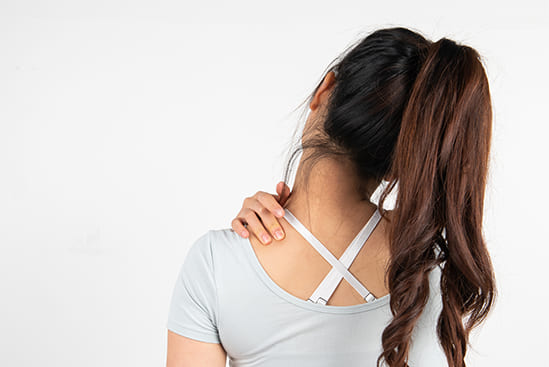
Conditions such as stiffness, postural abnormalities and muscle overuse from prolonged desk work at the office or home is more prevalent than most would think. We provide the necessary tools to fix you up and educate you on ergonomics which can unload unnecessary stress.

Sports Injuries

Rolled ankles, jarred knees, impinged shoulders are few conditions in the plethora of sports injuries which can hamper performance and limit our enjoyment of sports. Physiotherapy not only treats the symptoms of these conditions but propels your overall fitness to greater heights.

Work Desk Injuries​

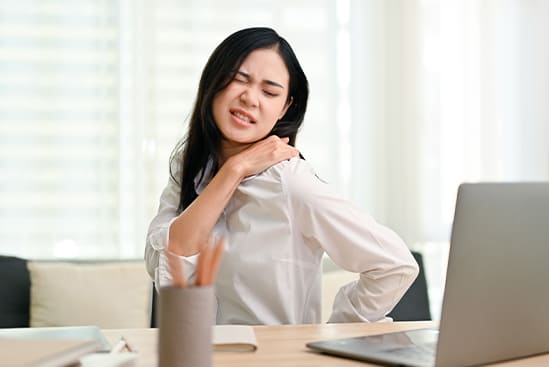
Conditions such as stiffness, postural abnormalities and muscle overuse from prolonged desk work at the office or home is more prevalent than most would think. We provide the necessary tools to fix you up and educate you on ergonomics which can unload unnecessary stress.

Pre-Post-Surgical Conditions

Surgery involves going through preparation both before and after. Physiotherapists play a vital role in getting your body ready for surgeries with circulatory, breathing and strengthening exercises. After the procedure, let us be there for your recovery and rehabilitation, taking it one step at a time.

Scoliosis & Postural Abnormalities

The way we stand, sit, walk and sleep has influence over our posture and the overall balance of muscles controlling its alignment. A comprehensive screening can be done by our physiotherapists to detect abnormalities, which we will aid in correcting.

Neurological Conditions

Neurological disabilities such as stroke, nerve compression and neuropathies can be barriers for patients to live life to its fullest. We at Synapse are committed to help you overcome these hurdles by ensuring functional mobility and quality of life is at its optimum by providing the right treatment and exercises.

Osteoarthritis & Rheumatism

Joint degeneration and inflammation happens as the human body grows older, but that does not mean our way of life degenerates as well. Relief your joint pains with a joint effort together with your physiotherapist, who will provide pain-relief treatments and prescribe exercises for your wellbeing.

Conditions Relating To Elderly

Common conditions in the older age population include hips & knee pain, back & neck pain, osteoarthritis, rheumatism, fear of falling and many more.  Aging and degeneration of bodily function is inevitable, but here at Synapse, we will help you live the best of your life.


Home Physiotherapy

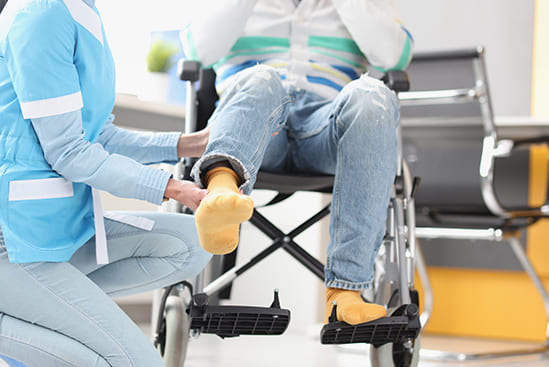
We understand that some conditions or injuries can make it difficult to receive rehabilitation at our clinic be it mobility or transportation issues. Our objective is to provide you with the same high-quality physiotherapy services at home that you would receive in-clinic.
Posted on

Benefits of Manual Therapy in Treating Back Pain Synapse PJ

physiotherapy petaling jaya
Back & Neck Pain, Synapse Physiotherapy, Work Desk Injuries​

Benefits of Manual Therapy in Treating Back Pain Synapse PJ

Back pain affects millions of people worldwide, making it one of the most common health complaints. While medications and surgeries are options, many are turning to non-invasive approaches like manual therapy for effective relief. For those experiencing back pain, it’s crucial to seek treatment immediately to prevent the condition from worsening. If you’re searching for local solutions, you might look for options like ‘physiotherapy PJ’ or nearby clinics offering specialized manual therapy services. This article explores the benefits of manual therapy in treating back pain, why it works, and how it can help you regain mobility and comfort.


What is manual therapy? 

Manual therapy at  physiotherapy Petaling Jaya has been the cornerstone of physical therapy for many years, evolving into a specialized approach to treat neuro-musculoskeletal conditions. It combines hands-on techniques, therapeutic exercises, and patient education to address pain, improve function, and promote overall wellness. Modern research highlights that manual therapy works through both physical and neurophysiological mechanisms, offering not just physical relief but also psychological benefits. This approach is guided by clinical reasoning, scientific evidence, and a personalized framework tailored to each patient at  physiotherapy Petaling Jaya .

Techniques and benefits 


  1. Joint mobilisation 

Joint mobilisation is a manual therapy at  physiotherapy Petaling Jaya technique used by physiotherapists to treat musculoskeletal dysfunction by improving restricted joint motion. It can address limitations in joints, connective tissues, or muscles, reducing the source of pain and providing relief. Gentle mobilizations are typically used to alleviate pain, while deeper, more forceful techniques help decrease joint stiffness and restore mobility.


  • Increasing Range of Motion

Joint mobilization helps improve the range of motion by gently stretching the fibrous tissue around the joint. This stretching causes a phenomenon called “creep,” where tissues temporarily change shape under constant pressure, allowing for increased mobility. Although the deformation is not permanent, the short-term effects can significantly enhance joint flexibility and function at  physiotherapy Petaling Jaya.


  • Reducing Stiffness

For individuals with stiff joints that limit normal movement, mobilization techniques are used to target specific areas of restricted motion. Physiotherapists at  physiotherapy Petaling Jaya  assess the joint’s movement, identify the restricted range, and apply accessory mobilizations to address stiffness. Techniques such as staccato movements help maximize joint motion before neighboring joints engage, ensuring precise treatment. Adjusting the speed and intensity of mobilization based on the patient’s symptoms further enhances its effectiveness.


  • Alleviating Pain

In cases of severe pain limiting movement, joint mobilization offers symptom relief by positioning the joint in a comfortable, pain-free state. Oscillatory mobilization techniques are performed smoothly and evenly, ensuring minimal discomfort. By reducing pain, patients can regain mobility and participate in rehabilitative exercises more effectively.


  • Soft Tissue Mobilization for Low Back Pain (LBP)

Soft tissue mobilization (STM) is widely used by clinicians to manage low back pain, leveraging various techniques to achieve pain relief and functional improvement. Let’s explore common STM methods, their evidence base, and when they are most effectively applied.

STM Techniques for Treating LBP

Soft tissue mobilization encompasses a range of methods, each targeting specific outcomes. Here are two widely used techniques for addressing low back pain:

  • Deep Tissue Massage

    • This technique uses firm pressure to target deeper layers of muscles, tendons, or ligaments.
    • Often applied to address chronic pain, friction massages—a type of deep tissue massage—are particularly effective for conditions involving tendinous or ligamentous structures.
    • Advocates suggest it helps release muscle tension, improve blood flow, and alleviate pain associated with low back issues, though its application may vary depending on the individual’s condition.

  • Effleurage

      • Effleurage involves long, smooth, and gentle strokes aimed at relaxing muscles and promoting overall circulation.
      • This technique is commonly recognized as a “relaxing” massage and is often used for patients seeking relief from mild discomfort or stress-related tension in the lower back.

  • Reducing Pain

STM helps alleviate low back pain by targeting tight and inflamed soft tissues. It stimulates the release of natural pain-relieving chemicals in the body and activates pain-inhibitory pathways in the spinal cord and midbrain. This reduces pain signals, providing relief from both acute and chronic LBP.


  • Increasing Range of Motion

Restricted movement in the lower back is a common issue with LBP. STM stretches fibrous tissues and reduces stiffness in muscles and fascia, helping restore flexibility. Patients can perform daily activities more comfortably by improving mobility in the lumbar region.


  • Reducing Swelling

Swelling in the lower back due to injury or inflammation can exacerbate pain and stiffness. STM promotes the natural drainage of excess fluids through the lymphatic system, reducing swelling and enhancing tissue recovery.


  • Decreasing Muscle Adhesions

Muscle adhesions, or “knots,” in the lower back can limit movement and cause discomfort. STM breaks down these adhesions, allowing muscles to move freely and reducing the tension that contributes to LBP.


  • Speeding Recovery

Recovery from lower back injuries can be prolonged due to limited blood flow to the area. STM boosts circulation, delivering oxygen and nutrients to damaged tissues, which accelerates healing and reduces downtime.


Comparing Manual Therapy to Other Treatments

Manual therapy at  physiotherapy Petaling Jaya  offers a non-invasive alternative to medications, surgeries, and other treatment modalities for managing musculoskeletal pain, including back pain. Unlike medications, which may come with side effects such as drowsiness or dependency, manual therapy focuses on addressing the root cause of pain through hands-on techniques. While surgery can be effective, it involves higher risks, longer recovery times, and significant costs. Other therapies, like passive modalities or general exercise, may not provide the targeted benefits of manual therapy’s personalized approach. Many patients prefer manual therapy at  physiotherapy Petaling Jaya  for its holistic nature, minimal side effects, and ability to provide immediate relief while improving overall function.

Who Can Benefit from Manual Therapy for Low Back Pain?

Manual therapy at  physiotherapy Petaling Jaya  is a versatile treatment for individuals with low back pain, whether acute, chronic, or caused by injury or poor posture. For acute back pain, manual therapy provides relief by reducing muscle spasms and improving joint mobility. Chronic low back pain sufferers benefit from its ability to address stiffness, release muscle adhesions, and improve range of motion, helping to manage long-term discomfort. Those recovering from injuries like sprains or strains find manual therapy effective in accelerating healing, reducing scar tissue, and restoring function. Even individuals with postural imbalances due to prolonged sitting or poor ergonomics can regain alignment and reduce back strain through manual therapy, making it a comprehensive solution for all forms of low back pain.

Conclusion

Manual therapy at  physiotherapy Petaling Jaya offers a targeted, non-invasive approach to alleviating low back pain, improving mobility, and enhancing quality of life. Whether you’re dealing with pain from an injury, posture-related issues, or chronic discomfort, this therapy can address the root causes and help you recover effectively. If you’re ready to take the first step toward a pain-free life, consult Synapse at  physiotherapy Petaling Jaya. Our skilled physiotherapists specialize in manual therapy and tailored care, providing the treatment you need to restore function and regain comfort effectively. Contact us today to start your journey to recovery!

Share This :

Back & Neck Pain

Conditions such as stiffness, postural abnormalities and muscle overuse from prolonged desk work at the office or home is more prevalent than most would think. We provide the necessary tools to fix you up and educate you on ergonomics which can unload unnecessary stress.

Sports Injuries

Rolled ankles, jarred knees, impinged shoulders are few conditions in the plethora of sports injuries which can hamper performance and limit our enjoyment of sports. Physiotherapy not only treats the symptoms of these conditions but propels your overall fitness to greater heights.

Work Desk Injuries​

Conditions such as stiffness, postural abnormalities and muscle overuse from prolonged desk work at the office or home is more prevalent than most would think. We provide the necessary tools to fix you up and educate you on ergonomics which can unload unnecessary stress.

Pre-Post-Surgical Conditions

Surgery involves going through preparation both before and after. Physiotherapists play a vital role in getting your body ready for surgeries with circulatory, breathing and strengthening exercises. After the procedure, let us be there for your recovery and rehabilitation, taking it one step at a time.

Scoliosis & Postural Abnormalities

The way we stand, sit, walk and sleep has influence over our posture and the overall balance of muscles controlling its alignment. A comprehensive screening can be done by our physiotherapists to detect abnormalities, which we will aid in correcting.

Neurological Conditions

Neurological disabilities such as stroke, nerve compression and neuropathies can be barriers for patients to live life to its fullest. We at Synapse are committed to help you overcome these hurdles by ensuring functional mobility and quality of life is at its optimum by providing the right treatment and exercises.

Osteoarthritis & Rheumatism

Joint degeneration and inflammation happens as the human body grows older, but that does not mean our way of life degenerates as well. Relief your joint pains with a joint effort together with your physiotherapist, who will provide pain-relief treatments and prescribe exercises for your wellbeing.

Conditions Relating To Elderly

Common conditions in the older age population include hips & knee pain, back & neck pain, osteoarthritis, rheumatism, fear of falling and many more.  Aging and degeneration of bodily function is inevitable, but here at Synapse, we will help you live the best of your life.

Home Physiotherapy

We understand that some conditions or injuries can make it difficult to receive rehabilitation at our clinic be it mobility or transportation issues. Our objective is to provide you with the same high-quality physiotherapy services at home that you would receive in-clinic.
Posted on

How a Back Injury Affects Your Life I Best Physiotherapy

Best physiotherapy
Best physiotherapy
Back & Neck Pain, Synapse Physiotherapy

How a Back Injury Affects Your Life I Best Physiotherapy

According to the European Guidelines for the prevention of low back pain, it is defined as “pain and discomfort, localized below the costal margin and above the inferior gluteal folds, with or without leg pain.” Similarly, S. Kinkade describes low back pain as “pain that occurs posteriorly in the region between the lower rib margin and the proximal thighs.” Low back pain (LBP) is the fifth most common reason for physician visits, affecting nearly 60-80% of people at some point in their lives. Studies indicate that up to 23% of adults worldwide suffer from chronic low back pain, with a one-year recurrence rate ranging from 24% to 80% in this population. Physiotherapy is widely recognized as one of the most effective non-surgical treatments for managing low back pain, particularly chronic low back pain. Hence, you must reach the best physiotherapy nearby to get management for your back injury.

Types of low back pain

1.Specific low back pain

Specific low back pain refers to pain that can be attributed to a specific cause or condition affecting the structures in the lower back region. 


2. Herniated Disc

 A herniated disc occurs when the soft inner core of a disc in the spine leaks out through the outer portion, irritating nearby nerves and causing pain, numbness, or weakness.


3. Spinal Stenosis

Spinal stenosis is a narrowing of the spaces within the spine, which can put pressure on the spinal cord and nerves, leading to pain, numbness, or weakness.


4. Spondylolisthesis

This condition occurs when one vertebra slips forward over the one below it, which can compress the nerves and cause low back pain and possibly leg pain.


5. Degenerative Disc Disease

This is a condition where the discs in the spine break down due to age or injury, causing pain due to irritation of the nerves.


6. Compression Fractures

Fractures in the vertebrae due to osteoporosis or trauma can cause sudden onset of severe pain.


7. Ankylosing Spondylitis

This is a type of arthritis that primarily affects the spine, causing inflammation and pain.


8. Infections or Tumors

 Infections of the spine (e.g., osteomyelitis) or tumors in the spine can cause localized pain in the lower back.


9. Muscle or Ligament Strain

While this is more common in non-specific low back pain, specific causes like traumatic injury or overuse can lead to strains or sprains that cause pain.


10. Sacralization or Lumbarization

 These are congenital abnormalities where there is an abnormal number of vertebrae or abnormal fusion of vertebrae, which can lead to pain and dysfunction.


11. Non-specific low back pain 

Non-specific low back pain is defined as pain in the lower back that is not attributed to any recognizable or known specific pathology. It is the most common type of low back pain and is typically diagnosed after specific causes, such as herniated discs, fractures, or infections, have been ruled out through diagnostic testing. It is further classified based on duration. Low back pain is categorized into three subtypes based on duration: acute, sub-acute, and chronic. Acute low back pain lasts less than 6 weeks, sub-acute lasts between 6 and 12 weeks, and chronic persistence lasts for 12 weeks or more. Low back pain that lasts longer than three months is considered chronic. 

Non-specific low back pain accounts for over 90% of patients presenting to primary care and represents the majority of individuals seeking physiotherapy for low back pain. Physiotherapy assessment aims to identify impairments that may have contributed to the onset of pain or increased the likelihood of developing persistent pain. These impairments include biological factors (e.g., weakness, stiffness), psychological factors (e.g., depression, fear of movement, catastrophization), and social factors (e.g., work environment) [20]. The assessment does not focus on identifying anatomical structures (e.g., the intervertebral disc) as the source of pain.

How a back injury affects your life

Depression and Mood Swing

Chronic back pain can have a significant emotional impact over time. The ongoing struggle with pain and uncertainty about improvement can lead to serious emotional issues such as depression, anger, anxiety, and mood swings. While occasional emotional distress is normal, persistent issues need to be addressed. Engaging in activities you enjoy, as long as they don’t cause pain, can help distract from the discomfort. Exploring stress-relief activities can also be beneficial. If pain continues, consider joining a support group to find relief through sharing experiences with others who understand.

Low Self-Esteem

Chronic back pain can disrupt daily life and hinder activities you enjoy, leading to lowered self-esteem. It’s crucial to change this mindset as soon as possible. Although it may seem challenging, recognizing your inherent worth is essential. Chronic back pain does not define your identity. If low self-esteem remains a problem, seeking therapy and joining support groups can be very helpful.

Relationships

Chronic pain can significantly impact relationships. The physical pain and its emotional effects often cause sufferers to withdraw from social interactions. Friends might not fully grasp the extent of the struggle, leading to feelings of isolation. Family dynamics can also shift. If chronic back pain is affecting your relationships, it’s important to consult a professional about pain-management strategies or surgical options.

Signs and symptoms 

  • Pain in the lower back area, which may radiate into the lower extremities. 
  • Movement and coordination impairments.
  • Difficulty maintaining a neutral position and/or difficulty maintaining standing, sitting, or lying positions, especially when pain radiates to the lower extremities. 
  • Carrying objects in the arms or bending can also provoke complaints. 
  • Daily activities such as household tasks, sports, and recreational activities can be challenging. 
  • When pain is widespread, the sensory experiences of the patient can also become altered.

Prevention

Primary prevention: Practices aimed at preventing low back pain before it occurs. This includes promoting regular exercise to strengthen back muscles, educating people about proper lifting techniques, and ensuring ergonomic workplace setups to reduce the risk of injury.

Secondary prevention: Actions taken to prevent recurrent episodes or worsening of low back pain after it has occurred. This includes early intervention with physiotherapy and exercise to prevent chronicity, as well as patient education on pain management techniques and strategies to avoid aggravating activities.

Tertiary prevention: Measures to improve quality of life and reduce symptoms for people with chronic low back pain. This includes providing access to pain management programs, rehabilitation services, and support groups, as well as promoting return-to-work programs and ergonomic adjustments in the workplace to facilitate functioning despite ongoing symptoms.

Physiotherapy Treatments

1. Education and Advice

  • Providing information about the nature of low back pain, reassurance about the prognosis, and advice on self-management strategies.

2. Exercise Therapy

  • Core Strengthening: Exercises to strengthen the abdominal and back muscles, which provide support to the spine (e.g., plank variations, bridges).
  • Flexibility and Range of Motion: Stretching exercises to improve flexibility and maintain or restore normal range of motion in the spine and surrounding muscles (e.g., hamstring stretches, cat-cow stretch).
  • Aerobic Conditioning: Low-impact exercises such as walking, swimming, or cycling to improve cardiovascular fitness and reduce stiffness.

3. Manual Therapy

  • Spinal Mobilization: Passive movement of spinal joints to reduce pain and improve mobility.
  • Spinal Manipulation: High-velocity, low-amplitude thrusts to joints to alleviate pain and restore function (often used cautiously and selectively).
  • Soft Tissue Mobilization: Massage and other hands-on techniques to relax tense muscles and improve circulation.

4. Modalities

  • Heat Therapy: Applying heat packs or warm towels to the affected area to relax muscles and improve blood flow.
  • Cold Therapy: Using ice packs or cold packs to reduce inflammation and numb the area, particularly in acute stages.
  • Electrotherapy: Techniques such as TENS (transcutaneous electrical nerve stimulation) or ultrasound to provide pain relief and promote healing.

5. Psychological Support:

  • Addressing psychological factors such as anxiety, depression, or fear of movement through cognitive-behavioral techniques and counseling.
  • Encouraging relaxation techniques and stress management strategies.

6. Posture and Movement Re-Education:

    • Teaching proper posture and body mechanics during daily activities, including lifting, sitting, and standing.
    • Advising on ergonomic modifications at home and work to reduce strain on the spine.

7. Functional Rehabilitation

      • Specific exercises and activities aimed at improving the ability to perform daily tasks and activities without pain.
      • Gradual return to work or sports activities through structured rehabilitation programs.

Frequently Asked Questions (FAQs)

Preventing low back pain involves regular exercise to strengthen core muscles, maintaining proper posture, using ergonomic furniture, and practicing safe lifting techniques. Engaging in activities that promote flexibility and staying active also helps.

Physiotherapy offers a diverse array of techniques aimed at reducing pain, enhancing mobility, and strengthening the muscles supporting the spine. These techniques include electrotherapy, hot and cold packs, ultrasound therapy, manual therapy, nerve mobilization, exercise therapy, and education on proper body mechanics and posture correction. By addressing the root causes of pain and promoting healing, physiotherapy can effectively manage and treat low back pain.

You should see a physiotherapist if your back pain persists for more than a few weeks, is severe, or is affecting your daily activities. Early intervention can prevent the condition from worsening and promote faster recovery.

During a physiotherapy session, you can expect an assessment of your condition, personalized exercise plans, manual therapy, and education on posture and movement techniques. The therapist may also use modalities like heat, cold, or electrotherapy for pain relief.

Yes, physiotherapy can be effective for various types of back pain, including specific conditions like herniated discs, spinal stenosis, and non-specific low back pain. A tailored treatment plan can address the underlying causes and improve overall function.

Conclusion

In summary, physiotherapy for low back pain is typically individualized based on the specific needs and circumstances of each patient. The goal is to reduce pain, improve function, and enhance quality of life through a combination of these evidence-based treatments. Synapse Physiotherapy specializes in treating low back pain and is dedicated to helping individuals regain their mobility and quality of life. Addressing back pain early with professional rehabilitation can prevent it from affecting daily activities. If you have any questions or need assistance, feel free to reach out to Synapse Physiotherapy for expert care and support.


Produced by MYSense

Share This :

Back & Neck Pain

Conditions such as stiffness, postural abnormalities and muscle overuse from prolonged desk work at the office or home is more prevalent than most would think. We provide the necessary tools to fix you up and educate you on ergonomics which can unload unnecessary stress.

Sports Injuries

Rolled ankles, jarred knees, impinged shoulders are few conditions in the plethora of sports injuries which can hamper performance and limit our enjoyment of sports. Physiotherapy not only treats the symptoms of these conditions but propels your overall fitness to greater heights.

Work Desk Injuries​

Conditions such as stiffness, postural abnormalities and muscle overuse from prolonged desk work at the office or home is more prevalent than most would think. We provide the necessary tools to fix you up and educate you on ergonomics which can unload unnecessary stress.

Pre-Post-Surgical Conditions

Surgery involves going through preparation both before and after. Physiotherapists play a vital role in getting your body ready for surgeries with circulatory, breathing and strengthening exercises. After the procedure, let us be there for your recovery and rehabilitation, taking it one step at a time.

Scoliosis & Postural Abnormalities

The way we stand, sit, walk and sleep has influence over our posture and the overall balance of muscles controlling its alignment. A comprehensive screening can be done by our physiotherapists to detect abnormalities, which we will aid in correcting.

Neurological Conditions

Neurological disabilities such as stroke, nerve compression and neuropathies can be barriers for patients to live life to its fullest. We at Synapse are committed to help you overcome these hurdles by ensuring functional mobility and quality of life is at its optimum by providing the right treatment and exercises.

Osteoarthritis & Rheumatism

Joint degeneration and inflammation happens as the human body grows older, but that does not mean our way of life degenerates as well. Relief your joint pains with a joint effort together with your physiotherapist, who will provide pain-relief treatments and prescribe exercises for your wellbeing.

Conditions Relating To Elderly

Common conditions in the older age population include hips & knee pain, back & neck pain, osteoarthritis, rheumatism, fear of falling and many more.  Aging and degeneration of bodily function is inevitable, but here at Synapse, we will help you live the best of your life.
Home Physiotherapy

We understand that some conditions or injuries can make it difficult to receive rehabilitation at our clinic be it mobility or transportation issues. Our objective is to provide you with the same high-quality physiotherapy services at home that you would receive in-clinic.
Posted on

How Can I Relieve Pain in My Neck I Physiotherapy Ampang

physiotherapy ampang
Back & Neck Pain, Synapse Physiotherapy

Introduction

Waking up with a stiff neck is a frustrating and uncomfortable way to start your day. Neck pain is a common issue affecting about 10% of the population at any given time. If you’re suffering from neck pain and seeking physiotherapy in Ampang, visit Synapse Physiotherapy Jalan Ampang for a thorough assessment and customised treatment plan. Let our expert physiotherapists help you achieve a pain-free life. This guide explores neck pain and how physiotherapy can help.

Understanding Neck Pain

Neck pain is a prevalent issue that can severely affect your quality of life. Understanding its causes and symptoms is crucial to managing and alleviating the pain effectively.

Causes of Neck Pain

Before diving into physiotherapy solutions, it’s essential to understand the common causes of neck pain:


  1. Muscle Strain: Often due to overuse, such as prolonged periods of poor posture while working in front of a computer. Simple activities like reading in bed or clenching your jaw can also strain neck muscles.
  2. Injury: Whiplash or other traumatic injuries can cause significant neck pain. These injuries often result from sudden jerks or accidents, leading to soft tissue damage.
  3. Degenerative Diseases: Conditions like osteoarthritis and spinal stenosis gradually wear down the structures in your neck, causing chronic pain.
  4. Poor Posture: Consistently holding the neck in awkward positions, such as hunching over a smartphone, can lead to pain. Over time, poor posture can alter the spine’s natural alignment.
  5. Herniated Cervical Disc: A condition where a disc in the spine is damaged and presses on a nerve, leading to severe pain and discomfort.

Symptoms of Neck Pain

Recognizing the symptoms of neck pain can help you seek appropriate treatment:

    • 1. Tight muscles or muscle spasms
    • 2. Inability to move your head, or a decreased range of motion
    • 3. Pain that worsens when holding your head in one position for a prolonged period
    • 4. A tingling or numbing sensation in your neck, arms, or shoulders
    • 5. Persistent headache
    • 6. Nausea, vomiting, and sensitivity to light
    • 7. Low energy or intense fatigue

Physiotherapy Techniques for Neck Pain

Physiotherapy offers a range of techniques designed to alleviate neck pain effectively. Here are some of the most effective methods:

Manual Therapy

Manual therapy involves hands-on techniques to manipulate the muscles and joints. These techniques are aimed at reducing pain and improving mobility:

  1. Massage Therapy: Reduces muscle tension and improves blood flow. By targeting tight areas, massage therapy can relieve pain and promote relaxation.
  2. Joint Mobilisation: Gentle movements of the joints to increase range of motion and reduce stiffness. This technique can be particularly effective for arthritis sufferers.
  3. Myofascial Release: Focuses on releasing tension in the connective tissues surrounding the muscles. This can improve flexibility and reduce pain in the affected areas.

Therapeutic Exercises

Exercises are the cornerstone of physiotherapy, helping to strengthen muscles and improve flexibility. Key exercises include:

  1. Neck Stretches:
  2. Chin Tucks: Sit or stand up straight. Pull your chin straight back, creating a double chin. Hold for 5 seconds and repeat 10 times. This exercise helps strengthen the muscles that pull the head back into alignment over the shoulders.
  3. Upper Trapezius Stretch: Sit on one hand, tilt your head away from that hand, and use the other hand to gently pull your head further. Hold for 20-30 seconds and switch sides. This stretch targets the upper trapezius muscle, which often becomes tight with neck pain.
  4. Strengthening Exercises:
  5. Isometric Exercises: Press your hand against your forehead while resisting the motion with your neck muscles. Hold for 5 seconds and repeat 10 times. Isometric exercises help build strength without moving the neck.
  6. Scapular Retraction: Squeeze your shoulder blades together and hold for 5 seconds. Repeat 10-15 times. Strengthening the upper back can support better posture and reduce neck strain.

Postural Training

Good posture is vital for preventing and alleviating neck pain. Physiotherapists often teach proper ergonomics and postural habits:

  1. Desk Ergonomics: Ensure your computer screen is at eye level and your chair supports your lower back. Adjust your chair to ensure both feet are supported on the ground. Small changes can make a big difference in reducing strain on your neck.
  2. Postural Awareness: Regularly check and correct your posture throughout the day. Avoid slouching and keep your head aligned with your spine. Simple reminders, such as setting a timer to check your posture, can help develop better habits.

Heat and Cold Therapy

Applying heat can help relax tense muscles and increase blood flow, while cold therapy can reduce inflammation and numb sharp pain. Alternate between heat and cold packs for maximum benefit.

Electrical Stimulation

Transcutaneous electrical nerve stimulation (TENS) units can provide pain relief by sending small electrical impulses to the affected area, reducing pain signals to the brain. This can be particularly helpful for chronic pain conditions.

Lifestyle and Preventive Measures

In addition to physiotherapy, making certain lifestyle adjustments can help manage and prevent neck pain:


  1. Regular Exercise: Engage in regular physical activity to keep your muscles strong and flexible. Activities such as swimming, walking, and yoga can be beneficial.
  2. Stress Management: Techniques such as yoga, meditation, and deep breathing can help reduce stress-related muscle tension. Hot baths, showers, massages, and gentle stretching can also ease muscle tension.
  3. Proper Sleep: Ensure your pillow supports your neck adequately. Sleeping on your back or side is generally better for neck health than sleeping on your stomach. Investing in a good pillow can make a significant difference.
  4. Carrying Heavy Loads: Make sure the weight is evenly distributed between both sides of the body. Excess weight on your shoulders can lead to neck strain. Consider using a backpack instead of a single-strap bag to distribute weight more evenly.

Frequently Asked Questions (FAQs)

Neck pain can stem from muscle strain, injury, degenerative diseases like osteoarthritis, poor posture, and conditions such as herniated cervical discs.

Physiotherapy can help alleviate neck pain through manual therapy, targeted exercises, postural training, and lifestyle adjustments designed to strengthen muscles and improve flexibility.

Recommended exercises include neck stretches like chin tucks and upper trapezius stretches, as well as strengthening exercises like isometric exercises and scapular retractions.

Yes, consistently holding the neck in awkward positions due to poor posture can lead to muscle strain and discomfort, contributing to neck pain.

If you have persistent or severe neck pain, consulting a physiotherapist is advisable. They can provide a comprehensive assessment and create a personalised treatment plan to address your specific needs.

Conclusion

Neck pain can significantly impact your quality of life, but physiotherapy offers a range of effective treatments to alleviate pain and improve function. Through manual therapy, targeted exercises, postural training, and lifestyle adjustments, you can manage and prevent neck pain effectively. Don’t let neck pain control your life any longer. If you’re experiencing persistent neck pain, consult with a physiotherapist to develop a personalised treatment plan tailored to your specific needs. Visit Synapse Physiotherapy in Ampang today and take the first step towards a pain-free life.

Produced by MYSense

Share This :

Back & Neck Pain

Conditions such as stiffness, postural abnormalities and muscle overuse from prolonged desk work at the office or home is more prevalent than most would think. We provide the necessary tools to fix you up and educate you on ergonomics which can unload unnecessary stress.

Sports Injuries

Rolled ankles, jarred knees, impinged shoulders are few conditions in the plethora of sports injuries which can hamper performance and limit our enjoyment of sports. Physiotherapy not only treats the symptoms of these conditions but propels your overall fitness to greater heights.

Work Desk Injuries​

Conditions such as stiffness, postural abnormalities and muscle overuse from prolonged desk work at the office or home is more prevalent than most would think. We provide the necessary tools to fix you up and educate you on ergonomics which can unload unnecessary stress.

Pre-Post-Surgical Conditions

Surgery involves going through preparation both before and after. Physiotherapists play a vital role in getting your body ready for surgeries with circulatory, breathing and strengthening exercises. After the procedure, let us be there for your recovery and rehabilitation, taking it one step at a time.

Scoliosis & Postural Abnormalities

The way we stand, sit, walk and sleep has influence over our posture and the overall balance of muscles controlling its alignment. A comprehensive screening can be done by our physiotherapists to detect abnormalities, which we will aid in correcting.

Neurological Conditions

Neurological disabilities such as stroke, nerve compression and neuropathies can be barriers for patients to live life to its fullest. We at Synapse are committed to help you overcome these hurdles by ensuring functional mobility and quality of life is at its optimum by providing the right treatment and exercises.

Osteoarthritis & Rheumatism

Joint degeneration and inflammation happens as the human body grows older, but that does not mean our way of life degenerates as well. Relief your joint pains with a joint effort together with your physiotherapist, who will provide pain-relief treatments and prescribe exercises for your wellbeing.

Conditions Relating To Elderly

Common conditions in the older age population include hips & knee pain, back & neck pain, osteoarthritis, rheumatism, fear of falling and many more.  Aging and degeneration of bodily function is inevitable, but here at Synapse, we will help you live the best of your life.

Home Physiotherapy

We understand that some conditions or injuries can make it difficult to receive rehabilitation at our clinic be it mobility or transportation issues. Our objective is to provide you with the same high-quality physiotherapy services at home that you would receive in-clinic.
Posted on

5 Reasons Causing Your Back Pain- Physiotherapy Kuala Lumpur

5 Reasons Causing Your Back Pain- Physiotherapy Kuala Lumpur
Back & Neck Pain, Synapse Physiotherapy

Introduction

Low back pain (LBP), defined as pain occurring in the region between the lower rib margin and upper thighs, is most commonly encountered in its non-specific form, where no identifiable pathology is present. This pain can be categorised into three types based on duration. Acute low back pain lasts less than six weeks and typically results from injury or strain, often resolving with rest, physical therapy, and over-the-counter pain relief. Sub-acute low back pain persists between six and twelve weeks, necessitating more intensive treatments such as targeted exercise and potentially prescription medications. Chronic low back pain, lasting twelve weeks or longer, can significantly impact quality of life and demands a comprehensive, multidisciplinary treatment approach, including physiotherapy, pain management, psychological support, and sometimes surgical interventions. Chronic LBP is particularly burdensome, accounting for over 80% of healthcare costs related to back pain, with about one-third of patients experiencing persistent moderate pain a year after an acute episode. Physiotherapy is often the first line of treatment for low back pain, regardless of its duration or underlying cause. As a non-invasive approach, physiotherapy aims to alleviate pain, improve function, and prevent future episodes. It typically involves a combination of exercises to strengthen the back muscles, improve flexibility, and enhance overall physical fitness.

Improper posture and body mechanics

For those experiencing low back pain and seeking treatment, physiotherapy is often recommended as the first line of defense. To find a physiotherapist in your area, such as in Kuala Lumpur, you can perform a quick online search using terms like “physiotherapy Kuala Lumpur.” This will help you locate clinics and professionals who specialise in treating low back pain

Improper posture 

Incorrect posture can lead to stress in various parts of the body, including muscle tissue, spinal joints (lumbar facets), and discs. If not corrected, this stress can accumulate, gradually weakening these structures. For instance, prolonged hunching while standing or sitting strains the back, core, and abdominal muscles, leading to pain, reduced blood supply, and eventual stiffness and weakness in the trunk and lower back. An unsupported sitting position causes a slight forward bend in the spine, which over time can load the lower spinal discs and potentially lead to herniation. Additionally, working or reading while lying on your belly can cause excessive backward bending of the lower back and hips, disrupting the natural curve of the spine. Correcting posture in daily activities are crucial to preventing these issues and maintaining spinal health.

Proper posture


  • Walking 

When walking, maintaining proper posture is crucial for spinal health and overall comfort. It’s essential to look straight ahead and keep the head balanced above the spine, avoiding tilting or excessive bending. Keep the spine straight and shoulders relaxed to minimise tension in the neck and upper back. When stepping, aim to land on the heel first and then gently roll forward to push off from the front of the foot, promoting a smooth and efficient stride. Additionally, incorporating a gentle spinal rotation with each step by reaching the opposite arm forward helps to engage the core muscles and promote balanced movement.

  • Sitting 

When sitting and working for extended periods, it’s essential to maintain proper posture to support spinal health and prevent discomfort. Sit with your back firmly against the chair, ensuring your head stays aligned over your spine, and your shoulders are relaxed and rolled back. Keep your arms bent at a 75 to 90-degree angle at the elbows to reduce strain on the shoulders and neck. Position your legs hip-distance apart with both feet flat on the floor; if your feet don’t reach, use a footrest for support. To maintain the natural curve of the lower back, place a small pillow or rolled-up towel behind your lower back for lumbar support. Additionally, aim to stand up and walk a short distance every hour to relieve pressure on the spinal discs and promote circulation. These adjustments can help alleviate strain and discomfort during prolonged periods of sitting.

Improper body mechanics during lifting 

 Improper lifting techniques can also cause lumbar disc herniation, resulting in lower back pain that radiates into the legs through nearby spinal nerves. This is because improper lifting techniques can significantly place excessive strain on the spine and surrounding muscles. When lifting with a rounded back or by bending at the waist instead of the knees, the load on the lumbar spine increases, which can compress intervertebral discs and stress the spinal joints. This can lead to disc herniation, where the discs bulge or rupture and press on nearby spinal nerves, causing sharp pain, numbness, or tingling that can radiate from the lower back down to the legs. Additionally, improper lifting can overstretch or tear lower back muscles and ligaments, resulting in inflammation, pain, and muscle spasms that limit mobility. It also places uneven stress on the spinal joints, leading to misalignment and increased wear and tear over time, causing pain and stiffness. Furthermore, incorrect techniques often fail to engage the core muscles adequately, reducing spinal stability and increasing the risk of injury. 

Proper lifting technique 

When lifting a heavy object from the floor, it’s crucial to maintain proper form to protect your back. Start by squatting down in front of the object while keeping your back straight and bending your knees. As you grasp the object, hold it close to your chest to minimise strain on your back. Then, straighten your knees to stand up slowly, using the strength of your legs to lift the object rather than relying solely on your back muscles.

For lighter objects, a technique known as the golfer’s lift can be beneficial, especially for repetitive lifting tasks. Begin by taking support from a nearby table or counter with one hand. Keeping your back straight, bend down at your hip and raise one leg backward for counterbalance. Use your free hand to lift the object from the ground. This technique helps distribute the load more evenly and reduces the strain on your lower back, making it a safer option for lifting lighter items.

Traumatic event 

There are various ways in which one can injure their back, ranging from minor strains that heal relatively quickly to more severe injuries resulting in chronic pain. Activities like a strenuous day at work, sudden movements, or accidents can often lead to strains or sprains of the muscles and ligaments in the back. Most stress associated with actions like bending, twisting, or lifting heavy objects is concentrated at the lower part of the spine, making this area particularly vulnerable to injury, especially in individuals with weak muscles due to a sedentary lifestyle. A back strain typically occurs when the muscles surrounding the spine are stretched too far, and/or are moved in a way that causes tiny tears in the tissue. This can result in microscopic bleeding into the muscle, leading to swelling and painful muscle spasms. The injured muscles are often tender to  touch, and pain and spasms serve as signals that the muscle needs protection and rest to heal. During the acute phase of pain, it’s essential to avoid using the injured muscles and aid in their recovery through rest, applying hot and/or cold packs, and possibly gentle massages to ease spasms.

The specific damage resulting from a strained back can vary widely. It may involve injury to the muscles that support and move the spinal column, partial tearing of ligaments connecting the vertebral bodies or forming capsules around facet joints, or even a mild case of a slipped intervertebral disc contributing to the pain. Understanding the nature of the injury is crucial for determining the appropriate treatment and rehabilitation to promote healing and prevent further damage.

Aging 

Disc degeneration is a natural part of aging, where the jelly-like discs between the vertebrae lose their cushioning ability, leading to bones rubbing against each other and causing back pain. Another age-related issue is spinal narrowing, known as spinal stenosis, where the shrinking spinal column compresses the nerves passing through, resulting in pain. Osteoarthritis, which is common in older adults, results from the gradual wear and tear of cartilage over time, leading to joint stiffness and pain. Additionally, weakened muscles and bones are prevalent in older individuals, contributing to decreased support and stability for the spine, further exacerbating back issues.

Muscle deconditioning 

Muscle atrophy, the loss of muscle mass and strength, can be a significant contributor to back pain. Muscles play a crucial role in supporting the spine and maintaining proper posture. When muscles weaken due to atrophy, they become less effective in providing support to the spine, leading to increased stress on the spinal structures, including the discs and joints. This heightened stress can result in discomfort and pain in the back. Additionally, weakened muscles contribute to reduced stability of the spine during movement and activities, making it more vulnerable to injury or strain. Compensatory movements by other muscles to maintain balance can lead to imbalances and uneven distribution of forces, potentially causing further strain and pain. Moreover, muscle atrophy can limit flexibility and range of motion in the back, resulting in stiffness and difficulty performing daily activities, which may exacerbate discomfort and pain.

Frequently Asked Questions (FAQs)

1. What are skeletal irregularities, and how do they cause back pain?

Skeletal irregularities such as scoliosis (an abnormal curvature of the spine), kyphosis, or lordosis can cause an uneven distribution of weight and strain on the spine, leading to chronic back pain.

2. How can osteoporosis lead to back pain?

Osteoporosis weakens bones, making them more susceptible to fractures. Vertebral fractures, also known as compression fractures, can occur in the spine and cause significant back pain.

3. How can physiotherapy help alleviate back pain caused by these conditions?

Physiotherapy can help alleviate back pain through a combination of treatments such as manual therapy, therapeutic exercises, posture correction, and education on body mechanics. These interventions aim to reduce pain, improve mobility, and prevent further injury.

4. What should I expect during a physiotherapy session for back pain?

During a physiotherapy session, the therapist will conduct an assessment to determine the cause of your back pain. Treatment may include manual therapy, exercises to strengthen and stretch the back muscles, posture training, and modalities such as heat, ice, or electrical stimulation to reduce pain and inflammation.

5. Can lifestyle changes help prevent back pain?

Yes, lifestyle changes such as maintaining a healthy weight, practicing good posture, using proper techniques when lifting, staying active with regular exercise, and avoiding prolonged sitting or standing can help prevent back pain.

Is physiotherapy effective for chronic back pain?


Physiotherapy is often effective for managing chronic back pain by providing pain relief, improving function, and helping patients develop strategies to manage their condition long-term. A tailored treatment plan can address the specific causes of chronic pain and enhance quality of life.

Conclusion

In conclusion, when experiencing back pain, it’s crucial to seek help from a physiotherapist promptly. Identifying the underlying cause of the pain early on allows for appropriate action to prevent more serious issues from developing. Synapse Physiotherapy stands as a reliable choice for addressing back pain, offering tailored treatments aimed at alleviating discomfort, promoting healing, and restoring optimal function. With the expertise of a physiotherapist, individuals can receive personalized care and guidance to effectively manage their condition and improve their overall spinal health. Don’t delay seeking assistance when experiencing back pain—choose Synapse Physiotherapy for comprehensive and effective treatment.

Share This :

Back & Neck Pain

Conditions such as stiffness, postural abnormalities and muscle overuse from prolonged desk work at the office or home is more prevalent than most would think. We provide the necessary tools to fix you up and educate you on ergonomics which can unload unnecessary stress.

Sports Injuries

Rolled ankles, jarred knees, impinged shoulders are few conditions in the plethora of sports injuries which can hamper performance and limit our enjoyment of sports. Physiotherapy not only treats the symptoms of these conditions but propels your overall fitness to greater heights.

Work Desk Injuries​

Conditions such as stiffness, postural abnormalities and muscle overuse from prolonged desk work at the office or home is more prevalent than most would think. We provide the necessary tools to fix you up and educate you on ergonomics which can unload unnecessary stress.

Pre-Post-Surgical Conditions

Surgery involves going through preparation both before and after. Physiotherapists play a vital role in getting your body ready for surgeries with circulatory, breathing and strengthening exercises. After the procedure, let us be there for your recovery and rehabilitation, taking it one step at a time.

Scoliosis & Postural Abnormalities

The way we stand, sit, walk and sleep has influence over our posture and the overall balance of muscles controlling its alignment. A comprehensive screening can be done by our physiotherapists to detect abnormalities, which we will aid in correcting.

Neurological Conditions

Neurological disabilities such as stroke, nerve compression and neuropathies can be barriers for patients to live life to its fullest. We at Synapse are committed to help you overcome these hurdles by ensuring functional mobility and quality of life is at its optimum by providing the right treatment and exercises.

Osteoarthritis & Rheumatism

Joint degeneration and inflammation happens as the human body grows older, but that does not mean our way of life degenerates as well. Relief your joint pains with a joint effort together with your physiotherapist, who will provide pain-relief treatments and prescribe exercises for your wellbeing.

Conditions Relating To Elderly

Common conditions in the older age population include hips & knee pain, back & neck pain, osteoarthritis, rheumatism, fear of falling and many more.  Aging and degeneration of bodily function is inevitable, but here at Synapse, we will help you live the best of your life.

Home Physiotherapy

We understand that some conditions or injuries can make it difficult to receive rehabilitation at our clinic be it mobility or transportation issues. Our objective is to provide you with the same high-quality physiotherapy services at home that you would receive in-clinic.
Posted on

Synapse Physiotherapy Petaling Jaya: Low Back Pain Relief

Synapse Physiotherapy Petaling Jaya: Low Back Pain Relief
Back & Neck Pain, Synapse Physiotherapy

Introduction

Low back pain (LBP) is the fifth most common reason people visit doctors, affecting 60-80% of people at some point in their lives. Up to 23% of adults suffer from chronic LBP, with a recurrence rate of 24% to 80% within a year. Lifetime prevalence can be as high as 84%. LBP is defined as pain below the rib cage and above the legs. The most common type is “non-specific low back pain,” which has no identifiable cause. LBP is classified by duration: acute (less than 6 weeks), sub-acute (6-12 weeks), and chronic (more than 12 weeks). Chronic LBP, lasting over three months, accounts for over 80% of healthcare costs related to back pain. Nearly a third of people with acute LBP will have moderate pain a year later.


Physiotherapy is one of the best conservative treatments for low back pain. It offers various therapeutic techniques that can help alleviate pain, improve mobility, and strengthen the muscles supporting the spine. If you are experiencing low back pain, seeking help from a nearby physiotherapy center can be highly beneficial. To find a physiotherapy center in your area, you can use search engines and type in queries such as “physiotherapy Petaling Jaya” if you are located in Petaling Jaya. This will help you locate nearby physiotherapy clinics where you can receive the appropriate treatment and care. Regular sessions with a qualified physiotherapist can significantly contribute to your recovery and overall well-being.

Causes 

Low back pain can result from various injuries, conditions, and diseases. Strains and sprains are the most common causes, often occurring from lifting heavy objects improperly or sudden movements like sneezing or bending. Fractures in the spine can happen due to accidents or conditions like osteoporosis. Disk problems, such as bulging or herniated disks, can press on nerves, while degenerative disk disease results from aging. Structural issues like spinal stenosis and scoliosis can cause significant pain and mobility problems. Arthritis, particularly osteoarthritis and ankylosing spondylitis, leads to inflammation and stiffness in the spine. Diseases like tumors, infections, kidney stones, and abdominal aortic aneurysms can also cause back pain. Spondylolisthesis, where vertebrae slip out of place, is another source of lower back pain.

Risk Factors 

Lower back pain is influenced by several risk factors. Age is a significant factor, as people over 30 are more prone to back pain due to the natural wear and tear of the spinal disks, leading to pain and stiffness. Weight also plays a crucial role; individuals who are overweight or obese are more likely to experience back pain because the excess weight puts additional pressure on their joints and disks. Overall health is important too; weak abdominal muscles can’t adequately support the spine, leading to strains, while smoking, excessive alcohol consumption, and a sedentary lifestyle further increase the risk. Occupation and lifestyle factors are also relevant, as jobs or activities that require heavy lifting or frequent bending can lead to back injuries. Structural problems, such as scoliosis, which alter the spine’s alignment, can cause severe back pain. Additionally, a family history of osteoarthritis, certain cancers, and other diseases can increase the risk of developing low back pain. Finally, mental health conditions like depression and anxiety can contribute to back pain.

Signs and symptoms 

Symptoms of lower back pain can develop suddenly or gradually and may be triggered by specific events like bending the back to lift something, or they might occur without an obvious cause. The pain can vary from sharp to dull and achy, sometimes radiating to the buttocks or down the legs (sciatica). A “pop” sound might be heard if the back is strained during an activity. Pain often worsens in certain positions, such as bending over, and improves when lying down. Other symptoms include stiffness, making it difficult to move or straighten the back, especially when getting up from a seated position, and a decreased range of motion. People with back pain may struggle to stand up straight, resulting in a “crooked” or bent posture, with the lower back appearing flat instead of curved. Muscle spasms are also common, causing severe pain and making it difficult to stand, walk, or move.

Ways to prevent 

Improving physical condition and learning proper body mechanics can help prevent back pain. To keep the back healthy and strong, regular exercise is essential. Engage in low-impact aerobic activities like walking, bicycling, or swimming to enhance strength and endurance without straining the back. Consult with a physiotherapist to determine the best activities for you. Building muscle strength and flexibility, particularly through abdominal and back exercises, is also crucial as it helps condition the core muscles to support the back. Maintaining a healthy weight is important since being overweight strains back muscles. Quitting smoking can reduce the risk of low back pain, with the risk decreasing as the number of cigarettes smoked per day decreases.


To avoid movements that twist or strain the back, use the body properly:

  • Stand smart: Avoid slouching and maintain a neutral pelvic position. When standing for long periods, place one foot on a low footstool, alternating feet to reduce stress on the lower back.
  • Sit smart: Choose a seat with good lower back support, armrests, and a swivel base. Use a pillow or rolled towel in the small of the back to maintain its natural curve. Keep knees and hips level and change positions frequently, at least every half-hour.
  • Lift smart: Avoid heavy lifting when possible. If lifting is necessary, use your legs to do the work by keeping your back straight, bending only at the knees, and holding the load close to your body. Avoid twisting and find a lifting partner if the object is heavy or awkward.

Physiotherapy treatments 

Physiotherapy treatments for low back pain encompass a diverse array of techniques aimed at reducing pain, enhancing mobility, and strengthening the muscles that support the spine. One of the key components is electrotherapy, which includes the use of interferential current (IFC). IFC employs low-frequency electrical currents to alleviate pain and reduce inflammation, providing relief from discomfort. Additionally, hot and cold packs are commonly used; hot packs help relax muscles and increase blood flow, promoting healing, while cold packs reduce inflammation and numb sharp pain, which can be particularly beneficial after acute injuries.


Ultrasound therapy is another valuable tool in physiotherapy. It uses sound waves to penetrate deep into tissues, reducing pain and inflammation and promoting tissue healing. This can be especially effective for chronic low back pain conditions.


Manual therapy is a hands-on approach that includes joint mobilization, which involves gentle, controlled movements to improve joint function and reduce pain. Myofascial release targets the fascia (connective tissue) to release tension and improve mobility. This technique is particularly useful for addressing muscle tightness and restricted movement.


For individuals with radiating pain, nerve mobilization techniques are employed to improve nerve function and reduce symptoms. These techniques involve specific movements and stretches that help mobilize the nerves, alleviating pain and discomfort that radiates from the lower back to other parts of the body.


Exercise therapy is a crucial component of physiotherapy for low back pain. Core stabilizing exercises are designed to strengthen the core muscles, providing better support and stability for the spine and helping to prevent further injuries. Stretching exercises are essential for reducing muscle tightness, especially in muscles that have become shortened due to poor posture. These exercises improve flexibility and help correct posture-related issues.


Strengthening exercises for the lower limbs, including the glutes, hamstrings, and quadriceps, are important for overall lower back support. Strong lower limb muscles help distribute the load more evenly and reduce strain on the lower back. Mobility exercises for the pelvic and lumbar regions are designed to enhance flexibility and reduce stiffness, promoting better movement and function in these areas.


Beyond these core treatments, physiotherapists may also incorporate education on proper body mechanics and posture correction to prevent future episodes of low back pain. Ergonomic advice for everyday activities and work environment can also be provided to minimize strain on the back. Additionally, therapeutic exercises can be tailored to individual needs, ensuring a personalized approach to recovery and long-term management of low back pain.


Overall, the comprehensive nature of physiotherapy, combining various techniques and individualized care, makes it a highly effective approach for managing and treating low back pain.

Frequently Asked Questions (FAQs)

Low back pain can result from various injuries, conditions, and diseases, including strains and sprains from improper lifting or sudden movements, fractures, disk problems like bulging or herniated disks, degenerative disk disease, structural issues like spinal stenosis and scoliosis, arthritis, tumors, infections, and lifestyle factors such as obesity and smoking. Identifying the underlying cause is crucial for effective treatment.

Physiotherapy offers a diverse array of techniques aimed at reducing pain, enhancing mobility, and strengthening the muscles supporting the spine. These techniques include electrotherapy, hot and cold packs, ultrasound therapy, manual therapy, nerve mobilization, exercise therapy, and education on proper body mechanics and posture correction. By addressing the root causes of pain and promoting healing, physiotherapy can effectively manage and treat low back pain.

Exercise therapy is a crucial component of physiotherapy for low back pain. Core stabilizing exercises, stretching exercises to reduce muscle tightness, strengthening exercises for the lower limbs, and mobility exercises for the pelvic and lumbar regions are all beneficial. These exercises help strengthen muscles, improve flexibility, correct posture-related issues, and enhance overall lower back support.

Adopting healthy lifestyle habits can help prevent low back pain. Regular exercise, particularly low-impact aerobic activities like walking, bicycling, or swimming, helps strengthen muscles and improve flexibility. Maintaining a healthy weight reduces strain on the back, while quitting smoking decreases the risk of back pain. Practicing proper body mechanics when standing, sitting, and lifting heavy objects also helps prevent back injuries.

Seeking physiotherapy treatments for low back pain can significantly enhance recovery and alleviate discomfort. Physiotherapy offers tailored treatments that address the root causes of pain, promote healing, and strengthen the muscles supporting the spine. By opting for professional physiotherapy services, individuals can achieve better long-term outcomes, maintain a healthier, pain-free lifestyle, and prevent future episodes of low back pain.

Conclusion

In conclusion, seeking physiotherapy treatments when experiencing low back pain can significantly enhance recovery and alleviate discomfort. Physiotherapy offers a range of tailored treatments, including electrotherapy, manual therapy, and exercise therapy, all designed to reduce pain, improve mobility, and strengthen the muscles supporting the spine. Synapse Physiotherapy, for example, provides personalized treatment plans that cater to the specific needs of each patient, ensuring effective and comprehensive care. By opting for professional physiotherapy services, individuals can achieve better long-term outcomes and maintain a healthier, pain-free lifestyle.

Produced by MYSense

Share This :

Back & Neck Pain

Conditions such as stiffness, postural abnormalities and muscle overuse from prolonged desk work at the office or home is more prevalent than most would think. We provide the necessary tools to fix you up and educate you on ergonomics which can unload unnecessary stress.

Sports Injuries

Rolled ankles, jarred knees, impinged shoulders are few conditions in the plethora of sports injuries which can hamper performance and limit our enjoyment of sports. Physiotherapy not only treats the symptoms of these conditions but propels your overall fitness to greater heights.

Work Desk Injuries​

Conditions such as stiffness, postural abnormalities and muscle overuse from prolonged desk work at the office or home is more prevalent than most would think. We provide the necessary tools to fix you up and educate you on ergonomics which can unload unnecessary stress.

Pre-Post-Surgical Conditions

Surgery involves going through preparation both before and after. Physiotherapists play a vital role in getting your body ready for surgeries with circulatory, breathing and strengthening exercises. After the procedure, let us be there for your recovery and rehabilitation, taking it one step at a time.

Scoliosis & Postural Abnormalities

The way we stand, sit, walk and sleep has influence over our posture and the overall balance of muscles controlling its alignment. A comprehensive screening can be done by our physiotherapists to detect abnormalities, which we will aid in correcting.

Neurological Conditions

Neurological disabilities such as stroke, nerve compression and neuropathies can be barriers for patients to live life to its fullest. We at Synapse are committed to help you overcome these hurdles by ensuring functional mobility and quality of life is at its optimum by providing the right treatment and exercises.

Osteoarthritis & Rheumatism

Joint degeneration and inflammation happens as the human body grows older, but that does not mean our way of life degenerates as well. Relief your joint pains with a joint effort together with your physiotherapist, who will provide pain-relief treatments and prescribe exercises for your wellbeing.

Conditions Relating To Elderly

Common conditions in the older age population include hips & knee pain, back & neck pain, osteoarthritis, rheumatism, fear of falling and many more.  Aging and degeneration of bodily function is inevitable, but here at Synapse, we will help you live the best of your life.

Home Physiotherapy

We understand that some conditions or injuries can make it difficult to receive rehabilitation at our clinic be it mobility or transportation issues. Our objective is to provide you with the same high-quality physiotherapy services at home that you would receive in-clinic.
Posted on

Myth and Facts about Posture and Pain I Physio Near Me

Myth and Facts about Posture and Pain I Physio Near Me
Back & Neck Pain, Synapse Physiotherapy

The Myths and Facts About Posture and Pain: A Physiotherapy Perspective

In the realm of health and wellness, posture and its relationship to pain is a topic that has garnered significant attention and debate. While many commonly held beliefs about posture and pain have persisted for years, recent research and clinical practice have started to dispel some of these myths. As physiotherapists, it is crucial to understand and communicate the facts to our patients, helping them navigate through misconceptions and adopt effective strategies for managing pain.

At Synapse Physiotherapy, we are committed to helping you with any posture and pain concerns that you may have. Just search for physio near me and you will be able to find the nearest Synapse Physiotherapy clinic to you.

Myth 1: Perfect Posture Prevents Pain

Fact: There is no single “perfect” posture that suits everyone. The idea that maintaining a rigid, idealised posture can prevent all types of pain is overly simplistic. While certain postures may contribute to discomfort, the key is to understand that posture is highly individualistic. What works for one person might not work for another. Flexibility and variability in movement are often more beneficial than maintaining a static, “perfect” posture.

There are still some general guidelines for finding a comfortable and supportive posture, like keeping your screen at eye level, not leaning forward and keeping your feet flat on the ground while sitting. However sometimes you may find that you need to adjust things like elevating your hips more to work with certain curvature of your body.  Finding a comfortable position is highly individualistic and not a one size fits all solution. 

Myth 2: Bad Posture Is the Main Cause of Back Pain 

Fact: Back pain is a complex issue influenced by multiple factors, including physical, psychological, and social aspects. While poor posture can contribute to back pain, it is rarely the sole cause. Bad posture is a result of pain elsewhere in the body. For example, pain in your feet will affect the way you walk and stand , which will affect your posture and could eventually lead to back pain. 

Other factors such as stress, lack of physical activity, and even genetic predispositions can play significant roles. Effective treatment often involves a holistic approach that addresses these various contributing factors.

Myth 3: Sitting Is the New Smoking

Fact: While prolonged sitting is associated with health risks, equating it to smoking is an exaggeration. The primary concern with sitting is not the act itself but the lack of movement it often represents. Any body part that stays still too long will become increasingly rigid, and the back is no different. What you should be doing is moving around more.

Regular breaks, standing, and varying positions throughout the day can mitigate the risks associated with prolonged sitting. Encouraging patients to integrate more movement into their daily routines is more beneficial than simply demonising sitting. Posture is not the sort of thing that we can develop or alter in a day. Like so much of our physical health, good or bad posture is something that develops gradually over time. 

Myth 4: Pain Equals Damage

Fact: Pain is not always a direct indicator of tissue damage. It is a complex experience influenced by various factors, including emotional and psychological states. Patients with chronic pain may experience significant discomfort without any apparent physical damage. Educating patients about the multifaceted nature of pain can help them manage their symptoms more effectively and reduce fear-avoidance behaviours.

Myth 5: Ergonomic Equipment Will Fix Posture Problems

Fact: While ergonomic equipment can support better posture and reduce strain, it is not a cure-all. Yes, it’s annoying that your office chairs are a little uncomfortable and that your screen is lower than you like, however solely blaming your workspace for your bad posture is a pointless endeavour. Simply investing in an ergonomic chair or desk does not guarantee an end to posture-related pain.

The effectiveness of ergonomic interventions largely depends on how they are used. Encouraging patients to stay active, adjust their positions regularly, and engage in exercises that strengthen supporting muscles is crucial for long-term benefits.Ultimately, your posture should be comfortable , not effortful.

 Effective Strategies for Managing Posture and Pain

  1. Promote Movement Variety: Encourage patients to incorporate a variety of movements and positions into their daily routines. This prevents the muscles from becoming overstrained in one particular posture. 
  2. Strengthening and Flexibility Exercises: Develop tailored exercise programs that focus on strengthening core muscles and improving flexibility. This can help support better posture and reduce the risk of pain.
  3. Education on Pain Perception: Educate patients about the complex nature of pain and its various influencing factors. Understanding that pain does not always mean damage can help reduce anxiety and improve pain management.
  4. Holistic Approach: Address all aspects of a patient’s life that may contribute to pain, including psychological and social factors. Incorporate stress management techniques, ergonomic advice, and lifestyle modifications.
  5. Regular Breaks and Adjustments: Advise patients to take regular breaks from static positions, whether sitting or standing. Simple stretches and changes in position can significantly reduce discomfort.
  6. Patient Empowerment: Empower patients with knowledge and tools to manage their own posture and pain effectively. Encourage them to listen to their bodies and make adjustments as needed.

Frequently Asked Questions (FAQs)

1. Does poor posture always cause pain?

Not necessarily. While poor posture can contribute to pain over time, it is not always the direct cause. Pain can result from various factors including muscle imbalances, injuries, and lifestyle habits.

2. Can improving my posture eliminate my pain?

Improving posture can help alleviate pain, but it may not completely eliminate it if there are other underlying issues. A comprehensive approach including exercises and lifestyle changes is often necessary.

3. Are ergonomic chairs and desks effective in preventing pain?

Ergonomic furniture can help reduce strain and promote better posture, potentially preventing pain. However, it’s also important to take regular breaks and move frequently throughout the day.

4. Is standing better than sitting for my posture?

Standing can be better than prolonged sitting, but it’s important to maintain good posture while standing and to alternate between sitting and standing throughout the day to avoid strain.

5. Does slouching always lead to long-term issues?

Slouching occasionally is unlikely to cause long-term issues, but consistently poor posture can lead to muscle imbalances and discomfort over time. Awareness and correction are key.

Conclusion

Understanding the myths and facts about posture and pain is essential for effective physiotherapy practice. By dispelling common misconceptions and focusing on evidence-based strategies, physiotherapists can provide better care and help patients achieve long-term relief from pain. Emphasising movement variety, patient education, and a holistic approach are key components in managing posture-related issues and improving overall well-being.

Share This :

Back & Neck Pain

Conditions such as stiffness, postural abnormalities and muscle overuse from prolonged desk work at the office or home is more prevalent than most would think. We provide the necessary tools to fix you up and educate you on ergonomics which can unload unnecessary stress.

Sports Injuries

Rolled ankles, jarred knees, impinged shoulders are few conditions in the plethora of sports injuries which can hamper performance and limit our enjoyment of sports. Physiotherapy not only treats the symptoms of these conditions but propels your overall fitness to greater heights.

Work Desk Injuries​

Conditions such as stiffness, postural abnormalities and muscle overuse from prolonged desk work at the office or home is more prevalent than most would think. We provide the necessary tools to fix you up and educate you on ergonomics which can unload unnecessary stress.

Pre-Post-Surgical Conditions

Surgery involves going through preparation both before and after. Physiotherapists play a vital role in getting your body ready for surgeries with circulatory, breathing and strengthening exercises. After the procedure, let us be there for your recovery and rehabilitation, taking it one step at a time.

Scoliosis & Postural Abnormalities

The way we stand, sit, walk and sleep has influence over our posture and the overall balance of muscles controlling its alignment. A comprehensive screening can be done by our physiotherapists to detect abnormalities, which we will aid in correcting.

Neurological Conditions

Neurological disabilities such as stroke, nerve compression and neuropathies can be barriers for patients to live life to its fullest. We at Synapse are committed to help you overcome these hurdles by ensuring functional mobility and quality of life is at its optimum by providing the right treatment and exercises.

Osteoarthritis & Rheumatism

Joint degeneration and inflammation happens as the human body grows older, but that does not mean our way of life degenerates as well. Relief your joint pains with a joint effort together with your physiotherapist, who will provide pain-relief treatments and prescribe exercises for your wellbeing.

Conditions Relating To Elderly

Common conditions in the older age population include hips & knee pain, back & neck pain, osteoarthritis, rheumatism, fear of falling and many more.  Aging and degeneration of bodily function is inevitable, but here at Synapse, we will help you live the best of your life.
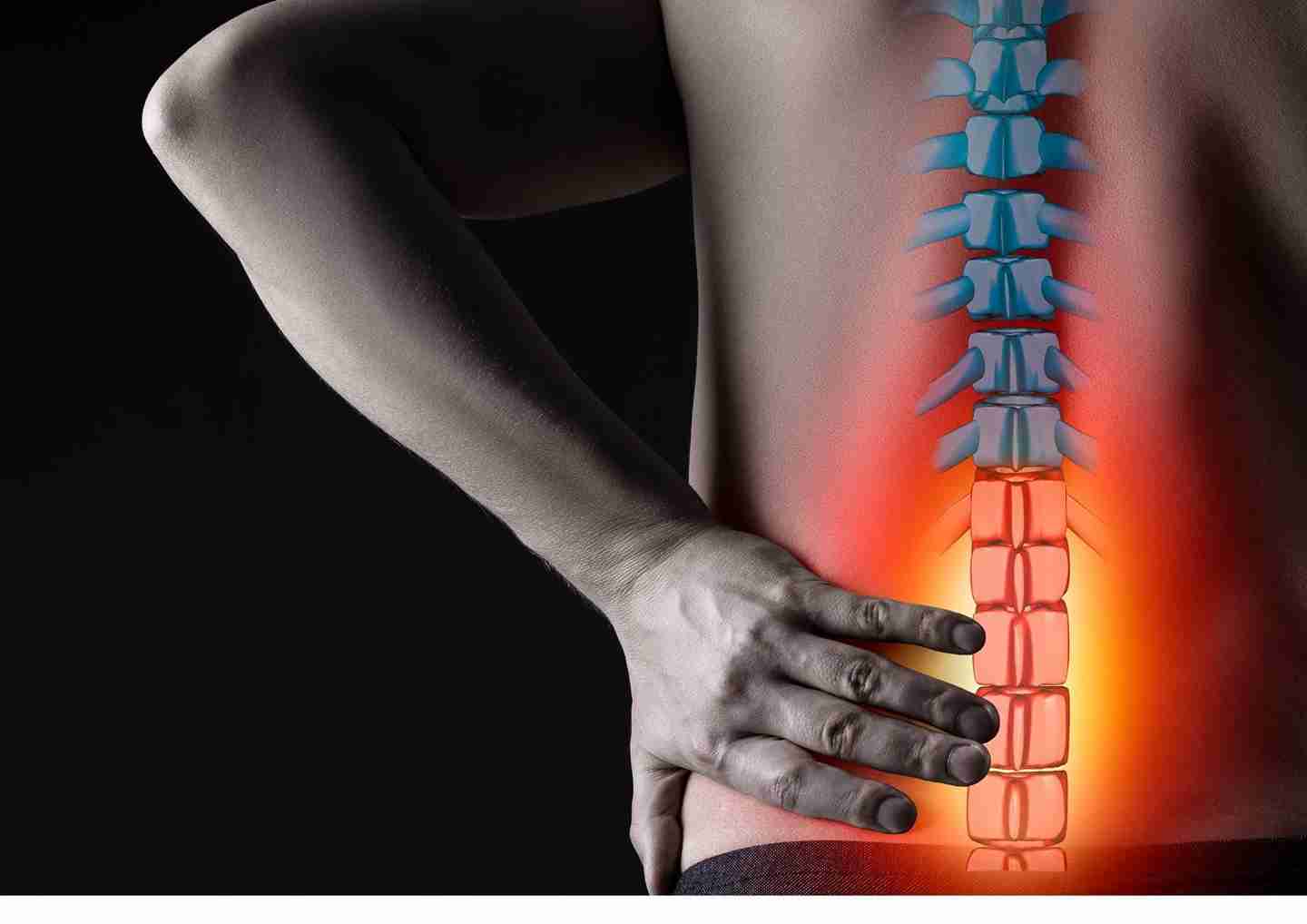
Home Physiotherapy

We understand that some conditions or injuries can make it difficult to receive rehabilitation at our clinic be it mobility or transportation issues. Our objective is to provide you with the same high-quality physiotherapy services at home that you would receive in-clinic.
Posted on

Understanding Slipped Disc: Causes, Symptoms, and Treatment Options

physiotherapy for slip disc
Back & Neck Pain, Synapse Physiotherapy

Introduction

If you are looking for physiotherapy for a slipped disc, you can come over to Synapse Physiotherapy for a comprehensive physical assessment for your condition. Our experienced physiotherapist will be able to help you get back to your peak performance. In this article, we will be discussing what slipped disc is, the associated causes and treatment strategies available.


 Slipped disc (layman’s term), is also known as a herniated disc, disc prolapse, or a ruptured disc. It refers to a condition whereby portions of an abnormal, injured or degenerated disc have protruded against an adjacent nerve tissue. Slipped disc is a common spinal condition that can cause significant pain and discomfort. The most frequently affected area is in the lower back and cervical level (neck). However, any disc can rupture and become herniated, therefore exposing the spinal nerves and spinal cord to this vulnerability.


To further understand this condition, let’s dive deeper into the anatomy as well as the mechanism of injury. Discs are protective shock absorbing pads between the vertebrae of the spine. Technically the disc does not slip like how we think it does, what actually happens is that the inner layer of the intervertebral disc may either bulge, split, or rupture. This causes the cartilage surrounding the disc to herniate and allow the central gel portion of the disc to push into the surrounding nerve tissues. Often, it may compress nearby nerves and cause symptoms such as back pain, sciatica, and weakness in the limbs. Understanding the causes, symptoms, and treatment options for slipped disc is crucial for effectively managing this condition and promoting recovery. There are certain risk factors that will further increase the likelihood of suffering from a slipped disc.

These risk factors include:

  • Ageing as it is associated with degeneration and loss of elasticity of the discs and supporting structures.
  • Injury from improper lifting, especially if accompanied by twisting or turning.
  • Excessive strain associated with physical activities.
  • Sudden forceful acute trauma.

Causes of Slip Disc:

Slipped disc can result from various factors, including:

1. Age-related Degeneration: 

The natural ageing process can lead to wear and tear of the spinal discs, causing them to lose hydration, elasticity, and structural integrity over time. This age-related degeneration increases the risk of disc herniation.

 2. Trauma or Injury:

 Sudden trauma or repetitive stress on the spine, such as heavy lifting, twisting motions, or sports-related injuries, can cause the outer layer of a spinal disc to tear or rupture, leading to disc herniation.

 3. Poor Posture: 

Maintaining poor posture, such as prolonged sitting, slouching, or improper lifting techniques, can place excessive strain on the spinal discs and increase the risk of disc herniation. 

4. Genetic Factors:

 Genetic predisposition may play a role in the development of slipped disc, as certain individuals may inherit traits that make them more susceptible to disc degeneration and herniation.

Symptoms of Slipped Disc:

The symptoms of slipped disc vary depending on the location and severity of the herniation but may include:

1. Back/Neck Pain: 

Persistent or sharp pain in the lower back or neck, often worsened by movement or prolonged sitting.

2. Radiating Pain:

 Pain that radiates down the leg (sciatica) or arm, following the path of the affected nerve root. This pain may be accompanied by numbness, tingling, or weakness in the affected limb.

3. Muscle Weakness: 

Weakness or loss of muscle function in the legs or arms, making it difficult to perform certain activities or maintain balance.

4. Nerve Compression: 

Compression of spinal nerves may lead to symptoms such as difficulty in walking, changes in bowel or bladder function, and loss of sensation in the groin. These might require medical attention. 


Treatment Options for Slip Disc:

While slipped discs can cause significant discomfort, many individuals find relief with conservative treatment measures. Common treatment options include:

1. Rest and Activity Modification: 

Resting the affected area and avoiding activities that exacerbate symptoms, such as heavy lifting or prolonged sitting, can help alleviate pain and prevent further aggravation of the herniated disc.

2. Pain Management:

 Over-the-counter or prescription medications, such as nonsteroidal anti-inflammatory drugs (NSAIDs), muscle relaxants, or pain relievers, may be used to alleviate pain and inflammation associated with slipped discs.

3. Physical Therapy:

 Physical therapy exercises and techniques, including stretching, strengthening, and core stabilisation exercises, can help improve spinal alignment, alleviate pressure on the affected disc, and strengthen supporting muscles to prevent future injury.

4. Heat and Cold Therapy: 

Applying heat or cold packs to the affected area can help reduce inflammation, alleviate pain, and promote relaxation of tense muscles. Alternating between heat and cold therapy may provide additional relief.

5. Epidural Steroid Injections: 

In cases of severe pain or inflammation, epidural steroid injections may be recommended to deliver anti-inflammatory medication directly into the affected area of the spine, providing targeted relief.

6. Chiropractic Care: 

Chiropractic adjustments and spinal manipulation techniques may help realign the spine, reduce pressure on the affected disc, and alleviate symptoms associated with slipped disc.

7. Acupuncture: 

Acupuncture, an ancient Chinese healing practice involving the insertion of thin needles into specific points on the body, may help relieve pain and improve symptoms, associated with slipped discs, by stimulating nerve function and promoting natural healing.

8. Surgery:

In rare cases where conservative treatments fail to provide relief or symptoms worsen over time, surgical intervention may be considered. Surgical options include discectomy (removal of the herniated disc) or spinal fusion (joining adjacent vertebrae to stabilise the spine). 

Prevention and Management Strategies:

While slipped disc cannot always be prevented, adopting healthy lifestyle habits and practising proper body mechanics can help reduce the risk of disc herniation.

1. Maintain a Healthy Weight:

Excess weight places added strain on the spine and increases the risk of disc degeneration and herniation. Maintain a healthy weight through regular exercise and a balanced diet rich in nutrients.

2. Practise Good Posture: 

Maintain proper posture when sitting, standing, and lifting heavy objects to reduce stress on the spine and supporting structures.

3. Exercise Regularly: 

Engage in regular physical activity to strengthen the muscles of the back, abdomen, and legs, which provide support and stability for the spine.

4. Use Proper Lifting Techniques: 

When lifting objects, bend the knees, keep the back straight, and use the legs to lift the load. Avoid twisting the spine while lifting to prevent injury.

5. Stay Hydrated: 

Drink plenty of water to maintain hydration and promote the elasticity and shock-absorbing properties of spinal discs. 

6. Quit Smoking: 

Smoking can impair blood flow to the spinal discs, leading to decreased nutrient delivery and increased risk of disc degeneration. Quitting smoking can improve spinal health and reduce the risk of slipped discs.

Frequently Asked Questions (FAQs)

1. What is a slipped disc, and what causes it?

A slipped disc, also known as a herniated disc, occurs when the soft inner gel of a spinal disc protrudes through its outer layer. This can be caused by ageing, improper lifting, repetitive motions, or trauma to the spine. Factors like obesity, sedentary lifestyle, and genetic predisposition can also increase the risk.

2. What are the common symptoms of a slipped disc?

Symptoms of a slipped disc can include severe back pain, pain radiating to the arms or legs, numbness or tingling, muscle weakness, and difficulty moving or performing daily activities. The symptoms vary depending on the location and severity of the herniation.

3. How is a slipped disc diagnosed?

A slipped disc is diagnosed through a combination of medical history, physical examination, and imaging tests such as X-rays, MRI, or CT scans. These diagnostic tools help to confirm the presence of a herniated disc and determine its exact location and severity.

4. What are the treatment options for a slipped disc?

Treatment options for a slipped disc include conservative methods such as rest, physical therapy, pain medications, and anti-inflammatory drugs. In more severe cases, epidural steroid injections or surgical interventions like discectomy or spinal fusion may be necessary. The treatment plan depends on the severity of the symptoms and the patient’s overall health.

5. Can a slipped disc be prevented?

While not all slipped discs can be prevented, certain lifestyle changes can reduce the risk. These include maintaining a healthy weight, practising good posture, engaging in regular exercise to strengthen the back and core muscles, avoiding heavy lifting, and using proper techniques when lifting objects. Additionally, quitting smoking and managing stress can contribute to overall spinal health.

Conclusion

In conclusion, slipped disc is a common spinal condition that can cause significant pain and discomfort, but with proper treatment and management strategies, many individuals can find relief and regain function. By understanding the causes, recognising the symptoms, and implementing appropriate treatment measures, individuals can take proactive steps to manage slipped disc effectively and promote spinal health and well-being.

Share This :

Back & Neck Pain

Conditions such as stiffness, postural abnormalities and muscle overuse from prolonged desk work at the office or home is more prevalent than most would think. We provide the necessary tools to fix you up and educate you on ergonomics which can unload unnecessary stress.

Sports Injuries

Rolled ankles, jarred knees, impinged shoulders are few conditions in the plethora of sports injuries which can hamper performance and limit our enjoyment of sports. Physiotherapy not only treats the symptoms of these conditions but propels your overall fitness to greater heights.

Work Desk Injuries​

Conditions such as stiffness, postural abnormalities and muscle overuse from prolonged desk work at the office or home is more prevalent than most would think. We provide the necessary tools to fix you up and educate you on ergonomics which can unload unnecessary stress.

Pre-Post-Surgical Conditions

Surgery involves going through preparation both before and after. Physiotherapists play a vital role in getting your body ready for surgeries with circulatory, breathing and strengthening exercises. After the procedure, let us be there for your recovery and rehabilitation, taking it one step at a time.

Scoliosis & Postural Abnormalities

The way we stand, sit, walk and sleep has influence over our posture and the overall balance of muscles controlling its alignment. A comprehensive screening can be done by our physiotherapists to detect abnormalities, which we will aid in correcting.

Neurological Conditions

Neurological disabilities such as stroke, nerve compression and neuropathies can be barriers for patients to live life to its fullest. We at Synapse are committed to help you overcome these hurdles by ensuring functional mobility and quality of life is at its optimum by providing the right treatment and exercises.

Osteoarthritis & Rheumatism

Joint degeneration and inflammation happens as the human body grows older, but that does not mean our way of life degenerates as well. Relief your joint pains with a joint effort together with your physiotherapist, who will provide pain-relief treatments and prescribe exercises for your wellbeing.

Conditions Relating To Elderly

Common conditions in the older age population include hips & knee pain, back & neck pain, osteoarthritis, rheumatism, fear of falling and many more.  Aging and degeneration of bodily function is inevitable, but here at Synapse, we will help you live the best of your life.

Home Physiotherapy

We understand that some conditions or injuries can make it difficult to receive rehabilitation at our clinic be it mobility or transportation issues. Our objective is to provide you with the same high-quality physiotherapy services at home that you would receive in-clinic.
Posted on

Scoliosis and Bracing Treatment I Physiotherapy Ampang

scoliosis
scoliosis
Back & Neck Pain, Scoliosis & Postural Abnormalities, Synapse Physiotherapy

Introduction 


Scoliosis presents a multifaceted spinal deformity affecting three planes: frontal curvature, horizontal axial rotation, and sagittal plane irregularities. Diagnosis typically relies on assessing the Cobb angle, with angles exceeding 10° deemed significant. Adolescent idiopathic scoliosis (AIS) specifically denotes a three-dimensional spinal abnormality appearing during puberty in otherwise healthy youngsters. While scoliosis can manifest at any age, its prevalence peaks during adolescence, typically between ages 10 and 18. As the foremost pediatric spinal deformity, scoliosis affects a considerable portion of the pediatric population worldwide, with estimates by the International Society on Scoliosis Orthopedic and Rehabilitation Treatment (SOSORT) ranging from 0.93% to 12%. Timely detection and appropriate intervention are paramount in managing scoliosis effectively. You can access assessment and treatment services for scoliosis at our Physiotherapy center.

Type of scoliosis 


Idiopathic scoliosis is diagnosed when all other potential causes are ruled out and accounts for approximately 80% of all cases. In adults over the age of 25, the prevalence of scoliosis exceeds 8%, escalating to 68% in individuals over 60 years old due to degenerative changes in the aging spine. Additionally, in the general population, the prevalence of scoliosis with a Cobb angle larger than 10 degrees is approximately 2.5%. Adolescent idiopathic scoliosis is the most common form, typically diagnosed during puberty. It is further classified into subgroups:


  1. Infantile scoliosis: Developing between 0 to 3 years of age, infantile scoliosis has a prevalence of 1%.
  2. Juvenile scoliosis: Emerging between 4 to 10 years of age, this form comprises 10-15% of all idiopathic cases in children. Left untreated, curves may lead to serious cardiopulmonary complications, with approximately 95% of patients requiring surgical intervention for curves of 30 degrees or more.
  3. Adolescent scoliosis: Manifesting between 11 to 18 years of age, this type accounts for around 90% of idiopathic cases in children.

Congenital scoliosis results from embryological malformations of one or more vertebrae and may occur at any location along the spine. These abnormalities cause curvature and other spinal deformities as one area of the spinal column grows at a slower rate than the rest. The progression of scoliosis in magnitude is influenced by the geometry and location of these abnormalities, and since they are present at birth, congenital scoliosis is typically detected at a younger age than idiopathic scoliosis.

Neuromuscular scoliosis encompasses scoliosis secondary to neurological or muscular diseases, including cerebral palsy, spinal cord trauma, muscular dystrophy, spinal muscular atrophy, and spina bifida. This type often progresses more rapidly than idiopathic scoliosis and frequently necessitates surgical intervention. Additionally, injuries and infections to the spine can also contribute to the development of scoliosis.

Sign and symptoms 

Scoliosis typically doesn’t present noticeable symptoms, but when they do occur, they may include back pain, difficulty standing upright, core muscle weakness, and leg pain, numbness, or weakness. Signs of scoliosis can manifest as uneven shoulders, protruding shoulder blades, a head that doesn’t center above the pelvis, an uneven waist, elevated hips, constant leaning to one side, uneven leg length, and changes in skin appearance or texture such as dimples, hair patches, or skin discoloration along the spine. If any of these signs are observed, it’s advisable to seek a healthcare provider for a screening. Over time, further indicators of scoliosis may become evident, such as height loss and uneven alignment of the pelvis and hips.  

Complication 

Complications stemming from untreated scoliosis can lead to various issues, including the progression of deformity(s). This progression may result in back pain, lumbar radiculopathy, cosmetic concerns, nerve damage, and in severe cases, cardiac and pulmonary restriction. Individuals with untreated scoliosis, particularly those with a curve exceeding 80 degrees in the coronal plane, may experience increased shortness of breath due to compromised lung function. 

Diagnosis

Confirmation of scoliosis typically involves various diagnostic methods, including a physical examination, x-ray imaging, spinal radiograph, CT scan, or MRI. These diagnostic tools allow healthcare providers to visualize the curvature of the spine and assess its severity. The primary method for measuring the curvature is the Cobb Method, which quantifies the angle of deviation from the normal alignment of the spine. The severity of scoliosis is diagnosed based on the number of degrees measured using the Cobb Method. This comprehensive diagnostic approach enables healthcare professionals to accurately assess and monitor scoliosis, guiding appropriate treatment strategies tailored to the individual’s needs.

Treatment

Observation 

For mild cases of scoliosis, especially in children who are still growing, observation may be the initial course of action. Regular monitoring through physical exams and X-rays allows healthcare providers to track any changes in the curvature over time. 

Role of physiotherapy 

The role of a physical therapist in scoliosis management encompasses three pivotal tasks: informing, advising, and instructing. Providing clear and comprehensive information to patients and/or parents about the individual’s specific situation is essential. This includes elucidating the nature of scoliosis, its potential progression, and available treatment options, which may include recommending braces, such as the Milwaukee brace, to prevent scoliosis from worsening. Another significant focus for physical therapists is guiding patients in performing tailored exercises suited to their condition. Numerous studies highlight the beneficial effects of exercises for individuals with idiopathic scoliosis. Moreover, physiotherapists address biopsychosocial factors, particularly in adolescents experiencing chronic low back pain, by assessing and managing additional factors such as insomnia, depression, anxiety, stress, and daytime sleepiness. Recognizing and addressing these contributing factors is crucial for comprehensive care, addressing both the physical and psychosocial aspects of the patient’s experience. 

A highly effective approach in scoliosis management is the use of physiotherapeutic scoliosis-specific exercises (PSSE). These exercises are customized for each patient based on scientific evidence and are aimed at achieving three-dimensional self-correction of posture, stabilization of corrected posture, patient education, and integration of corrective positions into daily activities. The frequency of PSSE physiotherapy varies depending on factors such as the complexity of the technique used and the patient’s ability to follow the prescribed program, typically ranging from 2 to 7 days per week. Long-term outpatient programs may occur two to four times a week if the patient is willing to cooperate. PSSE physiotherapy is typically performed by professionally trained instructors, as exercises are chosen based on the type and severity of scoliosis in each patient, and the methodology applied. 

Bracing

Bracing is often recommended for adolescents with moderate scoliosis curves (typically between 25-40 degrees) who are still growing. The brace helps prevent further curvature progression by providing external support to the spine. Bracing is usually worn for several hours each day or overnight, depending on the severity of the curvature.

When children are still experiencing growth and have moderate scoliosis, a doctor may recommend a brace. While wearing a brace won’t cure scoliosis or reverse the curve, it effectively prevents further progression. The most common type of brace is typically made of plastic and contoured to fit the body’s shape. It’s designed to be nearly invisible under clothing, fitting snugly under the arms and around the rib cage, lower back, and hips, as exemplified by the Milwaukee brace. Most braces are worn throughout the day and night, and their effectiveness increases with prolonged wear. Children who wear braces can generally participate in most activities with few restrictions and can remove the brace for sports or other physical activities if necessary. Braces are usually discontinued once the bones stop growing, which typically coincides with milestones such as girls beginning to menstruate, boys needing to shave daily, or when there are no further changes in height. However, it’s important to note that congenital scoliotic curves are often inflexible and resistant to repair with bracing. In such cases, braces are primarily used to prevent the progression of secondary curves that may develop above and below the congenital curve, thereby minimizing imbalance. Bracing may be continued until skeletal maturity in these cases.

To conclude, parents play a vital role in monitoring their children’s posture from an early age. Early prevention or timely detection of idiopathic scoliosis is crucial to prevent its progression. Seeking assessment from a qualified scoliosis practitioner ensures a thorough evaluation of your child’s condition. Synapse Physiotherapy offers comprehensive scoliosis assessment and treatment services, providing support and guidance for families in need. Don’t hesitate to reach out to us for assistance. By taking proactive steps towards early intervention, we can effectively address scoliosis and promote better spinal health for your child’s future.

Share This :

Back & Neck Pain

Conditions such as stiffness, postural abnormalities and muscle overuse from prolonged desk work at the office or home is more prevalent than most would think. We provide the necessary tools to fix you up and educate you on ergonomics which can unload unnecessary stress.

Sports Injuries

Rolled ankles, jarred knees, impinged shoulders are few conditions in the plethora of sports injuries which can hamper performance and limit our enjoyment of sports. Physiotherapy not only treats the symptoms of these conditions but propels your overall fitness to greater heights.

Work Desk Injuries​

Conditions such as stiffness, postural abnormalities and muscle overuse from prolonged desk work at the office or home is more prevalent than most would think. We provide the necessary tools to fix you up and educate you on ergonomics which can unload unnecessary stress.

Pre-Post-Surgical Conditions

Surgery involves going through preparation both before and after. Physiotherapists play a vital role in getting your body ready for surgeries with circulatory, breathing and strengthening exercises. After the procedure, let us be there for your recovery and rehabilitation, taking it one step at a time.

Scoliosis & Postural Abnormalities

The way we stand, sit, walk and sleep has influence over our posture and the overall balance of muscles controlling its alignment. A comprehensive screening can be done by our physiotherapists to detect abnormalities, which we will aid in correcting.

Neurological Conditions

Neurological disabilities such as stroke, nerve compression and neuropathies can be barriers for patients to live life to its fullest. We at Synapse are committed to help you overcome these hurdles by ensuring functional mobility and quality of life is at its optimum by providing the right treatment and exercises.

Osteoarthritis & Rheumatism

Joint degeneration and inflammation happens as the human body grows older, but that does not mean our way of life degenerates as well. Relief your joint pains with a joint effort together with your physiotherapist, who will provide pain-relief treatments and prescribe exercises for your wellbeing.

Conditions Relating To Elderly

Common conditions in the older age population include hips & knee pain, back & neck pain, osteoarthritis, rheumatism, fear of falling and many more.  Aging and degeneration of bodily function is inevitable, but here at Synapse, we will help you live the best of your life.
Home Physiotherapy

We understand that some conditions or injuries can make it difficult to receive rehabilitation at our clinic be it mobility or transportation issues. Our objective is to provide you with the same high-quality physiotherapy services at home that you would receive in-clinic.
Posted on

Ice Packs vs. Warm Compresses: Choosing the Right Therapy for Pain Relief

Back & Neck Pain, Sports Injuries, Synapse Physiotherapy, Work Desk Injuries​

Injuries are an unfortunate reality of life, whether they occur during sports activities, daily routines, or accidents. Understanding the mechanisms behind these injuries is crucial for effective treatment and prevention. Physiotherapy, as a holistic approach to rehabilitation, plays a pivotal role in restoring function, reducing pain, and enhancing quality of life for individuals affected by various types of injuries. Here at Synapse Physiotherapy, we are able to provide a holistic treatment to manage your injuries as well as educate you on how to manage your pain. 

Injuries can result from a myriad of mechanisms, each affecting the body differently. Some common mechanisms include 

Trauma

Traumatic injuries occur due to sudden force or impact on the body. This includes falls, collisions, and accidents. Trauma can lead to fractures, sprains, strains, dislocations, and soft tissue injuries.

Overuse 

Overuse injuries develop gradually over time due to repetitive motions or prolonged stress on a particular part of the body. These injuries are common in athletes and individuals engaged in repetitive work activities. Examples include tendonitis, stress fractures, and carpal tunnel syndrome.

Poor Biomechanics

Improper movement patterns or biomechanics can put undue stress on muscles, joints, and ligaments, leading to injury. Poor posture, muscle imbalances, and faulty movement patterns can contribute to conditions such as low back pain, neck pain, and joint dysfunction.

Degenerative Changes 

With age, the body undergoes natural degenerative changes, such as joint wear and tear, cartilage degeneration, and loss of muscle mass. These changes increase the risk of injuries such as osteoarthritis, degenerative disc disease, and tendon degeneration.


Physiotherapy can help in restoring movement, function, and overall well-being. It encompasses various techniques and modalities tailored to individual needs. 


Here’s how physiotherapy can help in different stages of injury 

1. Assessment and Diagnosis 

Physiotherapists conduct comprehensive assessments to identify the underlying causes and contributing factors of injuries. They use various diagnostic tools and tests to develop personalised treatment plans.

2. Pain Management 

Pain is a common symptom associated with injuries. Physiotherapy utilises modalities such as manual therapy, electrotherapy, and therapeutic exercises to alleviate pain and improve tissue healing.


3. Rehabilitation 

Physiotherapists design rehabilitation programs focusing on restoring strength, flexibility, balance, and coordination. These programs may include therapeutic exercises, functional training, and proprioceptive activities to improve movement patterns and prevent re-injuries. 


4. Manual Therapy 

Hands-on techniques such as joint mobilisation, soft tissue mobilisation, and manipulation are integral components of physiotherapy. Manual therapy helps restore joint mobility, reduce muscle tension, and improve tissue flexibility.


5. Education and Prevention 

Physiotherapists educate patients about proper body mechanics, ergonomics, and injury prevention strategies. By empowering individuals with knowledge and skills, physiotherapy helps prevent future injuries and promotes long-term health.


6. Return to Activity 

For athletes and active individuals, physiotherapy plays a crucial role in facilitating a safe return to sports and activities. Physiotherapists work closely with patients to gradually reintroduce physical activity, monitor progress, and prevent setbacks.


Understanding the mechanisms of injury is essential for effective treatment and prevention strategies. Physiotherapy, with its comprehensive approach to rehabilitation, addresses the underlying causes of injuries and promotes optimal recovery. By combining hands-on techniques, therapeutic exercises, and patient education, physiotherapy empowers individuals to regain function, manage pain, and lead active, fulfilling lives.

When it comes to managing pain, inflammation and injuries, ice packs and warm compresses are two of the most commonly used home remedies. But which one is more effective? The choice between ice and heat therapy depends on the type of injury, the stage of healing, and the individual’s preference. Let’s delve into the differences between ice packs and warm compresses and explore when each therapy is most appropriate for relieving pain.


Ice Packs

How They Work

Ice packs, typically made of gel or frozen water, work by constricting blood vessels and reducing blood flow to the affected area. This constriction helps alleviate inflammation, numb the area, and temporarily dull pain sensations. While inflammation is the body’s natural way to try to protect part of the body that has injury or infection, inflammation can also delay actual healing. A cold compress will be able to expedite healing and pain by reducing inflammation.

When to Use 

Ice therapy is particularly effective for acute injuries, such as sprains, strains, bruises, and acute inflammation. Applying ice within the first 48 hours of injury helps minimise swelling, bruising, and pain. It’s also beneficial after intense physical activity to soothe sore muscles and prevent inflammation. 

Application

Place a cloth-covered ice pack on the affected area for 10 to 20 minutes at a time, allowing the skin to return to normal temperature between applications. Avoid applying ice directly to the skin to prevent ice burn and use caution with individuals who have circulatory issues or sensory impairments. 

Top benefits of icing

Applying ice to an injury restricts blood flow to the area, this can result in slowing or stopping the bleeding, reducing swelling and inflammation, preventing or limiting bruising, and providing some pain relief. All these can help an individual to recover from a surgery, soothe injured muscles, joints and tissues, or after a rehab session at the gym and for general pain relief.


Warm Compresses

How They Work

Warm compresses, typically moist heat packs or warm towels, work by increasing blood flow and promoting relaxation of muscles and tissues. The heat helps soothe stiffness, alleviate muscle tension, and improve flexibility, leading to pain relief and enhanced mobility. The increased blood circulation to tissues will ease muscle and tendon soreness and accelerate the healing process by delivering nutrients to the injured area.

When to Use

Warm compresses are best suited for chronic conditions. They can also be beneficial for promoting relaxation and relieving all sorts of cramps. Heat therapy is most effective once inflammation has subsided, typically 48 hours after injury or during the recovery phase. Some of the conditions that can use a warm compress are muscle spasms and aches, muscle injury, neck stiffness, upper and lower back pain, stiff, tender or swollen joints, tension headaches, sinus congestion, and menstrual cramps. 

When not to use

Although warm compress has a wide range of benefits, there are some situations where you should not use it.


  • When swelling or inflammation is present, because heat will increase blood flow to the area and make the inflammation worse.
  • For acute injuries because heat can slow healing.
  • When injuries feel warm to the touch because it might indicate an infection.
  • Deep vein thrombosis is a contraindication as heat will increase swelling or force the dislodgement of a blood clot.
  • Open wounds or wounds that are still bleeding.
  • Skin conditions like eczema and psoriasis.
  • Immediately after vigorous exercise.
  • Medical conditions like diabetes as skin sensation may be reduced. 

Application

 Apply a warm compress to the affected area for 15 to 20 minutes at a time, repeating as needed throughout the day. Be cautious not to overheat the compress to avoid burns, and use a barrier such as a cloth or towel between the skin and the heat source to prevent skin damage. 

Choosing the Right Therapy

For acute injuries with swelling, inflammation, and pain, ice therapy is recommended within the first 48 hours to reduce swelling and numb pain. For chronic conditions characterised by stiffness, muscle tension, and ongoing pain, warm compresses provide soothing relief and promote muscle relaxation. 

Personal Preference

 Some individuals may prefer the sensation of cold therapy, while others find warmth more comforting. Experiment with both ice packs and warm compresses to determine which therapy works best for you. 

Combination Therapy

In some cases, alternating between ice packs and warm compresses, known as contrast therapy, can provide additional benefits by promoting circulation, reducing muscle spasms, and enhancing tissue healing. However, consult with a healthcare professional before implementing contrast therapy, especially if you have underlying health conditions or concerns.

In conclusion, ice packs and warm compresses are valuable tools in managing pain and inflammation, each offering unique benefits depending on the type of injury and individual preferences. Whether soothing acute injuries with ice therapy or relieving chronic conditions with warmth, incorporating these simple home remedies into your pain management routine can greatly contribute to improved comfort, mobility, and overall well-being. 

Tags :

Share This :

Back & Neck Pain

Conditions such as stiffness, postural abnormalities and muscle overuse from prolonged desk work at the office or home is more prevalent than most would think. We provide the necessary tools to fix you up and educate you on ergonomics which can unload unnecessary stress.

Sports Injuries

Rolled ankles, jarred knees, impinged shoulders are few conditions in the plethora of sports injuries which can hamper performance and limit our enjoyment of sports. Physiotherapy not only treats the symptoms of these conditions but propels your overall fitness to greater heights.

Work Desk Injuries​

Conditions such as stiffness, postural abnormalities and muscle overuse from prolonged desk work at the office or home is more prevalent than most would think. We provide the necessary tools to fix you up and educate you on ergonomics which can unload unnecessary stress.

Pre-Post-Surgical Conditions

Surgery involves going through preparation both before and after. Physiotherapists play a vital role in getting your body ready for surgeries with circulatory, breathing and strengthening exercises. After the procedure, let us be there for your recovery and rehabilitation, taking it one step at a time.

Scoliosis & Postural Abnormalities

The way we stand, sit, walk and sleep has influence over our posture and the overall balance of muscles controlling its alignment. A comprehensive screening can be done by our physiotherapists to detect abnormalities, which we will aid in correcting.

Neurological Conditions

Neurological disabilities such as stroke, nerve compression and neuropathies can be barriers for patients to live life to its fullest. We at Synapse are committed to help you overcome these hurdles by ensuring functional mobility and quality of life is at its optimum by providing the right treatment and exercises.

Osteoarthritis & Rheumatism

Joint degeneration and inflammation happens as the human body grows older, but that does not mean our way of life degenerates as well. Relief your joint pains with a joint effort together with your physiotherapist, who will provide pain-relief treatments and prescribe exercises for your wellbeing.

Conditions Relating To Elderly

Common conditions in the older age population include hips & knee pain, back & neck pain, osteoarthritis, rheumatism, fear of falling and many more.  Aging and degeneration of bodily function is inevitable, but here at Synapse, we will help you live the best of your life.

Home Physiotherapy

We understand that some conditions or injuries can make it difficult to receive rehabilitation at our clinic be it mobility or transportation issues. Our objective is to provide you with the same high-quality physiotherapy services at home that you would receive in-clinic.