Synapse Physiotherapy | Physio Center | Rehab Malaysia
Choosing between home physiotherapy and a clinic visit depends on your condition, lifestyle, mobility, treatment goals, and personal preferences. Both can offer professional assessment, exercise therapy, manual therapy, education, and rehabilitation. However, where treatment takes place can change your experience and the kind of rehabilitation that is practical.
If you are unsure whether to book a physiotherapist at home or attend a clinic, understanding the advantages of each helps you decide.
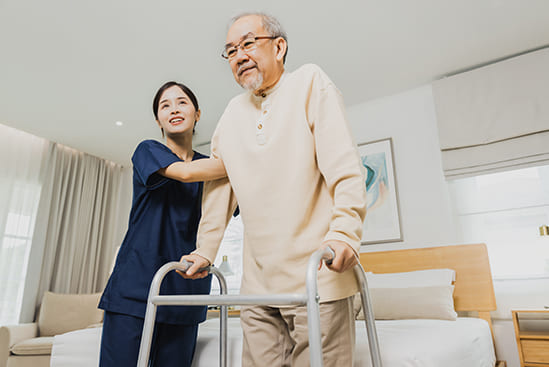
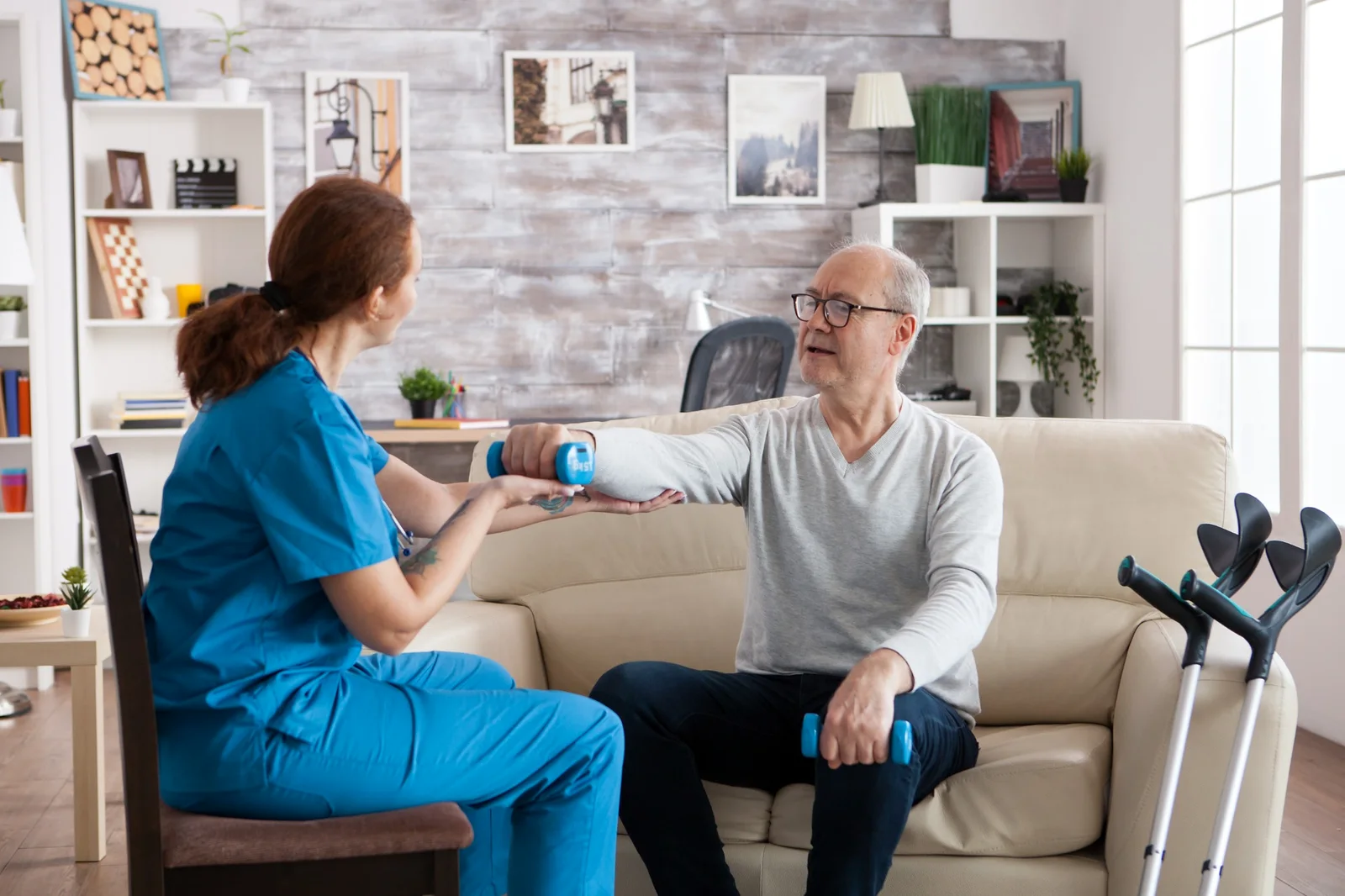
Home physiotherapy means a physiotherapist travels to your home to assess and treat you, so you receive rehabilitation in your own environment. It can be useful if you find travel difficult because of pain, reduced mobility, recent surgery, disability, age, or a busy schedule. It also helps when the physiotherapist needs to see how your home affects your movement and daily activities.
Treatment may include therapeutic exercises, mobility training, strengthening, balance exercises, education, manual therapy, and advice on modifying daily activities. At Synapse, you can ask which services can be delivered at home.
The biggest advantage is convenience. If getting to a clinic is a barrier, having a physiotherapist come to you removes it. Home physiotherapy may suit you:
Treatment also takes place where you live your life. A physiotherapist can watch how you move around your bedroom, bathroom, stairs, and kitchen, and spot practical problems a clinic assessment might miss. The NHS falls guidance highlights home safety and strength and balance exercise for reducing falls.
A clinic may suit you if you can travel comfortably and your rehabilitation would benefit from specialised equipment or a dedicated exercise area. Clinics typically offer more space and equipment, such as resistance machines, free weights, treadmills, stationary bicycles, treatment tables, and balance equipment.
This is especially useful for sports rehabilitation. Someone recovering from a knee injury who wants to return to running may eventually need heavier resistance exercises, jumping drills, balance training, and running work. Athletes recovering from muscle strains or ligament injuries may also benefit from the extra equipment.
Your ability to travel is one of the simplest factors. If you struggle to walk, cannot drive comfortably, need help getting into a car, or become very tired when travelling, home physiotherapy may be more practical. If you can travel comfortably and your mobility is not significantly restricted, a clinic gives access to a wider range of equipment.
The key question is not just whether you can travel, but whether the effort of getting there affects the quality of your rehabilitation.
If your main goal is improving mobility around your home, home physiotherapy is particularly valuable. Someone recovering from surgery may need to practise getting out of bed, walking to the bathroom, climbing stairs, or moving safely around the kitchen. If your goal is returning to demanding physical activity, a clinic may offer more opportunities for progressive training, such as strength work, running drills, and plyometrics.
However, home physiotherapy is not only for people with severe mobility limits. A physiotherapist can still provide strengthening and exercise-based rehabilitation at home using resistance bands, bodyweight exercises, household objects, and portable equipment.
A clinic appointment can take far longer than the treatment itself once travel, parking, and waiting are included, which is hard with demanding work or family duties. Home physiotherapy removes that travel. Consider the space at home too, since some exercises need floor space, stable surfaces, or equipment. Your physiotherapist can usually modify exercises to suit your environment.
Prices vary with the provider, location, treatment length, and services. Home visits may cost more than clinic appointments because the physiotherapist spends extra time travelling. However, weigh this against convenience. A home visit may be worthwhile if it saves transport costs, parking, and time, while a clinic may offer better value through more equipment and space. Choose the option that best meets your needs rather than going on price alone.
You can combine both approaches. Someone might begin with home physiotherapy straight after surgery, then move to a clinic for advanced strengthening and functional training as mobility improves. Alternatively, a physiotherapist may carry out one home assessment to find daily-activity problems while most treatment happens in the clinic. You can explore the physiotherapy services available at Synapse.
Before choosing a service, consider asking:
These questions help you choose based on your rehabilitation needs rather than convenience alone.
It can be, depending on your condition and goals. Exercise-based rehabilitation can be delivered well at home, while advanced equipment-based training is easier in a clinic.
People with difficulty travelling, such as those recovering from surgery, older adults with reduced balance, and those with significant weakness or neurological conditions.
It may cost more because of the physiotherapist’s travel time, so compare the total cost including transport and parking.
Yes. Many people start at home and move to a clinic as their mobility and goals progress.
Resistance bands, bodyweight exercises, household objects, and portable equipment are commonly used.
Neither option is better for everyone. Home physiotherapy suits you when travel is difficult, convenience matters, or rehabilitation should focus on activities at home. Clinic visits suit you when you need specialised equipment, more space, or progressive training for higher-level activity. If you are unsure which setting fits, book a consultation with Synapse to discuss your condition and goals before deciding.
Tags :




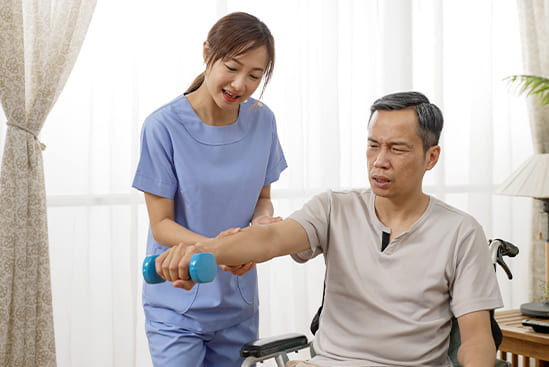
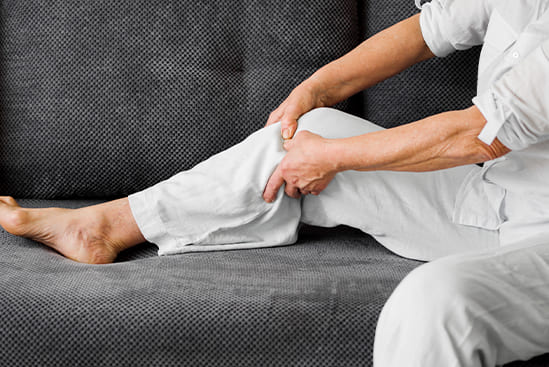
Joint degeneration and inflammation happens as the human body grows older, but that does not mean our way of life degenerates as well. Relief your joint pains with a joint effort together with your physiotherapist, who will provide pain-relief treatments and prescribe exercises for your wellbeing.

Common conditions in the older age population include hips & knee pain, back & neck pain, osteoarthritis, rheumatism, fear of falling and many more. Aging and degeneration of bodily function is inevitable, but here at Synapse, we will help you live the best of your life.