Posted on

Relieve Knee/Hip/Shoulder Pain I Physiotherapy Malaysia

Relieve Knee/Hip/Shoulder Pain I Physiotherapy Malaysia
Synapse Physiotherapy

Introduction

Joint pain refers to discomfort affecting one or more of your body’s joints. A joint is the point where the ends of two or more bones meet, such as the hip joint where the thigh bone connects to the pelvis. This type of discomfort is commonly experienced in the shoulders, hips, or knees. The pain can be constant or intermittent, and joints may feel stiff, achy, or sore. Some individuals report a burning, throbbing, or “grating” sensation. Often, joints feel stiff in the morning but improve with movement and activity, although excessive activity might exacerbate the pain. Joint pain can impair joint function and limit your ability to perform everyday tasks, severely affecting your quality of life. Treatment should aim not only at alleviating pain but also at enabling you to resume daily activities and live life to the fullest. When experiencing this type of pain, you may seek help from physiotherapy in Malaysia to receive treatment. Physiotherapy plays an important role in managing and treating knee, hip, and shoulder pain.

Knee pain 

Causes 

Knee pain can result from various types of injuries, including strains, sprains, ligament tears (such as ACL injuries), cartilage tears, or fractures. These injuries might occur from improper landing, falls, twisting the knee, or impact injuries like being hit on the knee. Swelling around the injured area is the primary source of pain.

Factors such as aging, being overweight, and engaging in intense, repetitive exercise can also contribute to knee pain.As you age, the bones and joints in your hips, knees, and feet begin to degenerate, becoming weaker. This degeneration can lead to knee pain, swelling, and injury. Being obese places additional pressure on the knees, which can result in swelling and pain.

Overuse injuries, often caused by activities like running, jumping, or other exercises that put repeated pressure on the knee, can develop over time. This condition is sometimes referred to as “runner’s knee.” Patellar tendinitis involves inflammation of the tendon connecting the kneecap to the shinbone. Tendons are tough bands of tissue that connect muscles to bones, and overexertion can lead to their inflammation and soreness. This condition, also known as “jumper’s knee,” is frequently caused by repetitive jumping activities, such as in basketball. IT (iliotibial) band syndrome occurs when the iliotibial band, a tough tissue running from the hip to the outer knee, becomes inflamed due to excessive activity. This causes pain on the outer side of the knee and is common among runners, particularly when running downhill. Then, osteoarthritis, also known as the “wear and tear” type of arthritis, breaks down the cartilage in the knee. It is a leading cause of knee pain in people over 50. This condition causes the knee joint to ache or swell during activity, and the affected joints can also be stiff in the morning.

Symptoms 

You may experience knee pain, especially when bending or straightening the knee, such as when going down the stairs.Swelling, difficulty bearing weight on the knee, and trouble moving the knee are also common. Additionally, you might encounter knee buckling or “locking.”

Treatments 

Cryotherapy, also known as cold therapy, involves the local or general application of low temperatures in medical treatment. It is used to treat various types of tissue damage, medically referred to as lesions.

Hydrotherapy, also known as hydropathy or water cure, uses water for pain relief and treatment. Its therapeutic purpose is to stimulate blood circulation and alleviate disease symptoms.

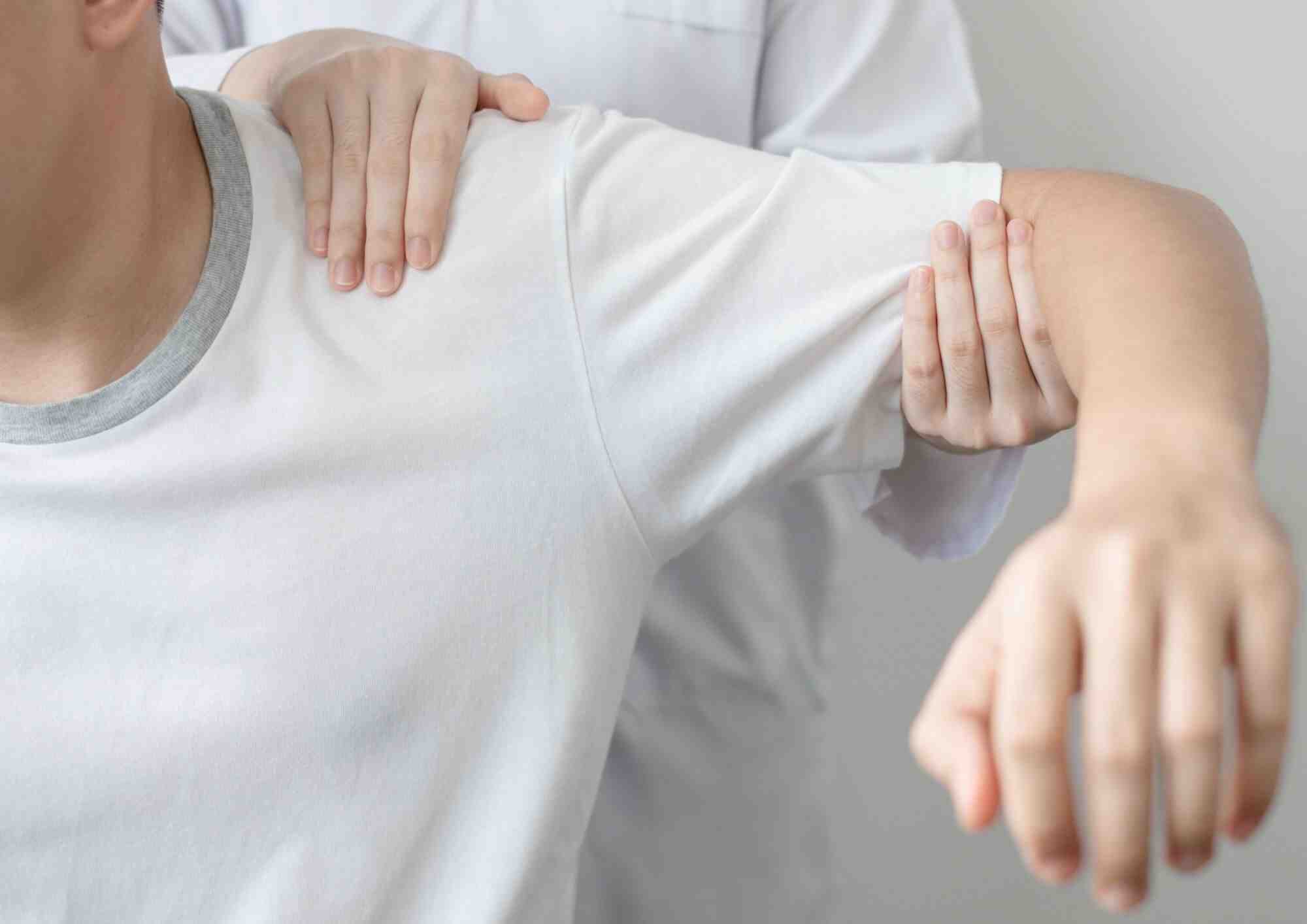
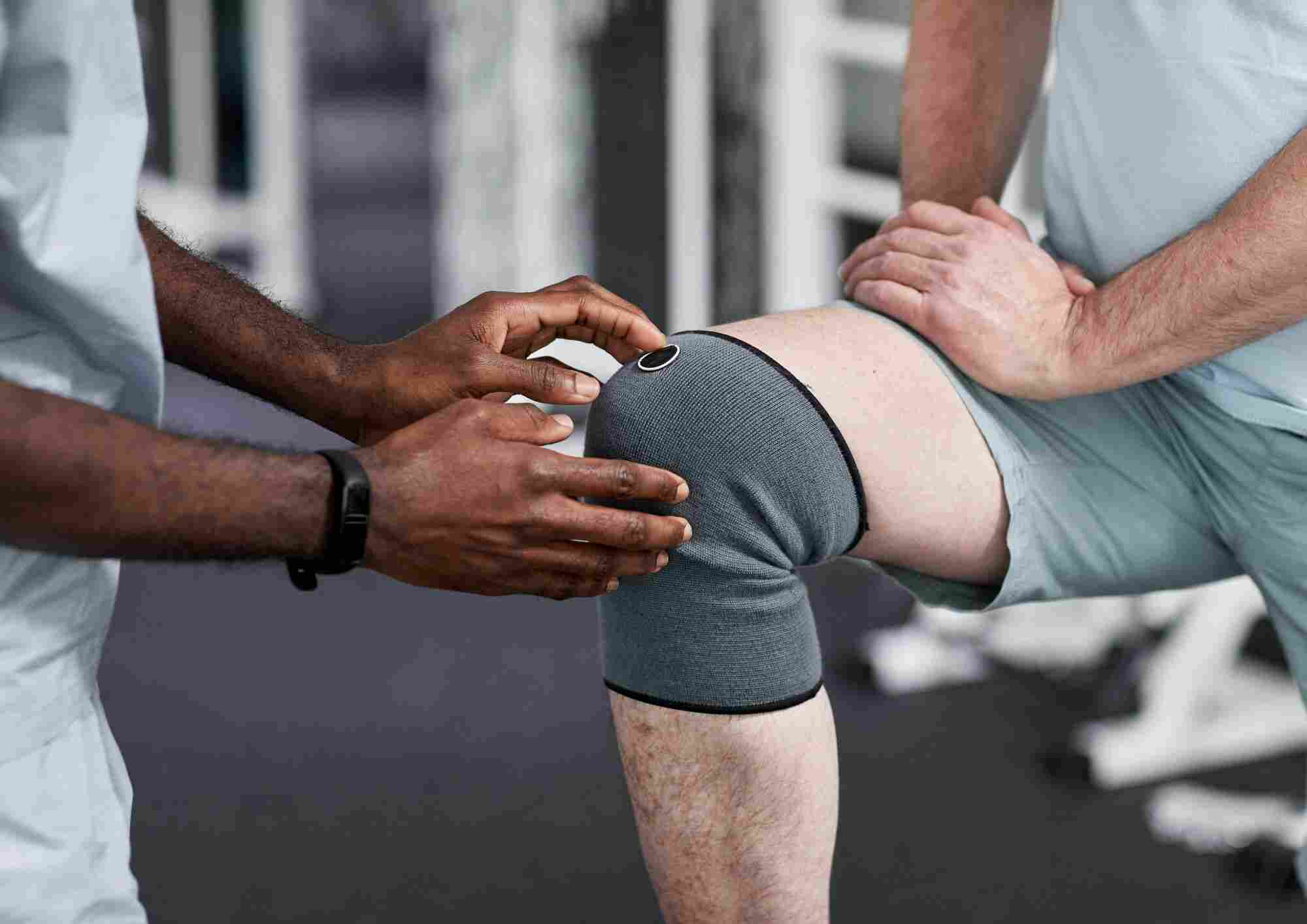
Manual therapy is a physical treatment provided by a physiotherapist. It focuses on treating musculoskeletal pain and disability through techniques such as kneading and manipulating muscles and joints to improve mobility.

Electrotherapy uses electrical energy as a medical treatment. It is applied in physical therapy to relax muscle spasms, prevent and slow disuse atrophy, increase local blood circulation, and aid in muscle rehabilitation and education through electrical muscle stimulation. Electrotherapy is also effective in managing acute post-traumatic and post-surgical pain, stimulating muscles immediately after surgery to prevent venous thrombosis, promoting wound healing, and aiding in drug delivery. Common forms of electrotherapy include TENS, IFT, and UST.

Exercise therapy is a regimen of physical activities designed and prescribed to achieve specific therapeutic goals, primarily aimed at restoring normal musculoskeletal function. This treatment helps reduce pain from injury or disease through neuro-education, gait training, and therapeutic exercises. It includes various physical activities such as quadriceps strengthening, VMO (vastus medialis oblique) exercises, muscle strengthening, resistance exercises, and assistive exercises.

Hip Pain 

Causes

Hip pain can result from a variety of conditions, including arthritis, hip injuries such as fractures, labral tears, and dislocations, as well as bursitis and structural issues. Athletes who engage in activities involving extensive hip movements, like dancers and gymnasts, are particularly susceptible to hip injuries and the associated pain.

Arthritis, a common cause of hip pain, leads to inflammation and discomfort in the joints, resulting in symptoms such as pain, swelling, and stiffness. Types of arthritis that can affect the hips include osteoarthritis, rheumatoid arthritis, and ankylosing spondylitis.

Bursitis, characterised by painful swelling of the bursa—a fluid-filled sac that cushions bones and other tissues—can also cause hip pain. Irritation and swelling of the hip bursa, known as hip bursitis, commonly occur in two forms: iliopectineal bursitis and trochanteric bursitis.

Hip injuries, often caused by repetitive strain, sports-related activities, or traumatic incidents like falls or accidents, can result in significant hip pain. Common injuries associated with hip pain include muscle strains (especially hip flexor strains), iliotibial band syndrome, hip labral tears, bone fractures, and hip dislocations.

Some individuals are born with structural abnormalities affecting the shape of their hips, which can lead to hip pain either in childhood or later in life. These conditions include femoroacetabular impingement (FAI or hip impingement) and developmental dysplasia of the hip (DDH).

Overall, the causes of hip pain are diverse and can affect people of all ages, from athletes to those with congenital conditions, impacting their daily activities and quality of life.

Symptoms 

Hip pain can manifest in several ways. It may be felt close to the surface, above or around your hip, which typically indicates issues with muscles, tendons, or ligaments. Alternatively, deeper pain inside the hip joint suggests problems with bones or cartilage. Sometimes, hip pain can radiate to other areas such as your lower back or groin.

The pain may be intermittent, worsening with movement or activity like walking but improving with rest. Some individuals experience variations in pain throughout the day, possibly feeling more discomfort in the morning upon waking. Hip pain at night is also common, particularly if lying on the same side as the affected hip.

Treatments 

Physiotherapy treatments for hip pain are diverse and tailored to the specific cause of the discomfort. These treatments often include hydrotherapy, which involves exercises and activities performed in the water to alleviate pain and enhance mobility. Massage therapy is also utilised to manually manipulate muscles around the hip, reducing tension and improving circulation for healing. Core stability exercises are crucial for strengthening the muscles surrounding the abdomen, lower back, and pelvis to bolster stability and support for the hip joint. Taping techniques can be applied to provide support, alleviate pain, and promote proper movement patterns. Personalised exercise programs are designed to enhance strength, flexibility, and range of motion in the hip joint. Additionally, electrotherapy (such as TENS and ultrasound therapy) which utilizes electrical energy for pain relief, muscle relaxation, and stimulation, is often employed to manage hip pain effectively. These comprehensive physiotherapy approaches aim to reduce pain, improve hip function, and enhance overall quality of life for individuals suffering from hip discomfort.

Shoulder pain 

Causes 

Shoulder problems can be categorized into four main types, each with its own distinct characteristics and causes. First, tendon issues such as bursitis or tendinitis are common, affecting the small fluid-filled sacs (bursae) that cushion joints like the shoulder. These conditions can cause inflammation and pain, particularly with overhead activities. Tendon tears, either partial or complete, often result from acute injuries or degenerative changes due to aging or overuse, affecting tendons like those of the rotator cuff or biceps.

Shoulder impingement occurs when the acromion (top of the shoulder blade) compresses the rotator cuff tendons and bursa during arm movements, leading to bursitis and tendinitis. This can cause significant pain and limit movement. Instability of the shoulder joint can result from acute injuries, causing the upper arm bone to partially (subluxation) or completely (dislocation) come out of the socket. Chronic instability can lead to recurrent dislocations, increasing the risk of arthritis and causing pain and unsteadiness with arm movements.

Less common causes of shoulder pain include tumors, infections, and nerve-related issues. Arthritis, especially osteoarthritis, is a prevalent cause of shoulder pain, typically developing with age and characterized by pain and stiffness that worsen over time. Avoiding shoulder movements to ease arthritis pain can lead to further stiffness and reduced mobility, exacerbating discomfort.

Symptoms

Shoulder pain can manifest in various ways depending on its underlying cause. Whether in motion or at rest, common symptoms include weakness, aching or throbbing sensations, stiffness, soreness, and popping sounds. Severe shoulder pain typically resulting from an injury may present with sudden onset, sharp stabbing pain, and a limited ability to move the arm. Other signs of severe shoulder pain include swelling, bruising, persistent pain that worsens over time, and discomfort that disrupts sleep or wakes you up at night.

Treatments 

Physiotherapy for shoulder pain involves a comprehensive range of treatments aimed at alleviating pain, restoring mobility, and improving the function of the shoulder joint. A typical physiotherapy regimen includes manual therapy techniques such as joint mobilisations to improve range of motion and soft tissue mobilisations to reduce muscle tension. Strengthening exercises target the muscles around the shoulder, including the rotator cuff and scapular stabilizers, while stretching exercises enhance flexibility and reduce stiffness. Modalities such as heat or cold therapy, and electrotherapy like TENS or ultrasound, are used to manage pain and inflammation. Physiotherapists also provide education on posture correction, activity modification, and home exercise programs to empower patients in managing their shoulder pain effectively. Using a combination of these approaches, physiotherapy aims to optimize shoulder function, decrease pain, and improve the overall quality of life for individuals suffering from shoulder pain.

Frequently Asked Questions (FAQs)

1. Can physiotherapy provide a permanent solution to joint pain?

While physiotherapy can significantly reduce joint pain and improve function, the permanency of results can vary depending on the underlying cause. For some chronic conditions, ongoing treatment may be necessary to maintain benefits.

2. How long does it typically take to see improvements from physiotherapy for joint pain?

Improvements can be seen as early as a few sessions, but it typically takes several weeks of consistent treatment to achieve significant pain relief and functional improvement. The exact duration depends on the severity and nature of the condition.

3. Do I need a referral from a doctor to see a physiotherapist for my joint pain?

In Malaysia, you do not typically need a referral from a doctor to consult a physiotherapist. However, having a referral can be helpful as it provides the therapist with valuable information about your medical history and the specifics of your condition.

4. What causes pain in the knees, hips, and shoulders?

Pain in these joints can be caused by a variety of factors including injuries, arthritis, repetitive stress, overuse, and age-related wear and tear. Specific conditions like bursitis, tendonitis, and mechanical issues also contribute to joint pain.

5. How can physiotherapy help relieve pain in the knee, hip, and shoulder?

Physiotherapy helps by using techniques such as manual therapy, exercises, and modalities like ultrasound or electrical stimulation. These methods improve mobility, strengthen muscles around the joints, reduce inflammation, and alleviate pain.

Conclusion

In conclusion, physiotherapy stands out as one of the most effective conservative treatments for various joint pain problems. Using a combination of manual therapy, exercise programs, and therapeutic modalities, physiotherapy aims to alleviate pain, improve joint function, and enhance overall quality of life. Physiotherapy also provides personalized care for conditions like shoulder, back, or knee pain, addressing the root cause and promoting long-term healing. For those seeking relief from joint pain, exploring physiotherapy, Synapse Physiotherapy can provide a comprehensive and tailored approach to recovery.

Share This :

Back & Neck Pain

Conditions such as stiffness, postural abnormalities and muscle overuse from prolonged desk work at the office or home is more prevalent than most would think. We provide the necessary tools to fix you up and educate you on ergonomics which can unload unnecessary stress.

Sports Injuries

Rolled ankles, jarred knees, impinged shoulders are few conditions in the plethora of sports injuries which can hamper performance and limit our enjoyment of sports. Physiotherapy not only treats the symptoms of these conditions but propels your overall fitness to greater heights.

Work Desk Injuries​

Conditions such as stiffness, postural abnormalities and muscle overuse from prolonged desk work at the office or home is more prevalent than most would think. We provide the necessary tools to fix you up and educate you on ergonomics which can unload unnecessary stress.

Pre-Post-Surgical Conditions

Surgery involves going through preparation both before and after. Physiotherapists play a vital role in getting your body ready for surgeries with circulatory, breathing and strengthening exercises. After the procedure, let us be there for your recovery and rehabilitation, taking it one step at a time.

Scoliosis & Postural Abnormalities

The way we stand, sit, walk and sleep has influence over our posture and the overall balance of muscles controlling its alignment. A comprehensive screening can be done by our physiotherapists to detect abnormalities, which we will aid in correcting.

Neurological Conditions

Neurological disabilities such as stroke, nerve compression and neuropathies can be barriers for patients to live life to its fullest. We at Synapse are committed to help you overcome these hurdles by ensuring functional mobility and quality of life is at its optimum by providing the right treatment and exercises.

Osteoarthritis & Rheumatism

Joint degeneration and inflammation happens as the human body grows older, but that does not mean our way of life degenerates as well. Relief your joint pains with a joint effort together with your physiotherapist, who will provide pain-relief treatments and prescribe exercises for your wellbeing.

Conditions Relating To Elderly

Common conditions in the older age population include hips & knee pain, back & neck pain, osteoarthritis, rheumatism, fear of falling and many more.  Aging and degeneration of bodily function is inevitable, but here at Synapse, we will help you live the best of your life.


Home Physiotherapy

We understand that some conditions or injuries can make it difficult to receive rehabilitation at our clinic be it mobility or transportation issues. Our objective is to provide you with the same high-quality physiotherapy services at home that you would receive in-clinic.
Posted on

Treating Deconditioning in Elderly | Physiotheraphy Near Me

physiotheraphy near me
Conditions Relating To Elderly, Synapse Physiotherapy

Introduction

As individuals age, maintaining optimal health and mobility becomes increasingly challenging. Deconditioning, characterised by a decline in physical function and muscle strength, is a common consequence of ageing. It is a complex process of physiological change following a period of inactivity, bedrest or sedentary lifestyle. This phenomenon not only diminishes quality of life but also predisposes the elderly to a range of health issues, including falls and fractures. It also results in functional losses in such areas like mental status, degree of continence, and ability to accomplish activities of daily living.

 The most predictable effects of deconditioning can be seen in the musculoskeletal system that includes diminished muscle mass, decrease in muscle strength, muscle shortening, changes in the cartilaginous joint structure and limited mobility. These effects are closely linked to falls, functional decline, increased frailty and immobility.

Fortunately, a multifaceted approach combining physiotherapy, nutrition, medical management and psychological support can help in rejuvenating the health and vitality of elderly individuals experiencing deconditioning. 

Understanding Deconditioning in the Elderly:

Deconditioning refers to the physiological changes that occur when the body experiences a reduction in physical activity and muscle use over time. In the elderly population, factors such as sedentary lifestyles, chronic illness, and age-related muscle loss (sarcopenia) contribute to this decline. As muscle strength, balance, and endurance diminish, individuals become more susceptible to functional limitations and mobility impairments, ultimately compromising their independence and well-being.

 Physiotherapy Interventions:

Physiotherapy plays a pivotal role in addressing deconditioning in the elderly by focusing on improving physical function, mobility, and overall quality of life. Key physiotherapy interventions include:

Strength Training:

Progressive resistance exercises tailored to the individual’s abilities can help rebuild muscle strength and endurance. Resistance bands, free weights, and bodyweight exercises are commonly utilised to target major muscle groups.

Balance and Coordination Exercises: 

Balance training exercises, such as standing on one leg or walking heel-to-toe, can enhance stability and reduce the risk of falls. Coordination drills and functional movements help improve motor skills and promote independence in daily activities.

Flexibility and Range of Motion: 

Gentle stretching exercises help maintain or improve flexibility, preventing stiffness and enhancing joint mobility. Physiotherapists employ techniques such as static stretching, dynamic stretching, and proprioceptive neuromuscular facilitation (PNF) to optimise range of motion. 

Gait Training: 

Walking retraining programs focus on correcting abnormal gait patterns and improving walking endurance. Assistive devices such as canes or walkers may be recommended to support safe ambulation.

Nutritional Support: 

Proper nutrition is a cornerstone of healthy ageing and can significantly impact physical function and recovery from deconditioning. Key nutritional considerations for elderly individuals undergoing physiotherapy include:

Protein Intake: 

Adequate protein consumption is essential for maintaining muscle mass and promoting muscle repair and growth. Lean sources of protein such as poultry, fish, eggs, legumes, and dairy products should be included in the diet.

Micronutrient Supplementation: 

Certain vitamins and minerals, including vitamin D, calcium, and magnesium, play critical roles in bone health, muscle function, and overall vitality. Supplementation may be recommended to address deficiencies and support optimal nutritional status.

Hydration: 

Proper hydration is essential for maintaining muscle function, joint lubrication, and overall well-being. Elderly individuals may be at increased risk of dehydration due to decreased thirst sensation, so it’s important to encourage regular fluid intake throughout the day.

Balanced Diet: 

A well-rounded diet rich in fruits, vegetables, whole grains, and healthy fats provides essential nutrients and antioxidants to support overall health and vitality. Nutrient-dense foods help fuel physical activity and promote recovery from deconditioning.

Frequently Asked Questions (FAQs)

1. What is deconditioning, and why is it common in the elderly?

Deconditioning refers to the loss of physical fitness and strength due to inactivity or prolonged bed rest. It is common in the elderly due to factors such as chronic illnesses, hospitalisation, and sedentary lifestyles, which can lead to muscle weakness, reduced cardiovascular fitness, and overall decline in physical function.

2. How can physiotherapy help treat deconditioning in the elderly?

Physiotherapy can help treat deconditioning by providing tailored exercise programs that improve strength, flexibility, balance, and cardiovascular health. Physiotherapists also offer mobility training, pain management techniques, and functional exercises to enhance the elderly’s ability to perform daily activities safely and independently.

3. What role does nutrition play in addressing deconditioning in the elderly?

Nutrition plays a crucial role in addressing deconditioning by ensuring the elderly receive adequate nutrients to support muscle repair, energy levels, and overall health. A balanced diet rich in protein, vitamins, and minerals can help maintain muscle mass, improve energy, and boost the immune system, aiding in the recovery process.

4. What specific exercises are recommended for elderly individuals experiencing deconditioning?

Specific exercises for elderly individuals experiencing deconditioning include low-impact aerobic activities, resistance training, balance exercises, and flexibility stretches. Examples are walking, seated leg lifts, gentle yoga, and resistance band exercises. A physiotherapist can design a personalised exercise program based on individual needs and abilities.

5. How can caregivers support elderly individuals in their journey to overcome deconditioning?

Caregivers can support elderly individuals by encouraging regular physical activity, assisting with exercise routines, ensuring a nutritious diet, and creating a safe environment for exercise. Additionally, caregivers can monitor progress, provide emotional support, and facilitate communication with healthcare professionals to ensure comprehensive care.

Conclusion

The combination of physiotherapy and nutrition offers a synergistic approach to addressing deconditioning in the elderly, promoting functional independence, and enhancing quality of life. Reconditioning is a long process that may be overwhelming to the patient and caregivers, therefore a specific treatment plan must be established to meet the unique needs of each individual. 


Through targeted exercise programs, physiotherapists can help rebuild strength, improve balance, and restore mobility, enabling elderly individuals to regain confidence in their ability to perform daily activities. Concurrently, optimal nutrition supports the body’s physiological processes, providing essential nutrients for muscle repair, bone health, and overall vitality. By integrating these two pillars of health promotion, healthcare professionals can empower elderly individuals to age gracefully and maintain an active and fulfilling lifestyle for years to come.

Share This :

Back & Neck Pain

Conditions such as stiffness, postural abnormalities and muscle overuse from prolonged desk work at the office or home is more prevalent than most would think. We provide the necessary tools to fix you up and educate you on ergonomics which can unload unnecessary stress.

Sports Injuries

Rolled ankles, jarred knees, impinged shoulders are few conditions in the plethora of sports injuries which can hamper performance and limit our enjoyment of sports. Physiotherapy not only treats the symptoms of these conditions but propels your overall fitness to greater heights.

Work Desk Injuries​

Conditions such as stiffness, postural abnormalities and muscle overuse from prolonged desk work at the office or home is more prevalent than most would think. We provide the necessary tools to fix you up and educate you on ergonomics which can unload unnecessary stress.

Pre-Post-Surgical Conditions

Surgery involves going through preparation both before and after. Physiotherapists play a vital role in getting your body ready for surgeries with circulatory, breathing and strengthening exercises. After the procedure, let us be there for your recovery and rehabilitation, taking it one step at a time.

Scoliosis & Postural Abnormalities

The way we stand, sit, walk and sleep has influence over our posture and the overall balance of muscles controlling its alignment. A comprehensive screening can be done by our physiotherapists to detect abnormalities, which we will aid in correcting.

Neurological Conditions

Neurological disabilities such as stroke, nerve compression and neuropathies can be barriers for patients to live life to its fullest. We at Synapse are committed to help you overcome these hurdles by ensuring functional mobility and quality of life is at its optimum by providing the right treatment and exercises.

Osteoarthritis & Rheumatism

Joint degeneration and inflammation happens as the human body grows older, but that does not mean our way of life degenerates as well. Relief your joint pains with a joint effort together with your physiotherapist, who will provide pain-relief treatments and prescribe exercises for your wellbeing.

Conditions Relating To Elderly

Common conditions in the older age population include hips & knee pain, back & neck pain, osteoarthritis, rheumatism, fear of falling and many more.  Aging and degeneration of bodily function is inevitable, but here at Synapse, we will help you live the best of your life.
Home Physiotherapy

We understand that some conditions or injuries can make it difficult to receive rehabilitation at our clinic be it mobility or transportation issues. Our objective is to provide you with the same high-quality physiotherapy services at home that you would receive in-clinic.
Posted on

Synapse Physiotherapy Petaling Jaya: Low Back Pain Relief

Synapse Physiotherapy Petaling Jaya: Low Back Pain Relief
Back & Neck Pain, Synapse Physiotherapy

Introduction

Low back pain (LBP) is the fifth most common reason people visit doctors, affecting 60-80% of people at some point in their lives. Up to 23% of adults suffer from chronic LBP, with a recurrence rate of 24% to 80% within a year. Lifetime prevalence can be as high as 84%. LBP is defined as pain below the rib cage and above the legs. The most common type is “non-specific low back pain,” which has no identifiable cause. LBP is classified by duration: acute (less than 6 weeks), sub-acute (6-12 weeks), and chronic (more than 12 weeks). Chronic LBP, lasting over three months, accounts for over 80% of healthcare costs related to back pain. Nearly a third of people with acute LBP will have moderate pain a year later.


Physiotherapy is one of the best conservative treatments for low back pain. It offers various therapeutic techniques that can help alleviate pain, improve mobility, and strengthen the muscles supporting the spine. If you are experiencing low back pain, seeking help from a nearby physiotherapy center can be highly beneficial. To find a physiotherapy center in your area, you can use search engines and type in queries such as “physiotherapy Petaling Jaya” if you are located in Petaling Jaya. This will help you locate nearby physiotherapy clinics where you can receive the appropriate treatment and care. Regular sessions with a qualified physiotherapist can significantly contribute to your recovery and overall well-being.

Causes 

Low back pain can result from various injuries, conditions, and diseases. Strains and sprains are the most common causes, often occurring from lifting heavy objects improperly or sudden movements like sneezing or bending. Fractures in the spine can happen due to accidents or conditions like osteoporosis. Disk problems, such as bulging or herniated disks, can press on nerves, while degenerative disk disease results from aging. Structural issues like spinal stenosis and scoliosis can cause significant pain and mobility problems. Arthritis, particularly osteoarthritis and ankylosing spondylitis, leads to inflammation and stiffness in the spine. Diseases like tumors, infections, kidney stones, and abdominal aortic aneurysms can also cause back pain. Spondylolisthesis, where vertebrae slip out of place, is another source of lower back pain.

Risk Factors 

Lower back pain is influenced by several risk factors. Age is a significant factor, as people over 30 are more prone to back pain due to the natural wear and tear of the spinal disks, leading to pain and stiffness. Weight also plays a crucial role; individuals who are overweight or obese are more likely to experience back pain because the excess weight puts additional pressure on their joints and disks. Overall health is important too; weak abdominal muscles can’t adequately support the spine, leading to strains, while smoking, excessive alcohol consumption, and a sedentary lifestyle further increase the risk. Occupation and lifestyle factors are also relevant, as jobs or activities that require heavy lifting or frequent bending can lead to back injuries. Structural problems, such as scoliosis, which alter the spine’s alignment, can cause severe back pain. Additionally, a family history of osteoarthritis, certain cancers, and other diseases can increase the risk of developing low back pain. Finally, mental health conditions like depression and anxiety can contribute to back pain.

Signs and symptoms 

Symptoms of lower back pain can develop suddenly or gradually and may be triggered by specific events like bending the back to lift something, or they might occur without an obvious cause. The pain can vary from sharp to dull and achy, sometimes radiating to the buttocks or down the legs (sciatica). A “pop” sound might be heard if the back is strained during an activity. Pain often worsens in certain positions, such as bending over, and improves when lying down. Other symptoms include stiffness, making it difficult to move or straighten the back, especially when getting up from a seated position, and a decreased range of motion. People with back pain may struggle to stand up straight, resulting in a “crooked” or bent posture, with the lower back appearing flat instead of curved. Muscle spasms are also common, causing severe pain and making it difficult to stand, walk, or move.

Ways to prevent 

Improving physical condition and learning proper body mechanics can help prevent back pain. To keep the back healthy and strong, regular exercise is essential. Engage in low-impact aerobic activities like walking, bicycling, or swimming to enhance strength and endurance without straining the back. Consult with a physiotherapist to determine the best activities for you. Building muscle strength and flexibility, particularly through abdominal and back exercises, is also crucial as it helps condition the core muscles to support the back. Maintaining a healthy weight is important since being overweight strains back muscles. Quitting smoking can reduce the risk of low back pain, with the risk decreasing as the number of cigarettes smoked per day decreases.


To avoid movements that twist or strain the back, use the body properly:

  • Stand smart: Avoid slouching and maintain a neutral pelvic position. When standing for long periods, place one foot on a low footstool, alternating feet to reduce stress on the lower back.
  • Sit smart: Choose a seat with good lower back support, armrests, and a swivel base. Use a pillow or rolled towel in the small of the back to maintain its natural curve. Keep knees and hips level and change positions frequently, at least every half-hour.
  • Lift smart: Avoid heavy lifting when possible. If lifting is necessary, use your legs to do the work by keeping your back straight, bending only at the knees, and holding the load close to your body. Avoid twisting and find a lifting partner if the object is heavy or awkward.

Physiotherapy treatments 

Physiotherapy treatments for low back pain encompass a diverse array of techniques aimed at reducing pain, enhancing mobility, and strengthening the muscles that support the spine. One of the key components is electrotherapy, which includes the use of interferential current (IFC). IFC employs low-frequency electrical currents to alleviate pain and reduce inflammation, providing relief from discomfort. Additionally, hot and cold packs are commonly used; hot packs help relax muscles and increase blood flow, promoting healing, while cold packs reduce inflammation and numb sharp pain, which can be particularly beneficial after acute injuries.


Ultrasound therapy is another valuable tool in physiotherapy. It uses sound waves to penetrate deep into tissues, reducing pain and inflammation and promoting tissue healing. This can be especially effective for chronic low back pain conditions.


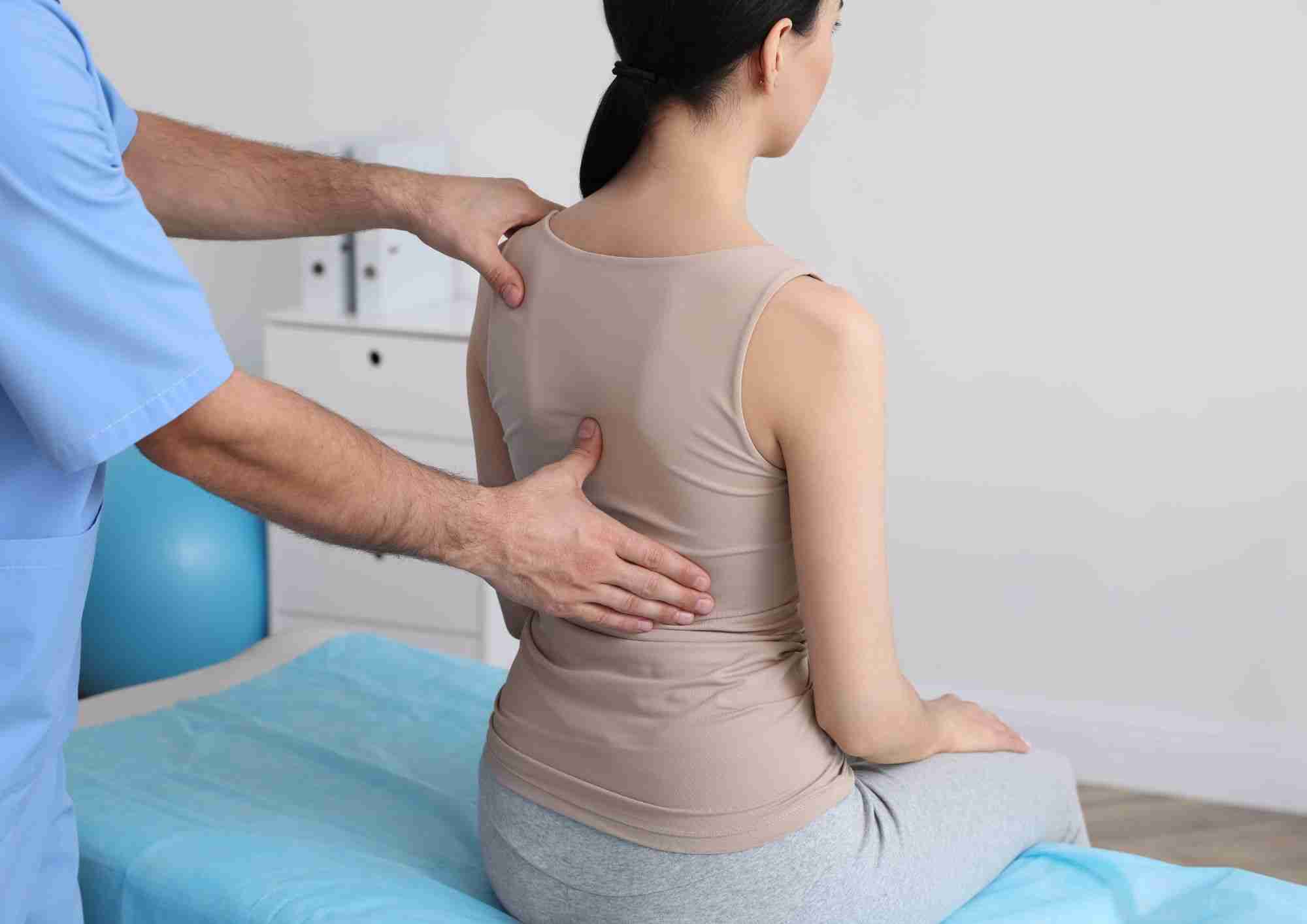
Manual therapy is a hands-on approach that includes joint mobilization, which involves gentle, controlled movements to improve joint function and reduce pain. Myofascial release targets the fascia (connective tissue) to release tension and improve mobility. This technique is particularly useful for addressing muscle tightness and restricted movement.


For individuals with radiating pain, nerve mobilization techniques are employed to improve nerve function and reduce symptoms. These techniques involve specific movements and stretches that help mobilize the nerves, alleviating pain and discomfort that radiates from the lower back to other parts of the body.


Exercise therapy is a crucial component of physiotherapy for low back pain. Core stabilizing exercises are designed to strengthen the core muscles, providing better support and stability for the spine and helping to prevent further injuries. Stretching exercises are essential for reducing muscle tightness, especially in muscles that have become shortened due to poor posture. These exercises improve flexibility and help correct posture-related issues.


Strengthening exercises for the lower limbs, including the glutes, hamstrings, and quadriceps, are important for overall lower back support. Strong lower limb muscles help distribute the load more evenly and reduce strain on the lower back. Mobility exercises for the pelvic and lumbar regions are designed to enhance flexibility and reduce stiffness, promoting better movement and function in these areas.


Beyond these core treatments, physiotherapists may also incorporate education on proper body mechanics and posture correction to prevent future episodes of low back pain. Ergonomic advice for everyday activities and work environment can also be provided to minimize strain on the back. Additionally, therapeutic exercises can be tailored to individual needs, ensuring a personalized approach to recovery and long-term management of low back pain.


Overall, the comprehensive nature of physiotherapy, combining various techniques and individualized care, makes it a highly effective approach for managing and treating low back pain.

Frequently Asked Questions (FAQs)

Low back pain can result from various injuries, conditions, and diseases, including strains and sprains from improper lifting or sudden movements, fractures, disk problems like bulging or herniated disks, degenerative disk disease, structural issues like spinal stenosis and scoliosis, arthritis, tumors, infections, and lifestyle factors such as obesity and smoking. Identifying the underlying cause is crucial for effective treatment.

Physiotherapy offers a diverse array of techniques aimed at reducing pain, enhancing mobility, and strengthening the muscles supporting the spine. These techniques include electrotherapy, hot and cold packs, ultrasound therapy, manual therapy, nerve mobilization, exercise therapy, and education on proper body mechanics and posture correction. By addressing the root causes of pain and promoting healing, physiotherapy can effectively manage and treat low back pain.

Exercise therapy is a crucial component of physiotherapy for low back pain. Core stabilizing exercises, stretching exercises to reduce muscle tightness, strengthening exercises for the lower limbs, and mobility exercises for the pelvic and lumbar regions are all beneficial. These exercises help strengthen muscles, improve flexibility, correct posture-related issues, and enhance overall lower back support.

Adopting healthy lifestyle habits can help prevent low back pain. Regular exercise, particularly low-impact aerobic activities like walking, bicycling, or swimming, helps strengthen muscles and improve flexibility. Maintaining a healthy weight reduces strain on the back, while quitting smoking decreases the risk of back pain. Practicing proper body mechanics when standing, sitting, and lifting heavy objects also helps prevent back injuries.

Seeking physiotherapy treatments for low back pain can significantly enhance recovery and alleviate discomfort. Physiotherapy offers tailored treatments that address the root causes of pain, promote healing, and strengthen the muscles supporting the spine. By opting for professional physiotherapy services, individuals can achieve better long-term outcomes, maintain a healthier, pain-free lifestyle, and prevent future episodes of low back pain.

Conclusion

In conclusion, seeking physiotherapy treatments when experiencing low back pain can significantly enhance recovery and alleviate discomfort. Physiotherapy offers a range of tailored treatments, including electrotherapy, manual therapy, and exercise therapy, all designed to reduce pain, improve mobility, and strengthen the muscles supporting the spine. Synapse Physiotherapy, for example, provides personalized treatment plans that cater to the specific needs of each patient, ensuring effective and comprehensive care. By opting for professional physiotherapy services, individuals can achieve better long-term outcomes and maintain a healthier, pain-free lifestyle.

Produced by MYSense

Share This :

Back & Neck Pain

Conditions such as stiffness, postural abnormalities and muscle overuse from prolonged desk work at the office or home is more prevalent than most would think. We provide the necessary tools to fix you up and educate you on ergonomics which can unload unnecessary stress.

Sports Injuries

Rolled ankles, jarred knees, impinged shoulders are few conditions in the plethora of sports injuries which can hamper performance and limit our enjoyment of sports. Physiotherapy not only treats the symptoms of these conditions but propels your overall fitness to greater heights.

Work Desk Injuries​

Conditions such as stiffness, postural abnormalities and muscle overuse from prolonged desk work at the office or home is more prevalent than most would think. We provide the necessary tools to fix you up and educate you on ergonomics which can unload unnecessary stress.

Pre-Post-Surgical Conditions

Surgery involves going through preparation both before and after. Physiotherapists play a vital role in getting your body ready for surgeries with circulatory, breathing and strengthening exercises. After the procedure, let us be there for your recovery and rehabilitation, taking it one step at a time.

Scoliosis & Postural Abnormalities

The way we stand, sit, walk and sleep has influence over our posture and the overall balance of muscles controlling its alignment. A comprehensive screening can be done by our physiotherapists to detect abnormalities, which we will aid in correcting.

Neurological Conditions

Neurological disabilities such as stroke, nerve compression and neuropathies can be barriers for patients to live life to its fullest. We at Synapse are committed to help you overcome these hurdles by ensuring functional mobility and quality of life is at its optimum by providing the right treatment and exercises.

Osteoarthritis & Rheumatism

Joint degeneration and inflammation happens as the human body grows older, but that does not mean our way of life degenerates as well. Relief your joint pains with a joint effort together with your physiotherapist, who will provide pain-relief treatments and prescribe exercises for your wellbeing.

Conditions Relating To Elderly

Common conditions in the older age population include hips & knee pain, back & neck pain, osteoarthritis, rheumatism, fear of falling and many more.  Aging and degeneration of bodily function is inevitable, but here at Synapse, we will help you live the best of your life.

Home Physiotherapy

We understand that some conditions or injuries can make it difficult to receive rehabilitation at our clinic be it mobility or transportation issues. Our objective is to provide you with the same high-quality physiotherapy services at home that you would receive in-clinic.
Posted on

Common Conditions Treated by Physiotherapists

Synapse Physiotherapy

Introduction

Physiotherapy, also known as physical therapy, is a healthcare profession dedicated to the assessment, diagnosis, treatment, and prevention of physical dysfunction and pain. It is a branch of rehabilitative healthcare where trained and licensed medical professionals use specially designed equipment and exercise regimens to treat abnormal physical functions and provide appropriate treatment. The best physiotherapy treatments should be holistic, considering various factors that could influence the patient’s condition and pain.

Physiotherapists, or physical therapists, play a crucial role in enhancing patients’ mobility, strength, and overall well-being. They employ a variety of techniques and exercises to treat a wide range of conditions. The list of diseases treated by physical therapy includes neurological disorders, genetic, or musculoskeletal disorders, as well as sports injuries or even common issues like dizziness.

Ideall, physiotherapists work in tandem with other medical professionals or they can offer physiotherapy as a standalone treatment. However, when it complements other treatments, your doctor will refer you to a physiotherapist for preventative care, restorative therapy, or pain management. People of all ages can improve their health through physical therapy, which can treat a wide range of conditions.

Here are some of the most common conditions treated by physiotherapists:

 1. Musculoskeletal Disorders

Musculoskeletal disorders involve the muscles, bones, and joints. Physiotherapists commonly treat conditions such as:


Back Pain: This is one of the most frequent complaints. Physiotherapy can help alleviate pain through exercises, manual therapy, and education on proper posture and body mechanics.


Neck Pain: Similar to back pain, neck pain can be managed through targeted exercises, manual therapy, and ergonomic advice.


Arthritis: Physiotherapists help manage arthritis symptoms by improving joint mobility, increasing strength, and reducing pain through tailored exercise programs.


Sports Injuries: Conditions like sprains, strains, and ligament injuries are treated with rehabilitation programs that focus on restoring function and preventing re-injury.


Lymphedema: Excess fluids accumulate in the lymphatic system and move into the bloodstream, causing swelling. Physical therapists use complete decongestive therapy (CDT) to reduce swelling and prevent future fluid buildup.


Muscle Dystrophy: Muscles and skeleton degenerate and get progressively weakened due to age or various disorders. This can be treated with mobility exercises and the use of supportive frames. 


Limited range of motion (ROM): Too much stress due to the overuse of some parts of your body causes swelling or tenderness in those areas. Range of motion can become restricted. However, physical therapy can help restore it.


Carpal Tunnel Syndrome: Activities like sitting at a computer all day, cooking, kneading dough, and playing the guitar can lead to repetitive stress injuries. However, wrist injuries and pain can be alleviated by changing your posture and performing stretches and exercises.

2. Neurological Conditions

Neurological conditions affect the nervous system and can significantly impact mobility and function. Physiotherapists commonly manage:

Stroke: Rehabilitation post-stroke focuses on improving movement, balance, and coordination to help patients regain independence.


Multiple Sclerosis (MS): Physiotherapy can help manage symptoms like muscle weakness, spasticity, and balance issues.


Parkinson’s Disease: Treatment includes exercises to improve mobility, balance, and coordination, as well as strategies to manage tremors and rigidity.


Vertigo: Dizziness or lightheadedness is a general and frequent complaint of many people, leading to dangerous falls. Since physical therapy improves balance, vertigo can be treated.


Chronic Fatigue Syndrome: This complex disorder causes debilitating tiredness that cannot be improved with rest. Physical therapists, together with doctors, formulate a treatment plan with endurance training tasks.


Huntington’s disease: Both voluntary and involuntary movements get affected by Huntington’s disease. Spasms, slurred speech, and unsteady gait are some of the common symptoms, which can be treated with physical therapy.


3. Cardiorespiratory Conditions

Cardiorespiratory physiotherapy involves the treatment of conditions affecting the heart and lungs. Common conditions include:


Chronic Obstructive Pulmonary Disease (COPD): Physiotherapists use techniques to improve lung function, manage breathlessness, and enhance overall physical fitness.


Asthma: Education on breathing techniques and exercises can help manage symptoms and improve respiratory function.


Post-Heart Attack Rehabilitation: This involves exercises and education to improve cardiovascular health and prevent future heart issues.


4. Post-Surgical Rehabilitation

After surgery, physiotherapy is essential to ensure proper healing and restore function. Common post-surgical conditions treated include:


Joint Replacements: Physiotherapy helps patients regain mobility and strength after hip, knee, or shoulder replacements.


Spinal Surgery: Rehabilitation focuses on restoring movement, reducing pain, and improving spinal stability.


Fractures: A simple fall can lead to broken bones and as a result, your movement and independence will be affected. Depending on the severity of your pain and the fracture location, treatment will be prescribed. Post-operative physiotherapy is crucial for restoring function and strength after bone fractures.

5. Pediatric Conditions

Children with physical disabilities or developmental delays often benefit from physiotherapy. Common pediatric conditions that are treated by physiotherapists include:


Cerebral Palsy: Physiotherapy aims to improve mobility, strength, and coordination in children with cerebral palsy.


Developmental Delays: Early intervention with physiotherapy can help children achieve developmental milestones.


Congenital Disorders: Conditions like spina bifida or muscular dystrophy require ongoing physiotherapy to manage symptoms and improve quality of life.


6. Geriatric Conditions

Older adults often face a range of physical challenges. Physiotherapy can help manage:


Osteoporosis: Thin and brittle, sponge-like bones have many holes inside them, causing them to break. Also, disabling fractures can be prevented with timely therapy. Exercises are prescribed to help improve bone density and balance, thereby reducing the risk of fractures.


Falls Prevention: Physiotherapists plan programs designed to help improve strength, balance, and coordination so that falls are prevented. 


General Mobility Issues: Physiotherapists help older adults maintain or improve their functional independence.

7. Women’s Health Issues

Physiotherapists also specialise in treating conditions specific to women, including:


Pregnancy-Related Pain:  Managing back pain, pelvic pain, and other musculoskeletal issues during and after pregnancy. 


Pelvic Floor Dysfunction: Treatment for incontinence, prolapse, and other pelvic floor issues through specialised exercises and manual therapy.

Frequently Asked Questions (FAQs)

1. What conditions do physiotherapists commonly treat?

Physiotherapists commonly treat conditions such as back pain, neck pain, sports injuries, arthritis, and post-surgical rehabilitation conditions (eg. fractures).

2. How can physiotherapy help with chronic pain?

Physiotherapy can help manage chronic pain through targeted exercises, manual therapy, and education on pain management techniques to improve function and quality of life.

3. Can physiotherapy assist in recovery from surgery?

Yes, physiotherapy is crucial in post-surgical recovery. It helps restore movement, reduce pain, and improve strength and flexibility through tailored rehabilitation programs.

4. Is physiotherapy effective for sports injuries?

Physiotherapy is highly effective for sports injuries. It helps in the immediate treatment of injuries, promotes faster recovery, and works on preventing future injuries through strength and conditioning exercises.

5. Do physiotherapists treat neurological conditions?

Yes, physiotherapists treat neurological conditions such as stroke, Parkinson’s disease, and multiple sclerosis. They focus on improving mobility, balance, and overall function to enhance the patient’s quality of life.

Conclusion

Physiotherapists play a vital role in the healthcare system, offering treatments that enhance patients’ quality of life by restoring movement and function. Whether it be dealing with acute injuries, chronic conditions, post-surgical recovery, or age-related issues, physiotherapy provides a holistic approach to health and wellness. By addressing the root causes of physical problems and promoting active recovery, physiotherapists help individuals of all ages achieve their optimal level of physical function.

Share This :

Back & Neck Pain

Conditions such as stiffness, postural abnormalities and muscle overuse from prolonged desk work at the office or home is more prevalent than most would think. We provide the necessary tools to fix you up and educate you on ergonomics which can unload unnecessary stress.

Sports Injuries

Rolled ankles, jarred knees, impinged shoulders are few conditions in the plethora of sports injuries which can hamper performance and limit our enjoyment of sports. Physiotherapy not only treats the symptoms of these conditions but propels your overall fitness to greater heights.

Work Desk Injuries​

Conditions such as stiffness, postural abnormalities and muscle overuse from prolonged desk work at the office or home is more prevalent than most would think. We provide the necessary tools to fix you up and educate you on ergonomics which can unload unnecessary stress.

Pre-Post-Surgical Conditions

Surgery involves going through preparation both before and after. Physiotherapists play a vital role in getting your body ready for surgeries with circulatory, breathing and strengthening exercises. After the procedure, let us be there for your recovery and rehabilitation, taking it one step at a time.

Scoliosis & Postural Abnormalities

The way we stand, sit, walk and sleep has influence over our posture and the overall balance of muscles controlling its alignment. A comprehensive screening can be done by our physiotherapists to detect abnormalities, which we will aid in correcting.

Neurological Conditions

Neurological disabilities such as stroke, nerve compression and neuropathies can be barriers for patients to live life to its fullest. We at Synapse are committed to help you overcome these hurdles by ensuring functional mobility and quality of life is at its optimum by providing the right treatment and exercises.

Osteoarthritis & Rheumatism

Joint degeneration and inflammation happens as the human body grows older, but that does not mean our way of life degenerates as well. Relief your joint pains with a joint effort together with your physiotherapist, who will provide pain-relief treatments and prescribe exercises for your wellbeing.

Conditions Relating To Elderly

Common conditions in the older age population include hips & knee pain, back & neck pain, osteoarthritis, rheumatism, fear of falling and many more.  Aging and degeneration of bodily function is inevitable, but here at Synapse, we will help you live the best of your life.
Home Physiotherapy

We understand that some conditions or injuries can make it difficult to receive rehabilitation at our clinic be it mobility or transportation issues. Our objective is to provide you with the same high-quality physiotherapy services at home that you would receive in-clinic.
Posted on

Myth and Facts about Posture and Pain I Physio Near Me

Myth and Facts about Posture and Pain I Physio Near Me
Back & Neck Pain, Synapse Physiotherapy

The Myths and Facts About Posture and Pain: A Physiotherapy Perspective

In the realm of health and wellness, posture and its relationship to pain is a topic that has garnered significant attention and debate. While many commonly held beliefs about posture and pain have persisted for years, recent research and clinical practice have started to dispel some of these myths. As physiotherapists, it is crucial to understand and communicate the facts to our patients, helping them navigate through misconceptions and adopt effective strategies for managing pain.

At Synapse Physiotherapy, we are committed to helping you with any posture and pain concerns that you may have. Just search for physio near me and you will be able to find the nearest Synapse Physiotherapy clinic to you.

Myth 1: Perfect Posture Prevents Pain

Fact: There is no single “perfect” posture that suits everyone. The idea that maintaining a rigid, idealised posture can prevent all types of pain is overly simplistic. While certain postures may contribute to discomfort, the key is to understand that posture is highly individualistic. What works for one person might not work for another. Flexibility and variability in movement are often more beneficial than maintaining a static, “perfect” posture.

There are still some general guidelines for finding a comfortable and supportive posture, like keeping your screen at eye level, not leaning forward and keeping your feet flat on the ground while sitting. However sometimes you may find that you need to adjust things like elevating your hips more to work with certain curvature of your body.  Finding a comfortable position is highly individualistic and not a one size fits all solution. 

Myth 2: Bad Posture Is the Main Cause of Back Pain 

Fact: Back pain is a complex issue influenced by multiple factors, including physical, psychological, and social aspects. While poor posture can contribute to back pain, it is rarely the sole cause. Bad posture is a result of pain elsewhere in the body. For example, pain in your feet will affect the way you walk and stand , which will affect your posture and could eventually lead to back pain. 

Other factors such as stress, lack of physical activity, and even genetic predispositions can play significant roles. Effective treatment often involves a holistic approach that addresses these various contributing factors.

Myth 3: Sitting Is the New Smoking

Fact: While prolonged sitting is associated with health risks, equating it to smoking is an exaggeration. The primary concern with sitting is not the act itself but the lack of movement it often represents. Any body part that stays still too long will become increasingly rigid, and the back is no different. What you should be doing is moving around more.

Regular breaks, standing, and varying positions throughout the day can mitigate the risks associated with prolonged sitting. Encouraging patients to integrate more movement into their daily routines is more beneficial than simply demonising sitting. Posture is not the sort of thing that we can develop or alter in a day. Like so much of our physical health, good or bad posture is something that develops gradually over time. 

Myth 4: Pain Equals Damage

Fact: Pain is not always a direct indicator of tissue damage. It is a complex experience influenced by various factors, including emotional and psychological states. Patients with chronic pain may experience significant discomfort without any apparent physical damage. Educating patients about the multifaceted nature of pain can help them manage their symptoms more effectively and reduce fear-avoidance behaviours.

Myth 5: Ergonomic Equipment Will Fix Posture Problems

Fact: While ergonomic equipment can support better posture and reduce strain, it is not a cure-all. Yes, it’s annoying that your office chairs are a little uncomfortable and that your screen is lower than you like, however solely blaming your workspace for your bad posture is a pointless endeavour. Simply investing in an ergonomic chair or desk does not guarantee an end to posture-related pain.

The effectiveness of ergonomic interventions largely depends on how they are used. Encouraging patients to stay active, adjust their positions regularly, and engage in exercises that strengthen supporting muscles is crucial for long-term benefits.Ultimately, your posture should be comfortable , not effortful.

 Effective Strategies for Managing Posture and Pain

  1. Promote Movement Variety: Encourage patients to incorporate a variety of movements and positions into their daily routines. This prevents the muscles from becoming overstrained in one particular posture. 
  2. Strengthening and Flexibility Exercises: Develop tailored exercise programs that focus on strengthening core muscles and improving flexibility. This can help support better posture and reduce the risk of pain.
  3. Education on Pain Perception: Educate patients about the complex nature of pain and its various influencing factors. Understanding that pain does not always mean damage can help reduce anxiety and improve pain management.
  4. Holistic Approach: Address all aspects of a patient’s life that may contribute to pain, including psychological and social factors. Incorporate stress management techniques, ergonomic advice, and lifestyle modifications.
  5. Regular Breaks and Adjustments: Advise patients to take regular breaks from static positions, whether sitting or standing. Simple stretches and changes in position can significantly reduce discomfort.
  6. Patient Empowerment: Empower patients with knowledge and tools to manage their own posture and pain effectively. Encourage them to listen to their bodies and make adjustments as needed.

Frequently Asked Questions (FAQs)

1. Does poor posture always cause pain?

Not necessarily. While poor posture can contribute to pain over time, it is not always the direct cause. Pain can result from various factors including muscle imbalances, injuries, and lifestyle habits.

2. Can improving my posture eliminate my pain?

Improving posture can help alleviate pain, but it may not completely eliminate it if there are other underlying issues. A comprehensive approach including exercises and lifestyle changes is often necessary.

3. Are ergonomic chairs and desks effective in preventing pain?

Ergonomic furniture can help reduce strain and promote better posture, potentially preventing pain. However, it’s also important to take regular breaks and move frequently throughout the day.

4. Is standing better than sitting for my posture?

Standing can be better than prolonged sitting, but it’s important to maintain good posture while standing and to alternate between sitting and standing throughout the day to avoid strain.

5. Does slouching always lead to long-term issues?

Slouching occasionally is unlikely to cause long-term issues, but consistently poor posture can lead to muscle imbalances and discomfort over time. Awareness and correction are key.

Conclusion

Understanding the myths and facts about posture and pain is essential for effective physiotherapy practice. By dispelling common misconceptions and focusing on evidence-based strategies, physiotherapists can provide better care and help patients achieve long-term relief from pain. Emphasising movement variety, patient education, and a holistic approach are key components in managing posture-related issues and improving overall well-being.

Share This :

Back & Neck Pain

Conditions such as stiffness, postural abnormalities and muscle overuse from prolonged desk work at the office or home is more prevalent than most would think. We provide the necessary tools to fix you up and educate you on ergonomics which can unload unnecessary stress.

Sports Injuries

Rolled ankles, jarred knees, impinged shoulders are few conditions in the plethora of sports injuries which can hamper performance and limit our enjoyment of sports. Physiotherapy not only treats the symptoms of these conditions but propels your overall fitness to greater heights.

Work Desk Injuries​

Conditions such as stiffness, postural abnormalities and muscle overuse from prolonged desk work at the office or home is more prevalent than most would think. We provide the necessary tools to fix you up and educate you on ergonomics which can unload unnecessary stress.

Pre-Post-Surgical Conditions

Surgery involves going through preparation both before and after. Physiotherapists play a vital role in getting your body ready for surgeries with circulatory, breathing and strengthening exercises. After the procedure, let us be there for your recovery and rehabilitation, taking it one step at a time.

Scoliosis & Postural Abnormalities

The way we stand, sit, walk and sleep has influence over our posture and the overall balance of muscles controlling its alignment. A comprehensive screening can be done by our physiotherapists to detect abnormalities, which we will aid in correcting.

Neurological Conditions

Neurological disabilities such as stroke, nerve compression and neuropathies can be barriers for patients to live life to its fullest. We at Synapse are committed to help you overcome these hurdles by ensuring functional mobility and quality of life is at its optimum by providing the right treatment and exercises.

Osteoarthritis & Rheumatism

Joint degeneration and inflammation happens as the human body grows older, but that does not mean our way of life degenerates as well. Relief your joint pains with a joint effort together with your physiotherapist, who will provide pain-relief treatments and prescribe exercises for your wellbeing.

Conditions Relating To Elderly

Common conditions in the older age population include hips & knee pain, back & neck pain, osteoarthritis, rheumatism, fear of falling and many more.  Aging and degeneration of bodily function is inevitable, but here at Synapse, we will help you live the best of your life.
Home Physiotherapy

We understand that some conditions or injuries can make it difficult to receive rehabilitation at our clinic be it mobility or transportation issues. Our objective is to provide you with the same high-quality physiotherapy services at home that you would receive in-clinic.
Posted on

Effective Management of Muscle Injuries: A Physiotherapy Perspective

Effective Management of Muscle Injuries: A Physiotherapy Perspective
Sports Injuries, Synapse Physiotherapy

Introduction

Muscle injuries are a common occurrence, affecting athletes, fitness enthusiasts, and even individuals engaging in everyday activities. Because of this, sports physiotherapy has been gaining favour and popularity in managing muscle injuries. Understanding how to effectively manage these injuries is also crucial for optimal recovery and the prevention of further damage. To further understand how muscle injuries occur we can delve into the anatomy of a muscle and how injuries occur. 

A muscle is made up of a bundle of muscle fibres that is surrounded by an outer sheath that allows it to move smoothly over the surrounding tissues. These muscle fibres will shorten and lengthen when we move our body which means there is a combination of muscle contraction and relaxation that is coordinated through our nervous system. This is what allows us to run, kick, throw and even something as simple as walking and breathing. 

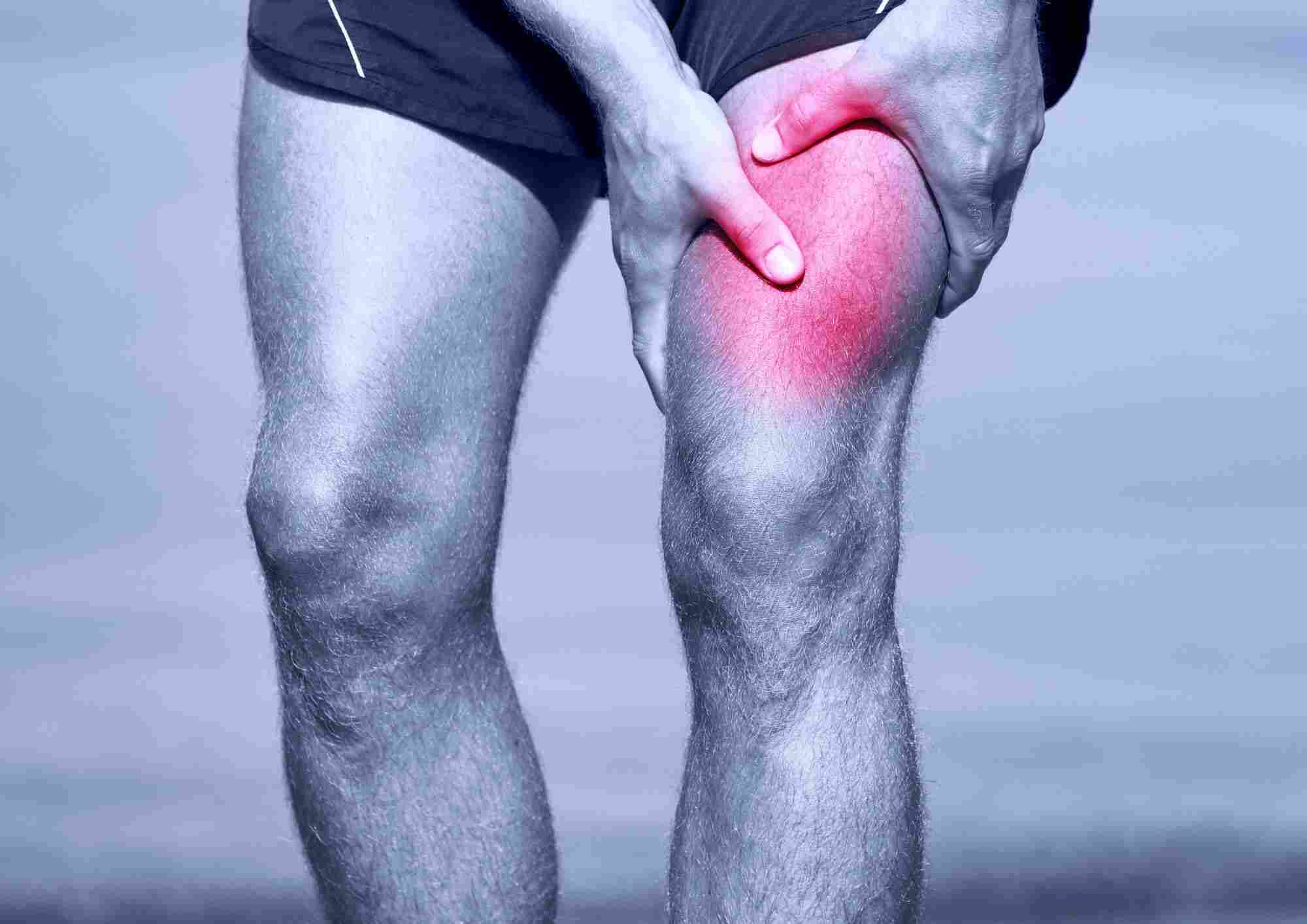
When we suffer from an injury, it is usually known as a pulled muscle or muscle strain which means there is a partial or complete tear of a muscle. The tear can occur in any one of these such as: within the muscle itself, at the junction between the muscle and tendon (most common type), and in the tendon where it attaches to the bone.

These injuries commonly happen during excessive loading of the muscle. For example: injuries tend to happen when the muscle is contracting while it is elongating. There are some other factors that can predispose an individual to injury such as older age, previous muscle injury, less flexibility, lack of strength in the muscle and fatigue.

If you are unsure that you might be currently suffering from a muscle strain, look out for these signs and symptoms:

  • Sudden pain that worsens while contracting the muscle
  • Swelling and bruising
  • Loss of strength and range of motion
  • Sensation of pain likened to being stabbed


After the inflammatory phase, the muscle begins to heal by regenerating muscle fibres from the cells around the area of injury. However, a significant amount of scar tissue also forms where the muscle was injured and over time it is thought that the muscle tissue never fully regenerates and makes the strained muscle more prone to injury.

Sports physiotherapy plays a pivotal role in the treatment and rehabilitation of injured muscles. This article outlines key steps and strategies from a physiotherapy perspective to ensure effective muscle injury management.

1. Initial Assessment and Diagnosis

The first step in managing a muscle injury is an accurate assessment and diagnosis. This involves: 

Clinical Examination: A thorough examination to determine the extent and nature of the injury. This may include assessing the range of motion, strength, and specific points of tenderness. 

Imaging Techniques: In some cases, imaging techniques such as MRI or ultrasound may be required to confirm the diagnosis and rule out other potential issues. An x-ray may be helpful to rule out fracture or dislocation as the cause of pain. Occasionally, the tendon can pull off a piece of bone at where it attaches, which can be seen on x rays.


2. Immediate Management (First 48 Hours) 

The initial 48 hours post-injury are critical. The primary goals during this phase are to reduce inflammation, minimise pain, and prevent further injury. Key strategies include:

PEACE (Protection, Elevation, Avoid Anti-Inflammatories, Compression, Education):

The PEACE protocol is used in the initial stages of injury management, typically within the first few days after injury. The goal is to reduce bleeding, swelling, and pain, while also promoting optimal tissue healing.


  • Protection: Avoid activities that aggravate the injury and deload the affected area to minimise bleeding and swelling.
  • Elevation: Elevate the injured limb above the level of the heart to promote fluid flow out of the injured tissue.
  • Avoid Anti-Inflammatories: Avoid using anti-inflammatory medication, as it can negatively affect long-term tissue healing and impair the healing process.
  • Compression: Use compression bandages or wraps to reduce swelling and promote fluid flow.
  • Education: Educate the patient on the importance of proper injury management and the importance of early and effective treatment.


LOVE (Load, Optimism, Vascularisation, Exercise):

The LOVE protocol is used in the subsequent stages of injury management, typically after the initial PEACE protocol has been completed. The goal is to promote optimal tissue healing, strength, and function.

  • Load: Gradually increase loading of the affected area to promote strength and function.
  • Optimism: Maintain a positive attitude and focus on the recovery process.
  • Vascularisation: Promote blood flow to the affected area to promote healing and tissue repair.
  • Exercise: Incorporate exercises and activities that promote strength, flexibility, and proprioception.

Pain Management: Over-the-counter pain medications such as NSAIDs (Non-Steroidal Anti-Inflammatory Drugs) can be used to manage pain and reduce inflammation. However, they should be used under the guidance of a healthcare professional.


3. Rehabilitation Phase 

Once the initial inflammation has subsided, the focus shifts to rehabilitation. This phase is tailored to the individual’s specific injury and recovery goals and typically includes:

Controlled Mobility and Gentle Stretching: Gradual reintroduction of movement helps prevent stiffness and maintains flexibility. Gentle stretching exercises should be initiated early but within a pain-free range.

Strengthening Exercises: As healing progresses, strengthening exercises are introduced to restore muscle strength. These exercises should be progressive, starting with low resistance and gradually increasing as tolerated.

Neuromuscular Re-Education: This involves exercises that help retrain the muscles to respond correctly to signals from the nervous system. It is essential for restoring normal movement patterns and preventing re-injury.


4. Advanced Rehabilitation and Functional Training

Advanced rehabilitation focuses on restoring full function and preparing the individual to return to their previous level of activity. This phase includes:

Sport-Specific or Activity-Specific Training: Exercises and drills that mimic the movements and demands of the individual’s sport or activity help ensure they are ready to return safely.

Agility and Plyometric Training: These exercises improve coordination, balance, and explosive power, which are crucial for athletic performance and injury prevention. 

Manual Therapy: Techniques such as massage, myofascial release, and joint mobilizations can help reduce muscle tension, improve flexibility, and enhance recovery.


5. Prevention of Future Injuries 

Preventing future muscle injuries is a key component of physiotherapy. Strategies include: 

Education and Awareness: Educating individuals about proper techniques, warm-up routines, and the importance of regular conditioning exercises.

Customised Exercise Programs: Developing personalised exercise programs that address any muscle imbalances, weaknesses, or flexibility issues identified during the rehabilitation process.

 Regular Monitoring and Adjustment: Continuously monitoring progress and adjusting the rehabilitation program as needed to ensure optimal recovery and performance.

Conclusion

Effective management of muscle injuries requires a comprehensive approach that includes immediate care, progressive rehabilitation, and strategies for preventing future injuries. Physiotherapists play a crucial role in guiding individuals through this process, ensuring that they achieve a full recovery and return to their desired activities safely. By following these principles, individuals can recover more efficiently, reduce the risk of re-injury, and enhance their overall physical health and performance.

Share This :

Back & Neck Pain

Conditions such as stiffness, postural abnormalities and muscle overuse from prolonged desk work at the office or home is more prevalent than most would think. We provide the necessary tools to fix you up and educate you on ergonomics which can unload unnecessary stress.

Sports Injuries

Rolled ankles, jarred knees, impinged shoulders are few conditions in the plethora of sports injuries which can hamper performance and limit our enjoyment of sports. Physiotherapy not only treats the symptoms of these conditions but propels your overall fitness to greater heights.

Work Desk Injuries​

Conditions such as stiffness, postural abnormalities and muscle overuse from prolonged desk work at the office or home is more prevalent than most would think. We provide the necessary tools to fix you up and educate you on ergonomics which can unload unnecessary stress.

Pre-Post-Surgical Conditions

Surgery involves going through preparation both before and after. Physiotherapists play a vital role in getting your body ready for surgeries with circulatory, breathing and strengthening exercises. After the procedure, let us be there for your recovery and rehabilitation, taking it one step at a time.

Scoliosis & Postural Abnormalities

The way we stand, sit, walk and sleep has influence over our posture and the overall balance of muscles controlling its alignment. A comprehensive screening can be done by our physiotherapists to detect abnormalities, which we will aid in correcting.

Neurological Conditions

Neurological disabilities such as stroke, nerve compression and neuropathies can be barriers for patients to live life to its fullest. We at Synapse are committed to help you overcome these hurdles by ensuring functional mobility and quality of life is at its optimum by providing the right treatment and exercises.

Osteoarthritis & Rheumatism

Joint degeneration and inflammation happens as the human body grows older, but that does not mean our way of life degenerates as well. Relief your joint pains with a joint effort together with your physiotherapist, who will provide pain-relief treatments and prescribe exercises for your wellbeing.

Conditions Relating To Elderly

Common conditions in the older age population include hips & knee pain, back & neck pain, osteoarthritis, rheumatism, fear of falling and many more.  Aging and degeneration of bodily function is inevitable, but here at Synapse, we will help you live the best of your life.

Home Physiotherapy

We understand that some conditions or injuries can make it difficult to receive rehabilitation at our clinic be it mobility or transportation issues. Our objective is to provide you with the same high-quality physiotherapy services at home that you would receive in-clinic.
Posted on

The Vital Role of Follow-Up Visits in Physiotherapy

The Vital Role of Follow-Up Visits in Physiotherapy
Synapse Physiotherapy

Introduction

Physiotherapy plays a crucial role in rehabilitation, pain management, and the overall enhancement of physical function. However, the effectiveness of physiotherapy doesn’t solely depend on the initial evaluation and the prescribed exercises. The effectiveness of physiotherapy requires consistent effort and commitment to the follow up treatment plan over a period of time. A regular follow-up appointment would be a recommended best practice of care to ensure the continuity of corrective therapy and avoid re-injury. Therefore follow-up visits are a critical component of the therapy process, ensuring optimal outcomes and long-term benefits for patients.

You may think that 2 to 3 physiotherapy visits a week is too many when you have just undergone surgery or suffered an injury.  However, consistent follow up of therapeutic exercise and movement, including stretching and strengthening, have proved to be most successful in recovering the range of motion and strength when there is an accident, surgery or disease causing malfunction within the musculoskeletal system.

If you are looking to engage physiotherapy services for your injuries or overall fitness, google physiotherapy near me and you will see the nearest Synapse Physiotherapy located to you. Our professional physiotherapists are highly trained in various cases and are ready to assist with any concerns you may have.

1. Tracking Progress and Adjusting Treatment Plans

One of the primary reasons follow-up visits are essential is that they allow physiotherapists to track a patient’s progress. During these visits, therapists assess how well the patient is responding to the treatment plan and can make necessary adjustments. Every patient’s body responds differently to the treatment plan, and what works for one individual might not be as effective for another. By continuously monitoring progress, physiotherapists can tailor exercises and techniques to better suit the patient’s evolving needs, ensuring a more effective and personalised treatment plan.


Some patients may think that they can independently perform the exercises given by the physiotherapists, however it is important to consider how the experience, expertise and direction of your physiotherapist in the treatment of movement- related disorders can influence your recovery rate. It is proven that slower recovery is shown in patients who are less consistent with daily therapy attendance, thereby prolonging their return to operation.


2. Preventing Relapse and Complications

Follow-up visits play a significant role in preventing relapses and complications. After an initial period of improvement, some patients may experience setbacks or new symptoms. Regular follow-ups enable physiotherapists to detect and address these issues promptly. This proactive approach helps in preventing minor problems from escalating into major ones, thereby reducing the risk of re-injury and ensuring a smoother, more sustainable recovery process.


3. Reinforcing Patient Education and Motivation

Another crucial aspect of follow-up visits is patient education. During these sessions, physiotherapists can reinforce the importance of adhering to prescribed exercises and maintaining proper posture and ergonomics in daily activities. Additionally, follow-ups provide an opportunity to educate patients about lifestyle modifications that can support their recovery and prevent future issues. These visits also serve as a motivational tool, helping patients stay committed to their treatment plans by celebrating small victories and progress milestones.


4. Enhancing Communication and Building Trust

Regular follow-up visits foster better communication between the patient and the physiotherapist. This ongoing dialogue is vital for building a strong therapeutic relationship based on trust and understanding. Patients are more likely to express their concerns, ask questions, and adhere to treatment plans when they feel heard and supported by their therapist. This open line of communication also allows for more effective and timely interventions, ultimately leading to better patient outcomes.

5. Comprehensive Assessment and Holistic Care

 Physiotherapy is not just about addressing the immediate physical symptoms; it involves a holistic approach to health and well-being. Follow-up visits provide an opportunity for comprehensive assessments that consider the patient’s overall health, including mental and emotional well-being. Physiotherapists can offer advice on nutrition, stress management, and other aspects of health that contribute to a patient’s recovery and long-term wellness.


6. Facilitating a Gradual Transition to Independence

The goal of physiotherapy is to empower patients to manage their conditions independently over time. Follow-up visits play a pivotal role in this transition. As patients progress, physiotherapists can gradually reduce the frequency of visits while ensuring that the patient has the necessary knowledge and tools to continue their rehabilitation independently. This gradual weaning off ensures that the patient remains confident and competent in managing their health, reducing the likelihood of future problems.

Frequently Asked Questions (FAQs)

1. Why are follow-up visits important in physiotherapy?

Follow-up visits are essential for monitoring progress, adjusting treatment plans, and ensuring optimal recovery. They help track improvements and address any ongoing issues.

2. How often should I schedule follow-up visits?

The frequency of follow-up visits depends on your specific condition and treatment plan. Your physiotherapist will recommend a schedule based on your progress and needs.

3. What happens during a follow-up visit?

During a follow-up visit, your physiotherapist will assess your progress, discuss any concerns, adjust your exercises or treatment plan, and provide guidance for continued improvement.

4. Can I skip follow-up visits if I feel better?

It’s important not to skip follow-up visits even if you feel better. These visits ensure that your recovery is on track and help prevent any potential setbacks or relapses.

5. How do follow-up visits improve my recovery?

Follow-up visits allow for personalised adjustments to your treatment plan, ensuring that exercises and therapies are effective. They also provide an opportunity to address any new or persisting issues.

Conclusion

Follow-up visits are not merely routine check-ins; they are a fundamental component of effective physiotherapy. They ensure that treatment plans are dynamic and responsive to the patient’s needs, help prevent complications, reinforce education and motivation, enhance communication, and support a holistic approach to health. By prioritising follow-up visits, patients and physiotherapists can work together to achieve the best possible outcomes, paving the way for a healthier, more active life.

Share This :

Back & Neck Pain

Conditions such as stiffness, postural abnormalities and muscle overuse from prolonged desk work at the office or home is more prevalent than most would think. We provide the necessary tools to fix you up and educate you on ergonomics which can unload unnecessary stress.

Sports Injuries

Rolled ankles, jarred knees, impinged shoulders are few conditions in the plethora of sports injuries which can hamper performance and limit our enjoyment of sports. Physiotherapy not only treats the symptoms of these conditions but propels your overall fitness to greater heights.

Work Desk Injuries​

Conditions such as stiffness, postural abnormalities and muscle overuse from prolonged desk work at the office or home is more prevalent than most would think. We provide the necessary tools to fix you up and educate you on ergonomics which can unload unnecessary stress.

Pre-Post-Surgical Conditions

Surgery involves going through preparation both before and after. Physiotherapists play a vital role in getting your body ready for surgeries with circulatory, breathing and strengthening exercises. After the procedure, let us be there for your recovery and rehabilitation, taking it one step at a time.

Scoliosis & Postural Abnormalities

The way we stand, sit, walk and sleep has influence over our posture and the overall balance of muscles controlling its alignment. A comprehensive screening can be done by our physiotherapists to detect abnormalities, which we will aid in correcting.

Neurological Conditions

Neurological disabilities such as stroke, nerve compression and neuropathies can be barriers for patients to live life to its fullest. We at Synapse are committed to help you overcome these hurdles by ensuring functional mobility and quality of life is at its optimum by providing the right treatment and exercises.

Osteoarthritis & Rheumatism

Joint degeneration and inflammation happens as the human body grows older, but that does not mean our way of life degenerates as well. Relief your joint pains with a joint effort together with your physiotherapist, who will provide pain-relief treatments and prescribe exercises for your wellbeing.

Conditions Relating To Elderly

Common conditions in the older age population include hips & knee pain, back & neck pain, osteoarthritis, rheumatism, fear of falling and many more.  Aging and degeneration of bodily function is inevitable, but here at Synapse, we will help you live the best of your life.
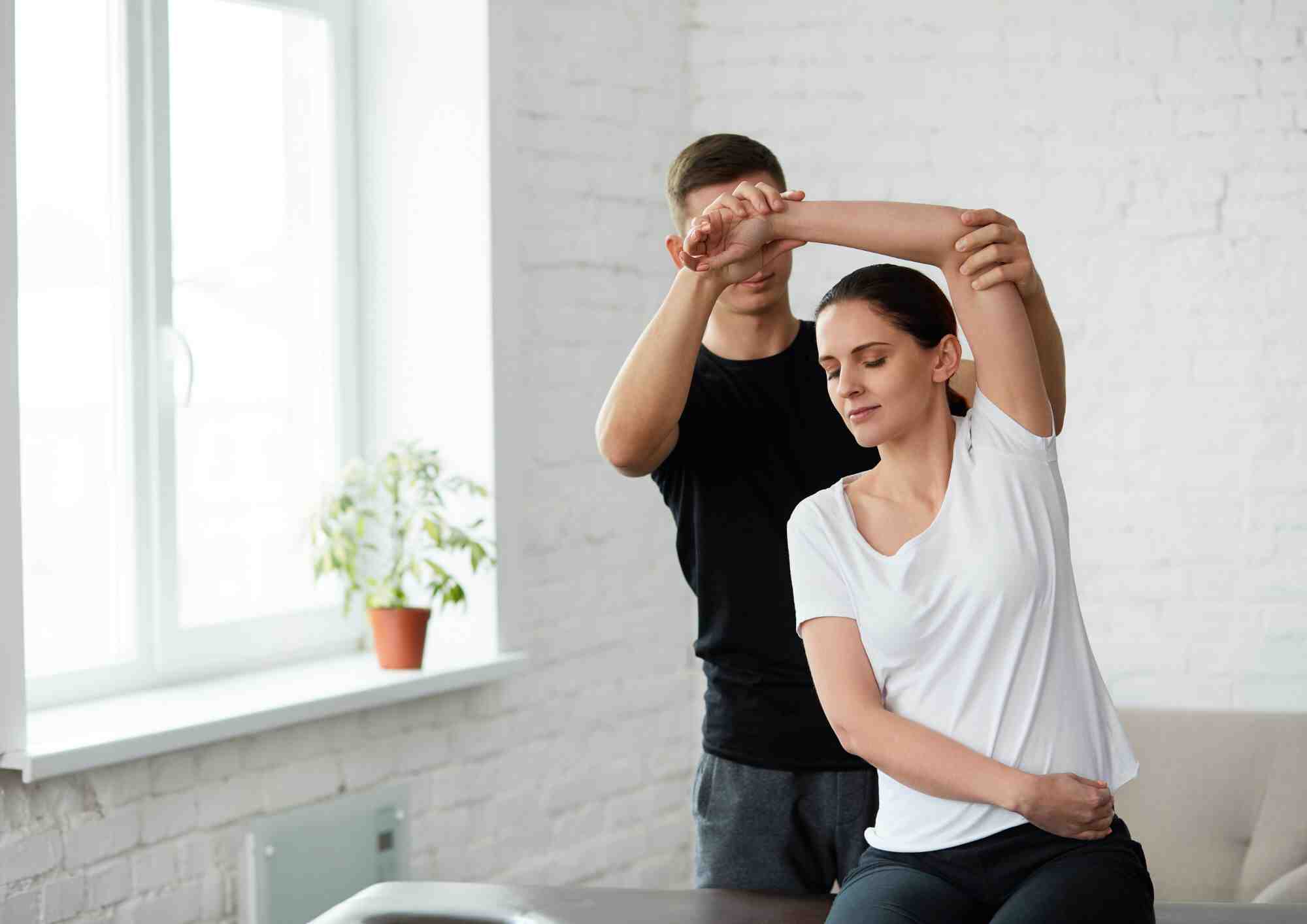
Home Physiotherapy

We understand that some conditions or injuries can make it difficult to receive rehabilitation at our clinic be it mobility or transportation issues. Our objective is to provide you with the same high-quality physiotherapy services at home that you would receive in-clinic.
Posted on

What’s the Best Treatment For Scoliosis? I Rehab Malaysia

What's the Best Treatment For Scoliosis? I Rehab Malaysia
Synapse Physiotherapy

Introduction

Scoliosis is an abnormal lateral curvature of the spine, most often diagnosed in childhood or early adolescence. Normally, the spine’s curves occur at the cervical, thoracic, and lumbar regions in the sagittal plane. These natural curves position the head over the pelvis and act as shock absorbers to distribute mechanical stress during movement. Scoliosis, however, involves a spinal curvature primarily in the coronal (frontal) plane. While the degree of curvature is measured on the coronal plane, scoliosis is a complex, three-dimensional problem affecting the coronal, sagittal, and axial planes.


The coronal plane is a vertical plane from head to foot, parallel to the shoulders, dividing the body into anterior (front) and posterior (back) sections. The sagittal plane divides the body into right and left halves, while the axial plane is parallel to the ground and at right angles to both the coronal and sagittal planes.


Scoliosis is defined by the Cobb’s angle of spine curvature in the coronal plane and is often accompanied by vertebral rotation in the transverse plane and hypokyphosis (reduced curvature) in the sagittal plane. These abnormalities in the spine, costal-vertebral joints, and rib cage produce a ‘convex’ and ‘concave’ hemithorax. As scoliosis becomes more pronounced, vertebral rotation increases, leading to torsion-scoliosis, which causes a prominent hump known as a gibbus.


In Malaysia, rehabilitation services are highly professional and well-equipped to treat scoliosis conditions.

Sign and Symptoms 


Several signs may indicate the possibility of scoliosis, including a sideways curvature of the spine, sideways body posture, one shoulder being higher than the other, clothes not hanging properly, local muscular aches, and local ligament pain. A major concern in progressive severe scoliosis is decreasing pulmonary function. In one study, about 23 percent of patients with idiopathic scoliosis presented with back pain at the time of initial diagnosis. Idiopathic scoliosis may also affect pulmonary function due to changes in the shape and size of the thorax. Recent reports on pulmonary function testing in patients with mild to moderate idiopathic scoliosis showed diminished pulmonary function, with greater impairment observed in severe cases of spinal deformity, proximally-located curvature, and older patients.

Diagnosis 

Scoliosis diagnosis in children and teenagers often occurs during routine medical examinations due to the absence of noticeable symptoms. Scoliosis chiropractors undertake a comprehensive diagnostic approach, starting with a thorough review of the child’s medical history and family background, which may uncover potential underlying medical conditions contributing to spinal curvature. Some cases are even identified through school screenings. Following this, a physical examination assesses the child’s posture, checking for any asymmetry in the trunk or shoulders. When the child bends forward, the doctor looks for signs such as one side of the rib cage appearing higher than the other, which can indicate possible scoliosis. The most definitive diagnostic tool, however, is x-ray imaging, providing detailed insights into the extent and severity of the spinal curvature. By evaluating these x-ray images, practitioners can accurately determine the severity of the condition and devise appropriate treatment strategies tailored to each individual case.

Management 

Management of scoliosis depends on the severity of the curvature, measured by the Cobb angle, and the age of the patient.

Observation 

For mild scoliosis, which is defined as a Cobb angle of less than 20 degrees, observation is typically recommended, especially in growing children and adolescents. Regular follow-up visits every 4-6 months are essential to monitor the progression of the curve. If the curve does not worsen, no further treatment may be necessary.

Physiotherapy 

Physiotherapy can be particularly beneficial for managing mild to moderate scoliosis, defined as a Cobb angle of less than 20 degrees, or in some cases, up to 30 degrees. Physiotherapy aims to manage symptoms, improve posture, and strengthen the muscles that support the spine. Specific exercises tailored to the individual’s condition can help reduce the progression of the curve and enhance overall spinal function. By focusing on muscle balance, flexibility, and core strength, physiotherapy not only addresses the curvature but also promotes better posture and alignment, contributing to the patient’s overall well-being and quality of life.

Brace 

For moderate scoliosis, especially in growing children and adolescents, orthotic specialists provide braces designed to prevent further curvature. These braces are tailored to fit each patient and are regularly adjusted to ensure effectiveness. By applying gentle pressure to the spine, braces help to maintain proper alignment and minimize the progression of the curve during periods of rapid growth. Regular monitoring and adjustments by healthcare professionals ensure that the brace continues to fit correctly and functions as intended, promoting optimal outcomes in scoliosis management.


The most common type of brace used for scoliosis is made of plastic and is contoured to conform to the body, such as the Milwaukee brace. This type of brace is designed to be nearly invisible under clothing, fitting snugly under the arms and around the rib cage, lower back, and hips. Most braces are worn day and night, and their effectiveness increases with the number of hours worn each day. Children who wear braces can usually participate in most activities with few restrictions. If necessary, the brace can be removed for sports or other physical activities.


Braces are typically removed once bone growth has ceased, which usually happens around two years after girls start menstruating, when boys begin shaving daily, or when there are no further changes in height. In general, congenital scoliotic curves are not flexible and are resistant to correction with bracing. Therefore, braces are mainly used to prevent the progression of secondary curves that develop above and below the congenital curve, which can cause imbalance. In these cases, braces may be worn until skeletal maturity is reached.

Surgery 

Severe scoliosis typically progresses over time, and a specialist may suggest scoliosis surgery to reduce the severity of the spinal curve and prevent further worsening. The most common type of scoliosis surgery is spinal fusion. In this procedure, two or more vertebrae are fused together so they cannot move independently. Pieces of bone or a bone-like material are placed between the vertebrae, and metal rods, hooks, screws, or wires are used to hold that part of the spine straight and still while the old and new bone material fuses together. This stabilizes the spine and corrects the curvature to a more manageable degree.

Frequently Asked Questions (FAQs)

1. What is scoliosis?

Scoliosis is a condition where the spine curves sideways, often forming an “S” or “C” shape. It can occur at any age but is most commonly diagnosed during adolescence.

2. What are the symptoms of scoliosis?

Common symptoms include uneven shoulders, one shoulder blade more prominent than the other, uneven waist, and one hip higher than the other. Some people may also experience back pain or discomfort.

3. How is scoliosis diagnosed?

Scoliosis is diagnosed through physical exams and imaging tests like X-rays, which help determine the severity and angle of the spinal curve.

4. What are the non-surgical treatment options for scoliosis?

Non-surgical treatments include physical therapy, bracing, and exercises to strengthen the muscles around the spine and improve posture.

5. When is surgery recommended for scoliosis?

Surgery is typically recommended for severe cases where the spinal curve is greater than 40-50 degrees or if the condition is causing significant pain, functional limitations, or respiratory issues.

Conclusion

The best treatment for scoliosis depends on the Cobb angle and the severity of the patient’s condition. Typically, conservative treatments are recommended initially to prevent progression until surgery becomes necessary. At Synapse Physiotherapy, we offer professional scoliosis treatments tailored to individual needs, including physiotherapy and possibly bracing. These therapies aim to manage symptoms, improve posture, and strengthen supporting muscles to stabilize the spine and reduce curvature progression. If the condition progresses to a severe degree, surgery may be recommended to correct the spinal deformity and prevent further complications.

Share This :

Back & Neck Pain

Conditions such as stiffness, postural abnormalities and muscle overuse from prolonged desk work at the office or home is more prevalent than most would think. We provide the necessary tools to fix you up and educate you on ergonomics which can unload unnecessary stress.

Sports Injuries

Rolled ankles, jarred knees, impinged shoulders are few conditions in the plethora of sports injuries which can hamper performance and limit our enjoyment of sports. Physiotherapy not only treats the symptoms of these conditions but propels your overall fitness to greater heights.

Work Desk Injuries​

Conditions such as stiffness, postural abnormalities and muscle overuse from prolonged desk work at the office or home is more prevalent than most would think. We provide the necessary tools to fix you up and educate you on ergonomics which can unload unnecessary stress.

Pre-Post-Surgical Conditions

Surgery involves going through preparation both before and after. Physiotherapists play a vital role in getting your body ready for surgeries with circulatory, breathing and strengthening exercises. After the procedure, let us be there for your recovery and rehabilitation, taking it one step at a time.

Scoliosis & Postural Abnormalities

The way we stand, sit, walk and sleep has influence over our posture and the overall balance of muscles controlling its alignment. A comprehensive screening can be done by our physiotherapists to detect abnormalities, which we will aid in correcting.

Neurological Conditions

Neurological disabilities such as stroke, nerve compression and neuropathies can be barriers for patients to live life to its fullest. We at Synapse are committed to help you overcome these hurdles by ensuring functional mobility and quality of life is at its optimum by providing the right treatment and exercises.

Osteoarthritis & Rheumatism

Joint degeneration and inflammation happens as the human body grows older, but that does not mean our way of life degenerates as well. Relief your joint pains with a joint effort together with your physiotherapist, who will provide pain-relief treatments and prescribe exercises for your wellbeing.

Conditions Relating To Elderly

Common conditions in the older age population include hips & knee pain, back & neck pain, osteoarthritis, rheumatism, fear of falling and many more.  Aging and degeneration of bodily function is inevitable, but here at Synapse, we will help you live the best of your life.
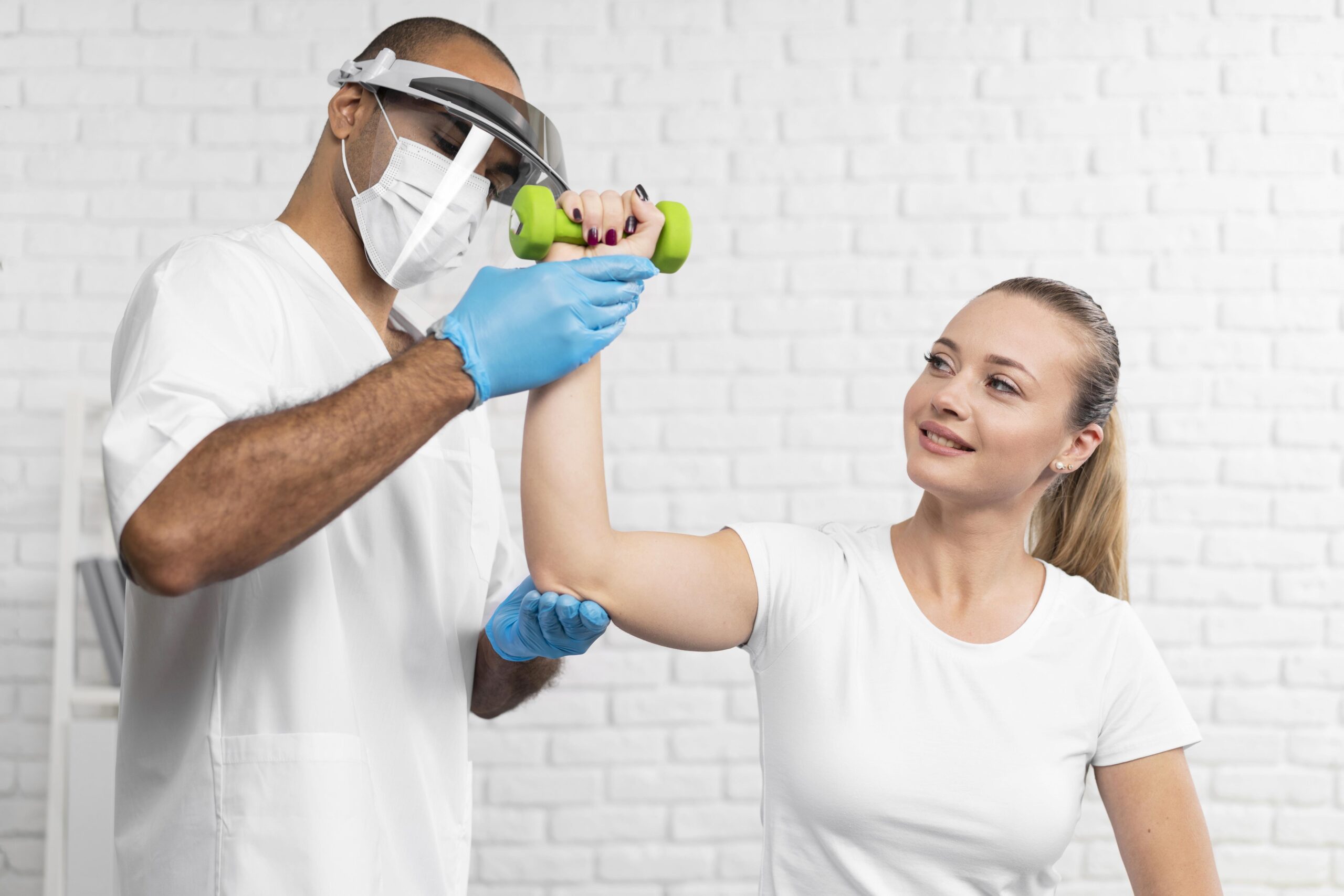
Home Physiotherapy

We understand that some conditions or injuries can make it difficult to receive rehabilitation at our clinic be it mobility or transportation issues. Our objective is to provide you with the same high-quality physiotherapy services at home that you would receive in-clinic.
Posted on

Understanding Slipped Disc: Causes, Symptoms, and Treatment Options

physiotherapy for slip disc
Back & Neck Pain, Synapse Physiotherapy

Introduction

If you are looking for physiotherapy for a slipped disc, you can come over to Synapse Physiotherapy for a comprehensive physical assessment for your condition. Our experienced physiotherapist will be able to help you get back to your peak performance. In this article, we will be discussing what slipped disc is, the associated causes and treatment strategies available.


 Slipped disc (layman’s term), is also known as a herniated disc, disc prolapse, or a ruptured disc. It refers to a condition whereby portions of an abnormal, injured or degenerated disc have protruded against an adjacent nerve tissue. Slipped disc is a common spinal condition that can cause significant pain and discomfort. The most frequently affected area is in the lower back and cervical level (neck). However, any disc can rupture and become herniated, therefore exposing the spinal nerves and spinal cord to this vulnerability.


To further understand this condition, let’s dive deeper into the anatomy as well as the mechanism of injury. Discs are protective shock absorbing pads between the vertebrae of the spine. Technically the disc does not slip like how we think it does, what actually happens is that the inner layer of the intervertebral disc may either bulge, split, or rupture. This causes the cartilage surrounding the disc to herniate and allow the central gel portion of the disc to push into the surrounding nerve tissues. Often, it may compress nearby nerves and cause symptoms such as back pain, sciatica, and weakness in the limbs. Understanding the causes, symptoms, and treatment options for slipped disc is crucial for effectively managing this condition and promoting recovery. There are certain risk factors that will further increase the likelihood of suffering from a slipped disc.

These risk factors include:

  • Ageing as it is associated with degeneration and loss of elasticity of the discs and supporting structures.
  • Injury from improper lifting, especially if accompanied by twisting or turning.
  • Excessive strain associated with physical activities.
  • Sudden forceful acute trauma.

Causes of Slip Disc:

Slipped disc can result from various factors, including:

1. Age-related Degeneration: 

The natural ageing process can lead to wear and tear of the spinal discs, causing them to lose hydration, elasticity, and structural integrity over time. This age-related degeneration increases the risk of disc herniation.

 2. Trauma or Injury:

 Sudden trauma or repetitive stress on the spine, such as heavy lifting, twisting motions, or sports-related injuries, can cause the outer layer of a spinal disc to tear or rupture, leading to disc herniation.

 3. Poor Posture: 

Maintaining poor posture, such as prolonged sitting, slouching, or improper lifting techniques, can place excessive strain on the spinal discs and increase the risk of disc herniation. 

4. Genetic Factors:

 Genetic predisposition may play a role in the development of slipped disc, as certain individuals may inherit traits that make them more susceptible to disc degeneration and herniation.

Symptoms of Slipped Disc:

The symptoms of slipped disc vary depending on the location and severity of the herniation but may include:

1. Back/Neck Pain: 

Persistent or sharp pain in the lower back or neck, often worsened by movement or prolonged sitting.

2. Radiating Pain:

 Pain that radiates down the leg (sciatica) or arm, following the path of the affected nerve root. This pain may be accompanied by numbness, tingling, or weakness in the affected limb.

3. Muscle Weakness: 

Weakness or loss of muscle function in the legs or arms, making it difficult to perform certain activities or maintain balance.

4. Nerve Compression: 

Compression of spinal nerves may lead to symptoms such as difficulty in walking, changes in bowel or bladder function, and loss of sensation in the groin. These might require medical attention. 


Treatment Options for Slip Disc:

While slipped discs can cause significant discomfort, many individuals find relief with conservative treatment measures. Common treatment options include:

1. Rest and Activity Modification: 

Resting the affected area and avoiding activities that exacerbate symptoms, such as heavy lifting or prolonged sitting, can help alleviate pain and prevent further aggravation of the herniated disc.

2. Pain Management:

 Over-the-counter or prescription medications, such as nonsteroidal anti-inflammatory drugs (NSAIDs), muscle relaxants, or pain relievers, may be used to alleviate pain and inflammation associated with slipped discs.

3. Physical Therapy:

 Physical therapy exercises and techniques, including stretching, strengthening, and core stabilisation exercises, can help improve spinal alignment, alleviate pressure on the affected disc, and strengthen supporting muscles to prevent future injury.

4. Heat and Cold Therapy: 

Applying heat or cold packs to the affected area can help reduce inflammation, alleviate pain, and promote relaxation of tense muscles. Alternating between heat and cold therapy may provide additional relief.

5. Epidural Steroid Injections: 

In cases of severe pain or inflammation, epidural steroid injections may be recommended to deliver anti-inflammatory medication directly into the affected area of the spine, providing targeted relief.

6. Chiropractic Care: 

Chiropractic adjustments and spinal manipulation techniques may help realign the spine, reduce pressure on the affected disc, and alleviate symptoms associated with slipped disc.

7. Acupuncture: 

Acupuncture, an ancient Chinese healing practice involving the insertion of thin needles into specific points on the body, may help relieve pain and improve symptoms, associated with slipped discs, by stimulating nerve function and promoting natural healing.

8. Surgery:

In rare cases where conservative treatments fail to provide relief or symptoms worsen over time, surgical intervention may be considered. Surgical options include discectomy (removal of the herniated disc) or spinal fusion (joining adjacent vertebrae to stabilise the spine). 

Prevention and Management Strategies:

While slipped disc cannot always be prevented, adopting healthy lifestyle habits and practising proper body mechanics can help reduce the risk of disc herniation.

1. Maintain a Healthy Weight:

Excess weight places added strain on the spine and increases the risk of disc degeneration and herniation. Maintain a healthy weight through regular exercise and a balanced diet rich in nutrients.

2. Practise Good Posture: 

Maintain proper posture when sitting, standing, and lifting heavy objects to reduce stress on the spine and supporting structures.

3. Exercise Regularly: 

Engage in regular physical activity to strengthen the muscles of the back, abdomen, and legs, which provide support and stability for the spine.

4. Use Proper Lifting Techniques: 

When lifting objects, bend the knees, keep the back straight, and use the legs to lift the load. Avoid twisting the spine while lifting to prevent injury.

5. Stay Hydrated: 

Drink plenty of water to maintain hydration and promote the elasticity and shock-absorbing properties of spinal discs. 

6. Quit Smoking: 

Smoking can impair blood flow to the spinal discs, leading to decreased nutrient delivery and increased risk of disc degeneration. Quitting smoking can improve spinal health and reduce the risk of slipped discs.

Frequently Asked Questions (FAQs)

1. What is a slipped disc, and what causes it?

A slipped disc, also known as a herniated disc, occurs when the soft inner gel of a spinal disc protrudes through its outer layer. This can be caused by ageing, improper lifting, repetitive motions, or trauma to the spine. Factors like obesity, sedentary lifestyle, and genetic predisposition can also increase the risk.

2. What are the common symptoms of a slipped disc?

Symptoms of a slipped disc can include severe back pain, pain radiating to the arms or legs, numbness or tingling, muscle weakness, and difficulty moving or performing daily activities. The symptoms vary depending on the location and severity of the herniation.

3. How is a slipped disc diagnosed?

A slipped disc is diagnosed through a combination of medical history, physical examination, and imaging tests such as X-rays, MRI, or CT scans. These diagnostic tools help to confirm the presence of a herniated disc and determine its exact location and severity.

4. What are the treatment options for a slipped disc?

Treatment options for a slipped disc include conservative methods such as rest, physical therapy, pain medications, and anti-inflammatory drugs. In more severe cases, epidural steroid injections or surgical interventions like discectomy or spinal fusion may be necessary. The treatment plan depends on the severity of the symptoms and the patient’s overall health.

5. Can a slipped disc be prevented?

While not all slipped discs can be prevented, certain lifestyle changes can reduce the risk. These include maintaining a healthy weight, practising good posture, engaging in regular exercise to strengthen the back and core muscles, avoiding heavy lifting, and using proper techniques when lifting objects. Additionally, quitting smoking and managing stress can contribute to overall spinal health.

Conclusion

In conclusion, slipped disc is a common spinal condition that can cause significant pain and discomfort, but with proper treatment and management strategies, many individuals can find relief and regain function. By understanding the causes, recognising the symptoms, and implementing appropriate treatment measures, individuals can take proactive steps to manage slipped disc effectively and promote spinal health and well-being.

Share This :

Back & Neck Pain

Conditions such as stiffness, postural abnormalities and muscle overuse from prolonged desk work at the office or home is more prevalent than most would think. We provide the necessary tools to fix you up and educate you on ergonomics which can unload unnecessary stress.

Sports Injuries

Rolled ankles, jarred knees, impinged shoulders are few conditions in the plethora of sports injuries which can hamper performance and limit our enjoyment of sports. Physiotherapy not only treats the symptoms of these conditions but propels your overall fitness to greater heights.

Work Desk Injuries​

Conditions such as stiffness, postural abnormalities and muscle overuse from prolonged desk work at the office or home is more prevalent than most would think. We provide the necessary tools to fix you up and educate you on ergonomics which can unload unnecessary stress.

Pre-Post-Surgical Conditions

Surgery involves going through preparation both before and after. Physiotherapists play a vital role in getting your body ready for surgeries with circulatory, breathing and strengthening exercises. After the procedure, let us be there for your recovery and rehabilitation, taking it one step at a time.

Scoliosis & Postural Abnormalities

The way we stand, sit, walk and sleep has influence over our posture and the overall balance of muscles controlling its alignment. A comprehensive screening can be done by our physiotherapists to detect abnormalities, which we will aid in correcting.

Neurological Conditions

Neurological disabilities such as stroke, nerve compression and neuropathies can be barriers for patients to live life to its fullest. We at Synapse are committed to help you overcome these hurdles by ensuring functional mobility and quality of life is at its optimum by providing the right treatment and exercises.

Osteoarthritis & Rheumatism

Joint degeneration and inflammation happens as the human body grows older, but that does not mean our way of life degenerates as well. Relief your joint pains with a joint effort together with your physiotherapist, who will provide pain-relief treatments and prescribe exercises for your wellbeing.

Conditions Relating To Elderly

Common conditions in the older age population include hips & knee pain, back & neck pain, osteoarthritis, rheumatism, fear of falling and many more.  Aging and degeneration of bodily function is inevitable, but here at Synapse, we will help you live the best of your life.
Home Physiotherapy

We understand that some conditions or injuries can make it difficult to receive rehabilitation at our clinic be it mobility or transportation issues. Our objective is to provide you with the same high-quality physiotherapy services at home that you would receive in-clinic.
Posted on

After Childbirth Rehabilitation I Physiotherapy Cyberjaya

After Childbirth Rehabilitation I Physiotherapy Cyberjaya
Synapse Physiotherapy

The Importance of Physiotherapy Rehabilitation After Childbirth

Childbirth is a profound experience that brings significant changes to a woman’s body. For example: the centre of gravity changes, there is more pressure on the organs and there is increased weight to be carried. The physical demands of pregnancy and delivery in a relatively short period of time can lead to a variety of postpartum issues, including muscle weakness, back pain, pelvic floor dysfunction, and urinary incontinence.


When the body goes through these changes, the posture and the way the body moves change, as the weight going through the joints increases, and the muscle, ligaments, and soft tissues get more flexible and elastic to allow the pelvis to stretch and accommodate the foetus. All of these changes happen due to hormonal changes and they are a very important part of the pregnancy. Therefore due to these changes, over two-thirds of pregnant women experience back pain, one fifth experience pelvic pain, and over 40% experience urinary incontinence in their first pregnancy.


Physiotherapy rehabilitation after childbirth, often referred to as postnatal or postpartum physiotherapy, plays a crucial role in helping new mothers recover, regain strength, and return to their daily activities and exercise routines safely. It is within the scope of practice of a physiotherapist to properly assess, treat and educate pregnant women in effective and safe exercises that have been shown to decrease back pain, pelvic pain, and urinary incontinence throughout their pregnancy and postpartum. The goal of this program would be to offer women improved prenatal and postnatal fitness that would lead to a healthier and easier pregnancy journey and delivery.


Seeing a physiotherapist who specialises in pregnancy and postpartum for the right treatment and guidance to prevent and treat these issues is key. If you are looking for physiotherapy services in Cyberjaya, look no further than our very own Synapse Physiotherapy Cyberjaya branch. Our expert physiotherapists will be able to help you with all your prenatal and postnatal needs.

Here’s an overview of why postnatal physiotherapy is essential and the benefits it offers.


1. Pelvic Floor Rehabilitation 

One of the most important aspects of postnatal physiotherapy is pelvic floor rehabilitation. During pregnancy and childbirth, the pelvic floor muscles endure significant stress and stretching. This can result in conditions such as pelvic organ prolapse, urinary incontinence, and pelvic pain. Postnatal physiotherapy focuses on restoring the strength and function of these muscles through tailored exercises and techniques.


A physiotherapist can guide new mothers through pelvic floor exercises, commonly known as Kegels, and more advanced rehabilitation techniques. These exercises help to improve muscle tone, enhance support for pelvic organs, and reduce symptoms of incontinence. Early intervention and proper guidance are crucial in preventing long-term pelvic floor issues.


2. Core Stability and Abdominal Recovery

 Pregnancy causes the abdominal muscles to stretch and weaken, often leading to a condition known as diastasis recti, where the abdominal muscles separate. This can compromise core stability and lead to back pain and postural issues. Postnatal physiotherapy addresses these concerns by providing exercises aimed at gradually re-strengthening the abdominal muscles and restoring core stability.


A physiotherapist will assess the extent of diastasis recti and develop a personalised exercise program that includes gentle, progressive exercises to close the gap and improve muscle function. Proper core rehabilitation not only enhances physical appearance but also supports overall body mechanics and reduces the risk of injury.


3. Pain Management and Musculoskeletal Health

Many new mothers experience pain in various parts of the body, including the lower back, hips, and shoulders, due to the physical demands of caring for a newborn and the changes during pregnancy and childbirth. Postnatal physiotherapy can help manage and alleviate this pain through a combination of manual therapy, exercises, and ergonomic advice.


Physiotherapists provide techniques to address specific pain points, improve posture, and recommend safe ways to perform daily activities such as lifting and feeding the baby. This holistic approach ensures that new mothers can carry out their responsibilities with less discomfort and a lower risk of developing chronic pain conditions.


4. Safe Return to Exercise and Activity

Returning to pre-pregnancy exercise routines or starting new fitness activities should be approached with caution to prevent injury and ensure adequate recovery. Postnatal physiotherapists can create personalised exercise plans that consider the individual’s delivery method, physical condition, and recovery progress.


These plans typically start with low-impact exercises focusing on rebuilding strength, flexibility, and endurance. As the body heals and strengthens, the intensity and complexity of the exercises can be gradually increased. Physiotherapists also provide guidance on when and how to safely resume more strenuous activities, helping new mothers regain their fitness and confidence.


5. Emotional and Mental Well-being

The postpartum period can be emotionally challenging, with many women experiencing mood swings, anxiety, or postpartum depression. While physiotherapy primarily addresses physical health, it also contributes to emotional and mental well-being. Regular physical activity and exercise have been shown to improve mood, reduce stress, and enhance overall mental health.


Physiotherapists offer support and encouragement, helping new mothers feel more empowered and in control of their recovery process. The structured routine of physiotherapy sessions can also provide a sense of normalcy and progress during a time of significant change.

Frequently Asked Questions (FAQs)

1. What is after childbirth rehabilitation?

After childbirth rehabilitation is a specialised physiotherapy program designed to help new mothers recover and regain strength after delivery. It focuses on pelvic floor health, core stability, and overall physical wellness.

2. When should I start after childbirth rehabilitation?

You can start rehabilitation as soon as you feel ready and your doctor has given you the go-ahead. Typically, it’s recommended to begin within the first few weeks post-delivery, but it can also be beneficial months or even years later.

3. How long does after childbirth rehabilitation take?

The duration of the program varies based on individual needs and recovery progress. Some mothers may see significant improvement within a few weeks, while others may require several months of therapy.

4. What exercises are included in the rehabilitation program?

The program includes a range of exercises such as pelvic floor strengthening, core stability workouts, gentle stretching, and functional movements tailored to your specific needs and recovery stage.

5. Is after childbirth rehabilitation covered by insurance?

Coverage for physiotherapy services varies by insurance provider and policy. It’s best to check with your insurance company to determine if after childbirth rehabilitation is included in your plan.

Conclusion

Postnatal physiotherapy rehabilitation is a vital component of postpartum care, offering comprehensive support for physical recovery and overall well-being. By focusing on pelvic floor health, core stability, pain management, safe return to exercise, and emotional support, physiotherapy helps new mothers navigate the challenges of the postpartum period more effectively. Investing in postnatal physiotherapy can lead to a healthier, stronger, and more confident return to daily life and physical activity.

Share This :

Back & Neck Pain

Conditions such as stiffness, postural abnormalities and muscle overuse from prolonged desk work at the office or home is more prevalent than most would think. We provide the necessary tools to fix you up and educate you on ergonomics which can unload unnecessary stress.

Sports Injuries

Rolled ankles, jarred knees, impinged shoulders are few conditions in the plethora of sports injuries which can hamper performance and limit our enjoyment of sports. Physiotherapy not only treats the symptoms of these conditions but propels your overall fitness to greater heights.

Work Desk Injuries​

Conditions such as stiffness, postural abnormalities and muscle overuse from prolonged desk work at the office or home is more prevalent than most would think. We provide the necessary tools to fix you up and educate you on ergonomics which can unload unnecessary stress.

Pre-Post-Surgical Conditions

Surgery involves going through preparation both before and after. Physiotherapists play a vital role in getting your body ready for surgeries with circulatory, breathing and strengthening exercises. After the procedure, let us be there for your recovery and rehabilitation, taking it one step at a time.

Scoliosis & Postural Abnormalities

The way we stand, sit, walk and sleep has influence over our posture and the overall balance of muscles controlling its alignment. A comprehensive screening can be done by our physiotherapists to detect abnormalities, which we will aid in correcting.

Neurological Conditions

Neurological disabilities such as stroke, nerve compression and neuropathies can be barriers for patients to live life to its fullest. We at Synapse are committed to help you overcome these hurdles by ensuring functional mobility and quality of life is at its optimum by providing the right treatment and exercises.

Osteoarthritis & Rheumatism

Joint degeneration and inflammation happens as the human body grows older, but that does not mean our way of life degenerates as well. Relief your joint pains with a joint effort together with your physiotherapist, who will provide pain-relief treatments and prescribe exercises for your wellbeing.

Conditions Relating To Elderly

Common conditions in the older age population include hips & knee pain, back & neck pain, osteoarthritis, rheumatism, fear of falling and many more.  Aging and degeneration of bodily function is inevitable, but here at Synapse, we will help you live the best of your life.

Home Physiotherapy

We understand that some conditions or injuries can make it difficult to receive rehabilitation at our clinic be it mobility or transportation issues. Our objective is to provide you with the same high-quality physiotherapy services at home that you would receive in-clinic.