Posted on

Expert Physiotherapy Malaysia: Book Today

Physiotherapy Malaysia
Synapse Physiotherapy

Introduction

When it comes to healing from injuries, managing chronic pain, or enhancing physical performance, finding trusted care is crucial. Physiotherapy Malaysia services have rapidly evolved to offer evidence-based treatments tailored to each individual’s needs. Whether you’re recovering from a sports injury, experiencing joint pain, or seeking post-surgical rehab, expert physiotherapists across Malaysia are now more accessible than ever before. With state-of-the-art facilities and certified professionals, Malaysia’s physiotherapy landscape is primed to help you regain mobility, reduce discomfort, and prevent future injuries all in a supportive and personalised environment.


From Kuala Lumpur to Penang, Johor Bahru to Kota Kinabalu, patients can now easily access clinics offering advanced manual therapy, electrotherapy, dry needling, exercise rehabilitation, and more. Booking an appointment is straightforward, many centres offer online platforms with same-day slots, ensuring you receive timely care. Whether you’re an athlete or a desk-bound professional, starting your journey with Physiotherapy Malaysia can make a world of difference. Don’t delay, book your session today and take the first step toward long-term relief and functional recovery.

Why Physiotherapy is Essential for a Healthier Malaysia

Physiotherapy is no longer seen as an optional luxury, it is a vital healthcare service that addresses musculoskeletal, neurological, and cardiorespiratory conditions. In Malaysia, the growing awareness of the importance of physical rehabilitation is evident in the rising number of physiotherapy centres, public health campaigns, and insurance coverage options.


Moreover, the ageing population, sedentary lifestyles, and high rates of sports-related injuries have all contributed to increased demand for professional Physiotherapy Malaysia services. Additionally, the Ministry of Health in Malaysia continues to promote early intervention through physiotherapy to reduce the long-term burden of disability and dependence.


By addressing the root cause of pain and immobility, physiotherapists help patients regain confidence and independence in daily life. From children with developmental delays to seniors with arthritis, Physiotherapy Malaysia provides targeted, non-invasive solutions that promote healing from within.

Common Conditions Treated in Malaysian Physiotherapy Clinics

Physiotherapy Malaysia covers a broad spectrum of conditions, including:

  • Lower back pain and slipped discs

  • Neck and shoulder tension due to poor posture or stress

  • Post-stroke rehabilitation

  • Sports injuries such as ACL tears, sprains, or tennis elbow

  • Pre- and post-operative orthopaedic rehab

  • Paediatric physiotherapy for developmental concerns

  • Chronic pain syndromes, including fibromyalgia

Each treatment plan is designed based on a thorough assessment, which may include physical tests, movement analysis, and patient history. Furthermore, Malaysian clinics often incorporate a blend of Western and Eastern techniques, reflecting the country’s diverse healthcare landscape. For more information, explore conditions treated by physiotherapists in Malaysia.

Advanced Techniques Used by Expert Physiotherapists

Gone are the days when physiotherapy was limited to basic stretches and massages. Nowadays, Physiotherapy Malaysia integrates cutting-edge tools and methodologies, such as:

  • Dry needling and trigger point therapy to release tight muscles and improve blood flow

  • Shockwave therapy for tendon and ligament injuries

  • Spinal decompression therapy for herniated discs

  • Pilates-based rehabilitation to improve posture, core strength, and balance

  • Kinesio taping for joint support and inflammation control

  • Ultrasound and electrical stimulation therapies for deep tissue healing

These methods are often combined with therapeutic exercises tailored to each patient’s needs. Therefore, the goal is not just to treat symptoms but to empower patients with the tools they need for lasting recovery.

Finding the Right Physiotherapy Clinic in Malaysia

With so many options available, choosing the right clinic can feel overwhelming. However, here are a few tips to ensure you make the best choice:

Check for Qualifications and Licensing

Ensure the physiotherapist is registered under the Malaysian Physiotherapy Association or other relevant bodies.

Look for Experience

Clinics that specialise in your specific condition are more likely to offer effective treatments. You may also want to check out Synapse Physiotherapy’s expert team.

Review Treatment Philosophy

The best clinics offer a holistic approach, combining manual therapy, movement retraining, and patient education.

Evaluate Accessibility and Location

Choose a centre that’s easy to reach, especially if you require multiple sessions.

Read Reviews and Testimonials

Real patient experiences can help you understand what to expect.

Some of the top-rated physiotherapy providers in Malaysia include Synapse Physiotherapy, Physio Plus, Rehamed Therapy, and Precise Rehab, among others. Furthermore, many of these clinics also collaborate with orthopaedic surgeons, sports doctors, and chiropractors to provide a multidisciplinary care model.

Home-Based and Online Physiotherapy in Malaysia

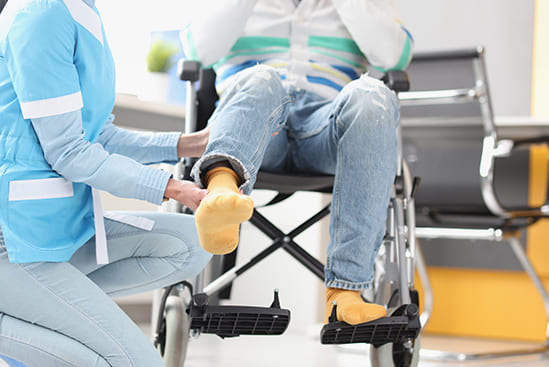
In response to changing healthcare needs, many Malaysian physiotherapists now offer home-based Physiotherapy services. This is particularly beneficial for patients with mobility issues, post-surgical recovery, or elderly care needs. A physiotherapist can travel to your home with portable equipment, delivering high-quality therapy in the comfort of your living room. Learn more about Home Visit Physiotherapy Services.


Additionally, for those in remote areas or with tight schedules, online physiotherapy (also known as tele-physio) has emerged as a viable option. Through video consultations, patients can receive exercise guidance, posture correction, and follow-up care under expert supervision.

How to Book a Physiotherapy Session in Malaysia

Booking a session is now easier than ever. Most modern Physiotherapy Malaysia clinics offer:

  • Online booking systems via their website or mobile app

  • WhatsApp enquiries for quick responses

  • Flexible appointment hours, including evenings and weekends

  • Package plans to make therapy more affordable

First-time patients usually undergo a comprehensive assessment, after which a customized treatment plan is proposed. This plan will include the number of sessions required, estimated recovery timelines, and home exercises.


Don’t wait for your condition to worsen. The sooner you begin treatment, the quicker your recovery.

Why Malaysians Trust Physiotherapy More Than Ever

The Malaysian healthcare system has seen a paradigm shift toward preventative and rehabilitative care, with Physiotherapy Malaysia playing a central role. Patients no longer wait for surgery or long-term medication to feel better, they take proactive steps with physical therapy as the first line of defence.

Moreover, the friendly and multicultural nature of Malaysian clinics makes therapy sessions approachable and engaging. Language barriers are minimal, with many physiotherapists fluent in English, Malay, Mandarin, and Tamil.


Whether you’re an athlete, an office worker, a retiree, or a student, Physiotherapy Malaysia can improve your quality of life. The focus is on functional recovery, pain reduction, and long-term health.

Frequently Asked Questions (FAQs)

1. How long does a typical physiotherapy session last?

Most sessions range between 45 minutes to 1 hour, depending on the condition and treatment approach.

2. Do I need a doctor’s referral to start physiotherapy in Malaysia?

No, you can book directly with a certified physiotherapist without a referral.

3. Are physiotherapy sessions covered by Malaysian health insurance?

Many insurance providers offer partial or full reimbursement. It’s best to check with your insurance company beforehand.

4. Can physiotherapy help with long-term conditions like arthritis or stroke?

Yes, physiotherapy is highly effective in managing chronic conditions through tailored rehabilitation plans.

5. Is online physiotherapy as effective as in-person sessions?

For certain conditions, online consultations can be effective, especially for exercise guidance and follow-ups.

Final Thoughts: Book Your Appointment Today

If you’re experiencing pain, stiffness, or physical limitations, don’t delay your healing journey. Expert Physiotherapy Malaysia is accessible, professional, and patient-focused. With experienced therapists, modern facilities, and a wide range of treatment options, Malaysia offers some of the best rehabilitative care in Southeast Asia.


Take the first step today. Book your consultation with a certified physiotherapist and experience the benefits of personalised, evidence-based care. Visit our homepage to start your journey. Your body will thank you.

Share This :

Back & Neck Pain

Conditions such as stiffness, postural abnormalities and muscle overuse from prolonged desk work at the office or home is more prevalent than most would think. We provide the necessary tools to fix you up and educate you on ergonomics which can unload unnecessary stress.

Sports Injuries

Rolled ankles, jarred knees, impinged shoulders are few conditions in the plethora of sports injuries which can hamper performance and limit our enjoyment of sports. Physiotherapy not only treats the symptoms of these conditions but propels your overall fitness to greater heights.

Work Desk Injuries​

Conditions such as stiffness, postural abnormalities and muscle overuse from prolonged desk work at the office or home is more prevalent than most would think. We provide the necessary tools to fix you up and educate you on ergonomics which can unload unnecessary stress.

Pre-Post-Surgical Conditions

Surgery involves going through preparation both before and after. Physiotherapists play a vital role in getting your body ready for surgeries with circulatory, breathing and strengthening exercises. After the procedure, let us be there for your recovery and rehabilitation, taking it one step at a time.

Scoliosis & Postural Abnormalities

The way we stand, sit, walk and sleep has influence over our posture and the overall balance of muscles controlling its alignment. A comprehensive screening can be done by our physiotherapists to detect abnormalities, which we will aid in correcting.

Neurological Conditions

Neurological disabilities such as stroke, nerve compression and neuropathies can be barriers for patients to live life to its fullest. We at Synapse are committed to help you overcome these hurdles by ensuring functional mobility and quality of life is at its optimum by providing the right treatment and exercises.

Osteoarthritis & Rheumatism

Joint degeneration and inflammation happens as the human body grows older, but that does not mean our way of life degenerates as well. Relief your joint pains with a joint effort together with your physiotherapist, who will provide pain-relief treatments and prescribe exercises for your wellbeing.

Conditions Relating To Elderly

Common conditions in the older age population include hips & knee pain, back & neck pain, osteoarthritis, rheumatism, fear of falling and many more.  Aging and degeneration of bodily function is inevitable, but here at Synapse, we will help you live the best of your life.


Home Physiotherapy

We understand that some conditions or injuries can make it difficult to receive rehabilitation at our clinic be it mobility or transportation issues. Our objective is to provide you with the same high-quality physiotherapy services at home that you would receive in-clinic.
Posted on

Geriatric Physiotherapy Malaysia | Best Senior Exercises

Physiotherapy Malaysia
Synapse Physiotherapy

Geriatric Physiotherapy Malaysia | Best Senior Exercises

As Malaysia’s population continues to age, there is a growing emphasis on quality of life and functional independence among older adults. One of the most effective ways to support healthy ageing is through geriatric physiotherapy—a specialized branch of physiotherapy in Malaysia dedicated to improving the health, mobility, and well-being of seniors. Whether it’s managing chronic conditions or enhancing physical function, geriatric physiotherapy is a vital resource for our elderly population.

At Synapse Physio, we understand the unique needs of ageing individuals. That’s why we’ve developed our Silver Fitness Programme—a tailored physiotherapy and exercise regimen designed to support senior citizens in achieving optimal physical health and maintaining independence in their golden years.

Understanding geriatric physiotherapy 

Geriatric physiotherapy is a specialized area of physiotherapy in Malaysia that addresses the unique physical and functional needs of older adults. It is designed to restore function, enhance remaining physical abilities, and ultimately improve the overall quality of life for seniors—especially those living with age-related impairments, chronic conditions, or frailty.

Many seniors experience physical deconditioning due to a range of chronic illnesses and degenerative conditions. Common medical issues that contribute to physical decline include arthritis, osteoporosis, stroke, Parkinson’s disease, heart disease, and chronic obstructive pulmonary disease (COPD). These conditions often lead to reduced mobility, balance issues, muscle weakness, and increased risk of falls—making physiotherapy an essential part of their care plan.

Rather than focusing solely on treating specific diseases, modern geriatric rehabilitation places greater emphasis on functional ability, independence, and well-being. This approach recognizes that maintaining mobility and autonomy is just as important as managing medical conditions. By preserving and strengthening physical function, geriatric physiotherapy helps older adults remain active, independent, and engaged in daily life for as long as possible.

Benefits of Geriatric Physiotherapy

The benefits of geriatric physiotherapy in Malaysia are far-reaching and deeply impactful. Here are some of the key advantages:

1. Improved Mobility and Independence

Through targeted exercises and therapeutic techniques, older adults can improve their range of motion, coordination, and mobility. This directly enhances their ability to perform daily tasks, reducing dependency on caregivers or family members.

2. Pain Management

Chronic pain from arthritis, joint degeneration, or old injuries can significantly hinder a senior’s quality of life. Geriatric physiotherapy uses manual therapy, electrotherapy, and therapeutic exercises to alleviate pain naturally—often reducing the need for medication.

3. Fall Prevention

Falls are one of the leading causes of injury among the elderly in Malaysia. Geriatric physiotherapy emphasizes balance training, gait correction, and strengthening exercises, all of which contribute to fall prevention and safer movement.

4. Enhanced Mental Well-Being

Physical activity releases endorphins, which help combat feelings of depression or anxiety—common issues among seniors. Structured physiotherapy not only boosts physical health but also improves emotional wellness, giving seniors a sense of purpose and achievement.

5. Post-Surgical Recovery

Many seniors undergo surgeries such as hip or knee replacements. Geriatric physiotherapy plays a critical role in post-operative rehabilitation, accelerating recovery and minimizing complications.

Core Aspects of Geriatric Physiotherapy

An effective geriatric physiotherapy programme must focus on the following four key components:

1. Balance

With age, balance tends to decline due to changes in muscle tone, inner ear function, and visual perception. At Synapse Physio, we use dynamic and static balance exercises—such as tandem walking, one-leg stands, and stability ball routines—to retrain the body’s equilibrium. This helps reduce the risk of falls and improve confidence during movement.

2. Strength

Muscle atrophy is common in older adults, especially those who are sedentary. Strengthening exercises using resistance bands, light weights, or body weight help rebuild muscle mass, support joints, and enhance functional power—making activities like getting out of a chair or lifting groceries easier and safer.

3. Flexibility

Tight muscles and stiff joints can limit an elder’s ability to move freely and increase the risk of strains. Stretching exercises are included to maintain or improve joint flexibility, reduce stiffness, and promote proper posture. Flexibility routines are carefully curated to be gentle yet effective.

4. Endurance

Cardiovascular health is crucial in older age. Our endurance training includes low-impact aerobic exercises such as walking, cycling on a stationary bike, or chair aerobics. These activities increase stamina, improve heart health, and contribute to better energy levels throughout the day.

Synapse Physio’s Silver Fitness Programme

At Synapse Physio, we proudly offer the Silver Fitness Programme—a comprehensive, senior-specific physiotherapy and exercise programme designed by expert physiotherapists who specialize in geriatric care. This programme is:

  • Tailored to individual needs – We assess each senior’s physical condition, health history, and goals before creating a custom plan.
  • Safe and supervised – All sessions are monitored by certified physiotherapists to ensure safety and progress.
  • Holistic in nature – We combine physical therapy with lifestyle advice, fall prevention education, and motivational coaching.

The Silver Fitness Programme is perfect for seniors who want to stay active, manage chronic pain, recover from surgery, or simply maintain their independence. Whether you’re 60 or 90, it’s never too late to take charge of your physical health.

Why Choose Geriatric Physiotherapy in Malaysia?

Malaysia is rapidly moving toward becoming an ageing nation. With increasing awareness and improved healthcare facilities, the demand for specialized elder care is growing. Geriatric physiotherapy provides an accessible, non-invasive, and cost-effective solution to many of the challenges faced by seniors today.

At Synapse Physiotherapy, we are committed to delivering top-notch physiotherapy services for the elderly, using evidence-based methods and compassionate care. Our goal is to help every senior client live a more active, pain-free, and fulfilling life.

Share This :

Back & Neck Pain

Conditions such as stiffness, postural abnormalities and muscle overuse from prolonged desk work at the office or home is more prevalent than most would think. We provide the necessary tools to fix you up and educate you on ergonomics which can unload unnecessary stress.

Sports Injuries

Rolled ankles, jarred knees, impinged shoulders are few conditions in the plethora of sports injuries which can hamper performance and limit our enjoyment of sports. Physiotherapy not only treats the symptoms of these conditions but propels your overall fitness to greater heights.

Work Desk Injuries​

Conditions such as stiffness, postural abnormalities and muscle overuse from prolonged desk work at the office or home is more prevalent than most would think. We provide the necessary tools to fix you up and educate you on ergonomics which can unload unnecessary stress.

Pre-Post-Surgical Conditions

Surgery involves going through preparation both before and after. Physiotherapists play a vital role in getting your body ready for surgeries with circulatory, breathing and strengthening exercises. After the procedure, let us be there for your recovery and rehabilitation, taking it one step at a time.

Scoliosis & Postural Abnormalities

The way we stand, sit, walk and sleep has influence over our posture and the overall balance of muscles controlling its alignment. A comprehensive screening can be done by our physiotherapists to detect abnormalities, which we will aid in correcting.

Neurological Conditions

Neurological disabilities such as stroke, nerve compression and neuropathies can be barriers for patients to live life to its fullest. We at Synapse are committed to help you overcome these hurdles by ensuring functional mobility and quality of life is at its optimum by providing the right treatment and exercises.

Osteoarthritis & Rheumatism

Joint degeneration and inflammation happens as the human body grows older, but that does not mean our way of life degenerates as well. Relief your joint pains with a joint effort together with your physiotherapist, who will provide pain-relief treatments and prescribe exercises for your wellbeing.

Conditions Relating To Elderly

Common conditions in the older age population include hips & knee pain, back & neck pain, osteoarthritis, rheumatism, fear of falling and many more.  Aging and degeneration of bodily function is inevitable, but here at Synapse, we will help you live the best of your life.
Home Physiotherapy

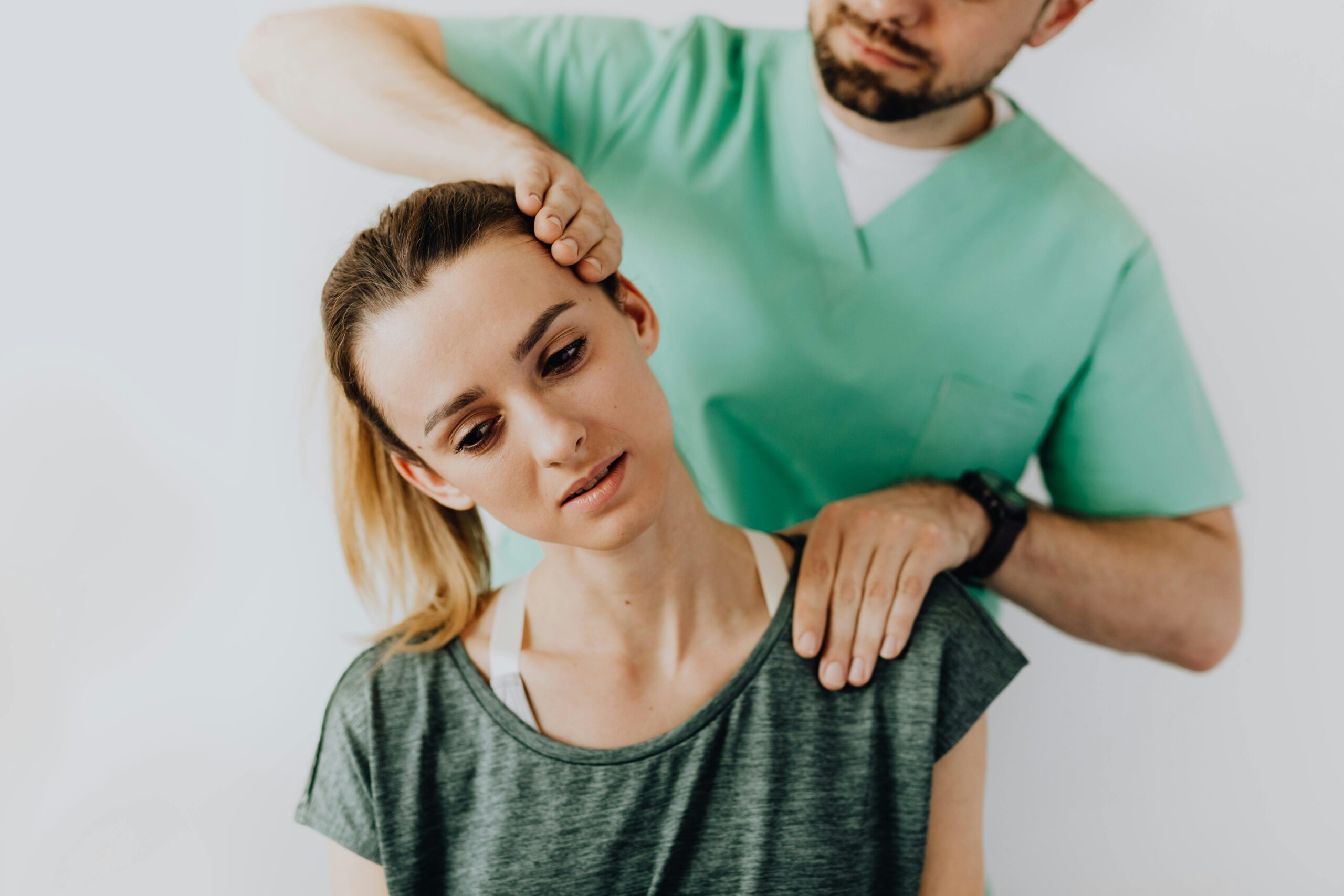
We understand that some conditions or injuries can make it difficult to receive rehabilitation at our clinic be it mobility or transportation issues. Our objective is to provide you with the same high-quality physiotherapy services at home that you would receive in-clinic.
Posted on

Physiotherapy Malaysia for Tendonitis & Ligament Injuries

Physiotherapy Malaysia
Synapse Physiotherapy

Introduction

Injuries to tendons and ligaments are incredibly common, whether from sports, accidents, or repetitive strain. These injuries, though often underestimated, can significantly impact mobility, quality of life, and daily functioning. Fortunately, Physiotherapy Malaysia has emerged as a reliable and effective solution for managing and recovering from such injuries.

Physiotherapy in Malaysia has grown in both accessibility and reputation, offering world-class care through evidence-based practices, modern equipment, and personalised treatment approaches. Whether you’re dealing with tendonitis, a condition marked by inflammation or irritation of a tendon or a ligament injury such as an ankle sprain or ACL tear, physiotherapists across the country are well-equipped to support your recovery journey.

Malaysian physiotherapy clinics cater to a wide demographic, from athletes to office workers, children to the elderly. With an emphasis on holistic, non-invasive methods, Physiotherapy Malaysia not only focuses on healing the current injury but also on preventing future issues through education, strengthening, and biomechanical correction.

In this article, we’ll dive into how physiotherapy helps treat tendonitis and ligament injuries, explore the techniques used by professionals in Malaysia, and share why early intervention can make all the difference.

What Are Tendonitis and Ligament Injuries?

Before we get into treatment, it’s essential to understand the nature of these injuries.

Tendonitis is the inflammation or irritation of a tendon, the thick cord that attaches muscle to bone. It typically results from repetitive strain or overuse, and it’s most common in the shoulder, elbow, knee, wrist, and heel. Conditions like tennis elbow, golfer’s elbow, Achilles tendonitis, and rotator cuff tendonitis fall under this category.

On the other hand, ligament injuries involve damage to the ligaments, fibrous connective tissues that connect bones across joints and provide stability. These injuries often occur due to sudden trauma or awkward movement, such as twisting the ankle or knee. They can range from mild sprains (Grade I) to partial tears (Grade II) or complete ruptures (Grade III).

Though these conditions differ in terms of structure and cause, both share similar symptoms like pain, swelling, stiffness, and reduced range of motion.

How Physiotherapy in Malaysia Supports Recovery

Physiotherapy Malaysia is known for its integrated, patient-centred approach. Rather than relying solely on medication or surgery, physiotherapy emphasises natural recovery through guided exercise, manual therapy, and targeted treatments.

1. Pain Reduction and Inflammation Control

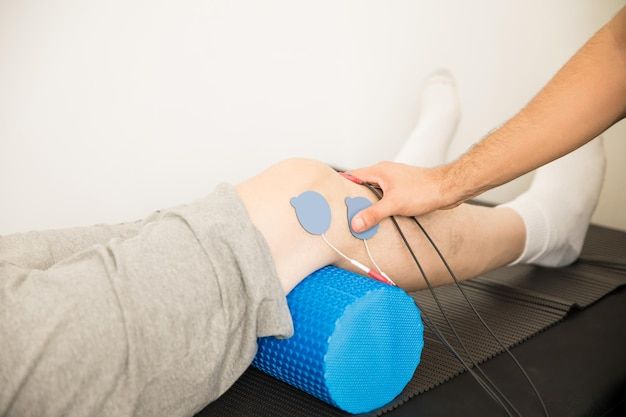
Early treatment focuses on reducing inflammation and managing pain. Modalities such as ice therapy, ultrasound, shockwave therapy, and TENS (Transcutaneous Electrical Nerve Stimulation) are commonly used in Malaysian clinics.

2. Restoring Mobility and Flexibility

Once pain subsides, physiotherapists work on restoring joint movement and flexibility through gentle stretching and joint mobilisation techniques.

3. Strengthening the Affected Area

Strengthening exercises are introduced to rebuild muscle and tendon/ligament resilience, preventing re-injury. Eccentric exercises are especially effective in these cases.

4. Rehabilitation and Return to Activity

For athletes or active individuals, sport-specific rehabilitation helps ensure a safe return to previous levels of activity. For others, the goal is a full return to daily living and work. You can explore more on this through our Sports Physiotherapy programme.

Techniques Commonly Used in Malaysian Physiotherapy Clinics

Malaysian physiotherapists use a wide variety of modern and traditional techniques to treat tendonitis and ligament injuries effectively. These include:

1. Manual Therapy

Includes hands-on joint mobilisations, soft tissue massage, trigger point therapy, and myofascial release.

2. Exercise Therapy

Customised rehab programmes that strengthen muscles, improve joint stability, and correct movement imbalances.

3. Dry Needling & Cupping

These are popular complementary techniques in Malaysia. Dry needling helps reduce muscle tension, while cupping can improve circulation and tissue healing.

4. Taping and Bracing

Taping methods like Kinesio Taping provide support during movement and reduce strain on healing tissues.

5. Electrotherapy

Techniques like ultrasound therapy and TENS are used to reduce pain and accelerate healing.

Benefits of Early Physiotherapy Intervention

When it comes to tendonitis and ligament injuries, early intervention can make a huge difference. Here’s why:

1. Prevents Chronic Pain

Untreated tendon or ligament issues may lead to chronic conditions, limiting mobility and function in the long term.

2. Speeds Up Recovery

Prompt treatment can significantly shorten the healing period.

3. Improves Outcomes

Early physiotherapy ensures the injury heals correctly, minimising the risk of re-injury or compensatory problems in other joints or muscles.

4. Reduces Need for Surgery

With the right physiotherapy, many moderate injuries can be treated non-surgically. Learn more about our pain management solutions and how they can aid recovery.

What to Expect During a Physiotherapy Session in Malaysia

Your first visit typically starts with a thorough assessment. The physiotherapist will take a detailed history, ask about your lifestyle, conduct a physical exam, and possibly refer you for imaging (like ultrasound or MRI) if necessary.

From there, you’ll receive a tailored treatment plan, which might include:

  • Initial pain management strategies

  • A progressive exercise plan

  • Advice on lifestyle changes or ergonomics

  • Education on posture and movement patterns

  • Regular progress evaluations and adjustments

Sessions are usually 30 to 60 minutes long, and frequency depends on the severity of the injury.

Finding the Right Physiotherapy Clinic in Malaysia

When searching for a physiotherapy provider, consider the following:

  • Qualifications and Experience: Ensure the clinic employs licensed, experienced physiotherapists with a track record of treating musculoskeletal injuries.

  • Treatment Approach: Look for clinics that provide personalised, evidence-based care rather than one-size-fits-all solutions.

  • Facilities and Equipment: Modern clinics often have advanced rehab tools and equipment for a more effective recovery process.

  • Location and Accessibility: Choose a clinic conveniently located near your home or workplace to encourage consistency in appointments.

Malaysia boasts many reputable physiotherapy centres in major cities like Kuala Lumpur, Petaling Jaya, Penang, Johor Bahru, and Shah Alam. Many of these clinics also offer home visits and telehealth services for greater convenience.

Frequently Asked Questions (FAQs)

1. How long does it take to recover from tendonitis with physiotherapy?

Recovery time varies depending on the severity, but most patients notice improvement within 4 to 6 weeks of consistent physiotherapy.

2. Can physiotherapy completely heal ligament injuries?

Mild to moderate ligament injuries can heal fully with physiotherapy. Severe tears might require surgical consultation, but physiotherapy is still key in recovery.

3. Are the techniques used in Malaysian clinics safe?

Yes, techniques like manual therapy, electrotherapy, and dry needling are evidence-based and safely administered by qualified professionals.

4. Do I need a doctor’s referral to start physiotherapy in Malaysia?

In most cases, no referral is needed. You can directly contact a clinic and schedule an assessment with a physiotherapist.

5. Is physiotherapy suitable for elderly individuals with ligament damage?

Absolutely. Physiotherapy Malaysia is tailored for all age groups, and many clinics offer specialised programmes for seniors to support gentle, effective healing.

Conclusion

Tendonitis and ligament injuries may be frustrating, but with the right care, recovery is well within reach. Physiotherapy Malaysia provides a comprehensive, patient-focused approach to healing these injuries through a combination of manual therapy, targeted exercises, pain management techniques, and education. 

Whether you’re an athlete or simply trying to get back to daily life without pain, seeking help from a qualified physiotherapist in Malaysia can put you on the path to full recovery and long-term wellness.

Learn more about our qualified team and services to start your journey today.

Share This :

Back & Neck Pain

Conditions such as stiffness, postural abnormalities and muscle overuse from prolonged desk work at the office or home is more prevalent than most would think. We provide the necessary tools to fix you up and educate you on ergonomics which can unload unnecessary stress.

Sports Injuries

Rolled ankles, jarred knees, impinged shoulders are few conditions in the plethora of sports injuries which can hamper performance and limit our enjoyment of sports. Physiotherapy not only treats the symptoms of these conditions but propels your overall fitness to greater heights.

Work Desk Injuries​

Conditions such as stiffness, postural abnormalities and muscle overuse from prolonged desk work at the office or home is more prevalent than most would think. We provide the necessary tools to fix you up and educate you on ergonomics which can unload unnecessary stress.

Pre-Post-Surgical Conditions

Surgery involves going through preparation both before and after. Physiotherapists play a vital role in getting your body ready for surgeries with circulatory, breathing and strengthening exercises. After the procedure, let us be there for your recovery and rehabilitation, taking it one step at a time.

Scoliosis & Postural Abnormalities

The way we stand, sit, walk and sleep has influence over our posture and the overall balance of muscles controlling its alignment. A comprehensive screening can be done by our physiotherapists to detect abnormalities, which we will aid in correcting.

Neurological Conditions

Neurological disabilities such as stroke, nerve compression and neuropathies can be barriers for patients to live life to its fullest. We at Synapse are committed to help you overcome these hurdles by ensuring functional mobility and quality of life is at its optimum by providing the right treatment and exercises.

Osteoarthritis & Rheumatism

Joint degeneration and inflammation happens as the human body grows older, but that does not mean our way of life degenerates as well. Relief your joint pains with a joint effort together with your physiotherapist, who will provide pain-relief treatments and prescribe exercises for your wellbeing.

Conditions Relating To Elderly

Common conditions in the older age population include hips & knee pain, back & neck pain, osteoarthritis, rheumatism, fear of falling and many more.  Aging and degeneration of bodily function is inevitable, but here at Synapse, we will help you live the best of your life.

Home Physiotherapy

We understand that some conditions or injuries can make it difficult to receive rehabilitation at our clinic be it mobility or transportation issues. Our objective is to provide you with the same high-quality physiotherapy services at home that you would receive in-clinic.
Posted on

How Physiotherapy Can Help Relieve Acute Back Pain

Physiotherapy Malaysia
Osteoarthritis & Rheumatism, Pre-Post-Surgical Conditions, Synapse Physiotherapy

Introduction

Acute back pain is one of the most common physical complaints among Malaysians. Whether caused by poor posture, sudden injury, or lifting something the wrong way, it can interrupt daily life and make even simple movements difficult. In recent years, many people have turned to Physiotherapy Malaysia services for a safer, more effective approach to recovery one that doesn’t rely on painkillers or invasive procedures.


Physiotherapy focuses on treating the source of pain rather than just covering the symptoms. It combines hands-on therapy, guided exercise, and practical advice to help people heal and prevent future injury. Clinics across Malaysia now offer advanced treatment methods and personalised care to support faster and long-lasting recovery from acute back pain.

Understanding Acute Back Pain

Acute back pain is short-term pain that usually lasts for less than six weeks. It often results from a specific event such as lifting something heavy, twisting awkwardly, or sitting in one position for too long. While some cases may improve with rest and time, others can become more serious without proper treatment.

The pain may be sharp or stabbing and is often felt in the lower back. It might also cause stiffness, limited movement, and difficulty standing or walking. When left untreated, acute pain can develop into chronic discomfort that becomes harder to manage.

That’s why early intervention is important. Seeking professional help through Physiotherapy Malaysia ensures the pain is not only managed but also prevented from returning. You can learn more about the different types of conditions treated through physiotherapy by visiting Synapse’s conditions page.

How Physiotherapy Addresses Back Pain

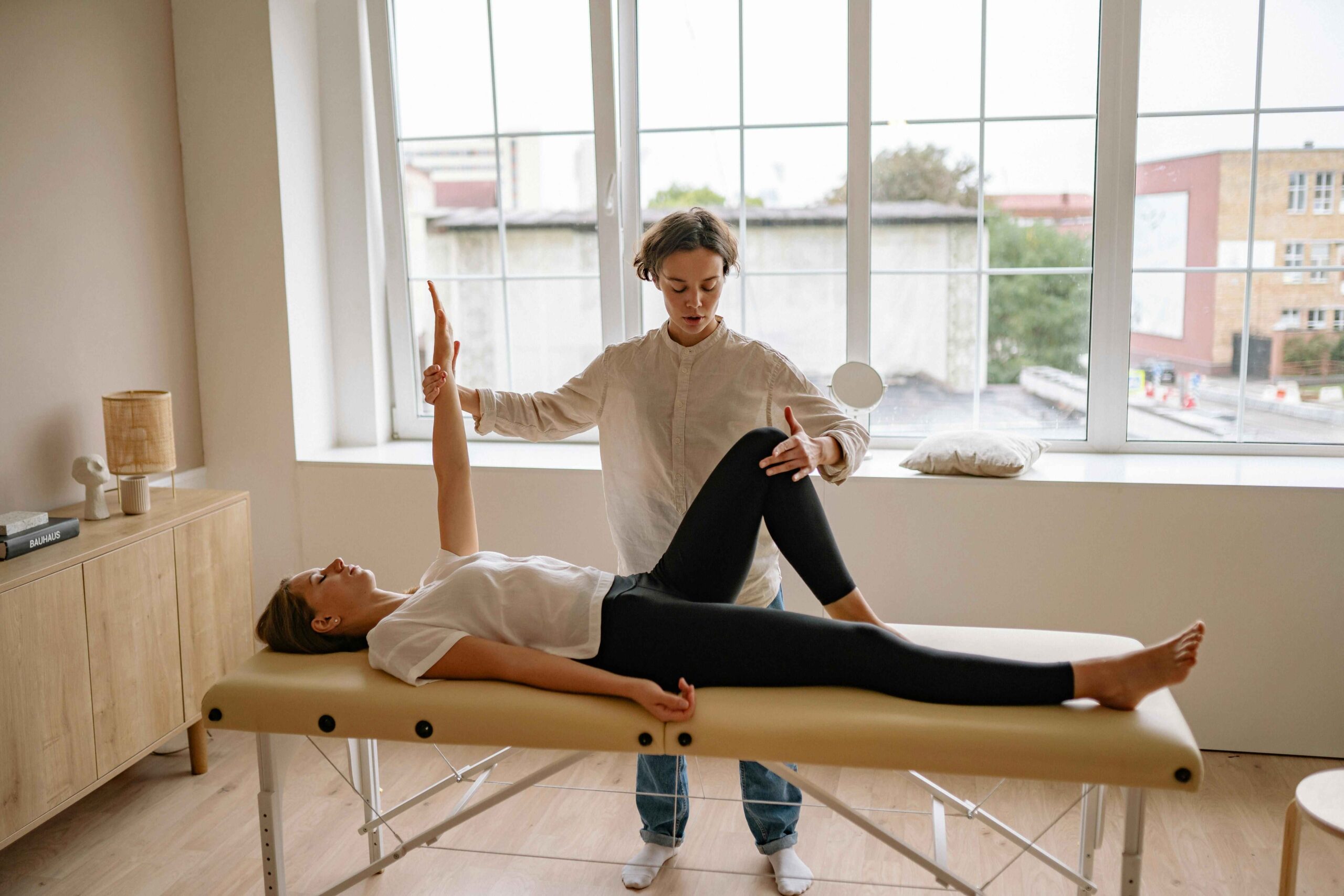
When you visit a physiotherapy clinic in Malaysia, the first step is usually a full physical assessment. This helps the physiotherapist understand the cause of the pain, how it affects your movement, and what might be contributing to the problem. Some clinics also collaborate with imaging centres or orthopaedic specialists for a more accurate diagnosis when needed.

Accurate Assessment and Diagnosis

A detailed assessment is essential for building an effective treatment plan. Physiotherapists will evaluate your posture, joint movement, muscle strength, and flexibility. This process helps identify whether the pain is related to muscle strain, joint stiffness, or poor alignment.

Pain Relief and Manual Therapy

In the early stages, the main goal is to reduce pain and ease inflammation. This might involve heat or cold therapy, ultrasound, or TENS (transcutaneous electrical nerve stimulation). These methods help calm the affected area and prepare your body for more active treatment.

Manual therapy is often part of the treatment as well. Using techniques such as joint mobilisation and soft tissue massage, your physiotherapist can relieve muscle tension, improve alignment, and restore movement in the spine.

Exercise and Movement Therapy

Once the pain starts to improve, your physiotherapist will guide you through a personalised exercise programme. These exercises are designed to strengthen your core, improve your posture, and restore normal function. Common movements include gentle stretches, balance work, and activities that mimic everyday tasks like bending or lifting.

Physiotherapists from Synapse Rehab Centre offer targeted spine and core rehabilitation programmes that help build long-term strength and prevent the pain from returning.

Education and Prevention Strategies

One of the key benefits of physiotherapy is the focus on education. You’ll learn how to avoid movements or habits that could cause your pain to return. This may include advice on your sitting posture, lifting techniques, or how to set up your work desk more ergonomically.

These practical tips are especially helpful in a country like Malaysia, where long hours at a desk or behind the wheel are common. By learning how to move safely and protect your back, you’ll not only recover faster but also stay pain-free for longer.

What Makes Physiotherapy in Malaysia a Reliable Option

As awareness of holistic and non-invasive care grows, more people are turning to Physiotherapy Malaysia to manage back pain. Clinics in cities like Kuala Lumpur, Penang, and Johor Bahru, as well as smaller towns, now offer modern equipment and trained professionals who provide personalised care to suit each patient’s condition.

Your experience typically begins with an initial consultation and assessment, followed by hands-on treatment and exercise sessions. Progress is monitored closely, and your physiotherapist will adjust your plan as needed. Clinics such as Synapse Physiotherapy Centre are known for their patient-centred approach and commitment to quality care.

Benefits of Physiotherapy for Acute Back Pain

The advantages of using physiotherapy to treat back pain are many. It offers a drug-free, non-invasive approach that focuses on long-term healing. Every treatment is tailored to your needs, helping you recover safely and effectively. Most importantly, it gives you the tools and knowledge to manage your health independently.

Patients often report faster recovery, better posture, and improved movement after a full course of treatment. With ongoing support from a qualified physiotherapist, you’ll also reduce your chances of experiencing similar problems in the future.

To explore more ways physiotherapy supports recovery, visit the Synapse page on Pain Management.

Frequently Asked Questions (FAQs)

1. How long should I wait before seeing a physiotherapist for back pain?

If your back pain doesn’t improve within a few days, or if it’s severe from the beginning, it’s best to see a physiotherapist sooner rather than later. Early treatment leads to quicker results.

2. Can physiotherapy prevent future back pain?

Yes. Physiotherapy doesn’t just treat current painit also strengthens your body and teaches you how to avoid future injuries.

3. Is physiotherapy safe for all ages?

Absolutely. Treatment is adapted to each person’s age, health status, and activity level. It’s suitable for everyone, including seniors.

4. Will I need to continue exercising at home?

Yes. Home exercises are often part of your recovery plan and help speed up progress. Your physiotherapist will guide you on what to do and how often.

5. Do I need a referral to start physiotherapy in Malaysia?

In most cases, you can book directly with a clinic. Some clinics may work with doctors or offer home visits for added convenience.

Final Thoughts

Acute back pain can happen to anyone, but you don’t have to let it affect your life for long. Physiotherapy Malaysia offers effective, customised solutions that treat the root cause of your pain and help you feel like yourself again. With expert care, you can return to work, sport, or daily routines more confidently and with less risk of future injury.


If you’re ready to take the next step toward recovery, reach out to a trusted physiotherapy provider near you. A visit to the right clinic could be the beginning of a healthier, pain-free life.

Share This :

Back & Neck Pain

Conditions such as stiffness, postural abnormalities and muscle overuse from prolonged desk work at the office or home is more prevalent than most would think. We provide the necessary tools to fix you up and educate you on ergonomics which can unload unnecessary stress.

Sports Injuries

Rolled ankles, jarred knees, impinged shoulders are few conditions in the plethora of sports injuries which can hamper performance and limit our enjoyment of sports. Physiotherapy not only treats the symptoms of these conditions but propels your overall fitness to greater heights.

Work Desk Injuries​

Conditions such as stiffness, postural abnormalities and muscle overuse from prolonged desk work at the office or home is more prevalent than most would think. We provide the necessary tools to fix you up and educate you on ergonomics which can unload unnecessary stress.

Pre-Post-Surgical Conditions

Surgery involves going through preparation both before and after. Physiotherapists play a vital role in getting your body ready for surgeries with circulatory, breathing and strengthening exercises. After the procedure, let us be there for your recovery and rehabilitation, taking it one step at a time.

Scoliosis & Postural Abnormalities

The way we stand, sit, walk and sleep has influence over our posture and the overall balance of muscles controlling its alignment. A comprehensive screening can be done by our physiotherapists to detect abnormalities, which we will aid in correcting.

Neurological Conditions

Neurological disabilities such as stroke, nerve compression and neuropathies can be barriers for patients to live life to its fullest. We at Synapse are committed to help you overcome these hurdles by ensuring functional mobility and quality of life is at its optimum by providing the right treatment and exercises.

Osteoarthritis & Rheumatism

Joint degeneration and inflammation happens as the human body grows older, but that does not mean our way of life degenerates as well. Relief your joint pains with a joint effort together with your physiotherapist, who will provide pain-relief treatments and prescribe exercises for your wellbeing.

Conditions Relating To Elderly

Common conditions in the older age population include hips & knee pain, back & neck pain, osteoarthritis, rheumatism, fear of falling and many more.  Aging and degeneration of bodily function is inevitable, but here at Synapse, we will help you live the best of your life.
Home Physiotherapy

We understand that some conditions or injuries can make it difficult to receive rehabilitation at our clinic be it mobility or transportation issues. Our objective is to provide you with the same high-quality physiotherapy services at home that you would receive in-clinic.
Posted on

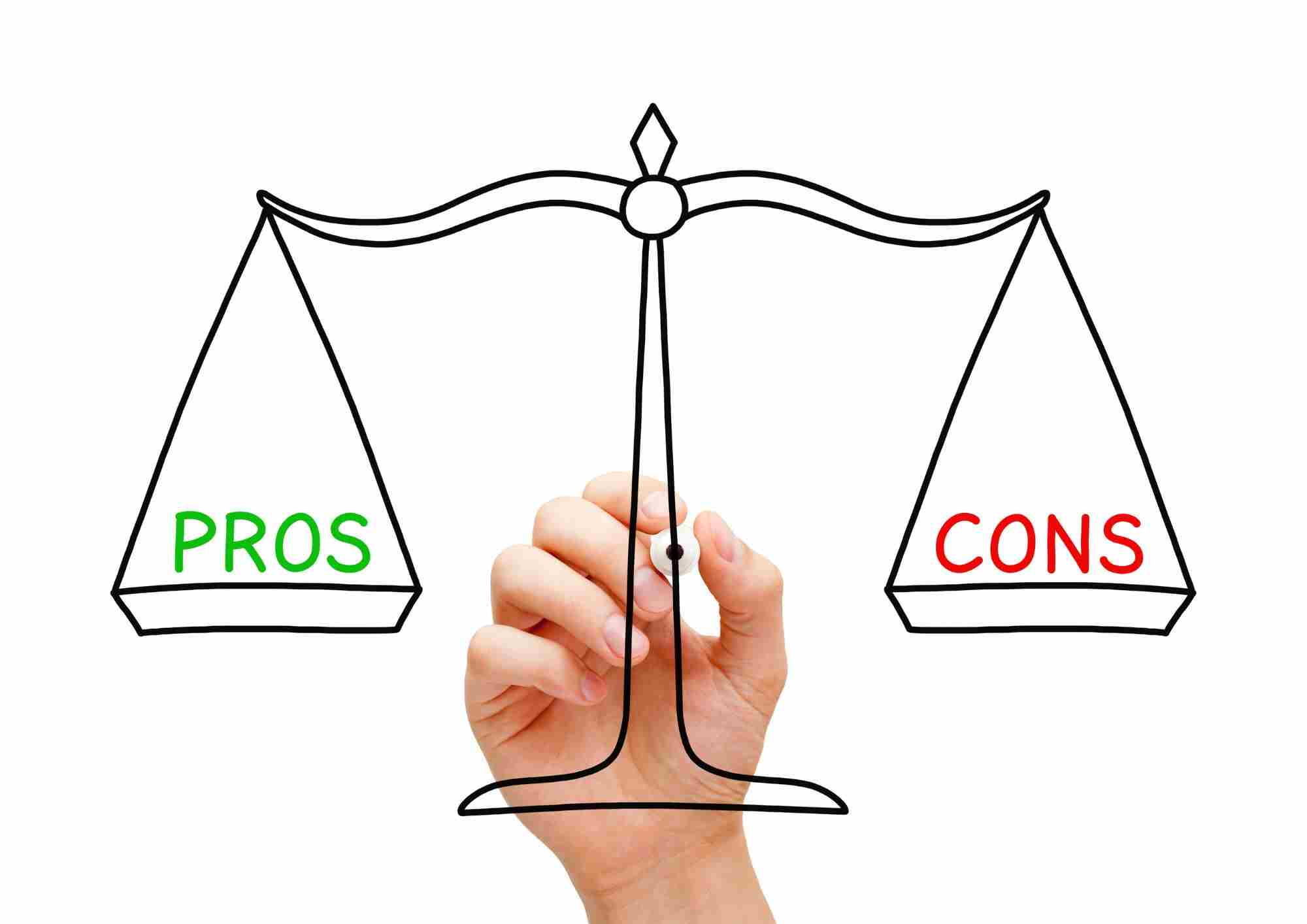
What Are the Pros and Cons of Physical Therapy

Physiotherapy Malaysia
Home Physiotherapy, Synapse Physiotherapy

What is physical therapy and who is a physical therapist?


Physiotherapy, as defined by World Physiotherapy, is a healthcare field focused on human movement and improving physical ability. It aims to enhance quality of life and movement through activities that promote health, prevent issues, and provide treatments for recovery and improvement. Using physical techniques, physiotherapy supports physical, mental, and social health, adapting to each person’s health needs. Based on scientific evidence, it involves continuous learning and assessment to improve care.

Physiotherapists at Physiotherapy Malaysia, work in diverse healthcare settings, addressing various physical challenges related to body systems, especially the nervous system, musculoskeletal system (muscles, bones, and joints), and the cardiovascular and respiratory systems (heart and lungs). In Malaysia, physiotherapy practice aligns with these standards, with certified and well-trained therapists providing care that enhances movement, rehabilitation, and quality of life. Malaysian physiotherapists follow these guidelines to offer evidence-based, patient-centered care that supports holistic well-being.

Physiotherapists  at  Physiotherapy Malaysia work independently or as part of a team with other healthcare professionals. They use reflective practices and systematic problem-solving to provide patient-focused care.

People are often referred to physiotherapists by doctors or other healthcare professionals, but many are now choosing to see physiotherapists directly, without needing a prior referral. This direct access option is also available in Malaysia.

Pros 

Manage Musculoskeletal Conditions

Conditions like arthritis, osteoporosis, and tendonitis are common musculoskeletal issues that can be effectively managed with physical therapy. Therapists use various techniques to relieve pain and improve mobility while also teaching patients how to manage their condition independently and prevent further complications.

Prevent Surgery

Physical therapy Physiotherapy Malaysia can help patients avoid surgery in certain situations. For example, it can reduce pain and inflammation from conditions like a herniated disc, potentially eliminating the need for surgery. In cases of arthritis, physical therapy may be recommended as a non-invasive alternative to joint replacement surgery. Trying physical therapy before opting for surgery is often a beneficial option.

Assist in Post-Surgery Recovery

After surgery, physical therapy plays a key role in helping patients recover. It focuses on restoring strength, flexibility, and range of motion, especially for individuals recovering from orthopedic surgeries such as knee replacements. A physical therapist can guide the rehabilitation process, enabling patients to return to normal activities sooner.

Pre-Surgery Rehabilitation (Pre-hab)

Before undergoing surgery, patients can benefit from pre-surgery rehabilitation (pre-hab), which improves their chances of a faster and smoother recovery. By engaging in pre-hab, patients can begin light exercises like walking and using the stairs even shortly after surgery, aiding in quicker recovery and better overall outcomes.

Alleviate, Manage, or Eliminate Pain

Pain is a common reason people turn to physical therapy, often caused by injuries, accidents, or everyday physical strain. Physical therapists use a variety of methods like specialized exercises, manual therapy, and electrical stimulation to reduce or completely eliminate pain without the need for opioid medication. This natural approach offers relief and promotes long-term recovery.

Recover from Sports Injuries

Sports injuries are common but can be effectively treated with physical therapy. The focus is on relieving pain, restoring function, improving strength, and increasing flexibility. Therapists also educate athletes on injury prevention strategies, which is crucial for both recovery and maintaining peak performance.

Prevent or Recover from Workplace Injuries

Certain physically demanding jobs can lead to injuries, but physical therapy helps both prevent and heal these injuries. Therapists work on general conditioning, body mechanics, and posture, and educate employees on how to perform tasks safely to avoid future injuries. This approach is essential for workers in physically intensive environments.

Improve Coordination and Balance

Balance and coordination issues can lead to dangerous falls, but physical therapy can help improve both. Therapists work on enhancing mobility and stability to reduce fall risk. For balance issues linked to the vestibular system, therapists use specific techniques to address symptoms like dizziness or vertigo.

Develop an Effective Home Exercise Program

Physical therapy at Physiotherapy Malaysia isn’t just limited to clinic visits. Therapists often create personalized home exercise programs (HEPs) to help patients continue their recovery outside the clinic. These programs support long-term improvement and help patients maintain progress even as they transition to fewer in-person sessions.

Enhance Overall Quality of Life

Physical therapy at Physiotherapy Malaysia can have a significant positive impact on your overall health and quality of life. It helps reduce stress, improve sleep, and promote relaxation. Along with traditional therapy methods, additional treatments such as core stabilization, laser therapy, cupping, dry needling, and pelvic floor therapy further enhance physical well-being and encourage healthier lifestyle habits.

Cons 


Costly

Physiotherapy at Physiotherapy Malaysia can become expensive, especially if ongoing treatment is required. Costs vary based on location and insurance coverage, which can make it a barrier for some. It’s important to review your insurance options and budget accordingly.

Pain and Discomfort

Some physiotherapy Malaysia treatments, such as stretching and manual therapy, can cause temporary pain or discomfort. This may be challenging for individuals with a low pain tolerance or those already dealing with pain from their condition.

No Guarantees

While physiotherapy has helped many people, it may not work for everyone. The results can vary, and there’s no certainty of success, which can be frustrating for those seeking quick or permanent solutions.

Limited Scope

Physiotherapy is not a universal solution. It may not be effective for all conditions, and some cases may require alternative treatments. Consulting a healthcare professional helps determine if physiotherapy is the right choice for your specific needs.

Time-consuming

Physiotherapy can be a lengthy process, often requiring weeks or even months of regular sessions before significant improvements are seen. This can be a disadvantage for individuals seeking quick solutions. It’s important to understand that physiotherapy is an ongoing investment in your health and well-being, and patience is needed to achieve lasting results. While the process may take time, the benefits of consistent treatment can lead to long-term recovery and improved physical health.

 Does physical therapy work for me? 

Now that you have a solid list of pros and cons for physical therapy at Physiotherapy Malaysia, you can decide whether you’d like to book an evaluation with a physical therapist or explore other options. If you do choose physical therapy Physiotherapy Malaysia, finding the right therapist is essential for your journey. When you connect with someone you trust and feel comfortable around, it can greatly improve your overall treatment experience.
You may start your physiotherapy experience with Synapse Physiotherapy Malaysia because of the many benefits we offer. Our clinic is dedicated to providing personalized care through a combination of hands-on therapy, evidence-based treatment, and a holistic approach to recovery. Whether you’re dealing with an injury, chronic pain, or looking to improve your overall physical health, our certified and experienced therapists are here to guide you every step of the way. With a focus on achieving long-term results, you’ll feel supported and empowered throughout your healing journey.

Share This :

Back & Neck Pain

Conditions such as stiffness, postural abnormalities and muscle overuse from prolonged desk work at the office or home is more prevalent than most would think. We provide the necessary tools to fix you up and educate you on ergonomics which can unload unnecessary stress.

Sports Injuries

Rolled ankles, jarred knees, impinged shoulders are few conditions in the plethora of sports injuries which can hamper performance and limit our enjoyment of sports. Physiotherapy not only treats the symptoms of these conditions but propels your overall fitness to greater heights.

Work Desk Injuries​

Conditions such as stiffness, postural abnormalities and muscle overuse from prolonged desk work at the office or home is more prevalent than most would think. We provide the necessary tools to fix you up and educate you on ergonomics which can unload unnecessary stress.

Pre-Post-Surgical Conditions

Surgery involves going through preparation both before and after. Physiotherapists play a vital role in getting your body ready for surgeries with circulatory, breathing and strengthening exercises. After the procedure, let us be there for your recovery and rehabilitation, taking it one step at a time.

Scoliosis & Postural Abnormalities

The way we stand, sit, walk and sleep has influence over our posture and the overall balance of muscles controlling its alignment. A comprehensive screening can be done by our physiotherapists to detect abnormalities, which we will aid in correcting.

Neurological Conditions

Neurological disabilities such as stroke, nerve compression and neuropathies can be barriers for patients to live life to its fullest. We at Synapse are committed to help you overcome these hurdles by ensuring functional mobility and quality of life is at its optimum by providing the right treatment and exercises.

Osteoarthritis & Rheumatism

Joint degeneration and inflammation happens as the human body grows older, but that does not mean our way of life degenerates as well. Relief your joint pains with a joint effort together with your physiotherapist, who will provide pain-relief treatments and prescribe exercises for your wellbeing.

Conditions Relating To Elderly

Common conditions in the older age population include hips & knee pain, back & neck pain, osteoarthritis, rheumatism, fear of falling and many more.  Aging and degeneration of bodily function is inevitable, but here at Synapse, we will help you live the best of your life.

Home Physiotherapy

We understand that some conditions or injuries can make it difficult to receive rehabilitation at our clinic be it mobility or transportation issues. Our objective is to provide you with the same high-quality physiotherapy services at home that you would receive in-clinic.
Posted on

Physiotherapy vs. Massage Therapy: Which Is Right for You?

Physiotherapy Malaysia
Synapse Physiotherapy

Physiotherapy vs. Massage Therapy: Which Is Right for You?

In today’s fast-paced world, physical pain and discomfort can often become obstacles to living a full and healthy life. Whether due to injury, stress, or chronic conditions, many people seek relief through therapeutic treatments like physiotherapy and massage therapy. While both approaches offer significant benefits, they cater to different needs and conditions. This article will guide you into understanding the key differences between physiotherapy in Malaysia and massage therapy, helping you in making an informed decision about which treatment is right for you.

Understanding Physiotherapy

Physiotherapy, also known as physical therapy, is a medically-oriented treatment that focuses on restoring movement, function, and strength in patients who are recovering from injury, surgery, or dealing with chronic conditions. Physiotherapists are licensed healthcare professionals who assess, diagnose, and treat a wide variety of physical issues through a combination of therapeutic exercises, manual techniques, and technology-driven interventions.

Who Benefits Most from Physiotherapy?

Physiotherapy is often recommended for people with:

– Musculoskeletal injuries:

Conditions like sprains, fractures, or joint pain from overuse or trauma.

Post-surgery rehabilitation:

After procedures like joint replacements, ligament repairs, or spinal surgeries, physiotherapy helps restore mobility and strength.

– Chronic conditions:

People with arthritis, osteoporosis, or chronic back pain often benefit from ongoing physiotherapy to manage pain and improve function.

– Neurological disorders:

Conditions like stroke, multiple sclerosis, or Parkinson’s disease can impair movement, and physiotherapy helps retrain the body to function better.

– Sports injuries: Athletes recovering from injuries often undergo physiotherapy to restore strength, prevent future injuries, and optimize performance.

 What Does Physiotherapy Involve?

Physiotherapy is often personalised to address the specific needs of each patient. Common physiotherapy interventions include:

– Exercise therapy: A structured program of exercises designed to strengthen muscles, improve flexibility, and enhance mobility.


– Manual therapy: Hands-on techniques to manipulate muscles, joints, and soft tissues for pain relief and improved movement.


– Electrotherapy: The use of electrical currents, ultrasound, or heat to promote healing and reduce pain.


– Postural training: Exercises and education to improve posture, reduce strain, and prevent injury.


– Breathing and relaxation techniques: These help improve oxygen flow, reduce stress, and manage chronic pain.

Physiotherapists often work with other healthcare professionals to ensure comprehensive care for patients, particularly those with complex or long-term conditions.

Understanding Massage Therapy

Massage therapy, on the other hand, is primarily focused on relaxing and soothing the muscles and soft tissues of the body. While it can aid in healing, especially for soft tissue injuries, its primary goal is to relieve tension, reduce stress, and promote general well-being. Massage therapists use various techniques, including deep tissue massage, Swedish massage, and sports massage, to target muscle soreness, tension, and discomfort.

Who Benefits Most from Massage Therapy?

Massage therapy is often sought out by individuals who:

– Experience stress or tension: People dealing with high levels of stress may benefit from massage to relax muscles and ease mental tension.


– Suffer from muscle soreness or stiffness: Athletes, office workers, or anyone experiencing tightness or pain from repetitive activities often turn to massage for relief.


– Have soft tissue injuries: Mild injuries like muscle strains, tension headaches, or tendinitis can often be alleviated through regular massage sessions.


– Seek relaxation and mental well-being: Massage therapy is widely recognized for its ability to promote relaxation, improve mood, and enhance overall wellness.

 What Does Massage Therapy Involve?

Massage therapy typically includes the following techniques:

Swedish massage: A gentle, relaxing form of massage using long, smooth strokes to reduce tension and promote circulation.


– Deep tissue massage: Focuses on deeper layers of muscles and connective tissue, using firm pressure to release chronic muscle tension or knots.


– Sports massage: Tailored for athletes, this massage focuses on preventing injuries, enhancing performance, and speeding recovery.


– Trigger point therapy: Targets specific areas of tight muscle fibres, commonly referred to as knots, to relieve pain and improve movement.


Massage therapists work within the musculoskeletal system, but unlike physiotherapists, they do not diagnose medical conditions or create treatment plans for rehabilitation.

Key Differences Between Physiotherapy and Massage Therapy

Both physiotherapy and massage therapy can be highly effective, but they serve different purposes and are suitable for different situations. Here’s a comparison of the two approaches:

Aspect

Physiotherapy

Massage Therapy

Focus

Recovery, rehabilitation, injury prevention

Relaxation, stress relief, muscle tension

Treatment Goals

Restore function, mobility, and strength

Reduce muscle tension, promote relaxation

Who Administers

Licensed healthcare professionals (physiotherapists)

Licensed massage therapists

Common Techniques

Exercise, manual therapy, electrotherapy

Swedish, deep tissue, trigger point massage

Best For

People recovering from injury, surgery, or with chronic pain

Individuals seeking relaxation or relief from muscle stiffness

When to Choose Physiotherapy

– You are recovering from an injury or surgery: Physiotherapy is crucial for people recovering from injuries like fractures, sprains, or after surgeries like joint replacements. It aids in regaining strength and mobility.

– You need to improve mobility or function: If you have difficulty with movement or performing daily tasks due to pain, stiffness, or neurological conditions, physiotherapy is the best option.

– You need a medically driven treatment plan: Physiotherapy is ideal if you need a tailored, evidence-based approach to address specific health concerns with the guidance of a licensed professional.

 When to Choose Massage Therapy

– You want relaxation and stress relief: Massage therapy excels at promoting relaxation and mental well-being. If stress, tension, or anxiety is affecting you, massage can help.

– You’re dealing with muscle tightness: If you have sore or tight muscles from exercise, long periods of sitting, or stress, massage therapy can provide relief.

– You seek general well-being: Massage therapy is often used as part of a wellness routine to maintain good mental and physical health, without the need for medical intervention.

Combining Physiotherapy and Massage Therapy

In many cases, physiotherapy and massage therapy can complement each other. For instance, someone recovering from an injury may benefit from physiotherapy to restore function while also receiving massage therapy to relieve muscle tension. Physiotherapists sometimes recommend massage therapy as part of a broader treatment plan to support relaxation and promote circulation, aiding in overall recovery.

Conclusion: Finding the Right Fit

Choosing between physiotherapy and massage therapy depends on your specific health needs and wellness goals. If you’re dealing with a medical condition, injury, or need rehabilitation, physiotherapy is likely the best choice. On the other hand, if you’re seeking relaxation, stress relief, or muscle tension release, massage therapy may be more suitable.

For many people, a combination of both therapies can offer the best results, providing both the medical benefits of physiotherapy and the mental and physical relaxation of massage therapy. If you’re unsure which is right for you, consulting with a healthcare professional or a physiotherapist can help guide you toward the most appropriate treatment for your situation.

Share This :

Back & Neck Pain

Conditions such as stiffness, postural abnormalities and muscle overuse from prolonged desk work at the office or home is more prevalent than most would think. We provide the necessary tools to fix you up and educate you on ergonomics which can unload unnecessary stress.

Sports Injuries

Rolled ankles, jarred knees, impinged shoulders are few conditions in the plethora of sports injuries which can hamper performance and limit our enjoyment of sports. Physiotherapy not only treats the symptoms of these conditions but propels your overall fitness to greater heights.

Work Desk Injuries​

Conditions such as stiffness, postural abnormalities and muscle overuse from prolonged desk work at the office or home is more prevalent than most would think. We provide the necessary tools to fix you up and educate you on ergonomics which can unload unnecessary stress.

Pre-Post-Surgical Conditions

Surgery involves going through preparation both before and after. Physiotherapists play a vital role in getting your body ready for surgeries with circulatory, breathing and strengthening exercises. After the procedure, let us be there for your recovery and rehabilitation, taking it one step at a time.

Scoliosis & Postural Abnormalities

The way we stand, sit, walk and sleep has influence over our posture and the overall balance of muscles controlling its alignment. A comprehensive screening can be done by our physiotherapists to detect abnormalities, which we will aid in correcting.

Neurological Conditions

Neurological disabilities such as stroke, nerve compression and neuropathies can be barriers for patients to live life to its fullest. We at Synapse are committed to help you overcome these hurdles by ensuring functional mobility and quality of life is at its optimum by providing the right treatment and exercises.

Osteoarthritis & Rheumatism

Joint degeneration and inflammation happens as the human body grows older, but that does not mean our way of life degenerates as well. Relief your joint pains with a joint effort together with your physiotherapist, who will provide pain-relief treatments and prescribe exercises for your wellbeing.

Conditions Relating To Elderly

Common conditions in the older age population include hips & knee pain, back & neck pain, osteoarthritis, rheumatism, fear of falling and many more.  Aging and degeneration of bodily function is inevitable, but here at Synapse, we will help you live the best of your life.
Home Physiotherapy

We understand that some conditions or injuries can make it difficult to receive rehabilitation at our clinic be it mobility or transportation issues. Our objective is to provide you with the same high-quality physiotherapy services at home that you would receive in-clinic.
Posted on

Physiotherapy Malaysia for Neurological Conditions – Stroke

Physiotherapy Malaysia
Neurological Conditions, Synapse Physiotherapy

Introduction

Stroke and other neurological conditions significantly impact the quality of life, often leading to long-term physical and cognitive impairments. In Malaysia, physiotherapy plays a crucial role in the rehabilitation process, helping patients regain mobility, improve function, and enhance their overall well-being. Cerebrovascular disease is Malaysia’s third leading cause of death. Successive national health and morbidity surveys demonstrated a continuous rise in the prevalence of risk factors such as diabetes, hyperlipidaemia, and obesity. Several studies have also shown that the outcome of hospital admissions for acute stroke have shown that 36.2% were discharged independent while 53.1% had functional dependence. This indicates that there is a real need for stroke rehab in Malaysia.

When stroke prevalence is on the rise due to ageing demographics and lifestyle factors, stroke rehabilitation plays a crucial role in helping survivors regain independence, mobility, and quality of life.

This article provides an in-depth look at what stroke is, how physiotherapy is used to treat stroke as a neurological condition in Malaysia, highlighting its importance and the approaches used.

Understanding Stroke

Stroke occurs when blood flow to the brain is disrupted, either due to a blockage known as ischemic stroke (occurs when the blood supply to part of the brain is blocked or reduced) or bleeding known as hemorrhagic stroke (occurs when a blood vessel in the brain leaks or bursts and causes bleeding in the brain, which increases pressure on brain cells and damages them). 

A stroke is a medical emergency and it’s crucial to get medical treatment right away. It can cause lasting brain damage, long-term disability or even death. Therefore, seeking emergency medical help quickly can reduce brain damage and other stroke complications.

Many people are unsure of the symptoms of a stroke, even if they seem to come and go or they disappear completely. Seek immediate medical attention if you suspect that you or a loved one is demonstrating symptoms of a stroke. A simple way to remember would be using the mnemonic device “FAST” 

l Face. Ask the person to smile and notice if there is any drooping on one side of the face.

l Arms. Ask the person to raise both arms and notice if one arm drifts downward or they are unable to raise the arm.

l Speech. Ask the person to repeat a simple phrase and is the person’s speech slurred or different from usual? 

l Time.  If any of the above symptoms seems to persist or come and go persistently, seek for emergency medical help right away.

The Importance of Physiotherapy in Neurological Rehabilitation

Physiotherapy is the cornerstone of rehabilitation for stroke survivors and patients with neurological conditions such as Parkinson’s disease, multiple sclerosis, and spinal cord injuries. The primary goal of physiotherapy in this context is to restore physical function and independence, prevent complications, and improve the quality of life.

In Malaysia, the increasing prevalence of stroke and other neurological disorders has led to a growing demand for specialised rehabilitation services. Stroke, in particular, is a leading cause of disability, and the recovery process can be lengthy and complex. Physiotherapy helps in managing the physical impairments resulting from neurological damage, such as muscle weakness, spasticity, balance issues, and coordination problems.

Physiotherapy Approaches for Stroke and Neurological Conditions

Early Mobilization and Functional Training

What is the difference between muscle stiffness and muscle weakness?

  1. Early Mobilization and Functional Training

   – Early intervention is critical in stroke rehabilitation. Physiotherapists in Malaysia work with stroke survivors as soon as they are medically stable, focusing on early mobilisation to prevent complications such as deep vein thrombosis and pressure sores. Functional training, including exercises to improve mobility, strength, and endurance, is tailored to the individual needs of the patient.

  1. Neurodevelopmental Techniques

   – Techniques such as Bobath and Proprioceptive Neuromuscular Facilitation (PNF) are widely used in Malaysian physiotherapy practices. These approaches aim to enhance motor control and coordination through repetitive, task-specific exercises. The goal is to retrain the brain and nervous system to regain lost functions or develop new pathways for movement.

  1. Balance and Gait Training

   – Many stroke survivors experience difficulty with balance and walking. Physiotherapists use a variety of exercises and assistive devices to help patients regain their ability to walk safely. Treadmill training, combined with body-weight support systems, is often used to improve gait patterns and increase walking speed.

  1. Spasticity Management

   – Spasticity, or increased muscle tone, is a common issue in stroke and neurological patients. Physiotherapists in Malaysia employ techniques such as stretching, splinting, and the use of modalities like ultrasound or electrical stimulation to reduce spasticity and improve range of motion.

  1. Cognitive and Perceptual Rehabilitation

   – Stroke and neurological conditions often result in cognitive and perceptual deficits. Physiotherapists collaborate with occupational therapists and speech therapists to address issues such as impaired attention, memory, and visual-spatial awareness. Activities are designed to stimulate cognitive function while simultaneously improving physical abilities.


  1. Use of Technology and Robotics

   – Advanced technologies, including robotic-assisted therapy, virtual reality, and biofeedback, are increasingly being integrated into physiotherapy practices in Malaysia. These tools offer innovative ways to engage patients in rehabilitation, providing real-time feedback and allowing for more intensive and precise training.

Treatments

The treatment for muscle stiffness will vary depending on the underlying cause.


Home treatments 


  • Alternate between heat and cold therapy for 20 minutes at a time, several times a day.
  • Rest until the stiffness subsides.
  • Sit in a warm bath to enhance blood circulation.
  • Incorporate stretching throughout the day, particularly before and after exercise.
  • Take nonsteroidal anti-inflammatory drugs (NSAIDs) like ibuprofen.

Frequently Asked Questions (FAQs)

Physiotherapy helps stroke survivors regain physical function, prevent complications, and rebuild independence through tailored exercises and rehabilitation strategies.

Rehabilitation should begin as soon as the patient is medically stable, often within 24–48 hours after a stroke, to maximize recovery potential.

Techniques include early mobilization, neurodevelopmental training, balance and gait training, and spasticity management using methods like Bobath and PNF.


Yes, tools like robotic-assisted therapy, virtual reality, and biofeedback are increasingly used in Malaysia to enhance recovery outcomes.

Yes, physiotherapy programs are customized to individual needs, making it suitable for mild to severe cases of stroke.

Conclusion

Physiotherapy is an essential component of the rehabilitation process for stroke and neurological conditions in Malaysia. Through a combination of traditional techniques and innovative approaches, physiotherapists help patients regain function, reduce disability, and improve their quality of life. As Malaysia continues to develop its healthcare infrastructure, expanding access to these vital services will be key to supporting the growing number of individuals affected by stroke and neurological disorders.

Produced by MYSense

Share This :

Back & Neck Pain

Conditions such as stiffness, postural abnormalities and muscle overuse from prolonged desk work at the office or home is more prevalent than most would think. We provide the necessary tools to fix you up and educate you on ergonomics which can unload unnecessary stress.

Sports Injuries

Rolled ankles, jarred knees, impinged shoulders are few conditions in the plethora of sports injuries which can hamper performance and limit our enjoyment of sports. Physiotherapy not only treats the symptoms of these conditions but propels your overall fitness to greater heights.

Work Desk Injuries​

Conditions such as stiffness, postural abnormalities and muscle overuse from prolonged desk work at the office or home is more prevalent than most would think. We provide the necessary tools to fix you up and educate you on ergonomics which can unload unnecessary stress.

Pre-Post-Surgical Conditions

Surgery involves going through preparation both before and after. Physiotherapists play a vital role in getting your body ready for surgeries with circulatory, breathing and strengthening exercises. After the procedure, let us be there for your recovery and rehabilitation, taking it one step at a time.

Scoliosis & Postural Abnormalities

The way we stand, sit, walk and sleep has influence over our posture and the overall balance of muscles controlling its alignment. A comprehensive screening can be done by our physiotherapists to detect abnormalities, which we will aid in correcting.

Neurological Conditions

Neurological disabilities such as stroke, nerve compression and neuropathies can be barriers for patients to live life to its fullest. We at Synapse are committed to help you overcome these hurdles by ensuring functional mobility and quality of life is at its optimum by providing the right treatment and exercises.

Osteoarthritis & Rheumatism

Joint degeneration and inflammation happens as the human body grows older, but that does not mean our way of life degenerates as well. Relief your joint pains with a joint effort together with your physiotherapist, who will provide pain-relief treatments and prescribe exercises for your wellbeing.

Conditions Relating To Elderly

Common conditions in the older age population include hips & knee pain, back & neck pain, osteoarthritis, rheumatism, fear of falling and many more.  Aging and degeneration of bodily function is inevitable, but here at Synapse, we will help you live the best of your life.
Home Physiotherapy

We understand that some conditions or injuries can make it difficult to receive rehabilitation at our clinic be it mobility or transportation issues. Our objective is to provide you with the same high-quality physiotherapy services at home that you would receive in-clinic.
Posted on

Parkinson’s Disease: How Physiotherapy Managing The Symptoms

Physiotherapy Malaysia
Neurological Conditions, Synapse Physiotherapy

Introduction 

Parkinson’s disease (PD) is a progressive neurodegenerative disorder characterised by the degeneration of dopamine-producing neurons in the brain. This results in a range of motor and non-motor symptoms that can significantly impact an individual’s quality of life. Moreover, Parkinson disease patients have an increased risk of falls, even in the early stages, which may have widespread consequences such as fractures, hospitalisation and may even be fatal at times if the fall is severe. 

If you are looking for physiotherapy in Malaysia, come on over to Synapse Physiotherapy. Our physiotherapists are well-equipped and trained in treating any neurological diseases such as Parkinson’s disease, stroke and multiple sclerosis.

As the disease progresses, these symptoms result in progressive difficulties in activities of daily living, greater dependence on others and social isolation, while having a significant impact on the quality of life of patients and their families. While there is no cure for Parkinson’s disease, various treatment modalities, including physiotherapy, play a crucial role in managing symptoms and improving daily function by aiming to improve multiple Parkinson disease related impairments, including problems related to physical capacity, inactivity, gait, posture, transfers, balance, and falls.  


Understanding Parkinson’s Disease

 Parkinson’s disease primarily affects movement, leading to cardinal motor symptoms such as:

 – Resting tremors: Involuntary shaking, often starting in the hands.

– Bradykinesia: Slowness of movement during daily activities such as dressing, showering, or moving in bed. Feeling that the feet are frozen to the floor, making it hard to take a first step or to turn around when walking.

– Muscle Rigidity: Stiffness and inflexibility of the muscles, causing pain and discomfort in the neck, trunk, or shoulders.

– Postural Instability: An unstable stooped posture, resulting in impaired balance and coordination, leading to a greater risk of falls.

 Some other symptoms include:

– Altered walking pattern, including freezing of gait

– Difficulty speaking at a normal voice level

– Trouble swallowing, increasing risk of choking

– Difficulty making facial expressions, often portrayed as having a mask face

– Difficulty holding and releasing urine (bladder urgency and incontinence).

Non-motor symptoms can include cognitive changes, mood disorders, fatigue, lightheadedness, sleep disturbances, and autonomic dysfunctions.


The Role of Physiotherapy in Parkinson’s Disease

Physiotherapy assessment and management focuses on improving physical capacity and quality of movement in daily life through walking, transfer training, balance and falls education, and practice of manual activities such as reaching and grasping. This makes physiotherapy an essential component of comprehensive care for individuals with Parkinson’s disease.

During the earlier stages of Parkinson’s disease, your physiotherapists will emphasise on education and self-management like going for programmes that promote general fitness and inclusion in community activity. Physiotherapy specific exercise is proven to offset the effects of Parkinson’s and to minimise deterioration in strength, endurance, flexibility and balance.

As the condition progresses, physiotherapists will teach and apply movement strategies to overcome challenges in generating automatic movement and thought, including strategies to compensate for loss of function, using external cues like auditory, tactile, visual and sensory as well as internal cues be it mental rehearsal or visualisation. Physiotherapy can also greatly help with dual task training, self-instruction and improving attention span.


The goals of physiotherapy for Parkinson’s patients include:

 – Improving mobility and flexibility

– Enhancing balance and coordination

– Increasing strength and endurance

– Reducing pain and discomfort

– Promoting independence in daily activities

Key Physiotherapy Interventions

  1. Exercise Therapy

Regular exercise is vital for maintaining physical health and mitigating the symptoms of Parkinson’s disease. Exercise therapy includes:

    – Aerobic Exercise: Activities like walking, cycling, and swimming improve cardiovascular health and overall endurance.

   – Strength Training: Resistance exercises targeting major muscle groups help maintain muscle mass and strength.

   – Flexibility Exercises: Stretching routines enhance flexibility and reduce muscle stiffness.

   – Balance and Coordination Training: Exercises such as standing on one leg, using balance boards, and practising Tai Chi improve stability and reduce the risk of falls.


2. Gait Training

 Parkinson’s disease often affects the way individuals walk, leading to shuffling steps, reduced arm swing, and difficulty initiating movement. Gait training focuses on:

   – Improving Stride Length and Speed: Techniques to encourage longer, more deliberate steps.

– Enhancing Arm Swing: Promoting coordinated arm movements to assist with balance.

   – Cueing Strategies: Using auditory (metronome beats) or visual cues (floor markers) to help initiate and maintain walking patterns.


3. Postural Training

Postural instability is a common issue in Parkinson’s disease, leading to a stooped posture and increased fall risk. Postural training includes:

  – Exercises to Strengthen Core Muscles: Core stability exercises enhance trunk control and posture.

   – Stretching and Strengthening: Targeting muscles of the back and shoulders to correct stooped posture.

   – Postural Awareness: Techniques to increase awareness of body alignment and promote upright posture.


4. Functional Training

Functional training aims to improve the ability to perform daily activities and maintain independence. This involves:

    – Task-Specific Training: Practising activities such as rising from a chair, turning, and reaching.

   – Adaptive Techniques: Teaching methods to modify movements for greater ease and safety.

   – Use of Assistive Devices: Recommending and training in the use of canes, walkers, or other devices to enhance mobility.


5. Respiratory Training

 Respiratory complications can arise in Parkinson’s disease, leading to reduced lung function and respiratory muscle weakness. Respiratory training includes:

   – Breathing Exercises: Techniques to improve lung capacity and efficiency.

   – Strengthening Respiratory Muscles: Exercises like diaphragmatic breathing and using resistance devices.


6. Education and Support

Physiotherapists play a crucial role in educating patients and their caregivers about Parkinson’s disease, exercise benefits, and safety precautions. Providing emotional support and encouragement is also vital in maintaining motivation and adherence to therapy.


Emerging Techniques and Research

Ongoing research in physiotherapy for Parkinson’s disease is exploring innovative techniques and technologies:


– Virtual Reality (VR) Training: VR-based exercises offer engaging and immersive ways to practise movements and improve balance.

– Robotics and Exoskeletons: Assistive robotic devices can enhance strength training and mobility exercises.

– Dance Therapy: Dance, particularly styles emphasising rhythm and coordination, has shown promise in improving motor function and quality of life.


Conclusion

Physiotherapy is a vital component in the management of Parkinson’s disease, offering a range of interventions to address motor and non-motor symptoms. Through tailored exercise programs, gait and postural training, functional training, and respiratory exercises, physiotherapists help individuals with Parkinson’s maintain mobility, independence, and quality of life. As research continues to advance, new techniques and technologies hold promise for further enhancing the effectiveness of physiotherapy in this population.

Share This :

Back & Neck Pain

Conditions such as stiffness, postural abnormalities and muscle overuse from prolonged desk work at the office or home is more prevalent than most would think. We provide the necessary tools to fix you up and educate you on ergonomics which can unload unnecessary stress.

Sports Injuries

Rolled ankles, jarred knees, impinged shoulders are few conditions in the plethora of sports injuries which can hamper performance and limit our enjoyment of sports. Physiotherapy not only treats the symptoms of these conditions but propels your overall fitness to greater heights.

Work Desk Injuries​

Conditions such as stiffness, postural abnormalities and muscle overuse from prolonged desk work at the office or home is more prevalent than most would think. We provide the necessary tools to fix you up and educate you on ergonomics which can unload unnecessary stress.

Pre-Post-Surgical Conditions

Surgery involves going through preparation both before and after. Physiotherapists play a vital role in getting your body ready for surgeries with circulatory, breathing and strengthening exercises. After the procedure, let us be there for your recovery and rehabilitation, taking it one step at a time.

Scoliosis & Postural Abnormalities

The way we stand, sit, walk and sleep has influence over our posture and the overall balance of muscles controlling its alignment. A comprehensive screening can be done by our physiotherapists to detect abnormalities, which we will aid in correcting.

Neurological Conditions

Neurological disabilities such as stroke, nerve compression and neuropathies can be barriers for patients to live life to its fullest. We at Synapse are committed to help you overcome these hurdles by ensuring functional mobility and quality of life is at its optimum by providing the right treatment and exercises.

Osteoarthritis & Rheumatism

Joint degeneration and inflammation happens as the human body grows older, but that does not mean our way of life degenerates as well. Relief your joint pains with a joint effort together with your physiotherapist, who will provide pain-relief treatments and prescribe exercises for your wellbeing.

Conditions Relating To Elderly

Common conditions in the older age population include hips & knee pain, back & neck pain, osteoarthritis, rheumatism, fear of falling and many more.  Aging and degeneration of bodily function is inevitable, but here at Synapse, we will help you live the best of your life.
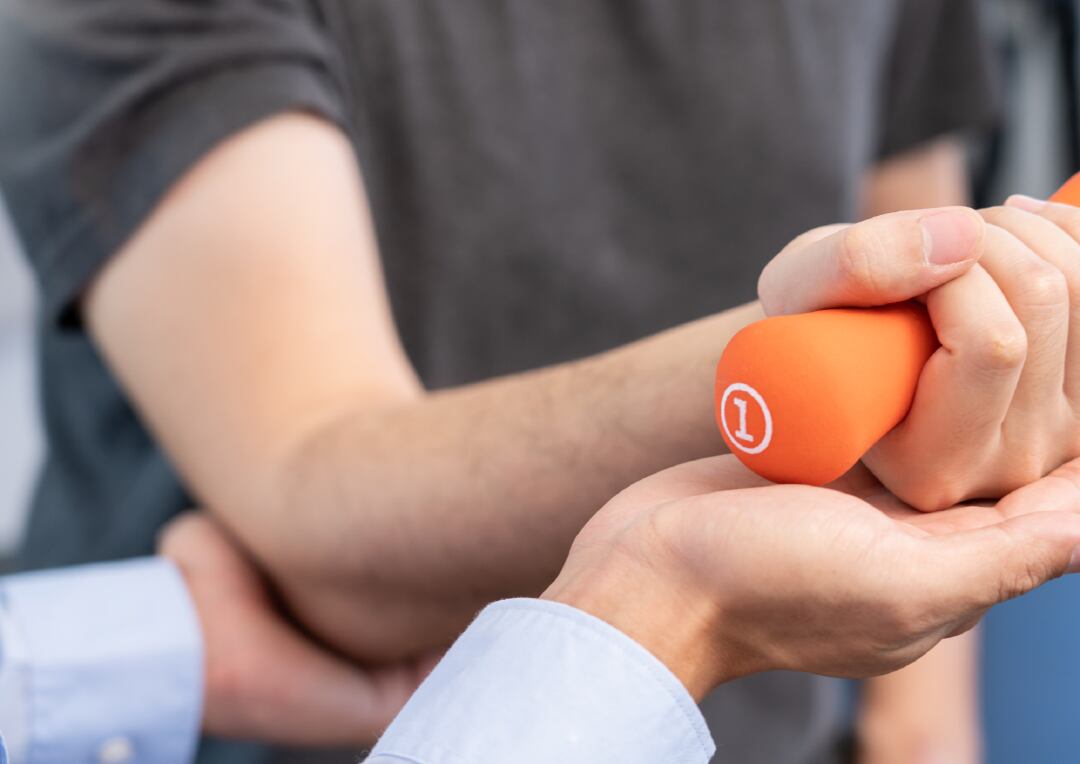
Home Physiotherapy

We understand that some conditions or injuries can make it difficult to receive rehabilitation at our clinic be it mobility or transportation issues. Our objective is to provide you with the same high-quality physiotherapy services at home that you would receive in-clinic.
Posted on

6 Red Flags Signs for Slipped Disc I Physiotherapy Malaysia

Physiotherapy Malaysia
Home Physiotherapy, Scoliosis & Postural Abnormalities, Synapse Physiotherapy

What Is A Slipped Disc ?

A slipped disc, also known as a disc prolapse, protrusion, or herniated disc, occurs when part of the gel-like disc between the vertebrae leaks out and makes contact with nearby nerves or the spinal cord. It is a common cause of back pain. Patients who experience pain related to a herniated disc often recall a specific event that triggered their discomfort. Following the diagnosis of a slipped disc, it is important to start a physiotherapy program. You can get the best rehabilitation in physiotherapy Malaysia to aid your recovery and help manage your condition effectively.

Causes Of Slipped Discs

Discs are composed of strong connective tissue that functions as shock absorbers for the spine while also allowing movement. Each disc has a tough outer layer that encases a softer, gel-like substance in its center. If the outer layer gets damaged, small tears may form, allowing the inner substance to leak out and contact the nerves or spinal cord. Slipped discs are most common in individuals aged 30 to 50 and tend to affect men more than women. As people age, their discs dehydrate, making them more susceptible to tearing and, consequently, to slipped discs. Additional risk factors include repetitive lifting of heavy objects, prolonged sitting such as during long-distance driving, and being overweight.


Stages , Signs And Symptoms  

1. Disc Degeneration:

  • Description: The intervertebral discs lose their hydration and elasticity due to aging or repetitive stress, making them less able to absorb shock.
  • Symptoms: Often asymptomatic in this stage but may cause mild discomfort or stiffness.


2. Prolapse (Protrusion):

  • Description: The outer layer of the disc (annulus fibrosus) weakens, and the inner gel-like core (nucleus pulposus) starts to bulge out but does not rupture the outer layer.
  • Symptoms: Mild to moderate pain, stiffness, and possible nerve irritation if the bulge presses against surrounding nerves.


3. Extrusion:

  • Description: The nucleus pulposus breaks through the annulus fibrosus but remains within the disc space.
  • Symptoms: More pronounced pain, numbness, tingling, and muscle weakness, as the extruded material compresses nearby nerves.


4. Sequestration (Sequestered Disc):

  • Description: Fragments of the nucleus pulposus break free from the main disc and migrate into the spinal canal.
  • Symptoms: Severe pain, significant neurological symptoms, and possibly loss of bladder or bowel control if nerve roots are severely compressed (cauda equina syndrome).

Diagnostic Method Imaging 

    • X-rays: X-rays are readily available at most clinics and outpatient offices. This imaging technique can be used to assess structural instability. If x-rays reveal an acute fracture, further investigation with a CT scan or MRI is necessary. X-rays can also show narrowed disc space, loss of lumbar lordosis, and complementary scoliosis.
    • CT Scan: A CT scan is preferred for visualizing bony structures in the spine. It can also reveal calcified herniated discs, and the size and shape of the spinal cord, along with the surrounding soft tissue. While less accessible in office settings compared to x-rays, CT scans are more accessible than MRIs. For patients with non-MRI-compatible implanted devices, CT myelography can be used to visualize herniated discs.
    • MRI: MRI is the preferred and most sensitive method for visualizing herniated discs. MRI findings assist surgeons and other healthcare providers in planning procedural care when indicated. This imaging technique can identify disc protrusion and nerve root compression.

Physiotherapy assessment

A physiotherapy assessment for a slipped (herniated) disc begins with a detailed patient history, focusing on previous back injuries, surgeries, medical conditions, and the nature and duration of current symptoms such as pain, numbness, tingling, or weakness. The physiotherapist will inquire about the patient’s daily activities, occupation, recent changes in physical activity, and identify movements or positions that aggravate or relieve symptoms. Observation involves evaluating the patient’s posture for abnormalities or asymmetries, observing gait for deviations or limping, and checking for muscle atrophy. Palpation is used to detect tenderness along the spine and surrounding muscles, as well as areas of muscle spasm.

Range of motion (ROM) testing assesses the mobility of the lumbar and cervical spine in various movements, noting any pain or discomfort. A neurological examination is conducted to test deep tendon reflexes, check for sensory deficits, and assess muscle strength in the extremities. Special tests such as the Straight Leg Raise (SLR), Slump Test, and Spurling’s Test help identify nerve root irritation or compression. A functional assessment evaluates the impact of symptoms on daily activities and the patient’s ability to perform functional movements like bending, lifting, sitting, and standing.

If available, imaging studies such as MRI or CT scans are reviewed to confirm the diagnosis and identify the specific location and severity of the disc herniation. Goal setting involves establishing short-term objectives focused on pain relief and inflammation reduction, and long-term goals aimed at restoring normal function, improving strength and flexibility, and preventing recurrence.

Management

  • Interventional: Epidural steroid injections, nerve blocks.
  • Surgical: Microdiscectomy, laminectomy, or spinal fusion, especially in severe cases or when conservative treatments fail.
  • Conservative: Physical therapy, anti-inflammatory medications, pain relievers, lifestyle modifications.

Physiotherapy for a slipped disc

Stretching: Evidence suggests that adding hyperextension to an exercise program may not provide additional benefits compared to intensive exercise alone for functional status or pain outcomes. Similarly, combining strength training with stretching did not show significant differences in disability and pain compared to strength training alone.


Muscle Strengthening: Strong muscles support the spine and can help manage pain. Core stability should be fully regained and controlled before progressing to strength and power training, as improper technique can increase the risk of back problems and pain.


Spinal Manipulative Therapy and Mobilization: These therapies can provide short-term pain relief for acute low back pain. For chronic low back pain, spinal manipulation has shown effects similar to nonsteroidal anti-inflammatory drugs (NSAIDs).


Transcutaneous Electrical Nerve Stimulation (TENS): TENS therapy contributes to pain relief and improves function and mobility of the lumbosacral spine.


Manipulative Treatment: Manipulative treatment for lumbar disc herniation appears safe and effective, potentially better than other therapies, though more high-quality evidence is needed for further investigation.


Traction: Traction therapy has shown positive effects on pain, disability, and straight leg raise (SLR) in patients with intervertebral disc herniation. Combining mechanical traction with medication and electrotherapy may offer additional benefits.


Hot Therapies: Heat therapy increases blood flow to the affected area, delivering oxygen and nutrients that aid healing and removes waste products from muscle spasms.


Cryotherapy: Cold therapy reduces spasm and inflammation, particularly in the acute phase of injury.


Ultrasound: Used as phonophoresis, ultrasound increases the extensibility of connective tissues.


Ergonomic Advice: Provide guidance on proper body mechanics and ergonomic adjustments to reduce strain on the spine.

Frequently Asked Questions (FAQs)

Common symptoms include back pain, numbness, tingling, and muscle weakness. Severe cases can cause loss of bladder or bowel control.

Diagnosis involves a physical examination, patient history, and imaging studies such as X-rays, CT scans, or MRI.

Yes, physiotherapy can help manage pain, improve function, and prevent recurrence through exercises, therapies, and ergonomic advice.

Recovery time varies depending on the severity of the condition and the treatment approach, ranging from a few weeks to several months.

Preventive measures include maintaining a healthy weight, practicing good posture, exercising regularly, and avoiding heavy lifting.

Conclusion

In summary, physiotherapy is essential for rehabilitating both acute and chronic slipped discs, including preventing future issues. Synapse Physiotherapy specializes in creating personalized treatment plans based on thorough assessments. For acute cases, the focus is on reducing pain and inflammation with exercises and therapies. In chronic cases, the emphasis shifts to improving core strength, flexibility, and posture to manage symptoms long-term and prevent recurrence. By teaching proper body mechanics and providing ongoing support, Synapse Physiotherapy helps patients recover effectively and maintain spinal health, ensuring a better quality of life.

Produced by MYSense

Share This :

Back & Neck Pain

Conditions such as stiffness, postural abnormalities and muscle overuse from prolonged desk work at the office or home is more prevalent than most would think. We provide the necessary tools to fix you up and educate you on ergonomics which can unload unnecessary stress.

Sports Injuries

Rolled ankles, jarred knees, impinged shoulders are few conditions in the plethora of sports injuries which can hamper performance and limit our enjoyment of sports. Physiotherapy not only treats the symptoms of these conditions but propels your overall fitness to greater heights.

Work Desk Injuries​

Conditions such as stiffness, postural abnormalities and muscle overuse from prolonged desk work at the office or home is more prevalent than most would think. We provide the necessary tools to fix you up and educate you on ergonomics which can unload unnecessary stress.

Pre-Post-Surgical Conditions

Surgery involves going through preparation both before and after. Physiotherapists play a vital role in getting your body ready for surgeries with circulatory, breathing and strengthening exercises. After the procedure, let us be there for your recovery and rehabilitation, taking it one step at a time.

Scoliosis & Postural Abnormalities

The way we stand, sit, walk and sleep has influence over our posture and the overall balance of muscles controlling its alignment. A comprehensive screening can be done by our physiotherapists to detect abnormalities, which we will aid in correcting.

Neurological Conditions

Neurological disabilities such as stroke, nerve compression and neuropathies can be barriers for patients to live life to its fullest. We at Synapse are committed to help you overcome these hurdles by ensuring functional mobility and quality of life is at its optimum by providing the right treatment and exercises.

Osteoarthritis & Rheumatism

Joint degeneration and inflammation happens as the human body grows older, but that does not mean our way of life degenerates as well. Relief your joint pains with a joint effort together with your physiotherapist, who will provide pain-relief treatments and prescribe exercises for your wellbeing.

Conditions Relating To Elderly

Common conditions in the older age population include hips & knee pain, back & neck pain, osteoarthritis, rheumatism, fear of falling and many more.  Aging and degeneration of bodily function is inevitable, but here at Synapse, we will help you live the best of your life.

Home Physiotherapy

We understand that some conditions or injuries can make it difficult to receive rehabilitation at our clinic be it mobility or transportation issues. Our objective is to provide you with the same high-quality physiotherapy services at home that you would receive in-clinic.
Posted on

Relieve Knee/Hip/Shoulder Pain I Physiotherapy Malaysia

Relieve Knee/Hip/Shoulder Pain I Physiotherapy Malaysia
Synapse Physiotherapy

Introduction

Joint pain refers to discomfort affecting one or more of your body’s joints. A joint is the point where the ends of two or more bones meet, such as the hip joint where the thigh bone connects to the pelvis. This type of discomfort is commonly experienced in the shoulders, hips, or knees. The pain can be constant or intermittent, and joints may feel stiff, achy, or sore. Some individuals report a burning, throbbing, or “grating” sensation. Often, joints feel stiff in the morning but improve with movement and activity, although excessive activity might exacerbate the pain. Joint pain can impair joint function and limit your ability to perform everyday tasks, severely affecting your quality of life. Treatment should aim not only at alleviating pain but also at enabling you to resume daily activities and live life to the fullest. When experiencing this type of pain, you may seek help from physiotherapy in Malaysia to receive treatment. Physiotherapy plays an important role in managing and treating knee, hip, and shoulder pain.

Knee pain 

Causes 

Knee pain can result from various types of injuries, including strains, sprains, ligament tears (such as ACL injuries), cartilage tears, or fractures. These injuries might occur from improper landing, falls, twisting the knee, or impact injuries like being hit on the knee. Swelling around the injured area is the primary source of pain.

Factors such as aging, being overweight, and engaging in intense, repetitive exercise can also contribute to knee pain.As you age, the bones and joints in your hips, knees, and feet begin to degenerate, becoming weaker. This degeneration can lead to knee pain, swelling, and injury. Being obese places additional pressure on the knees, which can result in swelling and pain.

Overuse injuries, often caused by activities like running, jumping, or other exercises that put repeated pressure on the knee, can develop over time. This condition is sometimes referred to as “runner’s knee.” Patellar tendinitis involves inflammation of the tendon connecting the kneecap to the shinbone. Tendons are tough bands of tissue that connect muscles to bones, and overexertion can lead to their inflammation and soreness. This condition, also known as “jumper’s knee,” is frequently caused by repetitive jumping activities, such as in basketball. IT (iliotibial) band syndrome occurs when the iliotibial band, a tough tissue running from the hip to the outer knee, becomes inflamed due to excessive activity. This causes pain on the outer side of the knee and is common among runners, particularly when running downhill. Then, osteoarthritis, also known as the “wear and tear” type of arthritis, breaks down the cartilage in the knee. It is a leading cause of knee pain in people over 50. This condition causes the knee joint to ache or swell during activity, and the affected joints can also be stiff in the morning.

Symptoms 

You may experience knee pain, especially when bending or straightening the knee, such as when going down the stairs.Swelling, difficulty bearing weight on the knee, and trouble moving the knee are also common. Additionally, you might encounter knee buckling or “locking.”

Treatments 

Cryotherapy, also known as cold therapy, involves the local or general application of low temperatures in medical treatment. It is used to treat various types of tissue damage, medically referred to as lesions.

Hydrotherapy, also known as hydropathy or water cure, uses water for pain relief and treatment. Its therapeutic purpose is to stimulate blood circulation and alleviate disease symptoms.

Manual therapy is a physical treatment provided by a physiotherapist. It focuses on treating musculoskeletal pain and disability through techniques such as kneading and manipulating muscles and joints to improve mobility.

Electrotherapy uses electrical energy as a medical treatment. It is applied in physical therapy to relax muscle spasms, prevent and slow disuse atrophy, increase local blood circulation, and aid in muscle rehabilitation and education through electrical muscle stimulation. Electrotherapy is also effective in managing acute post-traumatic and post-surgical pain, stimulating muscles immediately after surgery to prevent venous thrombosis, promoting wound healing, and aiding in drug delivery. Common forms of electrotherapy include TENS, IFT, and UST.

Exercise therapy is a regimen of physical activities designed and prescribed to achieve specific therapeutic goals, primarily aimed at restoring normal musculoskeletal function. This treatment helps reduce pain from injury or disease through neuro-education, gait training, and therapeutic exercises. It includes various physical activities such as quadriceps strengthening, VMO (vastus medialis oblique) exercises, muscle strengthening, resistance exercises, and assistive exercises.

Hip Pain 

Causes

Hip pain can result from a variety of conditions, including arthritis, hip injuries such as fractures, labral tears, and dislocations, as well as bursitis and structural issues. Athletes who engage in activities involving extensive hip movements, like dancers and gymnasts, are particularly susceptible to hip injuries and the associated pain.

Arthritis, a common cause of hip pain, leads to inflammation and discomfort in the joints, resulting in symptoms such as pain, swelling, and stiffness. Types of arthritis that can affect the hips include osteoarthritis, rheumatoid arthritis, and ankylosing spondylitis.

Bursitis, characterised by painful swelling of the bursa—a fluid-filled sac that cushions bones and other tissues—can also cause hip pain. Irritation and swelling of the hip bursa, known as hip bursitis, commonly occur in two forms: iliopectineal bursitis and trochanteric bursitis.

Hip injuries, often caused by repetitive strain, sports-related activities, or traumatic incidents like falls or accidents, can result in significant hip pain. Common injuries associated with hip pain include muscle strains (especially hip flexor strains), iliotibial band syndrome, hip labral tears, bone fractures, and hip dislocations.

Some individuals are born with structural abnormalities affecting the shape of their hips, which can lead to hip pain either in childhood or later in life. These conditions include femoroacetabular impingement (FAI or hip impingement) and developmental dysplasia of the hip (DDH).

Overall, the causes of hip pain are diverse and can affect people of all ages, from athletes to those with congenital conditions, impacting their daily activities and quality of life.

Symptoms 

Hip pain can manifest in several ways. It may be felt close to the surface, above or around your hip, which typically indicates issues with muscles, tendons, or ligaments. Alternatively, deeper pain inside the hip joint suggests problems with bones or cartilage. Sometimes, hip pain can radiate to other areas such as your lower back or groin.

The pain may be intermittent, worsening with movement or activity like walking but improving with rest. Some individuals experience variations in pain throughout the day, possibly feeling more discomfort in the morning upon waking. Hip pain at night is also common, particularly if lying on the same side as the affected hip.

Treatments 

Physiotherapy treatments for hip pain are diverse and tailored to the specific cause of the discomfort. These treatments often include hydrotherapy, which involves exercises and activities performed in the water to alleviate pain and enhance mobility. Massage therapy is also utilised to manually manipulate muscles around the hip, reducing tension and improving circulation for healing. Core stability exercises are crucial for strengthening the muscles surrounding the abdomen, lower back, and pelvis to bolster stability and support for the hip joint. Taping techniques can be applied to provide support, alleviate pain, and promote proper movement patterns. Personalised exercise programs are designed to enhance strength, flexibility, and range of motion in the hip joint. Additionally, electrotherapy (such as TENS and ultrasound therapy) which utilizes electrical energy for pain relief, muscle relaxation, and stimulation, is often employed to manage hip pain effectively. These comprehensive physiotherapy approaches aim to reduce pain, improve hip function, and enhance overall quality of life for individuals suffering from hip discomfort.

Shoulder pain 

Causes 

Shoulder problems can be categorized into four main types, each with its own distinct characteristics and causes. First, tendon issues such as bursitis or tendinitis are common, affecting the small fluid-filled sacs (bursae) that cushion joints like the shoulder. These conditions can cause inflammation and pain, particularly with overhead activities. Tendon tears, either partial or complete, often result from acute injuries or degenerative changes due to aging or overuse, affecting tendons like those of the rotator cuff or biceps.

Shoulder impingement occurs when the acromion (top of the shoulder blade) compresses the rotator cuff tendons and bursa during arm movements, leading to bursitis and tendinitis. This can cause significant pain and limit movement. Instability of the shoulder joint can result from acute injuries, causing the upper arm bone to partially (subluxation) or completely (dislocation) come out of the socket. Chronic instability can lead to recurrent dislocations, increasing the risk of arthritis and causing pain and unsteadiness with arm movements.

Less common causes of shoulder pain include tumors, infections, and nerve-related issues. Arthritis, especially osteoarthritis, is a prevalent cause of shoulder pain, typically developing with age and characterized by pain and stiffness that worsen over time. Avoiding shoulder movements to ease arthritis pain can lead to further stiffness and reduced mobility, exacerbating discomfort.

Symptoms

Shoulder pain can manifest in various ways depending on its underlying cause. Whether in motion or at rest, common symptoms include weakness, aching or throbbing sensations, stiffness, soreness, and popping sounds. Severe shoulder pain typically resulting from an injury may present with sudden onset, sharp stabbing pain, and a limited ability to move the arm. Other signs of severe shoulder pain include swelling, bruising, persistent pain that worsens over time, and discomfort that disrupts sleep or wakes you up at night.

Treatments 

Physiotherapy for shoulder pain involves a comprehensive range of treatments aimed at alleviating pain, restoring mobility, and improving the function of the shoulder joint. A typical physiotherapy regimen includes manual therapy techniques such as joint mobilisations to improve range of motion and soft tissue mobilisations to reduce muscle tension. Strengthening exercises target the muscles around the shoulder, including the rotator cuff and scapular stabilizers, while stretching exercises enhance flexibility and reduce stiffness. Modalities such as heat or cold therapy, and electrotherapy like TENS or ultrasound, are used to manage pain and inflammation. Physiotherapists also provide education on posture correction, activity modification, and home exercise programs to empower patients in managing their shoulder pain effectively. Using a combination of these approaches, physiotherapy aims to optimize shoulder function, decrease pain, and improve the overall quality of life for individuals suffering from shoulder pain.

Frequently Asked Questions (FAQs)

1. Can physiotherapy provide a permanent solution to joint pain?

While physiotherapy can significantly reduce joint pain and improve function, the permanency of results can vary depending on the underlying cause. For some chronic conditions, ongoing treatment may be necessary to maintain benefits.

2. How long does it typically take to see improvements from physiotherapy for joint pain?

Improvements can be seen as early as a few sessions, but it typically takes several weeks of consistent treatment to achieve significant pain relief and functional improvement. The exact duration depends on the severity and nature of the condition.

3. Do I need a referral from a doctor to see a physiotherapist for my joint pain?

In Malaysia, you do not typically need a referral from a doctor to consult a physiotherapist. However, having a referral can be helpful as it provides the therapist with valuable information about your medical history and the specifics of your condition.

4. What causes pain in the knees, hips, and shoulders?

Pain in these joints can be caused by a variety of factors including injuries, arthritis, repetitive stress, overuse, and age-related wear and tear. Specific conditions like bursitis, tendonitis, and mechanical issues also contribute to joint pain.

5. How can physiotherapy help relieve pain in the knee, hip, and shoulder?

Physiotherapy helps by using techniques such as manual therapy, exercises, and modalities like ultrasound or electrical stimulation. These methods improve mobility, strengthen muscles around the joints, reduce inflammation, and alleviate pain.

Conclusion

In conclusion, physiotherapy stands out as one of the most effective conservative treatments for various joint pain problems. Using a combination of manual therapy, exercise programs, and therapeutic modalities, physiotherapy aims to alleviate pain, improve joint function, and enhance overall quality of life. Physiotherapy also provides personalized care for conditions like shoulder, back, or knee pain, addressing the root cause and promoting long-term healing. For those seeking relief from joint pain, exploring physiotherapy, Synapse Physiotherapy can provide a comprehensive and tailored approach to recovery.

Share This :

Back & Neck Pain

Conditions such as stiffness, postural abnormalities and muscle overuse from prolonged desk work at the office or home is more prevalent than most would think. We provide the necessary tools to fix you up and educate you on ergonomics which can unload unnecessary stress.

Sports Injuries

Rolled ankles, jarred knees, impinged shoulders are few conditions in the plethora of sports injuries which can hamper performance and limit our enjoyment of sports. Physiotherapy not only treats the symptoms of these conditions but propels your overall fitness to greater heights.

Work Desk Injuries​

Conditions such as stiffness, postural abnormalities and muscle overuse from prolonged desk work at the office or home is more prevalent than most would think. We provide the necessary tools to fix you up and educate you on ergonomics which can unload unnecessary stress.

Pre-Post-Surgical Conditions

Surgery involves going through preparation both before and after. Physiotherapists play a vital role in getting your body ready for surgeries with circulatory, breathing and strengthening exercises. After the procedure, let us be there for your recovery and rehabilitation, taking it one step at a time.

Scoliosis & Postural Abnormalities

The way we stand, sit, walk and sleep has influence over our posture and the overall balance of muscles controlling its alignment. A comprehensive screening can be done by our physiotherapists to detect abnormalities, which we will aid in correcting.

Neurological Conditions

Neurological disabilities such as stroke, nerve compression and neuropathies can be barriers for patients to live life to its fullest. We at Synapse are committed to help you overcome these hurdles by ensuring functional mobility and quality of life is at its optimum by providing the right treatment and exercises.

Osteoarthritis & Rheumatism

Joint degeneration and inflammation happens as the human body grows older, but that does not mean our way of life degenerates as well. Relief your joint pains with a joint effort together with your physiotherapist, who will provide pain-relief treatments and prescribe exercises for your wellbeing.

Conditions Relating To Elderly

Common conditions in the older age population include hips & knee pain, back & neck pain, osteoarthritis, rheumatism, fear of falling and many more.  Aging and degeneration of bodily function is inevitable, but here at Synapse, we will help you live the best of your life.

Home Physiotherapy

We understand that some conditions or injuries can make it difficult to receive rehabilitation at our clinic be it mobility or transportation issues. Our objective is to provide you with the same high-quality physiotherapy services at home that you would receive in-clinic.