Posted on

Is Dry Needling Near Me Safe? What You Need to Know

dry needling near me
Synapse Physiotherapy

Is Dry Needling Near Me Safe? What You Need to Know


When searching for relief from muscle pain or tightness, you might have come across a treatment called dry needling. But before you book an appointment, you probably have one important question: Is dry needling near me safe? In this article, we’ll dive into the safety of dry needling, how it works, and what you need to know before deciding if it’s the right choice for your pain management.

What is dry needling? 

Dry needling, also known as trigger point dry needling or intramuscular stimulation (IMS), is a specialized treatment performed by healthcare professionals, including physical therapists, physicians, chiropractors, and sports medicine specialists. While some acupuncturists argue that dry needling is based on traditional acupuncture, others view it as a modern version of trigger point injections, minus the use of medication. This evidence-based method is mainly used to alleviate muscle pain, tension, and dysfunction by targeting myofascial trigger points—tight, knotted bands of muscle that can cause pain and limit movement.

Benefits of Dry Needling

  • Pain Relief: By targeting trigger points, dry needling effectively alleviates muscle pain and discomfort in areas like the neck, back, shoulders, and hips. It helps deactivate painful muscle knots, providing lasting relief.

  • Improved Range of Motion: Releasing muscle tightness enhances flexibility and movement, making it especially beneficial for athletes, those recovering from injuries, and individuals with mobility challenges.

  • Enhanced Blood Flow: Needle insertion promotes increased circulation to the affected muscles, aiding faster healing, reducing inflammation, and supporting overall tissue repair.

  • Muscle Relaxation: Dry needling reduces muscle tension and stiffness, preventing spasms and offering a deep sense of relaxation and relief.

  • Faster Recovery: By addressing the underlying cause of muscle pain, dry needling speeds up recovery from injuries, overuse conditions, and post-exercise fatigue, helping individuals get back to their daily routines sooner.

  • Improved Nerve Function: Studies suggest that dry needling can enhance nerve communication, boosting muscle control, reducing nerve-related pain, and supporting overall neuromuscular function.

What to Expect During and After a Dry Needling Session

During the Dry Needling Session:
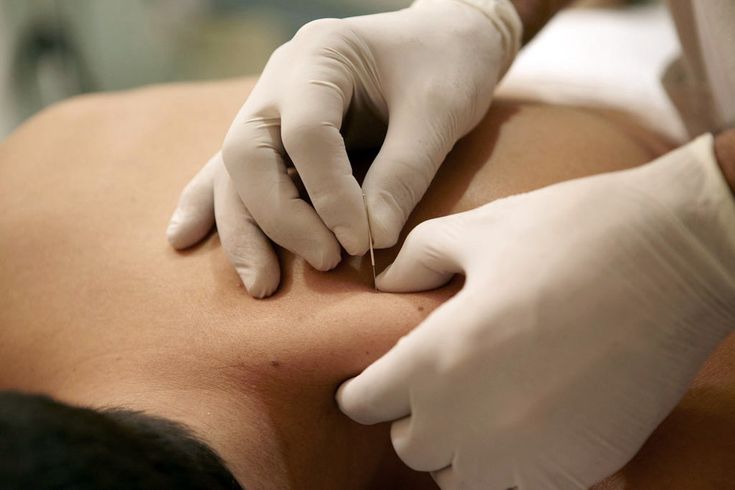
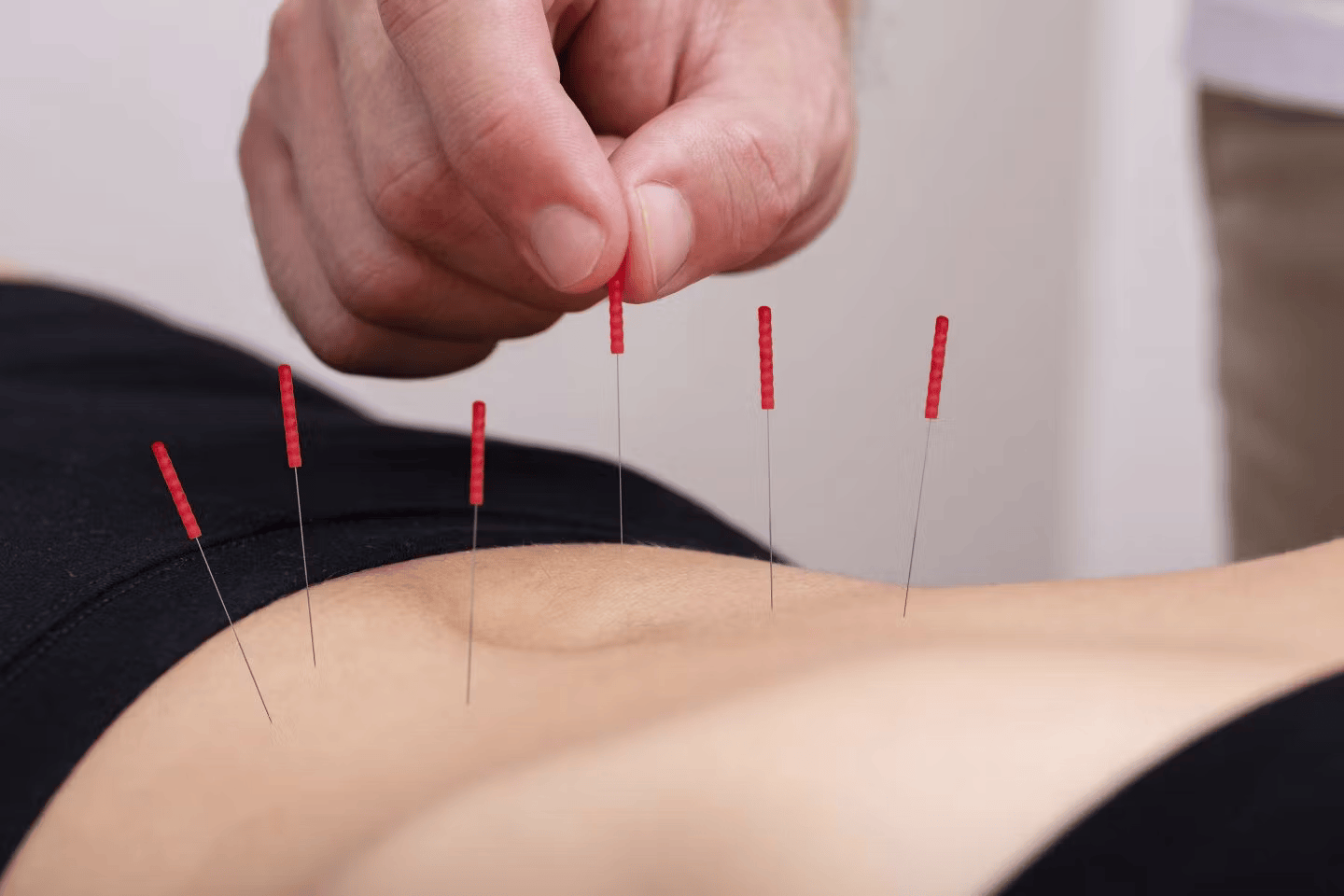
A trained practitioner will carefully insert thin, sterile needles into specific muscle trigger points to release tension and relieve pain. You may experience a mild prick or slight discomfort upon needle insertion, followed by a muscle twitch—an involuntary contraction of the muscle, which indicates that the trigger point has been successfully targeted. The needles will remain in place for a short period, ranging from a few seconds to several minutes, depending on your treatment plan. The practitioner may gently manipulate the needles to enhance relaxation and improve pain relief. While mild soreness or tingling is possible, the procedure is generally well-tolerated and does not cause significant pain.

After a Dry Needling Session:

  • Mild Muscle Soreness: It’s normal to experience slight tenderness or soreness in the treated area, similar to the muscle soreness felt after exercise. This discomfort typically lasts 24 to 48 hours and can be relieved with heat, gentle stretching, and staying hydrated.

  • Improved Flexibility & Range of Motion: Many people notice immediate improvements in mobility and flexibility, as dry needling helps release tight muscles and reduce movement restrictions, making it particularly beneficial for athletes, active individuals, and those recovering from injuries.

  • Pain Reduction & Muscle Relaxation: One of the main benefits of dry needling is its ability to alleviate muscle pain and tension. While some may experience instant relief, others may feel gradual improvement over the next 24 to 72 hours as their muscles continue to relax and heal.

How Safe is Dry Needling?

Dry needling is generally considered safe when performed by a trained and licensed healthcare provider, such as a physical therapist, chiropractor, or acupuncturist. However, as with any medical treatment, there are potential risks involved.

1. Qualified Practitioners Matter

The safety of dry needling largely depends on the experience and qualifications of the practitioner. It’s essential to seek out professionals who have received specific training in dry needling techniques. Many states require practitioners to have advanced certifications and clinical experience to perform this procedure.

2. Potential Side Effects

While rare, some side effects can occur. Common reactions include mild bruising, soreness, or slight bleeding at the insertion site. These effects typically subside within a few days. In rare cases, patients may experience more severe side effects such as fainting, dizziness, or injury to surrounding tissues. To minimize risks, ensure your practitioner uses proper techniques and follows sterilization protocols.

3. Who Should Avoid Dry Needling?

Dry needling is not suitable for everyone. If you are pregnant, have a blood clotting disorder, or have certain skin conditions or infections, dry needling may not be appropriate. Always consult with your healthcare provider before starting any new treatment, especially if you have pre-existing conditions or are taking medication.

Is Dry Needling Near Me Right for You?

If you’re considering dry needling as a treatment option, it’s important to weigh the pros and cons based on your specific condition. Here’s what to consider:

  1. Find a Licensed Professional: Make sure your practitioner has the necessary qualifications and experience to perform dry needling safely.
  2. Consult with Your Doctor: Before starting any treatment, it’s a good idea to check with your healthcare provider, especially if you have underlying medical conditions.
  3. Research Local Clinics: Search for “dry needling near me” and read reviews, check ratings, and inquire about the credentials of local practitioners.


Conclusion:

 If you’re considering dry needling as part of your pain management or recovery plan, Synapse Physiotherapy offers expert, personalized treatments that can help relieve muscle tension, improve mobility, and promote overall healing. Our trained practitioners use evidence-based techniques to ensure a safe and effective experience. Contact us today to learn how dry needling can benefit you!

Share This :

Back & Neck Pain

Conditions such as stiffness, postural abnormalities and muscle overuse from prolonged desk work at the office or home is more prevalent than most would think. We provide the necessary tools to fix you up and educate you on ergonomics which can unload unnecessary stress.

Sports Injuries

Rolled ankles, jarred knees, impinged shoulders are few conditions in the plethora of sports injuries which can hamper performance and limit our enjoyment of sports. Physiotherapy not only treats the symptoms of these conditions but propels your overall fitness to greater heights.

Work Desk Injuries​

Conditions such as stiffness, postural abnormalities and muscle overuse from prolonged desk work at the office or home is more prevalent than most would think. We provide the necessary tools to fix you up and educate you on ergonomics which can unload unnecessary stress.

Pre-Post-Surgical Conditions

Surgery involves going through preparation both before and after. Physiotherapists play a vital role in getting your body ready for surgeries with circulatory, breathing and strengthening exercises. After the procedure, let us be there for your recovery and rehabilitation, taking it one step at a time.

Scoliosis & Postural Abnormalities

The way we stand, sit, walk and sleep has influence over our posture and the overall balance of muscles controlling its alignment. A comprehensive screening can be done by our physiotherapists to detect abnormalities, which we will aid in correcting.

Neurological Conditions

Neurological disabilities such as stroke, nerve compression and neuropathies can be barriers for patients to live life to its fullest. We at Synapse are committed to help you overcome these hurdles by ensuring functional mobility and quality of life is at its optimum by providing the right treatment and exercises.

Osteoarthritis & Rheumatism

Joint degeneration and inflammation happens as the human body grows older, but that does not mean our way of life degenerates as well. Relief your joint pains with a joint effort together with your physiotherapist, who will provide pain-relief treatments and prescribe exercises for your wellbeing.
Conditions Relating To Elderly

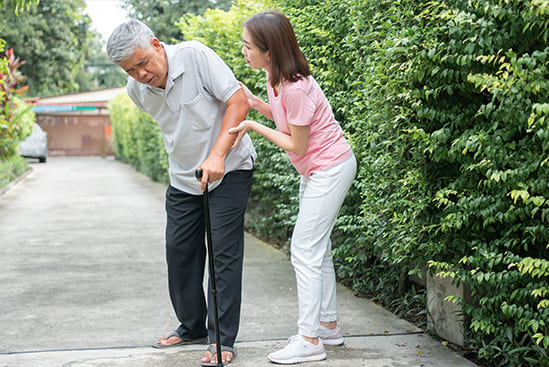
Common conditions in the older age population include hips & knee pain, back & neck pain, osteoarthritis, rheumatism, fear of falling and many more.  Aging and degeneration of bodily function is inevitable, but here at Synapse, we will help you live the best of your life.
Home Physiotherapy

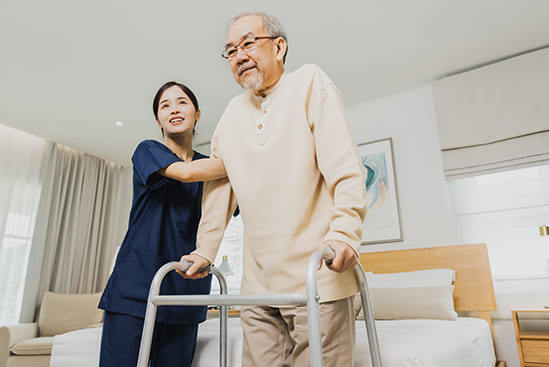
We understand that some conditions or injuries can make it difficult to receive rehabilitation at our clinic be it mobility or transportation issues. Our objective is to provide you with the same high-quality physiotherapy services at home that you would receive in-clinic.
Posted on

Dry Needling Near Me: A Non-Invasive Treatment Option

dry needling near me
Back & Neck Pain, Synapse Physiotherapy

Dry Needling Near Me: A Non-Invasive Treatment Option


Are you searching for “dry needling near me” to relieve muscle pain and tension? Dry needling is a non-invasive, highly effective treatment used by physical therapists to target trigger points and muscle knots. Whether you’re dealing with chronic pain, sports injuries, or muscle stiffness, dry needling could be the solution you need.


What is dry needling?

Dry needling, also referred to as trigger point dry needling or intramuscular stimulation (IMS), is a specialized therapeutic technique performed by healthcare professionals such as physical therapists, physicians, chiropractors, and sports medicine specialists.

While some acupuncturists claim that dry needling is derived from traditional acupuncture, others consider it a modern variation of trigger point injections—but without the use of medication. This evidence-based practice is primarily used to relieve muscle pain, tension, and dysfunction by targeting myofascial trigger points—tight, knotted bands within muscles that can cause pain and restricted movement.

Benefits of Dry Needling

  • Pain Relief: By targeting trigger points, dry needling effectively reduces muscle pain and discomfort in areas such as the neck, back, shoulders, and hips. It helps deactivate pain-inducing muscle knots, leading to long-lasting relief.
  • Improved Range of Motion: The release of muscle tightness allows for greater flexibility and improved movement, making it ideal for athletes, individuals recovering from injuries, and those with mobility issues.
  • Enhanced Blood Flow: The insertion of needles stimulates increased circulation to the affected muscles, promoting faster healing, reducing inflammation, and improving overall tissue repair.
  • Muscle Relaxation: Dry needling directly decreases muscle tension and stiffness, helping to prevent spasms and providing a deep sense of relaxation and relief.
  • Faster Recovery: By addressing the root cause of muscle pain, dry needling accelerates recovery from injuries, overuse conditions, and post-exercise fatigue, allowing individuals to return to daily activities sooner.
  • Nerve Function Improvement: Research suggests that dry needling can enhance nerve communication, improving muscle control, reducing nerve-related pain, and supporting overall neuromuscular function.

What to Expect During and After a Dry Needling Session

During the Dry Needling Session

A trained practitioner will carefully insert thin, sterile needles into specific muscle trigger points to release tension and alleviate pain. You may feel a slight prick or mild discomfort upon insertion, followed by a localized muscle twitch response—a quick, involuntary contraction of the muscle. This twitch is a positive sign, indicating that the trigger point has been successfully stimulated.

Once the needles are in place, they remain for a short period, typically ranging from a few seconds to several minutes, depending on the treatment plan. The practitioner may gently manipulate the needles to enhance muscle relaxation and optimize pain relief. While some temporary soreness or tingling may occur, the overall procedure is well-tolerated and does not cause significant pain.

What to Expect After a Dry Needling Session

  • Mild Muscle Soreness: It is common to experience slight tenderness or soreness in the treated area, similar to delayed onset muscle soreness (DOMS) that occurs after exercise. This discomfort usually subsides within 24 to 48 hours. Applying heat, gentle stretching, and staying hydrated can help alleviate post-treatment soreness.
  • Improved Flexibility & Range of Motion: Many patients notice an immediate improvement in mobility and flexibility, as dry needling releases tight muscles and reduces restrictions in movement. This makes it particularly beneficial for athletes, active individuals, and those recovering from injuries.
  • Pain Reduction & Muscle Relaxation: One of the primary benefits of dry needling is its ability to relieve muscle pain and tension. While some people experience instant relief, others may feel gradual improvement over the next 24 to 72 hours as their muscles continue to relax and heal.

Dry Needling vs. Acupuncture: Understanding the Key Differences

Although dry needling and acupuncture both involve the insertion of thin needles into the body, they are fundamentally different in purpose, philosophy, and application. Understanding these differences can help you determine which treatment best suits your needs.

1. Origin and Theoretical Basis

  • Dry Needling is based on Western medicine, particularly anatomy, neurophysiology, and musculoskeletal science. It is primarily used by physical therapists, chiropractors, and sports medicine practitioners to relieve muscle pain, improve movement, and enhance muscle function. Dry needling specifically targets trigger points—tight muscle knots that cause pain and dysfunction.
  • Acupuncture originates from Traditional Chinese Medicine (TCM) and is rooted in the concept of Qi (pronounced “chee”), which refers to the body’s vital energy. According to TCM, imbalances in Qi flow along meridians (energy pathways) can cause illness and pain. Acupuncture aims to restore this balance by inserting needles at specific meridian points to regulate energy flow and promote overall well-being.

2. Purpose and Treatment Goals

  • Dry Needling is primarily used to:
    • Relieve musculoskeletal pain (e.g., muscle tightness, spasms, and trigger points)
    • Improve range of motion and flexibility
    • Enhance muscle recovery and athletic performance
    • Reduce inflammation and improve blood circulation
  • Acupuncture is traditionally used for a broader range of conditions, including:
    • Chronic pain management (e.g., migraines, arthritis, fibromyalgia)
    • Stress, anxiety, and emotional balance
    • Digestive disorders (e.g., irritable bowel syndrome)
    • Hormonal and immune system regulation

3. Needle Placement and Technique

  • Dry Needling involves inserting needles directly into myofascial trigger points, which are hyperirritable spots in muscles that cause pain and tightness. The goal is to stimulate a twitch response, which helps release muscle tension and restore normal function. The practitioner may also manipulate the needles slightly to enhance the therapeutic effect.
  • Acupuncture follows a structured meridian system. Needles are inserted at specific energy points along the body’s meridians to restore energy balance. The technique is generally more superficial, and needles may be left in place for 15 to 30 minutes without manipulation.

4. Sensation and Patient Experience

  • Dry Needling can cause a localized twitch response, which may feel like a quick muscle contraction. Some patients experience mild soreness afterward, similar to post-exercise soreness, but this usually resolves within 24 to 48 hours.
  • Acupuncture is typically gentler and more relaxing. Many patients report a tingling, warm, or calming sensation during treatment. Unlike dry needling, acupuncture does not aim to elicit a twitch response or deep muscle stimulation.

5. Conditions Treated

  • Dry Needling is most effective for treating muscle-related pain and dysfunction, including:
    • Neck, back, and shoulder pain
    • Sports injuries and muscle strains
    • Tension headaches and migraines caused by muscle tightness
    • Post-surgical rehabilitation
    • Tendonitis and overuse conditions
  • Acupuncture is commonly used for a wider range of internal and external conditions, such as:
    • Chronic pain syndromes (e.g., arthritis, fibromyalgia, nerve pain)
    • Stress, anxiety, and insomnia
    • Digestive issues (e.g., bloating, IBS)
    • Women’s health concerns (e.g., menstrual pain, fertility support)

6. Who Performs the Treatment?

  • Dry Needling is performed by licensed physical therapists, chiropractors, and medical professionals with specialized training in musculoskeletal and neuromuscular health. It is considered a medical intervention rather than an alternative therapy.
  • Acupuncture is performed by licensed acupuncturists who have extensive training in Traditional Chinese Medicine and holistic healing. In some cases, medical doctors, naturopaths, or chiropractors with additional acupuncture training may also provide treatment.

Which One Is Right for You?

  • Choose Dry Needling if:
    ✔ You have muscle pain, stiffness, or trigger points causing discomfort.
    ✔ You need faster muscle recovery and improved movement.
    ✔ You are dealing with sports injuries, postural issues, or musculoskeletal pain.
  • Choose Acupuncture if:
    ✔ You want to address chronic pain, stress, or energy imbalances.
    ✔ You are looking for a holistic approach to overall well-being.
    ✔ You need support for internal conditions like digestion, immunity, or hormonal balance.

Is Dry Needling Safe? How to Find a Specialist Near You

Yes! When performed by a licensed and trained practitioner, dry needling is a safe, minimally invasive, and effective therapy for relieving muscle pain, improving mobility, and promoting recovery. To ensure the best results, it’s essential to find a qualified specialist in your area.

How to Find a Trusted Dry Needling Specialist Near You

If you’re searching for “dry needling near me”, consider checking the following:

  • ✅ Physical therapy clinics that offer specialized dry needling treatment plans.
  • ✅ Chiropractic centers with trained professionals experienced in dry needling techniques.
  • ✅ Online reviews and testimonials to find top-rated providers with proven success.

Conclusion

Dry needling is a safe, effective, and minimally invasive therapy when performed by a trained and licensed professional. It offers significant benefits for relieving muscle pain, improving mobility, and enhancing recovery. If you’re looking for expert care, Synapse Physiotherapy employs highly trained and qualified physiotherapists who specialize in dry needling to provide personalized treatment tailored to your needs.

Contact us today to learn more about how dry needling can help you achieve relief and regain optimal movement. Our team is ready to assist you on your journey to better health and well-being.

Share This :

Back & Neck Pain

Conditions such as stiffness, postural abnormalities and muscle overuse from prolonged desk work at the office or home is more prevalent than most would think. We provide the necessary tools to fix you up and educate you on ergonomics which can unload unnecessary stress.

Sports Injuries

Rolled ankles, jarred knees, impinged shoulders are few conditions in the plethora of sports injuries which can hamper performance and limit our enjoyment of sports. Physiotherapy not only treats the symptoms of these conditions but propels your overall fitness to greater heights.

Work Desk Injuries​

Conditions such as stiffness, postural abnormalities and muscle overuse from prolonged desk work at the office or home is more prevalent than most would think. We provide the necessary tools to fix you up and educate you on ergonomics which can unload unnecessary stress.

Pre-Post-Surgical Conditions

Surgery involves going through preparation both before and after. Physiotherapists play a vital role in getting your body ready for surgeries with circulatory, breathing and strengthening exercises. After the procedure, let us be there for your recovery and rehabilitation, taking it one step at a time.

Scoliosis & Postural Abnormalities

The way we stand, sit, walk and sleep has influence over our posture and the overall balance of muscles controlling its alignment. A comprehensive screening can be done by our physiotherapists to detect abnormalities, which we will aid in correcting.

Neurological Conditions

Neurological disabilities such as stroke, nerve compression and neuropathies can be barriers for patients to live life to its fullest. We at Synapse are committed to help you overcome these hurdles by ensuring functional mobility and quality of life is at its optimum by providing the right treatment and exercises.

Osteoarthritis & Rheumatism

Joint degeneration and inflammation happens as the human body grows older, but that does not mean our way of life degenerates as well. Relief your joint pains with a joint effort together with your physiotherapist, who will provide pain-relief treatments and prescribe exercises for your wellbeing.

Conditions Relating To Elderly

Common conditions in the older age population include hips & knee pain, back & neck pain, osteoarthritis, rheumatism, fear of falling and many more.  Aging and degeneration of bodily function is inevitable, but here at Synapse, we will help you live the best of your life.

Home Physiotherapy

We understand that some conditions or injuries can make it difficult to receive rehabilitation at our clinic be it mobility or transportation issues. Our objective is to provide you with the same high-quality physiotherapy services at home that you would receive in-clinic.