Posted on

How Does Sports Physiotherapy Help in Getting One Back to Sports

Sports Physiotherapy
Sports Injuries

How Does Sports Physiotherapy Help in Getting One Back to Sports?

Sports physiotherapy is a specialized branch of healthcare dedicated to helping athletes recover from injuries, regain optimal physical function, and safely return to their chosen sport. By using evidence-based techniques, tailored rehabilitation programs, and sport-specific exercises, sports physiotherapists guide athletes through recovery while reducing the risk of re-injury. Here’s a closer look at how sports physiotherapy achieves these goals.

Understanding Sports Physiotherapy

Sports physiotherapy is unique because it addresses the specific physical demands of different sports. Whether it’s dealing with high-impact injuries, repetitive motion strains, or overuse problems, sports physiotherapy uses a combination of pain management, mobility restoration, strength training, and sports-specific conditioning to ensure a comprehensive recovery.

Pain Management and Inflammation Control

During the initial stages of injury recovery, sports physiotherapy focuses on reducing pain and controlling inflammation. Techniques commonly used include:

  • Cryotherapy: Applying ice to the injured area to minimize swelling and reduce discomfort.
  • Manual Therapy: Techniques like massage or joint mobilization to improve circulation and relieve tension.
  • Ultrasound and TENS: Advanced modalities to accelerate tissue repair and alleviate pain.

These methods not only ease discomfort but also create a supportive environment for healing, preparing the body for the next stages of rehabilitation.

Restoring Mobility and Flexibility

Injuries often result in stiffness or restricted movement in affected areas. Restoring mobility and flexibility is a critical phase in sports physiotherapy. Techniques include:

  • Stretching Exercises: Designed to improve elasticity and reduce scar tissue formation.
  • Joint Mobilization: Focused on restoring normal joint function through controlled movements.
    This stage ensures the athlete regains their full range of motion, which is essential for further rehabilitation.

Strengthening and Conditioning

The next step involves rebuilding muscle strength and conditioning the body for physical activity. Sports physiotherapists use:

  • Progressive Resistance Training: To strengthen the injured muscles and ensure balance with surrounding areas.
  • Core Stability Exercises: To improve spinal alignment and reduce the risk of future injuries.
  • Endurance Training: Aimed at enhancing overall fitness and cardiovascular health.
    This phase prepares the athlete’s body for the rigors of their sport while addressing vulnerabilities that could lead to reinjury.

Sports-Specific Training for Performance

Once strength and mobility are restored, sports-specific training begins. This crucial stage simulates the physical and mental demands of the athlete’s chosen sport. Techniques include:

  • Functional Movements: Exercises mimicking actions like sprinting, jumping, or throwing.
  • Agility Drills: To improve coordination, speed, and reaction time.
  • Game-Like Scenarios: Training that replicates competitive situations to boost confidence.
    These exercises ensure athletes are fully prepared to return to competition safely and effectively.

Challenges in Sports Physiotherapy

Rehabilitating athletes, particularly professionals, often comes with unique challenges:

Pressure for Rapid Recovery

Athletes are frequently under pressure to return to their sport as quickly as possible. This can lead to accelerated rehabilitation programs that, if not managed carefully, may result in incomplete healing or reinjury. Sports physiotherapists must strike a balance between short-term recovery goals and long-term health.

Managing Chronic Injuries

Chronic conditions like overtraining syndrome, repetitive stress injuries, or joint degeneration require a multifaceted approach. Sports physiotherapists address these issues through:

  • Biomechanical Corrections: Identifying and fixing movement inefficiencies.
  • Pain Management: Using advanced techniques like dry needling or myofascial release.
  • Lifestyle Modifications: Encouraging adequate rest, proper nutrition, and balanced training schedules.

External Pressures and Psychological Challenges

Athletes often face external pressures from coaches, teams, or sponsors to return quickly. This stress can lead to psychological challenges, including fear of reinjury and performance anxiety. Physiotherapists collaborate with sports psychologists and other professionals to provide holistic support during recovery.

Enhancing Performance Through Physiotherapy

Beyond recovery, sports physiotherapy plays a significant role in optimizing athletic performance. This is achieved through:

Improved Movement Mechanics

Physiotherapists analyze biomechanics to identify and correct inefficiencies, such as improper running posture or throwing techniques. These corrections reduce energy expenditure, allowing athletes to sustain high performance for longer periods.

Increased Core Stability

Core strengthening sports physiotherapy exercises enhance posture and alignment, which are critical for transmitting power during athletic movements. A stable core also protects against spinal injuries and enhances overall balance.

Enhanced Flexibility and Strength

Flexibility exercises sports physiotherapy prevent stiffness and improve joint mobility, while strength training targets muscle imbalances that could hinder performance. This combination ensures athletes are physically prepared to excel in their sport.

Fatigue Management and Energy Efficiency

By refining techniques, physiotherapists help athletes move more efficiently, minimizing unnecessary energy expenditure. This not only reduces fatigue but also allows athletes to perform at their best for extended durations.

Sports-Specific Conditioning

Through agility drills, gait analysis, and functional training, sports physiotherapists prepare athletes for the specific demands of their sport. This includes replicating game-like scenarios to build confidence and ensure readiness for competition.

Synapse Physiotherapy: Your Partner in Sports Recovery

At Synapse Physiotherapy, we specialize in sports physiotherapy to help athletes of all levels recover from injuries and return to their sport safely. Our evidence-based approach combines advanced treatment techniques, personalized care plans, and sports-specific training to ensure optimal results.

Whether you’re dealing with a sprained ankle or recovering from a more complex injury, our team of experienced physiotherapists will guide you through every stage of recovery. We focus not only on helping you get back to your sport but also on preventing future injuries and enhancing your overall performance.

Choose Synapse Physiotherapy for a comprehensive, athlete-focused approach to recovery and performance. We’re here to support your journey back to peak form and beyond!


Share This :

Back & Neck Pain

Conditions such as stiffness, postural abnormalities and muscle overuse from prolonged desk work at the office or home is more prevalent than most would think. We provide the necessary tools to fix you up and educate you on ergonomics which can unload unnecessary stress.

Sports Injuries

Rolled ankles, jarred knees, impinged shoulders are few conditions in the plethora of sports injuries which can hamper performance and limit our enjoyment of sports. Physiotherapy not only treats the symptoms of these conditions but propels your overall fitness to greater heights.

Work Desk Injuries​

Conditions such as stiffness, postural abnormalities and muscle overuse from prolonged desk work at the office or home is more prevalent than most would think. We provide the necessary tools to fix you up and educate you on ergonomics which can unload unnecessary stress.

Pre-Post-Surgical Conditions

Surgery involves going through preparation both before and after. Physiotherapists play a vital role in getting your body ready for surgeries with circulatory, breathing and strengthening exercises. After the procedure, let us be there for your recovery and rehabilitation, taking it one step at a time.

Scoliosis & Postural Abnormalities

The way we stand, sit, walk and sleep has influence over our posture and the overall balance of muscles controlling its alignment. A comprehensive screening can be done by our physiotherapists to detect abnormalities, which we will aid in correcting.

Neurological Conditions

Neurological disabilities such as stroke, nerve compression and neuropathies can be barriers for patients to live life to its fullest. We at Synapse are committed to help you overcome these hurdles by ensuring functional mobility and quality of life is at its optimum by providing the right treatment and exercises.

Osteoarthritis & Rheumatism

Joint degeneration and inflammation happens as the human body grows older, but that does not mean our way of life degenerates as well. Relief your joint pains with a joint effort together with your physiotherapist, who will provide pain-relief treatments and prescribe exercises for your wellbeing.
Conditions Relating To Elderly

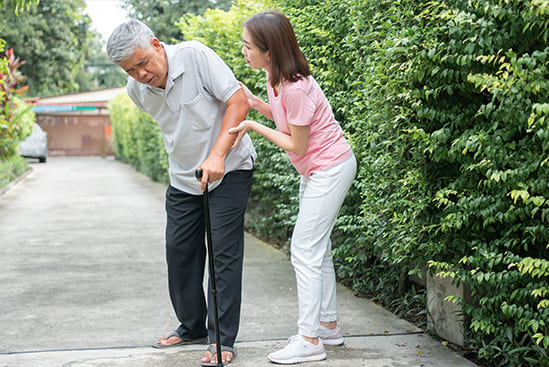
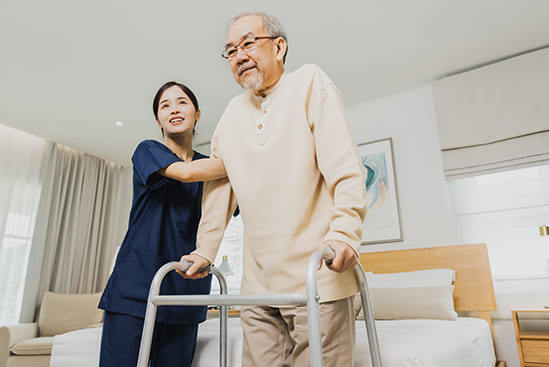
Common conditions in the older age population include hips & knee pain, back & neck pain, osteoarthritis, rheumatism, fear of falling and many more.  Aging and degeneration of bodily function is inevitable, but here at Synapse, we will help you live the best of your life.

Home Physiotherapy

We understand that some conditions or injuries can make it difficult to receive rehabilitation at our clinic be it mobility or transportation issues. Our objective is to provide you with the same high-quality physiotherapy services at home that you would receive in-clinic.
Posted on

Can Sports Massage Help in Post-Weightlifting Recovery

Sports Massage
Sports Massage
Home Physiotherapy, Sports Injuries

Can Sports Massage Help in Post-Weightlifting Recovery?

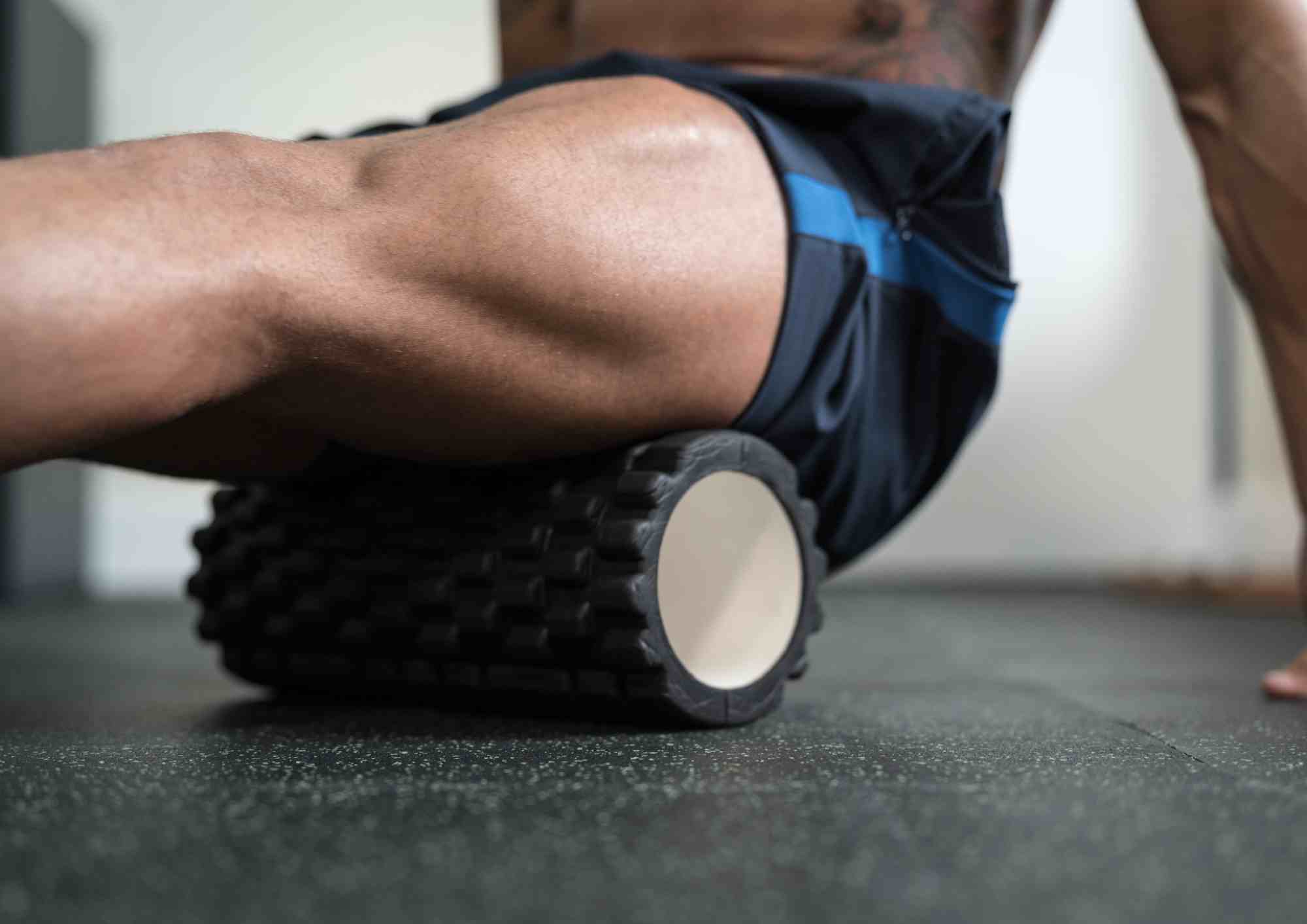
After an intense weightlifting session, your muscles are often sore, fatigued, and in need of recovery. Many athletes and fitness enthusiasts are turning to sports massage therapy as a crucial part of their post-workout recovery routine. But can sports massage help in post-weightlifting recovery? The answer is yes—sports massage can significantly improve recovery time, reduce muscle soreness, and help prevent injuries, making it a valuable addition to any weightlifting program.

What is Sports Massage?

Sports massage is a specialized form of therapy designed to address the unique needs of athletes and physically active individuals. It goes beyond the basic relaxation techniques of traditional massage by targeting the muscle groups that experience the most strain from exercise, especially weightlifting. Through techniques like deep tissue manipulation, myofascial release, and trigger-point therapy, sports massage can alleviate muscle tension, promote better circulation, and aid in muscle recovery.

Unlike a typical spa massage, which focuses on relaxation and stress relief, sports massage is more goal-oriented, and often used to enhance performance, prevent injury, and recover from physical exertion. It is particularly effective for weightlifters, as it helps mitigate the damage done to muscles during lifting and accelerates the recovery process.

How Sports Massage Helps in Post-Weightlifting Recovery

After a challenging weightlifting session, your muscles undergo micro-tears and require proper recovery to rebuild stronger. Here’s how sports massage aids in the recovery process:

1. Increases Blood Circulation to Muscles

One of the primary benefits of sports massage is its ability to enhance blood circulation. After weightlifting, muscles require increased blood flow to deliver nutrients and oxygen to the cells, which helps in tissue repair and reduces recovery time. Sports massage stimulates circulation, ensuring that fresh oxygen and nutrients are delivered to fatigued muscles while metabolic waste products, like lactic acid, are flushed out. This process helps in reducing muscle soreness and accelerates recovery by promoting tissue regeneration.


2. Reduces Muscle Tension and Soreness

Weightlifting places significant strain on muscles, which can result in tightness, soreness, and fatigue. Sports massage helps alleviate this muscle tension by applying focused pressure to targeted areas, which helps relax the muscles and release built-up tension. Techniques like deep tissue manipulation help to break down adhesions in muscle fibers and connective tissues, reducing muscle stiffness and soreness. After an intense workout, sports massage can help your muscles feel more relaxed, making it easier to get back to training faster.

3. Speeds Up the Removal of Metabolic Waste

During weightlifting, muscles experience tiny tears and breakdowns that produce waste products like lactic acid. If not properly cleared, this can lead to muscle soreness and delayed recovery. Sports massage facilitates the removal of metabolic waste from the muscles by improving lymphatic drainage. The lymphatic system is responsible for transporting waste products from tissues back to the bloodstream, where they can be processed and eliminated by the body. By stimulating this system, sports massage aids in faster recovery and reduces the discomfort associated with DOMS (delayed onset muscle soreness).

4. Improves Flexibility and Range of Motion

Regular weightlifting can lead to a decrease in flexibility, as muscles become tighter and less pliable over time. Sports massage helps increase flexibility by loosening tight muscles and fascia (the connective tissue surrounding muscles). Techniques like myofascial release and kneading work to stretch and relax the muscles, improving their range of motion and making them less prone to injury. For weightlifters, maintaining flexibility is essential to performing exercises with proper form and avoiding strains or tears.

5. Decreases Inflammation and Swelling

After an intense lifting session, inflammation and swelling are common in the muscles and joints. This can slow down the recovery process and hinder muscle growth. Sports massage helps reduce inflammation by increasing circulation and encouraging the flow of lymphatic fluid, which can drain excess fluid from swollen areas. By reducing swelling, sports massage alleviates pressure on surrounding tissues, which can lead to faster healing and lesser discomfort in the days following a workout.


6. Relieves Pain and Restores Functionality

Post-lifting pain can result from tight muscles, trigger points, or muscle imbalances. Trigger-point therapy, a common technique in sports massage, targets areas where muscles have formed painful knots. These knots can be a result of overuse or micro-injuries from lifting. By applying pressure to these specific points, sports massage helps release the knots, relieve pain, and restore normal muscle function. This process helps you get back to lifting sooner and with better mobility.

7. Prevents Future Injuries

The cumulative strain of weightlifting can lead to overuse injuries and muscle imbalances, especially if you are lifting heavy weights without proper recovery. Sports massage is not only beneficial for immediate recovery but also for injury prevention. Regular sessions help keep muscles and joints in optimal condition by improving circulation, flexibility, and muscle function. By addressing muscle imbalances, tightness, and soreness early on, sports massage can prevent injuries that might otherwise sideline your weightlifting progress.

Sports Massage Techniques for Post-Weightlifting Recovery

Sports massage utilizes a variety of techniques to address specific recovery needs:

  • Deep Tissue Massage: Targets the deeper layers of muscle and connective tissue to release tension and improve circulation.
  • Effleurage: A gentle gliding technique used to increase blood flow, relax muscles, and reduce soreness.
  • Trigger-Point Therapy: Focuses on specific areas of tightness or muscle knots to relieve pain and restore proper function.
  • Myofascial Release: Involves gentle stretching of the fascia (connective tissue) to relieve restrictions and improve mobility.

Conclusion

Incorporating sports massage into your post-weightlifting recovery routine can offer numerous benefits, including reducing muscle soreness, alleviating inflammation, improving flexibility, and preventing injuries. Whether you are a professional athlete or someone who enjoys weightlifting for fitness, sports massage can help speed up recovery, optimize your training outcomes, and enhance overall performance.

If you’re looking to take your weightlifting routine to the next level, consider adding regular sports massage therapy to your regimen. Synapse Physiotherapy is here to help you achieve your fitness goals with specialized sports massage techniques tailored to your individual needs. With the expertise of our skilled therapists, we can assist in speeding up your recovery, enhancing your muscle performance, and ensuring you stay injury-free throughout your training.

Let Synapse Physiotherapy guide you on your journey to improved performance and faster recovery—your muscles will thank you, and your workouts will reach new heights.


Share This :

Back & Neck Pain

Conditions such as stiffness, postural abnormalities and muscle overuse from prolonged desk work at the office or home is more prevalent than most would think. We provide the necessary tools to fix you up and educate you on ergonomics which can unload unnecessary stress.

Sports Injuries

Rolled ankles, jarred knees, impinged shoulders are few conditions in the plethora of sports injuries which can hamper performance and limit our enjoyment of sports. Physiotherapy not only treats the symptoms of these conditions but propels your overall fitness to greater heights.

Work Desk Injuries​

Conditions such as stiffness, postural abnormalities and muscle overuse from prolonged desk work at the office or home is more prevalent than most would think. We provide the necessary tools to fix you up and educate you on ergonomics which can unload unnecessary stress.

Pre-Post-Surgical Conditions

Surgery involves going through preparation both before and after. Physiotherapists play a vital role in getting your body ready for surgeries with circulatory, breathing and strengthening exercises. After the procedure, let us be there for your recovery and rehabilitation, taking it one step at a time.

Scoliosis & Postural Abnormalities

The way we stand, sit, walk and sleep has influence over our posture and the overall balance of muscles controlling its alignment. A comprehensive screening can be done by our physiotherapists to detect abnormalities, which we will aid in correcting.

Neurological Conditions

Neurological disabilities such as stroke, nerve compression and neuropathies can be barriers for patients to live life to its fullest. We at Synapse are committed to help you overcome these hurdles by ensuring functional mobility and quality of life is at its optimum by providing the right treatment and exercises.

Osteoarthritis & Rheumatism

Joint degeneration and inflammation happens as the human body grows older, but that does not mean our way of life degenerates as well. Relief your joint pains with a joint effort together with your physiotherapist, who will provide pain-relief treatments and prescribe exercises for your wellbeing.

Conditions Relating To Elderly

Common conditions in the older age population include hips & knee pain, back & neck pain, osteoarthritis, rheumatism, fear of falling and many more.  Aging and degeneration of bodily function is inevitable, but here at Synapse, we will help you live the best of your life.

Home Physiotherapy

We understand that some conditions or injuries can make it difficult to receive rehabilitation at our clinic be it mobility or transportation issues. Our objective is to provide you with the same high-quality physiotherapy services at home that you would receive in-clinic.
Posted on

How Soon After an Injury Should You Start Physical Therapy?

Physio Near Me
Physio Near Me
Sports Injuries

How Soon After an Injury Should You Start Physical Therapy?

Introduction

Getting injured can be frustrating, but starting physical therapy at the right time can speed up your recovery. Many people ask, “When should I look for physio near me?” The answer depends on the type and severity of the injury. Let us explore when and why to start physical therapy, its benefits, and what to expect.

The Healing Process

The body heals in three main stages:

1. Inflammatory Phase (0-5 Days)

Right after an injury, swelling, pain, and redness occur as the body protects the damaged area. Rest, ice, compression, and elevation (R.I.C.E.) can help manage symptoms.

2. Repair Phase (5-21 Days)

The body starts repairing the injured tissues. Light movement and simple exercises may be introduced under the guidance of a physiotherapist.

3. Strengthening Phase (21 Days – Several Months)

This phase focuses on regaining strength and flexibility. Physical therapy is essential to ensure proper healing and prevent future injuries.

When to Start Physical Therapy

1. Right Away (24-48 Hours)

For minor injuries like mild sprains or post-surgical rehab, physical therapy can start immediately. This can provide pain relief and mobility exercises.

2. Early Therapy (3-7 Days)

For moderate injuries like tendonitis or moderate sprains, starting within a week can reduce pain and stiffness while improving mobility.

3. Delayed Therapy (2-6 Weeks)

Severe injuries, such as fractures or ligament tears, may need rest first. However, consulting a physio near me early can help plan a recovery program.

4. Late Therapy (Months After Injury)

If pain or mobility issues persist, physical therapy can still help restore movement and prevent long-term problems.

Why Start Physical Therapy Early?

1. Faster Recovery

Early therapy helps reduce inflammation, improve circulation, and prevent muscle loss.

2. Pain Relief

A physiothearpist can use massage, exercises, and treatments like ultrasound to ease pain.

3. Prevents Complications

Delayed treatment can lead to stiffness, muscle imbalances, and chronic pain. Early therapy keeps your body moving properly.

4. Regains Strength and Flexibility

Therapy helps rebuild strength, so you can return to normal activities safely.

5. Custom Recovery Plan

A physiotherapist will create a plan tailored to your specific injury and goals.

What Happens in Physical Therapy?

First Session

Your physiotherapist will assess your injury, range of motion, and strength. They will discuss your goals and create a treatment plan.

Common Treatments

  • Manual therapy (massage, joint mobilization)
  • Therapeutic exercises (stretching, strengthening drills)
  • Pain relief methods (heat, ice, ultrasound)
  • Posture and movement training

At-Home Exercises

Your physiotherapist will give you simple exercises to do at home. Consistency is key to a full recovery.

Conclusion

Starting physical therapy at the right time can help you recover faster and prevent future problems. Whether you need immediate care or long-term rehabilitation, finding a physio near you ensures you get the right treatment. If you are injured, do not wait—consult a professional and get back to full strength!

Share This :

Back & Neck Pain

Conditions such as stiffness, postural abnormalities and muscle overuse from prolonged desk work at the office or home is more prevalent than most would think. We provide the necessary tools to fix you up and educate you on ergonomics which can unload unnecessary stress.

Sports Injuries

Rolled ankles, jarred knees, impinged shoulders are few conditions in the plethora of sports injuries which can hamper performance and limit our enjoyment of sports. Physiotherapy not only treats the symptoms of these conditions but propels your overall fitness to greater heights.

Work Desk Injuries​

Conditions such as stiffness, postural abnormalities and muscle overuse from prolonged desk work at the office or home is more prevalent than most would think. We provide the necessary tools to fix you up and educate you on ergonomics which can unload unnecessary stress.

Pre-Post-Surgical Conditions

Surgery involves going through preparation both before and after. Physiotherapists play a vital role in getting your body ready for surgeries with circulatory, breathing and strengthening exercises. After the procedure, let us be there for your recovery and rehabilitation, taking it one step at a time.

Scoliosis & Postural Abnormalities

The way we stand, sit, walk and sleep has influence over our posture and the overall balance of muscles controlling its alignment. A comprehensive screening can be done by our physiotherapists to detect abnormalities, which we will aid in correcting.

Neurological Conditions

Neurological disabilities such as stroke, nerve compression and neuropathies can be barriers for patients to live life to its fullest. We at Synapse are committed to help you overcome these hurdles by ensuring functional mobility and quality of life is at its optimum by providing the right treatment and exercises.

Osteoarthritis & Rheumatism

Joint degeneration and inflammation happens as the human body grows older, but that does not mean our way of life degenerates as well. Relief your joint pains with a joint effort together with your physiotherapist, who will provide pain-relief treatments and prescribe exercises for your wellbeing.

Conditions Relating To Elderly

Common conditions in the older age population include hips & knee pain, back & neck pain, osteoarthritis, rheumatism, fear of falling and many more.  Aging and degeneration of bodily function is inevitable, but here at Synapse, we will help you live the best of your life.
Home Physiotherapy

We understand that some conditions or injuries can make it difficult to receive rehabilitation at our clinic be it mobility or transportation issues. Our objective is to provide you with the same high-quality physiotherapy services at home that you would receive in-clinic.
Posted on

Sports Physiotherapy: Treating Hamstring Strains Effectively

Sports Physiotherapy
Sports Injuries, Synapse Physiotherapy

Introduction

Have you ever suffered from a hamstring injury? If so, you’re well aware of how painful and limiting it can be. Hamstring strains and tears are common, particularly among athletes and active individuals. However, there’s good news—physiotherapy is a highly effective treatment that can aid in your recovery and help prevent future injuries. Physiotherapy is essential in the healing process, as it focuses on alleviating pain, enhancing flexibility, and strengthening the muscles to reduce the risk of further injury. If you experience this type of injury, it’s important to seek out sports physiotherapy at a nearby clinic.

What is a Hamstring Strain?

Hamstring strains typically result from a sudden, forceful contraction or an intense stretch of the hamstring muscle group, leading to significant mechanical stress. This injury often manifests as a sharp pain in the back of the thigh, caused by the disruption of hamstring muscle fibers, without any direct impact to the area.


These strains are especially common in dynamic sports like sprinting, jumping, and contact sports such as Australian Rules football (AFL), American football, and soccer, where rapid eccentric contractions frequently occur. In soccer, hamstring strains are the most prevalent injury. They can also occur in recreational activities like water skiing and bull riding, where the knee is violently extended during the injury. Hamstring injuries are classified into three categories: acute (resulting from a sudden impact or traumatic event), overuse (caused by excessive training over time), and chronic or recurrent (involving repeated injuries due to diminished function and incomplete healing).

Causes

During the second half of the swing phase in running, the hamstrings reach their maximum length and generate the highest tension. At this point, the hamstrings contract eccentrically to slow down hip flexion and lower leg extension. This phase also marks a peak in muscle spindle activity within the hamstrings. A powerful contraction of the hamstrings, coupled with the relaxation of the quadriceps, is essential. According to “Klafs and Arnheim,” a disruption in the coordination between these opposing muscles can lead to a hamstring tear. The biceps femoris experiences the greatest musculo-tendon stretch, which may explain why it is more prone to injury than the other two hamstring muscles (semimembranosus and semitendinosus) during high-speed running.

Risk factors

  • Older age
  • Previous hamstring injury
  • Limited hamstring flexibility
  • Increased fatigue
  • Poor core stability
  • Strength imbalance
  • Previous calf injury
  • Previous significant knee injury
  • During activities like running and kicking, the hamstrings lengthen as the hip flexes and the knee extends. This lengthening can push the muscle to its mechanical limits or lead to the accumulation of microscopic muscle damage.
  •  Uncoordinated contraction of the biceps femoris muscle, which could be related to its dual nerve supply.

Sign and symptoms

A hamstring strain typically results in sudden pain, ranging from mild to severe, in the back of the thigh. Some individuals may also experience a “popping” or tearing sensation. Swelling and bruising (ecchymosis) can occur, though they may not appear until several days after the injury. In rare cases, symptoms like numbness, tingling, and weakness in the lower leg may be present, which could indicate sciatic nerve irritation. 

Grade of hamstring strain

Hamstring strains are categorized into three grades based on the severity of pain, weakness, and loss of motion:

  • Grade 1 (Mild): Only a few muscle fibers are damaged or ruptured, which typically has little impact on the muscle’s strength and endurance. Pain and tenderness usually develop the day after the injury, with common complaints being stiffness in the back of the leg. Patients can generally walk without difficulty, and while there may be slight swelling, knee movement remains normal.
  • Grade 2 (Moderate): Around half of the muscle fibers are torn, leading to acute pain, swelling, and some functional loss. The patient’s gait is usually affected. Pain can be triggered by applying pressure to the hamstring or by bending the knee against resistance.
  • Grade 3 (Severe): This grade involves more than half of the muscle fibers being ruptured, potentially resulting in a complete muscle tear. Both the muscle belly and the tendon may be involved. This causes significant swelling and pain, with the hamstring muscle losing its ability to function and displaying marked weakness.

Physiotherapy rehabilitation

Rehabilitation for a hamstring strain is a multi-phase process designed to restore function, prevent further injury, and optimize recovery. The rehabilitation process involves the following phases.

Phase I (Week 0-3)

Goals:

  • Protect the healing tissue
  • Minimize muscle atrophy and strength loss
  • Prevent loss of range of motion

Precautions:

  • Avoid excessive active or passive lengthening of the hamstrings
  • Prevent the development of an antalgic (pain-avoidance) gait pattern

Rehabilitation Plan:

  • Ice Therapy: Apply ice 2-3 times daily to reduce pain and swelling.
  • Stationary Bike: Use for low-impact cardiovascular exercise to maintain fitness.
  • Sub-Maximal Isometrics: Perform isometric hamstring contractions at 90, 60, and 30 degrees of knee flexion.
  • Single-Leg Balance: Practice balancing on one leg to improve stability and proprioception.
  • Balance Board: Use a balance board to enhance coordination and neuromuscular control.
  • Soft Tissue Mobilization (STM) / Instrument-Assisted Mobilization (IASTM): Utilize manual therapy to reduce muscle tightness and promote healing.
  • Pulsed Ultrasound: Apply pulsed ultrasound (Duty cycle 50%, 1 MHz, 1.2 W/cm²) to stimulate tissue healing.
  • Progressive Hip Strengthening: Focus on strengthening the hip muscles without straining the hamstrings.
  • Pain-Free Isotonic Knee Flexion: Engage in gentle isotonic exercises that do not cause pain.
  • Active Sciatic Nerve Flossing: Perform nerve gliding exercises to alleviate any neural tension.
  • Conventional TENS: Use transcutaneous electrical nerve stimulation (TENS) for pain relief.

Phase 2 (Week 3-12)

Goals:

  • Regain pain-free hamstring strength through the full range of motion (ROM)
  • Develop neuromuscular control of the trunk and pelvis with a progressive increase in movement and speed, preparing for functional activities

Precautions:

  • Avoid end-range hamstring lengthening if it causes pain

Rehabilitation Plan:

  • Ice Therapy: Continue to apply ice post-exercise.
  • Stationary Bike: Maintain low-impact cardiovascular exercise.
  • Treadmill: Progress from moderate to high-intensity, pain-free running.
  • Isokinetic Eccentrics: Perform eccentric hamstring exercises in a non-lengthened state.
  • Single-Limb Balance Windmill Touches: Practice without weights to improve balance and coordination.
  • Single-Leg Stance with Perturbations: Incorporate dynamic balance exercises to challenge stability.
  • Supine Hamstring Curls on a Theraball: Strengthen the hamstrings with controlled movement.
  • STM/IASTM: Continue soft tissue mobilization techniques.
  • Nordic Hamstring Exercise: Engage in eccentric hamstring strengthening exercises.
  • Shuttle Jumps: Begin light plyometric exercises to build strength and power.
  • Prone Leg Drops: Work on controlled leg movements to enhance muscle activation.
  • Lateral and Retro Band Walks: Strengthen the hip abductors and adductors.
  • Sciatic Nerve Tensioning: Continue nerve mobilization exercises.
  • Eccentric Protocol:

Once non-weight-bearing exercises are tolerated, introduce low-velocity eccentric activities such as stiff-leg deadlifts, eccentric hamstring lowers/Nordic hamstring exercises, and split squats.

Phase 3 (Week 12+)

Goals:

  • Achieve symptom-free performance during all activities
  • Restore normal concentric and eccentric strength through full ROM and speed
  • Improve neuromuscular control of the trunk and pelvis
  • Integrate postural control into sport-specific movements

Precautions:

  • Train within a symptom-free intensity range to avoid re-injury

Rehabilitation Plan:

  • Ice Therapy: Use ice post-exercise as needed.
  • Treadmill: Continue moderate to high-intensity running as tolerated.
  • Isokinetic Eccentric Training: Focus on eccentric training at end ROM (in hyperflexion).
  • STM/IASTM: Continue soft tissue and instrument-assisted mobilization.
  • Plyometric Jump Training: Incorporate jump training to build explosive power.
  • 5-10 Yard Accelerations/Decelerations: Practice short sprints to improve speed and control.
  • Single-Limb Balance Windmill Touches: Add weight and perform on an unstable surface.
  • Sport-Specific Drills: Engage in drills that integrate postural control and progressive speed.

Eccentric Protocol:

  • Introduce higher velocity eccentric exercises, including plyometrics and sport-specific activities.

Physiotherapy plays a vital role in effectively treating hamstring strains by guiding the recovery process, reducing pain, restoring strength and flexibility, and preventing future injuries. Through a structured rehabilitation program, patients can achieve full recovery and safely return to their activities. If you’re dealing with a hamstring strain, consider getting your rehabilitation done at Synapse Physiotherapy, where personalized care will support your healing journey.

Frequently Asked Questions (FAQs)

Recovery time varies based on the severity of the strain. For Grade 1 strains, it may take 2-3 weeks, while Grade 3 strains could require 6 months or more.

By addressing muscle imbalances, improving flexibility, and providing sport-specific training, Sports Physiotherapy reduces the likelihood of future injuries by teaching proper movement patterns.

Not always. While some Grade 3 strains may require surgery, many can be effectively treated with a comprehensive Sports Physiotherapy program focused on rehabilitation and strength-building.

This depends on the severity of the injury. In most cases, a modified training plan that avoids stressing the injured muscle is recommended. Always consult with your physiotherapist.

It’s best to start Sports Physiotherapy as soon as possible after the injury to prevent further damage and promote faster healing.

Conclusion

At Synapse, we understand that recovering from a hamstring strain can be a complex and difficult journey. That’s why our expert Sports Physiotherapists are dedicated to providing personalized, evidence-based treatments that cater to your specific needs. Don’t let a hamstring strain hold you back from achieving your best performance. Whether you’re an elite athlete or a weekend warrior, our team at Synapse will guide you every step of the way to ensure you recover fully and prevent future injuries. Contact Synapse today to schedule an appointment and start your journey toward pain-free movement and injury prevention. Let us help you get back on the field stronger and more resilient than ever before!

Produced by MYSense

Share This :

Back & Neck Pain

Conditions such as stiffness, postural abnormalities and muscle overuse from prolonged desk work at the office or home is more prevalent than most would think. We provide the necessary tools to fix you up and educate you on ergonomics which can unload unnecessary stress.

Sports Injuries

Rolled ankles, jarred knees, impinged shoulders are few conditions in the plethora of sports injuries which can hamper performance and limit our enjoyment of sports. Physiotherapy not only treats the symptoms of these conditions but propels your overall fitness to greater heights.

Work Desk Injuries​

Conditions such as stiffness, postural abnormalities and muscle overuse from prolonged desk work at the office or home is more prevalent than most would think. We provide the necessary tools to fix you up and educate you on ergonomics which can unload unnecessary stress.

Pre-Post-Surgical Conditions

Surgery involves going through preparation both before and after. Physiotherapists play a vital role in getting your body ready for surgeries with circulatory, breathing and strengthening exercises. After the procedure, let us be there for your recovery and rehabilitation, taking it one step at a time.

Scoliosis & Postural Abnormalities

The way we stand, sit, walk and sleep has influence over our posture and the overall balance of muscles controlling its alignment. A comprehensive screening can be done by our physiotherapists to detect abnormalities, which we will aid in correcting.

Neurological Conditions

Neurological disabilities such as stroke, nerve compression and neuropathies can be barriers for patients to live life to its fullest. We at Synapse are committed to help you overcome these hurdles by ensuring functional mobility and quality of life is at its optimum by providing the right treatment and exercises.

Osteoarthritis & Rheumatism

Joint degeneration and inflammation happens as the human body grows older, but that does not mean our way of life degenerates as well. Relief your joint pains with a joint effort together with your physiotherapist, who will provide pain-relief treatments and prescribe exercises for your wellbeing.

Conditions Relating To Elderly

Common conditions in the older age population include hips & knee pain, back & neck pain, osteoarthritis, rheumatism, fear of falling and many more.  Aging and degeneration of bodily function is inevitable, but here at Synapse, we will help you live the best of your life.

Home Physiotherapy

We understand that some conditions or injuries can make it difficult to receive rehabilitation at our clinic be it mobility or transportation issues. Our objective is to provide you with the same high-quality physiotherapy services at home that you would receive in-clinic.
Posted on

Physical Therapy Guide to Herniated Disk

physiotherapy for slip disc
Conditions Relating To Elderly, Sports Injuries, Synapse Physiotherapy

Physical Therapy Guide to Herniated Disk

A herniated disk, also known as a slipped or ruptured disk, is a common condition affecting the spine. It occurs when the soft, gel-like center (nucleus) of an intervertebral disk pushes out through a tear in the tough outer layer (annulus) of the disk. This protrusion can compress nearby nerves, leading to symptoms such as pain, numbness, and muscle weakness, especially in the neck or lower back.

If you are looking for physiotherapy for slip disc, our professional physiotherapist here at Synapse Physiotherapy will be able to give you a comprehensive assessment for your slipped disc injury and design a rehabilitation plan to get you back to your best self. We use a variety of treatment techniques to manage your pain and symptoms.

Physical therapy plays a critical role in the conservative management of herniated disks, helping individuals reduce pain, improve function, and potentially avoid surgery. This guide outlines the essential components of physiotherapy for slip disc and how it can support recovery.

Understanding the Herniated Disk

The spine consists of vertebrae (bones), which are cushioned by disks that act as shock absorbers. A herniated disk can occur due to age-related wear and tear, injury, or improper lifting mechanics. Common symptoms include:

– Pain radiating down the arm or leg

– Numbness or tingling in the affected areas

– Weakness in the muscles served by the compressed nerve

– Difficulty with certain movements like bending or lifting

While not all herniated discs require surgery, they can cause significant discomfort and functional limitations if left untreated.

The Role of Physical Therapy

Physiotherapy for slip disc focuses on relieving pressure on the affected nerve, improving spinal health, and restoring mobility. A well-designed therapy plan can often alleviate symptoms, prevent further injury, and promote long-term spinal stability. Key goals of physical therapy include:

  •  Pain management: Reducing pain through specific therapeutic exercises, manual therapy, and modalities like heat, cold, or electrical stimulation.
  •  Restoring mobility and flexibility: Targeted exercises to restore range of motion in the spine and reduce stiffness.
  •  Strengthening the core and back muscles: Building strength in the muscles that support the spine helps protect against future disk injuries.
  •  Improving posture and body mechanics: Educating patients on proper posture and techniques for lifting or bending can reduce strain on the spine.

Components of a Physical Therapy Program

1. Initial Evaluation

   A physical therapist (PT) will assess the patient’s posture, range of motion, strength, and any neurological symptoms. The therapist will also consider the severity and location of the herniated disk, as well as the patient’s lifestyle, to create a personalized treatment plan such as the physiotherapy for slip disc.

2. Education on Activity Modification

   One of the first steps in managing a herniated disk is modifying activities that might aggravate symptoms. Patients may be advised to avoid heavy lifting, prolonged sitting, or awkward postures. Educating patients about how to protect their spine during daily activities is a crucial part of therapy.

3. Manual Therapy

   Manual therapy techniques, including soft tissue mobilization, joint mobilization, and spinal manipulation, can help relieve pain and improve mobility. These hands-on techniques can reduce muscle tension and stiffness around the affected area.

4. Therapeutic Exercises

   A core component of physical therapy is a tailored exercise program that strengthens the muscles supporting the spine, including the core, lower back, and hips. Key exercises may include:

   – McKenzie exercises: Specific movements designed to centralize and reduce radiating pain caused by a herniated disk.

   – Core stabilization exercises: Strengthening the abdominal muscles to provide better support for the spine.

   – Flexibility exercises: Stretching the hamstrings, lower back, and hip flexors to improve range of motion.

   – Strengthening exercises: Focusing on the muscles around the lumbar spine and pelvis, using techniques such as planks, bridges, or leg raises.

5. Postural Correction and Ergonomics

   Poor posture can exacerbate a herniated disk, especially during activities such as sitting or lifting. A PT will teach proper alignment techniques to maintain a neutral spine, reducing pressure on the disks. They may also suggest ergonomic adjustments to workstations, chairs, or sleeping positions.


6. Pain-Relieving Modalities

   To manage acute pain, physical therapists may use modalities like heat or cold therapy, ultrasound, or transcutaneous electrical nerve stimulation (TENS). These physiotherapy for slip disc methods can reduce inflammation, promote healing, and alleviate discomfort in the short term.

7. Aerobic Conditioning

   Low-impact aerobic exercises, such as walking, swimming, or cycling, are often introduced to improve cardiovascular health and maintain a healthy weight. Keeping active, even during recovery, helps improve blood flow to the spine, promoting healing.

The Importance of Patient Involvement

For physiotherapy for slip disc to be effective, the patient must actively participate in the process. This includes attending therapy sessions, performing prescribed home exercises regularly, and making necessary lifestyle adjustments. A consistent effort can lead to significant improvements in pain reduction and functional recovery.

When Surgery Is Needed

While physiotherapy for slip disc can be highly effective for many individuals, some cases of herniated disks may require surgical intervention, especially if there is significant nerve compression leading to muscle weakness, loss of bladder control, or persistent pain that doesn’t respond to conservative treatments. In such cases, physiotherapy for slip disc will still be essential for post-surgery recovery, helping patients regain strength and mobility.

Conclusion

Physiotherapy for slip disc offers a safe, effective approach to managing herniated disks, promoting recovery and reducing the need for more invasive treatments. By focusing on pain relief, strengthening, and improved spinal mechanics, a well-rounded therapy program can lead to significant improvements in function and quality of life. Patients who stay engaged in their treatment plans are more likely to experience long-term relief and prevent future episodes of back pain.

If you’re dealing with a herniated disk, consulting a physical therapist to have your physiotherapy for slip disc early can set you on the path to recovery and help avoid prolonged discomfort.

Share This :

Back & Neck Pain

Conditions such as stiffness, postural abnormalities and muscle overuse from prolonged desk work at the office or home is more prevalent than most would think. We provide the necessary tools to fix you up and educate you on ergonomics which can unload unnecessary stress.

Sports Injuries

Rolled ankles, jarred knees, impinged shoulders are few conditions in the plethora of sports injuries which can hamper performance and limit our enjoyment of sports. Physiotherapy not only treats the symptoms of these conditions but propels your overall fitness to greater heights.

Work Desk Injuries​

Conditions such as stiffness, postural abnormalities and muscle overuse from prolonged desk work at the office or home is more prevalent than most would think. We provide the necessary tools to fix you up and educate you on ergonomics which can unload unnecessary stress.

Pre-Post-Surgical Conditions

Surgery involves going through preparation both before and after. Physiotherapists play a vital role in getting your body ready for surgeries with circulatory, breathing and strengthening exercises. After the procedure, let us be there for your recovery and rehabilitation, taking it one step at a time.

Scoliosis & Postural Abnormalities

The way we stand, sit, walk and sleep has influence over our posture and the overall balance of muscles controlling its alignment. A comprehensive screening can be done by our physiotherapists to detect abnormalities, which we will aid in correcting.

Neurological Conditions

Neurological disabilities such as stroke, nerve compression and neuropathies can be barriers for patients to live life to its fullest. We at Synapse are committed to help you overcome these hurdles by ensuring functional mobility and quality of life is at its optimum by providing the right treatment and exercises.

Osteoarthritis & Rheumatism

Joint degeneration and inflammation happens as the human body grows older, but that does not mean our way of life degenerates as well. Relief your joint pains with a joint effort together with your physiotherapist, who will provide pain-relief treatments and prescribe exercises for your wellbeing.

Conditions Relating To Elderly

Common conditions in the older age population include hips & knee pain, back & neck pain, osteoarthritis, rheumatism, fear of falling and many more.  Aging and degeneration of bodily function is inevitable, but here at Synapse, we will help you live the best of your life.

Home Physiotherapy

We understand that some conditions or injuries can make it difficult to receive rehabilitation at our clinic be it mobility or transportation issues. Our objective is to provide you with the same high-quality physiotherapy services at home that you would receive in-clinic.
Posted on

The Role of Physiotherapy in Sports Injury Rehabilitation

Sports Physiotherapy
Home Physiotherapy, Sports Injuries, Synapse Physiotherapy

The Role of Physiotherapy in Sports Injury Rehabilitation

What is “sports injury” and “sports physiotherapy”?

The term “sports injury” encompasses injuries commonly associated with sports or physical exercise, though not exclusive to athletes. For example, factory workers may develop tennis elbow, painters often experience shoulder injuries, and gardeners might suffer from tendinitis—even if they don’t engage in sports. Ultimately, the term refers to injuries sustained by active individuals. This discussion focuses on sports injuries affecting the musculoskeletal system, the interconnected network of muscles, tendons, ligaments, bones, and tissues that provide stability and facilitate movement.

Sports injuries are generally classified into two categories: acute and chronic. Acute injuries occur suddenly, such as from a fall, a blow, or twisting of a joint, with examples including sprains and dislocations. On the other hand, chronic injuries develop gradually due to repetitive overuse of a specific body part, such as tennis elbow and stress fractures.

Treatment for sports injuries varies depending on the severity and type. Many can be managed at home using the R-I-C-E method (Rest, Ice, Compression, Elevation). However, severe injuries require professional medical attention, which may involve physical therapy, a cast, splint, or brace, and sometimes surgery. Rehabilitation programs incorporating exercise and targeted therapy are often recommended before returning to the activity that caused the injury.

Here, sports physiotherapy plays a vital role. This specialized branch of physiotherapy focuses on evaluating and treating injuries related to sports and physical activity across all ages and skill levels. Unlike everyday injuries, sports-related injuries often involve higher performance demands, subjecting the joints, ligaments, muscles, and tendons to increased strain and making them more susceptible to injury.

A sports physiotherapist is a trained expert in assessing and managing sports injuries and provides sports physiotherapy. Physiotherapy aids in restoring strength and mobility after an injury, alleviating pain, and preventing long-term damage or recurring issues. It ensures individuals recover fully and safely return to their activities while minimizing the risk of future injuries.

How does physiotherapy prevent sports injury?

The primary aim of physical therapy in injury prevention is to identify and correct risk factors and imbalances that could lead to injury. The focus is on proactively improving an athlete’s physical condition, optimizing movement patterns, and reducing the risk of injuries.

Sports physiotherapy for injury prevention is generally applied before any injury occurs, such as during pre-season or off-season periods, or as part of a proactive training regimen. It involves ongoing evaluations, corrective exercises, and strategies designed to reduce the risk of injury while enhancing performance.

Comprehensive Assessments

Sports physiotherapy therapists perform detailed assessments to evaluate an athlete’s physical condition, movement patterns, strength, flexibility, and biomechanics. These evaluations help identify potential weaknesses or imbalances that may make an athlete more prone to injury. Treatment is customized to design specific exercise programs, implement preventive techniques, and educate athletes on how to avoid injuries.

Collaboration with Coaches and Athletic Trainers

Sports physiotherapy therapists collaborate with athletic trainers and coaches to design holistic injury prevention programs, educate athletes on proper techniques, and monitor progress. This teamwork ensures a comprehensive approach to both injury prevention and performance enhancement.

Individualized Exercise Programs

After an assessment, sports physiotherapy therapists develop personalized exercise routines to address an athlete’s unique needs. These programs focus on improving strength, flexibility, balance, coordination, and core stability, ultimately reducing the risk of injury and improving functional movement patterns.

Injury Prevention Techniques: Physical therapists use various methods to prevent injuries, including:

  • Dynamic Warm-up and Cool-down: These routines increase blood flow, elevate muscle temperature, and improve joint mobility, reducing the likelihood of injuries like sprains and strains.
  • Neuromuscular Training: Exercises that enhance balance, proprioception (body position awareness), and reaction time to help prevent injuries from sudden movements or changes in direction.
  • Biomechanical Analysis: Physical therapists evaluate an athlete’s movements to detect any faulty mechanics that could increase injury risk, making necessary corrections to improve performance and safety.
  • Equipment Assessment: Ensuring athletes have well-fitting, appropriate gear, such as footwear and protective equipment, to reduce injury risks associated with inadequate support or improper use.

Ongoing Monitoring and Program Adjustment: Sports physiotherapy therapists work with athletic trainers and coaches to monitor athletes’ progress and modify training programs as needed. They help identify early signs of overtraining or injury risk, making adjustments to optimize performance and minimize the likelihood of injuries. Additionally, they provide education on injury prevention strategies, proper warm-ups and cool-downs, recovery protocols, and injury management to empower athletes, coaches, and trainers with the knowledge they need to make informed decisions.

Role of Physiotherapy in Sports Injury Rehabilitation

The goal of sports physiotherapy in injury rehabilitation is to restore function, mobility, and strength after an injury. The focus is on addressing the specific impairments caused by the injury, promoting tissue healing, and helping the athlete return to their pre-injury level of activity and performance.

Sports physiotherapy plays a crucial role throughout every stage of the healing process. In the early stages, therapists focus on reducing pain and swelling to promote quicker recovery. During the middle phases, they work to maintain range of motion and strength throughout the body. In the later stages, therapists help the athlete gradually return to their previous level of activity. Physical therapists are skilled at adjusting exercises and activities to protect the injured area while ensuring the athlete can maintain or improve overall fitness.

In injury rehabilitation, physical therapists evaluate the specific impairments caused by the injury, such as restricted range of motion, muscle weakness, or reduced joint stability. The focus is on using targeted interventions to promote healing, restore function, and rebuild strength and mobility. Treatment may involve therapeutic exercises, manual therapy, pain management techniques, and advanced rehabilitation protocols.

During rehabilitation, physical therapists work closely with physicians, orthopedic specialists, and other healthcare providers involved in the athlete’s recovery. They communicate to coordinate treatment plans, monitor progress, and make necessary adjustments to the rehabilitation process. This collaborative approach ensures a well-rounded and effective recovery.

In conclusion, physiotherapy plays a crucial role in sports injury rehabilitation. It not only aids in the recovery process but also helps prevent future injuries. By promoting safe and effective return-to-sport strategies, physiotherapy significantly reduces the risk of recurrent injuries. Synapse is here to support you on this journey, ensuring you recover and perform at your best.


Share This :

Back & Neck Pain

Conditions such as stiffness, postural abnormalities and muscle overuse from prolonged desk work at the office or home is more prevalent than most would think. We provide the necessary tools to fix you up and educate you on ergonomics which can unload unnecessary stress.

Sports Injuries

Rolled ankles, jarred knees, impinged shoulders are few conditions in the plethora of sports injuries which can hamper performance and limit our enjoyment of sports. Physiotherapy not only treats the symptoms of these conditions but propels your overall fitness to greater heights.

Work Desk Injuries​

Conditions such as stiffness, postural abnormalities and muscle overuse from prolonged desk work at the office or home is more prevalent than most would think. We provide the necessary tools to fix you up and educate you on ergonomics which can unload unnecessary stress.

Pre-Post-Surgical Conditions

Surgery involves going through preparation both before and after. Physiotherapists play a vital role in getting your body ready for surgeries with circulatory, breathing and strengthening exercises. After the procedure, let us be there for your recovery and rehabilitation, taking it one step at a time.

Scoliosis & Postural Abnormalities

The way we stand, sit, walk and sleep has influence over our posture and the overall balance of muscles controlling its alignment. A comprehensive screening can be done by our physiotherapists to detect abnormalities, which we will aid in correcting.

Neurological Conditions

Neurological disabilities such as stroke, nerve compression and neuropathies can be barriers for patients to live life to its fullest. We at Synapse are committed to help you overcome these hurdles by ensuring functional mobility and quality of life is at its optimum by providing the right treatment and exercises.

Osteoarthritis & Rheumatism

Joint degeneration and inflammation happens as the human body grows older, but that does not mean our way of life degenerates as well. Relief your joint pains with a joint effort together with your physiotherapist, who will provide pain-relief treatments and prescribe exercises for your wellbeing.

Conditions Relating To Elderly

Common conditions in the older age population include hips & knee pain, back & neck pain, osteoarthritis, rheumatism, fear of falling and many more.  Aging and degeneration of bodily function is inevitable, but here at Synapse, we will help you live the best of your life.

Home Physiotherapy

We understand that some conditions or injuries can make it difficult to receive rehabilitation at our clinic be it mobility or transportation issues. Our objective is to provide you with the same high-quality physiotherapy services at home that you would receive in-clinic.
Posted on

How Does Sports Massage Affect Performance?

Sports Massage
Sports Massage
Sports Injuries

How Long Should You Attend Physical Therapy?

What is Sports Massage? 

Sports massage is a specialized form of massage therapy designed to meet the specific needs of athletes and active individuals. Unlike general massage, sports massage focuses on the muscle systems and connective tissues involved in athletic activities, using a variety of targeted techniques to address the demands of physical performance. This type of massage often incorporates methods like Swedish massage, which aids in relaxation, and deep tissue massage, which works on the deeper layers of muscle and fascia. Sports massage therapists tailor their approach to each athlete’s sport, activity level, and individual requirements, making it a versatile practice for managing the unique physical stressors associated with sports and exercise.

In addition to targeting muscle groups heavily used in a particular sport, sports massage also considers the timing of an athlete’s training schedule. Sessions can vary in intensity and focus, with pre-event, post-event, and maintenance massages designed to accommodate different stages of an athlete’s routine. This approach helps ensure that athletes receive the appropriate type of massage at the right time, whether they are preparing for an event, cooling down afterward, or seeking routine care between sessions. Through its comprehensive, personalized approach, sports massage addresses the physical demands of athleticism, promoting readiness and resilience in active bodies.

Techniques

Sports massage uses a variety of techniques aimed at optimizing athletic performance:

  • Effleurage: Gentle, sweeping strokes used at the start and end of a session to warm up the muscles, encourage blood flow, and provide a soothing effect.
  • Petrissage: A kneading technique that works deeper into the tissues, improving circulation and breaking down muscle and fascia adhesions.
  • Myofascial release: Involves applying consistent pressure on connective tissue to reduce pain and improve mobility.
  • Trigger point therapy: Focuses on applying pressure to sensitive muscle areas, known as trigger points, to relieve pain and dysfunction that can affect other body areas.

How Does Sports Massage Benefit Athletes?

Enhanced Blood Flow and Oxygenation

Massage therapy is well-known for its ability to improve circulation, ensuring that oxygen and nutrients reach the muscles effectively. By stimulating blood flow, massage helps muscles perform at their best during physical activity. It also supports the removal of waste products like lactic acid that accumulate during intense exercise, which can otherwise contribute to fatigue and muscle soreness. Improved oxygenation speeds up recovery by aiding the elimination of these toxins and promoting optimal muscle function.

Muscle Recovery and Soreness Reduction

Post-exercise muscle soreness and stiffness are common challenges for athletes. Regular massage helps accelerate the recovery process by reducing inflammation and promoting the healing of strained muscle fibers. It enhances mitochondrial function, which plays a key role in energy production for muscle repair, leading to faster recovery times and less discomfort. This helps athletes get back to training or competition with less downtime.

Improved Flexibility and Mobility

A consistent massage regimen contributes to increased flexibility and range of motion, which are vital for athletes to maintain peak performance levels. By manipulating soft tissues, massage reduces muscle tightness, enhancing mobility and lowering the risk of injury. Regular sessions also help keep connective tissues flexible, offering pain relief and promoting the release of endorphins, which improve overall well-being.

Role in Preventing Overuse Injuries

Repetitive stress from sports can lead to overuse injuries, where the body’s muscles and joints are under constant strain, preventing full recovery. Massage therapy helps mitigate this risk by increasing blood flow, which enhances tissue elasticity and flexibility. This ensures that muscles remain limber, reducing tension and allowing for better distribution of stress during physical activities. By improving range of motion, massage helps prevent strain on any one part of the body, reducing the likelihood of injury.

Supporting Healing Processes

Massage accelerates healing by breaking down scar tissue and improving blood circulation to injury sites. Through targeted techniques, massage facilitates the body’s natural recovery processes, helping to restore function and reduce pain. It also boosts the efficiency of waste removal, ensuring that injured tissues heal more quickly, allowing athletes to return to their sport sooner.

Stress and Anxiety Reduction


Massage is an effective tool for reducing stress and anxiety, which can negatively impact athletic performance. By lowering cortisol levels, massage promotes relaxation and mental clarity. It also triggers the release of mood-stabilizing neurotransmitters like serotonin and dopamine, which help athletes stay focused, calm, and mentally prepared for competition.

Mental Preparation for Competition

Just as physical preparation is crucial for success in sports, mental preparation is equally important. Massage therapy creates a quiet, relaxed environment where athletes can focus on their mental strategies. It provides an opportunity for athletes to visualize their performance, enhancing their concentration and motivation. This mental rehearsal can improve their ability to approach competition with clarity and confidence.

Improving Strength and Power

Massage can improve physical strength by reducing muscle tension, allowing athletes to exert more power. By alleviating Delayed Onset Muscle Soreness (DOMS) and reducing muscle fatigue after intense workouts, massage enables athletes to recover faster and train harder. This translates to improved strength and the ability to perform better in their respective sports.

Boosting Endurance and Reducing Fatigue

For endurance athletes, massage is beneficial in reducing fatigue and boosting stamina. By promoting circulation, massage ensures that muscles receive a steady supply of oxygen and nutrients, which enhances endurance levels. This helps delay the onset of fatigue during long or intense exercise sessions, allowing athletes to maintain peak performance for longer periods.


Agility and Reaction Times

In sports that demand quick reflexes and rapid decision-making, agility is crucial. Regular massage can enhance proprioception—the body’s ability to sense its position in space—which helps athletes improve their reaction times. This heightened awareness can lead to faster, more precise movements during competition, giving athletes a competitive edge.

Frequency of Sports Massage 

The recommended frequency of sports massage varies based on individual needs and athletic demands. Sports professionals often advise scheduling at least one massage per week during training to help prevent injury. Ideally, athletes should consider a session with a certified therapist both before and after intense training sessions for optimal support.

This form of sports therapy is widely regarded as safe and without adverse effects. However, athletes with conditions such as bleeding disorders, recent surgeries, fractures, open wounds, or acute tendon ruptures, should consult a healthcare provider before proceeding with treatment.

A licensed massage therapist can help assess whether sports massage is suitable for you. Typically, sessions last between 30 to 60 minutes, during which the therapist applies targeted techniques to relax the body, relieve muscle fatigue, and ease tension. Adding stretching and other exercise forms can further enhance the effectiveness of sports massage therapy.

How Long Does it Take to Feel the Effects?


Generally, it may take around 48 hours to start experiencing the effects of sports massage, though the timeline can vary between individuals. Some may notice results sooner or later than others, but this variation doesn’t reflect the treatment’s effectiveness.

It’s also common for people who are new to sports massage to experience some soreness after their first few sessions. This occurs because the body is unaccustomed to this type of manipulation and is often compared to the feeling of delayed onset muscle soreness (DOMS). This soreness should be mild and typically resolves on its own within a day or two.

How Long Do the Benefits Last?

Typically, most people experience the benefits of sports massage for about a week following their session, although this can vary widely. Some individuals may feel lasting effects for up to a month, while others may notice benefits for just a few days.

To sustain these effects, regular sports massage appointments are recommended, particularly for those with chronic or recurring issues. Weekly sessions, or at least bi-weekly, can help maintain and maximize the benefits over time.

In conclusion, sports massage is essential for every athlete, whether professional or recreational. It offers significant physical and mental benefits, helping athletes recover faster, improve flexibility, prevent injuries, and reduce muscle fatigue. Additionally, it enhances mental clarity, focus, and relaxation, all of which are crucial for optimal performance. By incorporating sports massage into your routine, you prepare your body and mind for better training and peak performance. For the best results, contact the expertise of a physiotherapist at Synapse Physiotherapy.

Share This :

Back & Neck Pain

Conditions such as stiffness, postural abnormalities and muscle overuse from prolonged desk work at the office or home is more prevalent than most would think. We provide the necessary tools to fix you up and educate you on ergonomics which can unload unnecessary stress.

Sports Injuries

Rolled ankles, jarred knees, impinged shoulders are few conditions in the plethora of sports injuries which can hamper performance and limit our enjoyment of sports. Physiotherapy not only treats the symptoms of these conditions but propels your overall fitness to greater heights.

Work Desk Injuries​

Conditions such as stiffness, postural abnormalities and muscle overuse from prolonged desk work at the office or home is more prevalent than most would think. We provide the necessary tools to fix you up and educate you on ergonomics which can unload unnecessary stress.

Pre-Post-Surgical Conditions

Surgery involves going through preparation both before and after. Physiotherapists play a vital role in getting your body ready for surgeries with circulatory, breathing and strengthening exercises. After the procedure, let us be there for your recovery and rehabilitation, taking it one step at a time.

Scoliosis & Postural Abnormalities

The way we stand, sit, walk and sleep has influence over our posture and the overall balance of muscles controlling its alignment. A comprehensive screening can be done by our physiotherapists to detect abnormalities, which we will aid in correcting.

Neurological Conditions

Neurological disabilities such as stroke, nerve compression and neuropathies can be barriers for patients to live life to its fullest. We at Synapse are committed to help you overcome these hurdles by ensuring functional mobility and quality of life is at its optimum by providing the right treatment and exercises.

Osteoarthritis & Rheumatism

Joint degeneration and inflammation happens as the human body grows older, but that does not mean our way of life degenerates as well. Relief your joint pains with a joint effort together with your physiotherapist, who will provide pain-relief treatments and prescribe exercises for your wellbeing.

Conditions Relating To Elderly

Common conditions in the older age population include hips & knee pain, back & neck pain, osteoarthritis, rheumatism, fear of falling and many more.  Aging and degeneration of bodily function is inevitable, but here at Synapse, we will help you live the best of your life.

Home Physiotherapy

We understand that some conditions or injuries can make it difficult to receive rehabilitation at our clinic be it mobility or transportation issues. Our objective is to provide you with the same high-quality physiotherapy services at home that you would receive in-clinic.
Posted on

Soccer Injuries: Diagnosis, Treatment, and Steps To Take

Sports Injury Clinic
Sports Injuries

Introduction

Soccer, or football, is the world’s most popular team sport, played by two teams of 11 players, including one goalkeeper. Matches last 90 minutes, split into two 45-minute halves with a 15-minute halftime break. The objective is simple: outscore the opponent by getting the ball into their goal, using any part of the body except the arms and hands. The game is overseen by a referee, two linesmen, and a fourth official. Infractions such as fouls result in free kicks or penalties, while serious misconduct can lead to yellow or red cards, the latter ejecting a player from the match.


Due to its contact nature, soccer has a high incidence of injuries, especially among competitive and professional players. Most injuries involve the lower extremities, including the groin, knee, thigh, ankle, and foot. Given its global popularity and associated injury risk, soccer injuries have been extensively studied over the past two decades. Preventative recommendations, particularly for muscle strains and knee/ankle ligament injuries, have become a focal point in sports medicine.


For players seeking treatment and rehabilitation, a sports injury clinic can provide specialized care tailored to soccer-related injuries. These clinics often focus on preventative strategies and recovery protocols to help athletes return to the field safely and effectively.

Common Soccer Injuries

Soccer is physically demanding and carries risks of contact-related, slip, fall, and overuse injuries. Below are five common soccer injuries, along with their treatment and prevention strategies.

1. Hamstring Injuries

Hamstring injuries can result from overuse, undertraining, or acute trauma. Strength imbalances between eccentric and concentric movements often lead to pulls, particularly during quick deceleration. Risk factors include accidental contact, slips on wet grass, and muscle fatigue.

Treatment:

  • RICE (rest, ice, compression, elevation) to reduce pain and swelling
  • Manual therapy (massage, soft tissue mobilization) to promote healing
  • Stretching and strengthening exercises to restore flexibility
  • Progressive eccentric training to rebuild strength and prevent re-injury

Prevention:

  • Proper warm-up before games
  • Post-game stretching to maintain flexibility
  • Eccentric strengthening to address muscle imbalances
  • Fatigue management with adequate rest and recovery

2. Ankle Sprains

Ankle sprains are common in soccer due to running, sudden stops, and kicking. The anterior talofibular ligament is often sprained when the foot rolls outward, causing swelling and difficulty bearing weight.

Ankle Sprain Classification:

  • Grade 1: Mild stretching and slight ligament damage
  • Grade 2: Partial ligament tear with joint looseness
  • Grade 3: Complete ligament tear

Treatment:

  • RICE (rest, ice, compression, elevation) to reduce swelling and pain
  • Bracing or taping for support
  • Physical therapy to restore strength and mobility
  • Progressive weight-bearing exercises for recovery

Prevention Strategies:

  • Strengthening exercises for ankle stability
  • Balance training to improve proprioception
  • Proper footwear for support
  • Taping or bracing during high-risk activities

3. Concussions

Head trauma is a concern in soccer, with players at risk of concussions from contact with the ground, other players, or, rarely, the ball. Concussions can lead to serious long-term complications. Symptoms include sensitivity to light, headaches, dizziness, and neck pain.

Treatment:

  • Immediate removal from play to assess for concussion
  • Rest and cognitive breaks to facilitate recovery
  • Gradual return-to-play protocol, guided by a healthcare professional
  • Symptom management with medication for pain or discomfort as needed

Prevention Strategies:

  • Education on safe playing techniques and the importance of reporting symptoms
  • Proper use of protective gear, like headgear designed for soccer
  • Adherence to rules to minimize dangerous play
  • Regular baseline assessments to monitor player health

4. Anterior Cruciate Ligament (ACL) Tears

Knee injuries are common in soccer due to the sport’s fast starts and stops. The most frequent injury is an anterior cruciate ligament (ACL) tear, which occurs when the leg is planted but the upper body continues moving.

Treatment:

  • Rest and ice to reduce swelling and pain
  • Physical therapy to restore strength and range of motion
  • Bracing to stabilize the knee during recovery
  • Surgery may be required for severe tears, followed by rehabilitation

Prevention Strategies:

  • Strengthening exercises for the quadriceps, hamstrings, and core
  • Balance and agility training to improve proprioception
  • Proper warm-up routines to prepare muscles and joints
  • Technique training to ensure safe movements

5. Wrist Sprains and Fractures

High-speed running, slipping, or being tripped can lead players to brace their fall with an outstretched hand, causing wrist sprains or fractures, commonly known as a “FOOSH” injury (fall on an outstretched hand).

Treatment:

  • RICE (rest, ice, compression, elevation) to reduce swelling and pain
  • Immobilization with a splint or brace during healing
  • Pain management with over-the-counter medications
  • Physical therapy to restore strength and range of motion

Prevention Strategies:

  • Strengthening exercises for wrist and forearm muscles
  • Balance and coordination training to reduce fall risk
  • Proper footwear to improve traction
  • Awareness and technique training to encourage safe playing practices

Enhancing Athletic Performance at Synapse Physiotherapy

At Synapse Physiotherapy, we provide a comprehensive approach to enhancing athletic performance through specialized services:

  1. Individualized Assessment
    • Functional Movement Screening to identify weaknesses and imbalances.
    • Baseline Testing to establish performance metrics.
  2. Tailored Rehabilitation Programs
    • Personalized injury management and sports-specific exercises.
  3. Strength and Conditioning
    • Eccentric and concentric training to improve strength and stability.
    • Endurance and agility training to enhance fitness.
  4. Injury Prevention Strategies
    • Education on common injuries and prehabilitation exercises.
  5. Manual Therapy Techniques
    • Soft tissue and joint mobilization to alleviate tension and restore function.
  6. Biomechanical Analysis
    • Gait and movement analysis to identify biomechanical issues.
    • Custom foot orthotics for better alignment.
  7. Recovery Techniques
    • Manual modalities to enhance recovery and reduce soreness.
    • Education on the importance of rest and hydration.

Conclusion

Soccer is a thrilling yet physically demanding sport that carries a significant risk of injury. Understanding common injuries and implementing effective treatment and prevention strategies is essential for players at all levels. Synapse Physiotherapy is committed to enhancing athletic performance and minimizing injury risks through personalized care and evidence-based strategies. Whether recovering from an injury or aiming to boost performance, our expert team is here to help you achieve your goals safely and effectively.

Share This :

Back & Neck Pain

Conditions such as stiffness, postural abnormalities and muscle overuse from prolonged desk work at the office or home is more prevalent than most would think. We provide the necessary tools to fix you up and educate you on ergonomics which can unload unnecessary stress.

Sports Injuries

Rolled ankles, jarred knees, impinged shoulders are few conditions in the plethora of sports injuries which can hamper performance and limit our enjoyment of sports. Physiotherapy not only treats the symptoms of these conditions but propels your overall fitness to greater heights.

Work Desk Injuries​

Conditions such as stiffness, postural abnormalities and muscle overuse from prolonged desk work at the office or home is more prevalent than most would think. We provide the necessary tools to fix you up and educate you on ergonomics which can unload unnecessary stress.

Pre-Post-Surgical Conditions

Surgery involves going through preparation both before and after. Physiotherapists play a vital role in getting your body ready for surgeries with circulatory, breathing and strengthening exercises. After the procedure, let us be there for your recovery and rehabilitation, taking it one step at a time.

Scoliosis & Postural Abnormalities

The way we stand, sit, walk and sleep has influence over our posture and the overall balance of muscles controlling its alignment. A comprehensive screening can be done by our physiotherapists to detect abnormalities, which we will aid in correcting.

Neurological Conditions

Neurological disabilities such as stroke, nerve compression and neuropathies can be barriers for patients to live life to its fullest. We at Synapse are committed to help you overcome these hurdles by ensuring functional mobility and quality of life is at its optimum by providing the right treatment and exercises.

Osteoarthritis & Rheumatism

Joint degeneration and inflammation happens as the human body grows older, but that does not mean our way of life degenerates as well. Relief your joint pains with a joint effort together with your physiotherapist, who will provide pain-relief treatments and prescribe exercises for your wellbeing.

Conditions Relating To Elderly

Common conditions in the older age population include hips & knee pain, back & neck pain, osteoarthritis, rheumatism, fear of falling and many more.  Aging and degeneration of bodily function is inevitable, but here at Synapse, we will help you live the best of your life.

Home Physiotherapy

We understand that some conditions or injuries can make it difficult to receive rehabilitation at our clinic be it mobility or transportation issues. Our objective is to provide you with the same high-quality physiotherapy services at home that you would receive in-clinic.
Posted on

Physiotherapy For A Slipped Disc Or Disc Prolapse

physiotherapy for slip disc
Osteoarthritis & Rheumatism, Sports Injuries

Physiotherapy For A Slipped Disc Or Disc Prolapse

A slipped disc, often referred to as a disc prolapse or herniated disc, is a relatively common and serious spinal condition causing radicular pain (nerve-related pain) and can affect individuals of any age. Engaging in strenuous jobs, high-impact sports, or leading a sedentary lifestyle are prevalent factors that increase the likelihood of developing this disorder. Patients suffering from slipped disc issues often experience sensory and motor alterations, in conjunction with radicular pain and discomfort, leading to functional limitations. 

If you are looking for physiotherapy for a slipped disc, our physiotherapist will be able to address your needs and concerns. At Synapse Physiotherapy, we offer personalized, non-invasive treatment plans to address slipped discs. Through targeted physical therapy, we aim to help our patients achieve long-term relief, improved functionality, and prevention of future injuries. 

Widespread symptoms and complaints we typically target in our treatment of prolapsed spinal discs include:

a) Radicular Pain (Nerve Pain)

Depending on the degree of herniation and the location of the disc, patients often report sharp or shooting pain radiating from the lower back down to the legs (sciatica) or from the neck to the arms.

b) Numbness / Tingling

Due to nerve root compression from the herniated disc, patients may experience sensations of numbness accompanied by tingling or a prickling sensation in the arms or legs. These symptoms may be alleviated through interventions such as postural correction, spinal decompression exercises, or nerve mobilization techniques.

c) Muscle Weakness

Nerve root compression may lead to weakness in specific muscle groups. Additionally, the lack of use of these muscles contributes to further weakening. Consequently, activities such as walking, lifting, or performing daily tasks can become difficult. Customized strengthening exercises provided by our team not only helps to regain strength but also enhance neuromuscular control, promoting better communication between the nerves and muscles. This encourages recovery of muscle function, even in areas weakened by nerve compression.

d) Back/Neck Stiffness and Reduced Mobility

Due to pain and/or muscle guarding from a slipped disc, many patients experience limited mobility and stiffness in the back or neck.

e) Pain Aggravated by Movement

Increased discomfort occurs when performing spinal movements such as bending or lifting. Sitting for long periods may also lead to unpleasant pain.

f) Fatigue or Restlessness

Chronic pain and discomfort may lead to overall fatigue or restlessness, as individuals struggle to find comfortable positions or manage prolonged pain.

Synapse Physiotherapy provides customized, evidence-based treatment plans for slipped discs, focusing on a holistic approach to achieve optimal recovery. Each plan is carefully tailored to meet individual needs, combining the latest clinical insights with hands-on care to support long-term healing and resilience. Our physiotherapists evaluate each condition individually and create treatment plans tailored to the patient’s specific needs. Our goal is not only to alleviate symptoms but also to guide and assist our patients in regaining mobility, building strength, and preventing future injuries.

Some key treatment options we offer include:


  1. Manual Therapy

Our hands-on techniques include mobilization and soft tissue manipulation to improve joint mobility, release muscle tension, and alleviate nerve compression. Mobilization helps restore normal joint movement, particularly in the spine, reducing stiffness and improving flexibility in the joint targeted. Soft tissue manipulation targets tight muscles and fascia around the affected area, enhancing blood flow to promote healing and reducing inflammation. These techniques not only provide immediate relief from discomfort but also promote long-term healing by addressing the root causes of the pain and facilitating proper alignment and nerve function.


  1. Spinal Decompression Therapy

Gentle stretching techniques are applied to the spine to relieve pressure on the herniated disc. This promotes disc retraction and improves nutrient exchange, aiding the disc in healing naturally. Significant reductions in nerve pain and improved range of motion are typically experienced after consistent decompression sessions.


  1. Electrotherapy (TENS, Interferential Therapy)

Electrical stimulation is applied to the affected areas to block pain signals and reduce muscle spasms and stiffness in the affected muscles, contributing to pain relief and improved mobility.


  1. Ultrasound Therapy

The use of sound waves on the affected area helps reduce inflammation, increase blood flow, and promote tissue repair, accelerating the healing process.


  1. Radial Shockwave Therapy (RSWT)

Radial shockwave therapy is particularly effective for chronic disc-related pain, promoting tissue regeneration and enhancing healing by sending high-energy sound waves to the affected area.


  1. Postural Correction and Ergonomic Training

Poor posture is a common contributor to slipped disc issues. Postural assessments followed by exercises to improve alignment and correct imbalances help patients achieve and maintain a healthier spinal condition.


  1. Education and Self-Management

In addition to hands-on treatment, we promote patient awareness about their condition by providing personalized education. This includes self-management techniques, strategies to prevent re-injury, and lifestyle modifications. Self-management techniques may include specific exercises to perform at home, ergonomic advice to improve workplace or home environments, and posture correction tips to avoid straining the spine. By empowering patients with knowledge, we help them take an active role in their recovery and reduce the risk of future re-injury.


  1. Exercise Therapy

Last but not least, it is vital to incorporate exercises focusing on core strengthening, flexibility, and postural correction to help stabilize the spine and reduce the risk of re-injury. Additionally, exercises that mimic daily movements are often necessary for patients, contributing to their ability to perform everyday tasks safely, preventing future injuries.


Conclusion

At Synapse Physiotherapy, our goal is to provide a comprehensive solution for patients suffering from slipped discs. Through an evidence-based approach and personalized treatment plans, we aim to achieve long-term relief, restore mobility, and prevent future injuries among our clients. Whether patients experience acute or chronic symptoms, our team is ready to guide them on their journey toward recovery. Contact us today to schedule your consultation and take the first step toward a pain-free life.

Share This :

Back & Neck Pain

Conditions such as stiffness, postural abnormalities and muscle overuse from prolonged desk work at the office or home is more prevalent than most would think. We provide the necessary tools to fix you up and educate you on ergonomics which can unload unnecessary stress.

Sports Injuries

Rolled ankles, jarred knees, impinged shoulders are few conditions in the plethora of sports injuries which can hamper performance and limit our enjoyment of sports. Physiotherapy not only treats the symptoms of these conditions but propels your overall fitness to greater heights.

Work Desk Injuries​

Conditions such as stiffness, postural abnormalities and muscle overuse from prolonged desk work at the office or home is more prevalent than most would think. We provide the necessary tools to fix you up and educate you on ergonomics which can unload unnecessary stress.

Pre-Post-Surgical Conditions

Surgery involves going through preparation both before and after. Physiotherapists play a vital role in getting your body ready for surgeries with circulatory, breathing and strengthening exercises. After the procedure, let us be there for your recovery and rehabilitation, taking it one step at a time.

Scoliosis & Postural Abnormalities

The way we stand, sit, walk and sleep has influence over our posture and the overall balance of muscles controlling its alignment. A comprehensive screening can be done by our physiotherapists to detect abnormalities, which we will aid in correcting.

Neurological Conditions

Neurological disabilities such as stroke, nerve compression and neuropathies can be barriers for patients to live life to its fullest. We at Synapse are committed to help you overcome these hurdles by ensuring functional mobility and quality of life is at its optimum by providing the right treatment and exercises.

Osteoarthritis & Rheumatism

Joint degeneration and inflammation happens as the human body grows older, but that does not mean our way of life degenerates as well. Relief your joint pains with a joint effort together with your physiotherapist, who will provide pain-relief treatments and prescribe exercises for your wellbeing.

Conditions Relating To Elderly

Common conditions in the older age population include hips & knee pain, back & neck pain, osteoarthritis, rheumatism, fear of falling and many more.  Aging and degeneration of bodily function is inevitable, but here at Synapse, we will help you live the best of your life.

Home Physiotherapy

We understand that some conditions or injuries can make it difficult to receive rehabilitation at our clinic be it mobility or transportation issues. Our objective is to provide you with the same high-quality physiotherapy services at home that you would receive in-clinic.
Posted on

How Physiotherapy Helps With Badminton Injuries

Sports Physiotherapy
Sports Injuries

How Physiotherapy Helps With Badminton Injuries

Introduction

Badminton is a non-contact individual sport generally regarded as very safe since it doesn’t involve direct physical interaction with other players. However, the quick direction changes, jumps, lunges at the net, and fast arm movements needed to hit the shuttlecock from various postures can raise the risk of injury. Research has shown that taking part in badminton training and tournaments increases the likelihood of injury by 15 to 39%. Interestingly, the injury rate is higher during training than in competition. In this context, physiotherapy plays a crucial role in treating such sports injuries. Sports physiotherapy, in particular, offers specialized rehabilitation programs designed for athletes recovering from injuries. These tailored treatments help athletes regain their strength and return to their sport in optimal condition.

Common badminton injuries and ways to prevent 

1. Anterior cruciate ligament injury.

One of the most serious and potentially game-altering injuries is an ACL tear (anterior cruciate ligament). Similar to an ankle sprain, ACL injuries typically occur from rapid twisting movements in response to an opponent’s shot. This happens when the foot remains planted on the ground while the body twists with significant force and weight before the foot has a chance to move. In a fast-paced game like badminton, this is an easy mistake to make. While some cases may not require surgery, most do. Undoubtedly, an ACL injury is among the most severe injuries a badminton player can ever experience.

Injuries can never be completely avoided, as they are an inherent part of both sports and life. However, learning proper footwork can significantly reduce the risk of sustaining an ACL injury. Additionally, a proper warm-up is essential. Getting the blood flowing through all the muscles helps reduce stiffness and improve flexibility, lowering the likelihood of injury.

2. Achilles Tendonitis 

Achilles tendonitis is an overuse injury that affects the Achilles tendon, which links the calf muscles to the heel bone. It often results from repetitive jumping and sudden directional changes. Common symptoms include pain and swelling at the back of the heel. If you suspect an Achilles rupture due to these symptoms, it is important to seek medical attention. An ultrasound or MRI can help determine the severity of the injury.

To help prevent injuries, it’s important to incorporate a proper warm-up routine, including dynamic stretches and warm-up exercises, before playing. Wearing appropriate footwear with good support and cushioning also plays a key role in injury prevention. Additionally, strengthening the calf muscles through targeted exercises can further reduce the likelihood of injury, particularly to areas like the Achilles tendon.

3. Ankle sprain 

Ankle sprains are the most common injuries among badminton players, occurring when the ligaments in the ankle are overstretched or torn. This injury often happens due to the rotational movements at the ankle during quick lateral motions or after landing from strokes. Common symptoms include pain, swelling, bruising, and difficulty walking.

To prevent ankle sprains in badminton, it’s important to wear proper footwear, specifically badminton shoes that offer good ankle support and traction. Additionally, performing dynamic stretches and warm-up exercises before playing helps prepare the body for intense activity. Strengthening the muscles around the ankle is also crucial for reducing the risk of injury.

4. Rotator cuff injury (shoulder pain) 

Overhead shots in badminton can lead to damage to the rotator cuff in the shoulder. Even with proper racket handling, players may still suffer from repetitive stress injuries due to overuse or repeatedly practicing the same shot. Common symptoms of rotator cuff injuries include pain, stiffness, and weakness in the shoulder.

To reduce the risk of shoulder injuries in badminton, it’s essential to strengthen the shoulder blade and rotator cuff muscles. Maintaining flexibility in the shoulder joint is also important for injury prevention. Additionally, improving spine mobility and core strength contributes to delivering precise shots. Using proper technique and form while playing helps avoid excessive strain on the shoulder.

5. Wrist pain 

Wrist sprains are common in badminton because of the repetitive wrist movements required to hit the shuttlecock. Symptoms often include pain, swelling, and a limited range of motion. These sprains typically occur due to improper hand positioning or an incorrect grip. Additionally, some wrist injuries can result from sudden forces and changes in movement, leading to acute injuries.

To prevent wrist sprains in badminton, it’s crucial to use proper technique by ensuring the correct grip and form to avoid excessive strain on the wrist. While playing, maintain a loose grip; the thumb should wrap around the handle rather than lie straight along the shaft. Additionally, performing dynamic stretches and warm-up exercises before playing helps prepare the wrist for activity. Strengthening the wrist muscles through targeted exercises is also essential for injury prevention.


Physiotherapy for the injuries 

Physiotherapy provides a focused approach to managing and recovering from badminton injuries:

  • Individualized Assessment: A physiotherapist performs a comprehensive evaluation of your injury, movement patterns, and overall physical condition to develop a personalized treatment plan.
  • Manual Therapy: Techniques such as joint mobilizations, massage, and trigger point release can help alleviate pain, reduce inflammation, and enhance mobility.
  • Rehabilitation Exercises: A physiotherapist will create a rehabilitation program aimed at strengthening weak areas, improving flexibility, and restoring function based on your specific injury and needs.
  • Education: Physiotherapists offer essential education on proper techniques, injury prevention strategies, and safe practices to help minimize the risk of future injuries.
  • Recovery and Prevention Plans: Alongside treating current injuries, physiotherapists assist in creating a plan to prevent recurrence, which includes advice on warm-up routines, recovery strategies, and progressive training.

Ankle Sprains

  • Acute Phase: Apply R.I.C.E (Rest, Ice, Compression, Elevation) and take anti-inflammatory medications.
  • Sub-Acute Phase: Start with gentle range of motion exercises and focus on balance and proprioception training.
  • Rehabilitation Phase: Include strengthening exercises for the ankle muscles along with sport-specific drills.

Knee Injuries

  • Acute Phase: Use rest, ice, compression, elevation, and anti-inflammatory medications.
  • Sub-Acute Phase: Begin gentle range of motion exercises and strengthen the quadriceps and hamstrings.
  • Rehabilitation Phase: Emphasize functional training, proprioceptive exercises, plyometrics, and sport-specific drills.

Shoulder Injuries

  • Acute Phase: Rest, apply ice, and take anti-inflammatory medications.
  • Sub-Acute Phase: Perform gentle range of motion exercises and strengthen the rotator cuff and scapular stabilizers.
  • Rehabilitation Phase: Focus on functional training, sport-specific drills, and progressive loading.

Wrist Injuries

  • Acute Phase: Rest, ice, and use anti-inflammatory medications.
  • Sub-Acute Phase: Conduct gentle range of motion exercises and strengthen the wrist flexors and extensors.
  • Rehabilitation Phase: Concentrate on progressive loading, functional training, and sport-specific drills.

Achilles Tendinitis

  • Acute Phase: Rest, apply ice, and take anti-inflammatory medications.
  • Sub-Acute Phase: Engage in gentle calf muscle stretching and perform eccentric strengthening exercises.
  • Rehabilitation Phase: Incorporate progressive loading, functional training, and sport-specific drills.

In conclusion, badminton is an enjoyable and healthy sport, but it’s essential to take measures to prevent and treat injuries. Always pay attention to your body and seek medical advice if you experience any pain or discomfort. Don’t let injuries keep you from enjoying the game. Physiotherapy plays a crucial role in accelerating recovery and preventing future injuries, helping you return to the court with greater strength, flexibility, and confidence. Consider booking an appointment with Synapse Physiotherapy for tailored support.

Share This :

Back & Neck Pain

Conditions such as stiffness, postural abnormalities and muscle overuse from prolonged desk work at the office or home is more prevalent than most would think. We provide the necessary tools to fix you up and educate you on ergonomics which can unload unnecessary stress.

Sports Injuries

Rolled ankles, jarred knees, impinged shoulders are few conditions in the plethora of sports injuries which can hamper performance and limit our enjoyment of sports. Physiotherapy not only treats the symptoms of these conditions but propels your overall fitness to greater heights.

Work Desk Injuries​

Conditions such as stiffness, postural abnormalities and muscle overuse from prolonged desk work at the office or home is more prevalent than most would think. We provide the necessary tools to fix you up and educate you on ergonomics which can unload unnecessary stress.

Pre-Post-Surgical Conditions

Surgery involves going through preparation both before and after. Physiotherapists play a vital role in getting your body ready for surgeries with circulatory, breathing and strengthening exercises. After the procedure, let us be there for your recovery and rehabilitation, taking it one step at a time.

Scoliosis & Postural Abnormalities

The way we stand, sit, walk and sleep has influence over our posture and the overall balance of muscles controlling its alignment. A comprehensive screening can be done by our physiotherapists to detect abnormalities, which we will aid in correcting.

Neurological Conditions

Neurological disabilities such as stroke, nerve compression and neuropathies can be barriers for patients to live life to its fullest. We at Synapse are committed to help you overcome these hurdles by ensuring functional mobility and quality of life is at its optimum by providing the right treatment and exercises.

Osteoarthritis & Rheumatism

Joint degeneration and inflammation happens as the human body grows older, but that does not mean our way of life degenerates as well. Relief your joint pains with a joint effort together with your physiotherapist, who will provide pain-relief treatments and prescribe exercises for your wellbeing.

Conditions Relating To Elderly

Common conditions in the older age population include hips & knee pain, back & neck pain, osteoarthritis, rheumatism, fear of falling and many more.  Aging and degeneration of bodily function is inevitable, but here at Synapse, we will help you live the best of your life.

Home Physiotherapy

We understand that some conditions or injuries can make it difficult to receive rehabilitation at our clinic be it mobility or transportation issues. Our objective is to provide you with the same high-quality physiotherapy services at home that you would receive in-clinic.