Synapse Physiotherapy | Physio Center | Rehab Malaysia
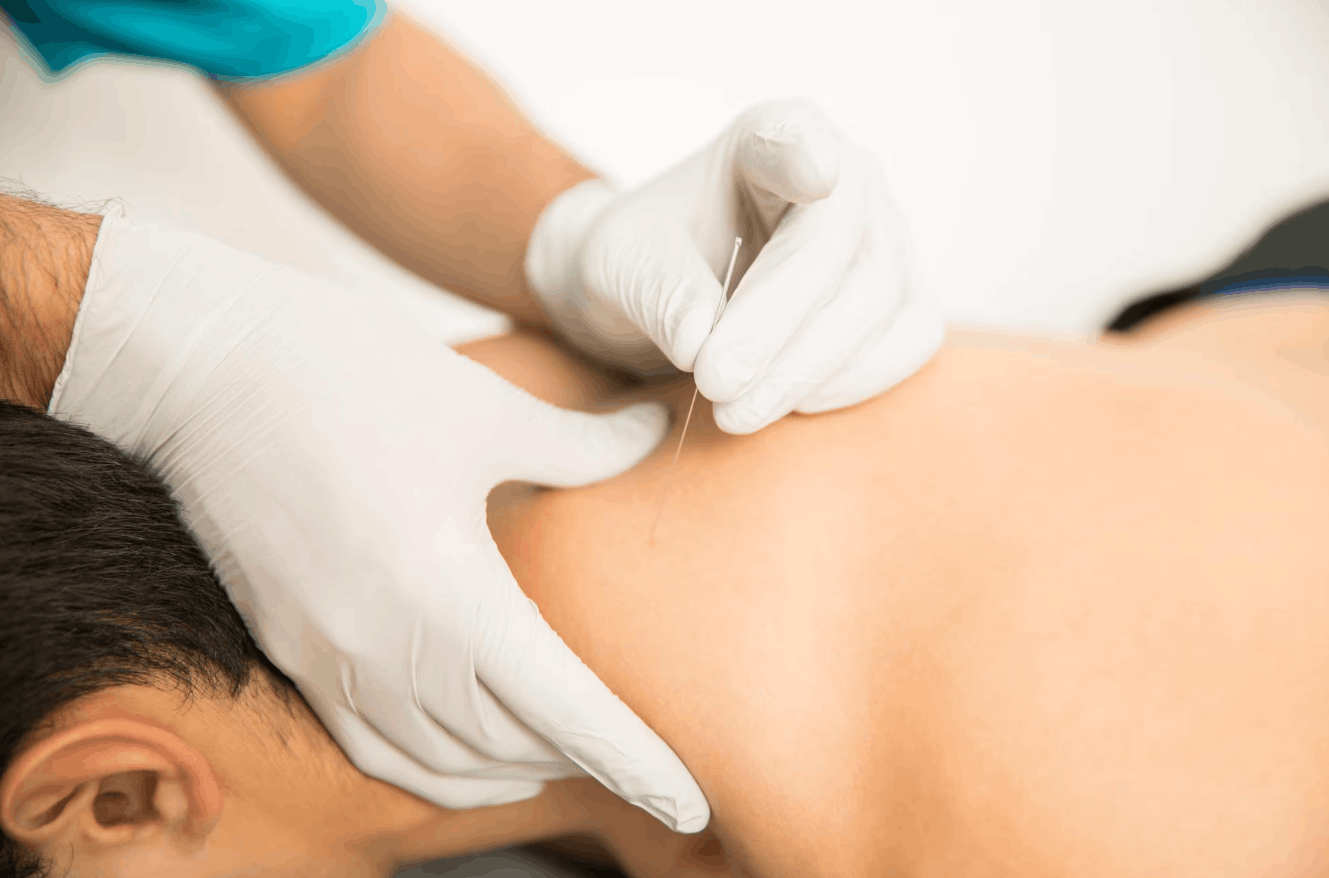
If you have recently searched for dry needling near me, you may be looking for relief from muscle pain, stiffness, tension headaches, neck discomfort, sports injuries or chronic aches. Dry needling is often used as part of a physiotherapy treatment plan to address tight muscles and trigger points that may affect movement, flexibility and daily comfort.
For first-time patients, it is normal to feel unsure before an appointment. You may wonder whether dry needling is painful, whether it is safe, how to prepare and what you should do after treatment. Understanding the process can make the experience less stressful and help you feel more confident before your session.
At Synapse Physiotherapy, treatment begins with proper assessment before any technique is recommended. This is important because dry needling should not be used as a general solution for every type of pain. It works best when it is part of a personalised physiotherapy plan that also includes movement assessment, exercises, education and recovery guidance.
Dry needling is a treatment technique used by trained healthcare professionals, including physiotherapists, to help manage muscular pain and movement restriction. It involves inserting very thin, sterile needles into specific points in the muscle, often known as trigger points.
Trigger points are tight and sensitive areas within muscles. They may cause local pain, stiffness, restricted movement or referred pain to another area of the body. For example, tight muscles around the neck and shoulders may contribute to headaches or upper back discomfort. According to Cleveland Clinic, dry needling may help release trigger points, reduce muscle pain and stiffness, and improve flexibility and range of motion.
Although dry needling uses thin needles, it is different from acupuncture. Dry needling is based on modern anatomy, muscle function and musculoskeletal assessment. The goal is usually to reduce muscle tension, improve movement and support rehabilitation.
Patients searching for dry needling near me should choose a clinic that explains the treatment clearly and assesses whether the technique is suitable for their condition.
The first and most important tip is to choose a qualified practitioner. Dry needling requires proper training, strong anatomy knowledge and safe clinical judgement. A trained physiotherapist will not recommend dry needling without first assessing your symptoms, medical history and movement limitations.
Before treatment, your physiotherapist should explain:
A professional clinic will also ask about your health background, medication, bleeding risk, pregnancy status, fear of needles and any medical conditions. This helps ensure that the treatment is suitable and safe for you.
You can learn more about the Synapse Physiotherapy team if you want to understand the clinical support available before booking your appointment.
Comfortable clothing can make your dry needling session easier. Your physiotherapist may need access to the area being treated, so loose clothing is usually best.
For example:
If access is difficult, the clinic may provide guidance on how to prepare before treatment. Being comfortable also helps you relax, which can make the session feel easier.
Before your dry needling appointment, it is helpful to eat a light meal or snack. Arriving with an empty stomach may increase the chance of feeling lightheaded, especially if you are nervous about needles.
Drinking enough water before and after treatment is also useful. Hydration supports normal circulation and recovery. While water will not magically remove soreness, it helps your body feel better prepared after physiotherapy treatment.
Try to avoid too much caffeine before your appointment if it makes you anxious or tense. If you are worried, let your physiotherapist know before treatment begins.
Many first-time patients search for dry needling near me because they are interested in the treatment but worried about pain. In many cases, the needle entering the skin causes little discomfort. However, when the needle reaches a trigger point, you may feel a short twitch, dull ache, mild cramp or pressure sensation.
These sensations are usually brief. Some patients describe the feeling as unusual rather than painful. Your physiotherapist should monitor your response and adjust the technique if the sensation feels too intense.
It is important to communicate during the session. If you feel dizzy, anxious, uncomfortable or overwhelmed, tell your physiotherapist immediately. Treatment should be guided by your comfort and safety.
Mild soreness after dry needling is common. It may feel similar to muscle soreness after exercise and can appear several hours after treatment. For many people, this soreness settles within 24 to 48 hours.
You may also notice:
These effects are usually short-lived. Your physiotherapist may advise gentle movement, hydration, light stretching or avoiding intense exercise immediately after treatment.
If soreness feels severe, lasts longer than expected or comes with unusual symptoms, contact your healthcare provider for advice.
Dry needling is rarely a standalone solution. It may help reduce muscle tension, but lasting improvement usually depends on addressing the reason the muscle became painful or tight in the first place.
Your physiotherapist may recommend:
For patients with recurring pain, services such as pain management physiotherapy may help create a broader plan that supports long-term recovery. If your symptoms are linked to sport or training load, sports physiotherapy may also be useful.
Following your home exercise plan helps maintain the benefits of treatment and reduces the risk of symptoms returning.
Some patients feel relief after one session, while others notice gradual improvement over several days or weeks. Your response may depend on the duration of symptoms, severity of muscle tightness, activity level, stress, sleep, posture and overall health.
If you have had pain for months, one session may not fully resolve the issue. Chronic discomfort usually needs a structured plan that includes treatment, exercise and lifestyle changes.
When searching for dry needling near me, choose a clinic that sets realistic expectations. A good physiotherapist should explain that recovery is a process and that dry needling is one tool within a wider rehabilitation plan.
Dry needling can be safe when performed by trained professionals, but it may not be suitable for everyone. Certain patients may need extra precautions or may be advised to avoid the treatment.
Dry needling may not be suitable for people with:
You should also tell your physiotherapist if you take blood-thinning medication or have any major medical history. Honest communication helps the therapist decide whether dry needling is appropriate for you.
A good physiotherapist welcomes questions. Asking questions helps you understand the purpose of treatment and feel more comfortable.
Useful questions include:
If you are unsure whether dry needling is right for you, book an assessment first. A physiotherapist can explain whether your symptoms are related to trigger points, muscle tightness, posture, injury or another factor.
Dry needling may cause a brief twitch, ache or pressure sensation when a trigger point is targeted. Most patients find it more manageable than expected, especially when the physiotherapist explains each step clearly.
Mild soreness may last between 24 and 48 hours. It often feels similar to post-exercise muscle soreness. If symptoms feel unusual or severe, contact your physiotherapist.
No. Although both use thin needles, dry needling is based on anatomy, trigger points and musculoskeletal assessment. Acupuncture is based on traditional Chinese medicine principles.
Dry needling may be included in a sports injury rehabilitation plan when muscle tightness or trigger points affect movement. It is usually combined with strengthening, mobility work and return-to-sport exercises.
The best way is to attend an assessment. A physiotherapist can review your symptoms, medical history and movement patterns before deciding whether dry needling is appropriate.
Searching for dry needling near me is often the first step towards managing muscle pain, stiffness and movement limitations. For first-time patients, understanding what to expect can reduce anxiety and help you prepare for treatment with more confidence.
Dry needling may support pain relief and muscle relaxation, but it works best when combined with a complete physiotherapy plan. A qualified physiotherapist can assess your condition, explain the process, guide aftercare and recommend exercises to support long-term recovery.
For professional care, visit Synapse Physiotherapy or get in touch to book an appointment and find out whether dry needling is suitable for your needs.
Tags :



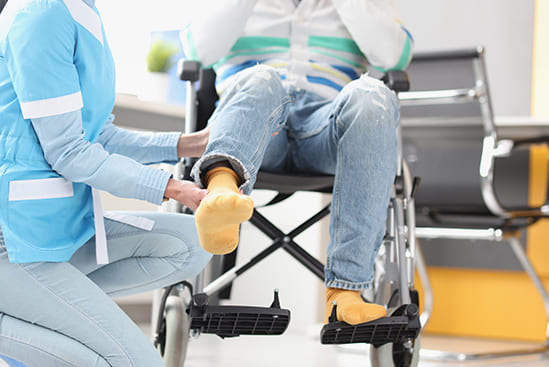


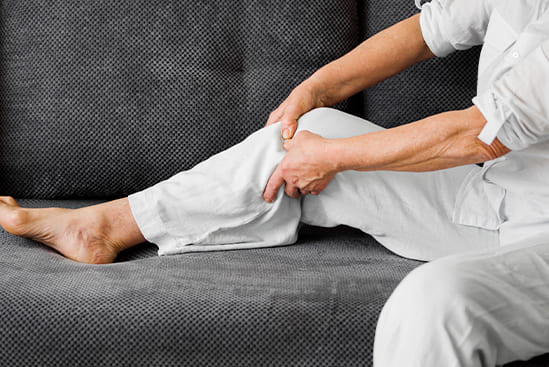
Joint degeneration and inflammation happens as the human body grows older, but that does not mean our way of life degenerates as well. Relief your joint pains with a joint effort together with your physiotherapist, who will provide pain-relief treatments and prescribe exercises for your wellbeing.

Common conditions in the older age population include hips & knee pain, back & neck pain, osteoarthritis, rheumatism, fear of falling and many more. Aging and degeneration of bodily function is inevitable, but here at Synapse, we will help you live the best of your life.