Synapse Physiotherapy | Physio Center | Rehab Malaysia
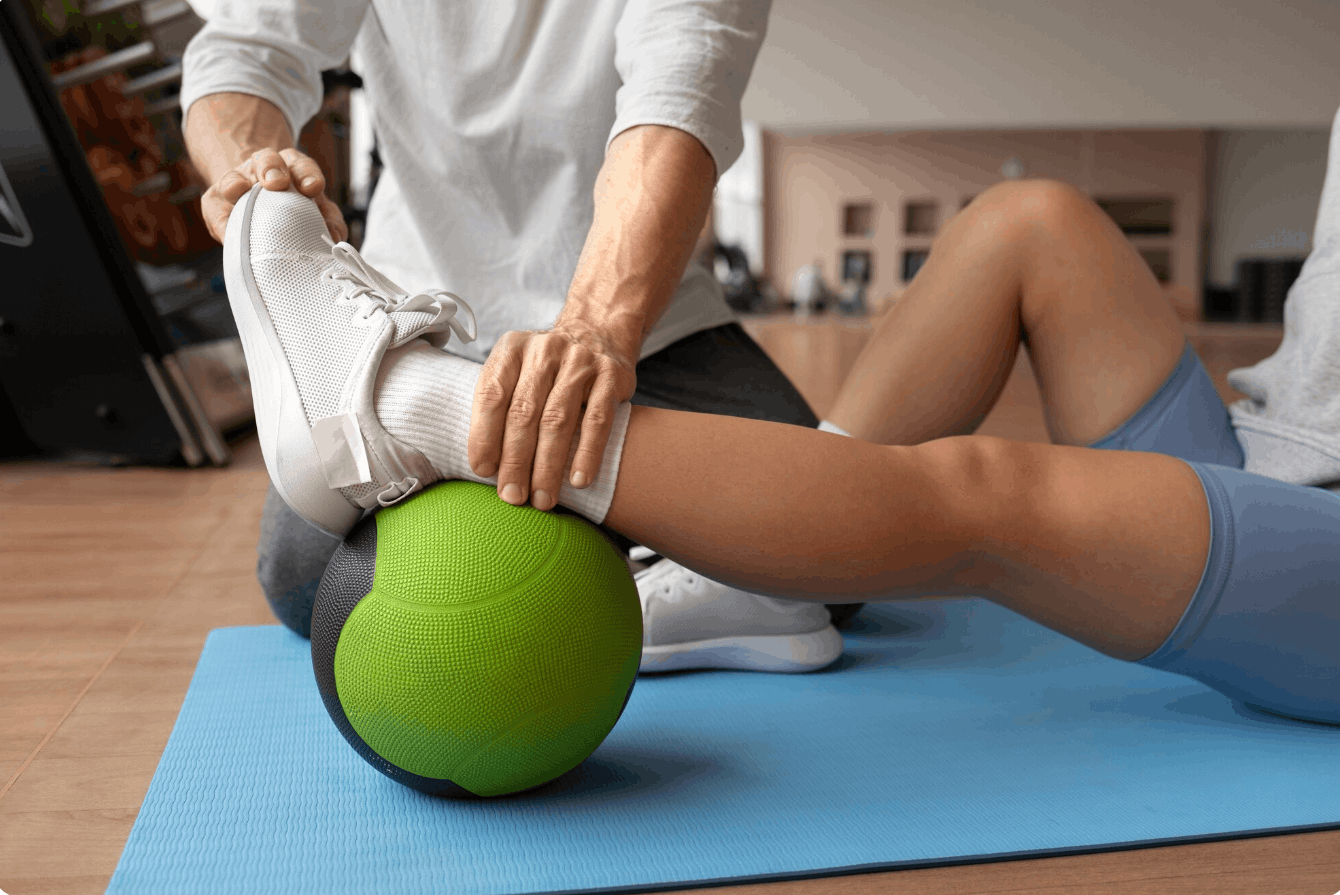
Athletes at every level need more than basic pain relief when recovering from injury. Whether they are beginners, gym users, weekend players or elite competitors, they need structured rehabilitation that restores movement, rebuilds strength and prepares the body for the demands of sport. This is why many athletes search for high-quality Sports Physiotherapy programmes.
Sports Physiotherapy focuses on treating sports injuries, improving movement quality, correcting biomechanics and reducing the risk of reinjury. It supports athletes through every stage of recovery, from early pain management to sport-specific training and return-to-sport testing.
At Synapse Physiotherapy, athletes and active individuals can receive guided rehabilitation through assessment, treatment planning and progressive recovery programmes. The right environment matters because athletes need care that matches their goals, training level and physical demands.
Not all physiotherapy programmes are designed for athletes. A general rehabilitation plan may help with daily movement, but athletes often need a higher level of strength, stability, endurance and movement control before returning to sport.
An effective Sports Physiotherapy programme should include:
The goal is not only to heal the injured area. A strong programme helps athletes return stronger, move more efficiently and reduce the chance of repeated injury.
One of the best places athletes can find Sports Physiotherapy is at a dedicated sports injury or physiotherapy clinic. These clinics focus on musculoskeletal conditions, movement problems and sports-related rehabilitation.
A specialised clinic can help with:
At Synapse Physiotherapy, sports physiotherapy is designed to support active individuals through assessment, treatment and recovery planning. This type of setting is useful because it focuses on both injury recovery and performance-related movement.
Hospitals and medical rehabilitation units are also common places for athletes to receive physiotherapy, especially after surgery or more complex injuries. These settings may provide access to doctors, imaging services and post-operative care plans.
Hospital-based rehabilitation may be useful for:
However, some hospital programmes may focus more on basic function and safety rather than full athletic performance. Athletes may still need sport-specific rehabilitation later to bridge the gap between daily activity and competitive sport.
Private physiotherapy practices with a sports focus are increasingly popular among amateur athletes, recreational players and gym users. These clinics often provide flexible appointments, one-to-one care and long-term rehabilitation planning.
A private Sports Physiotherapy programme may include:
This type of care can be helpful for athletes who want consistent guidance and a plan tailored to their activity level. Patients who want to understand the clinical team available can learn more about the Synapse Physiotherapy team.
Elite athletes often receive Sports Physiotherapy in performance centres or training institutes. These environments combine rehabilitation with strength and conditioning, coaching and performance testing.
Features may include:
This setting is especially useful for athletes returning to high-level competition. However, the principles used in elite sport can also benefit everyday athletes. Progressive strengthening, movement analysis and careful return-to-sport planning are useful at all levels.
Some Sports Physiotherapy programmes are found in university clinics or research-based sports science departments. These programmes may combine clinical practice with evidence-based rehabilitation and biomechanics research.
Potential benefits include:
While these programmes may not always be widely accessible, they highlight the importance of evidence-based care in sports rehabilitation.
Choosing the right Sports Physiotherapy programme is important. The best programme is not only the one closest to home, but the one that understands your injury, sport and performance goals.
Athletes should look for:
The physiotherapist should understand common sports conditions such as ligament sprains, muscle strains, tendinopathies, shoulder instability, running injuries and post-surgical rehabilitation.
No two athletes are the same. A runner, football player, swimmer and weightlifter may all need different rehabilitation plans even if they have similar pain.
A good programme should move from pain relief to mobility, strength, balance, sport-specific drills and safe return to activity.
Athletes should not return based on pain relief alone. Testing strength, balance, agility and sport-specific control helps guide safer decisions.
The programme should include education, warm-up advice, recovery strategies and load management to reduce future injury risk.
Biomechanics refers to how the body moves. Poor movement patterns can increase stress on muscles, tendons, ligaments and joints. If these patterns are not corrected, the same injury may return even after pain improves.
Sports Physiotherapy may assess:
For example, poor hip control may contribute to knee pain. Limited ankle mobility may affect squatting, running or landing. Poor shoulder blade control may affect throwing, serving or overhead movements.
Correcting these patterns helps athletes move more efficiently and reduces unnecessary stress on injured tissues.
Strength is an important part of sports recovery. Weak muscles may increase the risk of reinjury, especially when the athlete returns to high-speed or high-impact activity.
A Sports Physiotherapy programme may include progressive strengthening for:
At Synapse Physiotherapy, strength and conditioning can support athletes who need to rebuild physical capacity and prepare for higher activity demands.
Strength training should be progressed carefully. The aim is to challenge the body enough to adapt, without overloading healing tissues too soon.
Returning to sport is one of the most important stages of rehabilitation. Athletes may feel ready once pain improves, but strength, balance and confidence may still be incomplete.
The NHS return-to-sport guidance from Swansea Bay University Health Board explains that returning to the previous level without a graded approach can often result in re-injury. A structured programme helps athletes build back gradually through small milestones.
Return-to-sport planning may include:
This process helps athletes return with better confidence and lower risk of setbacks.
Sports Physiotherapy is not only for professional athletes. Recreational players, gym users, runners and weekend athletes can also benefit greatly from structured rehabilitation.
Common issues among amateur athletes include:
Many amateur athletes train around work and daily commitments, which means recovery, sleep and training load may not always be ideal. A personalised physiotherapy plan can help them train safely while reducing injury risk.
Some advanced Sports Physiotherapy programmes use technology to improve assessment and progress tracking. While not every patient needs advanced tools, they can help guide more precise rehabilitation.
Technology may include:
These tools help physiotherapists decide when an athlete is ready to progress. However, technology should support clinical reasoning, not replace it. A strong assessment and personalised plan remain the foundation of effective care.
Athletes can find Sports Physiotherapy programmes in dedicated sports injury clinics, private physiotherapy practices, hospitals, elite training centres and university sports rehabilitation facilities.
No. Sports Physiotherapy is suitable for professional athletes, recreational players, gym users, runners and anyone with activity-related pain or injury.
Sports Physiotherapy focuses more on sport-specific movement, training load, performance demands, return-to-sport planning and injury prevention.
Look for individual assessment, progressive rehabilitation, sport-specific exercises, clear communication and return-to-sport guidance that matches your goals.
Yes. It can identify weakness, poor movement patterns and training errors, then guide strengthening, mobility work and load management to reduce injury risk.
Athletes can find Sports Physiotherapy programmes in many settings, including sports injury clinics, hospitals, private physiotherapy practices, elite training centres and university-based programmes. However, the best programme is not defined by location alone. It is defined by quality assessment, personalised rehabilitation, sport-specific progression and safe return-to-sport planning.
For athletes, recovery is not only about becoming pain-free. It is about restoring strength, movement, confidence and resilience so the body can handle sport demands again.
For personalised support, visit Synapse Physiotherapy, explore sports physiotherapy, or contact Synapse Physiotherapy to book an appointment.
Tags :







Joint degeneration and inflammation happens as the human body grows older, but that does not mean our way of life degenerates as well. Relief your joint pains with a joint effort together with your physiotherapist, who will provide pain-relief treatments and prescribe exercises for your wellbeing.

Common conditions in the older age population include hips & knee pain, back & neck pain, osteoarthritis, rheumatism, fear of falling and many more. Aging and degeneration of bodily function is inevitable, but here at Synapse, we will help you live the best of your life.