Synapse Physiotherapy | Physio Center | Rehab Malaysia
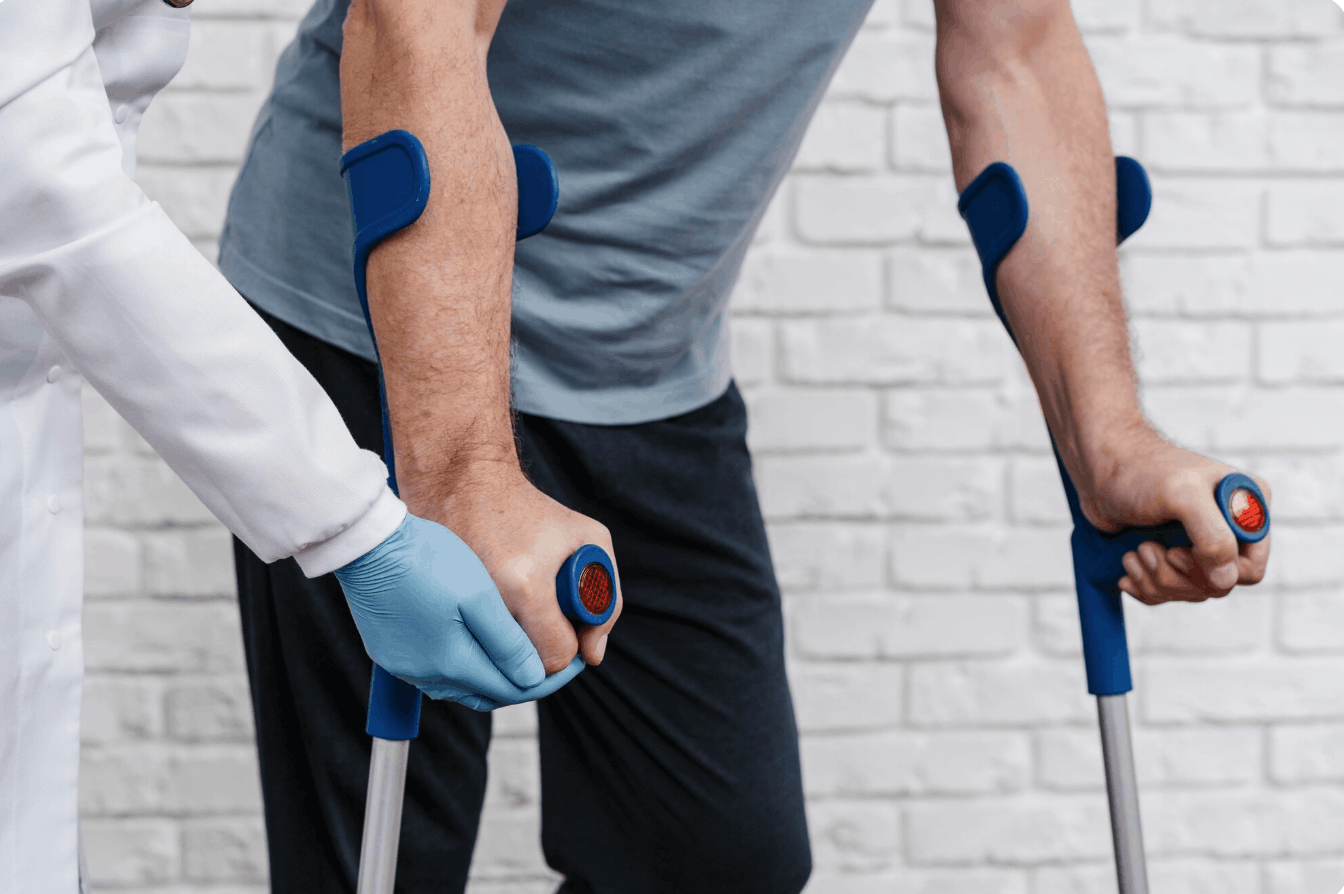
Recovering from an accident can be physically and emotionally challenging. Whether the injury happens after a road accident, workplace incident, sports collision or fall, proper rehabilitation is important for restoring mobility, reducing pain and preventing long-term complications. This is why many people look for physiotherapy Malaysia services after an accident.
Post-accident injuries may affect the muscles, joints, ligaments, spine or nerves. Some injuries are obvious immediately, while others may become more noticeable days later. Pain, stiffness, swelling, weakness and fear of movement can all interfere with daily life. With professional care, physiotherapy can help patients recover safely and regain confidence in movement.
At Synapse Physiotherapy, patients can receive guided assessment and rehabilitation for pain, mobility issues and post-injury recovery. The goal is not only to reduce symptoms, but also to restore function and help patients return to daily activities with better confidence.
After an accident, the body may experience inflammation, muscle guarding, bruising, joint stiffness and reduced movement. Even when pain feels mild at first, untreated injuries may later become persistent or affect normal movement patterns.
The NHS guide to physiotherapy explains that physiotherapy can ease pain and improve movement when someone is affected by injury, illness or disability. This is especially relevant after an accident, where guided rehabilitation can help patients move safely while recovering.
The main goals of physiotherapy Malaysia after an accident include:
Early rehabilitation can also reduce the chance of poor posture, muscle weakness and compensation patterns that may develop when the body avoids movement because of pain.
Accidents can affect different parts of the body depending on the force, direction and severity of impact. Physiotherapy may support recovery for many post-accident injuries.
Common conditions include:
Whiplash often occurs after road traffic accidents, especially rear-end collisions. The neck moves quickly forwards and backwards, causing strain to muscles, ligaments and joints. Symptoms may include neck pain, headaches, stiffness and reduced neck movement.
Falls, road accidents and sudden impact can lead to lower back pain, muscle spasms, slipped disc symptoms or spinal joint irritation. For patients with spine-related discomfort, spine and core rehabilitation may support safer movement and better spinal control.
After fractures or orthopaedic surgery, physiotherapy helps restore movement, rebuild strength and improve function. Treatment usually follows medical clearance and the healing stage.
Accidents may injure ligaments around the knee, ankle, shoulder or wrist. Rehabilitation focuses on restoring stability, mobility and confidence during movement.
Muscles and tendons may become overstretched or torn during traumatic incidents. Physiotherapy can help manage pain, guide progressive loading and improve flexibility.
One of the most important tips after an accident is to seek assessment early. Delaying rehabilitation may lead to prolonged stiffness, weakness and reduced mobility. However, the right timing depends on the injury type, medical advice and severity.
Early physiotherapy may help:
If the accident involved fractures, surgery, severe pain or neurological symptoms, medical clearance may be needed before starting rehabilitation. A physiotherapist can work within the safety guidelines provided by your doctor or specialist.
Every accident injury is different. A person recovering from a shoulder injury after a fall will not need the same rehabilitation plan as someone recovering from whiplash or knee trauma. This is why physiotherapy Malaysia should begin with a proper assessment.
A physiotherapist may assess:
Based on the findings, a personalised treatment plan may include manual therapy, stretching, strengthening, balance training, postural correction, pain management and home exercises.
For patients with ongoing discomfort, pain management physiotherapy may help support symptom relief while rehabilitation continues.
Home exercises are often a key part of post-accident recovery. Clinic sessions provide assessment, treatment and guidance, but progress often depends on what patients do between appointments.
Home exercises may help:
Skipping exercises may slow progress and prolong symptoms. However, exercises should be done exactly as instructed. Doing too much too soon may irritate healing tissues, while doing too little may delay recovery.
Rest is sometimes needed immediately after an accident, especially when pain is severe. However, prolonged bed rest may increase stiffness, reduce muscle strength and slow recovery. Controlled movement is usually encouraged once it is safe.
A physiotherapist can guide which movements are suitable at each stage. Early movement may begin with gentle range of motion exercises, breathing exercises, walking practice or light stretching, depending on the injury.
The goal is not to force recovery. It is to help the body move safely and gradually regain function.
Pain after an accident can affect sleep, mood, movement and daily independence. Physiotherapy Malaysia may include several safe pain management strategies depending on the injury.
These may include:
Pain relief is important, but it should not be the only focus. A good rehabilitation plan also addresses the movement problems, weakness or stiffness that may be contributing to pain.
After an accident, patients may move differently to protect the injured area. This is understandable, but over time, compensation patterns can lead to discomfort in other areas.
A physiotherapist may provide guidance on:
These adjustments reduce unnecessary strain on healing tissues and help patients move with more confidence.
Some patients try to return to work, sports or exercise too quickly after an accident. This may overload healing tissues and cause setbacks. Rehabilitation should progress gradually based on symptoms, strength, mobility and function.
Progress may include:
For active individuals, strength and conditioning may help rebuild physical capacity after the early recovery stage.
Post-accident recovery is not only physical. Some patients feel anxious about moving, driving, exercising or returning to previous activities. Fear of pain or re-injury can make recovery slower because the body becomes guarded and movement becomes restricted.
Physiotherapy can help rebuild confidence through gradual exposure. Patients are guided through safe movements, then progress to more challenging activities as strength and control improve. Clear education also helps patients understand what is safe and what warning signs to monitor.
Patients recovering from serious accidents may be managed by several healthcare professionals, including doctors, orthopaedic specialists, spine specialists, physiotherapists and occupational therapists. Good communication helps ensure that treatment is coordinated and safe.
Tell your physiotherapist if you notice:
Early reporting allows your care team to adjust treatment or recommend further medical review if needed.
Recovery after an accident can take time. Some injuries improve within weeks, while others may require months of rehabilitation. Healing depends on injury severity, age, general health, activity level and consistency with treatment.
It is important not to compare your recovery with someone else’s. A structured physiotherapy Malaysia plan helps you progress at the right pace for your condition. Small improvements, such as better walking, less stiffness or improved sleep, can be signs that recovery is moving in the right direction.
You should seek assessment early, but the exact timing depends on the injury and medical clearance. Severe injuries, fractures or surgery may require doctor approval before starting rehabilitation.
Yes. Physiotherapy may help manage neck pain, stiffness, headaches and reduced movement after whiplash through gentle movement, posture advice, strengthening and pain management.
Some discomfort may occur during recovery, but exercises should not cause sharp or worsening pain. Your physiotherapist should adjust the plan according to your symptoms.
It is best to wear comfortable, loose-fitting clothing that allows the therapist to easily assess your movements and access the lower back area.
Yes. Home exercises help maintain progress between sessions, improve strength and reduce stiffness. They are an important part of post-accident recovery.
Accidents can lead to pain, stiffness, reduced mobility and long-term limitations if they are not managed properly. Seeking physiotherapy Malaysia services can help patients recover safely through pain relief, movement training, strengthening, posture correction and gradual return to activity.
The right rehabilitation plan supports more than short-term comfort. It helps restore independence, rebuild confidence and reduce the risk of chronic problems. With consistent care and professional guidance, many people can return to work, sport and daily routines more safely after an accident.
For personalised post-accident rehabilitation, visit Synapse Physiotherapy or contact Synapse Physiotherapy to book an appointment and begin your recovery journey with guided care.
Tags :





Joint degeneration and inflammation happens as the human body grows older, but that does not mean our way of life degenerates as well. Relief your joint pains with a joint effort together with your physiotherapist, who will provide pain-relief treatments and prescribe exercises for your wellbeing.

Common conditions in the older age population include hips & knee pain, back & neck pain, osteoarthritis, rheumatism, fear of falling and many more. Aging and degeneration of bodily function is inevitable, but here at Synapse, we will help you live the best of your life.