Synapse Physiotherapy | Physio Center | Rehab Malaysia

If you have searched for Physiotherapy Near Me, you may be dealing with neck stiffness, lower back pain, tight shoulders or discomfort from long hours at a desk. These symptoms are common among office workers, remote workers, students and anyone who spends a large part of the day using a laptop or phone.
Desk-related pain is not always caused by one bad sitting position. It often develops from repeated habits, limited movement, weak supporting muscles and poor workstation setup. Over time, small daily strains can become persistent pain that affects productivity, sleep, exercise and overall quality of life.
At Synapse Physiotherapy, the focus is not only on short-term pain relief. The treatment approach aims to identify why the pain happens, how posture and movement habits contribute to discomfort, and what can be done to reduce the risk of recurrence. For people looking for Physiotherapy Near Me, this type of personalised care can be an important step towards lasting desk pain relief.
Modern work setups are convenient, but they are not always friendly to the body. Many people sit for long hours, look down at laptops, reach for the mouse or type with rounded shoulders. These habits may seem harmless at first, but they can gradually increase tension in the neck, shoulders and lower back.
Common desk-related problems include:
The problem is not simply sitting. It is how long you sit, how little you move, how your workstation is arranged and whether your body has enough strength to support your posture. This is why a physiotherapy plan should address both symptoms and root causes.
People searching for Physiotherapy Near Me often want fast relief, but long-term improvement usually requires a combination of treatment, exercise, ergonomic advice and daily habit changes.
A proper assessment is the first step before treatment begins. At Synapse Physiotherapy, a physiotherapist may look at your posture, movement patterns, muscle strength, flexibility and daily work habits. This helps identify what is contributing to your pain.
Your physiotherapist may assess how you sit, stand and hold your head, shoulders and spine. Small imbalances, such as rounded shoulders or a forward head position, may place extra stress on muscles and joints.
Pain is not only about posture. It is also about how you move. A physiotherapist may check how your neck, shoulders, upper back, lower back and hips move together. If one area is stiff, another area may overwork to compensate.
Desk workers often have tight muscles in some areas and weak muscles in others. For example, the chest and hip flexors may become tight, while the upper back, core and glute muscles may become underactive. Identifying these patterns helps guide a more effective treatment plan.
For posture-related spinal discomfort, spine and core rehabilitation may help improve strength, control and mobility.
Many people assume physiotherapy is only massage, machines or temporary relief. While hands-on treatment may help reduce discomfort, lasting results often come from addressing the reasons pain keeps returning.
At Synapse Physiotherapy, treatment may include:
Manual therapy may help relieve pain and improve mobility, but it should usually be supported by active rehabilitation. This means patients are guided to move better, strengthen the right muscles and build healthier habits.
For ongoing discomfort, pain management physiotherapy may support patients who struggle with recurring pain during work, sleep or daily movement.
Corrective exercise is one of the most important parts of physiotherapy for posture and desk pain. The aim is not to force the body into a perfect position all day. Instead, exercise helps improve strength, mobility and endurance so the body can tolerate daily activities better.
Desk workers commonly need to strengthen the upper back, deep neck muscles, core, shoulder stabilisers and glutes. These muscles help support posture and reduce unnecessary strain on the neck and lower back.
Common tight areas include the chest, hip flexors, hamstrings, neck muscles and upper shoulders. Gentle stretching may help reduce tension and improve movement comfort.
Physiotherapy can also help you relearn daily movements, such as sitting, standing, lifting, reaching and using a laptop. These small changes can reduce repeated stress on the body.
Patients searching for Physiotherapy Near Me should look for a clinic that provides individualised exercise plans rather than generic routines. The right exercises depend on your pain pattern, strength level, work demands and recovery goals.
Workstation setup plays a major role in desk pain. Even if treatment helps, symptoms may return if your daily environment continues to strain your body. This is why ergonomic advice is often included in physiotherapy care.
Useful ergonomic adjustments include:
The Chartered Society of Physiotherapy advises that there is no single perfect posture or desk setup. Instead, the key is to keep moving and avoid staying in one position for too long.
This is an important reminder because posture is not about being rigid. Your best posture is often your next posture, meaning regular movement matters more than trying to sit perfectly all day.
Many people feel better after treatment but notice the pain returning after a few weeks. This usually happens because the deeper causes were not fully addressed or because old habits returned.
Pain may keep coming back due to:
This is why physiotherapy includes education and self-management. Patients learn what caused their pain, how to reduce strain and when to adjust their routine. Over time, these changes help the body become more resilient.
For patients who want guided support, the Synapse Physiotherapy team can provide personalised care based on individual needs and recovery goals.
You do not need severe pain before seeking help. Early care is often more effective because the issue may be easier to correct before it becomes chronic.
You may benefit from Physiotherapy Near Me if you:
Physiotherapy may also support people who work from home, drive long hours, use phones frequently or have physically demanding routines outside office work.
The goal of physiotherapy is not only to reduce pain. It is also to help you move better and feel more confident in daily life. When posture, strength and mobility improve, many people notice better work comfort, reduced fatigue and improved ability to exercise.
Better movement can support:
This makes physiotherapy a long-term investment in health, especially for people whose work requires daily screen time.
You should consider physiotherapy if pain lasts more than a few days, keeps returning, affects work or sleep, or causes stiffness, numbness or restricted movement.
Physiotherapy can help improve posture by addressing strength, mobility, workstation habits and movement control. The goal is not perfect posture, but better support and less strain.
The number of sessions depends on your symptoms, lifestyle, work setup and consistency with exercises. Some people improve quickly, while recurring pain may need a longer plan.
No. Desk pain may be caused by prolonged sitting, poor movement habits, weak muscles, stress, poor sleep, limited exercise and workstation setup.
Yes. Home exercises are usually important because they help maintain progress between sessions and address the underlying causes of pain.
Searching for Physiotherapy Near Me is often the first step towards solving posture problems and desk-related pain. Neck stiffness, shoulder tightness and lower back discomfort should not be ignored, especially when they keep returning or affect your daily routine.
At Synapse Physiotherapy, treatment focuses on identifying the root cause, improving movement, strengthening weak areas and teaching practical habits that support long-term recovery. With proper assessment, hands-on care, corrective exercises and ergonomic guidance, it is possible to reduce desk pain and build a stronger, more resilient body.
For personalised care, visit Synapse Physiotherapy or contact Synapse Physiotherapy to book an appointment and begin your recovery journey.
Tags :






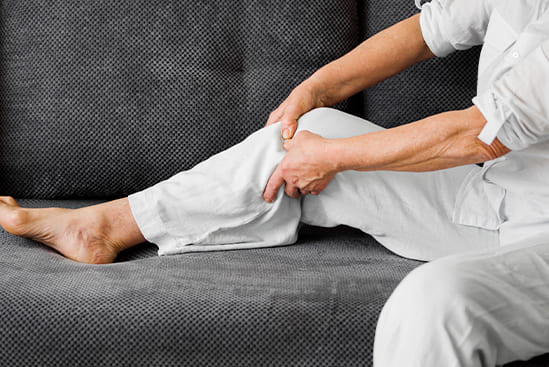
Joint degeneration and inflammation happens as the human body grows older, but that does not mean our way of life degenerates as well. Relief your joint pains with a joint effort together with your physiotherapist, who will provide pain-relief treatments and prescribe exercises for your wellbeing.

Common conditions in the older age population include hips & knee pain, back & neck pain, osteoarthritis, rheumatism, fear of falling and many more. Aging and degeneration of bodily function is inevitable, but here at Synapse, we will help you live the best of your life.