Synapse Physiotherapy | Physio Center | Rehab Malaysia
Surgery is often only the first step towards recovery. Whether the procedure involves the knee, shoulder, spine, hip or another joint, proper rehabilitation is essential to restore strength, mobility and function. Without guided rehabilitation, patients may experience stiffness, weakness, reduced movement, poor balance or delayed return to daily activities.
This is why many people search for physiotherapy Kuala Lumpur services after surgery. A structured physiotherapy programme helps patients move safely, rebuild muscle strength and regain confidence at each stage of recovery. Post-surgery rehabilitation is not about rushing the body. It is about progressing carefully based on healing, symptoms and functional goals.
At Synapse Physiotherapy, patients can receive personalised rehabilitation support for pain, movement limitation and post-surgical recovery. With professional guidance, physiotherapy can help make the recovery process safer, clearer and more effective.
After surgery, the body goes through a healing process that may involve pain, swelling, inflammation and temporary loss of movement. Muscles around the operated area may weaken quickly because of reduced activity. Joints may also become stiff if movement is avoided for too long.
Post-surgery rehabilitation helps reduce the risk of:
The NHS guide to physiotherapy explains that physiotherapy may include exercises to improve joint movement and muscle strength, manual therapy, advice and other treatment methods. This is especially relevant after surgery, where guided movement and strengthening are often important for recovery.
Many surgical procedures benefit from structured rehabilitation. The type of physiotherapy plan depends on the surgery, healing stage, surgeon’s advice and the patient’s goals.
Physiotherapy Kuala Lumpur clinics may support rehabilitation after:
Each procedure has different healing timelines and precautions. For example, a patient recovering from ACL reconstruction may need balance, strength and return-to-sport training. A patient after shoulder surgery may need gradual mobility work before strengthening. A patient after spinal surgery may require careful movement education, walking progression and core control exercises.
This is why professional assessment is important before starting or progressing exercises.
The early phase of post-surgery rehabilitation focuses on protecting healing tissues while reducing pain, swelling and stiffness. At this stage, patients may still feel discomfort and may be unsure how much movement is safe.
Physiotherapy may include:
Early movement is usually introduced carefully. The aim is not to overload the surgical area, but to prevent excessive stiffness and promote circulation. A physiotherapist will guide patients on what movements are safe and what should be avoided during the early stage.
For patients dealing with discomfort after surgery, pain management physiotherapy may help support symptom control while recovery progresses.
Joint stiffness is common after surgery because of pain, swelling, protection of the operated area and reduced movement. If stiffness is not addressed gradually, it may affect long-term function.
Physiotherapy Kuala Lumpur services may use several strategies to restore mobility, such as:
The goal is to restore movement without stressing healing tissues. This requires careful progression. Moving too little may delay recovery, but doing too much too soon may irritate the area. A physiotherapist helps patients find the right balance.
For post-surgical spine-related concerns, spine and core rehabilitation may be useful when guided by the patient’s medical advice and recovery stage.
Muscle weakness can develop quickly after surgery. This is especially common around the knee, shoulder, hip and spine because the body may avoid using the affected area due to pain or fear.
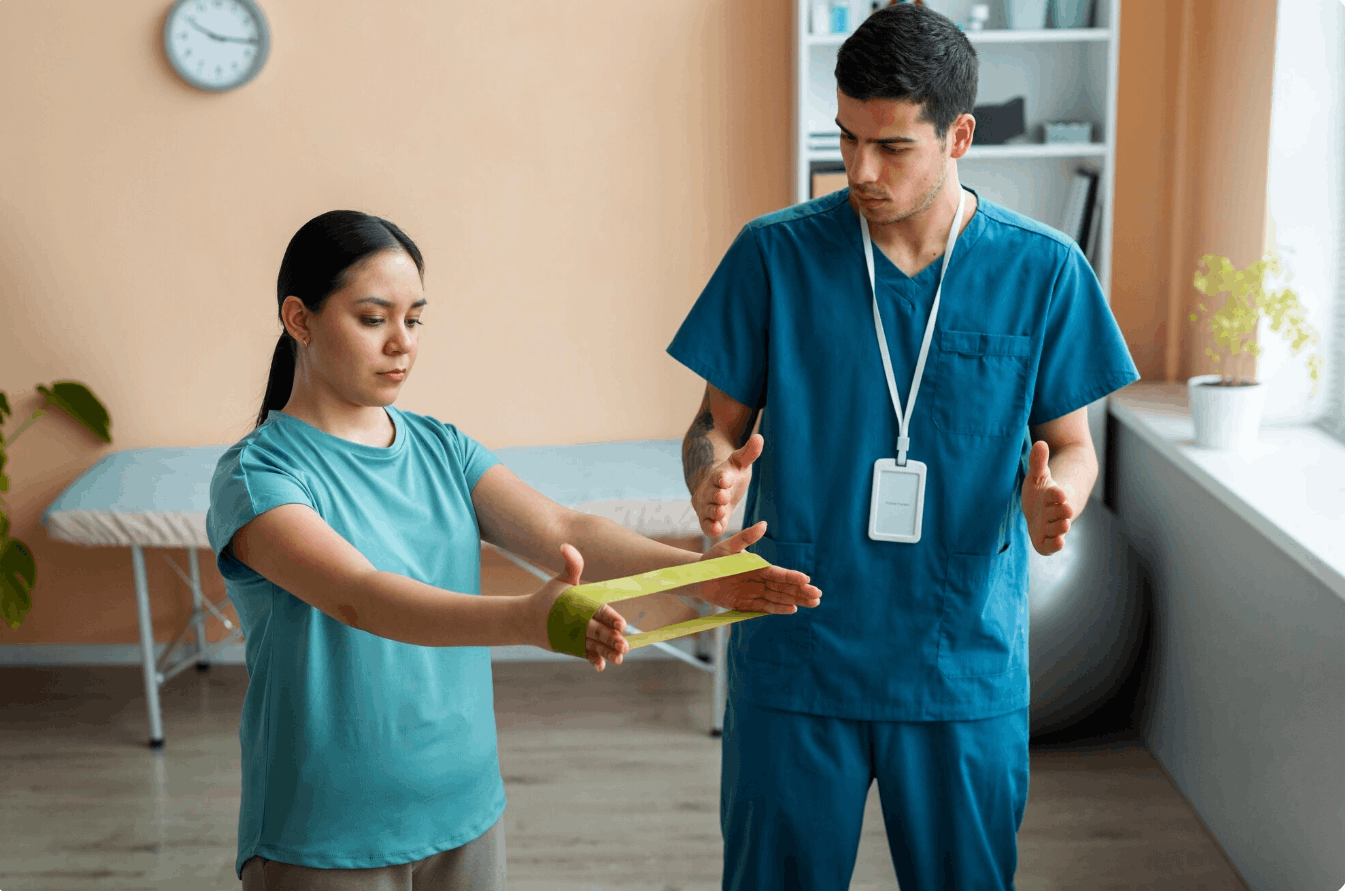
Strengthening is introduced gradually and may include:
The exercises must match the patient’s healing stage. Early exercises may focus on gentle activation, while later exercises may focus on strength, endurance and function. This step is important because weak muscles can reduce joint support and increase the risk of poor movement patterns.
At Synapse Physiotherapy, strength and conditioning can support patients who need to rebuild physical capacity after injury or surgery.
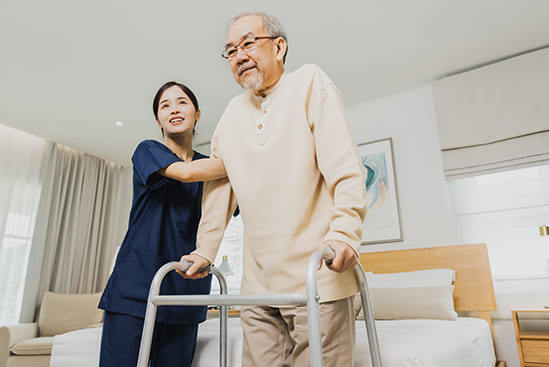
After lower limb surgery, such as ACL reconstruction, hip surgery or knee replacement, balance and coordination may be affected. Patients may feel uncertain when walking, climbing stairs or standing on one leg. This can increase the risk of falls or movement compensation.
Physiotherapy may include:
Balance and coordination training helps the body relearn safe movement. It also improves confidence, which is important because many patients feel anxious about moving after surgery.
Fear of pain or re-injury can slow recovery. Physiotherapy gives patients a structured plan so they know what is safe and how to progress.
Post-surgery rehabilitation should help patients return to the activities that matter in daily life. This may include walking, climbing stairs, sitting, standing, lifting, driving, working or returning to exercise.
Functional rehabilitation may focus on:
The plan should be practical and relevant to the patient’s lifestyle. An office worker, older adult, athlete and manual worker may all need different rehabilitation goals.
This is why physiotherapy Kuala Lumpur services should provide personalised care rather than a generic exercise sheet.
Athletes and active individuals often need higher-level rehabilitation after surgery. Returning to sport too early may increase the risk of re-injury. Returning too late without conditioning may also reduce confidence and performance.
Sports-focused post-surgery rehab may include:
For patients recovering from sports-related procedures, sports physiotherapy can help bridge the gap between basic recovery and safe return to activity.
The goal is not just to be pain-free. The body should also be strong, mobile, stable and ready for the demands of sport or exercise.
Education is a major part of post-surgery rehabilitation. Many patients are unsure about what they should or should not do after surgery. A physiotherapist can help explain the recovery process clearly.
Patients may learn about:
This helps patients take an active role in recovery and avoid unnecessary fear. It also improves consistency, which is one of the most important factors in post-surgery rehabilitation.
This depends on the type of surgery and your surgeon’s advice. Some patients begin gentle movement soon after surgery, while others need more protection first. Always follow your medical team’s instructions.
Physiotherapy should not be excessively painful. Some discomfort may happen during early movement or strengthening, but your physiotherapist should adjust exercises based on your tolerance.
The number of sessions depends on your surgery, healing progress, goals and overall health. More complex surgeries may require a longer rehabilitation plan.
Yes. Physiotherapy can help restore joint mobility through guided exercises, stretching, movement training and appropriate manual techniques.
Bring your surgical report, referral letter, imaging results, post-operative precautions and any instructions from your surgeon. This helps your physiotherapist plan treatment safely.
Surgery alone does not guarantee full recovery. Proper rehabilitation is essential to restore movement, strength, confidence and function safely. With structured physiotherapy Kuala Lumpur services, patients can progress through recovery with clearer guidance and better support.
Physiotherapy helps manage pain and swelling, restore mobility, rebuild strength, improve balance and prepare patients for daily activities, work or sport. A personalised plan is especially important because every surgery and every patient recovers differently.
For professional post-surgery rehabilitation support, visit Synapse Physiotherapy or contact Synapse Physiotherapy to book an appointment and begin your recovery journey with guided care.
Tags :



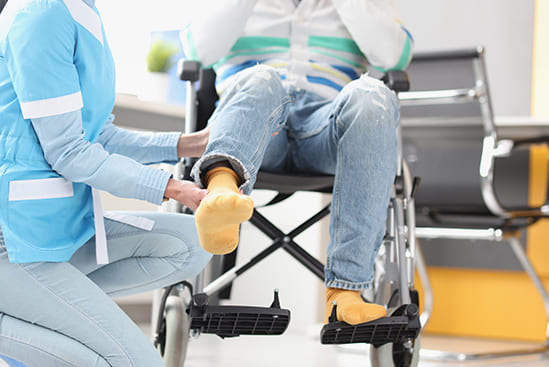
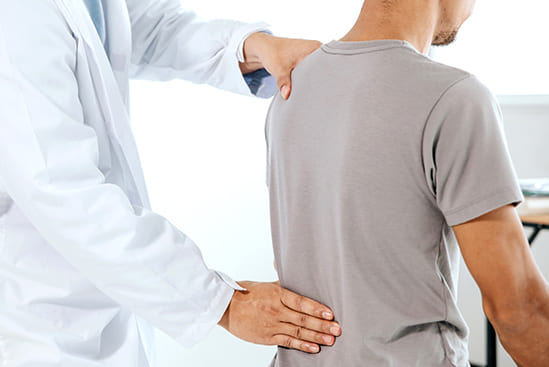
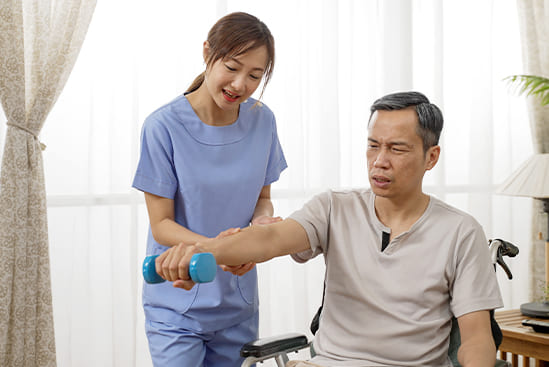
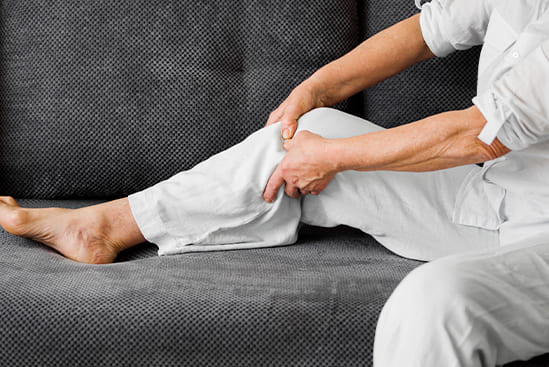
Joint degeneration and inflammation happens as the human body grows older, but that does not mean our way of life degenerates as well. Relief your joint pains with a joint effort together with your physiotherapist, who will provide pain-relief treatments and prescribe exercises for your wellbeing.
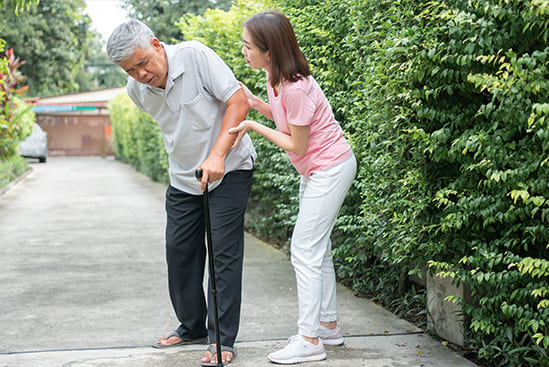
Common conditions in the older age population include hips & knee pain, back & neck pain, osteoarthritis, rheumatism, fear of falling and many more. Aging and degeneration of bodily function is inevitable, but here at Synapse, we will help you live the best of your life.