Synapse Physiotherapy | Physio Center | Rehab Malaysia
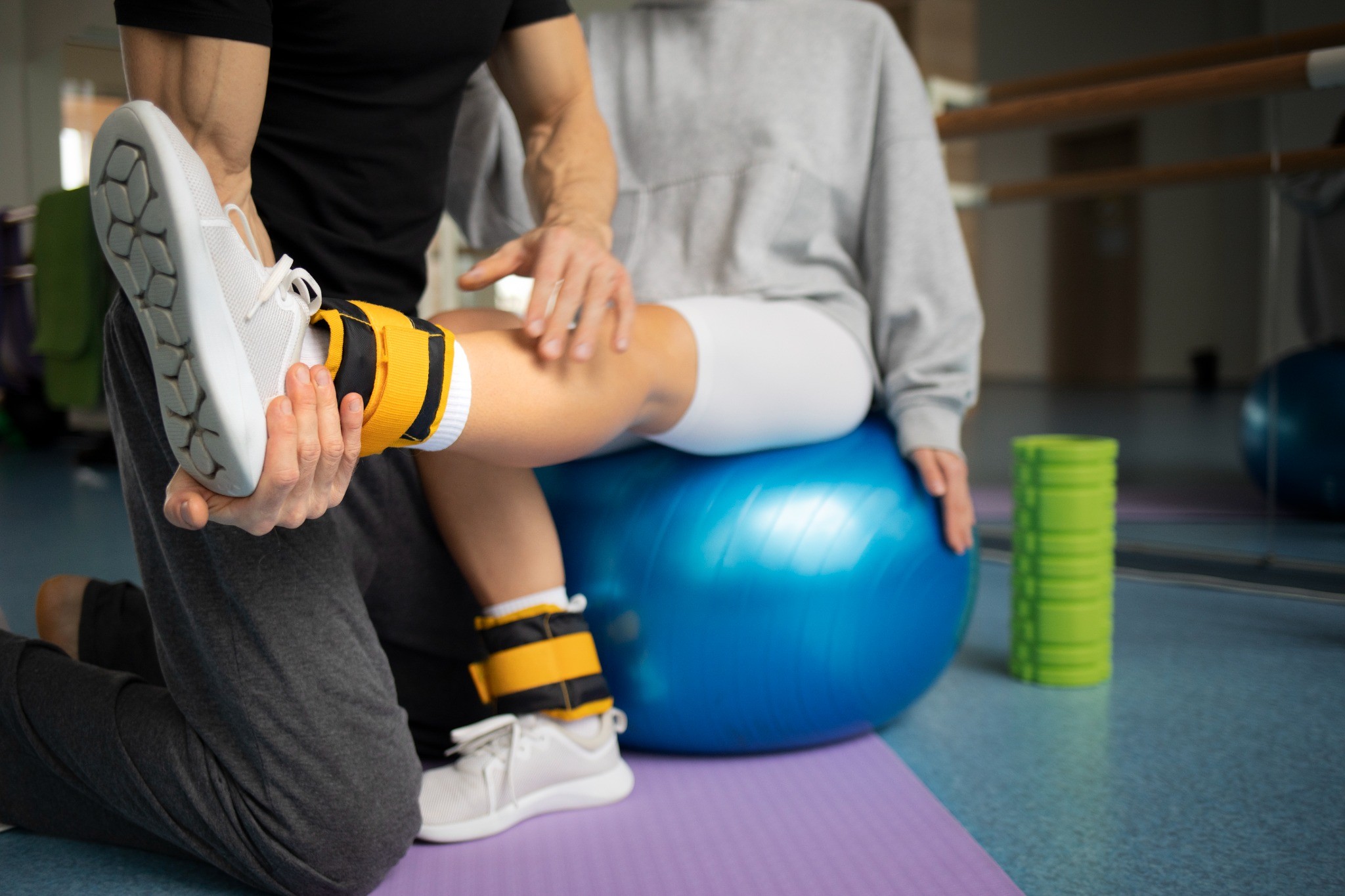
Injury prevention and recovery are both important parts of athletic performance, but they involve different approaches. Sports Physiotherapy can support athletes before and after injury through two commonly used strategies: prehabilitation, or “prehab,” and rehabilitation, or “rehab.” Both use exercise, education, strength training, and movement retraining, but their goals differ. Prehab prepares the body for surgery, sport, or physically demanding activities, while rehab restores function after an injury or surgical procedure.
Understanding the difference can help athletes make better decisions about their physical health. Both approaches can be valuable for professional athletes, recreational players, gym-goers, and anyone preparing for or recovering from a sports-related injury. A structured Sports Physiotherapy programme determines which approach is appropriate and how exercises should progress based on an individual’s condition and goals.
Prehabilitation, commonly known as prehab, is a proactive approach used before an injury, surgery, or major physical demand. Its purpose is to improve physical capacity and address weaknesses before they become bigger problems, which for athletes may involve strengthening muscles, improving mobility, correcting movement patterns, and developing better balance and coordination.
Prehab may also be recommended before planned surgery, since improving strength and mobility beforehand can help patients enter surgery in better condition and prepare them for the rehabilitation process afterward.
Examples include:
The main idea is simple: prepare the body before it faces a major physical challenge.
Rehabilitation, or rehab, is the process of restoring physical function after an injury, surgery, or period of reduced activity. When an athlete gets injured, pain, swelling, weakness, stiffness, or reduced coordination may affect performance, and rehabilitation helps the body gradually regain these abilities.
Rehab within Sports Physiotherapy may include:
The goal is to help the athlete move from injury toward normal activity and eventually return to sport safely, an approach detailed further under Sport Physiotherapy.
Prehab prepares the body while rehab restores it. Prehab is generally performed before an injury or surgery, while rehab takes place after.
| Prehab | Rehab |
| Focuses on preparation | Focuses on recovery |
| Usually performed before injury or surgery | Performed after injury or surgery |
| Aims to improve physical capacity | Aims to restore physical function |
| Focuses strongly on prevention | Focuses strongly on recovery and return to activity |
Although timing and goals differ, prehab and rehab can overlap, using similar exercises with different intensity, purpose, and progression.
Sports Physiotherapy can help identify potential injury risks before they become significant. A physiotherapist may assess muscle strength, flexibility, joint mobility, balance, coordination, movement mechanics, and previous injuries.
For example, a football player may show poor single-leg control when landing from a jump. Even without current pain, this may indicate an area that could benefit from targeted training, and the physiotherapist can develop exercises to improve hip strength, knee control, balance, and landing mechanics.
Prehab is also commonly used before orthopedic surgery. A patient preparing for ACL reconstruction, for instance, may have pain, swelling, reduced knee movement, and quadriceps weakness beforehand. A prehabilitation programme may focus on restoring as much knee movement and muscle function as possible before the procedure. According to Anglia Ruskin University, research has found strong evidence that prehabilitation can improve outcomes such as reduced pain and better quality of life before orthopaedic surgery.
After an injury, rehabilitation begins according to the type and severity of the condition. Early rehabilitation focuses on protecting healing tissues and managing symptoms, while later stages shift toward restoring movement, strength, stability, and function.
Rehabilitation after an ankle sprain, for example, might progress from pain management to mobility, strengthening, balance, hopping, running, agility, and finally sport-specific training. This progression is individualised rather than based on a fixed timeline.
Strength is central to both prehab and rehab, but the purpose differs. Prehab strengthening improves physical capacity and addresses weaknesses before injury or surgery, while rehab strengthening reverses weakness and muscle loss caused by injury or inactivity, often supported by structured strength conditioning.
Poor movement mechanics can place excessive stress on muscles, tendons, and joints. Prehab addresses these problems before an injury occurs, while movement retraining during rehab helps patients regain normal mechanics afterward, for example relearning proper control during squatting, landing, and changing direction.
One major difference between general rehabilitation and Sports Physiotherapy is the focus on returning to athletic activity. An athlete may walk without pain but still not be ready to sprint, jump, or change direction at speed. Training may therefore include:
The aim is to bridge the gap between everyday function and athletic performance, and Synapse’s conditions treated reflect this range, from general mobility issues to sport-specific injuries.
Absolutely. An athlete may complete prehab exercises before returning to full training after an injury, and once rehabilitation is complete, ongoing injury-prevention exercises can become part of regular training. This creates a cycle of prevention, injury management, rehabilitation, and performance, helping athletes maintain physical capacity instead of waiting until another injury occurs.
Who can benefit from prehab? Professional athletes, recreational athletes, gym-goers, runners, people preparing for surgery, and those returning to physically demanding work, especially anyone with previous injuries or known weaknesses.
Who needs rehab? Anyone recovering from muscle strains, ligament injuries, tendon injuries, joint injuries, fractures, sports-related overuse injuries, or orthopedic surgery. The plan should always match the diagnosis and stage of healing.
No. Prehab also benefits anyone preparing for surgery or wanting to reduce injury risk in daily activity.
This depends on the individual and the upcoming demand, but is usually structured over several weeks based on assessment.
Early-stage rehab often begins soon after injury, protecting healing tissue and managing symptoms before progressing to strength and function work.
They can overlap, but intensity, purpose, and progression differ based on whether the goal is preparation or recovery.
A Sports Physiotherapy assessment can determine your condition, goals, and whether a preventive or restorative approach suits your needs.
Prehab and rehab are closely related but serve different purposes. Prehab prepares the body for physical demands, while rehab restores it after injury or surgery. Both are important components of Sports Physiotherapy and can help improve strength, mobility, movement quality, and confidence.
For athletes, the best approach does not end when pain disappears. Building strength, correcting movement patterns, and managing training loads can support long-term performance and reduce the risk of future setbacks. Book an appointment with Synapse to find out whether prehab, rehab, or a combination of both is right for you.
Tags :






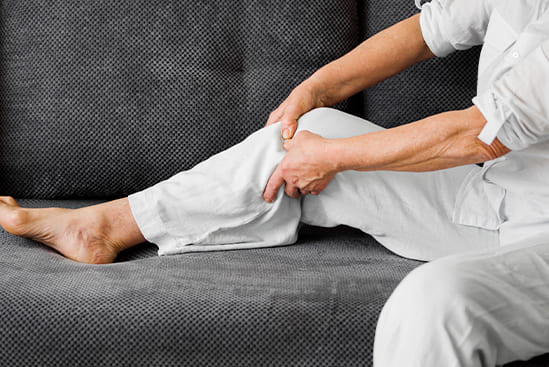
Joint degeneration and inflammation happens as the human body grows older, but that does not mean our way of life degenerates as well. Relief your joint pains with a joint effort together with your physiotherapist, who will provide pain-relief treatments and prescribe exercises for your wellbeing.

Common conditions in the older age population include hips & knee pain, back & neck pain, osteoarthritis, rheumatism, fear of falling and many more. Aging and degeneration of bodily function is inevitable, but here at Synapse, we will help you live the best of your life.