Synapse Physiotherapy | Physio Center | Rehab Malaysia
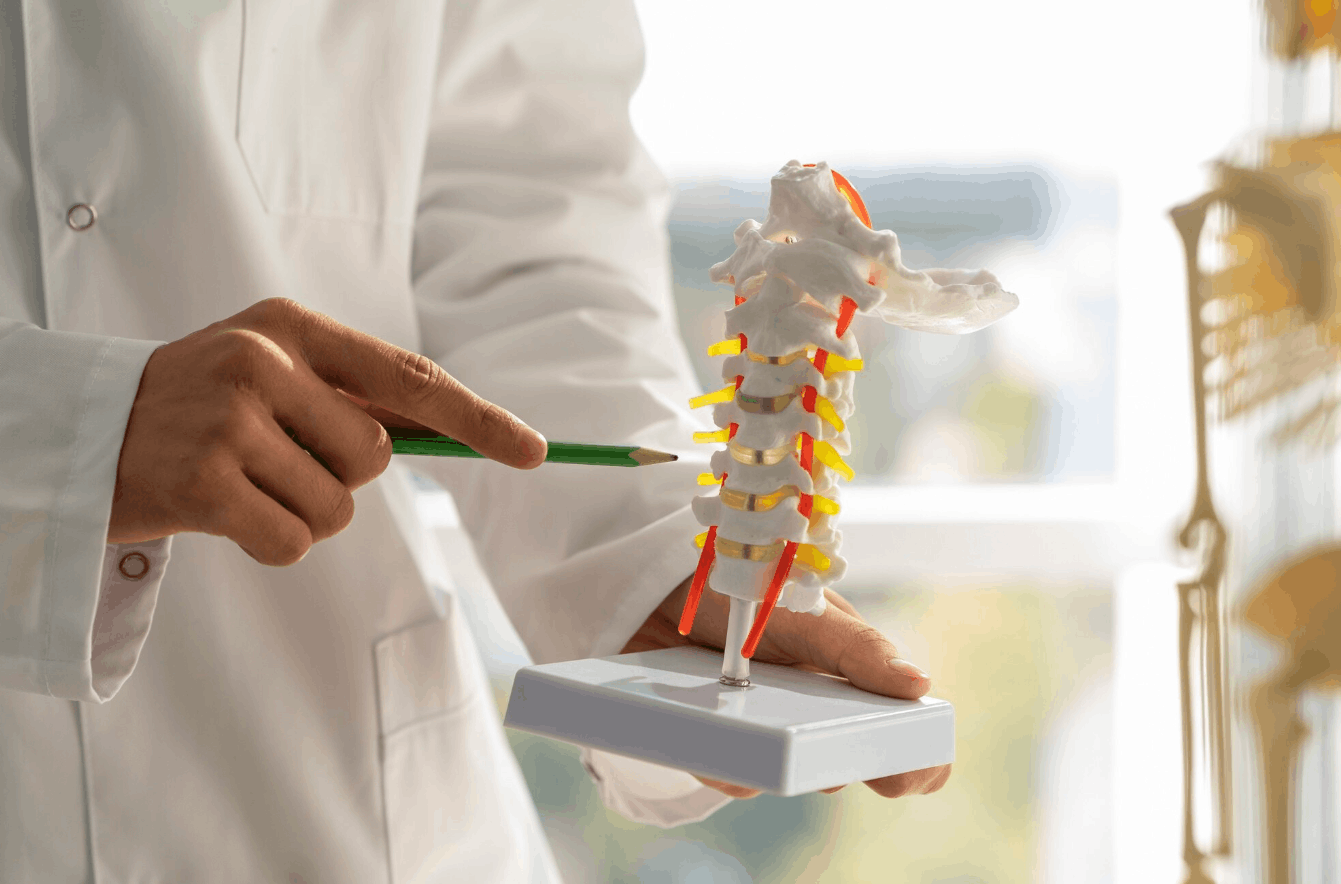
A spine specialist plays an important role in diagnosing, managing and treating conditions related to the spine, especially when pain becomes persistent or recurring. If you are struggling with long-term back pain, neck stiffness, sciatica symptoms or discomfort that affects your daily routine, seeking professional care can be one of the most practical steps towards recovery.
Long-term spine pain is rarely caused by one single factor. It may involve muscle weakness, joint stiffness, nerve sensitivity, poor posture, disc-related changes, previous injuries or lifestyle habits. This is why a spine specialist does more than provide short-term pain relief. The goal is to understand the cause of discomfort, restore movement, improve strength and reduce the risk of future flare-ups.
At Synapse Physiotherapy, patients can receive guided assessment and rehabilitation support for spine-related conditions. With the right physiotherapy plan, long-term pain management can become more structured, safer and more effective.
Long-term spine pain often refers to back or neck pain that lasts for several weeks or months, or pain that keeps returning after short periods of relief. It may affect the lower back, upper back, neck, shoulders, hips or legs, depending on the underlying issue.
Common spine-related problems include:
Pain can also become more complicated when the body adapts to it. For example, someone with lower back pain may start avoiding movement. Over time, this can lead to stiffness, weakness and reduced confidence. A spine specialist helps identify these patterns and create a plan that supports gradual recovery.
Many people wait until pain becomes severe before seeking help. However, earlier assessment may prevent symptoms from becoming more difficult to manage. You should consider seeing a spine specialist if pain does not improve, keeps returning or affects normal activities.
You may need professional assessment if you experience:
The NHS back pain guide advises seeking medical advice if back pain is severe, does not improve, causes numbness or tingling, or is linked with symptoms such as loss of bladder or bowel control. These warning signs should not be ignored.
Accurate diagnosis is essential for long-term pain management. A spine specialist will usually begin with a detailed assessment rather than assuming all back or neck pain is the same.
An assessment may include checking:
In some cases, imaging such as X-rays, MRI or CT scans may be recommended by a medical professional. However, imaging is only one part of the picture. Some people may have age-related spine changes on scans without pain, while others may have significant pain with only mild imaging findings.
This is why a spine specialist considers symptoms, function, movement and lifestyle together. The aim is to find what is driving the pain and what can be improved through treatment.
Physiotherapy is often an important part of long-term spine pain management. It can help reduce pain, improve movement and strengthen the muscles that support the spine.
At Synapse Physiotherapy, spine and core rehabilitation may support patients with back pain, neck pain and postural issues through structured rehabilitation. Treatment is usually tailored to the patient’s condition, goals and recovery stage.
Physiotherapy may include:
A spine specialist may recommend physiotherapy because it focuses on both symptoms and function. Instead of only reducing pain temporarily, physiotherapy helps patients rebuild strength, improve body control and move with more confidence.
Long-term pain management should be practical and sustainable. Some patients may need short-term pain relief strategies during flare-ups, but the long-term goal is to improve the body’s ability to move and function.
Pain management may involve:
For patients with persistent discomfort, pain management physiotherapy may help create a structured plan that balances symptom relief with active rehabilitation.
It is important to understand that pain relief alone is not always the same as recovery. A patient may feel better after rest or medication, but if the underlying movement issue remains, the pain may return.
Exercise is one of the most important parts of long-term spine care. The right exercises can help strengthen weak muscles, improve flexibility, support posture and reduce strain on the spine.
A spine rehabilitation plan may include:
The exercises should be progressed carefully. Starting too aggressively may increase symptoms, while doing too little may slow recovery. A spine specialist or physiotherapist can guide the right intensity based on your pain level and physical ability.
At Synapse Physiotherapy, strength and conditioning may also be useful for patients who need to rebuild resilience for work, sport or daily activities.
Poor posture does not always cause pain on its own, but daily habits can contribute to long-term spine strain. Long sitting hours, laptop use, poor lifting habits, lack of movement and weak postural muscles may all play a role.
A spine specialist may assess how your work and lifestyle affect your symptoms. For example, an office worker with neck pain may need screen height adjustments, movement breaks and upper back strengthening. Someone with lower back pain may need hip mobility exercises, core strengthening and lifting technique guidance.
Helpful habits include:
These habits help reduce repeated strain and support long-term recovery.
One of the main goals of long-term spine management is prevention. Many people experience a cycle of pain, temporary relief and recurrence. This often happens when symptoms improve but the root causes remain.
A prevention plan may include:
A spine specialist helps patients understand what they can do to maintain progress after treatment. This is especially important for people who have recurring pain linked to work, sports or previous injuries.
You should consider seeing a spine specialist if your back or neck pain lasts more than a few weeks, keeps returning, affects sleep or movement, or spreads into the arms or legs.
Yes. Physiotherapy can help improve strength, mobility, posture, movement control and pain management. It is often used as part of a long-term spine care plan.
No. Long-term pain does not always mean ongoing damage. Pain can be influenced by movement habits, muscle weakness, nerve sensitivity, stress and lifestyle factors.
Most spine-related pain does not require surgery. Conservative care such as physiotherapy, exercise rehabilitation and lifestyle changes is often recommended first unless serious symptoms are present.
You can reduce recurrence by staying active, strengthening supporting muscles, improving posture habits, managing workload and continuing your home exercise plan.
A spine specialist is important for anyone dealing with persistent or recurring back and neck pain. Long-term pain management should focus on identifying the root cause, improving movement, strengthening the body and reducing the risk of future flare-ups.
With proper assessment, physiotherapy, exercise rehabilitation and lifestyle guidance, many people can manage spine pain more effectively and return to daily activities with greater confidence. The goal is not only to feel better temporarily, but to build long-term spinal health.
For personalised support, visit Synapse Physiotherapy or contact Synapse Physiotherapy to book an appointment and begin your recovery journey with guided care.
Tags :







Joint degeneration and inflammation happens as the human body grows older, but that does not mean our way of life degenerates as well. Relief your joint pains with a joint effort together with your physiotherapist, who will provide pain-relief treatments and prescribe exercises for your wellbeing.

Common conditions in the older age population include hips & knee pain, back & neck pain, osteoarthritis, rheumatism, fear of falling and many more. Aging and degeneration of bodily function is inevitable, but here at Synapse, we will help you live the best of your life.