Synapse Physiotherapy | Physio Center | Rehab Malaysia

Recovering from a sports injury is only one part of the journey. The bigger challenge is often preventing the same injury from happening again. Many athletes and active individuals return to sport once pain improves, but pain relief does not always mean the body has fully recovered. Muscles, tendons, ligaments and joints may still be weak, stiff or poorly controlled.
This is where Sports Physiotherapy plays an important role. It does not only treat pain. It also identifies the factors that may increase reinjury risk, such as muscle weakness, poor balance, reduced mobility, training overload or faulty movement patterns. With a structured rehabilitation plan, patients can return to activity more safely and confidently.
At Synapse Physiotherapy, patients can receive guided assessment and rehabilitation for sports-related injuries. The goal is to help the body recover properly, rebuild strength and reduce the chance of recurring pain or repeated injuries.
Sports reinjuries often happen when the body returns to activity before it is fully ready. Pain may settle within days or weeks, but tissue strength, joint control and movement confidence may take longer to recover.
Common reasons for reinjury include:
For example, an ankle sprain may feel better after swelling reduces, but poor balance may remain. A knee injury may stop hurting, but weak hip and thigh muscles may still affect landing or direction changes. A shoulder strain may improve, but poor shoulder blade control may cause the issue to return.
Sports Physiotherapy helps identify these remaining risk factors before they become another injury.
Sports Physiotherapy focuses on both recovery and prevention. A physiotherapist assesses how your body moves, where it lacks strength and what demands your sport places on your joints and muscles.
The main goals include:
At Synapse Physiotherapy, sports physiotherapy can support patients recovering from sprains, strains, tendon pain, joint injuries and movement-related discomfort. The approach is personalised because every sport and every injury has different demands.
A detailed assessment is the foundation of effective rehabilitation. Before creating a prevention plan, a physiotherapist needs to understand what caused the injury and what still needs improvement.
A Sports Physiotherapy assessment may include:
Movement analysis helps reveal problems that may not be obvious during daily activities. For example, a runner may have poor hip control that increases knee stress. A football player may land with poor knee alignment. A badminton player may have shoulder weakness that affects overhead movement.
By identifying these issues early, physiotherapy can target the real cause rather than only treating symptoms.
Muscle weakness is one of the main reasons reinjuries happen. After an injury, pain and reduced activity can cause muscles to weaken. Even after pain improves, the injured area may not be ready to handle the same training or sporting load as before.
Sports Physiotherapy uses progressive strengthening to rebuild capacity safely. This may include:
Exercises should be progressed gradually. If the load is too low, the body may not regain enough strength. If the load increases too quickly, symptoms may return. A physiotherapist helps find the right balance based on healing stage, pain response and sport goals.
For patients who need to rebuild physical capacity, strength and conditioning can help improve resilience and prepare the body for higher activity demands.
Proprioception refers to the body’s ability to sense position and movement. It helps you know where your joints are without looking at them. This ability is especially important in sports that involve running, jumping, cutting, landing or sudden changes of direction.
After injuries such as ankle sprains, knee ligament injuries or shoulder instability, proprioception may be reduced. This can make the body less stable and increase the risk of reinjury.
Sports Physiotherapy may include:
These exercises help the body respond better during sport. Better balance and control can reduce the risk of repeated sprains, poor landings and unstable movements.
Biomechanics refers to how the body moves. Poor movement patterns can place extra stress on certain muscles, tendons or joints. If these patterns are not corrected, the injury may return even after pain improves.
Common biomechanical issues include:
A physiotherapist can identify these patterns and guide corrective exercises. For example, someone with knee pain may need hip strengthening, landing retraining and ankle mobility work. Someone with shoulder pain may need upper back mobility and shoulder stabilisation exercises.
Correcting movement habits is important because sports often involve repeated high-load actions. Small movement errors can become significant when repeated many times during training or competition.
Basic daily movement is not the same as sport performance. You may be able to walk without pain but still not be ready to sprint, jump, tackle, serve or change direction quickly. This is why sport-specific rehabilitation is important.
Sports Physiotherapy may include:
The aim is to bridge the gap between general recovery and full participation. Sport-specific training helps the body gradually adapt to real sporting demands before returning to full intensity.
Overtraining is a major cause of sports injuries and reinjuries. Returning too quickly after time away can overload healing tissues. Sudden increases in intensity, frequency or duration may trigger pain again.
A Sports Physiotherapy plan can help manage training load by guiding:
The NHS return-to-sport guidance from Swansea Bay University Health Board notes that returning to the previous level without a graded approach can often result in re-injury. This is why gradual progression matters.
Recovery is also part of training. Sleep, nutrition, rest days, warm-ups and cool-down routines all support the body’s ability to adapt.
Fear of reinjury is common after sports injuries. Some patients hesitate during running, jumping or cutting movements because they do not trust the injured area yet. This hesitation may affect movement quality and increase strain elsewhere.
Sports Physiotherapy helps build confidence through gradual exposure. Patients start with controlled exercises before progressing to more challenging tasks. Objective testing also helps patients see their improvement.
Psychological readiness matters because returning to sport is not only physical. The patient needs to feel confident, prepared and informed. A clear rehabilitation plan can reduce uncertainty and help patients return with better control.
Returning to sport should not be based on pain alone. A patient may feel pain-free but still have strength differences, poor balance or limited movement control. Return-to-sport testing helps check whether the body is ready.
Testing may include:
These tests help guide safe progression. If weaknesses remain, the physiotherapist can adjust the rehabilitation plan before the patient returns to full activity.
You should seek assessment early if pain, swelling, weakness or movement limitation appears after sport. Early care can help identify the injury and guide safe recovery.
Yes. Sports Physiotherapy can reduce reinjury risk by improving strength, balance, mobility, movement patterns and training load management.
No. Pain relief is only one part of recovery. Strength, control, confidence and sport-specific ability should also be assessed before full return.
Yes. Sports Physiotherapy can help anyone with activity-related pain, including gym users, runners, weekend players and people returning to exercise after injury.
The timeline depends on the injury type, severity, sport demands and consistency with rehabilitation. Some cases improve quickly, while more complex injuries need a longer structured plan.
Sports Physiotherapy is essential for preventing sports reinjuries because it goes beyond short-term pain relief. It helps identify weakness, poor movement patterns, balance deficits, training errors and confidence issues that may increase the risk of another injury.
With proper assessment, progressive strengthening, balance work, sport-specific rehabilitation and return-to-sport testing, patients can return to activity more safely. Whether you are an athlete, gym user or active individual, investing in proper rehabilitation helps protect long-term movement, performance and confidence.
For personalised support, visit Synapse Physiotherapy, explore sports physiotherapy, or contact Synapse Physiotherapy to book an appointment.
Tags :



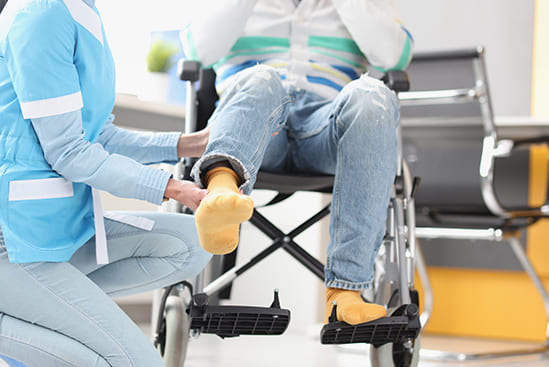

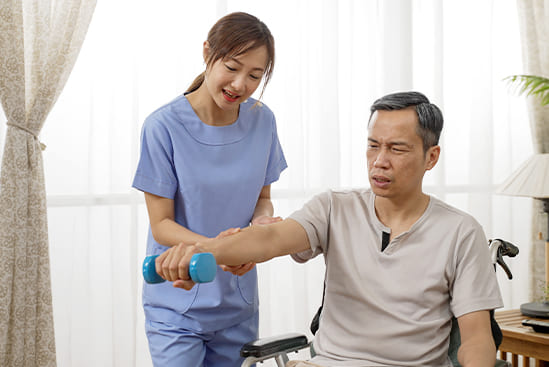
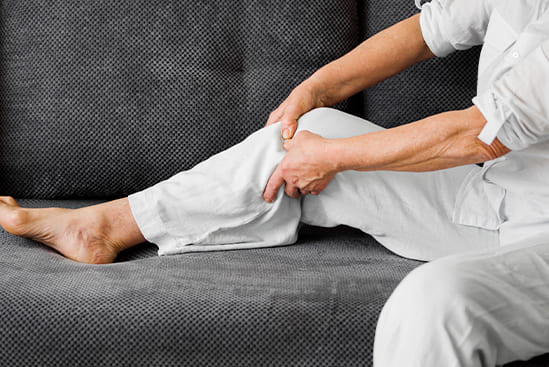
Joint degeneration and inflammation happens as the human body grows older, but that does not mean our way of life degenerates as well. Relief your joint pains with a joint effort together with your physiotherapist, who will provide pain-relief treatments and prescribe exercises for your wellbeing.
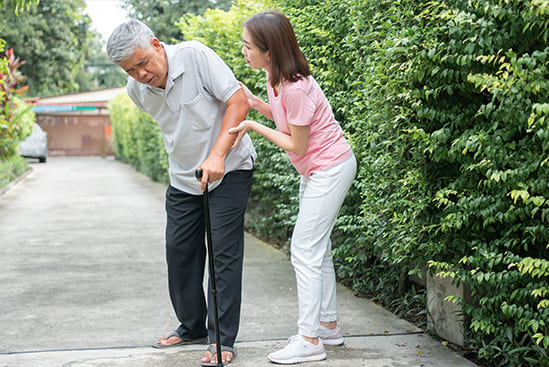
Common conditions in the older age population include hips & knee pain, back & neck pain, osteoarthritis, rheumatism, fear of falling and many more. Aging and degeneration of bodily function is inevitable, but here at Synapse, we will help you live the best of your life.