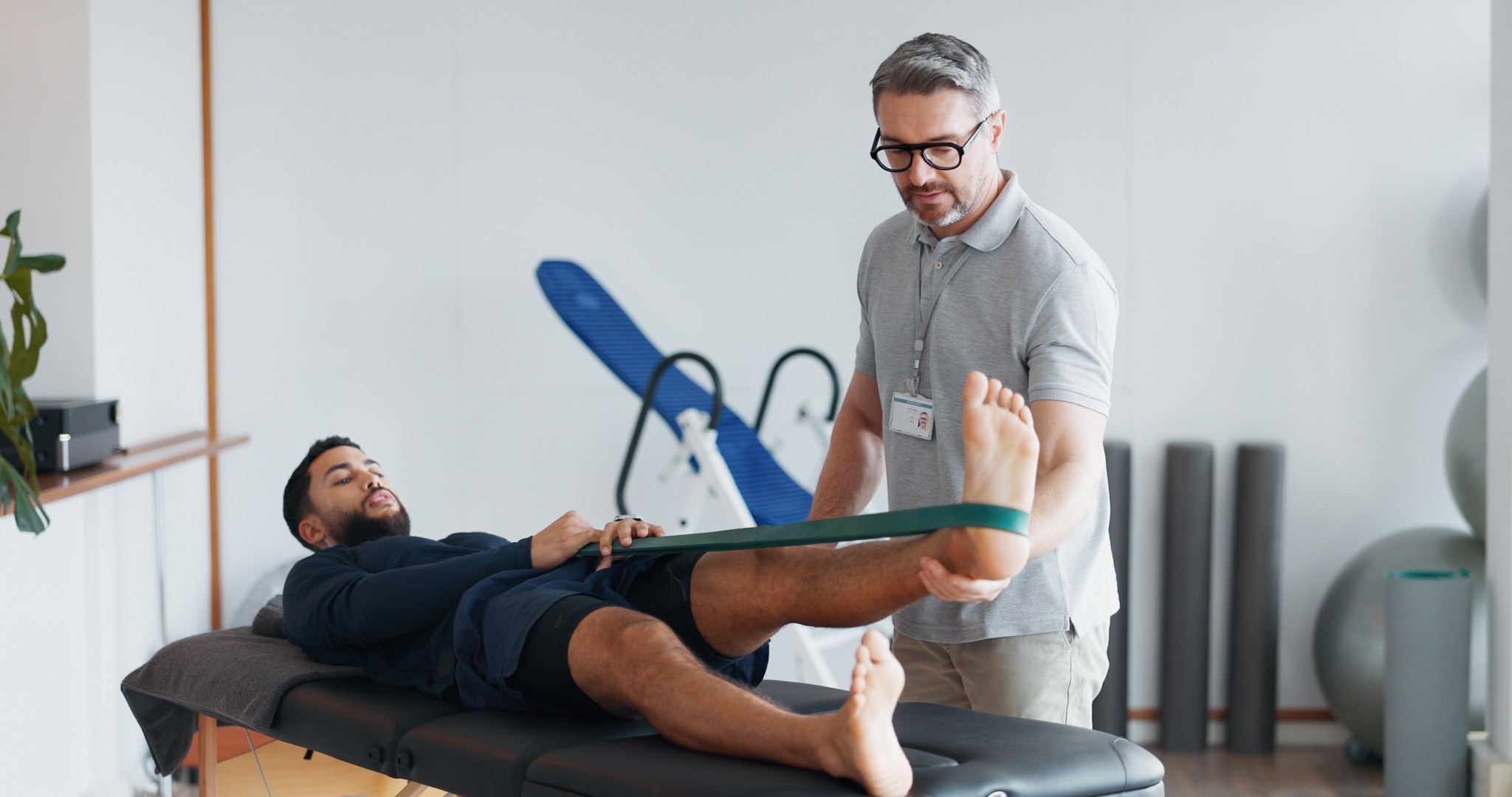
Is your child training hard for football, badminton, swimming, gymnastics, or athletics, and now complaining of pain? Young athletes have different physical needs from adults because their bodies are still growing and developing. Sports physiotherapy for youth athletes helps them recover from injuries, improve movement, and build healthy training habits. It also takes a different approach from adult rehabilitation, because growth, physical maturity, and emotional development must be considered throughout recovery.
Understanding these differences helps parents, coaches, and young athletes make informed decisions about injury prevention, treatment, and safe participation in sport.
How Growing Bodies Change the Approach
Understanding Growth and Physical Development
The biggest difference in youth sports physiotherapy is the need to consider the athlete’s stage of growth. As bones, muscles, tendons, and joints mature, bones may lengthen faster than surrounding muscles and tendons can adapt. This can temporarily affect flexibility, coordination, and movement control.
Young athletes may also develop growth-related conditions such as:
- Osgood-Schlatter disease: Pain around the front of the knee, near the tibial tuberosity.
- Sever’s disease: Heel pain linked to irritation around the growth plate of the heel bone.
- Sinding-Larsen-Johansson syndrome: Pain around the lower part of the kneecap.
- Growth plate injuries: Injuries involving areas of developing bone.
These conditions are not typically managed in the same way as adult muscle or joint injuries. A physiotherapist must consider the athlete’s age, growth stage, symptoms, and sporting activities when planning rehabilitation.
Different Injury Risks in Young Athletes
Youth athletes can suffer the same injuries as adults, including muscle strains, ligament sprains, and overuse injuries, but their developing bodies are vulnerable to certain types of injury. Repetitive jumping, running, and kicking place repeated stress on developing bones and surrounding tissues, and sudden increases in training intensity can lead to overuse problems. Common injuries include:
- Ankle sprains.
- Knee pain and overuse injuries.
- Muscle strains.
- Shoulder pain in throwing athletes.
- Heel pain associated with growth.
- Stress-related bone injuries.
Early assessment matters most when pain persists, worsens during activity, or affects your child’s ability to take part in sport.
Considering Growth Plate Safety
Growth plates are areas of developing cartilage near the ends of certain bones. They allow bones to grow in length and gradually turn into solid bone as a person matures. Because they are still developing in children and adolescents, injuries involving these areas need careful assessment.
A young athlete with significant pain after a fall, collision, or sudden twist may need medical evaluation to rule out a growth plate injury. Sports physiotherapy should follow an appropriate diagnosis and medical guidance when necessary, and exercises must be chosen carefully to avoid unsuitable stress on the injured area. Parents and coaches should never encourage young athletes to train through persistent or worsening pain. The International Olympic Committee’s consensus statement on youth athletic development likewise recommends that athletes do not train or compete while in pain or before full rehabilitation.
Rehabilitation Built for Young Athletes
Rehabilitation Must Suit the Athlete’s Age
Adult programmes often rely on structured strength training, endurance work, and sport-specific drills. Many of these methods can help young athletes too, but exercise selection and intensity must be adapted to their development. Youth athletes often respond better to exercises that combine strength, coordination, balance, and movement skills in an engaging way. Rehabilitation may include:
- Bodyweight squats and lunges.
- Single-leg balance exercises.
- Controlled jumping and landing activities.
- Core stability exercises.
- Resistance exercises using suitable loads.
- Running and agility drills.
The physiotherapist makes sure each exercise is done with good technique and progressed to the athlete’s ability. The goal is to restore function safely while supporting healthy development, rather than pushing young athletes to adult-level intensity too early. Our strength conditioning programme can support this stage when it suits the athlete.
Focusing on Movement Skills and Coordination
Young athletes are still developing fundamental skills such as running, jumping, landing, balancing, and changing direction. Poor movement control can place unnecessary stress on joints, particularly during high-impact activity. Structured training can include practising controlled landings, improving single-leg balance, developing hip and knee control, strengthening muscles around the ankle and knee, and improving coordination during changes of direction. A young footballer may learn to decelerate and change direction with better control, while a young basketball player may work on jumping and landing mechanics. Building these habits early supports better movement as they move into higher levels of competition.
Addressing the Emotional Needs of Young Athletes
Injury is frustrating when it means missing training, competitions, or time with teammates. Children and teenagers may understand their injuries differently from adults. Some become anxious about losing their abilities, while others feel discouraged when they cannot return straight away.
Physiotherapists should explain injuries and treatment plans in language suited to the athlete’s age. Rehabilitation also works better with achievable goals, positive feedback, and exercises that encourage active participation. Parents and coaches help by offering encouragement and avoiding pressure to return before the athlete is ready.
Training Load and Safe Return to Sport
Training Load and Recovery Are Especially Important
Young athletes may feel pressure to train often, enter many competitions, or specialise in one sport early. Without enough recovery, that can raise the risk of overuse injuries, fatigue, and reduced performance. A sports physiotherapist can look at:
- Weekly training frequency.
- Duration and intensity of sessions.
- Participation in multiple sports.
- Rest days and recovery periods.
- Sleep quality and general wellbeing.
- Changes in symptoms during or after training.
Parents and coaches should encourage balance, with adequate rest, varied physical activities, and gradual increases in training intensity.
Return-to-Sport Decisions Require Careful Monitoring
Pain disappearing does not always mean an injury has fully recovered. An athlete may still have reduced strength, poor balance, limited endurance, or difficulty with sport-specific movements. A physiotherapist may assess joint range of motion, muscle strength, balance and coordination, running and jumping ability, landing and movement control, sport-specific performance, and confidence during activity.
The return-to-sport programme gradually increases demands, usually moving from basic movement exercises to individual training, modified team practice, and finally full participation when appropriate. Medical clearance may also be needed depending on the type and severity of the injury.
The Role of Parents and Coaches in Youth Sports Rehabilitation
Successful rehabilitation involves more than the physiotherapist and the athlete. Parents can attend appointments when appropriate, encourage home exercises, monitor symptoms, and make sure their child rests enough. Coaches can adjust training activities, communicate with the rehabilitation team when needed, and avoid pressure to return too quickly. A supportive environment lets young athletes focus on recovery while keeping a positive relationship with sport. Our sport physiotherapy service assesses and treats sport and exercise injuries at any competitive level and age. If pain is stopping your child from enjoying training, our pain management services can also help.
Young athletes are still growing, so physiotherapists consider growth stage, growth plates, exercise intensity, and emotional needs. Exercises are adapted to age and ability rather than copied from adult programmes.
Common injuries include ankle sprains, knee pain and overuse injuries, muscle strains, shoulder pain in throwing athletes, heel pain linked to growth, and stress-related bone injuries. You can see the conditions we treat on our website.
No. Persistent or worsening pain should be assessed rather than trained through. Early assessment is especially important when pain affects performance or participation.
Readiness depends on more than pain relief. Your physiotherapist checks strength, balance, running and jumping ability, movement control, and confidence, then builds up gradually from basic exercises to full participation.
Seek medical evaluation if your child has significant pain after a fall, collision, or sudden twist, since a growth plate injury may need to be ruled out. For ongoing aches or a safe return plan, book an appointment with Synapse Physiotherapy for an assessment.
Final Thoughts
Sports physiotherapy for youth athletes needs a different approach from adult rehabilitation because growing bodies have unique physical, developmental, and emotional needs. By considering growth plates, age-related injury risks, movement development, training loads, and psychological wellbeing, physiotherapists can build safer and more effective programmes. With appropriate assessment, personalised exercises, and support from parents and coaches, young athletes can recover from injuries, develop better movement skills, and build a strong foundation for long-term participation in sport. Ready to get your child back to the game? Book an appointment with Synapse Physiotherapy and let our team build a plan around their growth and goals.
Tags :

Back & Neck Pain
- Spine & Core Rehabilitation
- Strength & Conditioning Programme
- Pain Management
- Biomechanical Assessment
- Sports Physiotherapy
- Group Class
Sports Injuries
- Strength & Conditioning Programme
- Pain Management
- Biomechanical Assessment
- Sports Physiotherapy
- Shockwave Therapy
- Group Class

Work Desk Injuries
Pre-Post-Surgical Conditions

Scoliosis & Postural Abnormalities
Neurological Conditions
Osteoarthritis & Rheumatism
Joint degeneration and inflammation happens as the human body grows older, but that does not mean our way of life degenerates as well. Relief your joint pains with a joint effort together with your physiotherapist, who will provide pain-relief treatments and prescribe exercises for your wellbeing.
Conditions Relating To Elderly
Common conditions in the older age population include hips & knee pain, back & neck pain, osteoarthritis, rheumatism, fear of falling and many more. Aging and degeneration of bodily function is inevitable, but here at Synapse, we will help you live the best of your life.