Synapse Physiotherapy | Physio Center | Rehab Malaysia

Recovering from a sports injury doesn’t end when you leave the treatment room. What happens between appointments often plays a crucial role in how quickly and effectively you heal. A good sports injury clinic doesn’t just provide hands-on treatment during your visits; it also equips you with strategies to manage pain, reduce inflammation, and support recovery at home.
Pain management between therapy sessions is essential for maintaining progress, preventing setbacks, and helping you return to your favorite activities safely. Whether you’re a professional athlete, weekend warrior, or recovering from an everyday injury, understanding how a sports injury clinic supports you outside of appointments can improve the whole recovery experience.
Pain is a natural response to injury, but unmanaged pain can interfere with healing, reduce mobility, and make it difficult to perform rehabilitation exercises. Treatment sessions address the root cause, but the time between appointments is when your body does most of its repair work.
A sports injury clinic builds a personalized recovery plan that extends beyond in-clinic care, keeping you comfortable while encouraging proper healing and lowering the risk of re-injury.
One of the most effective ways a sports injury clinic helps patients manage pain is through customized home exercise programs, carefully selected based on your injury, fitness level, and stage of recovery. Home exercises may include:
Performing these exercises consistently helps reduce stiffness, improve circulation, and decrease pain while promoting long-term recovery.
Many injuries worsen because patients unknowingly move in ways that place extra stress on healing tissues. A sports injury clinic teaches proper body mechanics and movement techniques that protect injured areas throughout daily activities. Patients often receive guidance on:
These practical strategies reduce unnecessary strain and help prevent pain flare-ups between treatment sessions.
Temperature therapy remains one of the simplest and most effective pain management techniques. A sports injury clinic may recommend ice during the early stages of an injury to reduce swelling and inflammation, often as part of the broader RICE method (rest, ice, compression, elevation), since cold therapy can also numb painful tissues and ease muscle spasms.
As healing progresses, heat therapy often becomes more appropriate. Heat improves blood circulation, relaxes tight muscles, and increases tissue flexibility before stretching or exercising. Your therapist will explain when to switch from ice to heat and how long each application should last, to maximize benefit while avoiding skin damage.
Although manual therapy is performed during appointments, its benefits often continue long after the session ends. Techniques such as soft tissue massage, joint mobilization, trigger point therapy, and myofascial release help reduce muscle tension and improve circulation. Modalities like dry needling and shockwave therapy are also commonly used alongside hands-on treatment for stubborn pain.
A sports injury clinic may also teach patients self-massage techniques using foam rollers, massage balls, or handheld massage devices. These methods help control discomfort and maintain muscle flexibility between visits.
Supportive taping and bracing are commonly used to stabilize injured joints and muscles while allowing safe movement. Depending on your condition, a sports injury clinic may use:
These supports can reduce pain by limiting excessive movement, improving joint stability, and decreasing stress on injured tissues during everyday activities or sports participation.
Continuing normal activities without adjustments can delay healing. Rather than recommending complete inactivity, a sports injury clinic helps patients modify their routines to stay active without worsening the injury. Examples include:
This balanced approach helps maintain fitness while giving injured tissues time to recover.
Swelling often contributes significantly to pain following a sports injury. A sports injury clinic educates patients on recognizing signs of excessive inflammation and taking appropriate action, such as:
Keeping inflammation under control can significantly improve comfort and speed up the healing process.
While many sports injury clinic professionals don’t prescribe medications, they often work alongside physicians and can offer general guidance on using over-the-counter pain relievers safely as part of your recovery plan. Patients are encouraged to:
Medication should complement rehabilitation, not replace it.
Healing requires the right nutrients. Many sports injury clinic professionals discuss how diet influences inflammation, tissue repair, and overall recovery. Key recommendations may include:
Good nutrition provides the building blocks your body needs to recover more efficiently.
Sleep is one of the body’s most powerful healing tools. During deep sleep, tissues repair themselves, hormones regulate inflammation, and muscles recover from daily stress. A sports injury clinic may recommend:
Improving sleep quality often leads to noticeable reductions in pain and faster recovery.
Pain levels naturally change throughout the healing process. A sports injury clinic encourages patients to monitor their symptoms and communicate any significant changes between appointments. Many clinics recommend keeping a recovery journal that records:
This information helps therapists adjust treatment plans and identify potential problems before they become more serious.
Returning to sports too quickly is one of the most common reasons injuries recur. A sports injury clinic develops a structured return-to-play plan that gradually increases physical demands while monitoring pain and function. This staged approach may include:
Following this progression helps reduce the likelihood of re-injury and builds confidence as you resume normal activities. If you’d like a structured plan built around your own recovery, you can book an appointment with our physiotherapy team.
This depends on the injury and your therapist’s guidance, but many home exercise programs begin within the first few days, focusing on gentle movement before progressing to strengthening as healing allows.
Yes, some discomfort between sessions is common as tissues heal and adjust to new movement patterns. However, sudden increases in pain or new symptoms should be reported to your clinic promptly.
If you’re unsure, ice is generally the safer default for a recent or swollen injury, while heat is better suited for tight, stiff muscles later in recovery. Your clinic can confirm which is appropriate for your specific case.
In many cases, yes. A sports injury clinic often encourages modified activity, such as switching to low-impact exercises, to maintain overall fitness without placing stress on the injured area.
Readiness is usually determined through a staged return-to-play process that checks range of motion, strength, balance, and pain levels, rather than a single point in time. Your clinic will guide you through each stage before clearing full participation.
Effective recovery involves much more than attending therapy appointments. A trusted sports injury clinic provides pain management strategies that support healing every day, not just during treatment sessions. Through personalized exercises, education, activity modification, taping, nutrition guidance, sleep recommendations, and ongoing monitoring, you can take an active role in your own recovery while minimizing discomfort.
By following your treatment plan consistently and communicating openly with your healthcare team, you can manage pain more effectively, recover with greater confidence, and safely return to the sports and activities you enjoy.
Tags :



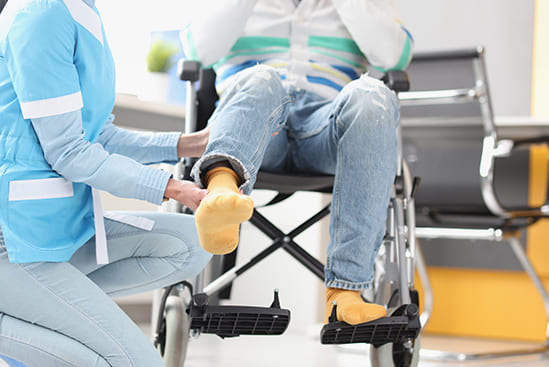


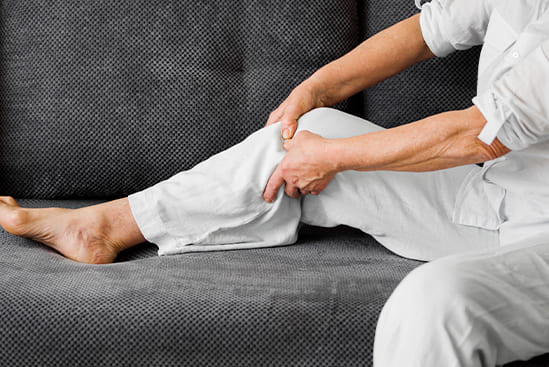
Joint degeneration and inflammation happens as the human body grows older, but that does not mean our way of life degenerates as well. Relief your joint pains with a joint effort together with your physiotherapist, who will provide pain-relief treatments and prescribe exercises for your wellbeing.
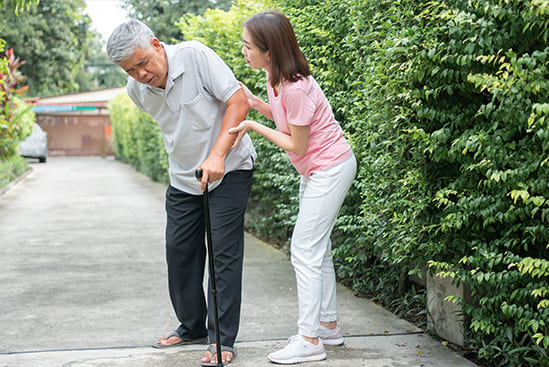
Common conditions in the older age population include hips & knee pain, back & neck pain, osteoarthritis, rheumatism, fear of falling and many more. Aging and degeneration of bodily function is inevitable, but here at Synapse, we will help you live the best of your life.