Synapse Physiotherapy | Physio Center | Rehab Malaysia
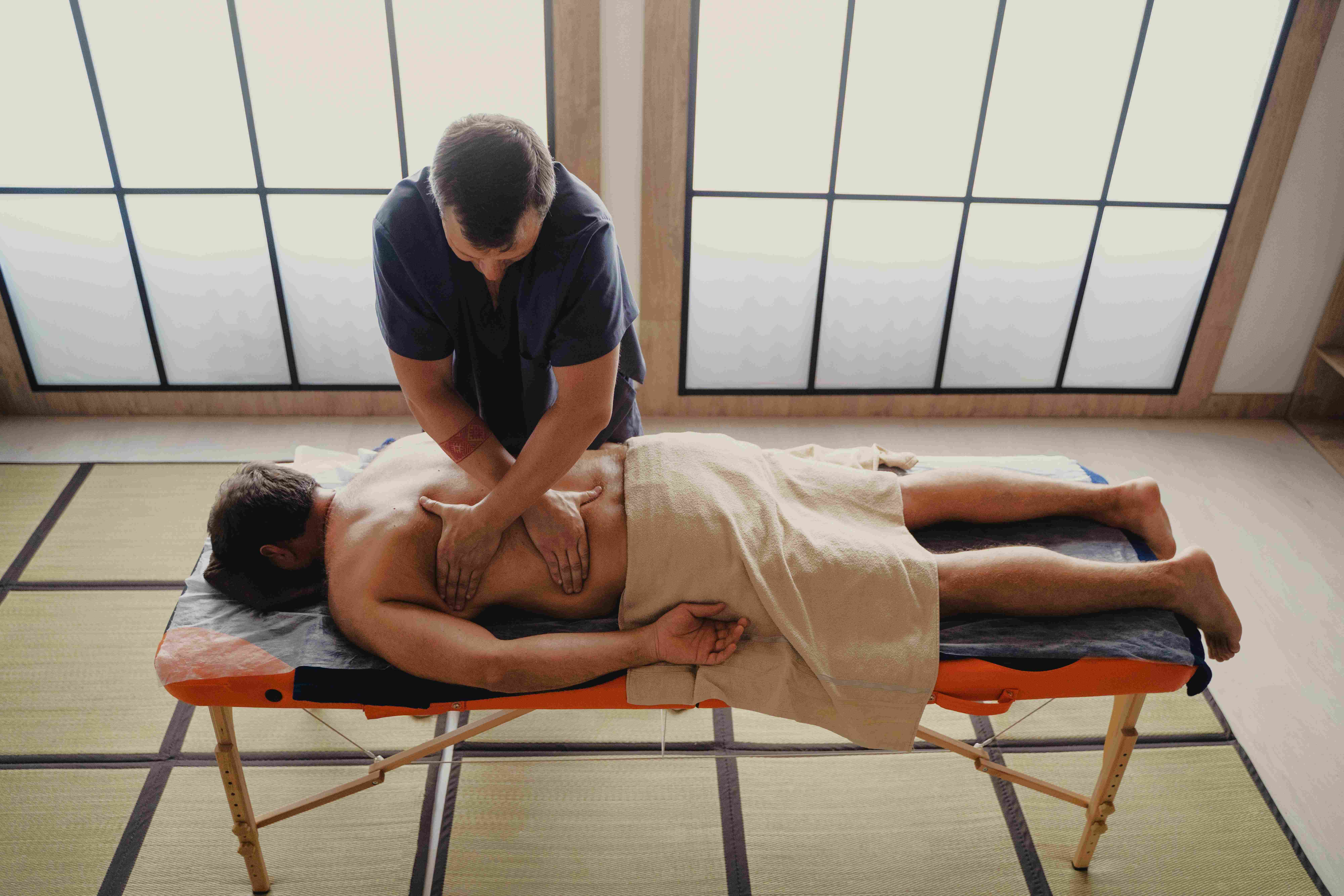
Back pain is one of the most common health complaints worldwide, and while many episodes resolve with rest and simple care, some symptoms may point to a more serious issue such as a slip disc. Knowing when to seek help from a spine specialist can make a crucial difference in preventing long-term pain, nerve damage, or disability. Early recognition and timely referral often lead to better outcomes, faster recovery, and safer treatment options.
This is where Synapse Physiotherapy makes the difference through their evidence-based approach and personalised care, designed to bring relief and functional restoration together with comfort and flow. Rather than rushing into invasive procedures, we shape each recovery journey with intentional pacing and professional expertise to ensure you receive the most appropriate care from a spine specialist or clinical expert. Our Spine & Core Rehabilitation services are tailored to allow you to truly be present in your recovery without the burden of persistent pain.
According to the Mayo Clinic, while many people have no symptoms from a herniated disc, others may experience significant pain that requires clinical evaluation. Your spine is made up of vertebrae stacked on top of one another, separated by discs that act as shock absorbers. These discs allow for flexibility and smooth movement during daily activities. Over time, due to ageing, repetitive strain, poor posture, or sudden injury, a disc may weaken. When pressure builds, the soft inner portion can bulge or rupture through the outer layer, leading to a slip disc.
A spine specialist often sees these issues in the lower back (lumbar spine) and neck (cervical spine), though they can occur anywhere along the spine. It is important to note that not everyone with a disc herniation will experience pain; some people have disc changes seen on scans but no symptoms at all. However, when the disc irritates or compresses nearby nerves, it leads to the neurological symptoms that require professional intervention.
Symptoms typically depend on the location of the affected disc and whether nerves are involved. Recognising these signs early can help you decide when to consult a spine specialist. Common indicators include:
In many cases, these symptoms improve with conservative care such as rest, Spine & Core Rehabilitation, and activity modification. However, if these symptoms persist, a spine specialist should be consulted for a more detailed assessment.
Occasional back pain after heavy lifting or long hours of sitting is common. What separates routine discomfort from a potentially serious disc problem is persistence, progression, and neurological involvement. You should consider seeing a spine specialist if your pain lasts longer than four to six weeks despite appropriate treatment, or if symptoms are getting worse instead of better.
A spine specialist has advanced training in spinal conditions and can determine whether your symptoms are disc-related or due to another cause. If the pain significantly interferes with your daily activities, sleep, or work, or if you find yourself relying heavily on painkillers just to function, it is time to seek professional advice. Early input from a spine specialist can prevent unnecessary procedures while ensuring serious conditions are not missed.
Some symptoms indicate possible nerve or spinal cord compression and require immediate medical attention. You should not delay seeing a spine specialist or visiting an emergency department if you experience “red flag” signs. These include:
These signs may suggest a serious condition such as cauda equina syndrome, where early intervention by a spine specialist is critical. As detailed by Medical News Today, cauda equina syndrome is a rare but surgical emergency that requires immediate attention to prevent permanent damage.
A spine specialist, such as an orthopaedic spine surgeon or neurosurgeon, offers expertise beyond general back pain management. Their role is not just to recommend surgery; in fact, most slip discs do not require surgical intervention. Instead, a spine specialist performs a thorough clinical assessment focused on neurological function.
They help identify the exact source of pain to avoid misdiagnosis and determine whether advanced imaging like an MRI or CT scan is truly necessary. By consulting a spine specialist, you gain access to targeted non-surgical treatments such as injections or advanced medications. If surgery is eventually needed, the spine specialist will explain the risks and benefits clearly to help you make an informed decision.
The majority of slip disc cases improve with conservative treatment guided by a spine specialist. This often involves a professional team providing:
Surgery is only considered by a spine specialist if severe nerve pain persists beyond six to twelve weeks, if there is a progressive neurological deficit, or if red flag symptoms are present. The ultimate goal of the spine specialist is to restore your quality of life using the most evidence-based and safe methods available.
Certain individuals are at a higher risk of developing slip disc issues and may be more likely to require the attention of a spine specialist. These risk factors include:
Recognising these factors early allows for better prevention strategies. If you fall into these categories, consulting a spine specialist sooner rather than later can help you manage your spinal health proactively.
One of the biggest mistakes people make is ignoring ongoing or worsening symptoms, hoping they will simply go away. While patience is often appropriate for mild back pain, persistent nerve-related symptoms deserve the attention of a spine specialist. Seeing a spine specialist does not mean you are committing to surgery; it means you are choosing clarity and an accurate diagnosis.
Your spine supports everything you do, and taking its warning signs seriously is an investment in your long-term health. A timely consultation with a spine specialist ensures that you receive the right treatment at the right time. Whether that involves reassurance, rehabilitation, or advanced intervention, the expertise of a spine specialist is invaluable for protecting your mobility.
No, the majority of slip disc cases improve with conservative care such as physiotherapy and medication, and a spine specialist only recommends surgery in specific, severe cases.
A spine specialist will typically perform a thorough clinical assessment of your neurological function and history before deciding if imaging is needed.
If your pain persists for more than four to six weeks despite basic care, or if it is getting worse, you should consider seeing a spine specialist.
No, a spine specialist uses imaging in combination with your physical examination, as disc bulges can be seen on scans even in people without pain.
Urgent symptoms that require a spine specialist include loss of bladder/bowel control, saddle area numbness, and progressive muscle weakness.
Slip disc symptoms can range from mild discomfort to serious neurological problems that impact your daily life. Understanding when to seek help can protect your spine and your overall quality of life. If your pain persists, spreads, or is accompanied by weakness, do not wait to consult a spine specialist. At Synapse Physiotherapy, our dedicated physiotherapists are dedicated in providing comprehensive Spine & Core Rehabilitation to help you manage these conditions effectively. Book a consultation today to start your journey towards a pain-free life and discover how our specialised care can support your spinal health.
Tags :







Joint degeneration and inflammation happens as the human body grows older, but that does not mean our way of life degenerates as well. Relief your joint pains with a joint effort together with your physiotherapist, who will provide pain-relief treatments and prescribe exercises for your wellbeing.

Common conditions in the older age population include hips & knee pain, back & neck pain, osteoarthritis, rheumatism, fear of falling and many more. Aging and degeneration of bodily function is inevitable, but here at Synapse, we will help you live the best of your life.