Posted on

How Injuries Cause Osteoarthritis & Physio Helps

Sports Injury Clinic
Osteoarthritis & Rheumatism, Synapse Physiotherapy

Introduction

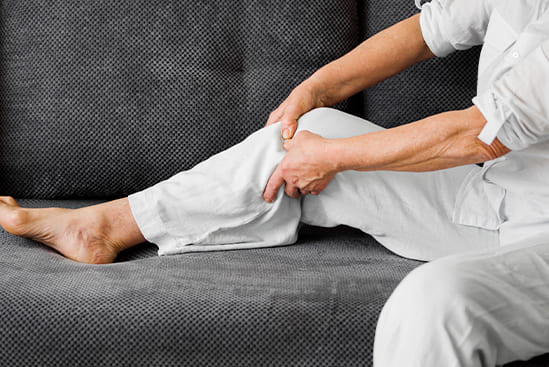
Osteoarthritis (OA) is a degenerative joint disease characterised by the breakdown of cartilage, leading to pain, stiffness, and reduced mobility. While ageing and genetic factors are common contributors, injuries to joints also play a significant role in the development and progression of osteoarthritis. In this article, we will be discussing post – traumatic arthritis and how physiotherapy can help. If you are looking for a sports injury clinic, search for us on Google for the closest Synapse Physiotherapy to you and we will be able to assist you in your recovery. Our team of expert physiotherapists will be able to execute a holistic treatment plan to help you with your challenges with osteoarthritis.

Post-traumatic arthritis (PTA) develops after an acute direct trauma to the joints. In some cases, a  history of physical trauma may also be found in patients with chronic inflammatory arthritis. PTA can occur at any age, in any joints and may develop from any kind of acute physical trauma, such as injury in sports, vehicle accidents, falls or military injuries. Although a single trauma may sometimes be sufficient to induce arthropathy, repeated injuries as well as excess body weight are known to increase the risk of PTA..

Usually after an acute trauma, the symptoms following that include swelling, synovial effusions, severe pain and sometimes internal bleeding. This may take up to 2 – 3 months for a spontaneous full recovery. However, if there is a persistence of symptoms after a 6 month period, you will need treatment and medical attention as it can now be considered a pathological condition and chronic PTA.


Some of the risk factors for PTA are

  • Age: risk of osteoarthritis increases with age.
  • Sex: Women are more likely to develop osteoarthritis.
  • Obesity: Increased weight adds stress to weight-bearing joints, such as your hips and knees.
  • Joint injuries: Injuries from sports or from an accident can increase risk of osteoarthritis.
  • Repeated stress on the joint: Repetitive stress leads to repetitive injuries which will then increase the risk of osteoarthritis.
  • Genetics: Some people inherit a tendency to develop osteoarthritis.
  • Bone deformities: Malformed joints or defective cartilage will lead to increased risk of osteoarthritis.

Understanding the connection between injuries and OA, as well as the role of physiotherapy in managing the condition, is crucial for effective prevention and treatment.


How Injuries Lead to Osteoarthritis

Injuries to the joints can initiate a cascade of events that ultimately result in osteoarthritis. The most common types of injuries that lead to OA include:

  1. Ligament Tears (e.g: ACL Injury)

Ligament injuries, such as anterior cruciate ligament (ACL) tears, destabilise the joint and alter its biomechanics. This instability increases wear and tear on the cartilage, accelerating its degeneration.

  1. Meniscal Tears

The menisci are cartilage structures that cushion and stabilise the knee joint. Tears in the meniscus can lead to uneven load distribution and increased stress on the cartilage, promoting its breakdown.

3. Fractures

Fractures involving the joint surface can disrupt the normal anatomy and alignment of the joint, leading to uneven cartilage wear and the development of osteoarthritis over time.

4. Dislocations

Joint dislocations can damage cartilage and other structures within the joint. Even after reduction, the joint may not function normally, leading to accelerated cartilage wear.

5. Repeated Trauma

Chronic, repeated trauma to a joint, common in high-impact sports and certain occupations, can cause cumulative damage to the cartilage and other joint structures, resulting in osteoarthritis.


Mechanism of Injury-Induced Osteoarthritis

 The process by which injuries lead to osteoarthritis involves several mechanisms:

 – Inflammation: Acute injuries cause inflammation, which can persist and lead to chronic low-grade inflammation. This inflammatory state contributes to cartilage degradation.


– Altered Biomechanics: Injuries often result in changes to the way a joint moves and bears weight. These altered biomechanics can cause abnormal stress on the cartilage, accelerating its wear.


– Cartilage Damage: Direct trauma to the cartilage from an injury can initiate its breakdown. Once cartilage is damaged, it has limited capacity to heal, leading to progressive deterioration.


– Subchondral Bone Changes: Injury can also affect the bone beneath the cartilage (subchondral bone), causing it to become harder and less shock-absorbent, further stressing the cartilage.


The Role of Physiotherapy in Managing Osteoarthritis

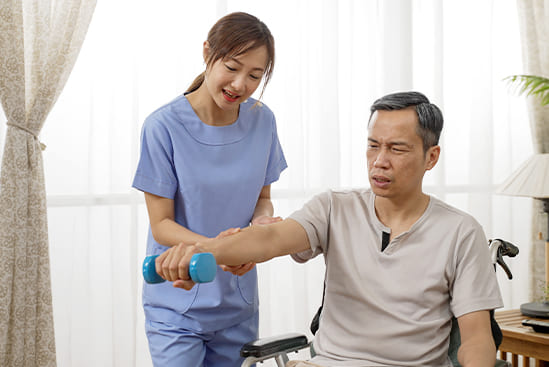
Physiotherapy is a cornerstone in the management of osteoarthritis, offering non-surgical and drug-free strategies to alleviate symptoms, improve function, and enhance quality of life. Here’s how physiotherapy can help:

1. Pain Management

    – Manual Therapy: Techniques such as joint mobilisation and soft tissue massage can reduce pain and improve joint function.

   – Modalities: Use of heat, ice, ultrasound, and electrical stimulation can help manage pain and inflammation.

2. Improving Joint Mobility and Flexibility


   – Range of Motion Exercises: Gentle stretching and movement exercises help maintain and improve joint flexibility.

   – Flexibility Training: Specific stretching routines can alleviate stiffness and improve overall mobility.

3. Strengthening Muscles


   – Resistance Training: Strengthening the muscles around the affected joint provides better support and reduces stress on the joint.

   – Functional Exercises: Targeted exercises improve the strength and function of muscles used in daily activities.

4. Enhancing Balance and Proprioception


   – Balance Exercises: Training exercises enhance stability and reduce the risk of falls.

   – Proprioceptive Training: Exercises to improve the body’s sense of joint position and movement, enhancing overall coordination.

5. Education and Self-Management


   – Patient Education: Teaching individuals about OA, its progression, and how to manage symptoms effectively.

   – Activity Modification: Advising on lifestyle and activity modifications to reduce joint stress.

6. Weight Management


   – Exercise Programs: Tailored exercise programs can help with weight management, reducing the load on weight-bearing joints.

   – Nutritional Advice: Guidance on healthy eating to support weight management and overall joint health.

Preventing Osteoarthritis After an Injury

Early intervention and appropriate management of joint injuries can reduce the risk of developing osteoarthritis:

 – Rehabilitation: Comprehensive rehabilitation after an injury to restore normal joint function and biomechanics.

– Protective Bracing: Use of braces or supports to stabilise the joint and prevent further injury.

– Strength and Flexibility Training: Maintaining strong and flexible muscles around the joint to provide better support and reduce stress.

FAQs

1. How does physiotherapy help in managing osteoarthritis?

Physiotherapy reduces pain, improves mobility, strengthens muscles, and enhances balance, all of which are crucial for managing osteoarthritis effectively.

2. Can physiotherapy prevent osteoarthritis after an injury?

Yes, early physiotherapy intervention helps restore joint function and prevent the long-term joint degeneration that can lead to osteoarthritis.

3. How soon after an injury should I start physiotherapy?

Physiotherapy should begin as soon as possible after an injury to promote optimal healing, reduce pain, and prevent joint dysfunction that could lead to osteoarthritis.

4. Is physiotherapy effective for chronic osteoarthritis pain?

Yes, physiotherapy is highly effective in managing chronic osteoarthritis pain, improving joint mobility, and enhancing quality of life through non-invasive techniques.

5. Can exercise make osteoarthritis worse?

When done correctly under the guidance of a physiotherapist, exercise can actually help manage osteoarthritis by strengthening the muscles that support the joints and improving flexibility.

Conclusion

Injuries to joints are a significant risk factor for the development of osteoarthritis, as they initiate processes that lead to cartilage degradation and joint dysfunction. Physiotherapy plays a vital role in managing osteoarthritis, offering strategies to alleviate pain, improve mobility, strengthen muscles, and enhance overall quality of life. Early and effective intervention following joint injuries, combined with ongoing physiotherapy, can help mitigate the risk of osteoarthritis and promote long-term joint health.

Share This :

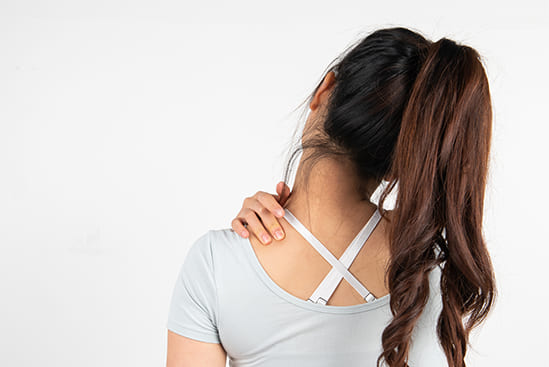
Back & Neck Pain

Conditions such as stiffness, postural abnormalities and muscle overuse from prolonged desk work at the office or home is more prevalent than most would think. We provide the necessary tools to fix you up and educate you on ergonomics which can unload unnecessary stress.

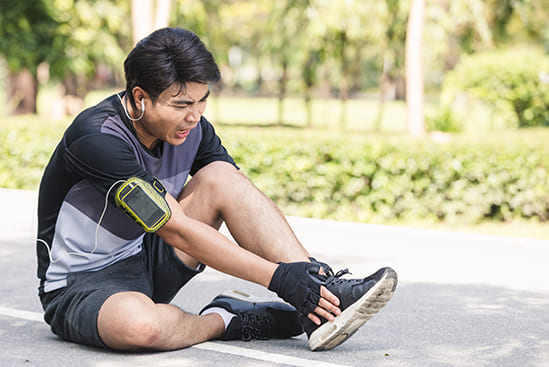
Sports Injuries

Rolled ankles, jarred knees, impinged shoulders are few conditions in the plethora of sports injuries which can hamper performance and limit our enjoyment of sports. Physiotherapy not only treats the symptoms of these conditions but propels your overall fitness to greater heights.

Work Desk Injuries​

Conditions such as stiffness, postural abnormalities and muscle overuse from prolonged desk work at the office or home is more prevalent than most would think. We provide the necessary tools to fix you up and educate you on ergonomics which can unload unnecessary stress.

Pre-Post-Surgical Conditions

Surgery involves going through preparation both before and after. Physiotherapists play a vital role in getting your body ready for surgeries with circulatory, breathing and strengthening exercises. After the procedure, let us be there for your recovery and rehabilitation, taking it one step at a time.

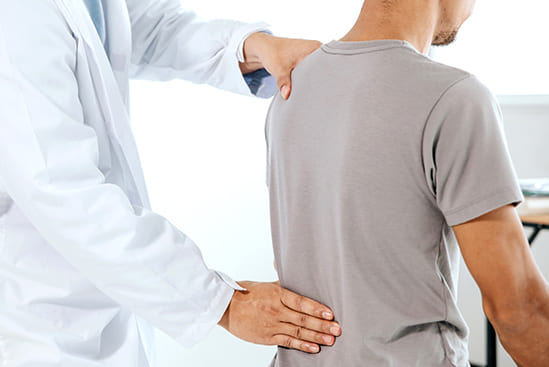
Scoliosis & Postural Abnormalities

The way we stand, sit, walk and sleep has influence over our posture and the overall balance of muscles controlling its alignment. A comprehensive screening can be done by our physiotherapists to detect abnormalities, which we will aid in correcting.

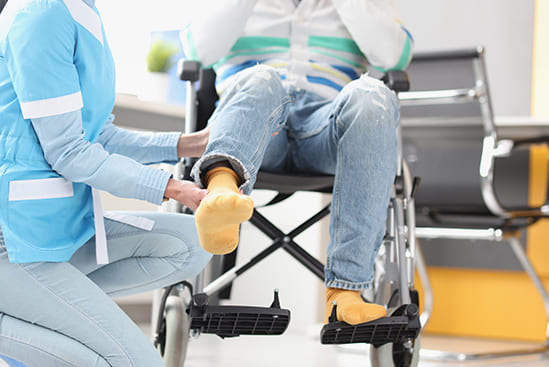
Neurological Conditions

Neurological disabilities such as stroke, nerve compression and neuropathies can be barriers for patients to live life to its fullest. We at Synapse are committed to help you overcome these hurdles by ensuring functional mobility and quality of life is at its optimum by providing the right treatment and exercises.

Osteoarthritis & Rheumatism

Joint degeneration and inflammation happens as the human body grows older, but that does not mean our way of life degenerates as well. Relief your joint pains with a joint effort together with your physiotherapist, who will provide pain-relief treatments and prescribe exercises for your wellbeing.
Conditions Relating To Elderly

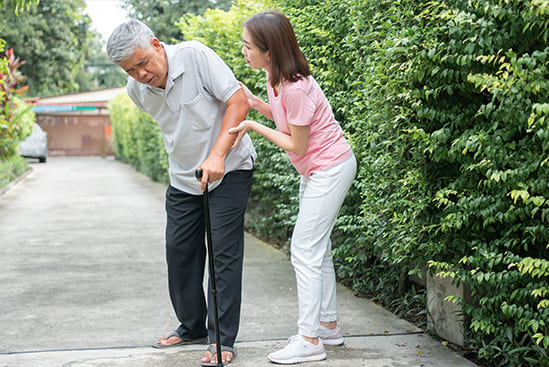
Common conditions in the older age population include hips & knee pain, back & neck pain, osteoarthritis, rheumatism, fear of falling and many more.  Aging and degeneration of bodily function is inevitable, but here at Synapse, we will help you live the best of your life.

Home Physiotherapy

We understand that some conditions or injuries can make it difficult to receive rehabilitation at our clinic be it mobility or transportation issues. Our objective is to provide you with the same high-quality physiotherapy services at home that you would receive in-clinic.
Posted on

5 Tips for Preventing Sports-Related Injuries: Physiotherapy

Physiotherapy Near Me
Sports Injuries, Synapse Physiotherapy

What is sports injury?

The term “sports injury” refers to injuries that frequently occur during sports or exercise activities and can be broadly classified into two main types: acute and chronic. Acute injuries happen suddenly, often due to a fall, impact, or sudden twisting of a joint, and include conditions such as sprains, where ligaments are torn, and dislocations, where joints are displaced. In contrast, chronic injuries develop gradually over time, typically as a result of repetitive overuse of a specific area of the body. Common examples of chronic injuries are shin splints, which cause pain along the shinbone, and stress fractures, which are tiny cracks in bones caused by repetitive stress. Understanding the nature and classification of sports injuries is crucial for implementing effective treatment and prevention strategies for active individuals. For those experiencing sports-related injuries, seeking assistance from a sports injury clinic is advisable.

Causes of sports injuries

Lack of Conditioning and Poor Training

The risk of sports injuries increases significantly if you do not maintain proper conditioning or adequately prepare your body for physical activity. A lack of conditioning can lead to muscle imbalances and generally weakens your muscles, bones, tendons, and ligaments. When examining the causes of sports injuries, poor training methods are often a common factor. To prevent imbalances, ensure that all muscle groups are exercised equally. Additionally, training at full intensity all the time can lead to wear and tear on your muscles and ligaments, so it’s crucial to vary the intensity of your workouts.

Incorporating regular stretching and effective warm-ups is essential for gradually preparing your body for increased intensity and movement. Equally important is allowing your body time to rest. Taking breaks not only helps athletes overcome training plateaus but also reduces the risk of overuse injuries.

Overtraining and Injury Prevention

Overtraining poses a significant risk of injury, underscoring the importance of regular and effective rehabilitation to allow adequate recovery time for the body. Rushing back from a previous injury also heightens the risk of reinjury.

When recovering from an injury, it’s crucial to incrementally increase training intensity in collaboration with coaching staff to rebuild strength in the affected area. This gradual approach helps mitigate the chances of further injury and supports a safer return to full activity levels.

Unavoidable Factors in Sports Injuries

Occasionally, sports injuries are simply unavoidable, stemming from accidents, heavy impacts, or even unpredictable occurrences of bad luck. Moreover, changes in playing surfaces can increase susceptibility to injury, as can the use of low-quality equipment or dehydration exacerbated by extreme climate conditions. These factors highlight the unpredictable nature of sports injuries, despite precautions taken to mitigate risks through proper training and conditioning.

Tips for preventing sports injuries

1. Wear Protective Gear

Protective gear includes any equipment that helps prevent injuries. The type of gear you need depends on your sport.

Helmets are the most common form of protection. They safeguard your head in sports like football, hockey, baseball, softball, biking, skateboarding, and inline skating.

Ensure you’re wearing the correct helmet for your sport. For example, don’t use a baseball batting helmet for football. Your helmet should fit snugly and comfortably. If it has a strap, like a bike helmet, make sure it’s fastened to keep the helmet in place when you need it.

Other sports require additional protection such as eye guards, mouthguards, pads, wrist guards, elbow guards, knee guards, and protective cups for boys. Also, don’t forget your feet; cleats with rubber or plastic points are worn in football, baseball, softball, and soccer to improve traction.

Consult with your parents or coach to determine the necessary gear, and always wear it during practice and games.

2. Warm Up

You’ve probably heard about the importance of ‘cold muscles’ vs ‘warm muscles’ for performance and injury prevention. Cold muscles, or muscles that haven’t been properly warmed up, are more prone to injury because they’re tight and less flexible. Tight muscles can lead to injuries like pulled hamstrings, groin strains, and Achilles tendon injuries. That’s why a proper warm-up is crucial before playing any sport, especially if you haven’t played in a while.

A good warm-up not only loosens your muscles but also raises your heart rate and body temperature, enhancing your athletic performance. It should last at least 10 minutes and include both light aerobic activities (like jumping jacks) and dynamic stretching exercises (like leg swings).

Cooling down after sports is equally important. It helps your body gradually return to its normal state and prevents blood from pooling in your extremities, which can cause lightheadedness and dizziness. A proper cool-down should last at least 5 minutes and include static stretching exercises (like quad stretches) and light aerobic activities (like walking).

Regular stretching throughout the day can also help prevent sports injuries by keeping your muscles loose and flexible. Simple stretches can be done during downtime, like when you wake up in the morning or before bed at night.

3. Know the Rules of the Game

When players understand the rules, they know what to expect from each other. For instance, in soccer, you can’t tackle from behind to steal the ball; it’s safer to aim for the ball instead of the player.

In sports with specific plays, understanding your role can help keep you out of danger.

4. Watch Out for Others

Some rules focus on safety and courtesy rather than scoring. For example, in baseball, a batter should drop the bat after hitting the ball to avoid hitting anyone. Similarly, a diver should check the pool before diving to ensure it’s clear.

Communicate on the field to avoid collisions. For instance, a baseball outfielder might shout “I got it” to signal to teammates. Listening to your coach and being considerate, like pointing out untied shoelaces, also enhances safety.

5. Keep Your Body in Shape

For many fall athletes, the start of the season means returning after a long break from their sport. If you’ve taken several months off, it’s crucial to ease back into your routine to avoid overstressing your body and increasing the risk of injury.

Gradually reintroducing physical activity into your schedule a few weeks before the season begins can help your body adapt to the demands of your sport and prevent injuries once you start playing again.

Maintaining a balanced workout routine is also essential. Strength training for both the lower and upper body should be part of every athlete’s regimen. Strengthening the muscles around your joints helps prevent common injuries such as knee and shoulder injuries.

6. Use Proper Technique

Using proper technique in any sport is vital for injury prevention. Correct movements reduce the stress on your joints and muscles, helping you avoid overuse injuries.

For example, in football, proper tackling techniques can prevent shoulder injuries. In basketball, proper shooting techniques can help avoid wrist and elbow injuries. If you’re unsure about the correct technique for your sport, consult your coach or a sports medicine specialist. They can provide the proper training to help you avoid injuries.

7. Rest When You Need or Injured, 

Listening to your body and taking breaks when experiencing pain or soreness is critical for any athlete. Playing through pain can lead to more severe injuries or worsen existing ones. Untreated overuse injuries can result in long-term problems that might require surgery.

If you’re injured, seek medical care promptly. A sports injury doctor can assess your injury and create a treatment plan to help you recover and return to playing as soon as possible.

Breaks are also essential for preventing mental burnout, which can affect your performance. If you’re feeling overwhelmed or stressed, take a step back to focus on self-care—ensure you’re getting enough sleep, eating a balanced diet, and spending time with friends and family. These activities can reduce stress and improve your overall well-being, which is crucial for peak performance.

Common sport injuries

  • Broken bone: A bone fracture happens when a bone is subjected to sudden force, causing it to break.
  • Cartilage tear: Cartilage, which cushions and protects bone ends in joints like the knee and shoulder, can tear due to injury.
  • Concussion: This is a brain injury resulting from a bump or blow to the head, temporarily affecting brain function.
  • Dislocation: Dislocation occurs when a bone’s end moves out of its normal position within a joint, such as a shoulder popping out of its socket.
  • Tendinitis: Tendinitis happens when tendons, connecting muscles to bones, become inflamed due to repetitive movements over time. For example, jumper’s knee is a type of patellar tendinitis.
  • Sprains: A sprain occurs when a ligament stretches too much or tears. Ligaments connect bones and stabilize joints, and sprains are common in areas like the ankle, knee, and wrist, ranging in severity.

Management

Rest: Reduce your usual activities, especially if you’ve injured your foot, ankle, or knee. Use a crutch to take weight off the injured limb; for instance, use it on the opposite side of the injured foot or ankle (left crutch for right foot injury).


Ice: Apply an ice pack to the injured area for 20 minutes, four to eight times a day. Use a cold pack, ice bag, or a plastic bag filled with crushed ice wrapped in a towel. Remove the ice after 20 minutes to prevent cold injury.


Compression: Apply even pressure with compression to the injured area to reduce swelling. You can use an elastic wrap, special boot, air cast, or splint as recommended by your doctor.


Elevation: Raise the injured area on a pillow above the level of your heart to help reduce swelling.


Pain management: Your doctor may prescribe painkillers to alleviate pain and swelling.


Immobilization: Sometimes, immobilization is necessary to prevent further damage. Slings, splints, casts, or leg immobilizers may be used depending on the injury.


Surgery: In severe cases, surgery may be required to repair torn tendons or ligaments, or to realign broken bones. However, most sports injuries do not require surgery.


Rehabilitation (Physiotherapy): Physiotherapy is essential for sports injuries because it promotes healing, restores function, and manages pain effectively. Through personalized treatment plans that include techniques like manual therapy and targeted exercises, physiotherapists help athletes regain strength, flexibility, and range of motion necessary for returning to sports safely. They also educate on injury prevention and proper techniques, ensuring athletes can perform at their best while minimizing the risk of re-injury. Overall, physiotherapy plays a crucial role in optimizing recovery and enhancing athletic performance.

Frequently Asked Questions (FAQs)

The most common sports injuries include sprains, strains, fractures, and dislocations. Sprains, particularly ankle sprains, are very common as they involve the stretching or tearing of ligaments.

Physiotherapy aids recovery by promoting healing, restoring function, and managing pain. Physiotherapists create personalized treatment plans with techniques like manual therapy and targeted exercises to help athletes regain strength, flexibility, and range of motion, ensuring a safe return to sports.

You should see a sports injury specialist if you experience severe pain, significant swelling, an inability to move the affected area, or if symptoms persist despite rest and basic treatments. Timely consultation helps in accurate diagnosis and effective treatment planning.

Recovery time varies depending on the type and severity of the injury. Minor injuries like mild sprains may heal within a few weeks, while severe injuries such as fractures or ligament tears may take several months and may require surgery and extensive rehabilitation.

Effective prevention strategies include wearing appropriate protective gear, warming up before activities, following the rules of the game, maintaining proper technique, staying in good physical condition, and taking rest periods to avoid overtraining. Regularly consulting with coaches and physiotherapists can also help identify and mitigate risks.

Conclusion

In summary, athletes must prioritize preventing sports injuries as they can significantly impact performance. If injured, it’s crucial to manage the injury wisely. Rehabilitation after initial acute management is essential to facilitate a safe return to sports. Preventing recurrence and restoring performance to pre-injury levels are paramount. Synapse Physiotherapy specializes in sports injury treatment. Contact us for the best treatment options and personalized care to support your recovery and enhance your athletic performance.

Produced by MYSense

Share This :

Back & Neck Pain

Conditions such as stiffness, postural abnormalities and muscle overuse from prolonged desk work at the office or home is more prevalent than most would think. We provide the necessary tools to fix you up and educate you on ergonomics which can unload unnecessary stress.

Sports Injuries

Rolled ankles, jarred knees, impinged shoulders are few conditions in the plethora of sports injuries which can hamper performance and limit our enjoyment of sports. Physiotherapy not only treats the symptoms of these conditions but propels your overall fitness to greater heights.

Work Desk Injuries​

Conditions such as stiffness, postural abnormalities and muscle overuse from prolonged desk work at the office or home is more prevalent than most would think. We provide the necessary tools to fix you up and educate you on ergonomics which can unload unnecessary stress.

Pre-Post-Surgical Conditions

Surgery involves going through preparation both before and after. Physiotherapists play a vital role in getting your body ready for surgeries with circulatory, breathing and strengthening exercises. After the procedure, let us be there for your recovery and rehabilitation, taking it one step at a time.

Scoliosis & Postural Abnormalities

The way we stand, sit, walk and sleep has influence over our posture and the overall balance of muscles controlling its alignment. A comprehensive screening can be done by our physiotherapists to detect abnormalities, which we will aid in correcting.

Neurological Conditions

Neurological disabilities such as stroke, nerve compression and neuropathies can be barriers for patients to live life to its fullest. We at Synapse are committed to help you overcome these hurdles by ensuring functional mobility and quality of life is at its optimum by providing the right treatment and exercises.

Osteoarthritis & Rheumatism

Joint degeneration and inflammation happens as the human body grows older, but that does not mean our way of life degenerates as well. Relief your joint pains with a joint effort together with your physiotherapist, who will provide pain-relief treatments and prescribe exercises for your wellbeing.

Conditions Relating To Elderly

Common conditions in the older age population include hips & knee pain, back & neck pain, osteoarthritis, rheumatism, fear of falling and many more.  Aging and degeneration of bodily function is inevitable, but here at Synapse, we will help you live the best of your life.
Home Physiotherapy

We understand that some conditions or injuries can make it difficult to receive rehabilitation at our clinic be it mobility or transportation issues. Our objective is to provide you with the same high-quality physiotherapy services at home that you would receive in-clinic.
Posted on

The Most Common Sports Injuries in Badminton | Physio Centre

Back & Neck Pain, Sports Injuries, Synapse Physiotherapy

Badminton, a popular racquet sport in Malaysia, demands agility, speed, and precision. However, the physical intensity of the game also exposes players to various injuries. To address these concerns effectively, establishing a sports injury clinic is essential. This article explores the most common sports injuries in badminton and the role of physiotherapy in their management.

Shoulder Injuries

Causes

Shoulder injuries often result from the repetitive overhead strokes in badminton. The twisting motion required for shots like smashes and clears stresses the shoulder muscles, particularly the rotator cuff, leading to strains and tears. Postural imbalances and asymmetry in shoulder movement patterns can also contribute to these injuries.

Symptoms

Symptoms of shoulder injuries include difficulty raising the arm, weakness, pain during specific movements, and sensations of popping or clicking in the shoulder joint.

Treatments

Treatment for shoulder injuries may involve rest, ice therapy, physical therapy, and medication to manage pain and inflammation. Rehabilitation exercises aim to strengthen muscles and improve flexibility to prevent future injuries.

Prevention

Preventive measures include warm-up routines, strengthening exercises to target shoulder muscles, and proper technique during gameplay to minimize strain on the shoulders.

Elbow Injuries

Causes

Lateral epicondylitis, commonly known as tennis elbow, is prevalent in badminton due to the repetitive short hitting action unique to the sport. Gripping the racket tightly and performing quick hitting techniques can strain the tendons in the elbow, leading to pain and inflammation.

Symptoms

Symptoms of tennis elbow include pain and tenderness on the outside of the elbow, which can spread to the upper or lower arm. Activities like lifting objects or making a fist may exacerbate the pain.

Treatments

Treatment options include rest, ice therapy, pain medication, bracing, physical therapy, and, in severe cases, corticosteroid injections or surgery.

Ankle Injuries

Causes

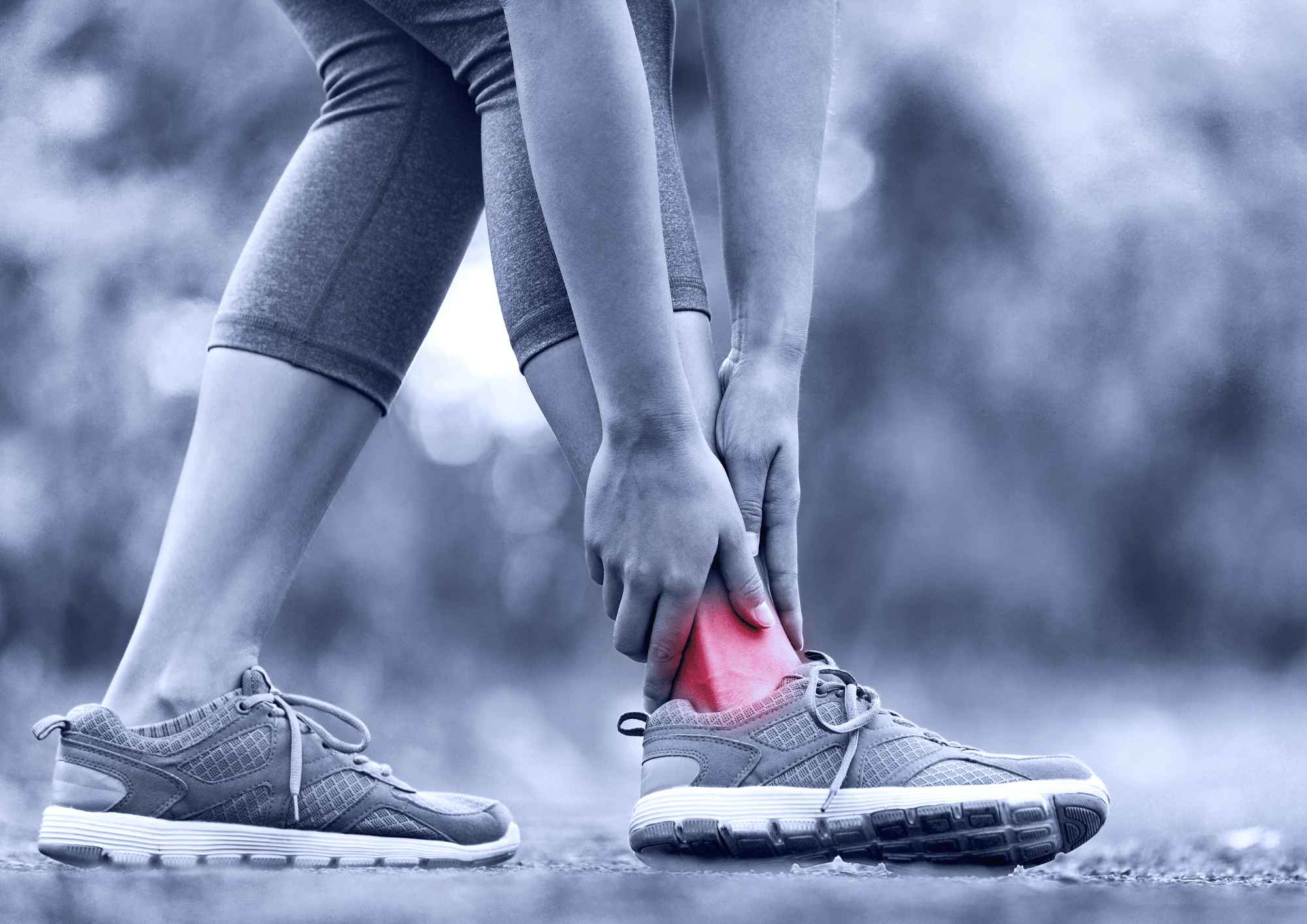
Ankle sprains are common in badminton due to rapid footwork and sudden directional changes. Injuries often occur from incorrect landings or slipping during swift movements on the court.

Symptoms

Symptoms of ankle injuries include pain, swelling, bruising, tenderness, restricted range of motion, and feelings of instability at the joint.

Treatments

Treatment involves rest, ice therapy, compression, elevation, pain medication, physical therapy, and, in severe cases, medical interventions or surgery.

Prevention

Preventive measures include warm-up routines, wearing supportive footwear, using ankle braces or tape, and investing in quality badminton shoes to reduce the impact on ankles during jumps and landings.

Frequently Asked Questions (FAQs)

1. How can I prevent shoulder injuries in badminton?

Shoulder injury prevention tips include warming up before play, strengthening shoulder muscles, maintaining proper technique, and avoiding overexertion.

2. What is the best way to treat tennis elbow from badminton?

Treatment options for tennis elbow include rest, ice therapy, pain medication, bracing, physical therapy, and, if necessary, corticosteroid injections or surgery.

3. How long does it take to recover from an ankle sprain in badminton?

Recovery time for ankle sprains varies depending on the severity of the injury. Mild sprains may heal within a few weeks with rest and rehabilitation, while severe sprains may take several months.

4. Can physiotherapy help prevent recurrent ankle sprains in badminton players?

Yes, physiotherapy can help strengthen ankle muscles, improve flexibility, and enhance stability, reducing the risk of recurrent ankle sprains in badminton players.

5. What are some tips for returning to badminton after recovering from an ankle injury?

Gradually reintroduce activities, follow a tailored rehabilitation program, wear supportive footwear, use ankle braces if necessary, and prioritize proper technique to prevent reinjuries. 

Conclusion

In conclusion, badminton players are susceptible to various sports injuries due to the physical demands of the game. However, with proper preventive measures and timely intervention, many of these injuries can be managed effectively. Physiotherapy plays a crucial role in the rehabilitation process, offering tailored treatment plans to address the unique needs of each player. Synapse Physiotherapy, with its specialised expertise in sports injury management, provides comprehensive care to help badminton players recover from injuries, prevent future setbacks, and enhance performance on the court. With a focus on excellence and patient-centered care, Synapse Physiotherapy is committed to promoting health, longevity, and resilience in the badminton community.

Share This :

Back & Neck Pain

Conditions such as stiffness, postural abnormalities and muscle overuse from prolonged desk work at the office or home is more prevalent than most would think. We provide the necessary tools to fix you up and educate you on ergonomics which can unload unnecessary stress.

Sports Injuries

Rolled ankles, jarred knees, impinged shoulders are few conditions in the plethora of sports injuries which can hamper performance and limit our enjoyment of sports. Physiotherapy not only treats the symptoms of these conditions but propels your overall fitness to greater heights.

Work Desk Injuries​

Conditions such as stiffness, postural abnormalities and muscle overuse from prolonged desk work at the office or home is more prevalent than most would think. We provide the necessary tools to fix you up and educate you on ergonomics which can unload unnecessary stress.

Pre-Post-Surgical Conditions

Surgery involves going through preparation both before and after. Physiotherapists play a vital role in getting your body ready for surgeries with circulatory, breathing and strengthening exercises. After the procedure, let us be there for your recovery and rehabilitation, taking it one step at a time.

Scoliosis & Postural Abnormalities

The way we stand, sit, walk and sleep has influence over our posture and the overall balance of muscles controlling its alignment. A comprehensive screening can be done by our physiotherapists to detect abnormalities, which we will aid in correcting.

Neurological Conditions

Neurological disabilities such as stroke, nerve compression and neuropathies can be barriers for patients to live life to its fullest. We at Synapse are committed to help you overcome these hurdles by ensuring functional mobility and quality of life is at its optimum by providing the right treatment and exercises.

Osteoarthritis & Rheumatism

Joint degeneration and inflammation happens as the human body grows older, but that does not mean our way of life degenerates as well. Relief your joint pains with a joint effort together with your physiotherapist, who will provide pain-relief treatments and prescribe exercises for your wellbeing.

Conditions Relating To Elderly

Common conditions in the older age population include hips & knee pain, back & neck pain, osteoarthritis, rheumatism, fear of falling and many more.  Aging and degeneration of bodily function is inevitable, but here at Synapse, we will help you live the best of your life.
Home Physiotherapy

We understand that some conditions or injuries can make it difficult to receive rehabilitation at our clinic be it mobility or transportation issues. Our objective is to provide you with the same high-quality physiotherapy services at home that you would receive in-clinic.
Posted on

Sports Injury Clinic | About Synapse Physiotherapy

Synapse Physiotherapy

Introduction

Sports injuries, which primarily occur during sports or exercise, extend beyond athletes to encompass individuals in various occupations. For example, factory workers may experience tennis elbow, painters can suffer from shoulder injuries, and gardeners may develop tendinitis, even if they aren’t engaged in traditional sports. Despite this broader scope, “sports injuries” predominantly pertain to those sustained by active individuals.


A sports injury clinic is a specialised medical facility dedicated to addressing the unique challenges posed by injuries related to sports and physical activity. Manned by a team of healthcare professionals, including physiotherapists, these clinics focus on the comprehensive management of sports-related injuries. Their objectives encompass accurate diagnosis through thorough examinations and diagnostic tests, followed by tailored treatment plans that may range from conservative measures like physical therapy to more invasive interventions such as surgery. Additionally, sports injury clinics play a pivotal role in rehabilitation, guiding individuals through structured programs aimed at restoring functionality and preventing the recurrence of injuries. Moreover, these clinics prioritise education on injury prevention strategies to empower athletes, fitness enthusiasts, and active individuals in minimising the risk of future injuries. Whether as standalone facilities or integral parts of larger medical institutions, sports injury clinics contribute significantly to the well-being of those engaged in physical activities by offering specialised care to facilitate recovery and promote long-term health.

Acute Injuries VS Chronic Injuries

Acute injuries are typically the result of sudden trauma to the tissue, with symptoms manifesting almost immediately. The key factor in such cases is that the force applied at the time of injury exceeds the inherent strength of the tissue, affecting muscles, tendons, ligaments, or bones. Acute injuries can be classified based on the site and type, encompassing various anatomical structures and conditions such as fractures, dislocations, sprains, or strains.

These acute injuries can be further categorised into direct and indirect injuries. Direct injuries involve external forces or blows, such as collisions in contact sports or being struck by an object, causing trauma to specific body parts. On the other hand, indirect injuries manifest either some distance from the impact site, as seen in falling on an outstretched hand leading to a dislocated shoulder, or result from internal forces generated by the performer’s actions, such as muscle strains due to overstretching or poor technique.

In contrast, chronic injuries, often referred to as overuse injuries, develop gradually over time due to prolonged and repetitive loading of tissues. Unlike acute injuries, symptoms emerge gradually, and individuals may initially experience little or no pain. Overuse injuries occur when repetitive microtrauma overwhelms the tissue’s capacity to repair itself. Factors such as inadequate rest, overtraining, improper biomechanics, and pre-existing vulnerabilities contribute to cumulative tissue damage surpassing a threshold, resulting in pain and dysfunction. 

Physiotherapy Treatment  

At our Synapse Physiotherapy Center, we specialise in the treatment of both acute and chronic sports injuries. However, it’s important to note that the approach to treatment varies significantly depending on the type of injury you’ve experienced. For acute injuries, physiotherapists often initiate the R.I.C.E. protocol, incorporating rest, ice, compression, and elevation to manage initial inflammation. They employ pain management techniques, such as ultrasound or electrical stimulation, and gradually introduce range of motion exercises followed by targeted strengthening exercises to restore function. In chronic or overuse injuries, physiotherapists focus on identifying underlying causes, including biomechanical issues or muscle imbalances. Tailored exercise programs address weaknesses and imbalances, while manual therapy techniques alleviate pain and improve joint mobility. Education on proper training techniques and activity modifications is provided, and a gradual return-to-activity plan is implemented to prevent re-injury. Throughout the rehabilitation process, effective communication between the athlete and the physiotherapist is crucial for a comprehensive and successful recovery. 

Common sport injury 

Ligament 

Acute ligament injuries are common occurrences in the realm of sports, often resulting from sudden and forceful movements that place excessive stress on the ligaments connecting bones within joints. One prevalent example is the Anterior Cruciate Ligament (ACL) injury, frequently observed in activities involving abrupt stops, directional changes, or awkward landings. Medial Collateral Ligament (MCL) sprains typically arise from direct impacts to the outer knee, prevalent in contact sports like football and hockey. Similarly, Lateral Collateral Ligament (LCL) injuries may occur with a blow to the inner knee. Posterior Cruciate Ligament (PCL) injuries, less frequent than ACL injuries, can result from direct blows or hyperextension. Ankle ligament sprains are commonplace in sports with rapid changes in direction, such as basketball. Additionally, shoulder ligament injuries, like Acromioclavicular Joint (AC Joint) sprains, often stem from falls or impacts, particularly in cycling or contact sports. 

Fracture 

Fractures are not uncommon in the realm of sports injuries, and specific types are frequently observed due to the nature of athletic activities. Stress fractures, resulting from repetitive stress and overuse, are often seen in long-distance runners or athletes engaged in repetitive impact sports, commonly affecting weight-bearing bones like the tibia or metatarsals. Ankle fractures, on the other hand, are prevalent and typically caused by twisting, rolling, or direct impact during sports such as soccer or basketball. These fractures can involve the fibula, tibia, or foot bones.

Wrist fractures, arising from falls onto outstretched hands, are common in sports like skateboarding or gymnastics, potentially affecting the radius, ulna, or carpal bones. Femur fractures, involving the thigh bone, are usually a result of high-impact collisions or falls in sports like football or motor racing. Collarbone fractures, prevalent in contact sports like rugby or hockey, typically occur in the middle or outer third of the collarbone. Hand and finger fractures are seen in sports with direct trauma, such as basketball or martial arts, affecting the metacarpal bones or phalanges.

Tendon 

Tendinopathy, a prevalent condition in sports injuries, manifests as pain, swelling, and functional impairment of tendons subjected to repetitive stress, overuse, or acute trauma. Among the commonly encountered tendinopathies in sports, Achilles tendinopathy stands out, often attributed to overuse in activities like basketball or running, leading to pain and stiffness along the Achilles tendon. Patellar tendinopathy, colloquially known as Jumper’s Knee, results from repetitive jumping or forceful quadriceps contractions, prevalent in sports such as basketball, volleyball, or track and field, causing pain just below the kneecap, particularly exacerbated during jumping or running.

Tennis elbow, or lateral epicondylitis, is another common tendinopathy linked to repetitive gripping and wrist extension, seen in sports like tennis, golf, or activities requiring frequent forearm use, resulting in pain and tenderness on the outer part of the elbow. Its counterpart, golfer’s elbow or medial epicondylitis, arises from repetitive wrist flexion and gripping in sports like golf or racquet sports, causing pain on the inner part of the elbow.

Rotator cuff tendinopathy, associated with overhead arm movements in sports like swimming, baseball, or tennis, manifests as shoulder pain, particularly during overhead activities, along with weakness in the affected arm. Hamstring tendinopathy, caused by overuse or forceful contractions of the hamstring muscles, is prevalent in sports involving sprinting or kicking, resulting in pain in the back of the thigh, often aggravated during running or kicking.


Muscle


Muscle strains, characterised by the stretching or tearing of muscle fibers, are prevalent in sports and often result from abrupt or forceful movements, overexertion, or insufficient warm-up. One common type is the hamstring strain, occurring when the muscles at the back of the thigh experience overstretching or tearing, commonly seen in activities such as sprinting or sudden accelerations. Symptoms of a hamstring strain include pain, swelling, and, in more severe cases, bruising in the affected area.

Another frequently encountered muscle strain is the quadriceps strain, which occurs due to overexertion or sudden movements that strain the quadriceps muscles at the front of the thigh. This type of strain is common in sports that involve rapid changes in direction or powerful leg movements. Symptoms typically include localised pain, tenderness, and potential swelling in the quadriceps region.

Frequently Asked Questions (FAQs)

1. What is a sports injury clinic, and how does it differ from general healthcare facilities?

A sports injury clinic is a specialised medical facility dedicated to addressing injuries related to sports and physical activity. Synapse Physiotherapy, as a leading clinic in Malaysia, offers comprehensive care for sports injuries, focusing on accurate diagnosis, tailored treatment plans, and rehabilitation. Unlike general healthcare facilities, these clinics are staffed by professionals with expertise in sports-related injuries.

2. Who can benefit from services at Synapse Physiotherapy's Sports Injury Clinic?

While the term “sports injuries” might suggest only athletes, our clinic caters to a broader audience. Anyone engaged in physical activities, including sports enthusiasts and individuals with occupational strains (e.g., painters, gardeners), can benefit from our specialised care. The clinic addresses a wide range of injuries beyond traditional sports-related cases.

3. What is the difference between acute and chronic sports injuries?

Acute injuries result from sudden trauma, causing immediate symptoms, while chronic injuries develop gradually due to repetitive stress. At Synapse Physiotherapy, we treat both types of injuries, employing specific approaches such as the R.I.C.E. protocol for acute injuries and tailored exercise programs for chronic injuries.

4. What types of injuries are commonly treated at Synapse Physiotherapy's Sports Injury Clinic?

Our clinic handles various sports-related injuries, including ligament injuries (e.g., ACL, MCL), fractures (e.g., stress fractures, wrist fractures), tendon issues (e.g., Achilles tendinopathy, tennis elbow), and muscle strains (e.g., hamstring, quadriceps). We provide personalised rehabilitation programs, ensuring effective recovery for each injury type.

5. Why should I choose Synapse Physiotherapy for sports injury rehabilitation?

Synapse Physiotherapy offers specialised care designed for a diverse range of injuries, from common strains to complex conditions. Our professional team adheres to evidence-based practices, utilising cutting-edge techniques for personalised care and ongoing support. Choosing our clinic ensures a proactive approach to prevent worsening conditions and facilitates a safe return to an active and healthy lifestyle.

Conclusion

In Malaysia, physiotherapist plays a crucial role in sports injury rehabilitation, emphasising excellence in care. Physiotherapists at Synapse specialise in designing tailored rehabilitation programs for a range of injuries, from common strains to complex conditions, ensuring holistic recovery. The professional team at Synapse adheres to evidence-based practices, utilising cutting-edge techniques for personalised care and ongoing support. Seeking the expertise of a physiotherapist, especially at Synapse, is a proactive approach to prevent worsening conditions and expedite a safe return to physical activities. Physiotherapists are essential partners in sports injury rehabilitation, fostering resilience, preventing re-injuries, and promoting sustained well-being. Making an appointment with a professional physiotherapist is a wise decision for early intervention and an effective return to an active and healthy lifestyle.

Share This :

Back & Neck Pain

Conditions such as stiffness, postural abnormalities and muscle overuse from prolonged desk work at the office or home is more prevalent than most would think. We provide the necessary tools to fix you up and educate you on ergonomics which can unload unnecessary stress.

Sports Injuries

Rolled ankles, jarred knees, impinged shoulders are few conditions in the plethora of sports injuries which can hamper performance and limit our enjoyment of sports. Physiotherapy not only treats the symptoms of these conditions but propels your overall fitness to greater heights.

Work Desk Injuries​

Conditions such as stiffness, postural abnormalities and muscle overuse from prolonged desk work at the office or home is more prevalent than most would think. We provide the necessary tools to fix you up and educate you on ergonomics which can unload unnecessary stress.

Pre-Post-Surgical Conditions

Surgery involves going through preparation both before and after. Physiotherapists play a vital role in getting your body ready for surgeries with circulatory, breathing and strengthening exercises. After the procedure, let us be there for your recovery and rehabilitation, taking it one step at a time.

Scoliosis & Postural Abnormalities

The way we stand, sit, walk and sleep has influence over our posture and the overall balance of muscles controlling its alignment. A comprehensive screening can be done by our physiotherapists to detect abnormalities, which we will aid in correcting.

Neurological Conditions

Neurological disabilities such as stroke, nerve compression and neuropathies can be barriers for patients to live life to its fullest. We at Synapse are committed to help you overcome these hurdles by ensuring functional mobility and quality of life is at its optimum by providing the right treatment and exercises.

Osteoarthritis & Rheumatism

Joint degeneration and inflammation happens as the human body grows older, but that does not mean our way of life degenerates as well. Relief your joint pains with a joint effort together with your physiotherapist, who will provide pain-relief treatments and prescribe exercises for your wellbeing.

Conditions Relating To Elderly

Common conditions in the older age population include hips & knee pain, back & neck pain, osteoarthritis, rheumatism, fear of falling and many more.  Aging and degeneration of bodily function is inevitable, but here at Synapse, we will help you live the best of your life.

Home Physiotherapy

We understand that some conditions or injuries can make it difficult to receive rehabilitation at our clinic be it mobility or transportation issues. Our objective is to provide you with the same high-quality physiotherapy services at home that you would receive in-clinic.