Posted on

How a Spine Specialist Helps Herniated Disc Recovery

spine specialist
spine specialist
Synapse Physiotherapy

Introduction

Recovering from a herniated disc can feel overwhelming, especially when pain, stiffness, or nerve symptoms interfere with daily life. While some people improve with rest and basic care, others require more targeted management to heal safely and effectively. This is where a spine specialist plays a vital role in navigating the complexities of spinal health. Within the first stages of assessment and recovery, they help identify the exact cause of symptoms, rule out serious conditions, and design a treatment plan tailored to your spine and lifestyle.


This is where Synapse Physiotherapy makes the difference through their well-crafted Spine Rehabilitation services, designed to bring these moments of recovery together with comfort, balance, and flow. Rather than rushing through fragmented treatments, we shape each journey with intentional pacing, seamless transitions, and carefully chosen experiences that allow you to truly be present in your healing process. Early involvement of a spine specialist often reduces unnecessary investigations, prevents prolonged pain, and supports a smoother recovery journey.  

Understanding How a Herniated Disc Occurs

A herniated disc occurs when the soft inner portion of a spinal disc pushes through its outer layer, potentially irritating nearby nerves. This can lead to back or neck pain, radiating arm or leg pain, numbness, tingling, or weakness. Understanding how a spine specialist supports recovery can help patients make informed decisions and feel more confident about their treatment path.


The spine is made up of vertebrae stacked on top of one another, separated by discs that act as shock absorbers. These discs allow for flexibility and smooth movement. Over time, due to ageing, repetitive strain, poor posture, or sudden injury, a disc may weaken. When pressure builds, the disc can bulge or rupture, leading to what a spine specialist identifies as a slip or herniated disc. According to Healthline, the specific symptoms of a herniated disc often depend on where the disc is situated in the spinal column and whether the disc is pressing on a nerve.

Accurate Diagnosis as the First Step to Recovery

One of the most important contributions of a spine specialist is making an accurate diagnosis. Not all back or neck pain comes from a herniated disc, and even when disc changes appear on imaging, they may not be the true source of symptoms. They perform a detailed medical history and physical examination, focusing on posture, movement, reflexes, strength, and sensation.


A spine specialist will assess how symptoms behave with certain positions or activities, which provides valuable clues about nerve involvement. When needed, imaging such as MRI is requested strategically, ensuring that findings are interpreted in the context of clinical symptoms rather than in isolation. This careful diagnostic approach helps avoid over-treatment and ensures that recovery strategies are targeted and effective. 

Creating a Personalised, Non-Surgical Treatment Plan

Contrary to common fear, most herniated discs do not require surgery. A spine specialist prioritises conservative care whenever it is safe and appropriate. Recovery plans are individualised based on the disc location, severity of symptoms, activity level, and overall health. Non-surgical management may include:

  • Activity modification to reduce stress on the spine.
  • Structured Spine Rehabilitation to restore mobility and strength.
  • Medications to manage pain and inflammation.
  • Education on posture, ergonomics, and movement patterns.

A spine specialist coordinates care to ensure treatments complement one another rather than working at cross purposes. This comprehensive approach helps patients recover while minimising the risk of recurrence.

Guiding Safe and Effective Physiotherapy

Physiotherapy is a cornerstone of herniated disc recovery, but doing the wrong exercises too early can worsen symptoms. A spine specialist at Synapse Physiotherapy ensures that rehabilitation is introduced at the right time and at the right intensity. This is important in order to define clear goals, such as reducing nerve irritation and improving spinal stability. 


As symptoms improve, exercise programmes are progressed safely to rebuild strength and confidence. This guidance is especially important for patients eager to return to work, sports, or physically demanding activities. By monitoring this progress, the spine specialist ensures that the patient is always moving toward functional restoration.

Managing Pain Without Over-Reliance on Medication

Pain control is essential during recovery, but long-term dependence on painkillers is not ideal. A spine specialist balances pain relief with healing, using medications judiciously and for appropriate durations. In some cases, targeted interventions such as epidural steroid injections or nerve root blocks may be recommended.


These procedures can reduce inflammation around irritated nerves, allowing patients to participate more effectively in rehabilitation. A spine specialist determines whether such interventions are suitable, ensuring they are used as part of a broader recovery plan rather than as a standalone solution.

Identifying When Surgery Is Truly Needed

While most patients improve without surgery, some situations require surgical consideration. A spine specialist is trained to recognise when conservative care is no longer effective or when neurological risk is increasing. Surgery may be considered if:

  • Severe pain persists despite adequate non-surgical treatment.
  • Progressive weakness or numbness develops.
  • There is loss of bladder or bowel control.
  • Quality of life is significantly impaired.

Importantly, a spine specialist does not rush this decision. They explain all options, potential benefits, risks, and recovery expectations, allowing patients to make informed choices. Timely referral can prevent permanent nerve damage.

Long-Term Strategies for Spine Health

Recovery does not end when pain subsides. A spine specialist focuses on preventing recurrence by addressing contributing factors such as poor posture, weak core muscles, and improper lifting techniques. Long-term strategies supported by our professional team may include:

  • Ongoing exercise programs for spinal stability.
  • Ergonomic adjustments at work and home.
  • Lifestyle advice related to weight management and activity.
  • Guidance on safe return to sports or heavy work.

This preventative approach helps patients maintain spine health well beyond the initial episode. Involving a spine specialist early can lead to a clearer recovery plan and reduced anxiety.

Frequently Asked Questions

1. When should I see a spine specialist for back pain?

You should consider seeing a spine specialist if your pain lasts longer than 4–6 weeks despite treatment, if symptoms are worsening, or if pain significantly interferes with your sleep and work.

2. Can a spine specialist help me avoid surgery?

Yes, in many cases. A spine specialist prioritises non-invasive approaches, such as targeted Spine Rehabilitation, which improve function and strength, often making surgery unnecessary.

3. What are the red flags that require an urgent visit to a spine specialist?

Urgent signs include progressive muscle weakness, loss of bladder or bowel control, numbness in the saddle area, or difficulty walking.

4. Is an MRI the first thing a spine specialist will order?

Not necessarily. A spine specialist uses imaging strategically when symptoms suggest nerve involvement or when pain persists, ensuring findings are interpreted alongside a physical exam.

5. How does a spine specialist coordinate my recovery?

A spine specialist acts as a central coordinator, working with a multidisciplinary team of physiotherapists and pain specialists to ensure care is cohesive and aligned with your goals.

Conclusion

A herniated disc can disrupt daily life, but with the right guidance, recovery is achievable. A spine specialist plays a critical role in diagnosing the problem accurately, guiding conservative treatment, managing pain, and identifying when further intervention is needed. More importantly, they provide education, reassurance, and long-term strategies to protect spinal health.


At Synapse Physiotherapy, our professional team works in harmony, equipped with specialist advice to provide comprehensive Spine Rehabilitation tailored to your needs. Whether your symptoms are mild or persistent, involving a spine specialist early can be an effective approach to managing spinal discomfort and preventing further complications. Book a consultation today and take the first step toward restoring your health, mobility, and confidence.


Share This :

Back & Neck Pain

Conditions such as stiffness, postural abnormalities and muscle overuse from prolonged desk work at the office or home is more prevalent than most would think. We provide the necessary tools to fix you up and educate you on ergonomics which can unload unnecessary stress.

Sports Injuries

Rolled ankles, jarred knees, impinged shoulders are few conditions in the plethora of sports injuries which can hamper performance and limit our enjoyment of sports. Physiotherapy not only treats the symptoms of these conditions but propels your overall fitness to greater heights.

Work Desk Injuries​

Conditions such as stiffness, postural abnormalities and muscle overuse from prolonged desk work at the office or home is more prevalent than most would think. We provide the necessary tools to fix you up and educate you on ergonomics which can unload unnecessary stress.

Pre-Post-Surgical Conditions

Surgery involves going through preparation both before and after. Physiotherapists play a vital role in getting your body ready for surgeries with circulatory, breathing and strengthening exercises. After the procedure, let us be there for your recovery and rehabilitation, taking it one step at a time.

Scoliosis & Postural Abnormalities

The way we stand, sit, walk and sleep has influence over our posture and the overall balance of muscles controlling its alignment. A comprehensive screening can be done by our physiotherapists to detect abnormalities, which we will aid in correcting.

Neurological Conditions

Neurological disabilities such as stroke, nerve compression and neuropathies can be barriers for patients to live life to its fullest. We at Synapse are committed to help you overcome these hurdles by ensuring functional mobility and quality of life is at its optimum by providing the right treatment and exercises.

Osteoarthritis & Rheumatism

Joint degeneration and inflammation happens as the human body grows older, but that does not mean our way of life degenerates as well. Relief your joint pains with a joint effort together with your physiotherapist, who will provide pain-relief treatments and prescribe exercises for your wellbeing.

Conditions Relating To Elderly

Common conditions in the older age population include hips & knee pain, back & neck pain, osteoarthritis, rheumatism, fear of falling and many more.  Aging and degeneration of bodily function is inevitable, but here at Synapse, we will help you live the best of your life.

Home Physiotherapy

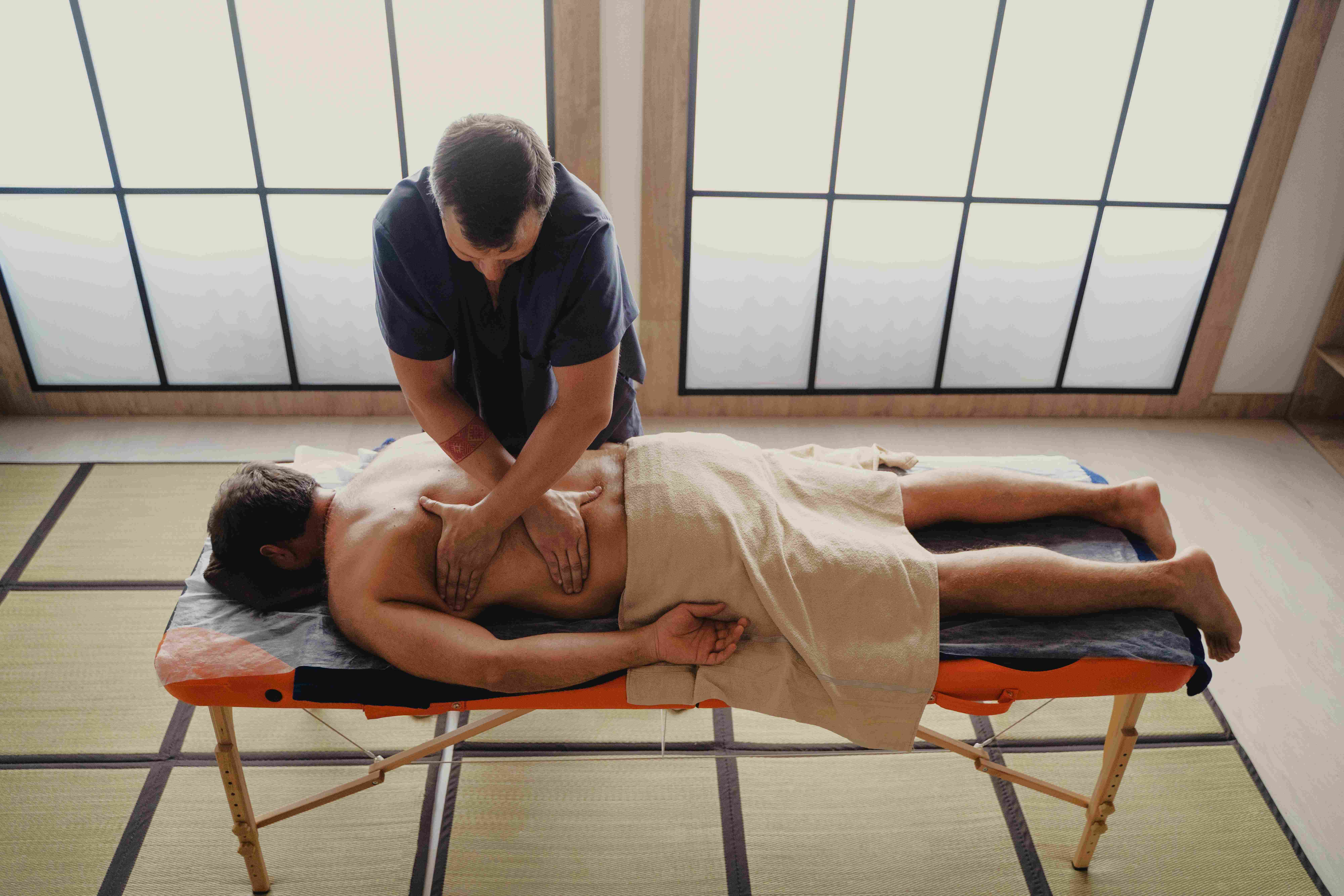
We understand that some conditions or injuries can make it difficult to receive rehabilitation at our clinic be it mobility or transportation issues. Our objective is to provide you with the same high-quality physiotherapy services at home that you would receive in-clinic.
Posted on

When to See a Spine Specialist for Slip Disc Signs

Synapse Physiotherapy

Introduction

Back pain is one of the most common health complaints worldwide, and while many episodes resolve with rest and simple care, some symptoms may point to a more serious issue such as a slip disc. Knowing when to seek help from a spine specialist can make a crucial difference in preventing long-term pain, nerve damage, or disability. Early recognition and timely referral often lead to better outcomes, faster recovery, and safer treatment options.


This is where Synapse Physiotherapy makes the difference through their evidence-based approach and personalised care, designed to bring relief and functional restoration together with comfort and flow. Rather than rushing into invasive procedures, we shape each recovery journey with intentional pacing and professional expertise to ensure you receive the most appropriate care from a spine specialist or clinical expert. Our Spine & Core Rehabilitation services are tailored to allow you to truly be present in your recovery without the burden of persistent pain.

Understanding the Mechanics of a Slip Disc

According to the Mayo Clinic, while many people have no symptoms from a herniated disc, others may experience significant pain that requires clinical evaluation. Your spine is made up of vertebrae stacked on top of one another, separated by discs that act as shock absorbers. These discs allow for flexibility and smooth movement during daily activities. Over time, due to ageing, repetitive strain, poor posture, or sudden injury, a disc may weaken. When pressure builds, the soft inner portion can bulge or rupture through the outer layer, leading to a slip disc.


A spine specialist often sees these issues in the lower back (lumbar spine) and neck (cervical spine), though they can occur anywhere along the spine. It is important to note that not everyone with a disc herniation will experience pain; some people have disc changes seen on scans but no symptoms at all. However, when the disc irritates or compresses nearby nerves, it leads to the neurological symptoms that require professional intervention.

Common Signs and Symptoms to Watch For

Symptoms typically depend on the location of the affected disc and whether nerves are involved. Recognising these signs early can help you decide when to consult a spine specialist. Common indicators include:

  • Localised back or neck pain that may worsen with movement, bending, or prolonged sitting.
  • Radiating pain down the arm or leg, often described as sharp, burning, or electric.
  • Numbness or tingling in the arms, hands, legs, or feet.
  • Muscle weakness, such as difficulty lifting the foot or maintaining balance.
  • Pain that worsens with coughing, sneezing, or straining.

In many cases, these symptoms improve with conservative care such as rest, Spine & Core Rehabilitation, and activity modification. However, if these symptoms persist, a spine specialist should be consulted for a more detailed assessment.

When Symptoms Are No Longer “Normal” Back Pain

Occasional back pain after heavy lifting or long hours of sitting is common. What separates routine discomfort from a potentially serious disc problem is persistence, progression, and neurological involvement. You should consider seeing a spine specialist if your pain lasts longer than four to six weeks despite appropriate treatment, or if symptoms are getting worse instead of better.


A spine specialist has advanced training in spinal conditions and can determine whether your symptoms are disc-related or due to another cause. If the pain significantly interferes with your daily activities, sleep, or work, or if you find yourself relying heavily on painkillers just to function, it is time to seek professional advice. Early input from a spine specialist can prevent unnecessary procedures while ensuring serious conditions are not missed.

Red Flag Signs That Need Urgent Specialist Review

Some symptoms indicate possible nerve or spinal cord compression and require immediate medical attention. You should not delay seeing a spine specialist or visiting an emergency department if you experience “red flag” signs. These include:

  1. Loss of bladder or bowel control.
  2. Progressive muscle weakness in the arms or legs.
  3. Numbness in the saddle area, including the inner thighs, buttocks, or groin.
  4. Severe, unrelenting pain that does not ease even with rest.
  5. Difficulty walking or experiencing frequent falls.

These signs may suggest a serious condition such as cauda equina syndrome, where early intervention by a spine specialist is critical. As detailed by Medical News Today, cauda equina syndrome is a rare but surgical emergency that requires immediate attention to prevent permanent damage.

The Role of a Spine Specialist in Your Recovery

A spine specialist, such as an orthopaedic spine surgeon or neurosurgeon, offers expertise beyond general back pain management. Their role is not just to recommend surgery; in fact, most slip discs do not require surgical intervention. Instead, a spine specialist performs a thorough clinical assessment focused on neurological function.


They help identify the exact source of pain to avoid misdiagnosis and determine whether advanced imaging like an MRI or CT scan is truly necessary. By consulting a spine specialist, you gain access to targeted non-surgical treatments such as injections or advanced medications. If surgery is eventually needed, the spine specialist will explain the risks and benefits clearly to help you make an informed decision.

Non-Surgical vs Surgical Management Options

The majority of slip disc cases improve with conservative treatment guided by a spine specialist. This often involves a professional team providing:

  • Physiotherapy focused on posture, core strength, and mobility.
  • Activity modification and ergonomic advice.
  • Pain and anti-inflammatory medications.
  • Epidural or nerve root injections in selected cases.

Surgery is only considered by a spine specialist if severe nerve pain persists beyond six to twelve weeks, if there is a progressive neurological deficit, or if red flag symptoms are present. The ultimate goal of the spine specialist is to restore your quality of life using the most evidence-based and safe methods available.

Identifying Risk Factors for Disc Problems

Certain individuals are at a higher risk of developing slip disc issues and may be more likely to require the attention of a spine specialist. These risk factors include:

  • Physically demanding jobs involving frequent heavy lifting.
  • Prolonged sitting with poor posture.
  • A history of spinal injury.
  • Being overweight or physically inactive.
  • Smoking, which negatively affects disc health and healing.

Recognising these factors early allows for better prevention strategies. If you fall into these categories, consulting a spine specialist sooner rather than later can help you manage your spinal health proactively.

The Importance of Listening to Your Body

One of the biggest mistakes people make is ignoring ongoing or worsening symptoms, hoping they will simply go away. While patience is often appropriate for mild back pain, persistent nerve-related symptoms deserve the attention of a spine specialist. Seeing a spine specialist does not mean you are committing to surgery; it means you are choosing clarity and an accurate diagnosis.


Your spine supports everything you do, and taking its warning signs seriously is an investment in your long-term health. A timely consultation with a spine specialist ensures that you receive the right treatment at the right time. Whether that involves reassurance, rehabilitation, or advanced intervention, the expertise of a spine specialist is invaluable for protecting your mobility.

Frequently Asked Questions

1. Does a slip disc always require surgery?

No, the majority of slip disc cases improve with conservative care such as physiotherapy and medication, and a spine specialist only recommends surgery in specific, severe cases.

2. What is the first step a spine specialist takes?

A spine specialist will typically perform a thorough clinical assessment of your neurological function and history before deciding if imaging is needed.

3. How long should I wait before seeing a spine specialist?

If your pain persists for more than four to six weeks despite basic care, or if it is getting worse, you should consider seeing a spine specialist.

4. Can imaging alone diagnose my pain?

No, a spine specialist uses imaging in combination with your physical examination, as disc bulges can be seen on scans even in people without pain.

5. What are the “red flags” for a slip disc?

Urgent symptoms that require a spine specialist include loss of bladder/bowel control, saddle area numbness, and progressive muscle weakness.

Conclusion

Slip disc symptoms can range from mild discomfort to serious neurological problems that impact your daily life. Understanding when to seek help can protect your spine and your overall quality of life. If your pain persists, spreads, or is accompanied by weakness, do not wait to consult a spine specialist. At Synapse Physiotherapy, our dedicated physiotherapists are dedicated in providing comprehensive Spine & Core Rehabilitation to help you manage these conditions effectively. Book a consultation today to start your journey towards a pain-free life and discover how our specialised care can support your spinal health.


Share This :

Back & Neck Pain

Conditions such as stiffness, postural abnormalities and muscle overuse from prolonged desk work at the office or home is more prevalent than most would think. We provide the necessary tools to fix you up and educate you on ergonomics which can unload unnecessary stress.

Sports Injuries

Rolled ankles, jarred knees, impinged shoulders are few conditions in the plethora of sports injuries which can hamper performance and limit our enjoyment of sports. Physiotherapy not only treats the symptoms of these conditions but propels your overall fitness to greater heights.

Work Desk Injuries​

Conditions such as stiffness, postural abnormalities and muscle overuse from prolonged desk work at the office or home is more prevalent than most would think. We provide the necessary tools to fix you up and educate you on ergonomics which can unload unnecessary stress.

Pre-Post-Surgical Conditions

Surgery involves going through preparation both before and after. Physiotherapists play a vital role in getting your body ready for surgeries with circulatory, breathing and strengthening exercises. After the procedure, let us be there for your recovery and rehabilitation, taking it one step at a time.

Scoliosis & Postural Abnormalities

The way we stand, sit, walk and sleep has influence over our posture and the overall balance of muscles controlling its alignment. A comprehensive screening can be done by our physiotherapists to detect abnormalities, which we will aid in correcting.

Neurological Conditions

Neurological disabilities such as stroke, nerve compression and neuropathies can be barriers for patients to live life to its fullest. We at Synapse are committed to help you overcome these hurdles by ensuring functional mobility and quality of life is at its optimum by providing the right treatment and exercises.

Osteoarthritis & Rheumatism

Joint degeneration and inflammation happens as the human body grows older, but that does not mean our way of life degenerates as well. Relief your joint pains with a joint effort together with your physiotherapist, who will provide pain-relief treatments and prescribe exercises for your wellbeing.

Conditions Relating To Elderly

Common conditions in the older age population include hips & knee pain, back & neck pain, osteoarthritis, rheumatism, fear of falling and many more.  Aging and degeneration of bodily function is inevitable, but here at Synapse, we will help you live the best of your life.

Home Physiotherapy

We understand that some conditions or injuries can make it difficult to receive rehabilitation at our clinic be it mobility or transportation issues. Our objective is to provide you with the same high-quality physiotherapy services at home that you would receive in-clinic.