Synapse Physiotherapy | Physio Center | Rehab Malaysia
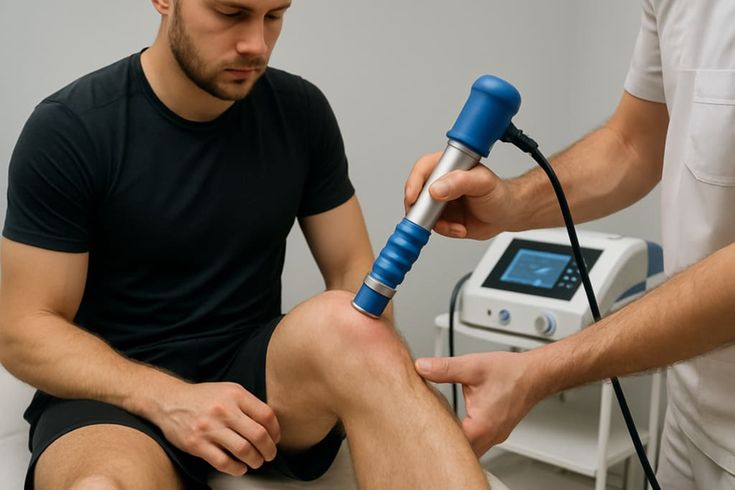
Persistent heel pain can be more than just a minor inconvenience; it is often a frustrating barrier that interferes with your daily walking, fitness routines, or the sports you love. Many individuals suffering from this condition describe a sharp, stabbing sensation in the heel during their first steps each morning or after sitting for long periods. This is where Synapse Physiotherapy makes the difference through our specialised shockwave therapy service, designed to address the root causes of chronic tissue irritation and restore your mobility. Rather than simply managing the symptoms, we shape each recovery journey with intentional pacing and evidence-based clinical techniques that allow you to return to your active lifestyle without the shadow of discomfort.
If you experience recurring discomfort at the bottom of your foot, you may be dealing with plantar fasciitis, which is one of the most common causes of chronic heel pain. According to Harvard Health, plantar fasciitis is often caused by repetitive strain to the ligament that supports the arch of the foot, leading to tiny tears in the tissue that result in stabbing pain, particularly during your first steps in the morning. The pain may ease as you move around, but it can return later in the day if proper care and rehabilitation are not followed.
Over time, repeated stress on the foot can lead to micro-tears and tissue degeneration. When healing is incomplete, the tissue may no longer be able to repair itself efficiently. This transition into a chronic state usually happens when pain lasts longer than three to six months. Common symptoms associated with this condition include:
Several risk factors can contribute to the development of this condition, such as tight calf muscles, reduced foot strength, poor footwear, or high-impact activities like running and golf. When traditional rest and stretching fail to provide lasting relief, it is time to consider advanced interventions.
Shockwave therapy, also known as Extracorporeal Shockwave Therapy (ESWT), is a modern, non-invasive treatment that utilises high-energy sound waves to stimulate healing in damaged soft tissues. It is a highly effective alternative for those who wish to avoid invasive injections or surgery.
The shockwave therapy service at Synapse works by triggering several biological responses within the foot:
Because this method requires no downtime, it is an ideal choice for people who want to stay active during their recovery process.
A standard session of shockwave therapy typically lasts between 10 and 15 minutes. During the procedure, your physiotherapist will first identify the most painful area of your heel. A handheld device is then applied to the skin, delivering controlled pulses of energy directly to the site of injury. While the sensation may feel slightly uncomfortable or “buzzy,” it is generally well-tolerated by most patients. A major benefit of this treatment is that most people can walk immediately after the session and resume their normal daily activities without delay.
While shockwave therapy is a powerful tool, it is most effective when integrated into a structured rehabilitation programme. At Synapse Physiotherapy, we combine technology with expert manual care and exercise prescription to ensure long-lasting results.
Our professional team focuses on several key areas alongside the shockwave sessions:
You should consider the shockwave therapy service at Synapse if your heel pain has lasted more than three months or if the pain keeps returning despite rest and stretching. It is also highly recommended if your daily activities or sports performance are being negatively impacted. Most patients require between 6 and 8 sessions, usually scheduled once per week. It is important to remember that improvement is often gradual, as the body continues to regenerate tissue for several weeks after the final session is completed.
While it can be uncomfortable during the treatment, the sensation is temporary and typically improves as the healing process progresses over subsequent sessions.
Yes, shockwave therapy is a well-researched and safe treatment for chronic plantar fasciitis when performed by trained professionals.
Normal walking is encouraged; however, we may suggest modifying high-impact activities temporarily to allow the tissue to recover.
Some patients notice a difference after just a few sessions, while others experience a more gradual relief of symptoms over a period of 4 to 8 weeks.
Recurrence is much less likely when shockwave therapy is combined with a rehabilitation programme that includes strengthening, footwear advice, and proper load management.
Stubborn heel pain does not have to be a permanent part of your life. Through the advanced application of shockwave therapy, combined with the expert guidance of the professional team at Synapse Physiotherapy, you can effectively restart your body’s healing process. Our comprehensive approach ensures that we don’t just treat the pain, but also address the underlying mechanical issues to keep you moving comfortably in the long term.
If you are ready to stop letting heel pain limit your daily life and want to explore the shockwave therapy service at Synapse, our clinicians are ready to provide a detailed assessment tailored to your specific needs. Don’t wait for the pain to worsen. Take the first step towards a healthier, more active life. Book a consultation with us today and start your journey back to optimal strength and motion.
Tags :







Joint degeneration and inflammation happens as the human body grows older, but that does not mean our way of life degenerates as well. Relief your joint pains with a joint effort together with your physiotherapist, who will provide pain-relief treatments and prescribe exercises for your wellbeing.

Common conditions in the older age population include hips & knee pain, back & neck pain, osteoarthritis, rheumatism, fear of falling and many more. Aging and degeneration of bodily function is inevitable, but here at Synapse, we will help you live the best of your life.