Synapse Physiotherapy | Physio Center | Rehab Malaysia
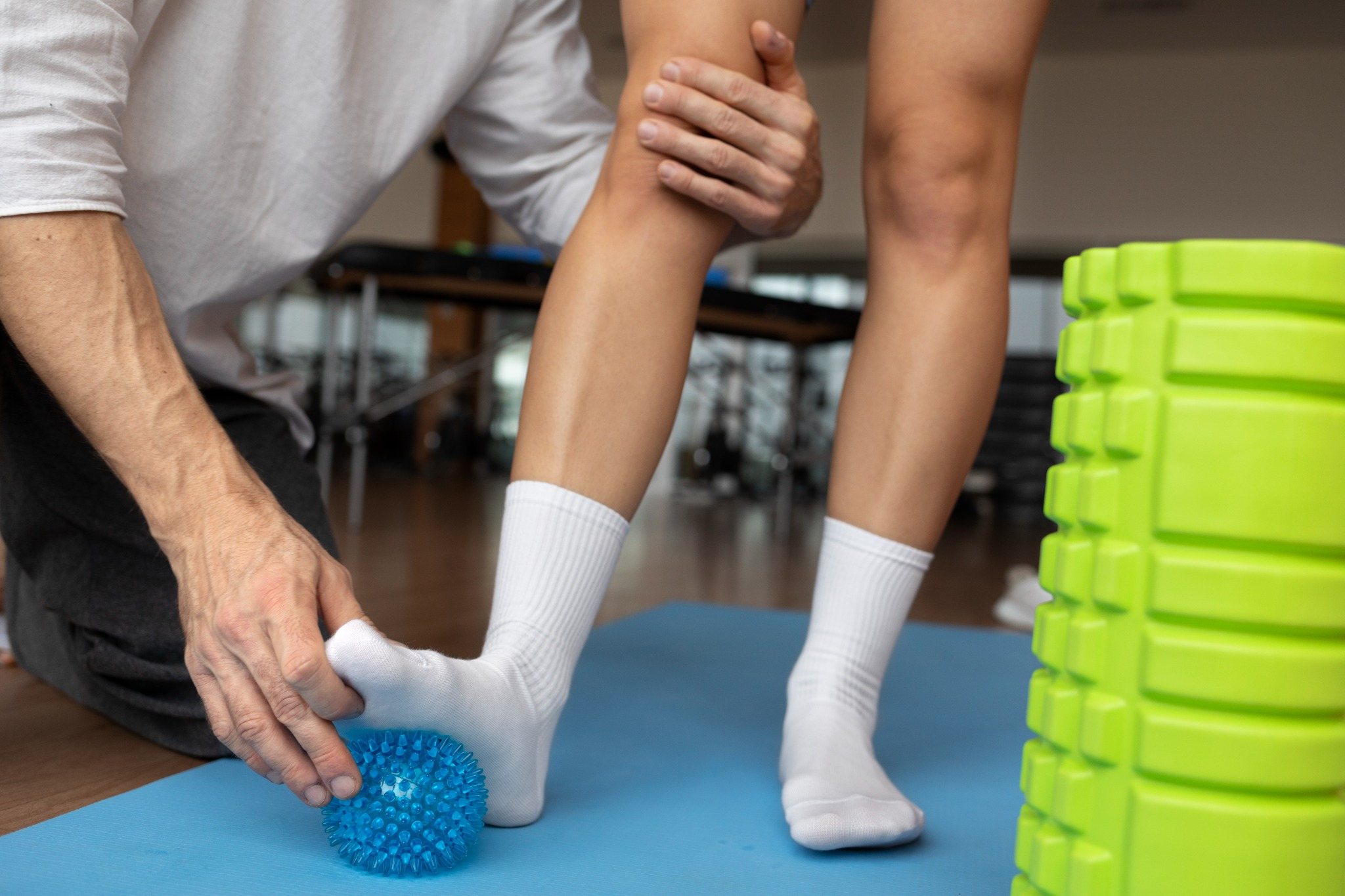
Missing training, competitions, or a big match is frustrating for any athlete, and the urge to rush back is strong. Returning too early, however, may increase the risk of reinjury and delay your recovery. A sports injury clinic helps you work out when it is safe to resume sport through detailed assessments, structured rehabilitation, and return-to-sport testing. Rather than relying only on pain levels or the number of weeks since your injury, your rehabilitation team looks at several factors to judge whether your body is ready for the demands of your sport.
Understanding how these decisions are made helps you set realistic recovery goals and return to competition with greater confidence. A 2016 consensus statement in the British Journal of Sports Medicine describes return to sport as a continuum that runs alongside rehabilitation, with the athlete and the team around them deciding together.
The first step is understanding the injury itself, because different injuries have different recovery timelines. A mild ankle sprain may recover faster than a severe ligament injury, and a strain involving a few muscle fibres usually needs less rehabilitation than a significant tear.
At your first assessment, your physiotherapist may evaluate the location and severity of pain, swelling and bruising, joint range of motion, muscle strength, joint stability, functional limitations, and how the injury happened. X-rays or MRI scans may be recommended when needed to identify fractures, significant soft tissue injuries, or other conditions requiring further management. This helps the team set suitable goals and decide which activities can be introduced safely.
Persistent discomfort may mean the injured area is still sensitive to loading or that your programme needs adjusting. Yet the absence of pain does not automatically mean you are ready for sport. You might walk comfortably but feel pain when running, jumping, or changing direction.
Your team may track pain during daily activities, swelling after exercise, discomfort during sport-specific movements, symptoms several hours after training, and changes in pain over time. Be honest about your symptoms. Hiding pain to speed up your return usually backfires.
Swelling, pain, muscle tightness, or reduced activity can limit movement after an injury. Someone recovering from an ankle sprain may have restricted ankle dorsiflexion, which affects squatting, running, jumping, and landing. A footballer recovering from a hamstring injury may struggle with movements that need good hip and knee mobility.
Your physiotherapist measures joint range of motion and compares the injured side with the other side where appropriate. Mobility exercises, stretching, and movement training then restore the range your sport requires, so you can move comfortably and with control.
Muscles often weaken after injury because of reduced activity, pain, or changed movement patterns. After a knee injury, for example, quadriceps and hamstring strength may drop, which affects accelerating, decelerating, jumping, and changing direction.
A sports injury clinic may use manual muscle testing, resistance exercises, or specific strength assessments, and may compare strength between both limbs. Equal strength on both sides does not guarantee readiness, though. Endurance matters just as much, because you need enough muscle capacity to perform throughout training and competition. A progressive strengthening programme, such as our strength conditioning programme, rebuilds these abilities while preparing the injured area for greater demands.
After an ankle sprain or knee injury, proprioception, your body’s ability to sense joint position and movement, may be reduced. That affects stability when landing, pivoting, and changing direction. Your physiotherapist may assess balance and control with:
If your control is poor, additional balance, coordination, and neuromuscular training may come before more demanding activities.
Coping with everyday activities does not mean you are ready for competitive sport. A runner needs endurance and lower-limb strength, while a basketball player needs jumping ability, rapid acceleration, and controlled landing. Sport-specific tests check whether you can perform movements that closely reflect your sport. Depending on your injury and sport, they may include:
Your performance is monitored for pain, movement quality, strength, coordination, and confidence, which shows whether you can tolerate the real demands of your sport rather than only basic exercises.
Physical recovery is only part of the picture. Some athletes become afraid of repeating the movement that caused the injury. A footballer recovering from a knee ligament injury may hesitate to change direction or challenge another player.
Your physiotherapist may discuss your confidence and concerns, then rebuild trust through gradual exposure, starting with controlled exercises before moving to more unpredictable activities. This matters because fear and hesitation can affect both movement and performance.
Even once you show enough recovery, the return should be gradual. A structured programme may involve five stages:
The progression is individualised, so not everyone follows the same timeline, and some injuries need medical clearance before full activity. Our sport physiotherapy service assesses and treats sport and exercise injuries at any competitive level and age.
Going back before adequate recovery exposes the injured area to demands it cannot yet tolerate. An athlete with incomplete hamstring rehabilitation may strain it again when sprinting at full speed, and poor ankle stability can lead to another sprain during rapid direction changes. Reinjury can interrupt training, hurt performance, and lengthen recovery. A sports injury clinic reduces these risks by monitoring progress and basing decisions on more than time alone. If pain is holding back your rehabilitation, our pain management services can help you stay comfortable as you progress.
Not necessarily. Pain easing does not mean your strength, balance, endurance, and movement control have fully recovered. Your physiotherapist checks these before clearing you for sport.
It depends on the type and severity of the injury, and recovery timelines differ from person to person. Progress through testing and staged training matters more than the number of weeks alone.
Typical tests include range of motion, strength, balance, single-leg squats, jumping and landing drills, and sport-specific tasks such as running, hopping, and changing direction. See the conditions we treat at Synapse.
Sometimes. X-rays or MRI scans may be recommended to identify fractures or significant soft tissue injuries, and some injuries need medical clearance before full activity.
This is common. Your physiotherapist can rebuild confidence through gradual exposure to sport-specific movements, starting with controlled exercises. If you are unsure whether you are ready, book an appointment with Synapse Physiotherapy for a return-to-sport assessment.
Deciding when you can play again involves much more than waiting for pain to disappear. A sports injury clinic evaluates injury severity, mobility, muscle strength, balance, movement quality, functional performance, and psychological readiness, then guides you through a gradual, individualised return. This approach protects you from reinjury and helps you go back to sport with confidence rather than guesswork. Ready for a clear return-to-sport plan? Book an appointment with Synapse Physiotherapy and let our team test your readiness.
Tags :



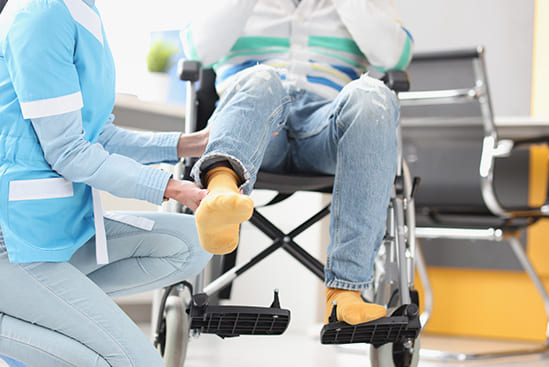


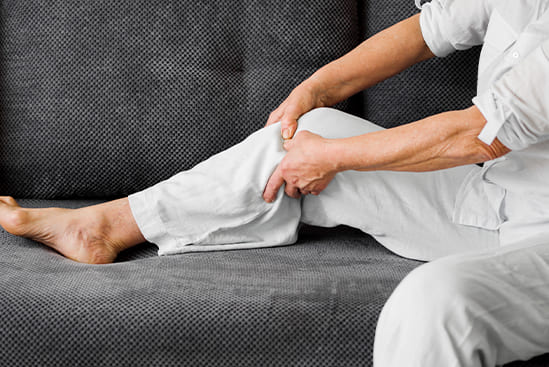
Joint degeneration and inflammation happens as the human body grows older, but that does not mean our way of life degenerates as well. Relief your joint pains with a joint effort together with your physiotherapist, who will provide pain-relief treatments and prescribe exercises for your wellbeing.

Common conditions in the older age population include hips & knee pain, back & neck pain, osteoarthritis, rheumatism, fear of falling and many more. Aging and degeneration of bodily function is inevitable, but here at Synapse, we will help you live the best of your life.