Synapse Physiotherapy | Physio Center | Rehab Malaysia
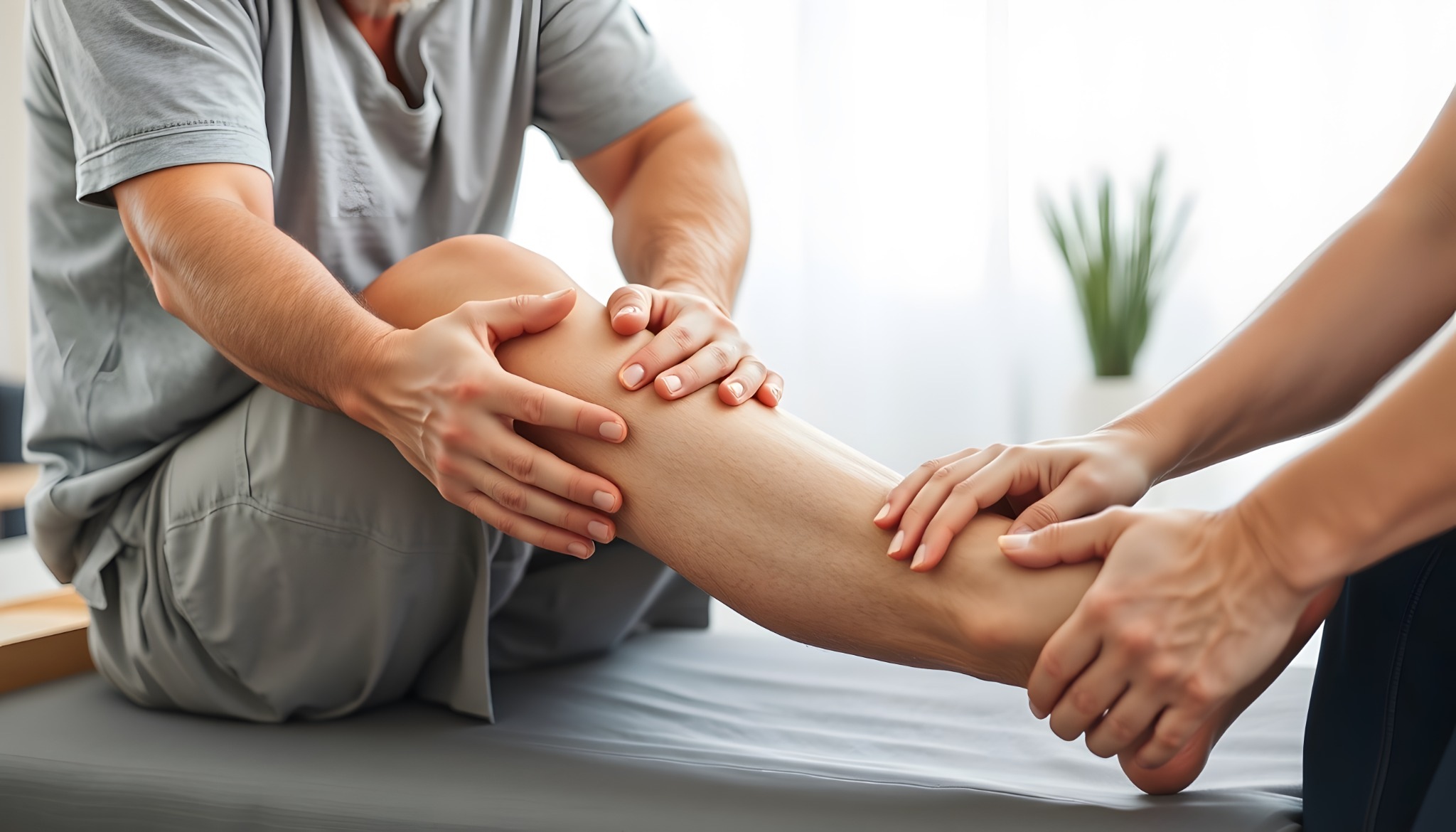
Recovering from knee surgery is a process that takes time, patience, and the right professional support. Whether you have undergone ACL reconstruction, meniscus surgery, or a knee replacement, physiotherapy Petaling Jaya services can provide the structured guidance you need to progress safely through each stage of recovery. Without appropriate rehabilitation, the risk of setbacks, prolonged stiffness, and weakness increases significantly.
Post-surgery physiotherapy is not simply about reducing pain. A well-structured programme aims to restore knee movement, rebuild muscle strength, improve balance and coordination, and gradually return you to the activities that matter to you. With the right assessment and a progressive exercise plan, patients can work towards meaningful recovery goals at a pace that respects the healing process.
Following any knee procedure, it is normal to experience pain, swelling, stiffness, and weakness in the affected leg. Some patients also develop compensatory movement patterns because they are unconsciously protecting the operated knee, which can create problems in the hips and lower back over time.
Physiotherapy addresses these issues through a combination of patient education, targeted exercise, and progressive rehabilitation. Your physiotherapist will assess your current mobility, strength, and movement quality before designing a programme specific to your surgery type, your surgeon’s instructions, and your personal recovery goals.
At Synapse, our team supports patients through a wide range of conditions, including those recovering from knee procedures across the Klang Valley.
Knee rehabilitation generally moves through several stages. Recovery is rarely a straight line, and some patients progress faster in certain areas while needing more time in others. A good physiotherapist will reassess regularly and adjust the programme as you improve.
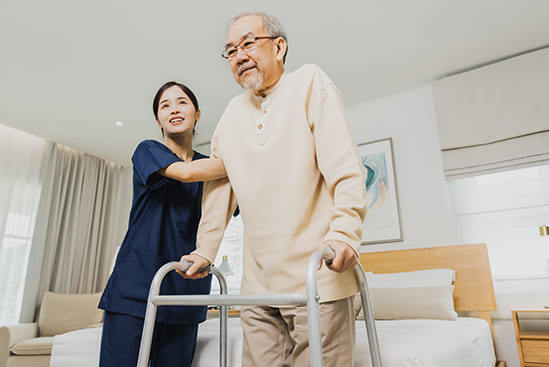
In the early days after surgery, rehabilitation focuses on protecting the knee while gently restoring basic movement. Your physiotherapist will guide you through gentle mobility exercises to prevent stiffness and activate the muscles around the joint. Advice on positioning, walking technique, stair navigation, and the correct use of walking aids is also covered at this stage. Managing swelling early helps lay the foundation for faster progression later.
Stiffness after knee surgery can become a significant obstacle to everyday function. Regaining an appropriate range of motion allows you to walk, sit, stand, and climb stairs with greater ease. Your physiotherapist will prescribe mobility exercises tailored to your surgical procedure and your current range of motion, progressing movement at a rate appropriate for your stage of healing.
Muscle weakness is common after knee surgery, particularly in the quadriceps. As the knee heals, rehabilitation gradually progresses from basic activation exercises to resistance training and functional strengthening. Exercises may include:
Your physiotherapist will adjust the resistance, repetitions, and difficulty as your strength improves. Synapse’s strength and conditioning programme is designed to support this progressive rebuilding of physical capacity.
Strength is only one part of knee rehabilitation. Your nervous system also needs to regain confidence in controlling the leg during movement. Proprioception refers to your body’s awareness of where a joint is positioned and how it is moving. Balance exercises begin with simple supported movements and progress to single-leg activities or more dynamic tasks depending on your goals and activity level.
A successful rehabilitation programme should translate into real improvements in daily life, not just better numbers on an exercise chart.
Your physiotherapist may work with you on practical tasks such as walking longer distances, getting in and out of a car, carrying everyday loads, returning to work, and managing household activities. Functional rehabilitation bridges the gap between isolated clinic exercises and the actual demands of your day-to-day life. Rather than focusing only on what happens in the clinic, the goal is to build a knee that performs well in the real world.
For active individuals, returning to sport is often the biggest motivator in recovery. However, sport readiness should be treated as a gradual process rather than a single milestone. Being able to walk without pain does not mean the knee is ready for running, jumping, or rapid changes of direction.
Sport-specific rehabilitation introduces activities such as jogging, landing, hopping, acceleration, and directional changes progressively and only when the knee is genuinely ready. Your physiotherapist will monitor your strength, movement quality, and tolerance to increasing workloads throughout this process.
An athlete returning after ACL reconstruction requires a considerably more demanding rehabilitation programme than someone recovering from a straightforward procedure with the goal of comfortable daily walking. Synapse’s sport physiotherapy programme is designed to support this gradual and safe return to activity.
There is no single recovery timeline that applies to everyone. Recovery is shaped by many individual factors, and realistic expectations are an important part of the rehabilitation process.
Trying to progress too quickly can place unnecessary stress on healing tissues. Being overly cautious, on the other hand, may delay the return of strength and function. Regular reassessment by your physiotherapist allows the programme to evolve in line with your actual progress.
When looking for physiotherapy Petaling Jaya services after knee surgery, it is worth choosing a clinic that provides an individual assessment and a structured, progressive rehabilitation plan rather than a generic approach applied to all patients.
Ask whether the physiotherapist has experience managing your specific type of knee surgery. Discuss your goals at the first appointment, whether that means walking without assistance or returning to competitive sport. A good programme should be built around where you currently are and where you want to get to.
Physiotherapists in Malaysia who are registered with the Malaysian Physiotherapy Association (MPA) are regulated under the Allied Health Professions Act 2016, giving you added assurance when selecting a clinic. Synapse also offers spine and core rehabilitation for patients who have developed compensatory movement patterns in the lower back and hips during knee recovery.
In most cases, physiotherapy begins within the first few days after surgery. Your surgeon will advise on any specific restrictions, and your physiotherapist will work within those guidelines. Starting early, even gently, helps reduce swelling, prevent stiffness, and maintain muscle activation around the knee.
Some discomfort during exercises is normal, particularly in the early stages of rehabilitation. Your physiotherapist will work within a level that is appropriate for your current stage of recovery and will adjust the programme if something does not feel right. The goal is progressive loading, not unnecessary pain.
In most private physiotherapy clinics in Malaysia, you can book directly without a referral. However, your surgeon’s post-operative instructions are important and should be shared with your physiotherapist at your first session so the rehabilitation plan aligns with any specific restrictions.
Yes. Home exercises are a core part of knee rehabilitation. Your physiotherapist will prescribe exercises appropriate for your stage of recovery that you can perform between clinic sessions. Consistency with home exercises significantly influences both the speed and the quality of your recovery.
This depends on your surgery type, your goals, and how your body responds to rehabilitation. Some patients make good progress in eight to twelve sessions, while others with more complex procedures or higher activity goals may require several months of structured rehabilitation. Your physiotherapist will give you a realistic estimate after your initial assessment.
At Synapse, our experienced physiotherapy team supports patients through every stage of post-surgery knee rehabilitation, from early recovery through to return to sport. With clinics across the Klang Valley, we are accessible to patients throughout the region, including those looking for physiotherapy Petaling Jaya services nearby.
If you have recently undergone knee surgery and are ready to take the next step in your recovery, book a knee rehabilitation assessment with Synapse today.
Tags :



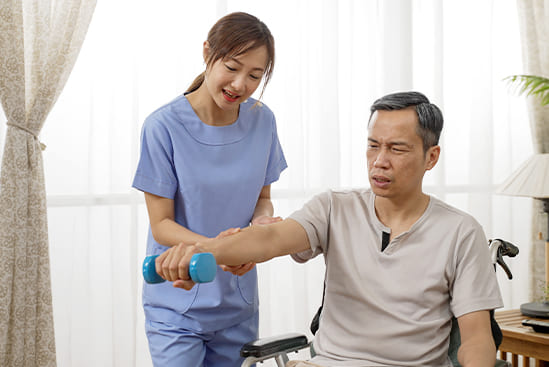
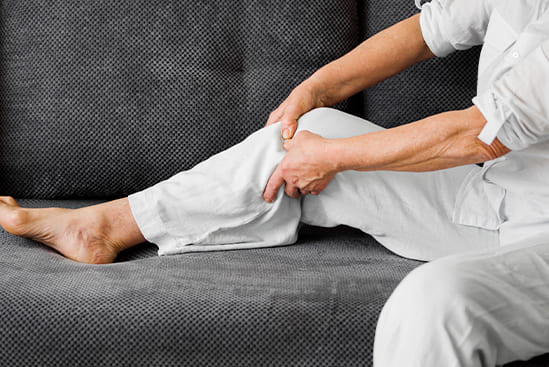
Joint degeneration and inflammation happens as the human body grows older, but that does not mean our way of life degenerates as well. Relief your joint pains with a joint effort together with your physiotherapist, who will provide pain-relief treatments and prescribe exercises for your wellbeing.
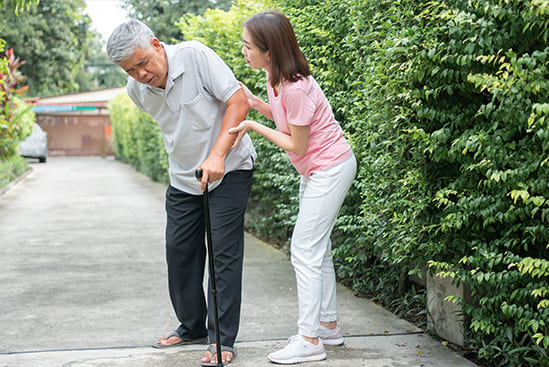
Common conditions in the older age population include hips & knee pain, back & neck pain, osteoarthritis, rheumatism, fear of falling and many more. Aging and degeneration of bodily function is inevitable, but here at Synapse, we will help you live the best of your life.