Synapse Physiotherapy | Physio Center | Rehab Malaysia

A slip disc, also known as a herniated or prolapsed disc, can cause more than back pain. Many people also experience numbness, tingling, burning sensations, or “pins and needles” that travel into the arms or legs. These symptoms can feel worrying because they often suggest that a spinal nerve is irritated or compressed.
Physiotherapy for slip disc is one of the most common non-surgical approaches used to manage these symptoms. It focuses on reducing nerve irritation, improving spinal movement, strengthening supporting muscles, and helping patients move safely again. With the right guidance, many people can improve their symptoms and return to daily activities with greater confidence.
At Synapse Physiotherapy, treatment is personalised based on your symptoms, pain level, movement ability, and recovery goals.
The spine is made up of bones called vertebrae, with soft discs between them. These discs act as shock absorbers and help the spine move smoothly. A slip disc happens when part of the disc bulges or pushes outwards. If it presses on a nearby nerve, it may cause pain, numbness, tingling, or weakness.
The NHS guide to slipped disc explains that a slipped disc can cause pain if it presses on nerves, and symptoms may include numbness, tingling, or weakness in the body.
A lumbar slip disc in the lower back may cause symptoms that travel into the buttock, thigh, calf, or foot. This is commonly known as sciatica. A cervical slip disc in the neck may cause symptoms that travel into the shoulder, arm, hand, or fingers. Understanding where the symptoms travel can help a physiotherapist identify which nerve may be affected.
Physiotherapy for slip disc is designed to reduce stress on the affected nerve and improve spinal movement. The goal is not to force the disc back into place, but to create a better healing environment, reduce irritation, and help the body regain normal function.
What a Slip Disc Treatment Plan May Include:
Why Treatment Must Be Adjusted to Your Symptoms:
Every patient responds differently. For example, if a movement increases tingling down the leg, it may need to be modified or temporarily avoided. Treatment progresses based on how the body responds at each stage.
What Your Physiotherapist Will Assess Before Starting Treatment:
Safe and effective slip disc rehabilitation always begins with a thorough assessment. Understanding your specific presentation ensures treatment is appropriate, progressive, and unlikely to aggravate symptoms.
Some patients feel better in certain positions because those positions reduce pressure on the affected nerve. A physiotherapist may teach gentle movement or positioning strategies to reduce symptoms.
These may include supported lying positions, gentle extension or flexion-based movements, pelvic tilts, or carefully guided spinal mobility exercises. The right direction depends on the individual. Some people improve with extension-based exercises, while others need a different approach.
This is why physiotherapy for slip disc should be personalised rather than based on random exercises online. The safest movement is the one that reduces symptoms, improves comfort, and does not cause worsening numbness, tingling, or weakness.
Poor posture can place additional stress on the spine and worsen disc-related symptoms. Long hours of sitting, slouching, bending forward, or lifting incorrectly may increase nerve irritation.
A physiotherapist may teach safer sitting positions, lumbar support strategies, work desk adjustments, and movement breaks. You may also learn how to bend, lift, stand, walk, and sleep in ways that reduce pressure on the spine.
At Synapse Therapy’s physiotherapy services, patients can explore physiotherapy support for pain relief, mobility, strengthening, and rehabilitation. For slip disc recovery, education is important because daily habits can strongly influence symptoms.
Manual therapy may be used as part of physiotherapy for slip disc when clinically appropriate. Techniques may include:
Why Muscle Tightness Occurs Around a Disc Injury:
When a nerve is irritated, surrounding muscles naturally tighten to protect the area. While this is a normal response, excessive muscle guarding can make movement more restricted and uncomfortable. Gentle manual therapy may help reduce this tension and restore mobility.
Important Considerations for Manual Therapy:
Manual therapy works best as a supportive tool within a broader rehabilitation plan, not as a primary or standalone treatment for slip disc conditions.
Exercise therapy is a key part of recovery. The right exercises can help improve flexibility, restore strength, reduce stiffness, and support the spine during daily movement.
Nerve gliding, also known as neural mobilisation, involves gentle movements that help the nerve move more freely through surrounding tissues. These exercises may help reduce nerve sensitivity and improve symptoms such as tingling or pins and needles.
Core muscles help support the spine. Exercises such as abdominal bracing, pelvic tilts, bridging, and modified planks may be used when appropriate. Stronger support can reduce strain on the discs and improve confidence during movement.
Tight muscles around the hips, hamstrings, back, or neck may increase stress on the spine. Gentle stretching can improve mobility and reduce compensations. Stretching should stay within a comfortable range and should not increase nerve symptoms.
As symptoms improve, exercises may progress into standing, walking, lifting, bending, and work-related movements. This helps patients return to real-life activities safely.
Pain management helps patients move more comfortably and participate in rehabilitation. Physiotherapy for slip disc may include heat or cold therapy, electrotherapy such as TENS, taping, soft tissue techniques, and gentle mobility work.
These methods can reduce discomfort, but they should support active recovery rather than replace it. Long-term improvement usually depends on strengthening, movement correction, and better daily habits.
The NHS back pain advice recommends staying active and continuing normal activities as much as possible for most back pain, while seeking medical help if symptoms are severe or do not improve.
Early treatment is helpful because nerve symptoms can become more difficult to manage if they persist for too long. When numbness and tingling are ignored, some people may develop weakness, fear of movement, poor posture, and reduced mobility.
Starting physiotherapy for slip disc early may help reduce irritation, prevent stiffness, and support safer recovery. It can also help patients understand which symptoms are expected and which symptoms need urgent attention.
Early care does not mean rushing recovery. It means choosing safe movements, managing symptoms, and progressing at the right pace.
Although many slip disc symptoms improve with physiotherapy, some signs require urgent medical review. Seek immediate medical attention if you experience loss of bladder or bowel control, numbness around the groin or saddle area, severe or worsening weakness, difficulty walking, or rapidly increasing numbness.
These symptoms may suggest serious nerve involvement and should not be ignored. A qualified physiotherapist will screen for these signs and refer you when needed.
One of the main goals of physiotherapy for slip disc is reducing the risk of future flare-ups. Prevention may include regular strengthening, posture awareness, safer lifting techniques, movement breaks, weight management, and avoiding prolonged positions that irritate symptoms.
A long-term plan may also include core strengthening, hip mobility, walking programmes, ergonomic advice, and gradual return to exercise. The more you understand your spine and triggers, the easier it becomes to manage symptoms before they worsen.
Yes. Physiotherapy for slip disc may help by reducing nerve irritation, improving spinal movement, strengthening support muscles, and guiding safe recovery.
Tingling can happen when a nerve is irritated. It is not always serious, but it should be assessed, especially if it worsens, spreads, or comes with weakness.
Exercises depend on your condition. They may include nerve glides, core activation, gentle mobility work, stretching, and progressive strengthening.
It can if exercises are too aggressive or unsuitable. A qualified physiotherapist should adjust treatment based on your response.
Recovery varies. Some people improve within weeks, while others need several months depending on severity, nerve involvement, lifestyle, and consistency.
Numbness and tingling from a slip disc can be concerning, but they are often manageable with the right treatment plan. Physiotherapy for slip disc can help ease nerve irritation, restore movement, strengthen spinal support, and improve daily function safely.
The key is proper assessment and personalised care. Exercises should be introduced gradually, pain should be monitored, and warning signs should never be ignored. With consistent rehabilitation and professional guidance, many patients can return to normal activities with better confidence and reduced symptoms.
For personalised slip disc and nerve-related rehabilitation, visit Synapse Physiotherapy’s condition page or book an appointment today to seek professional opinion.
Tags :



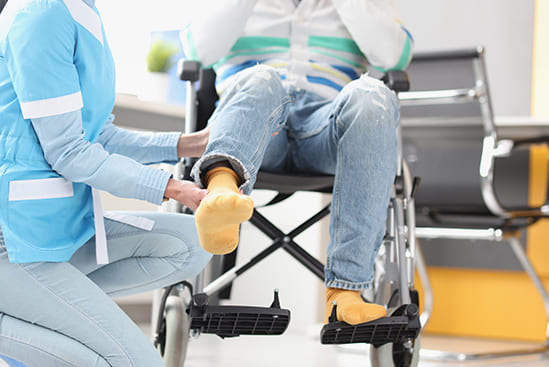


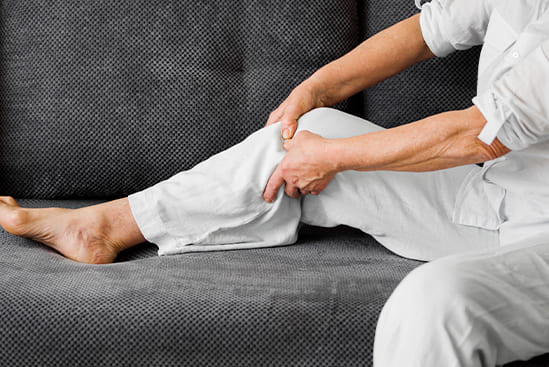
Joint degeneration and inflammation happens as the human body grows older, but that does not mean our way of life degenerates as well. Relief your joint pains with a joint effort together with your physiotherapist, who will provide pain-relief treatments and prescribe exercises for your wellbeing.

Common conditions in the older age population include hips & knee pain, back & neck pain, osteoarthritis, rheumatism, fear of falling and many more. Aging and degeneration of bodily function is inevitable, but here at Synapse, we will help you live the best of your life.