Synapse Physiotherapy | Physio Center | Rehab Malaysia

As more families look for convenient and personalised healthcare support, Home Physiotherapy has become a valuable option for seniors who need rehabilitation, mobility training, pain relief, or long-term physical care. Instead of travelling to a clinic, elderly patients can receive professional physiotherapy in the comfort of their own home, where treatment can be adapted to their real daily environment.
For seniors recovering from surgery, managing chronic pain, dealing with balance issues, or trying to maintain independence, Home Physiotherapy can make rehabilitation safer and more practical. It reduces the stress of travelling, allows the physiotherapist to assess home safety, and helps seniors practise movements they actually use every day.
At Synapse Physiotherapy, physiotherapy care focuses on improving movement, reducing pain, supporting recovery, and helping patients regain confidence in daily activities.
Ageing can bring changes such as reduced muscle strength, joint stiffness, slower reflexes, poorer balance, and lower endurance. These changes may make daily activities such as walking, standing, bathing, dressing, and climbing stairs more difficult.
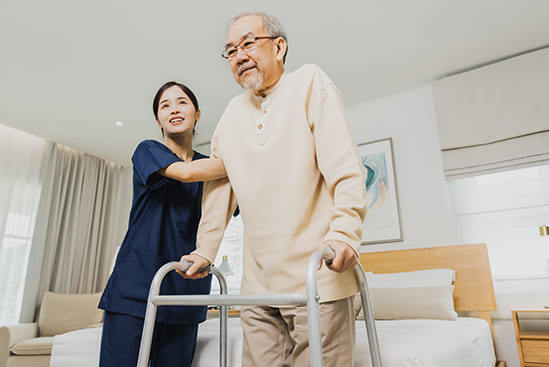
Home Physiotherapy helps seniors improve mobility and function while staying in a familiar environment. This is especially useful for seniors who have difficulty travelling, use walking aids, recently had surgery, or are at risk of falls.
The NHS guide to physiotherapy explains that physiotherapy can help restore movement and function when someone is affected by injury, illness, or disability. For seniors, this support can be essential for maintaining independence and quality of life.
Before beginning Home Physiotherapy, a proper assessment from a qualified physiotherapist is an essential first step. This ensures that all treatment methods and exercises are safe and appropriate for the individual.
What the Initial Assessment May Cover:
Physical evaluation:
Medical background:
Why a Personalised Plan Matters:
Generic exercises may not be safe or suitable for every senior. A tailored plan helps to:
Skipping the assessment and jumping straight into exercises carries unnecessary risk. A structured evaluation ensures that Home Physiotherapy begins safely and progresses at the right pace.
Safety is one of the most important parts of Home Physiotherapy. Seniors may be at higher risk of falls due to weakness, dizziness, poor vision, joint stiffness, or balance problems. A physiotherapist can assess the home environment and suggest practical changes.
Common recommendations may include removing loose rugs, clearing clutter, improving lighting, using non-slip mats, installing grab bars in bathrooms, arranging furniture for easier movement, and keeping frequently used items within reach.
The NICE falls prevention guideline highlights the importance of falls assessment and prevention for older adults. A safe home environment helps seniors feel more confident during exercises and daily activities.
Consistency is key for progress. Home Physiotherapy works best when exercises are done regularly and safely. Small, consistent efforts often lead to better results than occasional intense sessions.
Seniors should follow the schedule recommended by their physiotherapist. This may include supervised sessions and simple home exercises between appointments. Caregivers can help by setting reminders, preparing the exercise area, and encouraging the senior to stay consistent.
Progress may be gradual, especially after surgery, illness, or long periods of inactivity. However, regular practice can improve strength, flexibility, balance, and confidence over time.
One major benefit of Home Physiotherapy is that it can focus on real-life movements. Instead of only doing isolated exercises, seniors can practise activities that directly improve daily independence.
Functional training may include sitting and standing from a chair, walking safely, turning, climbing stairs, reaching, bending, getting in and out of bed, and moving around the bathroom or kitchen.
These exercises are practical because they match the senior’s daily needs. At Synapse Therapy’s physiotherapy services, treatment can be tailored to improve mobility, strength, balance, recovery, and long-term function.
Clear communication helps make treatment safer and more effective. Seniors should tell their physiotherapist if they feel pain, dizziness, fatigue, numbness, breathlessness, or discomfort during exercises.
They should also report changes in symptoms, new medical issues, falls, medication changes, or difficulty completing home exercises. This allows the physiotherapist to adjust the treatment plan when needed.
During Home Physiotherapy, pushing through severe pain is not recommended. Exercises should be challenging but safe. The physiotherapist can modify intensity, repetitions, support level, or exercise type based on the senior’s response.
A complete senior rehabilitation plan usually includes strength, balance, and flexibility exercises. Each plays a different role in safe movement.
Strength training helps maintain muscle mass and supports joints. Balance training reduces fall risk and improves confidence. Flexibility exercises help reduce stiffness and make daily movements easier.
For example, sit-to-stand exercises can strengthen the legs. Heel raises can improve calf strength. Supported balance exercises can improve stability. Gentle stretching can improve comfort and range of motion. In Home Physiotherapy, these exercises are adapted to the senior’s ability and progressed gradually.
Goals help seniors stay motivated. Instead of focusing only on “getting better”, it is useful to set specific and meaningful goals. These may include walking independently for 10 minutes, climbing stairs safely, standing from a chair without help, or reducing knee pain during daily tasks.
Tracking progress can build confidence. Seniors and caregivers may note improvements in walking distance, balance, pain levels, strength, or independence. Small milestones should be celebrated because they show that recovery is moving in the right direction.
At Synapse Physiotherapy, personalised care can help patients work towards realistic goals based on their condition and daily needs.
Exercise is only one part of recovery. Proper nutrition and hydration play an equally important role in supporting muscle strength, energy levels, and the body’s ability to heal.
Key Nutritional Needs for Seniors in Recovery:
How Poor Nutrition Can Affect Recovery:
How Families Can Help:
Good nutrition and hydration work alongside Home Physiotherapy to give the body the foundation it needs to recover, strengthen, and respond well to treatment.
Some seniors may need walking sticks, walkers, braces, or other assistive devices. These tools can improve safety when used properly, but they must be fitted and taught correctly.
A physiotherapist can guide seniors on how to use assistive devices safely, adjust the height, practise walking, and reduce reliance when appropriate. Incorrect use may increase fall risk or cause strain in the shoulders, wrists, or back.
During Home Physiotherapy, the physiotherapist can observe how the senior uses the device in real home spaces, including narrow hallways, bathrooms, stairs, and doorways.
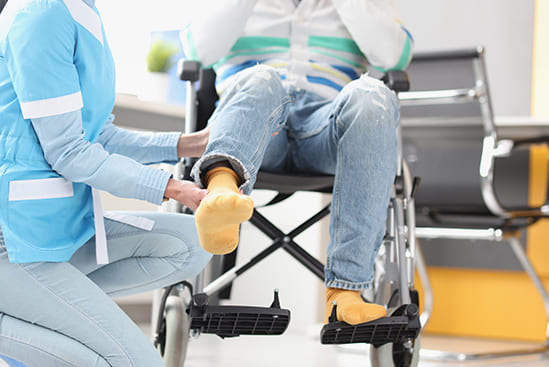
Family support can make a major difference in senior rehabilitation. Caregivers can help supervise exercises, provide encouragement, monitor safety, assist with mobility, and report changes to the physiotherapist.
However, caregivers should also learn safe handling techniques. Pulling or lifting incorrectly may injure both the senior and the caregiver. A physiotherapist can teach safe transfers, walking assistance, and how to support exercises without overhelping.
While consistency is important, doing too much can cause fatigue, pain, or setbacks. Seniors should follow the prescribed exercise intensity and take rest when needed.
Warning signs such as chest pain, severe dizziness, unusual breathlessness, sudden weakness, or intense pain should not be ignored. The physiotherapist should be informed immediately if symptoms feel unusual or concerning.
The goal of Home Physiotherapy is gradual improvement, not rapid progression. Safe recovery comes from building strength and confidence step by step.
Home Physiotherapy is physiotherapy treatment provided at the patient’s home. It helps seniors receive professional rehabilitation without needing to travel to a clinic.
Seniors with mobility issues, pain, balance problems, post-surgical weakness, stroke recovery needs, arthritis, or fall risk may benefit from home-based care.
Yes, when provided by a qualified physiotherapist. Exercises and treatment should be personalised according to the senior’s condition, ability, and safety needs.
This depends on the treatment plan. Some exercises may be done daily, while supervised sessions may be scheduled weekly or several times per week.
Yes. Balance training, strengthening, gait practice, home safety advice, and caregiver education can help reduce fall risk.
Home Physiotherapy offers seniors a safe, practical, and personalised way to improve mobility, reduce pain, prevent falls, and maintain independence. The best results come from professional assessment, a safe home environment, consistent exercises, open communication, caregiver support, and realistic goals.
For elderly patients, rehabilitation should focus on real-life function, not just isolated exercises. Practising walking, standing, transferring, balancing, and daily movements at home can make recovery more meaningful and sustainable. Visit Synapse Physiotherapy’s conditions page to view various treatment programmes to support a loved one with senior rehabilitation, or book a session today to seek professional help.
Tags :





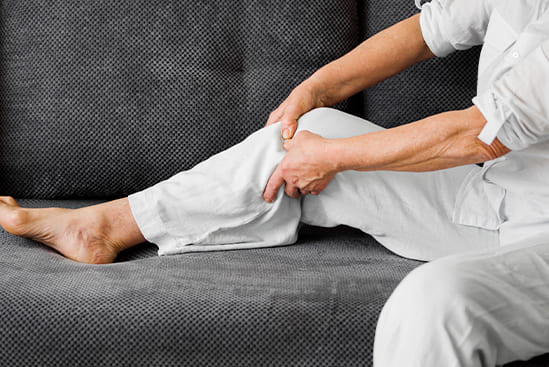
Joint degeneration and inflammation happens as the human body grows older, but that does not mean our way of life degenerates as well. Relief your joint pains with a joint effort together with your physiotherapist, who will provide pain-relief treatments and prescribe exercises for your wellbeing.

Common conditions in the older age population include hips & knee pain, back & neck pain, osteoarthritis, rheumatism, fear of falling and many more. Aging and degeneration of bodily function is inevitable, but here at Synapse, we will help you live the best of your life.