Synapse Physiotherapy | Physio Center | Rehab Malaysia

Spending long hours at a desk, performing repetitive tasks, or carrying heavy equipment can gradually place stress on the body. Many working adults experience back pain, neck stiffness, shoulder discomfort, and muscle tension because of their daily job demands. Seeking physiotherapy Kuala Lumpur services can help you manage work-related body pain, improve mobility, and return to your daily routine with greater comfort.
You are far from alone. The World Health Organization reports that low back pain affected around 619 million people worldwide in 2020 and is the leading cause of disability globally. Whether you work in an office, a healthcare facility, or a warehouse, understanding how your job affects your body is the first step towards preventing persistent pain.
Work-related pain usually develops gradually through repetitive movements, prolonged positions, poor workstation setups, or physically demanding tasks.
Extended sitting, standing, or lifting is a common trigger. Sitting for long periods may contribute to stiffness, while repeated bending and lifting place extra demands on the muscles and joints around the lower back.
Holding your head in one position, working with poorly placed screens, and repeatedly reaching for equipment can all lead to tension and stiffness. Our guide to neck strain in desk-based tech workers explains how this develops.
Repetitive typing, mouse use, and gripping may contribute to wrist and hand discomfort. Some people also develop symptoms linked to carpal tunnel syndrome or tendon irritation.
Prolonged desk work and repetitive upper-limb activity can cause discomfort around the upper back and shoulder blades.
Physiotherapy gives you a structured way to manage pain by addressing physical limitations and improving how well your body tolerates daily activity.
The first step is a detailed assessment. Rather than focusing only on the painful area, your physiotherapist looks at how different parts of your body move and work together. This may include:
Knowing your job demands matters. Someone with lower back pain from prolonged sitting needs a different approach from a warehouse worker who regularly lifts heavy objects.
Physiotherapists may recommend mobility exercises, stretching, and suitable manual therapy to ease stiffness. Strengthening exercises for the core, upper back, hips, shoulders, and forearms then help you hold comfortable working positions for longer. Intensity is adjusted to your abilities and symptoms. Programmes such as our spine and core rehabilitation programme are built around this principle.
A physiotherapist can give practical advice on your workstation setup. Useful adjustments include:
There is no single perfect posture for everyone. Regular movement and changing positions through the day matter just as much.
Short exercises can reduce stiffness during the working day, but they should suit your condition and ability, so check with a physiotherapist before starting.
Try gentle neck rotations, chin tucks, shoulder rolls, and shoulder blade squeezes.
Pelvic tilts, cat-cow movements, gentle knee-to-chest stretches, and glute bridges may help when appropriate.
Gentle wrist flexion and extension, forearm rotations, and finger opening and closing can ease repetitive strain. If you have numbness, tingling, or persistent hand weakness, get assessed first.
Even with a well-adjusted workstation, staying in one position for hours causes stiffness. Stand up periodically, walk for a few minutes, and change your sitting position. If your job is physically demanding, alternate tasks, use appropriate lifting techniques, and allow enough rest between strenuous activities.
Occasional stiffness may improve with rest and gentle movement. Persistent or recurring pain should not be ignored, especially when it affects your work or daily activities. Consider an assessment if you have back, neck, or shoulder pain that keeps returning, stiffness that limits movement, or pain that continues despite changing your daily habits.
Seek prompt medical assessment if you develop new or progressive limb weakness, significant numbness, or other concerning symptoms. Severe back pain with new bladder or bowel control problems, or numbness around the groin, needs emergency medical attention.
Working adults often have packed schedules and struggle to put their physical health first. Accessing physiotherapy Kuala Lumpur services gives you professional assessment and structured rehabilitation that fits around the demands of your job. Synapse Physiotherapy runs clinics across the city, including Damansara Heights, KL Sentral, Ampang, Kuchai Lama, and Desa Sri Hartamas, so there is often a branch close to your office or home.
Your programme considers your symptoms, occupation, lifestyle, and recovery goals. Our pain management services add options such as electrotherapy and shockwave therapy where they suit your condition. The focus is not just to relieve discomfort temporarily but to improve physical function and help prevent recurring problems.
Pain that builds during the working week, eases on days off, and returns when you resume the same tasks is often linked to your job. A physiotherapy assessment can confirm the likely contributing factors.
Yes. Physiotherapy Kuala Lumpur clinics commonly treat neck, shoulder, and back discomfort from prolonged desk work using exercises, manual therapy when appropriate, and workstation advice. See how we manage desk work injuries on our conditions page.
Your physiotherapist asks about your symptoms, job, and daily activities, then checks your movement, strength, flexibility, and posture. They explain what may be contributing to your pain and set out a plan with exercises you can do at home.
There is no rule that suits everyone. A common starting point is to change position or stand up every 30 to 60 minutes, even for a minute or two.
See a doctor promptly for new or worsening limb weakness, significant numbness, or severe back pain with bladder or bowel changes. For ongoing aches and stiffness, book an appointment with Synapse Physiotherapy for an assessment.
Work-related body pain can affect productivity, concentration, sleep, and quality of life, but early attention stops symptoms from becoming more disruptive. With a personalised programme from a physiotherapy Kuala Lumpur clinic and consistent self-care, you can manage pain more effectively and carry on with your responsibilities with greater confidence. Ready to start? Book an appointment with Synapse Physiotherapy and let our team assess what is behind your pain.
Tags :






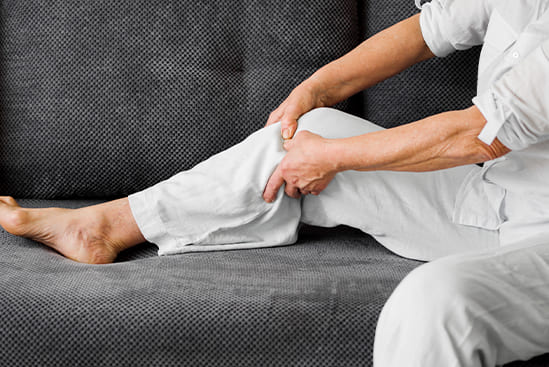
Joint degeneration and inflammation happens as the human body grows older, but that does not mean our way of life degenerates as well. Relief your joint pains with a joint effort together with your physiotherapist, who will provide pain-relief treatments and prescribe exercises for your wellbeing.

Common conditions in the older age population include hips & knee pain, back & neck pain, osteoarthritis, rheumatism, fear of falling and many more. Aging and degeneration of bodily function is inevitable, but here at Synapse, we will help you live the best of your life.