Synapse Physiotherapy | Physio Center | Rehab Malaysia

Muscle pain can affect everyday activities, exercise performance, and quality of life. Whether it follows an intense workout, prolonged sitting, repetitive movements, or a sports injury, persistent muscle discomfort can make simple tasks challenging. One option your physiotherapist may recommend is dry needling. If you have been searching for dry needling near me, understanding how it works, when it may be appropriate, and what to expect helps you make an informed decision.
Dry needling is a physiotherapy technique that inserts a thin, sterile needle into selected areas of muscle or other soft tissue. It is commonly used for myofascial pain and sensitive areas often called trigger points, which feel tender when pressed and can sometimes refer pain to nearby regions. Unlike injections, dry needling does not inject medication. The needle provides mechanical stimulation to targeted tissue, aiming to reduce pain and improve movement when appropriate. It is often combined with therapeutic exercises, manual therapy, mobility training, and activity advice. It is not necessary for every type of muscle pain, so a physiotherapist should assess you first.
Dry needling may be considered when muscle pain, tenderness, or movement restriction interferes with daily activities. At Synapse, the decision follows an assessment. Situations include:
Tightness can develop after repetitive activity, prolonged sitting, or increased training. An office worker may feel discomfort around the neck, shoulders, and upper back, while an athlete may have tender areas in repeatedly loaded muscles. If assessment identifies trigger-point-related pain, dry needling may be part of a broader plan. However, tightness does not always mean trigger points, as muscle overload, joint problems, or nerve irritation can look similar.
Neck and shoulder discomfort is common among people who work at computers or hold the same posture for long periods. Symptoms include tenderness, restricted neck movement, discomfort turning the head or lifting the arms, and sometimes headaches. When muscular sensitivity contributes, dry needling may give short-term pain relief to some people. If you search for dry needling near me for recurring neck or shoulder pain, choose a physiotherapist who assesses the source of discomfort rather than treating only the painful spot, and who adds strengthening, movement retraining, and workstation advice.
Sudden increases in training, inadequate recovery, or repetitive movements can cause muscle soreness. Dry needling may be considered for selected athletes when muscular pain affects movement or training tolerance. It is important to separate general soreness from a muscle strain or tear. Dry needling is not a substitute for proper injury management, and needling an acutely injured muscle may be unsuitable.
Back pain can come from muscles, joints, discs, and nerves. Where a physiotherapist identifies a muscular component, dry needling may give short-term relief that makes exercise and normal activity easier. However, pain travelling down the leg, numbness, tingling, or weakness may suggest nerve involvement and needs proper assessment. You can explore the physiotherapy for back pain available at Synapse.
Pain and muscle sensitivity can make turning your head, raising your arm, or squatting hard. If muscle pain is the limiting factor, dry needling may be used with other interventions to improve movement tolerance. The goal is a return to meaningful activities through a rehabilitation plan, not just a looser muscle.
A fine needle is inserted into a selected area based on assessment, sometimes producing a brief muscle twitch. The exact mechanisms are not fully understood, though research suggests it may influence pain processing and local neuromuscular responses. Some people notice less discomfort or better movement soon after, while others notice little change.
Research generally supports possible short-term pain relief for certain musculoskeletal conditions, but the evidence is mixed and dry needling is not consistently better than other treatments. It is best treated as one option within a comprehensive physiotherapy programme, not a standalone solution.
Knowing what to expect helps you feel prepared when looking for dry needling near me:
Dry needling is generally low risk when done by a suitably trained practitioner with appropriate precautions, but it is not risk-free. Possible effects include temporary soreness, minor bleeding, bruising, and fatigue. Rare but serious complications can occur, including a collapsed lung (pneumothorax) when needling near the chest or upper back. A survey of licensed physiotherapists on dry needling found minor effects were most common and serious events rarely reported.
Tell your physiotherapist if you take anticoagulant medication, have a bleeding disorder or weakened immune system, are pregnant, or have any other relevant condition. Seek urgent medical attention for sudden chest pain or shortness of breath after needling near the chest or upper back.
When searching for dry needling near me, consider more than convenience. Look for a provider who:
A good physiotherapist will also tell you when dry needling is unlikely to help and suggest other options.
No. It suits selected cases where muscular sensitivity contributes, and results vary between individuals.
You may feel a brief prick, ache, or muscle twitch, and treatment should be adjusted if discomfort is significant.
No. Dry needling uses thin needles at selected points, while sports massage uses hands-on pressure over broader areas.
Needling an acutely injured or significantly damaged muscle may be unsuitable, so assessment comes first.
Seek urgent help for sudden chest pain or shortness of breath after needling, progressive weakness, significant numbness, fever, or severe pain after an injury.
Dry needling can help selected cases of muscle-related pain and movement restriction, but it depends on the cause of your symptoms, your history, and your goals. Persistent pain should not automatically be treated as muscle tightness. If symptoms are worsening, repeatedly returning, or affecting work and exercise, book a consultation with Synapse so a physiotherapist can identify the cause and discuss suitable options.
Tags :






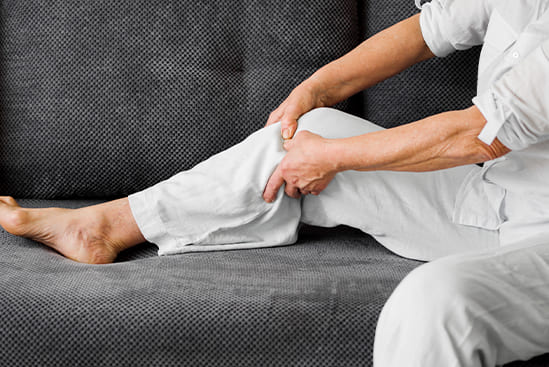
Joint degeneration and inflammation happens as the human body grows older, but that does not mean our way of life degenerates as well. Relief your joint pains with a joint effort together with your physiotherapist, who will provide pain-relief treatments and prescribe exercises for your wellbeing.

Common conditions in the older age population include hips & knee pain, back & neck pain, osteoarthritis, rheumatism, fear of falling and many more. Aging and degeneration of bodily function is inevitable, but here at Synapse, we will help you live the best of your life.